Choibalsan Travel Guide: What to See, How to Get There
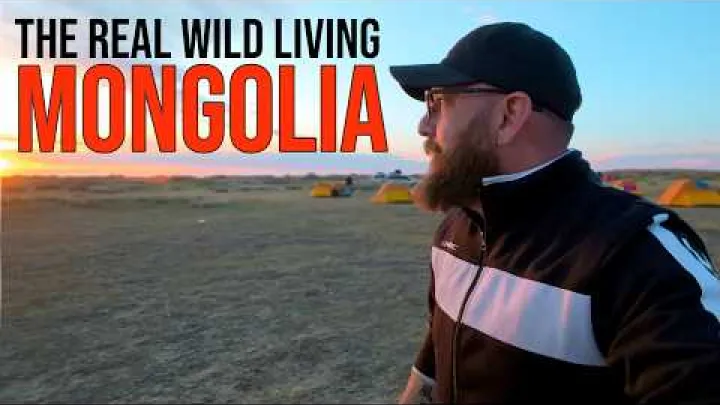
This Choibalsan travel guide is for first-time visitors who want to see more of Mongolia than its established central and southern routes. Choibalsan is the urban center of Dornod aimag and a useful gateway to Eastern Mongolia’s open steppe, rivers, wetlands, borderland history, and local culture. The city is a good choice for travelers who value space, slower travel, and independent exploration more than a dense sightseeing circuit. This guide explains how to decide whether Choibalsan belongs on your itinerary, how to reach and use the city, what to see, how to plan regional excursions, what costs drive the trip, and when to visit.
Plan Your Choibalsan Trip
Choibalsan is easier to enjoy when you treat it as both a city destination and a logistics base. Plan time for the central sights, then build rural travel around confirmed transport and local support.
Decide Whether Choibalsan Fits Your Mongolia Itinerary
Choibalsan suits travelers interested in open landscapes, modern Mongolian history, local markets, and a less structured visitor experience. It offers an urban starting point for exploring Dornod, but the city itself is not packed with major attractions. Its appeal comes from the combination of a provincial center, a Kherlen River setting, and access to a wide region where nature and cultural sites are spread far apart.
Choose Choibalsan if you want to observe everyday life, visit museums and monuments, photograph steppe scenery, or arrange a longer trip toward lakes, rivers, and protected landscapes. It can also suit repeat visitors to Mongolia who want a different regional perspective. Travelers who prefer frequent scheduled tours, extensive English-language services, and short distances between famous attractions may find the Ulaanbaatar, central Mongolia, or Gobi routes easier for a first trip.
Limited tourism infrastructure should be understood as a planning condition, not automatically as a disadvantage or a promise of untouched authenticity. A city hotel, local taxi, museum visit, or rural excursion may require more direct communication than the same service in Mongolia’s most established visitor centers.
Choose How Long to Stay
For a city-focused visit, allow about two or three nights. This gives you time to orient yourself around Choibalsan Central Square, visit museums and memorials, explore the market, and keep some flexibility around arrival or departure arrangements. A shorter stop may work if you are passing through, but it can leave little time if transport timing changes.
For a city-and-nature itinerary, spend several nights in Choibalsan and add several more nights outside the city if you are visiting a lake, river system, protected landscape, or herder community. Do not assume that a site is a practical day trip because it looks close on a map. Regional roads, vehicle availability, the need for a local guide, and the availability of rural accommodation all affect the timetable.
A useful planning order is to confirm the transport that gets you to Dornod, reserve the city nights, identify one realistic rural route, and then add contingency time. Let the number of arranged excursions determine the final length rather than forcing every attraction into a fixed schedule.
Prepare Before Departure
Preparation matters more in Choibalsan than in a highly developed tourism circuit because information and services can be less standardized. Keep a short checklist for the practical details that affect your first day and any onward journey.
- Save your accommodation confirmation, arrival details, and a local contact number in both online and offline formats.
- Carry your passport and any entry documents required for your nationality, together with copies stored separately.
- Confirm how you will move from the airport or bus arrival point to your accommodation, especially if you arrive late or depart early.
- Pack layers, wind protection, comfortable shoes, sun protection, and any personal medication needed for time outside the city.
- Ask your host where to find food, cash services, taxis, and transport departures before you begin a rural plan.
- Treat old timetables, opening hours, and online listings as information to check rather than permanent guarantees.
Collect current information from the transport provider, your accommodation, and the local operator involved in any rural plan. This is especially useful when English-language information is limited or when several names are used for the same place.
Understand Choibalsan and Eastern Mongolia
Choibalsan makes more sense when viewed as the main service center of a large eastern region rather than as an isolated list of monuments. The broader national context presented by Go Mongolia can help with general trip planning, while Dornod requires more local and route-specific decisions.
Understand Choibalsan's Role in Dornod
Choibalsan is the capital and main urban hub of Dornod aimag in eastern Mongolia. The built-up city is associated administratively with Kherlen sum and is situated in the wider setting of the Kherlen River. For visitors, these names are useful because they distinguish the city from the much larger rural area of Dornod.
The city concentrates accommodation, food, administrative services, cultural institutions, and regional transport connections. That makes it a practical first-time base even when your main interest is outside the city. You can use Choibalsan to arrange supplies, meet a driver or guide, recover after a long journey, and learn more about local history before entering the steppe.
The distinction between the city and the wider aimag is important. A Choibalsan hotel does not place you beside every Dornod attraction, and an excursion described as being in Eastern Mongolia may require a separate rural itinerary. Think of the city as a service and orientation point, not as a substitute for the region beyond it.
Compare Eastern Mongolia with Other Mongolian Regions
Central Mongolia generally offers easier access to established circuits and widely visited cultural and landscape attractions. The southern Gobi is chosen for desert scenery and long-distance routes between major natural sites. Western Mongolia is associated with more mountainous landscapes and distinctive cultural routes, while northern Mongolia is often selected for forests, lakes, and cooler environments.
Eastern Mongolia has a different travel character. Its open steppe, rivers, wetlands, borderland setting, and pastoral landscapes are central to the experience. The region also offers connections with modern Mongolian history, wartime memory, and Soviet-era development. Travelers may be drawn by birdwatching, nature observation, horse travel where arranged, local history, or the opportunity to explore a less structured part of the country.
These comparisons describe travel styles rather than strict boundaries. Choose Eastern Mongolia if the journey itself, wide horizons, regional history, and flexible exploration are part of the attraction. Choose a more established route if you want a simpler first introduction with more predictable visitor services.
Choose a Base in Dornod
For most first-time visitors, Choibalsan is the most practical base in Dornod. It offers the strongest combination of accommodation, food, city transport, museums, markets, and access to regional connections. Staying in town also gives you a place to adjust your plans if a rural excursion is not available or if you decide that more preparation is needed.
A rural base near a lake, river, or conservation area can reduce the distance to a particular landscape and provide a more immersive experience. It may also involve fewer services, limited communication, less choice of food and lodging, and more dependence on one vehicle or host. A rural location is not automatically easier or closer simply because it appears nearer on a map.
Use this decision rule: choose Choibalsan when you want flexibility and services; choose a rural base only when transport, lodging, food, local support, and the return or onward route are already clear.
Travel to Choibalsan
Access is one of the main reasons to plan Eastern Mongolia separately from the rest of a Mongolia itinerary. Air travel saves time, while road and rail options can suit travelers who accept longer journeys and greater uncertainty.
Fly Through Choibalsan Airport
For many visitors, flying is the most time-efficient way to reach Choibalsan. The airport is identified as Choibalsan Airport, with the code COQ, in domestic flight listings such as Alternative Airlines. Many itineraries connect through Ulaanbaatar before continuing to Dornod, although the available pattern depends on current operations.
Do not build your itinerary around a fixed weekday, airline, or departure time taken from an old listing. Confirm the current flight schedule and airport status directly with the airline or transport provider. If you will connect onward to another Mongolian region, leave a meaningful buffer rather than arranging a same-day connection with no alternative.
Flight availability can shape the whole trip. Check the arrival time before booking an airport transfer, confirm how your accommodation handles late arrivals, and keep important medication and essential items in your cabin baggage when possible. If a flight schedule gives you only a short margin before a rural departure, consider arriving earlier or adding a city night.
Travel by Road or Long-Distance Bus
Scheduled buses and private vans may provide overland access to Choibalsan. The choice depends on the current service, your departure city, and whether you value a lower transport cost over speed and comfort. Private vans can offer more flexibility, while scheduled services may be more economical but less adaptable to changes in your plans.

Long distances and mixed road surfaces make overland travel better suited to flexible itineraries than tightly timed connections. The journey may take much of a travel day, and comfort can vary with the vehicle, passenger load, and road conditions. A lower ticket cost does not necessarily mean a lower total trip cost if you need an extra night, meals, or a replacement connection.
Ask your accommodation provider or an established local operator to confirm the departure point, destination name, timing, luggage arrangements, and arrival point. These details are especially important when a service is described informally as a bus, van, or shared vehicle. Keep your first city night flexible enough to absorb a late arrival.
Consider Rail and Border Routes
A rail connection toward the Russian border is a notable regional possibility for experienced overland travelers researching a wider journey. It should not be treated as the standard tourist route to Choibalsan. Passenger availability, operating status, border procedures, and entry requirements can all affect whether the route is usable.
Before relying on it, obtain current confirmation from railway and border authorities. Check whether the service is operating for passengers, which documents are needed, how the border crossing works, and whether your nationality can use the intended entry or exit route. Do not assume that a rail line shown on a map functions as a simple scheduled connection.
This option is most appropriate for travelers who have time to research a cross-border itinerary and a backup plan. For a first visit focused on Choibalsan and Dornod, flying or a locally confirmed overland service is usually easier to understand and organize.
Get Around Choibalsan and Find a Place to Stay
Inside the city, the most useful strategy is to stay central and combine walking with locally arranged rides. Outside the city, transport planning becomes a separate part of the itinerary.
Move Around the City
The central area is the most useful zone for walking between civic landmarks, museums, markets, restaurants, and nearby services. Choibalsan has a built-up center that extends toward residential and less urban surroundings, so the experience changes as you move away from the main civic area.
Plan to combine walking, taxis, hotel-arranged rides, and any public transport that local residents currently use. Do not transfer Ulaanbaatar bus routes, fares, payment systems, or card assumptions to Choibalsan without confirmation. When you check in, ask your accommodation staff where taxis wait, how drivers are contacted, what the usual payment method is, and where regional transport departs.
For a short city visit, group nearby sights into one walk and use a taxi for sites that are not clearly within walking distance. Save the address of your accommodation in a form that can be shown to a driver. If you plan an early airport departure, arrange the ride in advance rather than relying on finding one at the last minute.
Stay Near the City Center
Central accommodation is the simplest choice for first-time visitors. It can reduce the need for taxis, place you near the square, museums, market, restaurants, and daily services, and make it easier to meet a driver or guide. It also gives you a practical base while you decide whether a rural excursion is realistic.
Hotels and guesthouses are available, but the range is smaller than in Mongolia’s main tourist centers. Compare recent reviews and confirm the basic conditions that matter to you, such as heating in cold weather, hot water, internet access, breakfast, payment methods, and check-in hours. These are property-level details, so do not assume that one accommodation provides the same facilities as another.
Ask whether the property can arrange an airport transfer, store luggage, or support an early departure. If you are arriving late, confirm that someone will be available to receive you. A central location improves convenience, but it does not by itself guarantee a particular standard of service.
Arrange Rural Overnights and Day Trips
Rural travel around Dornod usually needs more coordination than sightseeing inside Choibalsan. A lake, river, protected landscape, or community visit may require a suitable vehicle, a driver who knows the route, local interpretation, food, and overnight arrangements. The destination’s regional name does not prove that it is reachable as a same-day excursion.
Before paying, get the full rural trip plan and its inclusions in writing from a local operator or accommodation host. At minimum, ask for:
- the route, destinations, departure point, return or onward plan, and expected number of nights;
- the vehicle type, passenger capacity, fuel arrangements, and driver or guide responsibilities;
- the accommodation standard, meals, drinking water, and equipment included in the price;
- the activities planned and any permissions needed for protected areas, fishing, horse travel, or community visits;
- the total price, payment schedule, cancellation terms, and what happens if the plan changes; and
- the communication method to use if you are delayed or separated from the group.
Written details make it easier to compare offers and identify costs that are sometimes described as extras. They also help you decide whether a city day trip, a rural overnight, or a longer guided route matches your time and comfort level.
Build a Choibalsan Travel Budget
A Choibalsan budget has two different parts: everyday spending in the city and the larger transport and service costs of reaching remote Eastern Mongolia. A modest hotel does not necessarily make the whole trip inexpensive.
Estimate Daily Spending Without False Precision
Build your estimate by separating these categories:
- accommodation in Choibalsan or a rural stay;
- meals, snacks, and drinking water;
- city transport, including taxis or arranged rides;
- regional transport by flight, bus, van, or private vehicle;
- guide or interpreter services;
- museum, memorial, or other entrance fees where applicable; and
- equipment, horse activities, rural supplies, and communication costs.
City expenses may be manageable compared with the cost of reaching Dornod and arranging transport beyond Choibalsan. Your largest daily difference may come from the accommodation type and whether you eat independently or as part of an organized rural trip. A city-focused itinerary can therefore have a very different cost profile from a multi-day nature trip even when both use similar accommodation in town.
Use current quotations from hotels, airlines, vehicle providers, and guides instead of relying on a fixed online budget. Ask whether taxes, fuel, meals, entrance fees, luggage, and transfers are included. Keep a reserve for an extra night or an unplanned local ride.
Budget for Flights, Vehicles, and Guides
Domestic flights can be a major one-time cost, especially when they are the only practical way to protect limited vacation time. Buses and shared vans may reduce the ticket price but use more time and may give you less control over departure and arrival. Compare the total value of each option, not only the initial fare.
On a nature-focused trip, a private vehicle, driver, guide, fuel, rural accommodation, food, and equipment can become the largest expenses. A quote that appears high may include several of these services, while a lower quote may leave them for you to arrange separately. Ask whether the price is per person or per vehicle and whether the vehicle is dedicated to your group.
Compare two complete scenarios: a city-focused visit using local transport, and a guided multi-day excursion with all major rural services included. This makes the real cost clearer than comparing hotel prices alone. It also shows whether the extra spending buys access to a place that would otherwise be difficult to reach.
Book Accommodation and Services
Booking platforms can be useful for comparing city properties, reading recent reviews, and securing a reservation before arrival. Their listings may not represent the full local accommodation market, and smaller guesthouses or rural stays may rely on direct contact or local recommendations.
For a smaller property, airport transfer, rural lodging, or guide arrangement, confirm the details directly or through a trusted local intermediary. Check the cancellation terms, accepted payment methods, check-in time, language support, luggage storage, and the exact address. Save the confirmation offline in case mobile data is limited when you arrive.
Do not confuse a confirmed room with a confirmed rural itinerary. Accommodation staff may help connect you with a driver or operator, but clarify who is responsible for each part of the service and what is included in the quoted price.
See Choibalsan's History and Everyday Life
The city’s attractions are compact enough to combine into a gradual introduction to Dornod. Begin with the civic center, then use museums, memorials, markets, temples, and architecture to understand how different periods appear in everyday urban space.
Walk the Central Square and Main Landmarks
Choibalsan Central Square is a useful starting point for orienting yourself. The Marshal Choibalsan statue and the surrounding public landscape introduce the city’s civic identity, while nearby administrative buildings, monuments, and cultural sites provide a natural beginning for a short city walk.

A local destination overview from Steppe Mongolia also highlights the square, statue, museums, buildings, temples, and public landmarks as key places to see. Use the statue as an entry point into the city’s political history rather than treating one leader as a complete explanation of Dornod.
Walk slowly, identify the places you want to revisit, and ask locally which buildings are open to visitors. A short central route is valuable even if your main purpose is a rural excursion because it gives you a sense of the city’s scale and services.
Visit Museums and Memorials
The Museum of Local History and Ethnography, the Aimag Museum and Gallery reference, and the Mongolian Heroes’ Memorial can help place Choibalsan within Dornod’s local and modern history. Together, these sites may offer different perspectives on regional culture, wartime memory, Soviet-era development, public commemoration, and Mongolia’s changing political identity.
Do not assume that the Museum of Local History and Ethnography and the Aimag Museum and Gallery are definitely separate institutions. Local listings may use different names or describe overlapping venues. Ask your accommodation or a local information point to clarify the current names, locations, collections, opening hours, translation support, and whether photography is allowed.
These visits are particularly useful before a rural journey. They can give context to monuments, landscapes, and historical sites that you encounter outside the city without requiring you to turn every stop into a formal tour.
Explore Markets, Temples, and Soviet-Era Buildings
Choibalsan market is best understood as a local commercial space rather than a fixed tourist attraction. Depending on the day and current stock, you may see local foods, dried dairy products, saddles, hats, boots, and other practical goods. It is a place to observe how residents shop and trade, not simply a checklist of souvenirs.
Buddhist temples, public religious sites, Russian-style buildings, and monuments add other layers to the cityscape. Together they show that Choibalsan’s identity includes local religious life, regional history, and architectural influences from different periods. Confirm market opening patterns and temple access locally before assigning them to a precise morning or afternoon schedule.
Keep your expectations flexible. A market may be more interesting for its ordinary activity than for a formal visitor experience, and a building may be best appreciated from the outside if it is not open to the public.
Explore Nature and Culture Beyond the City
Dornod’s main attractions are often landscapes rather than developed visitor sites. Plan outdoor experiences around access, local knowledge, conservation, and the amount of time available rather than trying to collect distant place names.
Start with the Kherlen River and Open Steppe
The Kherlen River and the surrounding open steppe are useful landscape anchors for understanding Choibalsan. Even a low-intensity outing can provide opportunities for walking, landscape viewing, photography, and observing seasonal pastoral life. The value is often in the scale and quiet of the setting rather than in a formal trail or built attraction.
Do not assume that the riverbank is a developed recreation zone. Facilities, shade, marked paths, and transport may be limited outside the built-up area. Ask locally which access points are suitable and whether a driver is needed. Treat activities such as swimming, fishing, or boating as separate plans that require local guidance rather than natural extensions of a city walk.
The change from city to open land can be rapid. Carry water, protect yourself from sun and wind, and avoid walking beyond your transport or communication plan without understanding how you will return.
Plan for Onon-Balj National Park
Onon-Balj National Park is a major conservation and cultural landscape for travelers interested in biodiversity, birdlife, rivers, wetlands, and the relationship between protected areas and nomadic livelihoods. Its setting between East Siberian taiga and Daurian forest-steppe creates a varied ecological context, as described by Legacy Landscapes.
Plan Onon-Balj as a regional multi-day possibility, not as a simple city-center day trip. Access, vehicle requirements, rural lodging, food, local interpretation, and any area-specific requirements need to fit together before you include it in your route. A protected landscape can be valuable precisely because it is not organized like an urban attraction.
Choose a local guide or operator who can explain the route and community expectations. Focus on observing landscapes and wildlife without assuming that every area is open for unrestricted access or that a particular species will be visible during your visit.
Compare Lakes, Rivers, Wildlife, and Community Experiences
Buir Lake, Khokh Lake, and the Onon, Khalkh, and Ulz rivers are useful names for organizing a wider Eastern Mongolia itinerary. They should be treated as regional nature anchors rather than guaranteed excursions from Choibalsan. Select among them according to the route, season, available transport, accommodation, and the type of experience you want.
- Choose hiking, landscape photography, or horse trekking where a suitable local arrangement exists and the route matches your experience.
- Choose birdwatching around wetlands, lakes, and river landscapes when you can travel quietly with someone familiar with the area.
- Consider fishing only where it is permitted and where local guidance covers equipment, access, and conservation expectations.
- Choose guided history or community visits when you want context for borderland events, pastoral life, or local traditions.
Rural encounters with herder families, Buryat communities, or shamanic practices should be arranged through respectful local intermediaries. Do not rank the lakes and rivers by scenery or accessibility without current route information. The best choice is the place that can be visited responsibly with realistic transport and support.
Choose the Best Season, Stay Safe, and Travel Responsibly
Season affects comfort, transport, outdoor activities, and the amount of preparation needed. Safety and responsible behavior are also part of itinerary design, especially once you leave Choibalsan.
Choose a Season for Choibalsan
For warm-weather sightseeing and outdoor activities, late June to mid-August is the strongest general period. WeatherSpark identifies this period as the most suitable for warm-weather activities, while June to September can serve as a broader planning window for travelers who accept changing conditions.
Summer supports steppe travel, walking, horse activities where arranged, and visits to river and lake landscapes. Longer daylight can make rural routes more practical, but demand for transport and accommodation may also be higher. Spring and autumn can be rewarding but variable, with wind, mud, and road complications affecting plans.
Winter is best for experienced travelers who specifically want a cold-weather journey and are prepared for severe conditions. Use the latest forecast and local road information to set departure plans. Pack for changing weather with layers, wind and rain protection, warm clothing when needed, sun protection, and footwear suitable for uneven ground.
Prepare for Safety, Health, and Disruptions
Government travel advice generally describes Mongolia as manageable for travelers who use normal precautions, but remote travel adds logistical and medical considerations. The GOV.UK travel advice provides a useful current reference for safety, insurance, entry information, and legal differences.
In Choibalsan, keep valuables secure, stay aware of your surroundings at night, and avoid carrying more documents or cash than you need. Outside the city, communication can be more difficult and services may be farther away. Carry essential medication, keep a basic record of relevant medical information, and tell a trusted person your rural route and expected return.
Review current official travel advice and buy insurance that covers your planned rural activities, medical treatment, and evacuation. Monitor official updates and transport-provider information for disruptions involving weather, fuel, roads, or schedules. A sensible emergency plan includes a way to contact your driver or host, a reserve of funds, and enough time to change the route if support is unavailable.
Travel Responsibly in Eastern Mongolia
Responsible travel in Dornod means protecting steppe, wetland, river, and national-park environments while contributing fairly to local livelihoods. Use local guides and services where they add real knowledge, keep waste with you until it can be disposed of properly, and avoid disturbing wildlife or damaging plants.
Ask permission before photographing people, entering a home, joining a meal, or attending a religious or shamanic activity. Follow the lead of your host about dress, behavior, gifts, and conversation. A cultural visit should not turn local identity into a performance, and Buryat, nomadic, Buddhist, or shamanic traditions should be approached as living practices rather than attractions.
Follow protected-area rules, stay on appropriate routes, avoid taking natural objects, and use existing campsites or facilities when available. Buy local products respectfully and clarify prices before a transaction. These simple choices help make a Choibalsan trip more useful to the communities and landscapes that make Eastern Mongolia worth the extra planning.
Select area
Create a post
Posting is free and no registration is required.