Ulaanbaatar Travel Guide: Where to Stay, See and Get Around

This Ulaanbaatar travel guide helps first-time visitors plan a comfortable base in Mongolia's capital and main international gateway. You will find practical advice on where to stay, how many days to allow, when to visit, how to reach the city, and how to move around it. It also covers central sights, day trips into Central Mongolia, typical city costs, food, rural travel, and everyday safety. Ulaanbaatar is straightforward to visit with realistic expectations, but traffic, weather, distances, and changing tour arrangements make flexible planning valuable.
Plan Your Ulaanbaatar Trip at a Glance
Ulaanbaatar works both as a destination in its own right and as the starting point for a longer Mongolia itinerary. A short city stay can provide historical and cultural context before you travel into the steppe, national parks, or the wider countryside.
What Ulaanbaatar Is Like for First-Time Visitors
Ulaanbaatar is Mongolia's capital, largest urban center, and main arrival point for international travelers. It is where many visitors arrange a countryside tour, meet a driver, stock up on supplies, exchange money, or recover after a long flight or overland journey. The central area contains major museums, government landmarks, restaurants, hotels, shops, and religious sites, so a first visit can feel manageable when activities are grouped by location.
The city is not a polished resort destination. Heavy traffic, uneven sidewalks, winter ice, periods of pollution, and rapid construction are part of the urban experience. Soviet-era buildings stand near modern towers, shopping centers, apartment blocks, and newer developments. At the edges of the built-up area, outer ger districts reflect the city's rapid growth and have different infrastructure from the central districts. These contrasts are useful context, not reasons to avoid the city.
Distances become more important once you leave the center. An address that looks close on a map may take much longer by car during busy periods, and a countryside excursion can involve slow or uneven roads. Plan a few central sightseeing clusters, keep arrival and departure days lighter, and leave space for traffic, weather, and tour changes.
How Many Days to Spend in Ulaanbaatar
Two full days are enough for a focused first look. You can visit Sukhbaatar Square, the National Museum of Mongolia, Gandantegchinlen Monastery, and selected nearby cultural attractions if you organize each day geographically. This length suits travelers whose main goal is the countryside and who need the city primarily for arrival, preparation, and a short cultural introduction.
Three full days offer a better balance. Along with central museums and landmarks, you can add the Zaisan Memorial and the southern part of the city, allow more time for meals and shopping, or keep one afternoon less structured. Three days also reduce the pressure caused by traffic or a late arrival.
Four to five days work well for travelers who want both city time and a nearby excursion. You can add Gorkhi-Terelj National Park, Hustai National Park, or the Chinggis Khan Statue Complex, although these are separate trips rather than ordinary city neighborhoods. If you are joining a multi-day tour, consider an arrival night and a departure buffer night in addition to your sightseeing days. A countryside itinerary should not depend on reaching the airport or a long-distance connection immediately after a rural return.
Choose the Right Area to Stay
Ulaanbaatar's district names cover broad areas, so they are useful orientation points rather than guarantees of walkability. When comparing accommodation, enter the exact address into a map and check its distance from the landmarks, restaurants, station, or meeting point that matter to your itinerary.
Staying Around Sukhbaatar Square
Sukhbaatar District and the area around Sukhbaatar Square are the simplest default base for a first visit. The square, Government Palace area, National Museum of Mongolia, restaurants, shopping areas, and many central services are within the wider city core. Travelers who want to begin with a short walk after checking in often find this area easier to understand than a more distant residential base.

Accommodation ranges from international hotels and higher-end towers to mid-range hotels, boutique properties, hostels, and guesthouses. Centrality usually comes with a higher price or more street activity, and traffic can still affect transfers even when the destination is nearby. Some properties use a neighborhood name broadly, so check the entrance, reception hours, lift access, breakfast schedule, luggage storage, heating, and the exact route to your intended landmarks.
Choose this area if easy orientation, restaurant choice, and access to central museums matter more than having the newest building or the quietest street. It is especially practical for a first or final night before a tour.
Bayangol and Chingeltei for Central Convenience
Bayangol District is an adjacent central option. It gives travelers access to commercial areas, the city core, and the corridor around Ulaanbaatar Railway Station. It can suit visitors arriving by train, people who want a central room at a different price point, or travelers who do not need to be directly beside Sukhbaatar Square.
Chingeltei District combines older urban streets, everyday local activity, and access toward Gandantegchinlen Monastery. It can feel less formal and less concentrated with major hotels than the square area, while still being useful for central sightseeing. Accommodation quality, street lighting, sidewalks, and noise can vary from one block to another in both districts. Look for recent property reviews and confirm the address rather than assuming that a district label describes the whole area.
Bayangol and Chingeltei are good choices for travelers seeking central convenience with more neighborhood character or potentially lower accommodation costs. They are less suitable when a hotel promises airport convenience based only on its position on a map, because traffic remains a city-wide factor.
Khan-Uul and Zaisan for a Southern Base
Khan-Uul District and Zaisan are southern options associated with newer apartment and commercial developments, restaurants, and access toward the airport road. The Zaisan Memorial provides a prominent southern landmark and viewpoint, and the area can feel different from the older central streets. It may suit travelers who prefer newer accommodation, have plans in southern Ulaanbaatar, or want a quieter residential setting.
The trade-off is less convenient access to the central museums and square. A southern address may look close to Chinggis Khaan International Airport, but the airport approach can still be affected by traffic, road works, weather, and the time of day. Do not choose Zaisan only because a booking page gives a short-looking distance to the airport. Ask the property how it normally handles airport transfers and allow a generous buffer.
Choose Accommodation for Your Trip Style
Choose a hotel or guesthouse based on the whole itinerary rather than the room alone. A budget traveler may value a central hostel, kitchen access, luggage storage, and help arranging a countryside tour. A traveler with an early flight may value a confirmed airport transfer, a reception that operates at the required hour, and a clear late check-in process. A family or traveler with mobility needs should prioritize the entrance, lift, bathroom, and vehicle arrangements over a broad district description.
Use this booking checklist:
- Confirm the exact map address and the distance to your main meeting point.
- Ask whether heating, hot water, Wi-Fi, and lifts operate during your travel season.
- Check reception hours, late arrival instructions, luggage storage, and cancellation terms.
- Ask whether the property can arrange a car and whether the price is quoted separately.
- Confirm step-free access, stairs, bathroom layout, and vehicle type if these affect your trip.
- Compare the total price for your dates, especially around summer and Naadam.
Central accommodation is usually the easiest first choice. A southern or quieter base can be better for a specific schedule, but the saving or extra comfort should justify additional travel across the city. Summer demand and the Naadam period can reduce availability, so book the nights that connect to rural tours early and read the cancellation conditions carefully.
Decide When to Visit Ulaanbaatar
Ulaanbaatar has strong seasonal contrasts. The best season depends on whether you want easy city sightseeing, a broad choice of countryside tours, festival activity, fewer visitors, or a winter experience. Conditions in the capital and in rural Mongolia can differ, so choose clothing and activities for both parts of the itinerary.
Summer Travel and the Naadam Festival
June through August is the main visitor season and the easiest period for combining Ulaanbaatar with rural Mongolia. Days are generally more suitable for walking and outdoor visits than in winter, and more ger camps, drivers, guides, and organized excursions operate. Summer is also when the city is most active with visitors, so central accommodation and popular tours can be in greater demand.

July and the Naadam period attract travelers who want to experience a major Mongolian cultural celebration. Booking around the event requires more than selecting a hotel: confirm the current dates, venues, ticketing arrangements, transport, and whether a proposed tour includes official celebrations or separate local events. The city celebrations and festivals held elsewhere in Mongolia are not automatically the same experience.
Summer is the easiest general-purpose choice, not a universally perfect season. Expect busy roads, stronger demand, and possible changes to ordinary opening hours or transport during major events. The seasonal overview from Undiscovered Destinations is useful background, but use current local information for festival arrangements and bookings.
Spring and Autumn Shoulder Seasons
Late spring and early autumn can suit travelers who prefer a quieter city and more flexible accommodation. Museums, restaurants, and central sights may feel less crowded, and you may have more choice when arranging a private driver or changing your schedule. These seasons can be attractive for a short Ulaanbaatar visit focused on urban culture rather than a long remote journey.
Shoulder-season weather is variable. Wind, dust, late snow, cold nights, and rapid changes between daytime and evening conditions can affect comfort. Rural roads may be more difficult when weather changes, and some countryside operators or ger camps may reduce services or close outside the main summer season.
Choose these months if you can pack for changing conditions and accept that an outdoor plan may need adjustment. Ask an operator which parks, camps, vehicles, and overnight services are actually running for your dates. For a city-only itinerary, shoulder seasons can be practical; for an extensive rural route, the operating calendar matters as much as the air temperature.
Winter Conditions and Cold-Weather Planning
Winter in Ulaanbaatar can bring severe cold, difficult outdoor conditions, and significant air-quality concerns. Heated hotels and indoor city attractions remain available, but long walks, exposed viewpoints, and waiting outdoors for transport can become uncomfortable quickly. Many countryside tourism services and ger camps operate on a reduced basis or close, so do not assume that a summer itinerary can be transferred directly to winter.
Pack clothing in layers, insulated footwear with good grip, gloves, and protection for exposed skin. Plan shorter outdoor visits with warm indoor stops, and consider personal health needs related to cold or poor air quality. Travelers with respiratory conditions should discuss their plans with a medical professional and identify how they will access any required medication.
Use current forecasts and air-quality information when finalizing outdoor activities. Add contingency time for weather-related delays, and confirm that accommodation, vehicles, and rural facilities have suitable heating for the dates you will be there.
Arrive and Handle Essential Logistics
Arrival planning is important because Ulaanbaatar is often the transition point between an international journey and a remote Mongolia itinerary. Arrange the first night, transport from the arrival point, local connectivity, money access, and contact details before you are tired or carrying luggage.
Arriving Through Chinggis Khaan International Airport
Chinggis Khaan International Airport is outside the central city and is the main international arrival point. The journey to a central hotel is not simply a question of distance: traffic and the arrival time can make the transfer much less predictable than a map suggests.

The airport's official public transportation information lists bus and taxi services, including a VIP Taxi service. Check the Chinggis Khaan International Airport page close to travel for current routes, operating hours, fares, pickup points, and any night service. Do not rely on an old blog post for a route or price.
Public transport can be useful for travelers arriving during operating hours with light luggage and a clearly identified destination. A hotel-arranged transfer is more convenient when you arrive late, have several bags, need an accessible vehicle, or are connecting directly to a tour. Ask whether the driver will meet you inside the terminal, how to identify the vehicle, and what happens if the flight is delayed. For a departure, build in a traffic buffer rather than treating the airport journey as a fixed-duration trip.
Arriving by Train or Overland Transport
Ulaanbaatar Railway Station is an important arrival point for travelers using the Trans-Mongolian Railway or another overland route. After a long train journey, the city is a useful place to rest, organize supplies, confirm a tour, and arrange a private driver before continuing into the countryside.
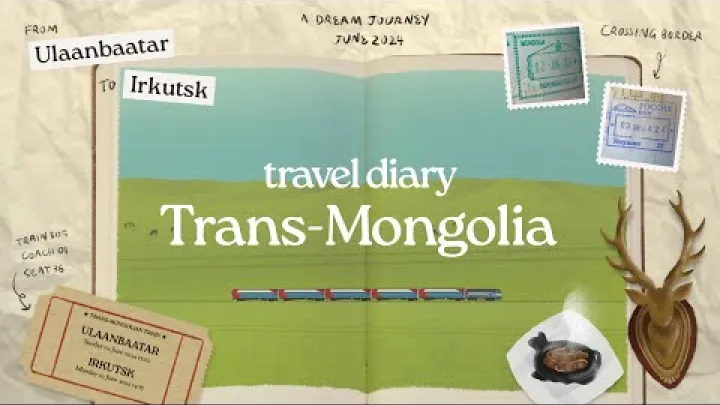
Border procedures, train schedules, cross-border services, and road connections can change. Check the current information from the relevant railway, carrier, border, and consular sources close to departure instead of assuming that a familiar Trans-Mongolian itinerary is operating exactly as described in an older guide.
Plan your first night around a possible late arrival. Keep the accommodation address and telephone number available offline, decide how luggage will reach the hotel, and avoid scheduling a tight same-day connection to a rural tour. If you must meet a guide, agree on a written pickup location and a backup contact method before leaving the station.
Entry Rules, Documents, Money, and Connectivity
Visa exemptions, visa requirements, permitted stays, and registration obligations depend on your nationality, the length and purpose of your visit, and the policy in force when you travel. Check current Mongolian immigration or consular information and your own government's travel information. A rule that applies to one passport may not apply to another, and a short tourist visit may be treated differently from a longer stay.
Prepare a digital and offline checklist containing:
- A passport that meets the current validity and blank-page requirements for your nationality.
- Any visa, permit, invitation, onward-travel evidence, or other document required for your itinerary.
- Secure copies of your passport, insurance policy, bookings, tour contacts, and emergency contacts.
- Accommodation details for the first night and the address of any rural operator or guide.
- Travel insurance that addresses medical care, evacuation, cancellations, and planned activities.
After arrival, arrange connectivity before leaving the city if possible. Depending on your phone and provider, a local SIM or eSIM may be convenient, but confirm compatibility, identification requirements, coverage, and activation steps. The local currency is the Mongolian tögrög, written as MNT. Decide how you will access money and keep a backup payment method separate from your main wallet. Before a rural departure, confirm how much cash is useful for meals, small purchases, entrance fees, and unexpected transport.
Get Around Ulaanbaatar
The most useful transport strategy is usually a combination of walking, buses, and cars. Central landmarks can be grouped on foot, while traffic-sensitive journeys, heavy luggage, distant districts, and airport transfers require more planning.
Walking Around the Central Districts
Central Ulaanbaatar is walkable in selected clusters rather than universally easy to explore on foot. Sukhbaatar Square, the National Museum of Mongolia, nearby restaurants, and other central institutions can form one walking-focused day. Gandantegchinlen Monastery can be treated as a separate cluster or combined with nearby central neighborhoods, depending on your pace and the season.
Allow for heavy traffic, uneven sidewalks, difficult crossings, construction, winter ice, and changing comfort in wind, dust, heat, or cold. A short route on a map may take longer because of major roads and limited crossing points. Wear footwear suited to the surface, keep your phone charged, and save an offline map with your hotel and key landmarks marked.
Travelers with mobility needs should inspect the route as well as the destination. Check whether a crossing, sidewalk, entrance, or viewpoint involves stairs or an uneven surface. Landmark-based directions are often useful when street names are difficult to read, but keep the exact address written in a form that can be shown to a driver.
Using Buses and the UB Smart Bus System
City buses are the low-cost way to cover more ground, but they can be challenging for visitors unfamiliar with Mongolian Cyrillic, local stops, route changes, and payment procedures. Crowding can be significant, and large luggage is inconvenient during busy periods. Ask your accommodation for help identifying the correct stop and destination, especially for a first journey.
The UB Smart Bus app and rechargeable bus cards may be useful tools. Treat them as separate functions: an app can help with route planning, a stored-value card can simplify payment when it is accepted and available, and cash may be a fallback only on services that accept it. Confirm current app functionality, fares, transfer rules, card purchase locations, and top-up methods locally rather than relying on older fare information.
For a simple central day, walking may be easier than learning a bus route for one short ride. For a longer stay, the bus system can reduce costs if you have time to learn it. Keep a map pin, the destination written in Mongolian if possible, and enough time for a wrong stop or an unexpected route change.
Taxis, Ride-Hailing, and Traffic Times
Hotel-arranged cars, licensed taxis, and locally available ride-hailing services such as UBCab can each be useful, but availability and booking procedures can change. A hotel car may be easiest for luggage or a complicated address. A ride-hailing service may be useful when you can share a map pin and see the vehicle details. A taxi can be practical for a short daytime journey when the destination is clearly written.
Traffic can make short distances unpredictable during busy periods, adverse weather, and major events. Save the destination address, use a map pin, and ask the driver to confirm the location before starting. For airport transfers, luggage moves, and tour pickups, arrange the journey earlier than you think necessary. For late-night movement, make the transport plan part of the evening rather than deciding on a car at the roadside.
Do not judge a fare only by distance. Ask whether waiting, parking, luggage, tolls, or a return journey is included when booking a private car. If you are comparing a city taxi with a tour transfer, confirm whether the quoted amount is for the vehicle or per passenger.
Accessibility, Luggage, and Weather-Related Movement
Accessibility can vary significantly between buildings and vehicles. Some sidewalks have uneven surfaces or limited ramps, older accommodation may have stairs or narrow lifts, and crowded buses may not be practical with a large suitcase. Winter ice and snow can make an otherwise manageable route difficult.
Ask a hotel or tour operator specific questions before paying:
- Is the entrance step-free, and is there a lift from the street to the room?
- What are the bathroom doorway, shower, and grab-rail arrangements?
- Can a vehicle carry the number and size of your bags?
- Will the driver assist with luggage, and can the car stop close to the entrance?
- Does the tour include stairs, rough ground, steep paths, or long periods outside?
When carrying luggage or traveling in difficult weather, a central hotel, private transfer, and shorter activity clusters may be worth the extra cost. Build rest time into the first day, and avoid making a tight connection depend on a single taxi or a long cross-city journey.
See and Do: City Highlights and Day Trips
Ulaanbaatar sightseeing is easiest when divided into a central cultural route, a southern city route, and excursions beyond the urban area. This approach reduces unnecessary crossings and lets you match each day to the available weather and transport.
A Central Cultural Route
Begin with Sukhbaatar Square and the Government Palace area to understand the civic center of the capital. Continue to the National Museum of Mongolia for historical context, then choose nearby cultural institutions or restaurants according to your interests. The square and surrounding streets are useful orientation points for a first day, but allow time for security instructions and changing access around official buildings.
Visit Gandantegchinlen Monastery as a distinct religious and cultural stop. Its atmosphere and purpose differ from a museum, so dress and behave accordingly, and allow time to observe rather than rushing through it. A central route that combines a museum with the monastery can help you connect Mongolia's history, Buddhist heritage, and contemporary capital before leaving for rural regions.
Opening hours, admission rules, photography permissions, and event closures can change. Check each venue's current information on the day or shortly before visiting. If a museum is central to your plan, avoid placing it on a day when your arrival time, train connection, or countryside return is uncertain.
Zaisan Memorial and the Southern City
The Zaisan Memorial is a southern Ulaanbaatar viewpoint and a useful contrast to the central districts. It can be paired with time in Khan-Uul District, newer developments, restaurants, or a look toward the Tuul River area where access and conditions permit. The route gives visitors a sense of how the capital extends beyond the square and older central streets.
The memorial is on a hillside and involves stairs, so wear shoes with a secure grip and consider your physical ability, weather, and daylight. The site is best treated as an optional half-day-style cluster rather than a fixed-duration activity. Traffic can affect the return to the center, so avoid placing a timed train, airport transfer, or evening tour immediately afterward.
Day Trips from Ulaanbaatar
Choose a day trip by goal. Gorkhi-Terelj National Park suits travelers who want accessible steppe and mountain landscapes, outdoor time, and a taste of a ger-camp or countryside setting. Hustai National Park is a stronger choice for wildlife-focused travel and open landscapes, but sightings are never guaranteed. The Chinggis Khan Statue Complex is a monument and cultural excursion that can suit travelers interested in national history, large-scale landmarks, and a structured visit outside the city.
A guided group day trip is usually the simplest way to control costs and logistics, although the schedule may be less flexible. A private driver gives more control over stops, luggage, pace, and accessibility, but the vehicle and guide cost are concentrated among fewer travelers. An overnight extension into Central Mongolia makes more sense when you want time in the landscape rather than a quick photograph and return; it also requires more planning for accommodation, food, communications, and weather.
Compare each operator using the same checklist:
- Road conditions, vehicle type, seat belts, and the expected time in the car.
- Park or site fees, meals, drinking water, and accommodation if staying overnight.
- Guide language, driver experience, pickup location, and luggage capacity.
- Seasonal operation, minimum group size, and what happens if weather changes.
- Whether the price covers transport, entrance fees, guide services, and hotel pickup.
Do not book only by the attraction name or the lowest headline price. Ask what the day actually includes and whether the route is suitable for your vehicle, fitness, and travel season.
Budget, Food, and Practical Spending
Ulaanbaatar can be planned at different comfort levels, but rural transport and organized tours often have a greater effect on the final budget than ordinary city transport. Price the city nights, airport transfers, meals, admissions, rural excursions, park fees, shopping, and a contingency amount separately.
Accommodation, Food, and Daily Budget Bands
The following are illustrative 2026 planning bands in US dollars for one person on a city day. They are not quotes and exclude international flights, visas, major shopping, and most multi-day rural tours. A private room, festival dates, last-minute booking, and frequent car use can move the total above the relevant band.
| Travel style | Indicative city budget | Typical pattern |
|---|---|---|
| Budget | US$35-70 per day | Hostel or basic guesthouse, local meals, buses, and selected admissions |
| Mid-range | US$80-160 per day | Private room or mid-range hotel, mixed dining, taxis, and regular sightseeing |
| Higher comfort | US$180 or more per day | Higher-end hotel, frequent cars, restaurants, and more paid activities |
Use these figures as a planning framework rather than a promise about current prices. The cost overview from Inspiring Vacations can help structure comparisons between accommodation, meals, transport, and tours, but exchange rates and local prices change. A city-only budget is not a reliable estimate for a private vehicle or a multi-day journey into the countryside.
To keep costs under control, choose a central hotel that reduces repeated taxi rides, use local restaurants for some meals, and compare group and private excursions. To avoid under-budgeting, add airport transport, photography fees, park charges, guide tips if customary for your arrangement, extra water and snacks, and one flexible night in the city.
What to Eat and Where to Find It
Mongolian food is a useful part of the city experience. Start with buuz, steamed dumplings; khuushuur, a fried filled pastry; tsuivan, a noodle dish; and guriltai shul, a noodle soup. Recipes and portions vary, so ask what is in a dish if you have allergies or dietary restrictions.
Local canteens and simple restaurants can provide filling meals at a lower cost, while central cafes and international restaurants offer more familiar menus and a wider range of dietary choices. Meat-heavy menus are common. Vegetarian, vegan, and other dietary-specific options are more likely in central restaurants, but confirm ingredients directly rather than assuming that a translated menu provides a complete answer.
Supermarkets and convenience stores are practical places to buy water, snacks, breakfast supplies, and items for a rural departure. Before leaving Ulaanbaatar, ask your driver or tour operator what is included and how long the next supply stop will be. Carrying suitable snacks can be more useful than expecting every remote camp or roadside stop to meet a specific diet.
Tickets, Photo Fees, Cash, and Tour Costs
Admission and photography charges may be separate at museums and cultural sites. A ticket may allow entry but not photography, or a venue may have different rules for cameras, video, or special exhibitions. Ask about the current fee, payment method, photography permission, and restrictions before entering, particularly when building a day around several paid attractions.
For tours, compare inclusions instead of comparing headline prices. Record whether the quote includes transport, fuel, driver, guide, guide language, meals, drinking water, accommodation, park or site fees, hotel pickup, and return to the same address. Ask how the operator handles a change in road conditions or weather and whether unused activities are refundable.
Keep a small reserve for cash-only situations, small purchases, transport changes, and unexpected delays. Carry payment methods separately, keep a record of bookings offline, and confirm the currency of every quote. Exchange-rate movement can make a seemingly small difference when a private car or rural tour is priced for several days.
Stay Safe and Respect Local Places
Most visitors can approach Ulaanbaatar with ordinary urban precautions and good planning. The most useful habits are staying aware in crowded places, protecting valuables, making transport decisions before you are tired, and respecting local religious and official settings.
Everyday Safety in Ulaanbaatar
Keep your phone, passport, wallet, and camera secure in crowded areas, on public transport, and around busy nightlife streets. Carry a copy of your passport separately from the original and avoid displaying large amounts of cash. If a situation feels unclear, move to a busy public place and ask accommodation staff or another trusted local contact for help.
For nighttime planning, GOV.UK travel advice recommends avoiding being out alone at night, asking hotels, restaurants, or clubs to order a car, and using only licensed taxis such as VIP Taxis if hailing a ride. Follow that conservative approach for late-night journeys, especially if you are unfamiliar with the area or have been drinking. Choose a reputable or trackable service, confirm the vehicle and destination, and share the journey details when appropriate.
Avoid demonstrations and large gatherings when they are taking place, even if they appear peaceful. Do not photograph police, military, or security facilities without permission. Save current emergency contacts before you travel, and ask your accommodation which local services to contact if you lose documents, need medical help, or cannot reach your tour operator.
Driving Beyond the City and Rural Excursions
Self-driving outside Ulaanbaatar requires more preparation than hiring a standard city rental car. Rural routes can include unpaved surfaces, limited signs, difficult terrain, changing weather, and long stretches with few services. Mobile coverage and navigation can also be less dependable away from urban areas. A route that looks simple on a map may take much longer because of the surface, river crossings, roadworks, or weather.
Prospective drivers should confirm current driving-document requirements, including whether an International Driving Permit is needed for their license. Check insurance exclusions for unpaved roads and remote travel, vehicle condition, spare tires, fuel range, communications, route knowledge, water, food, and emergency supplies. Ask the rental company exactly what roadside support is available and what happens after a breakdown outside a main settlement.
Current GOV.UK travel advice is a useful reminder to treat rural road conditions and driving preparation seriously. For many first-time visitors, a reputable local driver or organized tour is more practical than self-driving, particularly on remote routes or when the itinerary includes several parks and overnight stops. Urban taxi use and rural self-driving are different decisions: comfort using a city car does not by itself prepare you for remote navigation or roadside problems.
Monasteries, Photography, and Respectful Conduct
At Gandantegchinlen Monastery and other Buddhist sites, wear clothing that is reasonably modest, speak quietly, and follow instructions from monks, staff, and worshippers. Do not touch sacred objects, furnishings, or offerings. Observe whether people are praying or participating in a ceremony, and give them space rather than treating the site only as a photo stop.
Ask before photographing people, religious objects, or interiors. Follow signs and staff instructions about photography, video, and movement through the site. Ordinary cultural permission is separate from formal restrictions around police, military, security facilities, and any attraction that requires a photography fee or permit.
A respectful visit does not require specialist knowledge. Dress for the setting, keep your voice low, wait when an area is in use, and accept a clear request not to photograph. These habits also make it easier to build positive relationships with guides, drivers, and local communities during rural travel.
Final Planning Checklist for Ulaanbaatar
Use this checklist to turn a general Mongolia travel plan into a workable Ulaanbaatar itinerary:
- Choose two or three central sightseeing days, then add buffer nights for international, train, or rural connections.
- Select a base by exact address: Sukhbaatar for first-time central convenience, Bayangol or Chingeltei for another central option, or Khan-Uul and Zaisan for a southern preference.
- Match the season to your priorities, and confirm current festival, tour, camp, weather, and air-quality information.
- Arrange airport or station arrival details, including the pickup point, driver contact, luggage plan, and late-arrival procedure.
- Check nationality-specific entry rules, passport validity, insurance, documents, connectivity, and money access.
- Group central attractions geographically and confirm current opening hours, admission, and photography rules.
- Compare day trips by goal and by inclusions, not only by the attraction name or advertised price.
- Save hotel addresses, offline maps, tour contacts, and current emergency information before leaving reliable internet access.
- Pack footwear and clothing for traffic walks, hills, seasonal temperature changes, and rural conditions.
- Ask permission at religious and cultural sites, and plan transport before late-night movement.
For most first-time travelers, the simplest plan is a central base, two or three full days of grouped city sightseeing, and a separately organized countryside excursion. Leave enough time for traffic and changing conditions, and treat current transport, entry, weather, and tour information as part of the preparation rather than as details to solve after arrival. With that approach, Ulaanbaatar becomes more than a gateway: it provides a practical and culturally rich introduction to Mongolia.
Select area
Create a post
Posting is free and no registration is required.