Mongolia Immigration Procedures: Before Entry to Departure
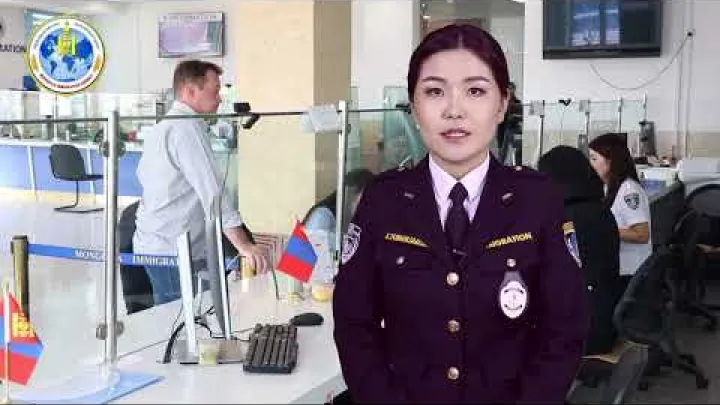
Mongolia immigration procedures do not end when your passport is stamped at the border. Depending on your purpose, accommodation, and length of stay, you may also need accommodation registration, foreigner reporting, residence-permit administration, or an official update when your circumstances change. This practical guide explains the main steps before entry, at arrival, during a stay, and before departure. It also shows which task normally belongs to you, your host, an inviting organization, or the relevant Mongolian authority.
What Counts as an Immigration Procedure in Mongolia?
For an international visitor, immigration compliance is a connected process rather than a single visa decision. Entry permission determines whether and how you may enter, while later procedures record where you stay, why you are in Mongolia, and whether your status or registered information changes.
Separate Entry Permission from In-Country Compliance
A visa or visa-free entry arrangement answers an entry question: whether you may travel to a Mongolian border point and seek admission for a particular period and purpose. It does not necessarily answer every question that arises after arrival. Accommodation registration, foreigner registration, reporting duties, residence permits, address changes, and departure checks can be separate administrative matters.
For that reason, treat your entry status as the starting point for the following four-stage process:
- Before entry: identify your purpose, intended activities, planned duration, accommodation, and likely immigration category.
- At the border: present your travel and entry documents and complete the arrival card or declaration currently provided by Mongolian border officials.
- After arrival: give accurate information to the person or organization providing your accommodation and confirm that the required 48-hour registration is handled.
- During and after the stay: manage any additional reporting, residence-permit administration, changes to your records, expiry dates, and departure issues.
This article is an administrative guide, not a complete visa application or visa-extension guide. If your plans involve employment, study, investment, family residence, or another formal activity, your entry permission may not by itself authorize that activity. A visitor should not assume that a visa-free arrangement creates the same rights or duties as a residence category.
Find the Correct Mongolian Authority and Service Channel
The Immigration Agency of Mongolia is the main official starting point for immigration information, foreigner registration, residence-permit services, and current counseling contacts. Its homepage lists a counseling and information center, including the numbers 110 and 1800-1882, with stated operating information. Check the current page for the contact method and hours when you need case-specific guidance.
The agency also provides information about Mongolian border points and local immigration offices. The current Immigration Agency of Mongolia directory can help you identify the relevant administrative location, but do not assume that every office or border point offers every service. Ask whether the office handles your particular procedure before traveling there.
Responsibility is often shared. The following map is a practical guide, not a substitute for the instruction attached to your specific immigration category.
| Person or organization | Typical responsibility | What you should do |
|---|---|---|
| Foreign national | Provide accurate identity, purpose, date, and address information | Keep copies and confirmations and attend when personal action is required |
| Housing provider | Register a foreign national who is provided accommodation within the applicable period | Give consistent passport and lodging information and confirm submission |
| Host or inviting organization | Support immigration administration connected with the invitation, work, study, or other purpose | Ask who is the designated contact and what evidence they will provide |
| Immigration Agency or local office | Provide official information and process the services assigned to the relevant channel | Ask about the correct office, filing party, documents, deadline, and fee |
| Border officials | Conduct entry processing and give current border instructions | Follow the form and instructions provided at the time of arrival |
Before Entry: Prepare for Mongolia Immigration Requirements
Good preparation reduces the risk of an incorrect address, an unsuitable immigration category, or a missing document after arrival. Start with the facts that determine which process applies, then prepare only the supporting documents relevant to your case.
Match Your Travel Purpose and Length of Stay to the Right Process
The main decision points are your purpose, planned duration, accommodation type, and intended activities. These details determine whether you are mainly making a short visit, staying with a private host, joining an employer or school, or preparing for a longer-term residence process.
- Short visitor stay: focus on the entry status granted to you, accurate arrival information, and the accommodation registration handled by your hotel, host, or other housing provider.
- Private accommodation: agree in advance who will provide the address and passport information needed for registration. A friend, landlord, or family host may need to take action even if you personally arranged the trip.
- Work or study: confirm that the planned activity matches the applicable permission and that the employer, school, or inviting organization knows its role in your immigration administration.
- Longer-term residence: identify the recognized basis for residence, such as work, study, investment, family, or another permitted purpose, and ask whether a residence permit or another registration applies.
Do not turn a commonly repeated duration threshold into a universal rule. Requirements can depend on nationality, entry status, purpose, accommodation, and the immigration category available to you. Before travel, confirm the applicable purpose, permitted activities, registration duties, and residence category with the Immigration Agency or a Mongolian host who is responsible for your case.
Also consider whether your plans may change. A person who enters for tourism and later wants to work, study, remain longer, or move into a formal residence category should not assume that the original visitor arrangement automatically covers the new plan. Ask about the correct process before beginning the new activity.
Prepare Your Passport, Accommodation Details, and Supporting Documents
Keep a basic travel packet available in both secure paper and digital form. It should be easy to show the relevant information to your accommodation provider, host organization, or an official when requested.
Useful for almost every traveler:
- your valid passport and a secure copy of the identity page;
- the applicable visa, entry authorization, or evidence of the arrangement under which you will travel;
- the name, address, and contact details of your first accommodation;
- the name and contact details of a host, inviter, employer, school, tour organization, or other responsible contact, when relevant;
- copies of important travel and immigration correspondence; and
- a personal record of your authorized stay or permit expiry date.
Conditional documents for longer or purpose-specific stays:
- evidence of employment, study, investment, family relationship, or another basis for residence;
- supporting information about your address or accommodation;
- documents supplied by an employer, educational institution, inviting organization, or family member;
- medical, insurance, financial, or other evidence if the relevant category requires it; and
- translations, certifications, legalization, or other forms of document acceptance if the authority requests them.
The second list is not a universal residence-permit checklist. The required documents can vary by nationality and immigration category, so confirm the current list before departure. If you will rely on a foreign document, ask whether a translation, certification, legalization, or a particular issuing format is accepted. Carry copies securely, and share passport information only with the accommodation provider, organization, or official channel that needs it.
At the Border: Arrival Cards and Initial Immigration Steps
Border processing is the first administrative stage in Mongolia. It establishes the entry record, but it is not the same as accommodation registration or a residence-permit application.
Complete Border Formalities and the Arrival Card
At a Mongolian border point, expect to follow the current instructions for passport and entry-status checks. Complete any arrival card, declaration, or related form that border officials provide. The format may be paper or digital, and its fields can change, so an old image or travel blog description should not be treated as the permanent form.
Have your first-accommodation information accessible. If the current arrival card asks for an address, hotel, host, or contact detail, enter the information accurately and consistently with the details you give after arrival. If you will stay at more than one place, follow the form's instructions about which address is required rather than guessing.
Answer questions about your purpose and intended stay consistently with your entry documents. If an official corrects a form or gives a different instruction from older online guidance, follow the instruction given at the border. Keep any completed card, receipt, or entry document that is returned to you, provided officials allow you to retain it.
An arrival card is a border declaration. It does not, by itself, prove that your accommodation provider has completed foreigner registration, that an additional report is unnecessary, or that you have received a residence permit. Those questions arise in the next stages of the stay.
Know Which Arrival Steps Are Not Completed at the Border
After entry, do not assume that the border record has completed every immigration procedure. The first practical task is to connect the entry information with the place where you will actually stay.
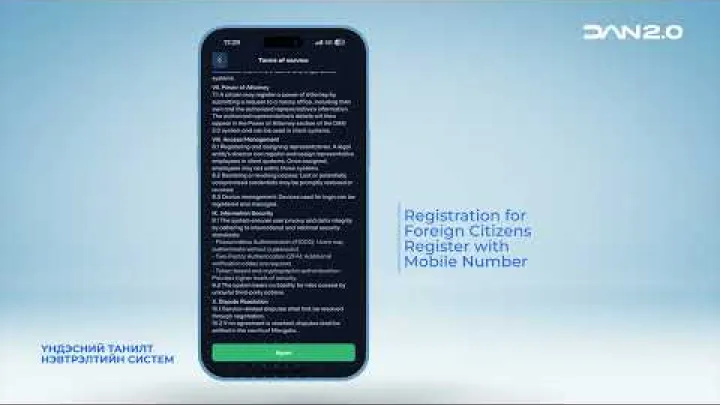
- Provide your accommodation provider or host with the correct passport, arrival, and address information.
- Ask who will submit the accommodation registration and what confirmation will be available.
- If you are staying with an employer, school, tour organization, or other inviter, identify the person who handles immigration administration.
- If your stay involves work, study, residence, or a change from your original plan, ask what additional process applies and whether you must attend an office.
- Keep the entry record and registration confirmation together with your other immigration documents.
The immediate checklist differs by lodging type. A hotel guest should ask the front desk how its foreign guest registration is handled. A private-accommodation user should speak directly with the host or landlord and should not assume that a booking platform has completed the Mongolian process. A person preparing for a longer stay should coordinate with the host organization as well as the accommodation provider.
There is no need to assume that every traveler must visit an immigration office immediately. Attend an office when the official instructions for your purpose, duration, status, or document require it, or when you need clarification that cannot be resolved by the responsible host or provider.
Accommodation Registration Within 48 Hours
The 48-hour accommodation rule is one of the most important post-arrival procedures for foreign nationals. The key practical question is not only whether registration exists, but also who must submit it and how the traveler can confirm that it was completed.
Who Is Responsible for the 48-Hour Registration?
The Immigration Agency of Mongolia explains that an individual or legal entity providing housing for a foreign national must register that person within 48 hours. The same official guidance describes an online registration option through an Immigration Agency channel.
This places the primary role for this specific accommodation registration on the person or organization providing the housing. Depending on the situation, that may be a hotel, another business, a private host, a landlord, or an inviting organization that provides accommodation. The foreign national still has an important practical role: give correct information, make the provider aware of the deadline, and confirm that the submission was made.
Do not confuse this procedure with the arrival card, an F-register number, a residence permit, or every possible form of foreigner reporting. The 48-hour registration records the accommodation relationship. It does not automatically decide whether your purpose is permitted or whether a separate residence process applies.
If you will move between accommodations, ask the new provider how the new address will be recorded. Do not rely on an earlier registration to describe a place where you no longer stay.
Hotels, Inviting Organizations, and Private Hosts
Accommodation providers often know the process, but the traveler should still confirm completion. A hotel may collect passport details at check-in and handle registration through its operating system. That is convenient, but it is not a reason to assume that every property uses the same process or produces the same confirmation.
Private accommodation requires more active coordination. If you stay in an apartment, homestay, or a friend's or relative's home, explain to the host that the housing provider has a registration role. Give the host the same name, passport, arrival date, and address information shown in your travel documents. If the address or spelling is wrong, ask for it to be corrected rather than allowing different records to circulate.
Inviting organizations, employers, schools, and tour operators may help coordinate a stay connected with their activity. Ask the organization to identify the staff member responsible for your foreigner registration and to tell you whether the accommodation provider or the organization will submit the relevant information. Responsibility can differ between the housing arrangement and the purpose of the visit.
| Accommodation situation | Practical contact | Action for the traveler |
|---|---|---|
| Hotel or professional lodging | Front desk or accommodation manager | Provide accurate passport details and ask for confirmation of registration |
| Private apartment or homestay | Host, landlord, or person providing the home | Explain the 48-hour duty, provide consistent details, and keep proof |
| Employer, school, or inviting organization | Designated administrator and housing provider | Confirm which party submits each part of the process |
| Provider does not know the process | Provider first, then the Immigration Agency if needed | Seek help promptly instead of waiting until the period has passed |
Ask the accommodation provider to complete the required 48-hour registration and retain written or digital confirmation. The confirmation may not look the same in every situation, so keep the submission message, receipt, screenshot, or other official evidence that the provider gives you. Before entering passport or accommodation data, confirm that the provider is using the current official service name and URL.
During Your Stay: Registration, Reporting, and Changes
Once your accommodation is recorded, your duties may continue if your stay is longer, your purpose changes, or information in an immigration record becomes inaccurate. Treat registration as an ongoing record rather than a one-time form.
Check for Additional Registration or Reporting Duties
The 48-hour accommodation rule should be kept separate from additional immigration registration or reporting that may apply to particular circumstances. A longer stay, a residence permit, a change of purpose, a change of status, or another condition may lead to a different filing or an office visit. The available public guidance does not establish one identical additional registration for every foreign national.
This means that completing accommodation registration does not automatically prove that no other reporting is required. It is especially important to ask about the position of people who will remain beyond a short visit, work or study in Mongolia, seek a formal residence category, or change the basis on which they entered.
When contacting the Immigration Agency or a responsible host organization, ask specific questions:
- Does my nationality, entry status, duration, or purpose trigger another foreigner registration?
- Is the accommodation record sufficient for my situation, or is an immigration-office filing also required?
- Who must submit the report: me, my host, my employer, my school, or another representative?
- What is the deadline, and must I appear in person?
- Does moving to another address or administrative area create a new reporting duty?
- What record should I retain after the submission?
Ask these questions early rather than waiting until an extension, status change, or departure is imminent. Keep the answer with your immigration records, particularly when different organizations are involved in your stay.
Handle Address, Passport, and Travel Changes
A change in your registered residence address is different from taking a short trip within Mongolia. A tourist who visits another place for a few days should not automatically treat that movement as a permanent address change, while a person who moves their main accommodation should not assume that the original address remains accurate.
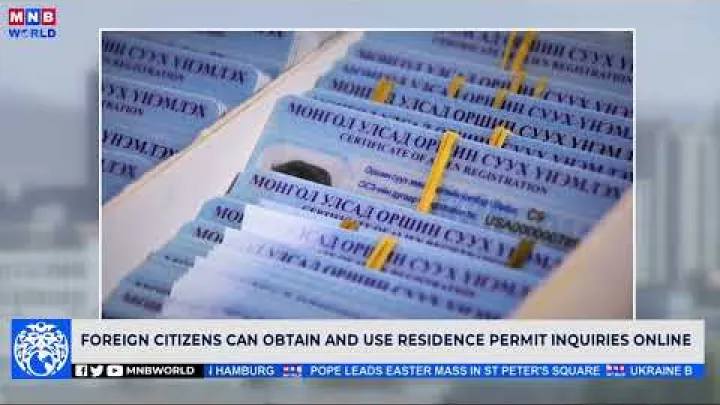
For residence-permit holders, address and passport information are part of continuing permit administration. If you move, renew or replace your passport, change the basis of your residence, or experience another status change, ask the Immigration Agency which office or channel handles the update. A long stay in another administrative area may also require confirmation of local reporting or travel-notification rules. Do not use an old deadline or an informal practice as a substitute for the current instruction for your case.
Use one update checklist so that all connected records remain consistent:
- passport name, number, and validity;
- registered accommodation and residence address;
- residence permit or other immigration document;
- employer, school, inviter, or family basis, if relevant;
- contact telephone number or digital government profile, if used; and
- any registration confirmation or report linked to the former address or status.
If any of these details changes, report it through the applicable official process before relying on the old record. Keep the old and new documents together until the update is confirmed, and ask for written evidence if the system or office provides it.
Longer Stays and Residence Permits
A longer stay can require more than an entry authorization and accommodation registration. Residence-permit administration is linked to the purpose of residence and continues after the initial application.
Apply for and Maintain a Residence Permit
People staying in Mongolia for work, study, investment, family reasons, or another recognized basis may need a residence permit. The exact category, duration threshold, and filing deadline must be confirmed for the person's nationality and purpose. Do not assume that a visa, visa-free entry, or 48-hour accommodation record is itself a residence permit.
The Immigration Agency of Mongolia residence-permit information states that an application must be made in person by the foreign national or a representative. This does not mean that every residence-permit service can be completed online. Confirm whether personal attendance, a representative, or both are accepted for the particular service you need.
Residence administration is continuing work, not only an initial application. Depending on the category, you may need to manage:
- an extension or renewal before the current permission ends;
- a change of registered residence address;
- a change in the purpose or category of residence;
- an update after a passport change or replacement;
- information connected with an employer, school, sponsor, or family basis; and
- cancellation or another closing step when the residence arrangement ends, if the applicable procedure requires it.
Supporting documents are category-specific. An applicant may be asked for evidence of the purpose of residence, an address, a sponsoring organization, a family relationship, or another legal basis. Medical checks, translations, certifications, fees, and other documents should be treated as conditional requirements rather than a fixed package for every applicant. Use the current instructions for the relevant residence category and keep copies of everything submitted.
Keep residence-permit administration separate from visa issuance. A consular visa process may allow travel to Mongolia, while a residence-permit process concerns the right administrative basis for remaining and carrying out the stated purpose inside Mongolia. If the planned activity changes, ask about the new category before acting on the old one.
Understand the F-Register and Online Government Services
E-Mongolia describes the F-register as a unique registration number for foreigners who intend to reside in Mongolia for official or private purposes. It is part of foreigner-facing digital government services and should be understood as an identification or registration facility, not automatically as a visa or residence permit.
The current E-Mongolia information is the appropriate place to see how the F-register is described and whether the service is available to you. Eligibility, registration method, phone requirements, identity checks, and the services connected with the number can change. A person should not infer from the existence of an online page that every foreign national can complete every immigration filing through it.
There are several different online concepts that are easy to confuse:
- Online accommodation registration: a channel used by the person or organization providing housing to register a foreign national.
- F-register: a foreigner-related registration or identification number described by E-Mongolia for people intending to reside in Mongolia.
- Other digital government services: services that may be available to eligible users after identity and account requirements are met.
An online service may still require an in-person identity check, an official document, or action by a host organization. Do not treat a digital profile as proof that your immigration purpose, address, residence permit, or reporting duty has been approved. Use the exact current terminology and official page for the service you need.
Leaving Mongolia and Avoiding Immigration Problems
Departure is easier when your immigration records are accurate and your permitted period has not expired. Complete a final review before going to the border, especially if you changed accommodation, employment, study status, passport details, or residence category.
Avoid Overstays and Understand General Penalties
Record every visa, entry authorization, and residence-permit expiry date. If travel or residence plans change, contact the Immigration Agency before the deadline rather than assuming that an extension, grace period, or informal arrangement will be available.
The Immigration Agency's offence-review page states a cited overstay fine of 10 units for every day of the overstayed period. It also states that one unit equals 1,000 MNT and that the highest amount of the fine is 2,000 units. On that stated calculation, 10 units is 10,000 MNT per day and 2,000 units is 2,000,000 MNT. The page should be checked for the current application when an actual case arises.
For example, using only the stated calculation, three days would equal 30 units, or 30,000 MNT, before considering how the authority applies the rule. This is an illustration of the published arithmetic, not an estimate of a particular person's liability. The Immigration Agency of Mongolia should be contacted for an actual overstay, and a qualified professional may be appropriate where the circumstances are disputed or complex.
Do not treat every immigration problem as the same offense. An overstay of a visa or residence permit is different from a missed accommodation registration, an incorrect address, or another administrative issue. A fine also may not by itself resolve the underlying immigration status. Do not rely on informal reports of grace periods, negotiated payments, or lenient enforcement.
Use a Pre-Departure Immigration Checklist
Use the following checklist before leaving Mongolia:
- Confirm that your passport is the document you will use for departure and that your personal details match your immigration records.
- Check the validity of your visa, entry permission, or residence permit through the authorized end date.
- Confirm that the accommodation registration and any additional registration or reporting connected with your stay were handled.
- Review your current address and passport information, especially if you moved or replaced your passport.
- Check whether a change of employer, school, residence purpose, or immigration category created an unresolved update.
- Keep permits, registration confirmations, receipts, official messages, and relevant correspondence accessible until the journey is complete.
- Resolve any known overstay, fine, or official instruction with the appropriate authority before traveling to the border.
Some checks are routine for nearly every traveler, while others apply only to people with a residence permit or a changed status. A residence-permit holder should review the permit category, address, passport details, and any required closing or cancellation procedure. A person who changed accommodation, work, study, or residence status should make sure the record reflects the actual circumstances before departure.
This guide does not assume that every traveler must complete a separate exit-registration or permit-cancellation process. Follow the current instruction for your immigration category. If an issue remains unresolved, contact the Immigration Agency before departure rather than waiting for questions at the border.
Verify Current Requirements with Official Mongolian Sources
Immigration systems and service channels can change, so the safest final step is to confirm the procedure that applies to your own facts. Use official Mongolian information for the final decision, especially when an informal travel guide conflicts with an agency instruction.
Verify the Latest Official Procedure Before Acting
Begin with the current Immigration Agency website and the specific service page for your situation. Use the published information for residence permits, 48-hour registration, offence review, local offices, and border points rather than relying on an old checklist. E-Mongolia should be checked separately when your question concerns the F-register or another digital government service.
Before submitting personal information or paying a fee, verify all of the following:
- the current service name and official URL;
- whether the procedure is online, in person, or handled by a representative;
- which person or organization is responsible for submitting it;
- the deadline and the event that starts the deadline;
- the documents and file formats currently accepted;
- the applicable fee and official payment instructions;
- the office, border point, or administrative location that handles the case; and
- the current telephone, email, or counseling contact for questions.
Give the authority or your host organization the facts that can change the answer: nationality, entry status, purpose, intended activity, length of stay, accommodation type, current address, and any planned change. Ask for the response in a form you can retain, such as an official message, receipt, or written instruction.
When a website, portal, office location, contact number, form, or payment instruction looks different from an older document, use the current official channel. Confirm that you are entering information into the genuine service before uploading a passport copy or paying money. Third-party travel guidance can help you identify questions, but current instructions from the Immigration Agency of Mongolia, E-Mongolia, Mongolian border points, and local immigration offices should control the action you take.
Review this information again close to your travel date and whenever your purpose, address, passport, or length of stay changes. A short preparation record with your expiry date, accommodation confirmation, responsible contact, and official answers can prevent a small administrative uncertainty from becoming a departure problem.
Select area
Create a post
Posting is free and no registration is required.