Choibalsan Best Time to Visit: A Month-by-Month Weather Guide

The best time to visit Choibalsan is generally from mid-June to early September if you want the broadest balance of warm days, greener steppe, manageable nights and active travel services. This is a climate-based planning recommendation, not a promise about every week or every year. The guide below compares each season and month, then matches travel dates to steppe trips, wildlife, birdwatching, provincial Naadam, quieter travel and budget. It also explains what to pack and why a live forecast matters when you leave Choibalsan for the wider Dornod aimag.
When Is the Best Time to Visit Choibalsan?
Choibalsan has a dry continental climate, so the difference between the cold season and the warm season is significant. For most visitors, the ideal travel period is determined less by a single perfect month than by the balance between outdoor comfort, landscape conditions, cultural events and the practical difficulty of traveling beyond the city.
Best Overall Window: Mid-June to Early September
For a conventional sightseeing or steppe itinerary, choose mid-June to early September. This period usually offers the most useful combination of warm daytime conditions, greener grasslands, tolerable nights and a greater chance that seasonal travel services are operating. Summer precipitation is concentrated in this part of the year, but Choibalsan should be understood as having a seasonal rain pattern rather than a tropical monsoon.
The WeatherSpark climate summary places Choibalsan's warm season approximately from late May to early September, using average daily highs above about 20°C as its measure. Mid-June is a more useful starting point for many visitors because the landscape has had more time to green and the nights are generally less demanding than earlier in spring. July and August are the most active part of the main season, while early September provides a cooler alternative with less peak-season pressure.
Early September is especially attractive if you prefer crisp air, changing steppe colors and a quieter atmosphere. It can offer a good compromise between summer access and autumn calm, although conditions become increasingly variable as the month advances. Travelers who need long, flexible days in remote areas should still compare the exact dates with local transport and accommodation availability.
How June, July and September Compare
June, July, late August and early September all fall within the broad warm-season choice, but they suit different travel styles. The following comparison describes recurring patterns rather than guaranteed conditions or fixed prices.
| Period | Typical feel | Landscape and planning | Crowds and cost |
|---|---|---|---|
| June | Warm-season start | Grasslands become greener; comfortable for many outdoor plans | Often quieter than July and August |
| July | Warmest part of the season; rain more likely | Green scenery, possible showers or storms, strong festival interest | Usually the busiest period |
| Late August | Still warm, with a gradual move toward autumn | Outdoor conditions remain useful; colors may begin to change | May feel calmer after the July peak |
| Early September | Cooler nights and gradually declining rain | More atmospheric steppe scenery and comfortable walking temperatures | Potentially less demand, but compare current rates |
June is a good choice for travelers who want a quieter start to the warm season. July is the strongest choice for provincial celebrations and the most active summer atmosphere, but demand for rooms and local services can be higher. Late August and early September are useful alternatives when you want outdoor access without the full intensity of the July period. Accommodation prices are not fixed by the climate, so check current local rates rather than assuming that one month will always be cheaper.
When Conditions Become More Difficult
November through March is less suitable for a standard Choibalsan holiday because severe cold, wind, limited outdoor comfort and reduced seasonal services can dominate the experience. A short city stay is possible for a traveler with a specific winter purpose, but long walks, wildlife excursions and remote steppe travel become much more demanding. Low winter precipitation does not automatically mean easy travel: wind, ice, snow or poor visibility can still affect transport and outdoor plans.
March through May is a transition period. Temperatures rise quickly from winter conditions, but strong winds, exposed ground, dust and grassland-fire conditions can make long outings uncomfortable. May may provide greener scenery and a first more comfortable spring option, yet it is not consistently mild. Late October is best treated as a cold shoulder period rather than an absolute stop. It can work for a prepared city-based trip, while remote travel requires greater tolerance for cold, shorter outdoor hours and changing access.
A practical decision is to ask what matters most. If you want a flexible outdoor holiday with minimal cold-weather logistics, select mid-June to early September. If you are comfortable with specialist preparation and have a particular cultural, wildlife or research reason, the shoulder seasons may be worthwhile. If your plans depend on long drives into open steppe, the less favorable seasons require more support than a normal city break.
Choibalsan Climate: What Each Season Feels Like
Choibalsan's inland location gives it a dry continental pattern with large seasonal and daily temperature changes. Climate normals are useful for identifying these recurring patterns, but they describe typical conditions over a reference period, not the weather on your travel dates. NOAA NCEI explains climate normals as information about typical conditions, which is why they should guide month selection rather than replace a current forecast.
Winter: Deep Cold and Limited Outdoor Comfort
Winter in Choibalsan extends broadly from November into March. Days can remain below freezing, nights are much colder, and the dry air does not remove the impact of wind. Wind chill can make a short walk feel considerably harsher than the air temperature suggests. Snowfall may be limited compared with wetter climates, but periods of snow, blowing snow or blizzard conditions can still disrupt plans.

For a city stay, the main questions are whether accommodation is reliably heated, whether you can move between indoor places comfortably and whether transport is suited to severe winter conditions. Outdoor sightseeing is usually best kept to shorter periods with a warm indoor base. Remote excursions are a different category: open steppe exposure, long distances and fewer alternatives make cold-weather logistics more important than the simple amount of snow.
If you are considering a November-to-March trip, confirm before booking that your accommodation and transport arrangements can support severe winter conditions. Ask what happens if a road journey is delayed, and do not assume that a low-cost winter itinerary provides the same practical support as a summer trip. Pack insulated layers, a wind-resistant outer layer, warm socks, gloves, a hat and footwear suitable for cold surfaces.
Spring: Warming Temperatures, Wind and Dust
March to May brings a rapid change from winter-like weather toward warmer days, but cold nights can continue well into the season. Spring can feel unsettled because air temperatures improve before the exposed ground and wind conditions become consistently comfortable. A sunny day may still have a sharp wind, while a warmer period can be followed by colder conditions.
Dust is the main practical concern for exposed travel. Research on Dornod Aimag in Remote Sensing examines the relationship between grassland fires and dust storms in the region. This does not mean that every spring day is dusty or that every route will be affected. It does mean that dry, windy conditions and fire activity are relevant seasonal risks, especially for long journeys across open steppe.
May can be appealing because the landscape may begin to look greener and the daytime temperature is more suitable for outdoor activity. However, visibility, wind and air quality can vary. For a long steppe outing between March and May, check dust and strong-wind advisories before setting out. Protect your eyes and face, keep luggage closed against dust and allow enough flexibility to shorten an exposed excursion if conditions deteriorate.
Summer: Warm Days, Green Steppe and Seasonal Rain
June through August is Choibalsan's warmest period, with July generally the hottest month in available climate summaries. This is the most comfortable season for many visitors who want to combine city exploration with hiking, photography, wildlife viewing or long drives into the steppe. Day and night can still feel different, so summer clothing should not be limited to a single light layer.
Rainfall is concentrated in summer. In practical terms, this usually means showers or storms can appear during a generally dry continental season, rather than continuous rain for weeks. Rain can improve the appearance of the grasslands, but a storm may affect visibility, photography and the timing of an outdoor day. Unpaved routes can also become more difficult after rain, particularly when an itinerary extends far beyond the city.
During warmer spells, plan demanding walking for the morning or late afternoon and keep the middle of the day flexible. Carry sun protection and a light waterproof layer even when the broader monthly outlook looks favorable. Summer offers the best overall outdoor balance, but it does not guarantee uninterrupted sunshine.
Autumn: Cooler Air and a Fast Return to Winter
September is the stronger autumn shoulder month. Rain generally declines, nights become cooler and the steppe can shift from summer green toward gold. Early September is more favorable for outdoor plans than late October because the season has not yet moved fully toward winter. It is a good option for travelers who prefer cooler walking conditions and fewer peak-season pressures.
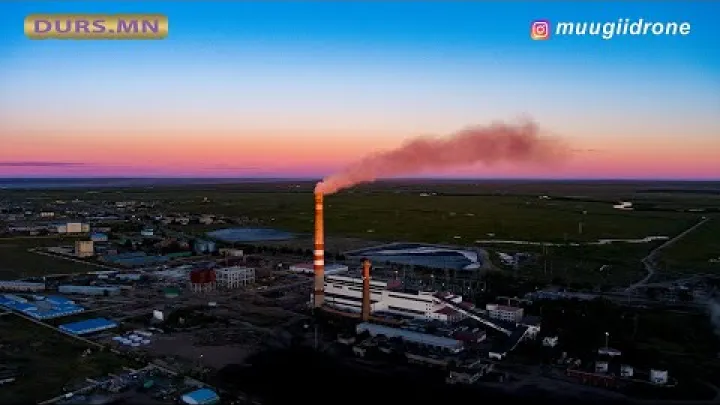
October changes quickly. Early October can still support a prepared visit, but nights become colder, freezing conditions become more frequent and the useful outdoor window becomes shorter. By late October, winter disruption is a growing possibility, particularly for remote travel. Services aimed at warm-season visitors may also become less available as the season advances.
Autumn is therefore not one uniform travel period. Treat early September, late September, early October and late October as different planning choices. If you are relying on a remote operator or a protected-area excursion, ask about its seasonal operating period rather than assuming that summer arrangements continue unchanged.
Choibalsan Weather by Month
A month-by-month view is useful for choosing dates, but the descriptions below are broad planning guides. Conditions can vary within the same month, especially during the spring and autumn transitions.
November to February: The Deep-Winter Travel Window
November: This is the beginning of the clearly colder period. Conditions can feel more winter-like than autumnal, with cold nights and increasing wind exposure. A short city visit may be possible with suitable clothing, but remote sightseeing becomes less comfortable.
December: Winter is established, and outdoor comfort is limited by sub-freezing conditions, cold nights and wind. Plan shorter city walks and rely on warm indoor breaks. Snow or blowing snow can affect travel even when overall precipitation is low.
January: January belongs to the most severe part of the winter window. It is a specialist month for visitors with a clear reason to experience winter or to work in the area, not the easiest choice for a first sightseeing trip. Remote excursions require particularly careful logistics.
February: February remains a deep-winter month. Some travelers may notice the approach of spring later in the month, but cold, wind and limited outdoor comfort still define the planning picture. Treat it as winter rather than an early shoulder season.
Across these four months, expect low precipitation compared with summer but do not use that fact as a guarantee of smooth travel. The key difference between a city stay and a steppe itinerary is the availability of shelter, support and alternative plans when conditions become difficult.
March to May: Cold Spring and the Dust Season
March: March often retains a winter character, with cold air, cold nights and a greater need for wind protection than the calendar may suggest. Outdoor plans should be modest unless you have strong preparation and local support.
April: April is a warmer but often windy transition. The increase in daytime temperature can make the month seem promising, while exposed ground, dust and sudden changes continue to affect comfort and visibility. Build flexibility into any long steppe day.
May: May is the first spring month that may feel broadly comfortable for some visitors, and the grasslands may begin to look greener. It remains variable, with cold nights and possible dust or fire-related concerns. It can suit travelers seeking a quieter alternative to summer, provided they accept less predictable conditions.
During the March-to-May period, warmer temperatures do not necessarily mean easy roads, clear visibility or consistently good air quality. Eye protection, a face covering or scarf, a wind-resistant layer and luggage that can be closed securely are useful for exposed travel. Schedule outdoor activities around the conditions on the day instead of assuming that May will feel like summer.
June to August: The Main Warm-Season Window
June: June marks the start of the most broadly comfortable period. Grasslands are generally moving into a greener phase, and outdoor days become easier to organize than in spring. Early June may still have cool nights, while mid- to late June is the stronger choice for a warm-season itinerary.
July: July is usually the warmest and wettest part of the main season. Rain may arrive as showers or storms, so keep some flexibility in photography, hiking and long-distance plans. July is also the key month for festival travel, which can increase demand for accommodation and local services.
August: August remains warm and suitable for many outdoor plans, while the landscape gradually begins to move toward autumn. It can be a useful alternative to July for travelers who want summer access but a potentially calmer atmosphere after the main festival period.
Summer rain supports greener steppe scenery but can create short-term planning issues. A waterproof layer, sun protection and an itinerary with some open time are more useful than assuming every day will have the same weather.
September and October: The Golden Shoulder Season
September: September is the better shoulder-season choice for most travelers. Early September can combine comfortable days, cooler nights, declining rain and fewer visitors with steppe scenery that is beginning to take on golden tones. Late September is cooler and may require warmer evening clothing, but it can still work well for a city and nearby-outdoor itinerary.
October: October is increasingly specialized. Early October may suit a prepared traveler who values quiet conditions, while late October brings colder nights, shorter outdoor windows and a growing risk of early winter disruption. Remote tourism services and seasonal operators may reduce their availability as the month progresses.
Do not assume that lower demand automatically means lower total cost. Compare current room, transport and excursion rates, and consider whether fewer operating services could require a more expensive private arrangement.
Choose the Best Time for Your Choibalsan Trip
The best month depends on whether your priority is landscape, wildlife, culture, quiet travel or the lowest apparent price. Choibalsan is the practical base for many plans, but conditions and services can differ considerably once you travel into the wider Dornod steppe.
For Steppe Landscapes and Outdoor Activities
Choose mid-June through August for the broadest combination of greener steppe scenery and outdoor comfort. This is the strongest period for travelers who want long days for walking, photography or exploring beyond Choibalsan. Early September is a cooler and more atmospheric alternative, especially if you prefer golden tones and less peak-season activity.

Toson Khulstai reserve and the Dornod Mongolia Strictly Protected Area are useful local planning anchors for a wider Dornod itinerary. They should not be treated as if they have identical access, roads, facilities or operating seasons. Before committing to an excursion, ask what access is currently available, whether a guide or local driver is needed and how weather could change the plan.
Summer warmth can make long walks more tiring, while rain can affect visibility and unpaved ground. Spring wind and dust, or autumn cold, can reduce the time you can comfortably spend outside. Choose dates according to the activity itself, not only according to the average city temperature.
For Birdwatching and Wildlife
If migration is your main interest, consider two distinct planning windows: approximately mid-May to mid-June and late August to mid-September. These windows should be treated as useful seasonal guides rather than guarantees, because bird activity depends on habitat, water conditions and the particular year. Late June through August may be preferable when your priority is greener grassland scenery alongside general wildlife viewing.
The Kherlen River and nearby wetland areas provide useful local context for birdwatching plans around Choibalsan. Access and habitat conditions can differ between sites, so a local specialist or operator can help you choose an appropriate area. The wider region is also associated with interests such as Mongolian gazelle and migratory birds, but no sighting is guaranteed.
Separate the question of migration timing from the question of comfortable travel. Mid-May may be attractive for seasonal wildlife activity but can still bring wind and dust. Early September may offer a quieter, cooler experience while remaining suitable for some late migration interests. Decide whether the sighting goal or ease of travel is the higher priority.
For July Festivals and Local Culture
July is the key choice for travelers who want to experience provincial Naadam activities in Choibalsan or elsewhere in Dornod. These celebrations can include traditional sports and public cultural events, making July culturally more active than the quieter shoulder seasons.
Annual provincial dates can differ from the national calendar and should not be assumed to remain the same each year. Confirm the current Dornod or Choibalsan festival date with a local authority or a reputable provider before booking July travel. Also ask whether your preferred accommodation is likely to have space during the event period.
The trade-off is straightforward: July offers stronger festival interest and warm-season weather, but it may also bring tighter room availability and greater demand for local transport. If the festival is your main reason for visiting, book around the confirmed local date rather than choosing July solely on the basis of general climate.
For Quieter and More Affordable Travel
Early September is a practical balance for travelers who want milder conditions, thinner crowds and potentially better availability after the July-August peak. May and early October can also be quieter, but they come with more variable or colder conditions and a shorter margin for comfortable outdoor plans.
Winter may appear to offer the lowest room or tour demand, but the apparent saving can be reduced by the need for insulated equipment, specialist transport, guided support and flexibility when weather affects the itinerary. Compare the total cost of the trip, not just the nightly rate.
Use may and often rather than assuming that shoulder-season prices will always be lower. Check current accommodation, vehicle and excursion rates for your dates. A slightly more expensive warm-season trip may be better value if it gives you more usable outdoor time and simpler access to the places you want to visit.
Practical Weather Planning for a Choibalsan Stay
Weather planning in Choibalsan is mainly about layers, wind protection and the difference between staying in the city and spending a full day in exposed steppe. Pack for the season, then adjust the final selection to the forecast for your dates.
What to Wear and Pack by Season
- Winter: Use insulated layers, a wind-resistant outer layer, warm footwear, thick socks, gloves and a hat. Clothing should support short outdoor periods and movement between transport and heated buildings. Do not rely on low snowfall as a reason to pack lightly.
- Spring: Choose adaptable layers that handle cold mornings and warmer periods. Add wind and dust protection, eye protection and a way to keep luggage closed. A scarf or face covering can make exposed travel more comfortable during dusty conditions.
- Summer: Pack light layers, sun protection, comfortable walking shoes and a light waterproof layer for showers or storms. Include one warmer layer for cool evenings and long drives, especially if you will be outside after sunset.
- Autumn: Bring warmer evening clothing, a wind-resistant layer and footwear suitable for cool or changing ground conditions. Early September may feel mild during the day, but October requires increasingly serious cold-weather preparation.
Even a city stay benefits from clothing that handles wind and a large change between daytime and nighttime conditions. For steppe travel, add eye protection, sunscreen, a hat, water and a secure day bag. Choose final layers and any specialist equipment only after reviewing the current conditions for the specific dates.
Climate Averages Versus the Live Forecast
Climate averages help answer, “Which month should I choose?” A current forecast answers, “What should I wear and what can I do on this particular day?” Use the first question to select a travel window, then use live weather information for clothing, day trips, wind, rain, dust and winter hazards.
For current monitoring and warnings, consult Mongolia's National Agency for Meteorology and Environmental Monitoring, commonly known as NAMEM. Check the latest forecast and warnings close to departure and again before a remote excursion. Pay particular attention to heavy snow, blizzards, strong winds, dust and thunderstorms, because any of these can change a practical itinerary during a generally favorable month.
- Use climate summaries to compare months, not to predict a specific week.
- Review temperature, wind, precipitation and visibility before each long outdoor plan.
- Adjust clothing and route timing when the forecast differs from the normal seasonal pattern.
- Give warnings more weight than a favorable monthly average.
Planning Excursions Beyond the City
A Choibalsan city stay is usually easier to adapt than a long drive into open steppe. Outside the city, rain, snow, dust, fire conditions and poor visibility can affect unpaved routes and outdoor access even when the city forecast looks manageable. The distance between alternatives may also make a small weather problem more important than it would be during an urban sightseeing day.
Before leaving Choibalsan, ask a local driver or operator to verify the current road and route conditions. Confirm whether the vehicle, driver and guide are available for your dates, where you can turn back if conditions worsen and whether protected-area access is currently practical. Allow schedule buffers and avoid building the entire trip around one remote excursion that cannot be moved.
This approach is especially important for Toson Khulstai, the Dornod Mongolia Strictly Protected Area and other open-steppe destinations. Local route knowledge can account for recent rain, snow, dust, fire activity and visibility in ways that a general city forecast cannot. A flexible plan protects both your time and your safety without requiring you to avoid the wider Dornod region altogether.
Final Recommendation: Match the Month to Your Priorities
For most visitors, mid-June to early September is the best time to visit Choibalsan. Choose June for a quieter start and greener landscapes, July for the warmest conditions and provincial Naadam, late August for a summer alternative, and early September for cooler weather, golden steppe scenery and potentially lighter demand. Consider mid-May to mid-June or late August to mid-September for migration-focused birdwatching, while May and early October suit travelers who accept more variable conditions. November through March is best reserved for specific winter purposes and stronger logistics. Whatever month you select, use climate averages to choose the season, then use current NAMEM information and local route advice to plan the actual days.
Select area
Create a post
Posting is free and no registration is required.