Dalanzadgad Travel Guide: Plan Your South Gobi Trip

Dalanzadgad is the practical starting point for many trips through Mongolia’s South Gobi. The town is not a conventional sightseeing city, but it can help first-time visitors organize transport, supplies, accommodation, and desert excursions before traveling farther into remote landscapes. This guide explains how to reach Dalanzadgad, when to go, where to stay, how to compare tours, and how to plan visits to Yolyn Am, Khongoryn Els, Bayanzag, and more distant sites.
Dalanzadgad at a Glance
The most useful way to understand Dalanzadgad is as a staging point. It offers a practical pause between Ulaanbaatar and the wider Gobi, while the major landscapes are spread across long road journeys outside town.
What Dalanzadgad Is Like for First-Time Visitors
Dalanzadgad is the capital of Ömnögovi, also called South Gobi, Province. It is a compact and functional provincial center rather than a city with a dense collection of conventional tourist attractions. Visitors generally use it to arrange a driver or tour, buy food and water, collect cash and supplies, spend a night before a desert route, or recover after a long overland journey.
The town suits travelers who want access to desert scenery, mountain gorges, dunes, fossils, and camel-herding culture without immediately entering the most remote parts of the Gobi. It is especially useful for a first visit when you prefer to organize the difficult road sections locally instead of managing every desert track independently. Travelers looking for museums, nightlife, or a long list of urban activities may find Dalanzadgad limited, but that is not its main purpose.
A broad destination overview from Firebird Tours also presents Dalanzadgad as a gateway to the Gobi’s landscapes and visitor activities. Treat the town as the logistics center and the surrounding province as the main attraction.
How the South Gobi Fits into a Mongolia Itinerary
The South Gobi offers a different experience from Mongolia’s northern forests and lakes or the open grasslands around the central steppe. The scenery here includes dry plains, rocky formations, red sandstone, mountain valleys, large dunes, and settlements connected with camel herding. Distances are substantial, and a map can make attractions look closer than they feel on desert roads.
The main route anchors include Gobi Gurvansaikhan National Park, Yolyn Am, Khongoryn Els, and Bayanzag, also known as the Flaming Cliffs. Dalanzadgad may be a town base, one stop in a private overland circuit, or the gateway to ger camps and longer excursions from Ulaanbaatar. It does not place every attraction within a short day trip. Your choice of base should therefore depend on the route, not only on the town name shown on a booking page.
Getting to Dalanzadgad
Most visitors reach Dalanzadgad from Ulaanbaatar by domestic flight, long-distance road transport, private vehicle, or a hired driver. Each option changes the balance between time, cost, independence, and exposure to road conditions.
Flying from Ulaanbaatar to Dalanzadgad Airport
Dalanzadgad Airport uses the code DLZ. When a suitable domestic service operates, flying can save substantial overland travel time and may be the most convenient choice for travelers with a short South Gobi itinerary. It also lets you arrive in town before arranging the longer road section to a ger camp or remote attraction.
Domestic schedules can be limited, seasonal, or subject to changes that affect connections. Use a live flight-status and availability page such as Trip.com as one reference, then use the carrier or your booking provider for the actual reservation details. Do not build a remote tour pickup around an assumed arrival time without leaving practical space for delays or changes.
Airport transport is a separate part of the plan. Ask your hotel, guesthouse, or tour provider whether a pickup is available, where the meeting point is, and how the driver will identify you. If you arrange a local taxi, confirm the price and payment method before leaving the airport.
Traveling Overland by Bus or Highway
Overland travel may suit budget-conscious visitors, people who want to see more of the steppe, or travelers whose dates do not match a flight. Options can include a long-distance bus, a private car, or a hired driver. A bus may be the lower-cost choice for reaching town, while a private vehicle gives more control over stops and luggage. A driver familiar with the region is usually more useful once the itinerary leaves the main highway.

Dalanzadgad is often described as roughly 540 kilometers south of Ulaanbaatar, but distance alone does not provide a reliable journey time. The duration depends on the vehicle, road conditions, stops, traffic, weather, and the exact departure point. Bus departures and fares should be treated as changeable local information rather than permanent features of a Mongolia travel guide.
The main highway to town is not the same as the rougher tracks leading to dunes, cliffs, gorges, and remote fossil areas. Reaching Dalanzadgad in a standard passenger vehicle does not mean that every surrounding attraction is suitable for that vehicle. Ask specifically which vehicle will be used for each road section.
Build Flexibility into the Journey
A South Gobi itinerary works better when Dalanzadgad is treated as a staging point instead of a connection that must run to the minute. A simple sequence could be an international arrival in Ulaanbaatar, a buffer night, travel to Dalanzadgad, a town stop for supplies, a nearby outing such as Yolyn Am, and then a separate desert circuit toward Khongoryn Els or Bayanzag.
This order is only a planning pattern, not a fixed route. Travelers with limited time may choose one nearby excursion and one longer road section. Travelers with more time can make the town a pause between several ger camps. A flexible sequence makes it easier to change the order of activities, rest after a long journey, or remove a remote stop that does not fit the available daylight.
Getting Around Town and the Gobi
Getting around Dalanzadgad is simpler than moving between the town and the major Gobi attractions. Plan those two types of movement separately.
Moving around Dalanzadgad
Visitors generally use the central part of town for accommodation, food, shopping, supplies, and transport arrangements. Short errands may be manageable on foot if your accommodation is centrally located. Airport transfers, luggage-heavy journeys, and early tour departures are better arranged directly with your accommodation or operator.
Online information about local districts, taxi routes, and formal pickup points is not consistently detailed. Do not assume that a map pin represents a dependable meeting place. Before arrival, ask your accommodation provider where to buy water and basic supplies, whether a local ride can be arranged, how payment normally works, and how early a driver should collect you for an airport or tour departure.
Choosing a Guided 4x4 Trip
A guided trip usually means a vehicle with a local driver, and sometimes a separate guide, taking you along a planned route between town, national park areas, dunes, cliffs, and ger camps. This arrangement is common because the attractions are widely separated and some roads become tracks rather than clearly marked highways. A suitable vehicle also makes it easier to carry water, luggage, food, and camping or ger-camp equipment.
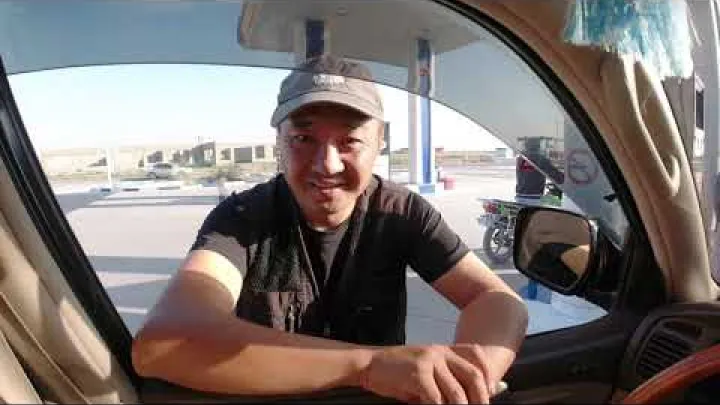
Packages vary considerably. Some include only a vehicle and driver. Others combine transport, accommodation, meals, airport or bus transfers, guiding, and activities. A group trip can reduce the cost per person but usually offers less control over stops and pace. A private trip costs more in many cases but can be better for photographers, families, travelers with limited time, or anyone who wants to change the route.
The most important comparison is not the label guided tour. Ask whether the driver has experience with the exact route, whether the vehicle is appropriate for rough tracks, how many travelers will share it, and whether the itinerary allows enough time for walking. Package inclusions should be checked separately rather than inferred from attractive destination names.
When Independent Travel or Camel Rides Make Sense
Independent travel can work for the town, the main highway, and travelers who are already experienced with remote driving. Beyond the main roads, self-driving requires a suitable vehicle, reliable navigation, route planning, enough water and fuel, basic vehicle preparation, and the ability to respond if a track becomes difficult. It is not a simple extension of renting a car in a city.
Many first-time visitors choose a middle option: travel independently to Dalanzadgad, then hire a local driver for the desert route. This keeps the town portion flexible while adding local knowledge for remote roads. It can also allow you to arrange a shorter activity after reaching a ger camp.
A camel ride near Khongoryn Els is an optional experience within a desert itinerary. It is not a substitute for transport between Dalanzadgad, the dunes, Bayanzag, or other distant attractions. Confirm the duration, meeting point, price, safety instructions, and whether the activity is included in your tour before treating it as part of the day’s plan.
Best Things to Do Near Dalanzadgad
The best South Gobi attractions are outside the town itself. Use an access-and-effort ladder when planning: start with the more practical park outing, then add longer desert roads, and reserve the most remote formations for a dedicated route.
Yolyn Am and Gobi Gurvansaikhan National Park
Gobi Gurvansaikhan National Park is the main mountain-and-desert landscape associated with the Dalanzadgad area. The Three Beauties ranges create a strong contrast with the surrounding open plains. The park is a good introduction to the South Gobi because it combines rugged mountains, dry valleys, and a narrower walking environment with the wider desert scenery.
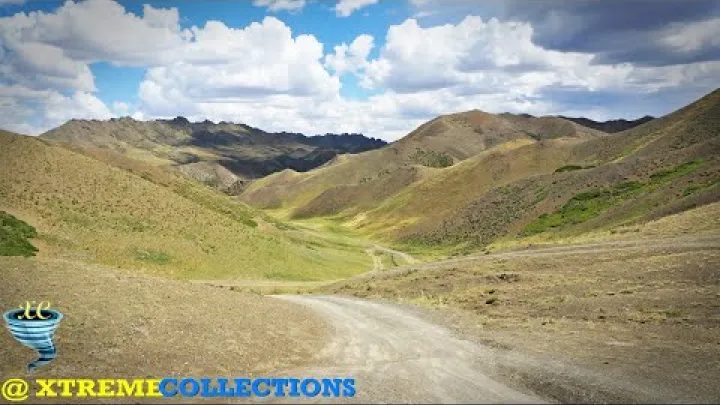
Yolyn Am is a narrow gorge where visitors commonly walk and view the surrounding rock formations. Its sheltered setting can feel cooler than the exposed desert, and ice may remain in the gorge during part of the year. The amount and duration of seasonal ice should not be guaranteed, since it depends on temperatures and recent conditions.
For many travelers using Dalanzadgad as a base, Yolyn Am is one of the more practical major excursions. It still requires a separate road arrangement, walking time, and enough daylight. Ask about current access conditions, the walking route, and whether the vehicle will wait while you explore rather than assuming that a quick transfer covers the visit.
Khongoryn Els and the Singing Sand Dunes
Khongoryn Els is the South Gobi’s signature dune landscape. The dunes create broad views, strong lines for photography, and a demanding but rewarding setting for walking. Wind and the movement of sand shape the experience, so the landscape may look different from one visit to another.
The singing-sand effect is conditional. Some visitors hear a low sound when sand moves down a steep dune, while others may not experience it. Do not choose the site on the promise that the dunes will sing on a particular day. The reliable reasons to visit are the scale of the dunes, the open desert scenery, walking, photography, and the possibility of arranging a camel ride with a local provider.
Khongoryn Els requires a dedicated desert road segment and should normally be part of a broader excursion rather than an assumed quick outing from town. It may be more practical to sleep in a nearby ger camp, depending on the route and the package. Clarify how much driving and walking the itinerary includes before deciding whether the visit fits your schedule.
Bayanzag and the Flaming Cliffs
Bayanzag is known for its red sandstone formations and its importance in the history of dinosaur research. The cliffs and surrounding desert provide a different visual experience from the mountains of Yolyn Am and the high dunes of Khongoryn Els. Walking and photography are the main visitor activities.
Late-day light is often attractive on red rock landscapes, but the best timing depends on the route, season, and available daylight. Bayanzag is better understood as one stop in a multi-site Gobi circuit than as a short walk around Dalanzadgad. A driver should allow time for the road, site visit, and return or onward journey.
The site’s scientific importance does not mean that visitors should expect to find visible fossils. Do not collect fossils or rocks, and follow current site rules. If you want more palaeontological context, ask a guide or visit an appropriate museum or heritage facility rather than disturbing the landscape.
Remote Extensions and Multi-Province Routes
Tsagaan Suvarga, Khermen Tsav, and the Nemegt Formation are longer or more specialized additions to a South Gobi itinerary. Tsagaan Suvarga is commonly included in wider Gobi circuits, while Khermen Tsav and the Nemegt Formation appeal especially to travelers interested in remote geology and fossil landscapes. Their inclusion can change the trip from a short base-based visit into a substantial overland route.
A useful access ladder looks like this:
- More practical outing: Yolyn Am and the surrounding Gobi Gurvansaikhan landscape.
- Longer desert excursion: Khongoryn Els or Bayanzag, often combined with ger-camp accommodation.
- Remote extension: Tsagaan Suvarga, Khermen Tsav, or the Nemegt Formation, requiring more driving, preparation, and route planning.
Do not treat the remote sites as ordinary day trips from Dalanzadgad. Some travelers use the town as one node in a route that crosses more than one Gobi province. A route map, a capable vehicle, and enough time matter more than adding many names to an itinerary.
Where to Stay and How Long to Stay
Your accommodation choice should follow the route. Dalanzadgad is convenient for supplies and transport arrangements, while ger camps reduce the distance between you and the desert landscapes.
Staying in Dalanzadgad Town
Town hotels and guesthouses are practical before or after a remote journey. Staying near the central commercial area can make it easier to buy food and water, arrange a ride, meet a driver, and manage luggage. The town is best approached as a functional base rather than a luxury accommodation destination.
Before booking, ask for clear details about:
- Heating and room temperature during your travel season.
- Whether the bathroom is private, shared, inside, or outside the main room.
- Internet and mobile connectivity, if they matter for work or communication.
- Breakfast, other meals, and the hours when food is available.
- Luggage storage if you are taking only a small bag into the desert.
- Airport, bus-station, and tour transfers.
These questions are more useful than relying only on a room category or a photograph. Facilities and availability can differ between properties, and a centrally located room may be more valuable than a higher advertised comfort level if you need supplies or an early departure.
Staying in a Ger Camp Near the Sights
Ger camps offer a way to sleep closer to the dunes, cliffs, or mountain landscapes and to experience a traditional round tent accommodation format. They are often included in longer Gobi tours because staying near an attraction can reduce repeated road travel and make sunrise or sunset visits easier.
Comfort varies widely. Confirm the bedding, heating method, electricity, charging options, bathroom arrangement, showers, mobile or internet connectivity, and meal schedule. Some camps may operate only during a particular travel season, and the facilities described in one listing should not be assumed to apply to every camp.
Ask whether the quoted rate includes meals, transfers, bedding, private facilities, and any activity connected with the stay. A ger camp can be an excellent choice for landscape access, but it is not automatically equivalent to a hotel in town.
Choosing the Right Base and Trip Length
There are three useful planning patterns. A town-centered plan suits travelers with limited time who want a practical room and one nearby park outing. A split plan combines a night in Dalanzadgad with one or more ger camps. A slower circuit uses the town as one stop while continuing through several remote areas.
Rather than treating Dalanzadgad as a rushed transfer stop, allow time for at least one nearby park outing and a separate longer desert excursion if those are your priorities. The appropriate length depends on whether you fly or travel overland, how many sites you want to see, the weather window, and whether remote extensions are included.
| Planning style | Best for | Main trade-off |
|---|---|---|
| Town-centered | Short visits and easy supplies | More road travel to remote sights |
| Town plus ger camps | Balanced comfort and landscape access | More booking coordination |
| Long desert circuit | Remote sites and slower exploration | More driving and less town convenience |
Best Time to Visit Dalanzadgad
Season affects road comfort, ger-camp operation, walking conditions, and the amount of daylight available for remote travel. Choose a travel window first, then match the route and packing list to the conditions.
Seasonal Climate and the Main Travel Window
Dalanzadgad has a dry continental, cold-desert climate. Seasonal differences are large, and temperatures can change substantially between day and night. Conditions in exposed dunes, mountain valleys, and remote tracks may feel different from conditions recorded in town.
Historical climate information from Climate-Data.org gives Dalanzadgad an average annual temperature of about 5.9°C and annual precipitation of approximately 161 millimeters. These figures provide broad climate context, not a forecast for a particular trip.
Late spring and early autumn are practical travel windows for many visitors. September and October are commonly considered favorable for a South Gobi route, subject to conditions at the time. Summer can offer longer days but may bring strong sun, heat during exposed activities, and more demand for popular routes. Winter creates a much colder and more demanding travel environment, with fewer suitable options for a casual first visit.
Weather Checks and Packing Priorities
On remote excursions, wind, strong sunlight, ultraviolet exposure, cold nights, and sudden changes can matter more than the temperature shown for Dalanzadgad town. A comfortable afternoon in town does not guarantee comfortable conditions at a dune, gorge, or open road stop.
Pack by category rather than by a rigid list: warm layers for mornings and nights, sun and wind protection, suitable footwear for sand and uneven ground, enough drinking water for the day, and personal medicines or essential items. Clothing that can be added or removed is more useful than relying on one heavy garment.
Before leaving, check a current forecast for Dalanzadgad and for each remote stop on the route. Ask the driver or accommodation provider how the forecast affects the planned road section, walking, and return time. Historical averages help you choose a season, but a current forecast should guide what you pack and which activities you attempt.
Match Activities to Time of Day
Early or late periods are often more comfortable for demanding dune walking and camel rides because the light is softer and exposed sand may feel less harsh than in the middle of the day. The best time still depends on wind, temperature, the activity provider, and the day’s route.
Bayanzag is often planned for late-day scenery, while Yolyn Am can feel distinct from the open desert because of its sheltered gorge. Leave enough daylight for walking, photography, road returns, and unexpected changes to the route. A sunset plan is not useful if it leaves a long return over an unfamiliar track in darkness.
Food, Costs, and Money
Costs in the South Gobi are shaped less by town meals alone and more by the vehicle, driver, road distance, accommodation, and number of remote stops. Compare the complete travel arrangement rather than only the nightly room rate.
Accommodation and Tour Cost Benchmarks
One published Mongolia-wide budget guide gives broad daily benchmarks of about 30–50 USD for budget travel, 80–150 USD for mid-range travel, and 200 USD or more for higher-comfort travel. The page does not provide a date, and these are not fixed Dalanzadgad prices. Use them only as orientation, not as a quotation for a local hotel or tour.
A Gobi tour quote may combine the vehicle, driver or guide, fuel, accommodation, meals, transfers, and activities. That makes a daily comparison difficult. A package with a higher headline price may include several remote road days and ger-camp nights, while a lower town-based plan may leave you paying separately for each transfer.
Compare a complete package with a town-based, pay-as-you-go plan only after adding the likely cost of remote transport, ger accommodation, meals, and activities. Prices may be quoted in different currencies, so ask for the currency, payment schedule, and exact inclusions before making a decision.
For broad national budget context, see the published guidance from Danista Nomads Tour. It should not replace a current local quote.
Food, Supplies, and Cash
In town, travelers may find familiar Mongolian foods such as buuz, khuushuur, meat-based dishes, dairy products, and milk tea. Menus and opening times vary, so keep your expectations simple. Food at a ger camp is often part of the accommodation or tour package, while town restaurants and shops are useful for replenishing snacks, water, and other supplies before a remote departure.
Plan money before leaving town. Payment and cash access can become less predictable outside Dalanzadgad, and a remote camp or activity provider may not work like a card-based business in a large city. Obtain sufficient Mongolian tugrik in Ulaanbaatar or Dalanzadgad, keep a separate reserve for the return journey, and confirm whether a planned provider accepts cash or another payment method.
Do not base a remote itinerary on finding a particular brand, specialty food, or supply after leaving town. Carry the personal essentials and snacks you need, while avoiding unnecessary weight that makes vehicle changes and luggage handling harder.
Compare What Tour Prices Include
A marketplace listing, an independent driver, and a full-service tour operator may use similar destination names while offering very different levels of support. Compare the arrangement in writing.
| Item | Question to ask |
|---|---|
| Vehicle | What vehicle is used, and is it suitable for every road section? |
| Driver or guide | Is guiding included, and who leads the route? |
| Accommodation | Which nights are in town, a ger camp, or another property? |
| Meals | Which meals, drinks, or dietary requests are included? |
| Transfers | Are airport, bus-station, and hotel transfers covered? |
| Activities | Are camel rides or other activities included or optional? |
| Fees and fuel | Are entrance, permit, fuel, or route-related costs separate? |
| Changes | What happens if the group size, route, or weather changes? |
| Payment | What deposit, cancellation, and refund terms apply? |
Request a written quote that lists inclusions, exclusions, group size, route, change terms, and payment deadlines. Do not assume that an attractive itinerary includes an item simply because the destination is named in the title.
Safety, Entry Rules, and Final Checks
Good preparation makes a South Gobi trip more comfortable without requiring alarmist language. The main practical issues are remoteness, changing logistics, and the need to match the route to the season and the vehicle.
Check Entry and Registration Requirements
Visa eligibility and registration requirements depend on your nationality, length of stay, passport, and the rules in force when you travel. A government travel advisory such as Smartraveller states that some visitors can enter Mongolia for stays of up to 30 days without a visa and that registration with Mongolian Immigration may be required. This should not be treated as a universal rule for every passport or trip.
Before booking, check the relevant Mongolian immigration guidance and a current government advisory for your nationality. Confirm whether your intended length of stay changes the requirement, whether registration applies to your accommodation arrangement, and which documents must be available at arrival. Keep your passport, visa or approval documents when applicable, insurance details, and booking information accessible during the journey.
Prepare for Remote Desert Conditions
The main safety challenge is often remoteness: long distances, limited services, difficult navigation, vehicle problems, and weather that can change the comfort of an exposed route. This is a reason to prepare carefully, not a reason to describe the South Gobi as inherently unsafe.
For remote routes, use an experienced driver or guide, carry adequate water and essential supplies, and avoid treating a phone map as the only navigation plan. Tell your driver, accommodation provider, or a trusted contact where you are going and when you expect to return. If the route changes, update that person rather than leaving an old plan behind.
Keep the day’s walking within your ability, protect yourself from sun and wind, and follow local instructions at gorges, dunes, cliffs, and protected landscapes. Emergency numbers and communications coverage can vary, so obtain current local guidance from your accommodation or operator instead of relying on an unverified number found in an old guide.
Verify Local Logistics Before Departure
Make one final logistics check close to the beginning of the remote portion of your journey. Reconfirm every transport leg, including the flight or bus to Dalanzadgad, the airport or station transfer, the tour pickup, and any onward vehicle change. Confirm the ger-camp booking, the planned route, and current access information for your priority sites.
Online listings and old travel guides may not reflect current schedules, seasonal closures, fuel arrangements, road conditions, or changes made by local operators. Ask for the driver’s name or contact method, the pickup location, the vehicle description, and the expected departure time. If a provider cannot explain what happens when the route changes, clarify that before paying or leaving town.
Keep an alternative for each important part of the route. A nearby park outing may be a better substitute for a remote destination if the available time, road, or access arrangement changes. The goal is not to preserve every place name on the original itinerary; it is to keep the trip workable and safe.
Final Dalanzadgad Planning Checklist
Use this short checklist before starting your South Gobi route:
- Choose whether Dalanzadgad is your main base, a short staging stop, or one node in a longer circuit.
- Decide between flying from Ulaanbaatar, traveling overland, or combining both methods.
- Separate a nearby Yolyn Am outing from longer routes to Khongoryn Els and Bayanzag.
- Add Tsagaan Suvarga, Khermen Tsav, or the Nemegt Formation only when the route has enough time and support.
- Choose town accommodation, ger camps, or a combination based on the road plan.
- Check heating, bathrooms, meals, connectivity, luggage storage, and transfers before booking.
- Pack for wind, sun, cold nights, uneven ground, and limited remote supplies.
- Carry sufficient Mongolian tugrik and confirm what the tour price includes.
- Check entry and registration requirements for your nationality and length of stay.
- Share your remote route and expected return time with a responsible contact.
- Confirm transport, pickup, accommodation, access, and route details before departure.
Dalanzadgad works best for travelers who see it as a practical gateway rather than the final attraction. With a flexible route, a suitable vehicle, realistic expectations about distances, and careful checks before leaving town, it can be an effective base for exploring the South Gobi’s mountains, dunes, red cliffs, and remote desert heritage.
Select area
Create a post
Posting is free and no registration is required.