Karakorum Best Time to Visit: Month-by-Month Weather Guide
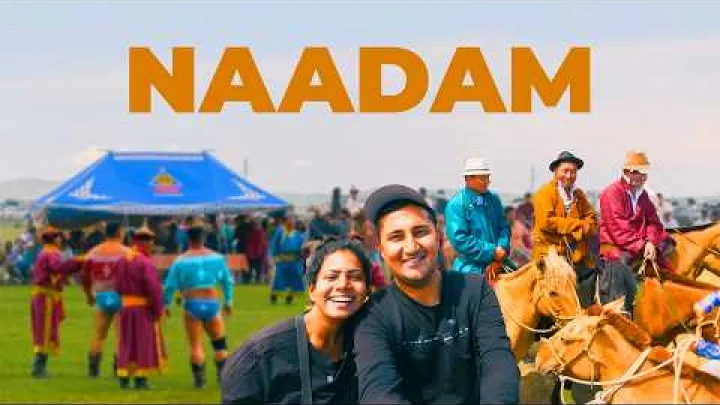
The best time to visit Karakorum, usually identified with the modern town of Kharkhorin in Central Mongolia, depends on whether you want green steppe, golden grasslands, Naadam atmosphere, or winter stillness. For most first-time cultural and landscape trips, the broadest favorable window is mid-June to early September. This guide explains Kharkhorin weather and climate by month, rainfall, daylight, visitor demand, outdoor conditions, overland planning, and packing. Climate averages describe general tendencies rather than a promise of specific weather on your travel dates.
The Best Time to Visit Karakorum at a Glance
Karakorum has a short, useful summer season and a long, cold winter. The right month depends on the balance you want between comfort, scenery, festivals, quiet roads, and operating services.
Best Overall Window: Mid-June to Early September
For most travelers, the best time to visit Karakorum is from mid-June to early September. This period usually offers the most practical combination of comfortable daytime temperatures, long daylight, accessible cultural sights, and favorable conditions for seeing the Orkhon Valley and the surrounding steppe. The broad recommendation is also consistent with the summer guidance from Audley Travel.
June and September are often the best choices for balance. June brings the start of the green season and generally comfortable days, while September offers cooler air, golden grasslands, and a quieter atmosphere. July and August provide the core summer experience, with warm days, lush scenery, and more activity, but they can also bring greater demand and more rain. This is a climate-based recommendation, so conditions and seasonal opening dates can vary from one year to another.
Choose a Month by Your Priorities
A simple way to choose your travel dates is to start with the experience that matters most. The table below summarizes the main trade-offs without treating any month as universally perfect.
| Period | Best for | Main trade-off |
|---|---|---|
| May to early June | Quiet visits and spring green-up | Cool nights, wind, and variable services |
| Mid-June to September | Cultural sights, steppe scenery, and outdoor activities | Summer rain and stronger seasonal demand |
| July | Warm weather, peak summer, and Naadam-related travel | Higher demand and tighter availability can occur |
| September to early October | Golden landscapes and a calmer atmosphere | Cold nights and increasing weather variability |
| November to April | Specialist winter travel and solitude | Severe cold, short days, and fewer seasonal services |
May and October can work as shoulder-season options for travelers who accept less predictable temperatures and a greater chance of cold or wind. November through April is generally outside the preferred window for a typical leisure trip focused on Erdene Zuu Monastery, the historic Karakorum area, and landscape excursions. Demand and prices tend to follow the summer season, but exact costs depend on the year, accommodation, transport arrangements, and whether a major event affects availability.
Understanding Karakorum Weather and Climate
Kharkhorin weather reflects the inland, strongly continental climate of Central Mongolia. Seasonal contrasts are large, and the open terrain around the town and Orkhon Valley provides little shelter from sun or wind.
Temperatures and Day-Night Changes
Karakorum has very cold winters, short mild-to-warm summers, and noticeable differences between daytime and nighttime temperatures. In the coldest winter period, average daytime highs can remain around or below -10°C. By summer, average daytime highs generally reach the low-to-mid 20s Celsius, although a particular day may be cooler or warmer. Summer nights are much cooler than the afternoon and can feel cold after sunset.
These contrasts matter more than a single average temperature. A sunny afternoon in July may feel warm while walking around Kharkhorin, but wind can quickly reduce comfort. In June and September, the change from afternoon to evening is especially important for travelers staying in gers or spending long periods outdoors. Warm layers should remain accessible even when the daytime forecast looks pleasant.
Location-specific modeled historical information from Meteoblue climate data is useful for understanding these long-term patterns. It should be read as climate information, not as a forecast for the week of your trip. Conditions can also feel different between the more built-up town and exposed areas along the Orkhon River.
Rain, Snow, and Wind Across the Year
Precipitation is concentrated mainly in June, July, and August, while winter is comparatively dry. This summer rainy season does not usually mean continuous tropical-style rain. Showers may be brief and separated by clear periods, but a single heavy shower or thunderstorm can still affect an outdoor day.
Summer rain changes the practical feel of a trip. Open-air visits and horse-riding routes may be comfortable for much of the day, then become unpleasant when a shower arrives. Waterproof outer layers are more useful than relying on an umbrella, particularly in exposed steppe conditions.
Wind is an important part of the Karakorum climate in every season. It can make a moderate temperature feel cold, lift dust on dry tracks, and increase discomfort after rain. Wind also speeds drying, but damp footwear and clothing can remain a problem during long overland days. Plan clothing and day activities around exposure, not temperature alone.
Sunshine, Daylight, and the Need for a Live Forecast
Summer brings long daylight hours, which makes it easier to combine Erdene Zuu Monastery, the Kharkhorin area, and longer landscape outings in one day. Winter has much shorter days, so sightseeing time is limited even when skies are clear. Early starts and late finishes are more practical in summer than in the cold season.
Strong sunshine and high ultraviolet exposure are important on the open steppe. Shade can be limited, and cool air does not prevent sunburn. A hat, sunglasses, sunscreen, lip protection, and regular water intake are useful in June through September as well as during bright spring and autumn days.
Long-term climate averages cannot show whether your specific travel day will bring a storm, strong wind, snow, or clear skies. Shortly before departure, check the latest information from the National Agency of Meteorology and Environmental Monitoring or another reputable local forecast. Check again before each major outdoor or overland outing so that clothing and timing match the actual conditions.
Karakorum Month-by-Month
The following month-by-month guide describes the usual travel feel in Kharkhorin. Year-to-year variation is normal, especially during the spring and autumn transitions.
January to April: Deep Winter and Unsettled Thaw
January is usually the coldest month. Days remain deeply below freezing, nights are severe, and icy surfaces and short daylight restrict comfortable sightseeing. Tourism activity is limited compared with summer, so January is mainly suitable for travelers deliberately seeking winter conditions and who can tolerate a slower, more constrained itinerary.
February remains firmly within the deep-winter period. The landscape is often dry and stark, but dry weather does not make every excursion easy: ice, frost, wind, and cold vehicle conditions still affect comfort. Cultural visits are possible with suitable preparation, but long outdoor stops require careful timing and warm clothing.
March brings gradual warming, but it should not be treated as spring in the usual city-travel sense. Freezing nights continue, and wind or late snow can still occur. Some days may feel brighter and more manageable, while exposed areas remain difficult for extended walks.
April is a transition month. Daytime temperatures improve, but freeze-thaw cycles can produce a mixture of hard ground, mud, icy sections, and wind. Travelers seeking easy access to the Orkhon Valley or a comfortable first visit may find April too variable, even though the landscape is beginning to leave winter behind.
May and June: Spring Green-Up and the Start of Peak Season
May is a calmer shoulder-season option. Daytime conditions can be mild, but nights remain cool and wind can be strong. The steppe may be beginning to green, although the landscape is not yet at its fullest summer color. Rain becomes more relevant, and some ger camps, guides, or seasonal activities may not yet be operating on a full schedule.
June marks the beginning of the main travel window. The steppe greens rapidly, daylight is long, and daytime conditions are generally more comfortable for visiting Erdene Zuu, exploring the historic Karakorum area, or traveling into the Orkhon Valley. Rainfall also begins to increase, so a flexible combination of warm layers, wind protection, and rain protection is more useful than a purely warm-weather packing list.
July and August: Warmest, Greenest, and Busiest Summer
July is often the warmest and greenest month in Karakorum. Long days support cultural sightseeing, horse riding, photography, and longer drives through the Central Mongolian landscape. It is also closely associated with Mongolia's major Naadam travel period. Demand can rise around the event and the wider summer peak, which may make accommodation and transport arrangements less flexible.
August usually remains warm and visually lush. It is still part of the wetter summer period, so showers and thunderstorms can interrupt otherwise bright days. For travelers who want green grasslands but prefer to avoid the strongest Naadam-related demand, August can be a useful alternative, although it remains a popular month and is not a guarantee of quiet conditions.
July and August suit travelers who value classic summer scenery more than completely dry weather. They are also the easiest months for combining several outdoor activities with cultural visits, but the open landscape means that sun, wind, and sudden rain remain part of the experience.
September to December: Golden Steppe to Winter
September is one of the strongest shoulder-season choices. Days become cooler, nights can be cold, and rainfall generally decreases compared with the summer peak. The grasslands may take on golden tones, giving the Orkhon Valley and surrounding steppe a different visual character from June and July. Visitor numbers can feel lower, while conditions remain suitable for many cultural and landscape-focused itineraries.
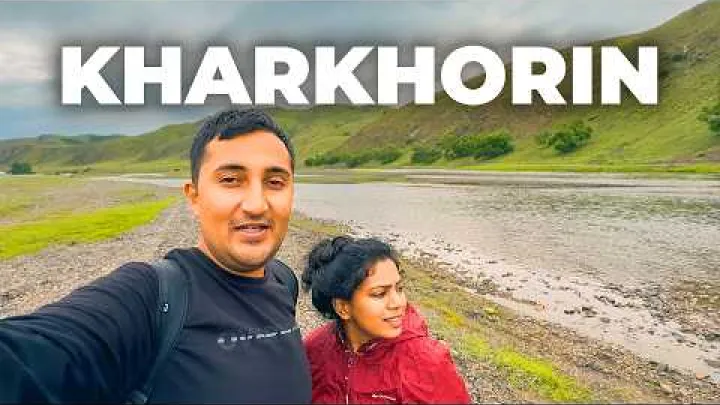
October can work as a final shoulder-season window, particularly early in the month. Frost, cold evenings, and weather variability become more likely as the month progresses. The landscape may still be attractive, but travelers need warmer clothing and should accept that outdoor plans may be less comfortable than in September.
November moves into winter conditions. Cold becomes persistent, daylight is reduced, and seasonal tourism services may be more limited. The month can appeal to visitors interested in solitude or a winter atmosphere, but it is not the easiest period for a first cultural trip.
December is a winter month with short days, very cold nights, and limited comfortable time outdoors. Winter-focused travel requires experienced local support, reliable heating, suitable cold-weather transport, and a clear contingency plan. It should be planned as a specialist trip rather than treated as an ordinary low-season version of a summer itinerary.
Best Time to Visit Karakorum by Travel Purpose
The best season in Central Mongolia changes slightly according to what you want to do. Cultural sightseeing has a longer practical window than remote outdoor activities, while budget and quiet travel involve different compromises.
Culture and History: Erdene Zuu and the Orkhon Valley
Choose June through September if your main goal is to combine Kharkhorin, Erdene Zuu Monastery, the ancient Karakorum area, and the Orkhon Valley Cultural Landscape with comfortable outdoor conditions. Kharkhorin is the modern settlement associated with historic Karakorum and provides a useful local anchor for exploring the region and the Orkhon River landscape.

June through August usually frames the cultural sites with green summer steppe. September offers a cooler, quieter setting and can add golden grassland colors to photographs. For attraction-specific seasonal guidance, Bucket List Travels also identifies June to September as a favorable period for Erdene Zuu and its surroundings.
Weather guidance does not establish current opening hours, ceremonies, or seasonal programs at a monastery or cultural site. Treat those details separately from the climate decision and confirm the relevant schedule when arranging the visit.
Hiking, Horse Riding, and Landscape Photography
June through August is usually the best period for outdoor activities around Karakorum because of longer daylight, greener steppe, and generally warmer daytime conditions. September is a strong alternative for travelers who prefer cooler air, softer autumn colors, and a quieter landscape. The best choice depends on whether lush green scenery or golden grasslands matters more to you.
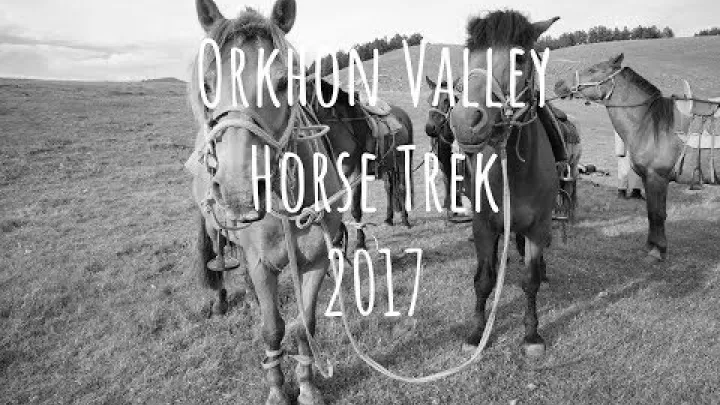
Early morning and late afternoon often provide more comfortable light for photography than the middle of the day. Midday sunshine can be intense, and the open terrain offers limited shade. Wind can affect both riding comfort and camera stability, while summer showers may change the feel of ground surfaces and require routes or timing to remain adaptable.
Outdoor suitability is not determined by temperature alone. Daylight, wind, rain, sun exposure, and the condition of local tracks all affect a ride or walk. Avoid assuming that a named excursion, crossing, or trail will have the same conditions every year.
Quiet Trips and Lower-Cost Travel
May and September are the strongest candidates for travelers who want fewer visitors without moving fully into winter. September generally offers the better balance of sightseeing comfort and a calm atmosphere, while May can feel more tentative because of cool nights, wind, and incomplete seasonal activity.
July can bring stronger demand around Naadam and the broader summer peak. This may affect the availability and price of accommodation, guides, and transport, although the exact effect varies by travel year and itinerary. August can be somewhat less concentrated around the main festival period but remains a popular summer month.
Winter may have lower visitor demand, but a lower seasonal price is not the only consideration. Fewer open services, more difficult outdoor conditions, short daylight, heating needs, and specialized transport can reduce the practical value of a cheaper trip. For most budget-conscious travelers, September is a more comfortable compromise than deep winter.
Practical Planning and What to Pack
A successful Karakorum itinerary needs to account for more than the weather in town. Trips often connect Kharkhorin with cultural sites, river landscapes, ger camps, and remote parts of the Orkhon Valley.
Road Conditions, Seasonal Services, and Flexible Itineraries
Kharkhorin is a practical local anchor for visiting Erdene Zuu and the wider Orkhon Valley, but conditions beyond the town can differ from conditions at the accommodation. Summer rain may affect unpaved roads and valley tracks. Spring and autumn freeze-thaw cycles can create a mixture of firm, muddy, or icy surfaces, while winter snow and ice can make overland travel slower and more demanding.
These patterns do not establish that a particular road or excursion will be closed. Before a major drive, ask the driver or tour operator to confirm current road and track conditions, especially after summer rain or during spring and autumn freeze-thaw periods. Allow contingency time rather than connecting every remote excursion to a fixed departure or arrival.
Also confirm that the intended accommodation, ger camp, guide, and seasonal activities are operating on your planned dates. Ask what happens if weather changes the route, and keep at least one flexible part of the itinerary for a delayed drive or rescheduled outdoor activity. A plan that separates essential cultural visits from optional remote excursions is easier to adjust.
What to Wear and Pack for Karakorum Weather
Pack for rapid changes rather than for one expected temperature. A layering system works well because the same day can include strong sun, a cool vehicle journey, wind on the steppe, and a cold evening at a ger.
- For temperature changes: Use a comfortable base layer, a fleece or light insulating layer, and a warmer jacket that can be carried during daytime outings. Warm insulation is useful from September through May and remains valuable for summer nights.
- For summer rain and wind: Carry a waterproof rain shell from June through August, preferably with enough room for a warm layer underneath. A wind-resistant outer layer is useful even when rain is not expected.
- For cold nights and ger stays: Bring warm socks, a hat, gloves, and an insulated layer. Overnight accommodation can feel much cooler than a sunny afternoon, so do not pack only light summer clothing for July or August.
- For uneven or wet ground: Choose sturdy footwear with good grip. Shoes that handle dust, grass, mud, and occasional wet surfaces are more useful than lightweight city shoes.
- For sun and dry air: Pack a hat, sunglasses, sunscreen, lip balm, and skin protection. Carry enough water for long outdoor periods, especially where shade and shops are limited.
Final Takeaway for Planning Your Trip
For the best overall balance, plan a Karakorum trip from mid-June to early September. Choose June for emerging green landscapes, July for peak summer and Naadam-related atmosphere, August for warm and lush scenery after the main festival period, and September for golden steppe and greater quiet. May and early October are reasonable shoulder options for flexible travelers, while November through April is best reserved for deliberate winter travel with specialist preparation.
Whichever month you choose, the most useful approach is to match your expectations to Mongolia's continental climate: layer for day-night changes, protect yourself from sun and wind, and leave room for the realities of overland travel through the Orkhon Valley.
Select area
Create a post
Posting is free and no registration is required.