Moron Best Time to Visit: Weather and Monthly Guide

The best time to visit Moron (Mörön), the capital of Khövsgöl Province, is usually mid-June through late August if you want the widest choice of comfortable outdoor days. Late June and July are strong choices for hiking and onward trips toward Lake Khövsgöl, while September offers a quieter autumn alternative. This guide compares Moron’s continental town climate with cooler, windier conditions around the lake and mountains, then matches each season to activities, crowds, clothing, and access. Climate averages help with planning, but a live forecast remains essential for the dates and routes you actually use.
Moron Best Time to Visit: The Short Answer
Your ideal month depends on whether you value warmth, quiet trails, winter scenery, or easier access. For most first-time visitors, however, the warm-season travel window offers the best balance of comfort and available activities.
Best Overall Window for Most Travelers
For most travelers, choose mid-June through late August. Late June and July usually provide the strongest combination of mild to warm daytime conditions, greener landscapes, and practical access for outdoor trips from Moron toward Lake Khövsgöl and Khövsgöl Nuur National Park. July is generally the warmest and busiest part of summer, so it suits travelers who want the widest choice of hiking, horseback, sightseeing, and lake activities.
Late June can offer a useful balance between improving weather and lower demand than the core peak. August remains a good month for outdoor travel, but nights become cooler, especially later in the month, and late-summer weather can be more variable. A broad Mongolia travel guide from Audley Travel also identifies mid-June to late August as the main travel window. Treat this as a climate-based recommendation, not a promise of clear skies or unrestricted access in a particular year.
When to Go for Fewer Crowds or Special Experiences
May to early June and September to early October are the main shoulder-season options. They can appeal to travelers who prefer quieter roads, routes, and accommodation, but they also bring colder nights, larger temperature swings, and less predictable regional conditions. Late May is more usable than early spring, while early September is generally more comfortable than October for a first shoulder-season trip.
November through March is mainly a specialist winter period. It may attract experienced visitors interested in frozen landscapes or ice-based events near Lake Khövsgöl, but severe cold, limited mainstream tourism services, and reduced flexibility make it unsuitable for casual outdoor travel. Lower demand does not automatically mean lower prices, so compare current accommodation and transport rates rather than assuming that the quietest month is the cheapest.
Simple choice: choose July for warmth and activity, late June or September for a compromise, May or early October for a quieter and more flexible trip, and winter only if cold-weather travel is the main purpose.
Moron's Climate and the Lake Khovsgol Difference
Moron is often the practical town base for exploring northern Mongolia, but its weather does not describe every place on the route north. The difference matters most when a mild afternoon in town is followed by a cold, windy evening beside the lake or in the mountains.
A Continental Town Near a Cooler Lake and Mountain Region
Moron is an elevated inland town in Khövsgöl Province with a strongly continental climate. Winters are very cold, summers are short, and the seasonal contrast is much greater than in destinations with maritime weather. Summer afternoons can be comfortable for town sightseeing and travel, while mornings and evenings remain cool enough to require an extra layer.
Conditions around Lake Khövsgöl and Khövsgöl Nuur National Park can feel colder, windier, and more changeable than in Moron. The lakeshore is exposed, and mountain or forest routes can have different cloud, wind, and ground conditions from the town. For basic geographic context, Lake Khövsgöl is the major northern lake destination that shapes many trips based in Moron. Pack and plan for the regional excursion, not only for the forecast in town.
Rainfall, Temperature Swings, and Shoulder Seasons
Moron’s climate averages show a broad pattern: January is normally the coldest period, July is generally the warmest, and most precipitation occurs during the warmer months. The wetter period is a short summer pattern rather than year-round rain. A Moron-specific monthly climate summary from Eldorado Weather is useful for seeing the seasonal pattern, but its figures should be read as approximate averages.
Temperature swings between day and night are especially important in May, September, and October. An afternoon can feel mild while the evening becomes distinctly cold. Summer rain often arrives as showers or storms, so a waterproof layer is useful even during a generally favorable week. Rain can also make unpaved tracks slower or less comfortable, which is a reason to avoid building every remote activity around a fixed timetable.
Climate Averages Versus the Live Forecast
Climate normals describe what is typical over a long period; they do not predict the weather during your particular visit. A favorable July average can still include a cold night, strong wind, rain, or a temporary change in road conditions. Likewise, a cool September forecast does not mean that every day will be unsuitable for outdoor travel.
Use monthly averages to choose a season and a current forecast to decide what to do on a specific day. Moron, the lakeshore, mountain areas, and unpaved regional routes can have different conditions at the same time. This distinction is especially important when a town stay becomes a longer trip toward Lake Khövsgöl.
Moron by Season
Moron has four clear travel seasons, but they are not equally practical for a general visit. Summer offers the broadest range of activities, while spring and autumn reward flexibility and winter requires specialist preparation.
Winter: Extreme Cold and Specialist Travel
November through March is the coldest part of the year. The air is often dry and the landscape can be clear and stark, but severe cold limits the amount of time most visitors can comfortably spend outdoors. Visitor services and regional tourism operations may also be more limited than during summer, and weather can affect travel plans.
Winter scenery and frozen-lake experiences around Lake Khövsgöl can be compelling, and annual ice-based events may attract visitors when dates and local arrangements align. Event timing, ice conditions, transport, and accommodation should be treated as year-specific details. A calendar date alone cannot establish that a particular route or section of ice is suitable.
Winter travel is appropriate for experienced visitors who deliberately want a cold-weather experience. Use a properly equipped local guide or operator, expedition-grade cold-weather clothing, insulated footwear, and a conservative approach to time spent outside. Do not plan a winter trip around ordinary sightseeing assumptions or lightweight camping equipment.
Spring: A Variable Transition from Cold to Mild
March to May is a gradual transition rather than a single predictable season. March usually still feels like winter, April can be windy and changeable, and May brings milder afternoons without removing cold nights or the possibility of frost. Wind, dust, occasional mixed precipitation, and uneven ground can make spring travel less comfortable than the temperature alone suggests.

Road and ground conditions also change during this period. Improving weather in Moron does not automatically mean that the lakeshore, mountain tracks, or visitor services are ready for the summer season. Late May is the most usable spring shoulder option for travelers who value quiet conditions and can adjust their plans. Bring warm layers, wind protection, and footwear that can handle variable ground.
Summer: The Main Window for Warmth and Outdoor Travel
June through August is the main season for hiking, horseback travel, sightseeing, and regional trips from Moron. Days are generally the most comfortable of the year, nights are more manageable than in the shoulder seasons, and landscapes become greener. This is the easiest period for combining a town stay with an excursion toward Lake Khövsgöl.
Summer is also the wetter part of the year. Showers or storms can interrupt an outdoor plan and may slow travel on unpaved roads, even though rain does not necessarily dominate every day. Popular places near the lake can experience stronger visitor demand, while insects are more noticeable near water and greener areas. Reserve important accommodation early if your dates are fixed, especially during the busiest summer periods.
Autumn: Cooler Days, Golden Landscapes, and Frost Risk
September and early October can be attractive shoulder months for travelers who prefer cooler outdoor conditions, autumn color, and fewer visitors. Early September is usually the gentlest part of autumn for a general trip. Later in September, nights become noticeably colder, and the difference between a pleasant afternoon and a freezing evening becomes more important.
October is a clearer transition toward winter. Frost becomes more likely, and higher routes may experience early snow or abrupt changes. Lower rainfall averages do not guarantee stable travel conditions, because cold, wind, and access constraints can still affect plans. Use scenic autumn conditions as a bonus, not as a reason to ignore cold-night clothing and service limitations.
Moron Month-by-Month Travel Guide
The month-by-month guide below gives a planning feel rather than a day-by-day forecast. Conditions vary by year, and the lake and mountain region can differ from Moron town.
January to March: Deep Winter and Frozen-Lake Conditions
January is normally the deepest cold and is best suited to visitors specifically prepared for winter. February remains severe, although it may appeal to travelers planning around a winter ice event if the annual schedule and local conditions are suitable. March can bring some daytime warming, but it is still practically winter for ordinary travel, with cold nights and no assumption of open-water activities.
These months are associated with frozen-lake landscapes, but they are not suitable for comfortable camping, ordinary hiking, or relaxed regional sightseeing without serious preparation. Suitability is best described as specialist and event-dependent, rather than generally recommended for a first visit.
April to May: Variable Spring and the First Shoulder Options
April is often windy and changeable. Cold nights, dust, occasional precipitation, and uncertain ground conditions can affect both town comfort and road travel. May generally brings milder afternoons, but frost and sharp evening cooling remain possible. A warmer Moron day should not be used as proof that the lake has reached summer conditions.
Lake ice, muddy or uneven ground, and the readiness of visitor facilities can change at different speeds from the town climate. Late May is a reasonable option for travelers who want quieter conditions and can accept a flexible itinerary. It is not usually the easiest period for a first-time visitor seeking fully established summer services. Wear warm layers and wind protection, and choose footwear for mixed ground rather than relying on light walking shoes.
June to August: Warmest Travel Season with Different Monthly Trade-Offs
June, July, and August all belong to the main travel season, but each has a different balance of weather, demand, and comfort.
| Month | Best fit | Main advantages | Main trade-offs |
|---|---|---|---|
| June | Early summer travelers | Greener scenery and improving warmth | Cool nights and showers remain possible |
| July | Warmth and full activity choice | Generally warmest and most active | Busiest period and wetter tendency |
| August | Late-summer outdoor trips | Warm lake and regional travel conditions | Cooler nights and late-summer variability |
Choose June if you want early summer landscapes with potentially less demand than July. Choose July if warmth and the widest choice of activities matter most. Choose August if you want a full summer trip but can accept cooler evenings later in the month. Rainfall and visitor demand vary by year and location, so the table is a seasonal guide rather than a forecast.
September to December: From Shoulder Season Back to Winter
September is the strongest month in this sequence for a quieter outdoor trip. Early September can still support comfortable daytime activities, while late September brings colder nights and a greater need for layered clothing. Autumn colors and open landscapes can add visual appeal around the steppe, lake, and forested areas.
October becomes progressively colder, with frost and possible early snow. It can work for travelers who accept flexible regional plans and cold-weather packing, but it is less dependable for a simple summer-style itinerary. November and December mark the return of winter conditions and are increasingly unsuitable for general outdoor travel without specialist preparation. In simple terms, choose September for shoulder-season scenery, October only with cold-weather flexibility, and November or December for specialist winter travel.
Best Time for Different Types of Trips
The best month changes with the activity. A comfortable town visit, a long horseback route, a lakeshore stay, and a winter event have different weather requirements.
Hiking, Trekking, and Horseback Travel
Mid-June through August offers the broadest combination of usable temperatures, greener landscapes, and regional activity availability for hiking, trekking, and horseback travel. It is also the simplest period for combining short walks around Moron with longer journeys toward mountain, steppe, or lake areas. July usually provides the warmest conditions, while June may offer a little more space and August brings cooler evenings.

September is a strong alternative for travelers who prefer cooler days, autumn scenery, and potentially quieter routes. Warm layers become more important, particularly for early starts and nights away from town. Late May can suit experienced travelers who value low demand, but wind, cold, and changing ground conditions require a more adaptable plan. Rain can make unpaved tracks slower, so remote hiking and riding itineraries should allow time for changes rather than depending on a tightly fixed sequence.
Lake Khovsgol and Water-Based Activities
Late June through August is generally the most practical period for ice-free lake scenery, boating, kayaking, and longer outdoor stays around Lake Khövsgöl. The exact availability of an activity depends on local operators, camp schedules, wind, and conditions in the year of travel. The lakeshore can feel colder and windier than Moron, even when the town afternoon is warm.
Spring brings uncertainty around thawing conditions, while winter changes the experience to frozen landscapes and specialist ice-based travel. When planning an excursion north from Moron, include the status of lakeside camps, water activities, park access, and the road in your planning rather than assuming that a summer calendar guarantees operation. The lake is a regional destination, not simply an extension of Moron’s town weather.
Summer Festivals and Winter Ice Events
July can appeal to travelers interested in Mongolia’s major summer festival period. Cultural travel is usually easier to combine with ordinary sightseeing and regional services during summer, but exact local programs, venues, dates, and accommodation demand must be checked before booking around an event. A national festival period does not guarantee a specific program in Moron.
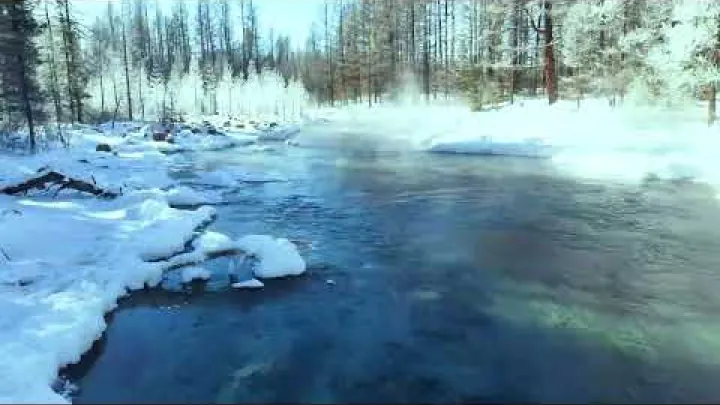
Winter ice events near Lake Khövsgöl offer a very different experience. They are tied to severe cold, frozen conditions, and annual local arrangements, so they suit travelers who are prepared to use specialist clothing, experienced support, and contingency planning. Choose summer for broader services and easier activity combinations; choose a winter event only when the event itself is the main reason for the trip.
Quiet Travel and Lower-Cost Planning
Early summer and early autumn are the main compromise periods for travelers seeking fewer visitors while retaining some outdoor feasibility. Late May or early June can be quieter than July, and September or early October can provide more space than peak summer. The trade-off is colder nighttime weather, greater variability, and the possibility that some lakeside or regional services are not operating at full summer capacity.
July and other peak summer dates can bring stronger demand and less flexible availability near Lake Khövsgöl. Lower demand may create better prices, but no reliable seasonal price rule should be assumed. If your dates are fixed, compare and reserve essential lodging and transport early. If your dates are flexible, compare late June, August, and September while weighing price against warmth, service availability, and night-time comfort.
Practical Planning for Weather and Access
Good seasonal planning reduces discomfort, but it cannot remove the effects of wind, rain, cold, or changing regional access. Pack for the coldest part of each day and build enough flexibility into travel beyond Moron.
What to Wear in Moron
In summer, use adaptable layers rather than relying on one warm garment. A light base layer, a fleece or warm mid-layer for mornings and evenings, a windproof and rain-resistant outer layer, and sturdy footwear are useful for town days and regional excursions. The same clothing may feel adequate in Moron during the afternoon but insufficient at the lakeshore after sunset.
In spring and autumn, add a warmer mid-layer, gloves or a hat for cold starts, and footwear that handles wet, uneven, or dusty ground. September and October require more evening insulation than June, even when an afternoon feels comfortable. A small waterproof layer is useful during the warmer months because showers can interrupt outdoor plans.
In winter, ordinary cold-weather sightseeing clothing is not enough for long outdoor exposure. Plan for thermal layers, substantial insulation, insulated boots, protection for the face and hands, and clothing that blocks wind. Winter visitors should match their clothing and transport arrangements to the full regional journey, including the colder lakeshore and any remote activity.
Roads, Flights, and Regional Services
Summer is generally the easiest period for regional travel from Moron, but weather still affects access. Rain can slow or damage unpaved routes, while winter cold, snow, and wind can contribute to delays or restrictions. These broad seasonal patterns do not establish whether a particular flight, road, camp, or park facility will be operating on your date.
Moron is the regional gateway for trips toward Lake Khövsgöl, so onward arrangements deserve as much attention as the town stay. Confirm current flights, road conditions, accommodation, park access, and lakeside camp operations before leaving Moron. Keep buffer time for remote travel, especially if a fixed connection follows the excursion. A plan with no spare day can be vulnerable to a single weather-related delay.
How to Check Conditions Before Departure
Use a short verification routine before leaving for Moron and again before remote excursions. A current forecast for town is useful, but it does not replace separate information about the lakeshore, mountain areas, and unpaved routes. The Met Office forecast for Muren, the English spelling often used for Moron, is one example of a live forecast source rather than a climate-average reference.
- Review current weather: Check the forecast for Moron immediately before departure and compare it with conditions expected along the Lake Khövsgöl route.
- Check local information: Look for current regional advisories and ask your accommodation, guide, or operator about wind, rain, road conditions, and the suitability of planned excursions.
- Confirm services: Reconfirm flights, road arrangements, park access, accommodation, camp operations, and water-activity availability instead of relying on an old schedule.
- Reassess each day: Before a remote outing, decide whether the conditions support the plan. If they do not, use a town-based activity or move the excursion rather than forcing a fixed itinerary.
This routine is especially important in shoulder seasons and winter, but it is also useful in summer because a favorable month can still produce a poor travel day.
Bottom Line: Choosing Your Moron Travel Month
For the best overall balance, visit Moron from mid-June through late August. Choose late June for an early-summer compromise, July for the warmest and most active conditions, or August for continued summer travel with cooler nights toward the end of the month. September is the strongest quieter alternative for outdoor scenery, while late May and early October suit flexible travelers who accept greater variability.
Winter is not the general best time to visit Moron, but it can be rewarding for specialists focused on frozen landscapes or an ice event. Whichever month you choose, plan for a colder and windier environment around Lake Khövsgöl than in town, use climate averages only for broad selection, and base final activity decisions on current local conditions.
Select area
Create a post
Posting is free and no registration is required.