Dalanzadgad Budget: Daily Travel Costs for the Gobi
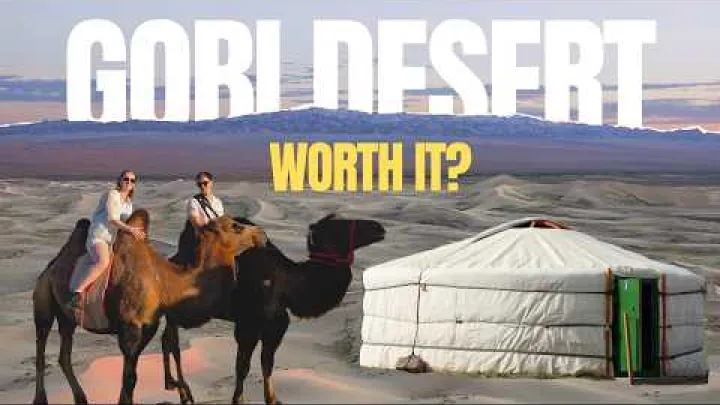
A Dalanzadgad travel budget can look modest when you stay in town, but the cost rises quickly once you travel into the remote Gobi. The main difference is not usually an individual attraction ticket. It is the cost of a vehicle, driver, fuel, meals, guide service, and ger-camp logistics. This guide separates Dalanzadgad town spending from desert-tour costs, compares budget, mid-range, and comfortable travel styles, and shows how access, group size, season, and package inclusions change the total. Use MNT for local payments and USD only as an approximate comparison currency, because exchange rates and live prices change.
Dalanzadgad Budget at a Glance
The most useful way to estimate a Gobi trip cost is to divide it into three parts: getting to Dalanzadgad, spending a normal day in town, and paying for remote desert travel. A hotel room, restaurant meal, or taxi in Dalanzadgad should not be compared directly with a full day in the Gobi, where one charge may cover several services.
What a Dalanzadgad Budget Needs to Cover
A town day normally includes a bed or room, meals, short local trips, and occasional entrance fees. An active Gobi day may include a 4x4 vehicle, driver, fuel, guide, meals, accommodation, transfers, and attraction access in one package price. If you compare only the cost of a ger night with the cost of a hotel night, you may underestimate the value and expense of the remote transport that makes the desert route possible.
| Budget line | Dalanzadgad town | Active Gobi day |
|---|---|---|
| Access | Price separately as a one-way or return trip | May be included in a multi-day tour or transfer |
| Accommodation | Bed, guesthouse room, or private hotel room | Ger camp or remote lodging, often bundled |
| Food | Restaurants, supermarkets, snacks, and drinks | Usually included meals, plus personal snacks and drinks |
| Transport | Walking, local taxis, or occasional transfers | 4x4 vehicle, driver, fuel, and route logistics |
| Activities and fees | Small local admissions or optional activities | Park, valley, cliff, museum, camel, or other route costs |
International flights to Mongolia, visas, travel insurance, shopping, and unrelated travel elsewhere in Mongolia are outside the daily comparison. Include them in a separate trip worksheet. Also identify whether a tour quote starts in Ulaanbaatar, starts in Dalanzadgad, or includes the transfer between the two.
Budget, Mid-Range, and Comfortable Travel Styles
The following bands are practical planning estimates rather than guaranteed current prices. They are stated per person per day. A town day means that you sleep and eat mainly in Dalanzadgad. A Gobi day means that remote transport and desert logistics are being paid for, either separately or through a tour package.
| Travel style | Dalanzadgad town day | Active Gobi day | Typical cost pattern |
|---|---|---|---|
| Budget | About USD 30–40 per person | About USD 80–100 per person | Basic lodging, simple food, shared transport |
| Mid-range | About USD 60–80 per person | About USD 100–150 per person | More private comfort and a better-equipped package |
| Comfortable | About USD 80–120 per person | About USD 150–300 or more per person | Private rooms, private or premium logistics, flexible services |
For a budget town day, an illustrative split is about USD 10–20 for a bed or shared room allocation, USD 10–15 for simple food or groceries, and the balance for local transport, drinks, and small activities. A budget desert day may allocate roughly USD 65–85 to bundled vehicle, camp, and meal costs, with the rest for fees and personal spending. These are budgeting envelopes, not Dalanzadgad price lists.
A mid-range town day may place about USD 25–40 into accommodation, USD 20–25 into food, and USD 10–15 into local transport and activities. A mid-range desert day may allocate USD 85–125 to a package and another USD 5–15 to fees or personal extras. For comfortable travel, a town room and more varied meals can use most of the USD 80–120 allowance, while a remote day can reach USD 150–300 or more because a private vehicle and guide are divided among fewer people.
National cost-of-living averages can help explain why everyday Mongolia spending may be moderate, but they do not represent the price of a remote desert expedition. Group size, route length, season, departure point, and inclusions usually matter more than a small museum or park ticket.
Accommodation Prices in Dalanzadgad and the Gobi
Accommodation is easier to compare in Dalanzadgad than in the desert. In town, you can often choose a room or bed directly. Around Khongoryn Els, Bayanzag, and other remote sites, lodging is commonly part of a transport and meal package.
Town Hotels, Guesthouses, and Hostels
Dalanzadgad accommodation can be viewed in three broad categories: a shared hostel bed or simple shared room, a basic guesthouse, and a private hotel room. The cheapest option is not always the lowest total for two people. A private double room can be reasonable when its total price is divided between two travelers, while a solo traveler carries the full room cost.
A review example for Dalanzadgad Hotel has been reported at roughly MNT 60,000. Use this only as a dated illustration of how a room total may look, not as a current standard rate. If a room really costs MNT 60,000 at your travel date, two people would have a simple mathematical share of MNT 30,000 each before any additional charges. Live availability, room type, and summer demand can make the actual amount different.
When comparing a hotel or guesthouse, check the total rather than only the headline nightly rate. Confirm the occupancy basis, breakfast, heating, Wi-Fi, taxes or service charges, payment fees, and cancellation terms. A room advertised for two may be priced per room, while a tour or hostel bed is usually quoted per person. Also check the arrival time if your bus or flight reaches Dalanzadgad late in the day.
Availability is especially important during the main travel season. Compare at least the total for one private room with the total for two shared beds. This makes the per-person cost clear and prevents a booking site display from being mistaken for a fixed local tariff.
Ger Camps and Desert Nights
A ger camp near Khongoryn Els, Bayanzag, or another remote stop is often sold as part of a multi-day Gobi tour. The package may combine the ger, meals, vehicle, driver, guide, fuel, and transfers. For this reason, a standalone ger-night price is not a reliable universal measure of the cost of a desert day.
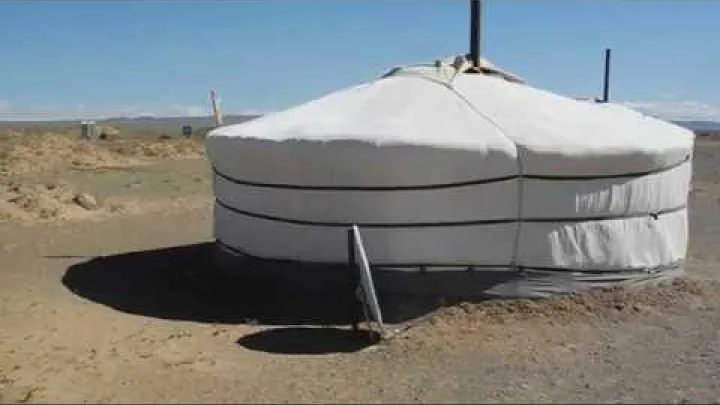
Remote accommodation costs more to operate because food, water, fuel, staff, bedding, heating, electricity, waste handling, and maintenance must reach a location with fewer services. A basic camp with shared bathrooms and limited electricity can have a very different price and comfort level from a camp with private facilities, better bedding, reliable heating, or more flexible meal service.
Ask the operator these questions before comparing packages:
- How many nights are in a ger camp, and how many people share each ger?
- Are breakfast, lunch, dinner, drinking water, tea, and snacks included?
- Is the bathroom shared, private, inside the ger, or in a separate building?
- What heating, electricity, charging, bedding, and luggage arrangements are provided?
- Does the price include transfers between the camp and the listed attractions?
Do not add a separate accommodation allowance to a tour quote until you know what the quote already covers. Double-counting camp nights is one of the easiest ways to overstate a Gobi budget.
Food and Daily Spending in Dalanzadgad
Food spending is usually manageable in Dalanzadgad, but it becomes less transparent in the desert because meals are often bundled. Plan town food and remote provisioning as two separate budget lines.
Eating in Town
A Mongolia-wide cost baseline reports an inexpensive meal at roughly MNT 13,500–25,000, with a midpoint near MNT 19,000. This is useful for orientation, but it is not a current Dalanzadgad menu quote. You can see the broader national context in Numbeo.
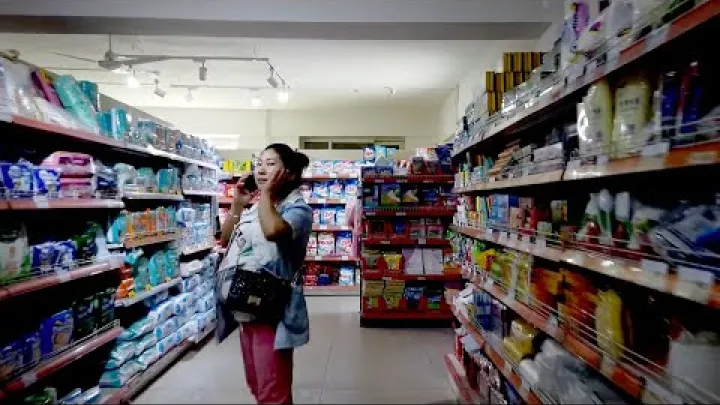
For simple meals or groceries, the pre-research planning estimate is about USD 10–15 per person per day. A traveler who wants more varied meals, drinks, coffee, snacks, or more comfortable dining can plan about USD 20–25 per person per day. These figures are comparison allowances, not a claim that every restaurant or supermarket in Dalanzadgad uses the same prices.
The final total depends on how often you eat out, whether you buy snacks before a desert departure, and whether you choose locally available food or imported and Western-style products. A supermarket purchase may reduce town spending, but it does not automatically reduce the cost of a remote route if the tour already includes meals.
Keep MNT amounts visible in your notes. If you convert them into USD, record the date and exchange-rate basis. Avoid presenting a USD conversion as though it were a local price.
Food in Camps and Self-Catering
Many Gobi tours include a stated number of meals at camps or during the route. This makes the food line look inexpensive or even absent, but it is actually part of the package price. Check whether the quote includes every breakfast, lunch, and dinner, or only camp dinners and breakfasts.
Drinks, bottled water, snacks, alcohol, special dietary requests, and food purchased during a transfer may be excluded. Tell the operator about allergies or dietary restrictions before booking. Do not assume that a remote camp can provide the same choice as a supermarket in Ulaanbaatar or Dalanzadgad.
Self-catering can work for travelers with a suitable vehicle, storage, and a realistic plan for water, preparation, and waste. A simple calculation is: town food allowance multiplied by the number of town days, plus a separate grocery allowance for each self-catering desert day, plus water, snacks, and a reserve for unplanned purchases. Use the town allowance as a starting point only; remote storage and access can change what is practical.
When a tour includes meals, compare the full package instead of trying to remove the food cost from the quote. Current camp menus and separate meal prices are not consistently documented, so a written list of included meals is more useful than an assumed universal camp tariff.
Transport and Activity Costs Around Dalanzadgad
Short trips within town are normally a smaller cost than travel between Dalanzadgad and remote Gobi sites. The important question is whether you need only local mobility or a vehicle capable of handling a longer desert route.
Local Transport in Town
Current Dalanzadgad taxi and local-transit tariffs are not sufficiently documented to give a dependable city price. National benchmarks sometimes used for Mongolia include about MNT 1,000 for a local transport fare or a taxi base near MNT 1,900. Treat these as broad context, not confirmed Dalanzadgad prices.
For a short stay, set aside a modest MNT allowance for occasional taxis and ask your accommodation provider or local tour operator for the current fare. Walking can reduce short trips when your accommodation, shops, and planned services are practical to reach on foot. Do not assume that every useful service is close to every hotel.
Local transport should be recorded separately from a desert vehicle. A taxi across town is not a substitute for a 4x4 with a driver, fuel, spare-wheel support, and enough capacity for an overland route.
Desert Tours, Drivers, and 4x4 Costs
Desert transport is usually the dominant part of a Gobi trip budget. A quote may include a vehicle, driver, fuel, guide service, camp nights, meals, park or attraction fees, and transfers. The vehicle and driver are fixed costs for the route, so the per-person price is strongly affected by how many travelers share them.
Explore Gobi publishes small family-run Gobi tours from the Dalanzadgad area with starting examples in the mid-hundreds of USD per person, including figures around USD 550 and USD 650. These are operator-specific from prices. They should not be treated as a standard daily rate or as proof that every listed service is included.
A separate six-day listing from Selena Travel gives a clear example of the private-travel effect: about USD 3,550 for one private traveler, or about USD 1,950 per person for two participants sharing a twin or double arrangement. These are listing examples, not universal prices for every route or season.
| Example | Duration | Published price basis | Group basis | Inclusions to verify |
|---|---|---|---|---|
| Explore Gobi | Listed Gobi expeditions of 3–6 days | From about USD 550–650 per person | Confirm the group size and departure model | Vehicle, driver, meals, camps, guide, fees, and transfers |
| Selena Travel | Six-day listing | About USD 3,550 per person | Private tour for one traveler | Confirm route, lodging category, meals, fees, and transfers |
| Selena Travel | Six-day listing | About USD 1,950 per person | Private tour for two participants, based on twin or double | Confirm the same items and any single-room supplements |
Before paying a deposit, request a written quote. It should state the route, number of travelers, vehicle type, driver and guide service, lodging, meal plan, park fees, transfers, fuel policy, payment currency, deposit, balance date, and cancellation terms. A low headline price may omit access from Ulaanbaatar, a return transfer, park fees, or optional activities.
Park Entry and Optional Activities
Individual attraction fees are usually smaller than vehicle costs, but they still affect a cash budget. An indicative entry range for Gobi Gurvansaikhan National Park is about USD 5–10 per person. The range is reported by Take Your Backpack and should be treated as a date-sensitive guide.
| Place or activity | Reported example | How to budget it |
|---|---|---|
| Gobi Gurvansaikhan National Park | About USD 5–10 per person | Ask whether the tour includes the current park fee |
| Yolyn Am Valley | About MNT 1,000 entry and MNT 5,000 museum | Keep entry and museum admission as separate lines |
| Bayanzag or Flaming Cliffs | About MNT 10,000 entry | Confirm whether this attraction is on your route and in your package |
| Camel rides and other activities | Varies by operator and season | Ask for the price, duration, and cash requirement |
The Yolyn Am and Bayanzag figures are reported examples, not permanent prices. Do not add every possible fee automatically. First identify the places on your actual route and then confirm which admissions the operator has already included.
Getting to Dalanzadgad as Part of the Budget
Access to Dalanzadgad is a trip cost, not part of a normal town-day allowance. Price it as a one-way or return item, and then check whether a desert tour begins in Dalanzadgad or includes transport from Ulaanbaatar.
Bus, Flight, and Overland Choices
A published transport listing gives an approximate Ulaanbaatar–Dalanzadgad bus fare of MNT 60,800. It says departures are from Ulaanbaatar's Dragon Center and lists 08:00 or 15:00 departures on Tuesdays, Wednesdays, and Fridays. The information is useful as a planning reference, but it is not an official current timetable. A separate pre-research figure of MNT 44,700 conflicts with it and may be older or unconfirmed. The Amicus Mongolia listing should therefore be checked against the carrier or terminal.
Record the bus as a one-way fare unless you have priced the return separately. Also allow for local transport to and from the terminal, waiting time, food during the journey, and any change in the departure location. A bus can be financially attractive when time allows, but a delayed or changed departure can affect a fixed tour booking.
Domestic flights can save time, but a current flight price is not available in the evidence used for this guide. Compare a live one-way or return fare with the bus total, baggage rules, airport transfers, and the cost of any extra night caused by the schedule. Do not substitute a guessed flight range for a live fare.
An overland package may include the transfer from Ulaanbaatar and then continue into the Gobi. This can look expensive beside a bus ticket because it includes a vehicle, driver, route planning, accommodation, meals, and sightseeing. Compare the complete cost and time, not only the transport line.
Confirm the current Ulaanbaatar–Dalanzadgad bus fare and departure information directly with the carrier or terminal before relying on a published figure. This is particularly important if you have a nonrefundable hotel, flight, or tour connection.
Self-Drive and Car-and-Driver Economics
Self-drive and car-and-driver arrangements need a wider calculation than the daily rental amount. The basic formula is:
Total vehicle cost = rental or driver fee + fuel + insurance and deposit costs + pickup or one-way charges + support or maintenance exposure.
For fuel, use your actual route distance and vehicle consumption:
Fuel cost = route kilometres divided by 100, multiplied by litres per 100 kilometres, multiplied by the current price per litre.
A fuel snapshot for Mongolia dated 24 August 2026 reported octane-95 gasoline at MNT 4,693.33 per litre. Fuel prices change, so replace that snapshot with the price available when you travel. Add the result to the vehicle cost, divide fixed costs by the number of travelers, and then add each person's food, lodging, and activity costs.
Car-and-driver and 4x4 rental figures found in travel reports are broad estimates unless a current operator confirms them. Ask in writing about insurance, deposits, fuel policy, spare wheels, breakdown support, driver hours, road recovery, repair responsibility, and whether the vehicle may travel on your intended route.
Sharing a vehicle can make overland travel more financially reasonable, but the budget should never be reduced by removing necessary fuel, safety support, or a suitable vehicle. The cheapest vehicle arrangement can become the most expensive choice if it causes a breakdown, missed connection, or emergency recovery.
What Changes the Price of a Gobi Trip
The same sites can produce very different quotes. Availability, group size, route design, and the difference between a town base and a remote overnight route are the main variables to examine.
Season, Availability, and Festival Demand
Local destination guidance identifies May through September as the main practical travel period for Dalanzadgad and the Gobi. Summer generally offers more active tourism services, but it can also bring stronger demand for vehicles, guides, rooms, and ger camps. Festival dates, weekends, and limited departure periods can reduce availability and may influence quoted rates, although the available evidence does not establish a universal seasonal surcharge.
Shoulder-season travel may reduce demand, but it does not automatically reduce the total cost. A lower-demand period can have fewer operating camps, fewer shared departures, or limited driver availability. If a private departure is required, the fixed vehicle cost may remain high even when accommodation is less busy.
Weather and road conditions also affect budget flexibility. Before making a nonrefundable booking, check the current forecast and road conditions, confirm that the camps and tour services operate on your intended dates, and ask how the operator handles delays, route changes, or cancellations. This is more useful than assuming that a particular month guarantees access or a lower price.
Group Size, Route Length, and Package Inclusions
Group size is one of the strongest influences on the per-person Gobi cost. If a vehicle and driver cost a fixed amount for a route, the shared portion can be represented as:
Each traveler's fixed-cost share = total vehicle and driver cost divided by the number of travelers.
Each person then adds variable costs such as food, accommodation, park fees, and optional activities. This explains why a solo private itinerary can cost much more than a two-person booking, while a larger shared group may lower the vehicle portion further. Operators do not all use the same pricing structure, so ask whether the quote is private, shared, per vehicle, or per person.
Longer routes, additional sites, specialist themes, better camps, and departures from Ulaanbaatar can raise the total even when a normal Dalanzadgad town day remains inexpensive. Compare both the total package and the per-person-per-day figure. A low daily figure may omit the access transfer, a park fee, a meal, or a night that appears elsewhere in the itinerary.
Use an inclusions checklist when comparing operators: departure and return points, vehicle, driver, guide, fuel, camp nights, hotel nights, meals, water, park fees, attraction fees, airport or bus-station transfers, and cancellation conditions. Two prices are not comparable until their contents are comparable.
Town Base Versus Overnight Desert Route
Staying in Dalanzadgad can keep accommodation and food costs more visible. You can choose a guesthouse or hotel, buy groceries, walk for some short trips, and decide separately whether to join a day excursion. The trade-off is that distant sites may require a separate vehicle and a long day on the road, which can remove much of the apparent saving.
| Travel model | Likely cost pattern | Convenience | Flexibility | Best fit |
|---|---|---|---|---|
| Dalanzadgad town base | Lower visible room and food costs; day-trip vehicle added separately | Simple for town services | High for meals and short plans | Short stays and travelers who prefer independent choices |
| Overnight desert route | Higher package price; transport, camp, and meals often bundled | Convenient for distant sites | Lower once the route is fixed | Travelers who want a complete Gobi experience with less arrangement work |
A town base is most useful when your priority is controlling daily spending or spending time in and around Dalanzadgad. An overnight route is often easier to budget when your priority is reaching remote places such as Yolyn Am Valley, Bayanzag, or Khongoryn Els. Choose according to your must-see sites, trip length, comfort needs, and willingness to share transport.
Money and Payment Planning in Dalanzadgad
The Mongolian tugrik, written as MNT, is the practical currency for ordinary local spending. A payment plan should assume that cash becomes more important as you move away from town.
MNT, Cash, Cards, and ATMs
Use MNT for local restaurants, shops, taxis, market purchases, small admissions, and many rural transactions. Cards are more useful in cities and larger businesses, but they are less dependable outside major urban areas and in remote camps. Dewonder gives the practical guidance that cards can work in cities but travelers should carry cash after leaving town.
Dalanzadgad has ATM access and phone signal according to local destination guidance, but that does not mean every ATM will accept every foreign card or that every terminal will have a reliable connection. Treat a card as a useful backup, not as the only way to pay for a desert segment.
- Obtain enough MNT in Ulaanbaatar or Dalanzadgad for the planned desert days.
- Carry at least one backup card and confirm that you can access its PIN.
- Keep exchange receipts and record how much cash is reserved for the tour balance, fees, and tips.
- Store offline copies of booking details, payment instructions, and emergency contacts.
- Ask whether a camp, driver, guide, or optional activity accepts cash only.
Withdraw or exchange enough MNT in Ulaanbaatar or Dalanzadgad before leaving town to cover the desert segment. Keep a separate reserve for extra food, a changed transfer, or a cash-only purchase instead of assuming that a remote camp will have an ATM or card terminal.
How to Compare Prices Quoted in USD and MNT
Tour operators may display USD while local restaurants, taxis, admissions, and small suppliers use MNT. Before comparing quotes, confirm the payment currency and the exchange-rate basis. A quote that is fixed in USD is not the same as a quote converted into MNT on the payment date.
Also check the unit. Every amount should be labeled as per person, per room, per vehicle, per day, or per trip. A private vehicle price divided by two travelers is not the same as a two-person price that already includes accommodation and meals.
| Quote item | What to record |
|---|---|
| Price | Amount, currency, quote date, and exchange-rate basis |
| Unit | Per person, room, vehicle, day, or complete trip |
| Route | Departure point, return point, sites, and number of nights |
| Included services | Vehicle, driver, guide, fuel, lodging, meals, transfers, and fees |
| Payment terms | Deposit, balance date, payment method, cancellation, and refund rules |
Confirm separately whether the deposit, balance payment, meals, park fees, fuel, transfers, guide service, accommodation category, and cancellation conditions are included. Record the quote date because currency movement can change the final MNT amount even when the USD price stays the same.
Sample Dalanzadgad Budgets and Saving Strategies
Sample budgets are most useful when their assumptions are visible. The following examples show how town costs and desert costs can be combined without hiding the separate access line.
Three-Day and Six-Day Planning Examples
For a three-day pattern with two nights, start by separating the core stay from access to Dalanzadgad. A basic pattern might use two town nights and food at about USD 60–80, one active Gobi day at about USD 80–100, and USD 0–60 for small fees, local transport, snacks, or a higher room share. That produces an illustrative core range of about USD 140–240 before adding the live bus or flight cost.
A mid-range pattern might use about USD 120–160 for two town nights and food, USD 100–150 for one Gobi day, and USD 40–50 for activities, transport, or personal extras. The resulting research-based planning range is about USD 260–360 before access. A comfortable pattern might use about USD 160–240 for town accommodation and food, USD 150–300 for the remote day, and another USD 90–160 for activities, transfers, or more private services. That gives a broad illustration of about USD 400–700 or more before an unusually costly access choice.
These three-day totals are not package quotes. If your tour includes two remote nights rather than one desert day, use the written package price instead of adding a second estimated day. Add a separately priced one-way or return bus or flight, international travel, insurance, visas, and shopping only if they belong in your personal trip total.
Six-day Gobi itineraries are dominated by bundled transport, camps, meals, and driver time. A published Explore Gobi starting example in the mid-hundreds of USD per person may be reasonable for a specific shared or small-group structure, but the group basis and inclusions must be confirmed. The Selena Travel listing shows the opposite end of the structure, with about USD 3,550 for one private traveler and about USD 1,950 per person for two participants. The difference is mainly a reminder that private fixed costs do not disappear when there is only one passenger.
For a six-day comparison, calculate the full package total divided by the number of travelers and then by the number of days. Add personal spending, optional activities, and any access not included. Do not compare that result with six town-day allowances, because a remote itinerary includes services that a town budget does not.
Practical Ways to Stay on Budget
The strongest savings usually come from the large fixed costs rather than from avoiding a small museum fee.
- Share the vehicle. Join a group or travel with companions when the operator allows it. This spreads vehicle and driver costs across more people.
- Compare complete packages. A higher quote can be better value if it includes fuel, meals, camps, park fees, transfers, and a suitable vehicle.
- Use the bus when time allows. Compare the current fare and schedule with the value of a flight or an overland package, including the risk of a missed connection.
- Reduce private transfers. Avoid paying for a private vehicle when a shared departure reaches the same route at a suitable time.
- Control town spending. Use local eateries and planned grocery purchases for Dalanzadgad days, while remembering that remote camp meals may already be bundled.
- Limit duplicate nights. Do not add extra nights in town if they do not improve your connection, rest, or route plan.
- Consider shoulder-season dates carefully. Ask whether camps and shared tours operate before choosing dates only because demand may be lower.
Each saving has a trade-off. A shared tour reduces flexibility, a bus uses more time than a flight, a basic camp reduces comfort, and a town base may require a separate day-trip vehicle. Do not cut necessary fuel, vehicle support, suitable accommodation, or reputable local services solely to reach a lower number.
Keep a separate contingency allowance for fare changes, extra food, cash-only purchases, transport disruptions, and a route change. The amount depends on your itinerary, but it should be visible rather than hidden inside the daily food budget.
The Bottom Line for a Dalanzadgad Budget
Ordinary spending in Dalanzadgad can remain moderate, especially when you share a room, eat simply, and limit short taxi trips. The dominant cost of a Gobi trip is usually remote transport and the bundled tour structure, not the entrance fee at one attraction.
Use this three-step budgeting rule:
- Price access to Dalanzadgad separately as a one-way or return cost.
- Set a town-day allowance for accommodation, food, local transport, and small activities.
- Request a current desert-tour quote, then add cash reserves and a contingency allowance.
Whether you are traveling independently or comparing packaged Gobi tours, focus on group size, route length, season, inclusions, and payment conditions. Recheck live accommodation totals, transport information, operator quotes, attraction fees, and weather or road conditions before committing money to the trip.
Select area
Create a post
Posting is free and no registration is required.