Olgii Travel Guide: Plan a Western Mongolia Trip
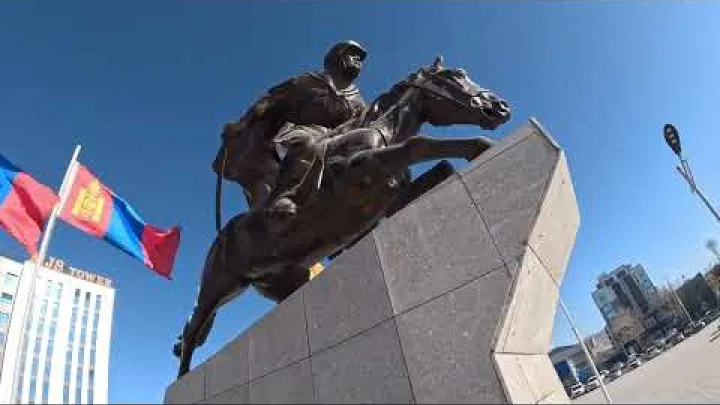
Olgii, also written Ölgii, is the practical starting point for exploring Bayan-Ölgii in Western Mongolia. The town suits travelers who want Kazakh cultural experiences, eagle-hunting traditions, open landscapes, and multi-day trips toward the Altai, rather than a fast city break. This Olgii travel guide explains how to judge the destination, choose a season and base, arrange flights or overland travel, handle permits, and plan accommodation, activities, costs, and safety. Because access and administrative rules can change, use this guide as a framework and confirm live details locally before each remote departure.
Before You Go: Access, Permits, and Safety Checks
Olgii is easy to understand as a town, but travel beyond it requires more preparation. Begin with your own travel style, then check documents, access conditions, and practical support before committing to a mountain or border-area route.
Decide Whether Olgii Fits Your Travel Style
Choose Olgii if you want a remote logistical and cultural base rather than a conventional short city break. A town stay can introduce you to Bayan-Ölgii's Kazakh heritage, local food, markets, religious architecture, and regional history. The larger attraction is the countryside: high Altai valleys, protected areas, herder communities, horse travel, trekking, and eagle-related cultural experiences.
The main advantage is the combination of culture and landscape in one region. Olgii can be the place where you meet a driver or guide, buy supplies, arrange permissions, and begin a multi-day journey. It also gives travelers a way to experience daily life in a provincial town before spending nights in gers, homestays, or remote camps.
The trade-off is distance and limited service capacity. Transport is less predictable than in Ulaanbaatar, mountain travel can involve long periods on rough routes, and high valleys may be much colder than the town. Healthcare and evacuation options are also more limited outside the main settlement. Buy travel insurance that explicitly covers remote medical evacuation, and share your itinerary and contact details with a trusted person. For entry, visa, registration, and general safety planning, consult your own government's current advice. Smartraveller is one useful reference, but nationality-specific rules for your passport take priority.
Permits and Rules for Border and Protected Areas
Travel toward Altai Tavan Bogd and other sensitive border areas may involve more than a normal park ticket. Depending on the route, travelers may need a military border permit, national park permission, a local guide, a Mongolian escort, or payment of separate fees. These requirements are route-specific, so do not assume that a permit for one valley covers another route.
Local operators often help collect passport details, prepare the route information, and submit requests. A practical operator guide explains that Altai Tavan Bogd border permits can be arranged in advance through a local contact in Ölgii; treat that as useful planning information rather than a replacement for confirmation from the relevant authorities. Kazakh Tour also illustrates why permit arrangements should begin before the vehicle leaves town.
Travelers can start by asking their accommodation or guide about the Protected Areas Office near the town centre and the Bayan-Ölgii Military Command. Office locations, opening arrangements, required forms, and responsibility for submitting documents can change, so confirm who handles foreign visitors and whether an operator must accompany the application.
- Carry your passport and several secure copies of the identification page.
- Write down the planned route, travel dates, group members, vehicle details, and local contact.
- Ask which permission is legally required and which service is only an operator preference.
- Confirm park fees, military or border fees, escort costs, and payment method in writing.
- Ask when the permit should be ready and keep digital and paper copies with you.
Current Movement, Biosecurity, and Emergency Planning
A permit does not guarantee that a route will remain open. Livestock disease controls, quarantine measures, checkpoints, disinfection requirements, or local movement orders can affect travel between Olgii and nearby soums, including routes toward Altai or Delüün. A local operator notice has reported temporary movement restrictions in Bayan-Ölgii connected with a foot-and-mouth disease outbreak. Read such notices as time-sensitive alerts, not as a permanent safety judgment about every trip to Olgii. Kazakh Tour is an operator source, so also seek confirmation from current provincial or park authorities.
Use a simple verification sequence before every regional departure: check official notices, ask your accommodation or current operator what is open, and confirm the specific route again immediately before leaving town. Follow instructions about livestock products, vehicle cleaning, farm access, and checkpoints. Do not enter a restricted community or protected area because an older itinerary still lists it.
Remote travel also requires an emergency plan. Leave the route, expected return time, passenger list, driver details, and accommodation information with someone in Olgii. Download maps and important phone numbers before leaving, carry a charged power bank, and allow for weak or absent connectivity. If a route changes, make sure the same local contact receives the new plan. Emergency response and evacuation can take time, especially when weather or road conditions affect access.
Understand Western Mongolia and Bayan-Ölgii
Western Mongolia is best planned as a region of different travel experiences rather than as one sightseeing circuit. Olgii is the strongest starting point for Bayan-Ölgii, but the right base depends on your route, interests, and willingness to travel overland.
Why Western Mongolia Requires a Dedicated Itinerary
Western Mongolia brings together high Altai mountains, open steppe, desert basins, river valleys, protected areas, and scattered herder settlements. The scenery changes over long distances, but the infrastructure does not become more frequent as you move away from town. A map may show destinations that appear close while the actual journey involves unpaved tracks, river crossings, weather delays, and stops for fuel or supplies.
Compared with a more accessible central Mongolian or Gobi itinerary, Western Mongolia usually rewards a slower plan. The focus is less on collecting many short stops and more on reaching one landscape or community and spending time there. Trekking, horse travel, cultural visits, and overland routes often need several days because transport is part of the experience.
Allocate a dedicated regional block if your goal is Altai scenery or a countryside stay. A quick Olgii stop can work for travelers who only want town orientation and a cultural introduction, but it cannot provide the same experience as a properly supported mountain journey. Choose remoteness and preparation over a tightly packed schedule.
Choose Olgii, Hovd, or Ulaangom as Your Base
Olgii is the clearest choice for a first-time visitor whose priorities are Bayan-Ölgii's Kazakh heritage, eagle-hunting traditions, and routes toward Altai destinations. Hovd and Ulaangom can suit different western Mongolian itineraries, but changing bases does not remove the need for a driver, guide, and flexible overland planning outside town.
| Base | Best fit | Planning considerations |
|---|---|---|
| Olgii | Kazakh cultural experiences, eagle-related visits, and Bayan-Ölgii mountain routes | Strongest all-round base for the region; arrange support before leaving town |
| Hovd | A wider western route with a different city stop and landscape focus | Useful when Hovd is already part of the itinerary; route connections need current confirmation |
| Ulaangom | Travel focused on the Uvs area and northern or northwestern landscapes | Better for a route built around that area than for a first visit centred on Bayan-Ölgii |
These are traveler-oriented recommendations, not fixed transport rules. A route that starts in one city and ends in another may be more efficient than returning to the original base, but only if your driver, accommodation, and onward transport are confirmed. For a first trip focused on Kazakh culture and the Altai, Olgii normally offers the most coherent plan.
Key Landscapes and Cultural Highlights Around Olgii
Use named places as planning anchors, but classify them by the time and support they require:
- Central-town experiences: the central square, provincial museum, central market, central mosque, and Khovd River area provide an introduction to local history, religion, daily life, and geography.
- Short or nearby outings: a local guide may arrange a scenic drive, community visit, or cultural meeting without committing to a full mountain expedition.
- Multi-day countryside journeys: petroglyphs, Turkic stone figures, Kazakh herder camps, and family homestays usually require a vehicle, route planning, and advance coordination.
- Remote mountain routes: Altai Tavan Bogd National Park and Tsambagarav National Park are choices for travelers prepared for longer travel, colder conditions, and more formal access arrangements.
Olgii and Ölgii refer to the same town; the spelling varies between English-language maps, booking systems, and local usage. When searching for flights or accommodation, try both spellings and use the airport code as an additional check.
Choose the Best Time to Visit Olgii
Season choice should follow the activity rather than a simple promise of good weather. Town conditions, high mountain conditions, festival schedules, road access, and flight availability can differ significantly.
Summer for Trekking and Mountain Travel
June through August is commonly preferred for many mountain and countryside activities because travelers generally have more usable daylight and a wider range of planned excursions. This does not mean that every route is easy or consistently open. Summer weather can change quickly, and high passes, exposed valleys, and camps can remain cold when Olgii town feels comfortable.
Summer is the main period to compare trekking, horse travel, scenic drives, and multi-day ger or homestay routes. It can also bring greater demand for flights, vehicles, guides, and the limited accommodation available in town. Book the core transport and regional support first if your dates are fixed.
Pack layers rather than relying on one warm jacket: include wind protection, rain protection, warm night clothing, sun protection, and footwear suitable for uneven ground. Check a current mountain forecast and ask the local guide for a route-condition report before departure. Pack for sudden changes even when the forecast for Olgii itself looks mild.
Autumn for the Golden Eagle Festival
September and October attract visitors interested in Golden Eagle Festival events and Kazakh cultural programming. The main festival, smaller local events, dates, venues, and surrounding activities can change, so do not build an international connection around an unconfirmed program. The festival grounds may be exposed, and cold nights can make a short outdoor event feel demanding.
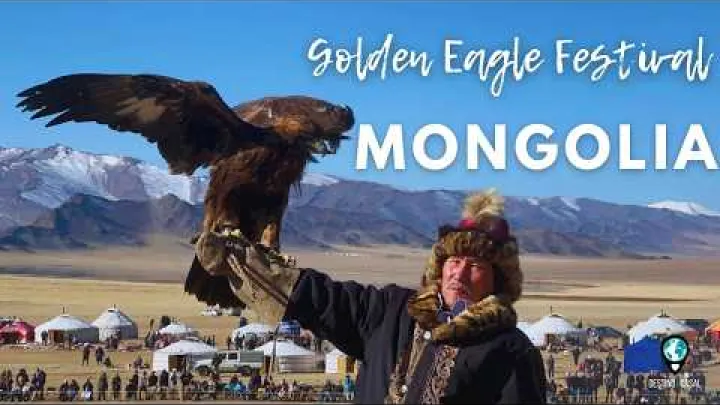
Festival demand can affect flights, vehicles, guides, and the limited accommodation supply. Use this booking sequence: confirm the current event date and venue, secure transport to Olgii, reserve a room or ger, and then arrange any countryside or eagle-hunter visit. A shorter cultural stay can be combined with a day or overnight excursion, but late-season mountain conditions may limit strenuous routes.
Local restrictions can also affect livestock-related or community activities. An event listing does not guarantee that every planned demonstration, competition, or visit will take place. Follow organizer instructions and ask your local contact what remains available.
Shoulder Season and Winter Trade-Offs
May, late September, October, and winter each offer a different balance of demand, daylight, temperature, and access. Lower demand may make planning quieter, but it does not guarantee lower prices because vehicles, flights, and specialist support still depend on current availability.
Winter may suit experienced travelers who have suitable clothing, transport, and local support. It is less suitable for a first-time trekking plan that depends on long days, open mountain routes, or simple roadside logistics. Shoulder-season travelers should keep an alternative town or countryside plan in case the main route is not practical.
Do not confuse cold weather with a formal closure. Ask the park, guide, or operator about the exact activity and route rather than assuming that all access is open or closed for the whole season.
Getting to Olgii and Around Bayan-Ölgii
Most travelers compare a domestic flight with a long overland journey, then arrange a separate vehicle for the regional portion. The best option depends on available dates, budget, tolerance for delays, and whether the journey itself is part of the experience.
Domestic Flights to Ulgii Airport
Flying from Ulaanbaatar is usually the most time-efficient way to reach Olgii when a suitable service is operating. Search for Ulgii Airport using ULG or ZMUL, and check the date rather than assuming that a familiar weekly pattern continues throughout the year.
The official airport page lists Ulgii among domestic destinations with a dated operating window, which shows why published schedules should be treated as time-specific information. Use the Chinggis Khaan International Airport timetable as a starting point, then reconfirm the final flight directly with the airline or a current local operator.
Check baggage limits, check-in time, terminal details, and the policy for schedule changes. Capacity can be limited during popular travel periods. Reconfirm the flight shortly before departure and leave at least one flexible day before a fixed-date tour, festival, park departure, or international connection.
Buses and Overland Routes from Ulaanbaatar
Buses and private vehicles can be lower-cost or more experience-oriented alternatives to flying, but they require substantially more time and flexibility. Road surfaces, construction, weather, stops, fuel planning, and the chosen route can change the journey considerably. Older traveler reports may describe conditions or schedules that no longer apply.
If you plan to use a bus, confirm the current departure point, ticket procedure, and departure day locally. The Dragon Bus Terminal in Ulaanbaatar is a useful name to ask about, but do not rely on an old online reference without checking the current operator or terminal staff. Ask whether luggage is included and what happens if a departure is delayed or cancelled.
Overland travel can make sense as one flexible leg, especially for travelers who want to see more of Mongolia. It is a poor match for a tightly timed round trip or a flight connection on the same day. Allow extra days for fatigue, rest, road delays, and an unexpected overnight stop.
Taxis, Drivers, and Regional 4x4 Travel
Walking and local taxis may cover many errands within Olgii, including visits to the central square, market, museum, and accommodation. Remote valleys, national parks, countryside camps, and herder communities normally require a prearranged vehicle. Public transport beyond town should not be assumed to operate in a way that matches a visitor's itinerary.
A local driver-guide or agency may combine transport, translation, accommodation, meals, permits, and activities. Decide whether you want a complete tour or transport only. A complete package can simplify remote logistics, while a vehicle-only arrangement may offer more control but leaves you responsible for accommodation, route permissions, food, and communication.
Before paying, request a written quote that states:
- vehicle type, four-wheel-drive suitability, passenger capacity, and luggage space;
- driver or guide experience on the planned route;
- fuel, meals, accommodation, park fees, permits, escorts, and transfers included in the price;
- route, number of travel days, planned overnight locations, and emergency arrangements;
- payment schedule, cancellation terms, replacement vehicle policy, and responsibility for changing access rules.
Compare at least two current quotes when possible. Do not endorse an operator only because of an attractive review or a single business website; the written inclusions and local responsibility matter more than a low headline price.
Where to Stay and What to Expect in Olgii
Accommodation choice affects daily logistics more than it may appear. A central room can save time when you need permits, supplies, tickets, or meetings, while a countryside stay is better when cultural immersion is the main purpose.
Best Base Areas in and Around Town
For a first visit, look near the central square and nearby city-centre streets. This area is the most practical starting point for the provincial museum, central market, central mosque, restaurants, travel contacts, and basic errands. It also makes it easier to meet a driver or guide and resolve paperwork before leaving town.
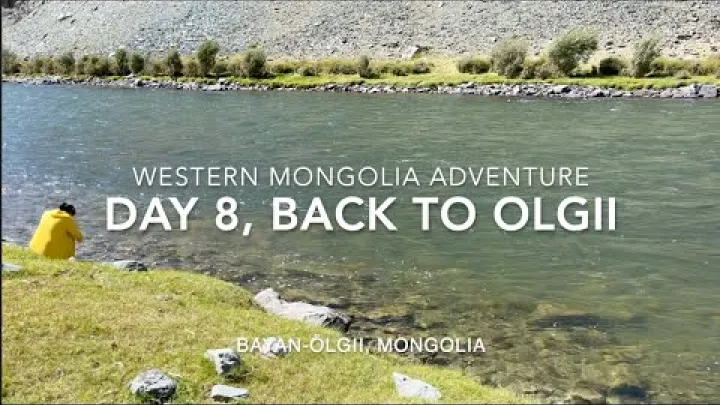
The Khovd River and the airport corridor are useful location references, but they should not be treated as formal hotel districts. A property listed as being near one of these landmarks may still require a vehicle, especially with luggage or in poor weather. Confirm the exact address on a current map or with the host.
Countryside gers and homestays offer a different experience. They can work well before or after a regional excursion, but they are less convenient for repeated administrative visits in Olgii. Ask about pickup, heating, bathroom arrangements, meals, and seasonal operation before choosing them as your only base.
Guesthouses, Hotels, Ger Camps, and Homestays
Olgii accommodation ranges from simple hostels and local hotels to apartments, tourist ger camps, and family homestays. The right choice depends on whether you value privacy, predictable facilities, central location, meals, or cultural contact.
| Accommodation | Usually suits | Confirm before booking |
|---|---|---|
| Hostel or local hotel | Short town stays and practical access | Heating, hot water, bathroom, internet, and exact address |
| Apartment | Travelers who want more space or self-catering | Kitchen equipment, payment method, heating, and check-in process |
| Ger camp | Organized countryside stays and outdoor travel | Operating dates, toilets, showers, meals, transfers, and bedding |
| Family homestay | Cultural immersion and shared meals | Room privacy, family arrangements, language support, and transport |
Festival periods and the main summer season can reduce the available inventory. Online booking may be useful for a central room, while a trusted local contact may arrange a homestay or ger more effectively. Prices are not standardized across these categories, so label every quote by date, currency, room type, and inclusions. Do not assume that a ger has hotel-style facilities unless the property confirms them.
Food, Cash, Connectivity, and Daily Logistics
Food in Olgii may reflect both Kazakh and Mongolian traditions. Travelers may encounter meat, bread, noodles, tea, buuz, khuushuur, tsuivan, and regional dishes, but menus and preparation vary by household and restaurant. In a homestay, tea, bread, or a shared meal may be part of the welcome; accept politely when comfortable and ask simple questions through your guide or translation app.
Prepare practical supplies in town before a remote departure. Carry enough cash for the route, small purchases, and unexpected changes, and ask your operator which payment methods are accepted. Do not assume that a particular ATM, card terminal, pharmacy, restaurant, or mobile network will be available when you need it.
The central market is a useful place to check food, water, snacks, toiletries, and other supplies. Charge phones and cameras before leaving, carry a power bank, and keep offline copies of bookings, documents, maps, and emergency contacts. Connectivity may become less reliable outside town, so agree on how and when your group will communicate during the journey.
Things to Do in and Around Olgii
Build activities around the time you have and the support you can arrange. A town visit, a cultural meeting, and a remote mountain trek are different products with different physical and administrative requirements.
Explore Olgii's Centre and the Khovd River
Use your first town day for orientation rather than filling every hour with distant excursions. The central square can help you understand the layout of Olgii. The provincial museum offers regional history and cultural context, while the central market shows everyday commerce and is useful for supplies. The central mosque provides an important architectural and religious reference, and the Khovd River area offers a slower setting for a walk when local conditions allow.
Theatre or cultural venues may have performances or exhibitions, but schedules and visitor access are not guaranteed. Ask locally about opening hours, photography rules, performance times, and whether a guide is needed. In markets and community spaces, ask before photographing people. Dress respectfully for religious visits, follow instructions at the mosque, and avoid blocking entrances or treating private activity as a display.
This first day is also the best time to confirm your driver, review the route, collect supplies, and resolve permit questions. That combination makes the town itinerary useful even when arrival times change.
Visit Altai Tavan Bogd National Park
Altai Tavan Bogd National Park is the main choice for travelers seeking high-altitude landscapes, glaciers, lakes, trekking, and remote mountain travel in the far west. It can support very different experiences: a scenic or cultural visit, a demanding trek, or a technical mountaineering or glacial objective. Do not treat them as interchangeable.
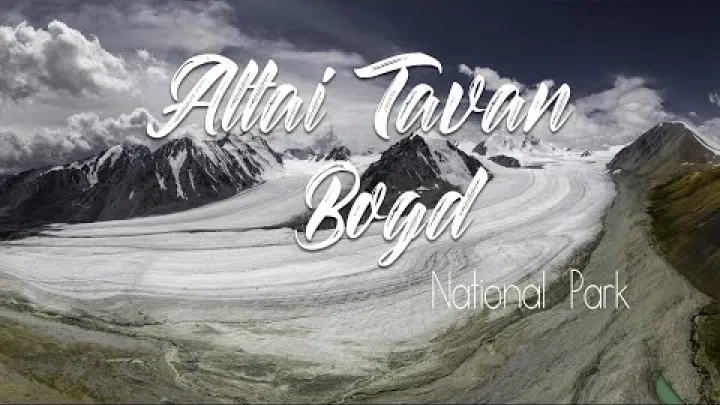
Match the route to your experience, available days, season, equipment, and guide support. A scenic journey may still involve long vehicle travel and cold nights. A strenuous route requires a more careful discussion of fitness, altitude, weather, rescue arrangements, and overnight conditions. Do not assume that a trail, glacier, or pass will be accessible simply because it appears in an older itinerary.
Return to the earlier permit and access process before committing to the park. Confirm the specific route, current fees, permission, escort arrangements, overnight plan, and equipment with the local guide or relevant office. Keep the park visit flexible enough to respond to route conditions.
Consider Tsambagarav and Other Countryside Excursions
Tsambagarav National Park can be an alternative or complement to Altai Tavan Bogd for travelers seeking mountain scenery on a different Bayan-Ölgii route. It may be a better fit when your group wants a countryside journey without building the entire itinerary around the most remote or demanding mountain objective.
Other possibilities include petroglyphs, Turkic stone figures, Kazakh herder camps, countryside homestays, and short cultural excursions. These can provide a lower-intensity introduction to the region, but a short excursion still needs transport and local coordination. A private family visit or community site is not the same as a public attraction; arrange it in advance and ask for consent before entering, photographing, or recording.
Compare the options by support and effort:
- Day outing: less luggage and fewer nights away, but more time spent traveling in one day.
- Overnight outing: more time for landscape and community experiences, with greater need to confirm bedding, meals, and toilets.
- Multi-day route: more remote scenery and activity choice, but greater dependence on the vehicle, guide, weather, permits, and supplies.
Use a current local guide or operator to confirm route availability and temporary restrictions instead of relying on an attraction list alone.
Plan Eagle-Hunting and Kazakh Cultural Experiences Responsibly
There is a meaningful difference between attending a Golden Eagle Festival and arranging a smaller cultural visit. A festival is an organized public event with a program and competition setting. A private visit may involve meeting an eagle hunter, staying with a family, hearing dombra music, sharing tea and bread, or learning about rural life, but these elements are possible rather than guaranteed.
Community-led arrangements are usually the clearest way to set expectations. Ask your guide who is hosting the visit, how long it lasts, what is included, whether translation is provided, and whether payment goes directly to the family or community. Do not reduce Kazakh identity to eagle hunting or assume that private family life is automatically a tourist activity.
- Ask before taking photographs or videos of people, homes, animals, ceremonies, and personal belongings.
- Dress modestly for family and mosque visits and follow the host's instructions.
- Accept tea or food respectfully when you can, while explaining dietary restrictions clearly.
- Do not enter a private space, handle an eagle, or touch equipment without permission.
- Follow festival organizer rules and keep expectations separate from confirmed program details.
Build an Olgii Itinerary and Budget
The most reliable itinerary treats Olgii as both a destination and a staging point. Put town logistics before remote activities, and keep enough time for the regional route to operate at its real pace.
A Two- to Three-Night Olgii Plan
A short stay can work if you keep the focus local and do not try to add a full national-park expedition.
- Arrival day: rest after the flight or overland journey, check in, obtain supplies, orient yourself around the central square and market, and confirm the driver, guide, route, or permit arrangements.
- Full town day: visit the provincial museum, central market, mosque area, and Khovd River area. Add a suitable nearby cultural or scenic outing only if transport and local access are confirmed.
- Final day: use the time for a short excursion, a flexible cultural visit, or additional logistics. Keep a departure buffer rather than scheduling a distant activity immediately before your flight.
Adjust the order to the arrival time, weather, local opening arrangements, and operator availability. This plan gives a useful introduction to Olgii, but it is not enough for a genuine Altai Tavan Bogd or extended countryside journey.
A Five- to Eight-Day Bayan-Ölgii Plan
With five to eight days, combine town orientation with one principal mountain or countryside excursion and one cultural or homestay experience. Avoid trying to fit several remote parks into a short period simply to increase the number of attractions.
- Days one and two: arrive, rest, explore Olgii, purchase supplies, meet the guide or driver, and confirm permits and route conditions.
- Middle days: travel to one main mountain or countryside area. Choose trekking, horse travel, scenic driving, or a lower-intensity cultural route according to the group's ability and season.
- Return or cultural stay: allow time for a homestay, eagle-related visit, petroglyphs, stone figures, or a community experience arranged through a local contact.
- Final town and departure time: return with enough margin for rest, changes, and the onward flight or overland connection.
For summer, give more weight to trekking and horse travel. For an autumn festival, confirm the fixed event first and build the countryside portion around it. For a lower-intensity visit, shorten the remote route and spend more time in town or at a homestay. Weather, road conditions, movement orders, and flight changes can alter the sequence, so treat this as a framework rather than a guaranteed route.
Estimate Costs Without Relying on Stale Prices
There is no single typical Olgii budget because a town stay and a remote 4x4 journey have very different cost structures. A useful estimate separates fixed travel from regional support and records the unit for every quote.
| Cost category | What changes the price | Record the quote as |
|---|---|---|
| Flight or overland transport | Season, capacity, luggage, route, and schedule | Per traveler or ticket, including baggage |
| Accommodation | Room type, heating, meals, season, and location | Per person or room per night |
| Meals and town transport | Restaurant choice, taxis, supplies, and payment method | Per meal, day, or trip |
| Driver and guide | Vehicle, route length, passenger number, fuel, and language support | Per vehicle, day, or complete itinerary |
| Park and border arrangements | Route, permits, escorts, park fees, and administration | Per traveler, group, or application |
| Insurance and equipment | Remote evacuation cover, rental needs, and activity level | Per traveler or rental period |
| Contingency | Extra nights, fuel changes, delays, route changes, or replacement transport | Separate reserve, not an included assumption |
Do not compare a per-person package with a vehicle-only quote or a central hotel room without checking what each includes. Ask whether prices are in Mongolian tögrög or another currency, whether taxes and meals are included, and whether permits, fuel, baggage, guide time, and airport transfer are separate. Request current written quotes from more than one local provider for a regional excursion. Old forum figures, hotel averages, and past festival packages are useful only as historical context, not as a current price list.
Final Planning Checklist for Olgii
Use this final checklist before leaving Ulaanbaatar and again before leaving Olgii for the countryside:
- Entry: confirm passport validity, visa or visa-free eligibility, registration duties, and any nationality-specific requirements.
- Access: confirm the exact route, park permission, border permit, escort, fees, and current movement or biosecurity rules.
- Transport: reconfirm the ULG or ZMUL flight, baggage rules, pickup, driver, vehicle, fuel plan, and departure buffer.
- Accommodation: confirm the exact address, heating, bathroom, hot water, meals, payment, cancellation terms, and seasonal operation.
- Health and safety: carry insurance for remote medical evacuation, essential medicines, suitable clothing, offline maps, a charged phone, and a power bank.
- Money and supplies: carry a backup cash plan and buy food, water, toiletries, and other essentials before the remote journey.
- Cultural conduct: ask before photography, follow mosque and festival rules, respect private homes, and agree on what a cultural visit includes.
- Contingency: leave your route and return time with a trusted contact in Olgii and keep one flexible day before any fixed-date connection.
Olgii is most rewarding when you plan for the region rather than only the town. Choose it for the combination of Kazakh culture, Altai landscapes, and slower overland travel, then match your season, permits, vehicle, accommodation, and budget to the route you can realistically support. A careful plan leaves room for local knowledge and changing conditions, which is an essential part of traveling well in Western Mongolia.
Select area
Create a post
Posting is free and no registration is required.