Vietnam Airlines စစ်ဆင်ရေး ရွေးချယ်စရာများ — အွန်လိုင်း၊ ဝက်ဘ်၊ လေဆိပ် ကောင်တာ၊ ကီအော့စ် နှင့် ဘိုင်အိုမက်ထရစ်
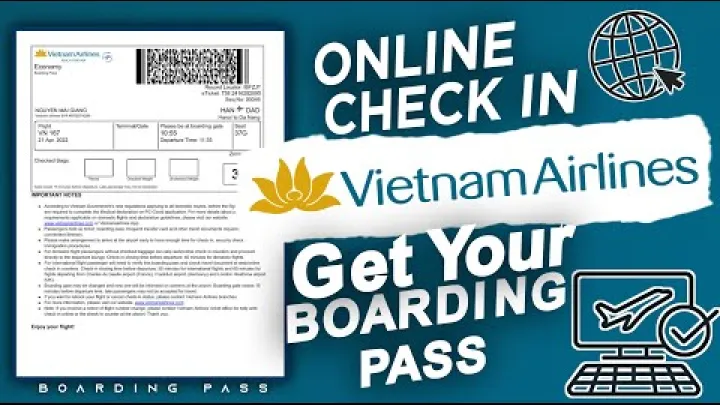
Vietnam Airlines offers several ways to check in, and the best choice depends on your route, baggage, and document requirements. Some airports may also support biometric processing linked to Vietnam’s digital identity system. This guide explains how each Vietnam Airlines check in method works, what to prepare, and how to avoid common last-minute problems.
Understanding Vietnam Airlines Check-In Options
Choosing a check-in method is not only about convenience. It also affects how early you should arrive, whether you can go directly to security, and how your documents are verified. Vietnam Airlines generally supports three main channels: online/web check-in, airport counter check-in, and kiosk check-in at selected airports. In some locations, biometric identity verification may be available as an additional way to move through checkpoints.
The practical goal is simple: finish check-in early enough to manage baggage, security screening, and boarding without stress. The sections below help you match your situation to the most reliable channel, whether you are searching for “vietnam airlines web check-in,” “vietnam airlines check in,” or “vietnam airlines online check in.”
Choosing the right check-in method for your trip
Vietnam Airlines check-in usually works best when you choose the method that fits your trip requirements. If your priority is speed and you have only carry-on baggage, online/web check-in is often the most practical because you can complete most steps before arriving at the airport. If you are traveling internationally, have checked baggage, or expect additional verification (for example, document checks or special assistance), an airport counter can be the most reliable option. Kiosk check-in can sit in the middle: it can reduce queue time while still giving you a printed boarding pass, but it depends on airport availability and passenger eligibility.

Travel goals tend to be consistent. Travelers trying to save time usually start with Vietnam Airlines online check in and only visit a counter for baggage drop if required. Travelers with checked baggage often use online or kiosk check-in first, then proceed to a baggage drop or staffed counter depending on airport setup. Travelers who expect international document checks should plan for possible staff verification even if they have no checked bags, because airlines must confirm travel document readiness for many international routes.
| Method | Best for | Requires counter visit |
|---|---|---|
| Online / web check-in | Carry-on only, time saving, seat confirmation | Sometimes (yes if checked baggage or document verification is required) |
| Airport counter | International verification, checked bags, special services, complex bookings | No (this is the counter) |
| Kiosk | Self-service printing, quicker processing at selected airports | Sometimes (yes if you must drop bags or kiosk is restricted) |
Use this quick decision checklist before you choose a method. It is designed to take under 30 seconds.
- If you have only carry-on baggage and your flight supports it, start with online/web check-in.
- If you have checked baggage, plan for baggage drop after online or kiosk check-in.
- If you are flying internationally, plan extra time for document checks even if you checked in online.
- If you are traveling with an infant, need assistance, or have a partner-operated flight, plan to use the airport counter.
Domestic vs international check-in: what changes
Domestic and international trips often feel different during check-in because the checkpoints and verification steps are different. On many domestic routes, a traveler who completes online check-in and has no checked baggage may be able to proceed directly to security screening after arriving at the airport. By contrast, international travel commonly adds extra checks related to passports and entry requirements. Even if you have already checked in online, you may be directed to a staffed checkpoint to verify documents before you can proceed.

Boarding pass handling can also vary by airport and route. Some airports accept a digital boarding pass on a phone at multiple checkpoints, while others may ask for a printed boarding pass at security or at the gate. Because these requirements can change based on local airport procedures and regulations, it is safer to be ready for either format. If you are unsure, consider saving a digital copy offline and having a plan to print at the airport if needed.
| Domestic | International |
|---|---|
| Documents: national ID or passport (as applicable) | Documents: passport, and any required entry/visa information for your destination |
| Baggage drop: needed only if checking bags | Baggage drop: common, plus potential document verification even without checked bags |
| Time planning: shorter processing, but queues still possible | Time planning: longer due to document checks, security, and immigration procedures |
| Common checkpoints: check-in (if needed), security, boarding | Common checkpoints: check-in/document verification, security, immigration, boarding |
Scenario example (domestic, carry-on only): you complete Vietnam Airlines web check-in the day before, arrive with your ID and boarding pass available, and go to security if the airport accepts your boarding pass format.
Scenario example (international, carry-on only): you complete online check-in, but at the airport you may still be asked to visit a verification point to confirm passport details before proceeding to security and immigration.
What you should prepare before starting check-in
Before you start any Vietnam Airlines check in process, prepare the key details that systems and staff will request. The most common items are your booking reference (PNR) or e-ticket number, your passenger name exactly as shown on the booking, and your passport or ID. It also helps to have a reachable email address and phone number available, because confirmations, notifications, or changes may be sent through those channels.

Device readiness matters when you plan to use a digital boarding pass. A phone with a low battery or unstable connectivity can turn a smooth process into a delay at the checkpoint. If your route and airport accept it, save your boarding pass in an offline-friendly way (for example, a stored PDF or a saved pass in a wallet app) and keep a charging option available. Also note that some trips still require counter support, such as partner-operated flights, certain multi-ticket itineraries, and passengers with special service needs.
- Booking reference (PNR) and/or e-ticket number
- Passenger name spelling as on the booking
- Passport or government-issued ID (route dependent)
- Visa or entry documents if required for your destination
- Email and phone number that you can access while traveling
- Phone battery and a way to charge
- Offline access plan for boarding pass (PDF, wallet pass, or print option)
If you cannot retrieve your booking online, first verify you are using the exact passenger name format used during booking and the correct travel date. If it still fails, try the alternative channel (app vs website), and then plan to arrive early to use a staffed counter with your identification and proof of purchase or e-ticket information.
Vietnam Airlines Online and Web Check-In
Vietnam Airlines online check in and Vietnam Airlines web check-in are designed to reduce time spent in airport lines. When available for your flight, online check-in lets you confirm passenger details, choose or confirm a seat if offered, and receive a boarding pass before you travel. This can be especially helpful during peak hours when counter queues are long.
Online check-in does not remove all airport steps. If you have checked baggage, you will still need a baggage drop step. For many international routes, you may also need document verification at the airport. The key advantage is that you arrive with most steps already completed, which helps you focus on the remaining mandatory checkpoints.
Online check-in time window and basic eligibility
Published guidance for Vietnam Airlines online check in commonly describes a window that starts about 24 hours before scheduled departure and closes about 1 hour before scheduled departure. In simple terms, you can think of it as a “T-24h to T-1h” timeline, where T is your departure time. This is a typical pattern for many airlines, but exact availability can depend on your departure airport, route, and operational constraints.

Eligibility also varies by flight and passenger type. Online check-in is generally intended for confirmed tickets and standard passenger cases. Some itineraries or passenger situations require staff involvement, which can block online check-in even if the time window is open. If you see a message that online check-in is not available, treat it as a planning signal and shift to airport counter or kiosk check-in early.
T-24h to T-1h timeline (text guide): at around 24 hours before departure, check whether check-in is open for your flight; complete check-in earlier rather than later; stop relying on online changes as you approach 1 hour before departure because the system may close.
Even after a successful online check-in, leave buffer time. Airport lines for baggage, security, and boarding can be longer than expected, and missing a cutoff can still prevent you from flying.
Step-by-step web check-in on the Vietnam Airlines website
Vietnam Airlines web check-in on the website typically follows a straightforward flow. You retrieve your booking using a booking reference (PNR) or e-ticket information along with passenger details, review the itinerary, then confirm check-in. Many travelers use this method because it works on a laptop or mobile browser without needing an app, which can be useful if phone storage or app access is limited.
Before you finalize check-in, take a moment to verify the essentials: flight number and date, departure airport (and terminal if shown), and passenger name spelling. Small mismatches can create problems later, especially on international routes where the airline must align the ticket with passport details. If you are checking in multiple passengers under one booking, confirm each traveler’s details and selections before submitting the final step.
- Open the Vietnam Airlines website and go to the Check-in section.
- Enter your booking reference (PNR) or e-ticket number and your name as requested.
- Select the correct flight segment if more than one is shown.
- Confirm the passenger(s) you want to check in.
- Select or confirm seats if the option is available for your fare and flight.
- Review baggage intent and any prompts shown by the system.
- Confirm check-in and save your boarding pass (download, email, or wallet option if available).
For multiple passengers on one reservation, it can help to complete seat choices first so the group is together where possible. If the system limits how many passengers you can check in at once, complete the process in batches and ensure each traveler has their own boarding pass saved.
If you notice an incorrect name spelling or document mismatch, do not wait until boarding. Plan to visit a staffed counter early to request corrections or guidance, because some changes may require verification and may not be possible close to departure.
Using a mobile boarding pass and handling checked baggage
A mobile boarding pass is a digital version of your boarding pass, often provided as a QR code in a PDF, an in-app display, or a wallet-style pass on your phone. At checkpoints, staff or scanners use the code to confirm you are checked in and allowed to proceed. For reliability, keep your screen brightness high enough for scanning and avoid cracked screens that can distort the code.

Checked baggage changes the flow even after Vietnam Airlines online check in. If you have bags to check, you must still complete a baggage drop step at the airport before the baggage cutoff time. Depending on the airport setup, baggage drop may be handled at a dedicated counter, a combined counter line, or a self-service bag drop area if available. Arrive early enough to handle queue time, bag weighing, and any repacking if your bag is overweight.
- Keep passport/ID accessible (do not pack it in checked baggage).
- Confirm your checked baggage allowance before leaving for the airport.
- Know that baggage acceptance has cutoffs, even if you are already checked in.
- Leave time for security screening after you drop your bags.
If your mobile boarding pass will not load at the airport, try switching from airport Wi-Fi to mobile data (or the reverse), reopen the app/browser, and use a saved offline copy if you have one. If you cannot display the boarding pass quickly, go to a kiosk or staffed counter to print a paper boarding pass rather than repeatedly refreshing until you are close to cutoff time.
As a simple fallback, save a screenshot only if your airport accepts it and if your pass remains readable. When in doubt, saving the official PDF and keeping it available offline is usually more reliable than depending on an internet connection in a crowded terminal.
Who may not be able to use online check-in
Not every traveler can use Vietnam Airlines online check in for every itinerary. Published restrictions often include passengers traveling with infants under 2 years old, and passengers who require additional verification or special handling beyond standard options. Certain itineraries may also trigger staff checks, such as bookings with multiple e-tickets across segments or situations where system validation is not available online.

There can also be system and session limits. For example, a single online check-in session may be limited to a set number of passengers, commonly up to 9, which means larger groups may need to complete check-in in multiple rounds. In addition, if your flight is operated by an airline outside the Vietnam Airlines Group (even if your ticket shows Vietnam Airlines branding), online check-in may need to be completed through the operating carrier, or at the airport.
If you are unsure whether you qualify, use this decision path: if you see any warnings during online check-in, stop and plan for the airport counter; if you are traveling with an infant, need assistance, or have a complex itinerary, go to the airport earlier and check in with staff.
| Eligible examples | Not eligible or may require counter |
|---|---|
| Single passenger, standard ticket, typical domestic route | Infant under 2 years old traveling on the booking |
| Carry-on only, confirmed seat, straightforward itinerary | Document verification required for an international destination |
| Small group within the session limit | Large group exceeding session limits, or a complex multi-ticket itinerary |
| Flight operated by Vietnam Airlines | Code-share or partner-operated flight requiring operating-carrier check-in |
Airport Counter Check-In: Times, Documents, and Baggage
Airport counter check-in remains the most universal option because it works for almost all passenger situations, including cases where online and kiosk check-in are restricted. It is also where staff can verify documents, assist with seat issues, process checked baggage, and coordinate special services. For international travel, the counter is often where document readiness is confirmed before you proceed to security and immigration.
Planning around counter opening and closing times is important. Even if you have already checked in online, you may still need the counter for baggage drop or verification. The practical approach is to treat the published counter closing time as the latest acceptable moment, not your target arrival time, because queues can be unpredictable.
Check-in counter opening and closing times to plan around
Published guidance commonly states that domestic check-in counters often operate from about 2 hours to 40 minutes before scheduled departure. For international flights, counters often operate from about 3 hours to 50 minutes before scheduled departure. These are typical windows that help you set a baseline plan, but they can vary by airport, route, and operational conditions.

Some international airports are noted in published guidance as using a 1-hour closing time rather than 50 minutes for international departures. Examples that are sometimes listed include Kuala Lumpur, Paris Charles de Gaulle, Frankfurt, London Heathrow, and San Francisco. Because rules can change, confirm details close to departure, especially if you are departing from an airport you do not use often.
| Flight type | Typical counter window (planning reference) | Recommended arrival mindset |
|---|---|---|
| Domestic | Opens about T-2h, closes about T-40m | Arrive early enough to handle baggage and security queues |
| International | Opens about T-3h, closes about T-50m (or T-60m at some airports) | Arrive earlier due to document checks, security, and immigration steps |
Arriving early matters because check-in is only one step. You may also need time for baggage acceptance, security screening, walking to your gate, and (for international travel) immigration procedures. If you arrive close to closing time, even a small delay like an overweight bag can become a missed flight risk.
Airport and route rules can change due to regulations, construction, or seasonal operations. Treat any published time window as a planning reference and verify your flight’s instructions when your departure date is near.
Travel document checks and international boarding pass requirements
International travel usually includes document verification because airlines are responsible for confirming that passengers meet entry requirements at the destination. This commonly includes checking passport validity, confirming the traveler’s identity matches the booking, and reviewing visa or entry eligibility where applicable. For this reason, you may still need staff verification even if you have no checked baggage and already completed online check-in.
At the counter, expect identity verification, itinerary review, and additional questions that support destination compliance. Staff may issue a boarding pass if a printed version is required, or they may add a confirmation note after checking documents. To reduce the chance of delays, keep your documents organized and easy to present, and ensure your booking name matches your passport or ID exactly.
- Passport or ID used for travel
- Boarding pass access (digital or printed)
- Itinerary details (flight number, date, and route)
- Any entry approval, visa, or supporting documents required for your destination
- Return or onward travel details if your destination commonly requests them
If there is a mismatch in name or document details, address it as early as possible. Do not assume it will be corrected at the gate. Go to a staffed counter with your identification and booking details and ask what correction options are available for your fare and route.
Also check passport condition. Significant damage can cause verification issues even if the passport is technically valid, so it is safer to resolve potential document problems before the day of travel.
Checked baggage at the counter: what happens and common mistakes
Checked baggage acceptance at the counter usually follows a predictable sequence. Staff weigh your bag, confirm the allowance for your route and fare, and identify any excess baggage if applicable. After that, the bag is tagged with a destination label and transferred into the baggage handling system. You typically receive a baggage receipt, which is important for tracking and claims if a bag is delayed.

Common mistakes that slow down the process include arriving too close to counter closing time, bringing an overweight bag without time to repack, and packing prohibited items that must be removed. Another frequent issue is carrying lithium battery items in checked baggage, which can violate safety rules and require last-minute bag opening. The simplest way to reduce delays is to prepare at home and confirm your baggage allowance in advance.
- Weigh bags at home if possible and leave a margin for scale differences.
- Keep valuables, medications, and essential documents in your carry-on.
- Separate lithium batteries and power banks for carry-on where required.
- Pack liquids and restricted items in compliance with security rules.
- Arrive early enough to fix issues before the baggage cutoff.
Baggage allowances can vary by route, cabin, fare family, and loyalty status. Reviewing your specific ticket rules before travel helps you avoid paying unexpected excess charges or repacking on the airport floor.
If you are connecting to another flight, verify whether your baggage is checked through to the final destination or if you need to reclaim and recheck it. This can affect how much time you need during the journey.
Kiosk Check-In and Self-Service at the Airport
Kiosk check-in is a self-service option that can speed up the airport process for eligible passengers. It can be especially useful if you prefer a printed boarding pass or if you had trouble with online check-in but still want a faster alternative to a full-service counter. However, kiosk availability is limited to selected airports, and some passenger types and itineraries may be restricted.
When kiosks are available, they typically allow you to retrieve your booking, confirm passenger details, and print a boarding pass. In some setups, kiosks can also support printing bag tags, but the next step still depends on whether you have checked baggage and whether the airport provides a dedicated bag drop area. Always leave time for security and boarding after you finish at the kiosk.
Where kiosk check-in is commonly available
If you depart from one of these airports, it can be worth checking the terminal area for Vietnam Airlines kiosks.

For international kiosk locations, published guidance may include Vietnam-based hubs such as Noi Bai and Tan Son Nhat and select overseas airports. Examples that are sometimes listed include Fukuoka, Kansai, Narita, Haneda, Nagoya, Frankfurt, Singapore Changi, Incheon (Seoul), and Paris Charles de Gaulle. Because international airport procedures can change, verify kiosk availability for your specific departure point before relying on it as your primary plan.
Airport lists can be updated due to equipment upgrades, terminal changes, and operational decisions. Treat any list as a reference and confirm close to departure using official airport signage and airline instructions.
| Location type | Examples often mentioned in guidance |
|---|---|
| Domestic kiosks (Vietnam) | Cat Bi, Cam Ranh, Da Nang, Noi Bai, Tan Son Nhat, Vinh |
| International kiosks (selected airports) | Noi Bai, Tan Son Nhat, plus examples such as Narita, Haneda, Kansai, Singapore Changi, Incheon, Frankfurt, Paris CDG |
Step-by-step kiosk check-in process
The kiosk experience is usually designed to be simple and fast, but it helps to know the basic flow in advance. Most kiosks start with a language selection screen, then prompt you to retrieve the booking using a booking reference, e-ticket number, or frequent flyer information. After retrieval, you confirm passenger details, select or confirm seats if available, and then print the boarding pass. Some kiosks may prompt you to confirm baggage pieces or travel document details, depending on the route.

Kiosks can reduce queue time because you complete common tasks without waiting for a staffed agent. This can be especially useful for travelers without checked baggage, who may be able to proceed directly to security after printing a boarding pass. If you do have checked baggage, the kiosk still saves time by completing the check-in step, but you must continue to baggage drop or a staffed counter based on the airport’s setup and requirements.
- Select your preferred language on the kiosk screen.
- Retrieve your booking using PNR, e-ticket number, or frequent flyer details.
- Confirm the passenger(s) you are checking in.
- Select or confirm seats if the kiosk offers seat selection.
- Confirm baggage pieces if prompted.
- Print your boarding pass (and bag tags if supported).
- Proceed to security/immigration, or go to baggage drop if you have checked bags.
Kiosk tips: if the kiosk asks to scan a passport or ID, follow the on-screen instructions and ensure the document is clean and not bent. Keep printed boarding passes flat and dry so barcodes remain readable. If you lose the printout, look for a reprint function at the kiosk, or ask staff for a reprint rather than waiting until boarding.
If you encounter repeated errors, do not keep trying until the last minutes. Move to a staffed counter with your booking details so the issue can be resolved before cutoffs.
Kiosk time window and passengers who may be restricted
Published kiosk guidance commonly states that kiosk check-in may open earlier than standard counters. A typical window is from about 6 hours before departure until about 45 minutes before departure for domestic flights, and until about 60 minutes before departure for international flights. This wider window can help travelers who arrive early and want to complete formalities before queues build up.

Restrictions can still apply. Kiosks are often not available for passengers traveling with infants under 2 years old, and they may not support certain verification cases that require staff review. Some guidance also notes group-size limits for domestic kiosk use, such as more than 4 passengers, which can make coordinated group check-in better handled at a counter. Special services beyond standard requests can also trigger a requirement to see staff.
- Skip the kiosk if you are traveling with an infant under 2 years old.
- Skip the kiosk if you need mobility assistance or other special handling that should be confirmed in person.
- Skip the kiosk if you are in a large group and want coordinated seating support.
- Skip the kiosk if your itinerary is complex or you expect document verification issues.
If kiosk check-in fails, the safest fallback is to go to a staffed counter immediately with enough buffer time. Waiting and retrying can push you into the last-minute period where queues and cutoffs become the main risk.
After you complete kiosk check-in, remember that you still need time for security screening and, for international travel, immigration procedures. Finishing check-in is not the same as being ready to board.
Biometric Check-In Using Vietnam Digital ID
Biometric processing is an approach where identity can be verified using facial recognition at certain checkpoints, reducing manual document handling in some flows. In Vietnam, this type of journey can be integrated with a national digital identity system, often referred to as VNeID. When the system is available and you are eligible, it can simplify parts of the airport process by linking your identity verification to your check-in status.
Availability can be limited. Biometric options may only be enabled at certain airports, for specific routes, or during phased rollout periods. Even if you plan to use biometric processing, it is wise to carry physical identification and be ready to follow standard procedures if a lane is closed, a network is down, or your verification cannot be completed in time.
What biometric processing changes in the airport journey
Traditional airport processing relies on repeated manual checks: you show an ID or passport, a staff member compares it to your boarding pass, and you move to the next checkpoint. With end-to-end biometric processing, some of those confirmations can be performed by matching your face to a verified identity record at supported checkpoints. This can reduce repeated document presentation in the parts of the journey that are biometric-enabled.

Biometric processing is typically linked to a trusted identity system and requires consent to share necessary data for verification. In the Vietnam context, VNeID can be part of this flow. Because implementations differ by airport and adoption stage, you should expect mixed processes: one checkpoint might accept biometric verification, while another might still require manual checks. Plan for both to avoid surprises.
| Journey step | Traditional process | Biometric-enabled process (where available) |
|---|---|---|
| Check-in | Verify booking, show documents, receive boarding pass | Check-in linked to verified identity, sometimes reducing manual review |
| Security | Show boarding pass and ID as requested | Identity may be confirmed via facial recognition in supported lanes |
| Boarding | Scan boarding pass, show ID if requested | Boarding may use biometric confirmation with boarding pass backup |
From a privacy perspective, biometric processing typically involves consent and data-sharing prompts within the digital identity or airline flow. If you are uncomfortable or if the system is not working, you can usually proceed using standard document-based verification, but this may involve different queues.
Because requirements and implementations can change, treat biometric processing as a convenience option rather than the only way to travel.
How to use digital ID with Vietnam Airlines online check-in
A high-level flow for using a digital ID with Vietnam Airlines online check-in is usually app-driven. You open the digital identity app, choose the airline check-in service, and consent to share the required data for verification. You then continue into the Vietnam Airlines app or check-in flow, where identity verification (often described as eKYC) may be completed if prompted. After that, you proceed with check-in as normal and keep your boarding pass accessible.
![Preview image for the video "[VNA How] VNeID ဖြင့် စက္ကူမရှိဘဲ ခရီးထွက်မည်".](/sites/default/files/styles/media_720x405/public/oembed_thumbnails/2025-12/DHswi2CfPel6U_PHqzWtrKYxKQyd77QYjMiurYjIX-s.jpg.webp?itok=sR88Qq3S "Preview image for the video \"[VNA How] VNeID ဖြင့် စက္ကူမရှိဘဲ ခရီးထွက်မည်\".")
At the airport, follow signage for biometric-enabled lanes if they are available for your flight. Be prepared to present a boarding pass or confirmation if requested, because not every checkpoint may be integrated. If you are an international visitor or you are not familiar with Vietnam’s digital identity system, set up and verify the account well before travel so you are not trying to complete identity steps while standing in the terminal.
- Install and open the digital identity app (VNeID) on your phone.
- Find the airline check-in service option in the app.
- Review and consent to share required information for verification.
- Continue into the Vietnam Airlines check-in flow (app or linked process).
- Complete identity verification (eKYC) if prompted.
- Finish check-in and save your boarding pass in an offline-friendly format.
- At the airport, use biometric lanes where available and follow staff instructions.
- Complete account setup and verification well before travel day.
- Ensure camera permissions are enabled for identity checks.
- Keep notifications enabled so you do not miss verification prompts.
- Confirm you have reliable network access (mobile data plan or roaming if needed).
If a permission prompt is blocked or the camera does not open, fix it before leaving home. These issues are easier to resolve outside the airport environment.
Even when using digital ID, keep your physical passport or ID with you until biometric processing is widely adopted across all checkpoints you will use.
Common issues and a safe backup plan
Common friction points for biometric and digital ID flows include forgotten passwords, slow app performance, and network connectivity problems. Airports can be crowded, and mobile networks may be congested, which can make real-time verification harder. If the app fails to load or you cannot complete eKYC, do not keep attempting the process repeatedly near cutoff times.

A safe backup plan is to switch to standard procedures early. Carry physical identification, keep your booking details accessible, and move to a staffed counter or help desk if verification does not complete. Early adoption periods often include partial rollout, so it is normal for some travelers to use biometric lanes and others to use standard queues for the same flight.
- Re-login and confirm your password or recovery method.
- Update the digital ID app and the Vietnam Airlines app before you travel.
- Switch networks (mobile data vs Wi-Fi) if loading is slow.
- Restart the app if camera or scanning features freeze.
- Arrive earlier than usual if you plan to rely on biometric processing.
Escalation path: try self-fixes first (re-login, update, switch network), then go to an airline help desk or check-in counter if the problem persists, and finally ask for airport staff assistance if you are not sure where biometric lanes are located.
The goal is not to force a specific technology to work. The goal is to complete check-in and reach the gate with enough time to board.
Special Passenger Situations and Service Requests
Some passenger situations require extra verification or coordination that is difficult to complete through self-service channels. These include traveling with infants, arranging unaccompanied minor services, and requesting mobility or medical assistance. In these cases, airport counter check-in is often the safest plan because staff can confirm documentation, explain procedures, and coordinate support through the airport.
Even when a request can be entered online, the final confirmation may still need to happen in person. If you are traveling in a special category, plan extra time and keep documents organized so you can complete check-in and proceed through the airport without rushing. The sections below explain what commonly changes and how to prepare.
Traveling with infants, children, and unaccompanied minors
Infants under 2 years old typically require counter check-in because the booking and service handling can involve additional verification steps. Staff may need to confirm the infant’s travel status, review documentation, and ensure seating and safety requirements are met. Families should plan to arrive earlier than they would for a solo domestic trip, especially if they have multiple bags, strollers, or special items.

Unaccompanied minor services generally require advance arrangement and specific documentation. Age rules and requirements can differ by route type (domestic vs international), and procedures may include designated handover steps at departure and arrival. Guardians should confirm pickup and drop-off details, bring any required authorization documents, and allow additional time for briefing and staff coordination.
| Age band | Typical description | Likely needs counter |
|---|---|---|
| Infant | Under 2 years old | Yes, commonly required for verification and service handling |
| Child | Child traveling with an adult guardian | Often recommended if documents or seating need review |
| Teen / minor traveling alone | Unaccompanied minor service category may apply | Yes, typically requires advance registration and counter processing |
- Confirm name spellings match the child’s documents.
- Check what ID documents are required for the route.
- Prepare guardian contact details and emergency contacts.
- Confirm pickup and drop-off person details if unaccompanied minor service applies.
- Review baggage needs for child items and keep essentials in carry-on.
As a timing rule, confirm the plan at least 24 hours before departure where applicable. This helps you avoid arriving at the airport and discovering that a service request needs additional steps.
On the day of travel, keep documents together and accessible. Families often lose time at counters because documents are spread across multiple bags or phones.
Passengers needing assistance or special handling
Assistance requests can include mobility support, medical needs, visual or hearing support, or other services that require coordination with airport teams. These cases may require airport counter check-in so staff can confirm the request details, verify any necessary information, and coordinate support at the right time and location. Even if you have a boarding pass from online check-in, it can be safer to speak with staff early to confirm the assistance plan.

Some requests can be recorded digitally, such as certain meal preferences, while others may need in-person confirmation depending on the situation. For example, mobility assistance often needs clear information about whether you can use stairs, how far you can walk, and whether you are traveling with your own mobility device. Arriving early gives staff time to coordinate without rushing, which improves safety and reduces the chance of missed connections inside the airport.
- Mobility assistance (wheelchair support, assistance to gate)
- Medical needs (equipment, condition-related requests, fitness-to-fly discussions)
- Service coordination needs (meet-and-assist style support where provided)
- Special meal preferences (where offered on your route)
- Traveling with additional equipment (mobility devices, medical devices)
Prepare to communicate your needs clearly and consistently. If supporting documents are relevant to your situation, bring them in a format you can present quickly, while avoiding packing critical papers in checked baggage.
If you are unsure whether your request requires counter check-in, treat it as likely and plan accordingly. It is usually easier to complete check-in early and then wait comfortably than to rush near closing times.
Group bookings, multiple passengers, and partner-operated flights
Group bookings can trigger practical limitations in self-service channels. Online check-in sessions may process only up to a certain number of passengers, commonly up to 9, which may force larger bookings to check in in multiple rounds. Kiosks can also have group-size limitations in some guidance, such as more than 4 passengers for certain domestic kiosk use cases, which makes a staffed counter more practical for groups trying to sit together or coordinate baggage.

Partner-operated flights add another layer. Even with a Vietnam Airlines ticket number, the operating carrier may control check-in rules and airport procedures. This is common with code-share arrangements, where marketing and operating airlines differ. In these cases, you might be directed to check in via the operating airline’s website/app or at the airport counter of the operating airline rather than Vietnam Airlines.
How to tell who operates your flight: check your itinerary details for wording such as “operated by” next to the flight number. This line is usually the most reliable indicator of which airline’s check-in process applies at the airport.
- Arrive together as a group and assign one person to coordinate documents and boarding passes.
- Keep passports/IDs and booking details in one organized folder or pouch.
- Confirm seating goals early, because seat availability narrows close to departure.
- Plan extra time for baggage processing if multiple travelers are checking bags.
If you must check in in multiple online sessions, ensure each traveler receives and saves their boarding pass before moving to the next set of passengers. Do not assume one person’s boarding pass covers the entire group.
For partner-operated flights, avoid last-minute confusion by confirming the correct check-in channel a day before departure and noting which counters handle the operating airline in your departure terminal.
Seats and Booking Management During Check-In
Seat selection and booking management are closely tied to check-in because many travelers finalize details right before travel. Depending on your fare type, cabin class, and availability, you may be able to choose seats during booking, later through a manage-booking tool, or again during online or kiosk check-in. Understanding when seat options appear helps you avoid being separated from family members or missing preferred seating zones.
As check-in approaches, the number of available seats typically decreases, and certain changes may become restricted. It is helpful to treat booking management as a timeline: confirm essential details early, then use check-in to finalize what remains. Keeping records of paid extras and confirmations reduces confusion if a system does not display your selections correctly at the airport.
When and how to choose seats before check-in
Seat selection may be offered at multiple stages: during the initial booking, later through a manage-booking function, and during online or kiosk check-in if seats are still available. The options you see can depend on your fare family, cabin class, loyalty status, and the operational seat map for the aircraft. If seat selection is important for your comfort or group travel, it is best to review options earlier rather than waiting for the check-in period.

Some policies describe advance seat selection deadlines that can be earlier than the check-in window, commonly up to around 6 hours before departure in certain cases. This means a traveler who waits until the last moment may find fewer choices even if check-in is still open. The practical approach is to review seat options after booking, confirm again before travel day, and then use check-in to lock in the best remaining option.
Seat-selection timing timeline: booking stage (best choice range) → manage booking (good time to adjust) → check-in (final opportunity, limited availability).
| Seat type (typical categories) | What to consider |
|---|---|
| Standard | Balanced option; may have the widest availability |
| Preferred zone | Often closer to the front; may help with deplaning time |
| Extra legroom | More space; check any restrictions and suitability for your needs |
Free vs paid seat selection often depends on ticket rules. Review your booking conditions so you understand whether a seat choice is included, optional, or subject to a fee.
If you have specific needs, such as traveling with a child or requiring easier access, select seats earlier and confirm the selection is saved in your booking summary.
Changing seats and managing extras once check-in approaches
As you approach check-in time, you can often still adjust certain items, depending on route rules and availability. This may include changing seats, adding baggage, and reviewing passenger details. However, seat availability usually narrows over time, and some changes become restricted after check-in closes or after certain operational deadlines. When an online change is not possible, the alternative is to request help at a kiosk or staffed counter.

Families and business travelers benefit from prioritizing needs early. For a family, the priority may be sitting together or near a restroom. For a business traveler, it may be an aisle seat for easier movement. Keep screenshots or confirmations of any purchased add-ons, because they can help resolve discrepancies if a system does not display them correctly during check-in or at the airport.
- Best time to choose seats: during booking or soon after, when availability is highest.
- Best time to confirm extras: the day before travel, while support channels are easier to reach.
- Best time to add baggage: before arriving at the airport, if your route allows it.
- Best time to resolve issues: as early as possible on travel day, not near counter closing.
Save receipts and confirmations for paid extras in an offline-friendly format. A PDF stored on your device can be easier to show than searching email in a low-connectivity environment.
If seat changes are important but unavailable online, go to the airport earlier and ask at the counter. Last-minute requests at the gate are less likely to succeed because the flight may be full and boarding timelines are tight.
Using the Vietnam Airlines app or website to store and retrieve boarding passes
Vietnam Airlines check in can be accessed through both the website and the mobile app, and having both options matters when one channel fails. For example, if the app is slow or requires an update, a mobile browser can still allow Vietnam Airlines web check-in. If the website is hard to access due to connectivity, the app may work better on mobile data. The goal is to complete check-in and reliably retrieve the boarding pass in a format you can present at the airport.

In typical navigation, you will look for items such as “Manage Booking,” “Check-in,” and “Boarding pass.” After you retrieve the boarding pass, store it in an offline-friendly way when possible. Airport Wi-Fi can be unreliable, and a low battery can make it hard to display a code at the exact moment you need it. A practical approach is to keep the boarding pass in more than one place, such as in the app and as a saved file.
- If you cannot retrieve the boarding pass, confirm you entered the correct name format and booking reference.
- Try the alternative channel (app if website fails, website if app fails).
- Update the app before travel day to avoid last-minute downloads.
- Check connectivity and avoid relying only on airport Wi-Fi.
- Keep your phone charged and consider a portable charger.
If you still cannot access the boarding pass, use a kiosk to print if available. If kiosks are not available or you are restricted, go to a staffed counter early with your ID and booking details.
For international travel, remember that a boarding pass alone may not be enough if additional document verification is required. Treat boarding pass retrieval as one step in a larger process.
Frequently Asked Questions
What is the difference between Vietnam Airlines online check in and Vietnam Airlines web check-in?
They refer to the same idea: checking in before you reach the airport using a digital channel. Web check-in usually means using a browser on the airline website, while online check-in can include both website and app. The end result is typically a digital boarding pass and a confirmed check-in status.
If I check in online, do I still need to go to the counter?
Yes, you may still need to go to the counter if you have checked baggage or if your route requires document verification. Carry-on-only domestic travelers may be able to go directly to security if the airport accepts their boarding pass format. International travelers should plan for possible staff verification even without checked bags.
When should I arrive at the airport if I already have a boarding pass?
You should still arrive with enough time for baggage drop (if needed), security screening, and boarding. Official counter closing times can be as early as around 40 minutes before domestic departure and around 50 to 60 minutes before international departure in typical guidance. Arriving earlier than the cutoff is safer because queues and checkpoint times are unpredictable.
Can I use kiosk check-in for international flights?
Sometimes, yes, if kiosks are available at your departure airport and your passenger type is eligible. International trips often include additional verification, so a kiosk may still direct you to staff for document checks. Always keep enough time to switch to a counter if the kiosk cannot complete your check-in.
Why does online check-in sometimes show as unavailable for my booking?
Online check-in can be unavailable due to airport restrictions, flight type, passenger category, or verification requirements. Complex itineraries, infants on the booking, or partner-operated flights can also block online processing. In that case, plan to use kiosk check-in if available or go to the airport counter early.
What should I do if my name on the ticket does not match my passport?
You should contact the airline or visit the airport counter as early as possible to ask about correction options. Name mismatches can prevent document verification and boarding, especially on international routes. Do not wait until boarding time because changes may not be possible close to departure.
Final Checklist for a Smooth Vietnam Airlines Check-In
A smooth Vietnam Airlines check in experience is usually the result of timing and preparation, not luck. The most common problems are avoidable: arriving too late for baggage cutoffs, missing a document requirement for international travel, or being unable to display a boarding pass due to battery or connectivity issues. The checklists below convert the guidance from earlier sections into quick actions you can follow.
Use the domestic checklist for internal Vietnam travel and the international checklist for cross-border flights. If something goes wrong, the recovery steps help you switch channels quickly (website, app, kiosk, counter) without losing critical time. Treat official closing times as hard limits and plan to finish check-in steps well before them.
Domestic flight checklist: timing, baggage, and boarding
Domestic travel is often faster, but it can still be disrupted by busy terminals and short cutoffs. If Vietnam Airlines online check in is available for your flight, complete it earlier within the check-in window so you are not troubleshooting at the airport. If you have checked baggage, plan your arrival around counter and baggage acceptance cutoffs, not around the boarding time printed on your pass.

Also plan for airport navigation. Even on domestic routes, you may need time to find the correct check-in area, pass security screening, and walk to the gate. Follow airport screens and announcements for gate changes. Keep your ID and boarding pass accessible so you do not block queues while searching through bags.
- T-24h: attempt online/web check-in and save your boarding pass.
- T-2h: aim to be at the airport if you have bags or expect queues.
- T-60m: be ready to enter security with ID and boarding pass available.
- T-40m: typical reference for domestic counter closing; avoid arriving near this time.
- Do not forget: ID, boarding pass access, baggage allowance awareness, and gate monitoring.
- If checking bags: keep valuables and essentials in carry-on and separate restricted items.
- At the airport: confirm your flight and gate on the information screens.
If you are traveling during peak periods, arrive earlier than your normal routine. Domestic processing can still slow down when multiple departures overlap.
If your boarding pass format is not accepted at a checkpoint, use a kiosk or counter to print a paper boarding pass rather than arguing at the line.
International flight checklist: documents, verification, and cutoffs
International travel adds steps, and check-in can include document verification even when you complete Vietnam Airlines web check-in. Keep essential items in your carry-on so you can present them quickly during checks without opening checked baggage or repacking at the counter.

Plan around typical international counter windows: counters often open about 3 hours before departure and close around 50 minutes before departure in common guidance, with some airports using a 1-hour closing time. The safest plan is to arrive well before these cutoffs so you have time for verification, baggage drop, security, and immigration. International queues can be longer and more variable than domestic queues, especially during holiday travel periods.
- Document sanity check: name matches booking, passport is in good condition, and expiry is checked well in advance.
- Confirm destination entry requirements and any required approvals before travel day.
- Keep together: passport, boarding pass, itinerary details, and supporting documents.
- Keep essentials in carry-on during verification steps (medication, valuables, key devices).
- T-24h: complete online check-in if offered and save boarding pass offline.
- T-3h: recommended mindset to arrive for international processing.
- T-60m: be mindful that some airports may close counters at 1 hour.
- T-50m: typical reference for international counter closing at many airports.
International processes can include check-in, security, and immigration, so total processing time is longer than domestic travel. Do not plan to “arrive at the cutoff” and still complete all checkpoints in time.
If you have any uncertainty about documents, treat it as a reason to arrive earlier and speak with staff at the counter.
If something goes wrong: recovery steps before you miss your flight
When check-in problems happen, speed and order matter more than repeated attempts. The safest approach is to switch channels quickly and keep moving toward a solution that produces an accepted boarding pass and completes any required verification. Many travelers lose time by repeatedly refreshing an app or waiting for Wi-Fi instead of changing to another channel or seeking staff assistance.

Common failure cases include online check-in not being offered for your airport or booking type, inability to retrieve a boarding pass, identity verification issues, and last-minute baggage complications such as overweight bags. The recovery plan below is designed to protect your time buffer. Use it early, not in the final minutes before counter closing.
- If online check-in fails on the app: try the website using a browser.
- If the website fails: try the app or a different network connection.
- If you cannot retrieve the boarding pass: use a kiosk to print (if available).
- If kiosk check-in fails or you are restricted: go to a staffed counter immediately.
- If identity verification is incomplete: bring physical ID and request staff verification.
- If baggage is overweight: repack early or be ready for excess baggage processing.
Minimum safe buffer mindset: do not aim to arrive at the official closing time. Aim to complete the last required check-in step well before it, so a queue or document question does not become a missed flight.
Across all methods, the most reliable prevention is early action: check in when the window opens, confirm documents the day before, and arrive with enough time to switch to counter processing if self-service options do not work.
Vietnam Airlines check-in is easiest when you match the method to your route and needs: online/web for speed, kiosks for fast self-service printing where available, and counters for baggage, verification, and special situations. Domestic trips may allow faster progression after online check-in, while international trips often require additional document checks. Keep your booking details and documents ready, save boarding passes in an offline-friendly way, and plan around counter closing times rather than hoping lines will be short.
ဒေသ ရွေးချယ်ပါ
ပို့စ်တစ်ခုဖန်တီးပါ။
ပို့စ်တင်ခြင်းသည် အခမဲ့ဖြစ်ပြီး မှတ်ပုံတင်ရန်မလိုအပ်ပါ။