ਵੀਅਤਨਾਮ ਹਵਾਈਅੱਡਿਆਂ ਦੀ ਰਹਨੁਮਾਈ: ਕੋਡ, ਮੁੱਖ ਹੱਬ ਅਤੇ ਆਵਾਜਾਈ

Vietnam’s airports are the starting point for almost every international trip into the country, and choosing the right one can shape your entire itinerary. From the busy streets of Ho Chi Minh City to the historic lanes of Hanoi and the beaches near Da Nang, each major Vietnam airport serves a different region and style of travel. Understanding airport locations, codes, and transport options helps you avoid long detours, rushed connections, and unnecessary costs. This guide walks through the main gateways, regional airports, and practical arrival tips in clear, simple language. Use it as a reference before booking flights or planning how to get from the runway to your hotel.
Introduction to Vietnam Airports for International Travelers
Vietnam has several international airports, but most travelers only use a few of them. Knowing how these airports work together will help you build a smoother trip, whether you are coming for a short holiday or a longer stay. Because the country stretches a long distance from north to south, the airport you select can greatly change your travel time on the ground.
Three main gateways handle the majority of international arrivals: Tan Son Nhat International Airport (SGN) in Ho Chi Minh City, Noi Bai International Airport (HAN) in Hanoi, and Da Nang International Airport (DAD) in central Vietnam. Each of these hubs links to smaller domestic airports that serve beach resorts, mountain towns, and island destinations. Understanding where they are on the map and how to reach city centers will help you match your flight plan with the places you hope to visit.
Why understanding Vietnam airports matters for your trip
Choosing the right Vietnam airport is not only about finding the cheapest ticket; it also affects your connection times, domestic flight needs, and total travel budget. For example, many long-haul flights land in Ho Chi Minh City or Hanoi, and you may then take another flight to reach Da Nang, Phu Quoc, or Da Lat. If you do not plan these transfers carefully, you may face long layovers or need an extra night in a transit hotel.
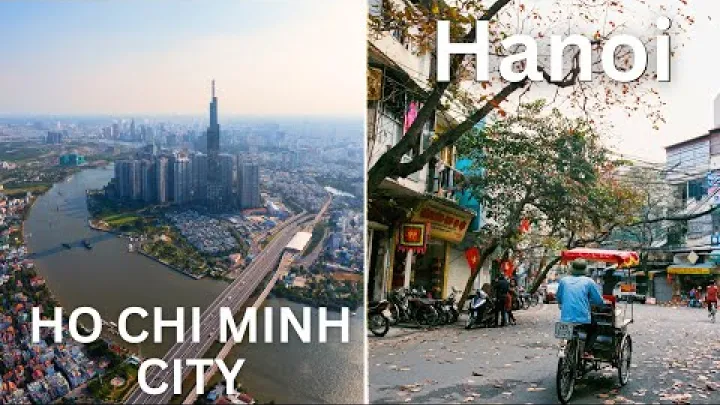
The three primary gateways each support different regions. Tan Son Nhat (SGN) connects you with southern Vietnam and many international routes from Europe, Asia, and sometimes North America. Da Nang (DAD) is smaller but very important for central Vietnam, including Hoi An, Hue, and the surrounding beaches. Knowing which airport serves which area makes it much easier to design a logical route through the country.
Your choice of arrival and departure airport can also change depending on the length and style of your trip. For a short holiday of one week, it often makes sense to focus on a single region and fly in and out of the same airport, such as SGN for Ho Chi Minh City and the Mekong Delta or DAD for Da Nang and Hoi An. For longer stays, you might fly into Hanoi in the north and out of Ho Chi Minh City in the south, visiting central Vietnam in between to avoid backtracking. Multi-city tickets can sometimes save you both time and money when compared with returning to your original airport just to catch your flight home.
Travelers who plan to live, work, or study in Vietnam for several months also benefit from understanding the airport network. You may arrive at one international hub but later need to use a different airport for visa runs, regional business trips, or family visits. Knowing where domestic connections are easiest and which airports have better facilities can help you plan these additional journeys with less stress.
How this Vietnam airport guide is organized
This guide is organized so that you can easily find details about the Vietnam airport that is most relevant to your trip. After a general overview of the airport network and main gateways, each major hub—Ho Chi Minh City (SGN), Hanoi (HAN), and Da Nang (DAD)—has its own dedicated section. These sections explain locations, terminals, and ways to get from each airport into the city. They also describe passenger services like lounges, ATM access, and SIM card counters.
Following the main hubs, you will find sections on central and southern regional airports, including Phu Quoc, Nha Trang (via Cam Ranh), Hue, and Da Lat. A separate section lists important Vietnam airport codes in a simple table, making it easy to match each code with its city or resort area. Later sections explain what to expect at immigration and security, how ground transport works, and what services you can access in departures, such as duty-free shopping and VAT refunds.
The guide is written in clear, straightforward English so that automatic translation tools can handle it well for readers from many countries. You can read it from start to finish if you want a full overview, or you can jump directly to the section about Ho Chi Minh City, Hanoi, Da Nang, or Phu Quoc depending on your plans. Each part focuses on practical information: distances to city centers, typical transfer times, common prices, and tips to avoid common mistakes.
If you are building a complex, multi-city itinerary, you may want to keep several sections open while you compare options. For example, you can read both the Hanoi and Da Nang sections when deciding whether to fly directly into central Vietnam or to enter through the north and connect by domestic flight. In this way, the structure is meant to support quick reference as well as deeper planning.
Overview of Vietnam’s Airports and Main Gateways
Vietnam’s airport system combines a few large international gateways with many smaller domestic airports that reach different regions of the country. As a traveler, this network allows you to move quickly between distant cities that would otherwise require long train or bus rides. Understanding how these airports are distributed along Vietnam’s long north–south shape helps you see why domestic flights are so common in local itineraries.
In broad terms, there are around a dozen airports that most visitors are likely to use, even though the country has more aerodromes in total. The main international gateways—Ho Chi Minh City (SGN), Hanoi (HAN), and Da Nang (DAD)—handle most foreign arrivals and departures. Regional airports in central and southern Vietnam then serve tourist hotspots such as Nha Trang, Da Lat, Hue, and Phu Quoc Island. Many trips begin at one of the big three airports and continue with a short domestic flight to a specific holiday destination.
Vietnam’s airport network at a glance
Vietnam’s airport network includes several international airports that host direct flights from across Asia and some longer routes from Europe, plus a set of domestic-focused airports that link cities and tourist zones within the country. The biggest facilities—SGN in Ho Chi Minh City, HAN in Hanoi, and DAD in Da Nang—handle both international and domestic flights, acting as transfer points for many itineraries. These hubs connect to regional airports like HUI (Hue), CXR (Cam Ranh for Nha Trang), DLI (Da Lat), and PQC (Phu Quoc), which focus mainly on domestic routes with some seasonal international services.
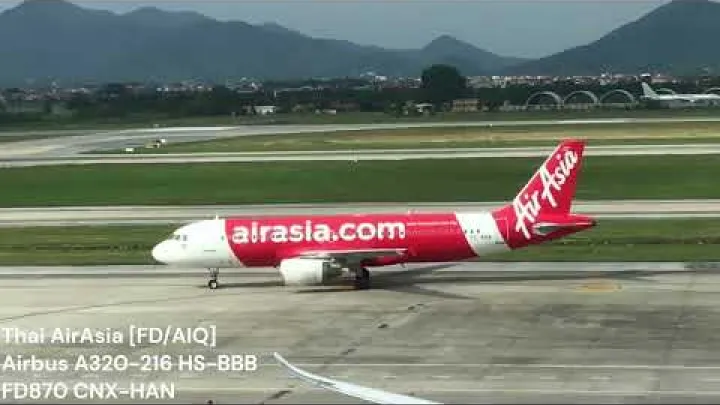
In simple terms, you can think of Vietnam as having a handful of large “gateway” airports and roughly a dozen smaller airports that most tourists might use. The exact number of international versus domestic airports can change as more routes open or terminals are upgraded, but the pattern remains the same: most long-haul flights land at SGN or HAN, some regional flights land directly at DAD, PQC, or CXR, and many other cities are reached via short hops from these hubs. This design lets you move from, for example, Hanoi to Phu Quoc in only a few hours by connecting through Ho Chi Minh City.
International gateways like SGN, HAN, and DAD are equipped to handle immigration, customs, and a wide range of aircraft sizes. You will find more airlines, more frequent departures, and more ground services at these larger airports. In contrast, domestic-focused airports often have just a few gates and limited dining or shopping options, but they offer the advantage of placing you much closer to your final destination. When planning, it is useful to factor in both the flight network and how comfortable you need the airport environment to be between connections.
This mix of airports means that your route choices are often flexible, especially within Vietnam itself. You can combine a flight from Singapore or Bangkok into Da Nang with domestic flights onward to Hanoi and Ho Chi Minh City, or vice versa. By seeing the airport network as a web rather than a single straight line, you can design loops and open-jaw tickets that reduce backtracking and give you more time on the ground.
Major Vietnam airport regions: north, central, south, and islands
For planning purposes, it is helpful to group Vietnam’s airports into four broad regions: the north, the central coast and highlands, the south, and the islands. In the north, Noi Bai International Airport (HAN) is the main entry point, supported by smaller domestic airfields that serve specific cities. From Hanoi, travelers usually continue by road or rail to popular destinations like Ha Long Bay, Ninh Binh, and Sapa rather than flying to separate airports.

Central Vietnam is anchored by Da Nang International Airport (DAD), which lies between Hue to the north and Hoi An to the south. Other important airports in this region include Phu Bai International Airport (HUI) near Hue, Cam Ranh International Airport (CXR) for Nha Trang and nearby beach resorts, and Lien Khuong Airport (DLI) for the hill town of Da Lat. The southern region is dominated by Tan Son Nhat (SGN) in Ho Chi Minh City, which connects to smaller airports that serve the Mekong Delta and nearby provinces. Offshore, Phu Quoc International Airport (PQC) is the main island gateway, while Con Dao Airport serves the quieter Con Dao archipelago.
These regions line up closely with common travel routes. A classic north-to-south itinerary might start with Hanoi and Ha Long Bay, continue to Hue and Hoi An via Da Nang, and end in Ho Chi Minh City with a side trip to the Mekong Delta or Phu Quoc. Because distances between regions are large, flights between them often take just one or two hours, while trains and buses can take many hours or even overnight journeys. This is why domestic flights are so popular for long legs, especially when time is limited.
Southern Vietnam, in contrast, is generally warm and tropical year-round, with a distinct rainy season but fewer temperature changes. Island airports like PQC and Con Dao may be more affected by seasonal winds and storms, which can lead to occasional delays or cancellations. Checking the typical weather for your travel month can help you decide which region and airport to prioritize.
When to choose Hanoi, Ho Chi Minh City, or Da Nang airport
Deciding between Hanoi, Ho Chi Minh City, and Da Nang as your main Vietnam airport depends largely on which parts of the country you want to see. Hanoi (HAN) is the best choice if your focus is northern Vietnam, including Ha Long Bay, Ninh Binh, Sapa, and the northern mountains. From Noi Bai Airport, you can connect to city-bound buses and taxis, then join tours or private transfers to these nearby destinations. Ho Chi Minh City (SGN) works best if you are most interested in southern Vietnam, the Mekong Delta, or if your long-haul airline has better routes to the south.

Da Nang (DAD) is ideal if your main goal is to experience the central coast, with its beaches and historic towns. It is the closest major airport to Hoi An and an easy starting point for visiting Hue over the scenic Hai Van Pass. DAD also works as a central hub if you plan to split your time between north and south; you can fly into Hanoi, travel down through the country by train or bus, and then fly out from Da Nang, or do the same in reverse. This flexibility makes it easy to avoid repeating long overland segments.
To illustrate how you might combine airports, consider a 10–14 day trip that begins with culture and history in the north and ends with beaches in the south. You could fly into Hanoi (HAN), spend a few days in the city and Ha Long Bay, then fly or take the train to Da Nang for Hoi An and Hue. Afterward, you might take a short domestic flight from Da Nang to Ho Chi Minh City (SGN) and depart Vietnam from there. This open-jaw route saves you from returning all the way to Hanoi just for your flight home.
Another example would be a central and southern itinerary focused on beaches and city life. You might arrive at Da Nang (DAD), use it as a base for Hoi An and the surrounding coast, then fly down to Phu Quoc (PQC) via Ho Chi Minh City for island time before flying out of SGN. In both examples, mixing arrival and departure airports reduces backtracking and gives you more time enjoying the country rather than sitting on long-distance buses or trains.
Ho Chi Minh City: Tan Son Nhat Airport (SGN)
It handles a large share of international arrivals as well as domestic flights to almost every region. For many travelers, SGN is their first contact with Vietnam, so understanding its layout and transport options can make your arrival much easier.
Because the airport sits close to the urban center, it offers one major advantage compared with some other large cities in the region: transfer times can be relatively short when traffic is light. However, congestion is common during peak hours, and the airport itself can feel crowded, especially around holidays. Knowing how the terminals are organized and how to get a taxi, bus, or ride-hailing car will help you move smoothly from the plane to your hotel.
Location, terminals, and capacity of Tan Son Nhat airport
Tan Son Nhat Airport (SGN) lies only a few kilometers north of central Ho Chi Minh City, in an urban district that quickly leads into the city’s main roads. The driving distance to District 1, where many hotels, offices, and attractions are located, is roughly 6–8 kilometers depending on the exact route. In light traffic, this trip can take around 20–30 minutes, while during rush hour or heavy rain, it can easily stretch to 45–60 minutes or more.
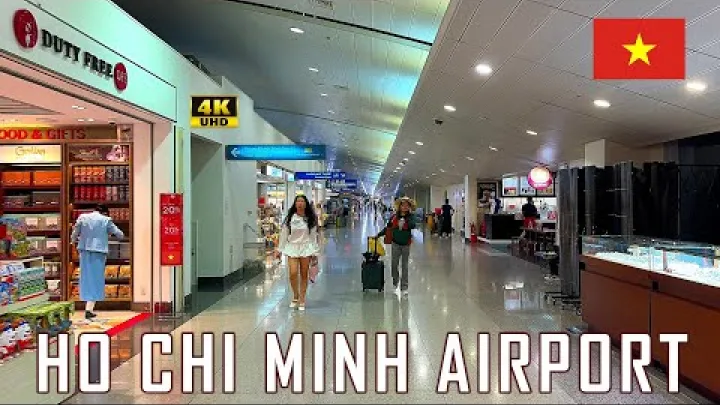
The airport has separate terminals for domestic and international flights. The international terminal is usually referred to as Terminal 2 (T2), while the older domestic terminal serves flights within Vietnam. They are located close enough that you can walk between them, but you should still allow extra time if you have a tight connection. There is an ongoing project to build a new Terminal 3 (T3) to increase capacity for domestic flights and relieve pressure on the existing buildings, but opening dates and details may change over time as construction progresses.
It handles a significant share of Vietnam’s long-haul routes, including flights to major hubs such as Singapore, Bangkok, Tokyo, Seoul, and various cities in Europe. This makes it a common transit point not only for visitors to the south but also for travelers heading onward to Da Nang, Nha Trang, or Phu Quoc by domestic flight.
Because of its high traffic volume, the airport can feel crowded, particularly at check-in and security during busy periods like Tet (Lunar New Year) or long weekends. When planning, it is wise to allow generous time for check-in and immigration, especially for international departures. Airlines typically advise arriving at least three hours before an international flight and at least 90 minutes before a domestic one, though you should always check your specific airline’s guidance.
How to get from Tan Son Nhat airport to Ho Chi Minh City center
After landing at Vietnam’s Ho Chi Minh airport, you have several options to reach the city center, especially District 1 where many visitors stay. The main choices are public buses, metered taxis, ride-hailing services like Grab, and pre-booked private transfers arranged through hotels or travel agencies. Each option has different advantages in terms of price, comfort, and convenience.

Public buses are the cheapest option. Routes such as bus 109 and 152 connect the airport with central areas, including the bus station near Ben Thanh Market. These buses usually stop outside the terminals; you can follow signs or ask at an information desk to locate the bus stop. Fares are low, and the ride to District 1 typically takes 40–60 minutes depending on traffic. This option is best if you travel light and are comfortable handling your luggage on and off buses.
Metered taxis are widely available and remain one of the most popular ways to leave Tan Son Nhat. Official taxi queues are located outside the arrivals halls, and airport staff often help direct passengers. It is generally recommended to choose reputable companies, which are usually clearly marked and use meters. A typical taxi fare from SGN to District 1 often falls within a moderate range, though it can increase in heavy traffic or late at night. Always confirm that the driver uses the meter before the car departs.
Ride-hailing apps such as Grab are very common in Ho Chi Minh City and can sometimes offer clearer pricing because you see an estimated fare on your phone before you book. To use these apps, you will need mobile data or access to airport WiFi. Designated pick-up points for ride-hailing vehicles may be located slightly away from the main taxi queue, often in clearly signposted areas of the parking lot or curbside. If you cannot locate the correct area, you can send a message to your driver through the app for guidance.
Pre-booked private transfers and hotel cars provide the simplest experience, especially for first-time visitors, families, or those arriving late at night. With this option, a driver meets you in the arrivals hall holding a sign with your name and takes you directly to your accommodation at a fixed price agreed in advance. While more expensive than public buses, private transfers can be cost-effective for groups and reduce the stress of negotiating fares after a long flight.
Facilities, lounges, and services at SGN airport
Tan Son Nhat offers a range of basic facilities to cover most traveler needs. In both terminals you will find ATMs and currency exchange counters where you can withdraw or change money into Vietnamese dong soon after arrival. Mobile phone providers and SIM card counters are usually located in the arrivals area before you exit to the public zones, allowing you to purchase a local SIM card and data package right away. Food outlets range from fast-food chains to simple Vietnamese eateries, with more choices generally available in the international terminal.

Shopping at SGN includes small convenience stores, souvenir shops, and duty-free outlets selling cosmetics, alcohol, tobacco, and local specialties such as coffee. Most of these stores are located after security in the departures area, but some convenience stores and small shops can be found landside. Free WiFi is typically available, although speeds can vary depending on how many people are connected. Information desks are placed in visible locations to assist passengers with questions about gates, transport, or airport services.
Lounges at Tan Son Nhat include airline-operated spaces for business and first-class passengers as well as paid-access lounges open to economy travelers for a fee or via membership programs. These lounges usually provide comfortable seating, snacks, hot and cold drinks, WiFi, and charging points. Some also offer basic shower facilities, which can be helpful during long layovers or before a long overnight flight. Access rules and locations can change, so it is wise to check with your airline or lounge program shortly before travel.
When planning your time at SGN, it helps to know which services are available before and after security. SIM card counters, many ATMs, and some currency exchange booths are located in the arrivals hall before you exit to the public area. In the departures zone, most shops, restaurants, and lounges are located after security and immigration, near the boarding gates. If you need to eat or buy last-minute items, try to do it after you have cleared formalities to avoid rushing when your flight is called for boarding.
Hanoi: Noi Bai International Airport (HAN)
It connects the capital with destinations across Asia and with smaller domestic airports throughout the country. For trips that focus on Ha Long Bay, Ninh Binh, Sapa, or other northern highlights, Noi Bai is usually the most logical entry point.
Because the airport is located outside the city, transfers into central Hanoi take longer than in Ho Chi Minh City, but they are generally straightforward. Two main terminals handle domestic and international flights, and a mix of buses, shuttles, taxis, and ride-hailing services link the airport with the Old Quarter and other central districts. Understanding these options ahead of time helps you avoid overpaying or getting lost after a long flight.
Location, layout, and domestic versus international terminals at HAN
Noi Bai International Airport lies to the north of Hanoi, with a distance of roughly 27–35 kilometers from the Old Quarter depending on the route you take. The main road connection is via modern expressways, so the journey time is usually around 45–60 minutes by car in normal traffic. However, it can be longer during peak hours or in heavy rain, so it is wise to allow some buffer time when traveling back to the airport for your departure.
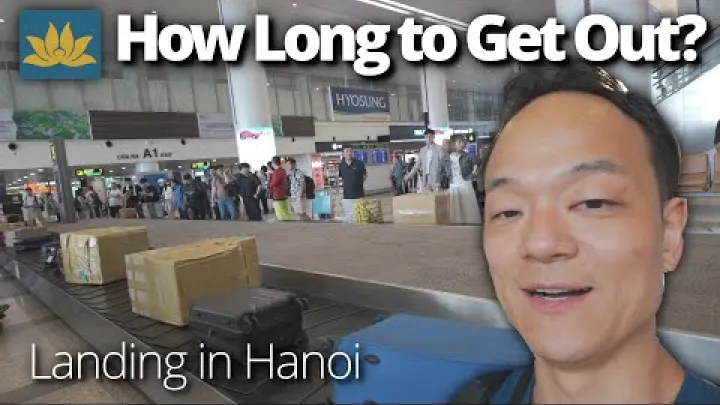
The airport has two main terminals: T1 for domestic flights and T2 for international flights. These buildings are separate but located close to each other, and shuttle buses run regularly between them for connecting passengers. If you arrive on an international flight at T2 and then connect to a domestic flight at T1, you will pass through immigration, collect your baggage if necessary, and then follow signs or ask staff for the shuttle to the domestic terminal. The shuttle is usually free, but you should still allow extra time for this transfer.
As the primary gateway for northern Vietnam, Noi Bai handles a mix of full-service and low-cost airlines. You will find frequent flights between HAN and Ho Chi Minh City, Da Nang, Nha Trang (via Cam Ranh), Phu Quoc, and other domestic destinations, as well as connections to many Asian cities. This makes it easy to start your journey in Hanoi and then continue south by air once you have explored the northern region.
When planning connections between domestic and international flights at Noi Bai, it is recommended to allow at least two to three hours, especially if you are on separate tickets. This gives you time to clear immigration, collect bags, move between terminals if needed, and check in for your next flight. If both segments are on the same ticket and airline, your minimum connection time may be shorter, but even in that case, building in extra time reduces stress in case of delays.
Transport options from Noi Bai airport to Hanoi Old Quarter
Several transport options link Noi Bai airport with central Hanoi, particularly the Old Quarter, where many visitors choose to stay. Your main choices are public buses, the special airport bus 86, shuttle vans, metered taxis, and ride-hailing services. Each option differs in cost, comfort, and convenience, so the best choice depends on your arrival time and how much luggage you carry.
![Preview image for the video "ਹਨੋਈ ਏਅਰਪੋਰਟ ਤੋਂ ਓਲਡ ਕਵਾਰ্টਰ ਤੱਕ ਬੱਸ 86 ਕਿਵੇਂ ਲੈਣੀ ਹੈ ਕੈਪਸ਼ਨ ਸਮੇਤ [4K]".](/sites/default/files/styles/media_720x405/public/oembed_thumbnails/2025-11/M19yKTmhFTq030bBmDFiRl7qNlB1aP0CfxtXreuXkps.jpg.webp?itok=7LUZmjR9 "Preview image for the video \"ਹਨੋਈ ਏਅਰਪੋਰਟ ਤੋਂ ਓਲਡ ਕਵਾਰ্টਰ ਤੱਕ ਬੱਸ 86 ਕਿਵੇਂ ਲੈਣੀ ਹੈ ਕੈਪਸ਼ਨ ਸਮੇਤ [4K]\".")
Bus 86 is a popular option for travelers because it is designed specifically as an airport express route. It runs between Noi Bai and central Hanoi, stopping near key points around the Old Quarter and the main train station. The buses are orange and easy to spot outside the terminals. Fares are modest, and the trip usually takes around 60 minutes, depending on traffic. Regular city buses also serve the airport at lower prices, but they may be more crowded and make more stops.
Shuttle vans operated by airlines or private companies provide another mid-range choice. They often depart from just outside the terminal and drop passengers at central points in the city, sometimes allowing you to get off near your hotel if it is along the route. Prices are usually higher than public buses but lower than a private taxi, making shuttles a good balance between comfort and cost for solo travelers or couples.
Metered taxis are widely available outside the arrivals area of both terminals. As with Ho Chi Minh City, it is wise to choose reputable taxi brands and ensure the meter is turned on. A typical taxi fare from Noi Bai to the Old Quarter usually falls within a predictable range, and the journey time is about 45–60 minutes in normal traffic. You pay in Vietnamese dong, so it is useful to withdraw cash from ATMs inside the terminal before heading to the taxi queue.
Ride-hailing apps like Grab also operate in Hanoi and can be an efficient way to travel from the airport into town. After connecting to airport WiFi or inserting a local SIM card, you can enter your hotel address in the app and see an estimated fare. Pick-up points for these cars may be different from the regular taxi ranks, but they are usually signposted. For late-night arrivals when bus services are less frequent, taxis and ride-hailing cars are normally the most practical options.
For families, travelers with heavy luggage, or those arriving very late, a pre-booked private transfer can be the most comfortable. Many hotels in Hanoi offer airport pick-up services, and drivers usually wait in the arrivals hall with a sign. While this option costs more than public transport, the fixed price, direct route, and reduced language barrier can make it worthwhile, especially after a long-haul flight.
Airlines, routes, and passenger services at Noi Bai airport
Noi Bai hosts a wide selection of domestic and international airlines, including both full-service carriers and low-cost airlines. From HAN, you can fly to many cities across Asia, such as Bangkok, Seoul, Tokyo, Singapore, and Kuala Lumpur, as well as to other gateways within Vietnam. Domestic routes link Hanoi to Ho Chi Minh City, Da Nang, Nha Trang, Hue, Phu Quoc, and many smaller cities, making it easy to combine a northern stay with time in other regions.
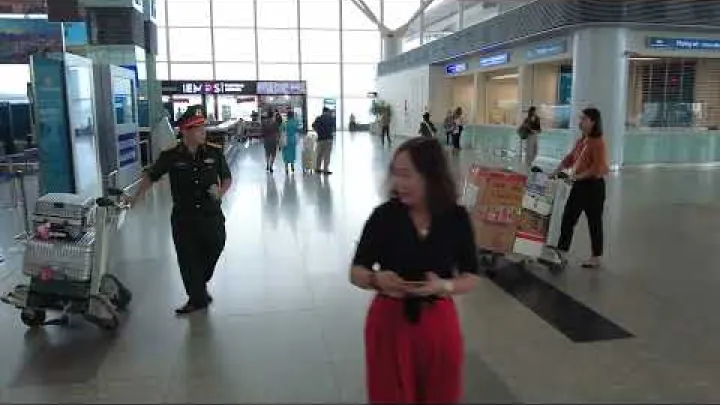
The check-in areas in T1 and T2 are organized by airline and destination, with electronic displays indicating which counters handle which flights. Many carriers also offer self-service kiosks where you can print boarding passes or luggage tags, especially for domestic routes. Baggage services and information counters are located nearby to assist with lost or delayed luggage issues. For international departures, it is commonly recommended to arrive at the airport around three hours before your flight to allow time for check-in, security screening, and immigration.
Passenger amenities at Noi Bai include free WiFi, currency exchange booths, ATMs, restaurants, and shops selling both local products and international brands. In the international terminal, you will find duty-free stores, souvenir shops, and food outlets located after security, giving you options for last-minute purchases. The domestic terminal offers more basic services but still covers essentials such as snacks, drinks, and simple meals.
Several lounges operate at Noi Bai, including airline-branded lounges for business and first-class passengers and independent lounges that sell access to economy travelers. Facilities usually include comfortable seating, WiFi, small buffets, and shower rooms in some cases. If lounge access is important to you, check your airline ticket, frequent flyer status, or lounge membership terms ahead of time so you know which lounge you can use and in which terminal it is located.
Da Nang Airport (DAD) and Central Vietnam
Da Nang International Airport (DAD) is the main aviation gateway to central Vietnam and plays a key role for visitors heading to Hoi An, Hue, and the central coast. Compared with the much larger airports in Hanoi and Ho Chi Minh City, Da Nang’s airport is compact and relatively close to the city center, which means shorter transfer times and a more relaxed arrival experience for many travelers.
The airport handles both domestic flights from around Vietnam and a growing number of international routes from nearby countries. This makes it possible to fly directly into central Vietnam from some regional hubs without needing to connect through Hanoi or Ho Chi Minh City. For travelers whose main interest lies in beaches, heritage towns, and scenic coastal drives, DAD can be the most efficient Vietnam airport to choose.
Da Nang International Airport basics and location
Da Nang International Airport is located only a short distance from the center of Da Nang city, making it one of the more conveniently placed airports in Vietnam. The distance from the airport to many city hotels is roughly 2–5 kilometers, so car journeys can take as little as 10–20 minutes in light traffic. This is a major advantage if you arrive on a late flight or have a tight schedule, as you spend less time in transit and more time at your destination.
![Preview image for the video "ਦਾ ਨਾਂਗ ਹਵਾਈ ਅੱਡਾ (Đà Nẵng) - ਵਿੲਤਨਾਮ [4K HDR] ਵਾਕਿੰਗ ਟੂਰ".](/sites/default/files/styles/media_720x405/public/oembed_thumbnails/2025-12/GwFdgcSbq3wRithr93ygz9WnWPEVi_uwrBT2sYF7bAU.jpg.webp?itok=KFsZ-rgQ "Preview image for the video \"ਦਾ ਨਾਂਗ ਹਵਾਈ ਅੱਡਾ (Đà Nẵng) - ਵਿੲਤਨਾਮ [4K HDR] ਵਾਕਿੰਗ ਟੂਰ\".")
The airport consists of terminals that handle both domestic and international flights, with clear signage in English and Vietnamese to help passengers find their way. While not as large as SGN or HAN, the terminal buildings are modern and generally easy to navigate. You will find essential services such as check-in counters, baggage carousels, ATMs, and food outlets within a relatively compact area, which is helpful if you are tired after a journey.
DAD serves as a key hub for central Vietnam’s beaches and cultural sites. Many travelers use the airport as a gateway to Hoi An, which does not have its own airport, and to the former imperial city of Hue. Airlines connect Da Nang with Ho Chi Minh City, Hanoi, Nha Trang, Phu Quoc, and other domestic points, as well as with international cities such as Singapore, Bangkok, or Seoul depending on current route offerings.
Because of its convenient location and growing network, Da Nang is increasingly used not just as a domestic hub but also as a direct entry point for foreign visitors whose main interest is the central coast. When planning, it is worth checking whether airlines from your region offer seasonal or year-round flights to DAD, as flying directly into central Vietnam can skip the need for an extra domestic leg.
Transfers from Da Nang airport to Hoi An and Hue
Hoi An is one of Vietnam’s most popular destinations, known for its historic architecture and riverside setting, but it does not have its own airport. Instead, travelers fly into Da Nang (DAD) and then continue by road. The distance from Da Nang airport to Hoi An is about 30 kilometers, and the journey usually takes around 45–60 minutes by car, depending on traffic and the exact location of your hotel.

Several transfer options are available for this route. Taxis and ride-hailing cars such as Grab can be hired directly at the airport, and many hotels in Hoi An offer private car transfers for a fixed fee. Shuttle buses run by travel agencies or hotels are another common method, often shared with other passengers going to the same area. Prices differ based on comfort and privacy, but even a private car is usually affordable when shared by two or more people.
Travelers heading from Da Nang to Hue have a longer journey but also a very scenic one, especially if they travel by road over the Hai Van Pass. The distance is roughly 90–100 kilometers, and by car or shuttle, the trip usually takes around 2.5–3 hours. Some travelers choose to go by train between Da Nang and Hue, which provides beautiful coastal views; in that case, you would take a short taxi from the airport to Da Nang train station and then another taxi from Hue station to your hotel.
When deciding whether to book transfers in advance or arrange them on arrival, consider your arrival time and personal preferences. If you land late at night or are traveling with children or heavy luggage, pre-booking a private car or hotel pick-up can give peace of mind and ensure someone is waiting for you. For daytime arrivals with flexible schedules, it can be easy to hire a taxi or order a ride via an app after you land. However, during very busy periods, such as major holidays, pre-booking is often the safer choice to avoid waiting.
Other central Vietnam airports: Hue, Cam Ranh, and Da Lat
In addition to Da Nang, several smaller airports support travel around central Vietnam. Phu Bai International Airport (HUI) serves the city of Hue and the surrounding region. It lies roughly 13–15 kilometers from central Hue, and transfers by taxi or shuttle usually take around 30 minutes. HUI is mainly used by travelers whose itineraries focus on Hue and the nearby countryside, though some visitors still prefer to fly into Da Nang and travel by road if the flight schedule is more convenient.

Cam Ranh International Airport (CXR) is the main gateway for Nha Trang and many of the region’s beach resorts. The airport is located to the south of Nha Trang city, at a distance of about 30–35 kilometers from the main resort areas. Transfers by taxi, shuttle, or hotel car often take around 45–60 minutes. Many package holidays and resort stays in Nha Trang include transfers from CXR, and the airport also handles some direct international flights from regional hubs during high season.
Lien Khuong Airport (DLI) serves Da Lat, a highland city known for its cooler climate and scenic landscapes. The airport is about 30 kilometers from Da Lat’s city center, with typical transfer times of 40–60 minutes by car. Flights to DLI often connect via Ho Chi Minh City, Hanoi, or Da Nang, depending on your starting point. This airport is especially useful for travelers who want to add a change of climate and scenery to an otherwise coastal or lowland itinerary.
Most flights to these central airports are domestic, though some international services operate during certain seasons or from nearby countries. When planning, it is helpful to check whether you can fly directly to HUI, CXR, or DLI from your entry point, or whether you will need to connect. In many cases, the simplest approach is to fly into one of the big three airports—SGN, HAN, or DAD—and then take a short domestic flight to your final central Vietnam destination.
Phu Quoc and Southern Regional Airports
Southern Vietnam includes not only Ho Chi Minh City but also the Mekong Delta and several island destinations. A few regional airports play an important role in opening up these areas to visitors. Among them, Phu Quoc International Airport (PQC) is the most significant for leisure travel, while other smaller fields support quieter destinations and regional cities.
Because roads and waterways can be slow over long distances in the south, these airports often save many hours compared with overland routes. Understanding how to reach them, and from which main hubs, helps you include them in your itinerary without adding unnecessary travel time. It is also worth knowing that facilities at some of these airports are basic, so you should arrive prepared with essentials and realistic expectations.
Phu Quoc International Airport (PQC) overview
Phu Quoc International Airport is the primary gateway to Phu Quoc Island, one of Vietnam’s most popular beach resort destinations. Located on the island itself, PQC is only a short drive from many hotels and tourist areas. Depending on where you stay, transfers can take as little as 10–20 minutes, making it easy to go from plane to beach in a short time.
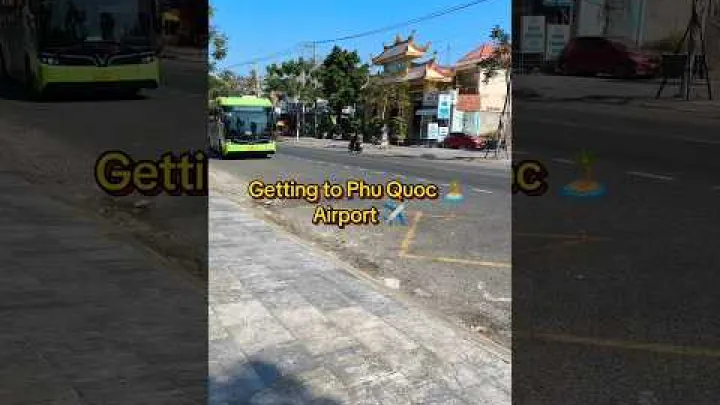
The airport handles domestic flights from major Vietnamese cities such as Ho Chi Minh City, Hanoi, and Da Nang, as well as some regional international flights, particularly during busy seasons. This means you may be able to fly directly to Phu Quoc from nearby countries, or you may need to connect via a Vietnam airport like SGN or HAN. Many long-haul travelers land first in Ho Chi Minh City or Hanoi, pass through immigration there, and then board a domestic flight to PQC.
Transfer options from PQC to resort areas include metered taxis, ride-hailing cars where available, and hotel shuttle services. Many larger resorts offer airport pick-up and drop-off, sometimes included in the room rate or charged at a fixed price. As the island is relatively compact, taxi fares to most tourist zones are usually moderate compared with transfers on the mainland.
When booking flights, pay attention to connection times between your international arrival and your domestic segment to Phu Quoc. It can be wise to allow several hours between flights in case of delays, or even plan an overnight stop in Ho Chi Minh City or Hanoi before continuing to the island. This approach reduces the risk of missing your onward domestic flight due to a late long-haul arrival.
Con Dao and other southern Vietnam airports
Con Dao Airport serves the Con Dao Islands, a quieter and more remote destination than Phu Quoc, known for its natural beauty, diving, and historical sites. Flights to Con Dao are typically limited and often operate using smaller aircraft, usually connecting from Ho Chi Minh City and sometimes from other nearby airports. Facilities at the airport are simple, but they are sufficient for the relatively small number of passengers passing through.

In the broader southern region, several other airports support the Mekong Delta and smaller cities. These include airports serving places like Can Tho or Rach Gia, which act as gateways to river landscapes and offshore islands. Flights to these airports are usually short domestic hops from Ho Chi Minh City’s SGN, and they can save many hours of road or boat travel compared with traveling entirely by land or river.
Because these regional and island airports are smaller, there are a few additional considerations to keep in mind. Flight frequency is often lower than on major routes, meaning that there may only be a few departures per day. This can make it harder to rebook if your flight is canceled or significantly delayed. Weather, especially during stormy seasons, can also lead to disruptions, particularly at island airports where wind and visibility are more sensitive factors.
To manage these risks, try to build some flexibility into your itinerary if you plan to visit Con Dao or other remote areas. Avoid scheduling very tight connections with international flights on the same day, and consider travel insurance that covers flight changes or cancellations. Checking schedules and possible weather issues in advance can help you decide how many days to allocate in these areas and when to plan your return to a major hub like SGN or HAN.
Vietnam Airport Codes and Quick Reference Table
Knowing Vietnam airport codes makes it easier to search for flights, read booking confirmations, and avoid confusion between similarly named cities. Airline booking systems, price comparison websites, and even luggage tags rely on these three-letter IATA codes rather than full airport names. If you plan to visit multiple regions, understanding which code refers to which city can prevent costly mistakes.
The following section lists the main airport codes that travelers are most likely to encounter when visiting Vietnam. While the country has more airports than those shown here, focusing on the most common tourist and regional airports keeps the information concise and practical. You can use this list when comparing routes or checking whether a particular flight lands close to your intended destination.
List of main Vietnam airport codes and cities
The IATA code is a three-letter code used worldwide to identify each airport. In Vietnam, these codes appear on tickets, boarding passes, and flight search engines. For example, SGN refers to Tan Son Nhat International Airport in Ho Chi Minh City, while HAN refers to Noi Bai International Airport in Hanoi. By learning the main codes, you can quickly see which city your flight will reach.
Below is a simple table of key Vietnam airport codes, focused on those that most tourists use. It includes the airport name, the city or area it serves, the general region within Vietnam, and the corresponding IATA code. This list does not include every single airport in the country but gives a practical reference for planning most leisure and business trips.
| Airport Name | City / Destination | Region | IATA Code |
|---|---|---|---|
| Tan Son Nhat International Airport | Ho Chi Minh City | South | SGN |
| Noi Bai International Airport | Hanoi | North | HAN |
| Da Nang International Airport | Da Nang / Hoi An | Central | DAD |
| Phu Quoc International Airport | Phu Quoc Island | South (Island) | PQC |
| Cam Ranh International Airport | Nha Trang area | Central Coast | CXR |
| Phu Bai International Airport | Hue | Central | HUI |
| Lien Khuong Airport | Da Lat | Central Highlands | DLI |
| Con Dao Airport | Con Dao Islands | South (Island) | VCS |
When using this table, remember that some destinations are served by airports located in nearby cities rather than the destination itself. For example, flights to Nha Trang use Cam Ranh (CXR), which lies some distance south of the city. Knowing this detail helps you understand why transfer times from the airport to your hotel might be longer than expected.
Choosing the right airport code for your Vietnam destination
When you search for flights online, you may see several Vietnam airport codes and city names that look similar. It is important to select the correct code that matches your intended destination. For example, if you are visiting Hanoi, you should look for flights to HAN (Noi Bai), and for Ho Chi Minh City you should choose SGN (Tan Son Nhat). Da Nang and the nearby town of Hoi An are best served by DAD, so if you see that code in your booking, it indicates a suitable arrival point.
For beach destinations, the codes can sometimes be less obvious because the airport sits outside the main resort city. Nha Trang uses CXR (Cam Ranh), and if you are heading there, you should not look for a separate “Nha Trang airport” code. Hue is reached through HUI (Phu Bai), and Da Lat is accessed by DLI (Lien Khuong). Phu Quoc Island has its own code, PQC, while the Con Dao Islands use VCS. Paying close attention to these codes can prevent confusion, such as accidentally booking a flight to the wrong city with a similar name.
Many travelers combine international and domestic segments in one booking, such as flying from their home country to SGN and then onward to PQC or CXR. In this case, your booking confirmation should clearly list each airport code and city along the route. If you book separate tickets, double-check that your connecting airport codes match and that you have enough time between flights to change terminals if necessary. This is especially important when connecting between HAN or SGN and smaller airports like DLI or VCS.
Because some city and airport names sound alike or have several spellings in English, always verify the code before finalizing payment. For example, “Ho Chi Minh” might appear as “Saigon” in some airline systems, but the code SGN is the same. Taking a minute to cross-check the airport code against a map or this reference list can save you substantial effort later on if you discover you have booked a flight to the wrong place.
Arrival in Vietnam: Visas, Immigration, and Security
Arriving at a Vietnam airport involves more than just stepping off the plane and collecting your bags. You must pass through immigration checks, sometimes present visa documents, and clear security before any onward domestic flight. Understanding these steps before you travel makes the process less stressful and helps you prepare the right paperwork.
Visa rules and entry requirements can change, so it is essential to treat the information in this section as a general guide and confirm the latest regulations close to your departure date. However, the basic structure of arrival—immigration, baggage claim, customs, and security—remains similar across major airports like SGN, HAN, DAD, and PQC.
Vietnam visa options for air arrivals
Most visitors entering Vietnam by air need a valid permission to enter the country, either in the form of a visa exemption, an e-visa, or a visa issued by an embassy or consulate. Some nationalities are allowed to visit for short periods without a visa under bilateral agreements, while others must obtain permission in advance. The length of stay, conditions for exit and re-entry, and eligibility for exemptions vary by nationality.

Typically, you fill out a form on an official government website, upload required documents such as a passport scan and photo, pay a fee, and then wait for electronic approval. Processing times can vary but are often a few working days. The approved e-visa usually states your name, passport number, validity period, number of entries (single or multiple), and sometimes the entry and exit points you plan to use.
When using an e-visa, it is important to check that the arrival airport listed on your approval—such as SGN, HAN, DAD, or PQC—matches your actual travel plan. At the airport, you should carry a printout of the e-visa or have a clear digital copy ready to show immigration officers, along with your passport. Some travelers still use embassy-issued visas, particularly for longer stays or multiple entries that go beyond e-visa conditions.
Because visa rules change from time to time, always confirm the latest requirements through official government sources or your nearest Vietnamese embassy or consulate. Pay attention to details such as the validity period of your passport, the number of entries allowed by your visa, and whether you need proof of onward travel. Checking these points in advance reduces the chance of problems at the immigration desk.
Typical immigration steps at Vietnam airports
The immigration process at most Vietnam airports follows a clear sequence. After your plane lands, you disembark and follow signs to “Arrivals” or “Immigration.” In the immigration hall, you will see separate queues for different passport types or visa categories. You join the appropriate line, present your passport and visa or e-visa approval, and answer any routine questions from the officer, such as the purpose and length of your stay.
Some airports may also collect biometric data, such as fingerprints or photographs, during this step. Once the officer is satisfied, they stamp your passport and allow you to proceed. You then continue to the baggage claim area to collect your luggage, pass customs checks where officers may ask questions about your belongings, and finally exit into the arrivals hall where transport options and services are located.
To speed up this process, prepare your documents before you reach the front of the queue. Keep your passport, printed or digital e-visa, and any required arrival forms in an easily accessible part of your hand luggage. It is also useful to have the address and contact details of your first hotel or accommodation written down, as you may need to provide this information on forms or when asked by immigration officers.
Waiting times at immigration vary from day to day. At busy times, especially when several international flights land within a short period, queues can be long. Allowing extra time for this step is wise if you have a connecting domestic flight. In some cases, airlines may advise longer minimum connection times at SGN or HAN for this reason. If possible, avoid scheduling very tight connections between international and domestic segments on separate tickets.
Security screening and prohibited items at Vietnam airports
Security procedures at Vietnam airports are similar to those in many other countries. Before entering the departure area, and usually before boarding domestic connections as well, you pass through security screening. This typically involves placing your hand luggage and personal items on a conveyor belt to be X-rayed, walking through a metal detector or body scanner, and sometimes undergoing additional checks if the equipment detects anything unusual.

Standard rules about liquids and prohibited items apply. Liquids, gels, and aerosols in carry-on luggage are usually limited to small containers placed inside a clear plastic bag, according to international norms. Sharp objects such as knives or large scissors are not allowed in cabin baggage and should be packed in checked luggage if they are permitted at all. It is wise to check both your airline’s and the airport’s latest security guidelines before packing to avoid having items confiscated at screening.
When connecting between international and domestic flights within Vietnam, you should expect to pass through security screening again, even if you have already been screened at your departure airport. This means that liquids purchased outside the secure area may not be allowed through, and you should pay attention to rules about duty-free items if you carry them in your hand luggage. Some airports provide special sealed bags for duty-free liquids purchased after security to help with transfers, but you should confirm the rules for your route in advance.
There may be minor differences between domestic and international screening lanes in terms of rules or equipment, but the basic principles are the same. Keep electronics such as laptops and tablets ready to place in separate trays if requested, remove metal objects from your pockets, and follow staff instructions. Arriving at the airport with enough time to pass these checks calmly is one of the simplest ways to make your travel day more comfortable.
Ground Transport from Vietnam Airports: Buses, Taxis, and Private Transfers
Getting from a Vietnam airport to your hotel or meeting place is a critical part of your journey. While flights often receive the most attention during planning, ground transport can take a surprising amount of time and money if you are not prepared. The good news is that major airports in Vietnam offer several options, from budget-friendly buses to convenient private cars.
This section outlines typical travel times and costs from the main hubs, explains how ride-hailing apps like Grab work, and describes situations where pre-booked transfers or hotel cars might be the best choice. Having a basic understanding of these options before you arrive can help you choose quickly and avoid confusion in crowded arrivals halls.
Typical travel times and costs from main airports to city centers
Travel times from Vietnam’s main airports to their city centers vary, but there are some useful benchmarks you can use for planning. From Tan Son Nhat (SGN) to central Ho Chi Minh City, especially District 1, the drive is about 6–8 kilometers. In light traffic, a taxi or car can make this journey in around 20–30 minutes, but during rush hour it may take 40–60 minutes or more. Taxi and ride-hailing fares generally fall within a moderate range, with some variation based on time of day and exact destination.
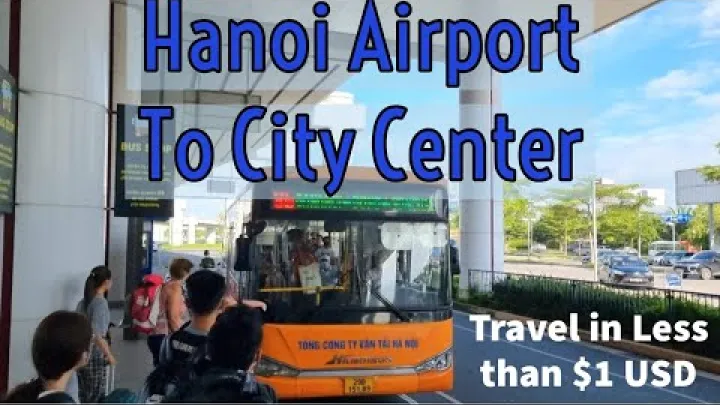
From Noi Bai (HAN) to Hanoi’s Old Quarter, the distance is roughly 27–35 kilometers. By car, this usually means a 45–60 minute journey, though busy periods can extend this. Typical taxi fares are higher than those from SGN due to the longer distance, but still reasonable compared with many other capital cities. Bus 86 provides a lower-cost option at the price of a slightly longer and less private experience.
Da Nang (DAD) has the shortest typical transfer times among the main hubs. The airport is only a few kilometers from the city center, with many hotels reachable in 10–20 minutes by car. For travelers going directly from DAD to Hoi An, the distance of about 30 kilometers translates into a 45–60 minute drive. Costs vary depending on whether you use a private car, taxi, or shared shuttle, but they are generally manageable, especially if shared by two or more people.
The following simple list summarizes average ranges for planning purposes (actual times and prices may vary):
- SGN to District 1: around 20–60 minutes; moderate taxi or Grab fare.
- HAN to Old Quarter: around 45–60 minutes; higher taxi fare, lower bus fare.
- DAD to Da Nang center: around 10–25 minutes; low taxi or Grab fare.
- DAD to Hoi An: around 45–60 minutes; moderate taxi, Grab, or private car fare.
Factors such as rush hour, late-night surcharges, tolls, and weather can influence journey times and costs. Before getting into a taxi or car, you can look at fare boards (where available), ask for an estimated price at official desks inside the terminal, or check price estimates in ride-hailing apps. This preparation helps you avoid misunderstandings and gives you a sense of whether a quoted fare is reasonable.
Using ride-hailing apps like Grab from Vietnam airports
Ride-hailing apps such as Grab are widely used in major Vietnamese cities and are a popular choice for airport transfers. These apps allow you to see an estimated price before you book, track your driver’s arrival, and share your route with someone else if you wish. For many visitors, this transparency feels more comfortable than negotiating a price with a driver in an unfamiliar currency.

To use a ride-hailing app after landing, you typically need mobile data or access to airport WiFi. Many airports offer free WiFi, and you can also buy a local SIM card in the arrivals hall to ensure a reliable connection. Once you are online, you open the app, set your pick-up point (often a designated zone at the airport), and enter your destination. The app then shows you the estimated fare and vehicle types available, such as standard cars or larger vehicles for groups.
Pick-up zones for ride-hailing cars are often separate from the regular taxi queues, sometimes located in nearby parking areas or along specific sections of the curb. Airports usually provide signs in English and Vietnamese to direct passengers, but if you are unsure, you can send a message through the app to your driver for clarification. It can also be helpful to zoom in on the in-app map to see exactly where your driver is waiting.
While ride-hailing is convenient, there can be times when the app is temporarily unavailable or demand is very high, such as during late-night peaks or heavy rain. As a backup, you should always be prepared to use another method, such as an official taxi queue or a pre-arranged hotel transfer. Knowing where the official taxi stands and fixed-price desks are located inside the terminal gives you a reliable alternative if the app-based option is not practical at that moment.
When to book private transfers or hotel cars
Private transfers or hotel-arranged cars are a good choice in certain situations. If you arrive late at night, travel with young children, carry a lot of luggage, or simply feel uneasy about negotiating with drivers on arrival, a pre-booked car can greatly reduce stress. The driver will know your flight number and adjust for delays, meeting you in the arrivals hall with a sign and taking you straight to your accommodation.

Many hotels and tour companies in Vietnam offer airport pick-up services for a fixed price. When comparing options, consider not only the cost but also the convenience: with a private transfer, you do not need to handle local currency immediately or figure out where to find buses or taxi stands. This can be especially valuable after a long-haul flight when you are tired and more easily confused.
To ensure a smooth pick-up, it is important to confirm the meeting point and driver details before you travel. Ask your hotel or transfer company exactly where the driver will wait—inside the terminal, outside near a specific pillar, or in a car park—and what sign they will hold. Providing your flight number allows them to track your arrival time, and exchanging contact details or messaging app information can help if you have trouble finding each other.
Although private transfers cost more than buses and sometimes more than taxis, they can be cost-effective for groups because the price is shared among several people. They also reduce the risk of misunderstandings about fares or routes, which can be reassuring if you do not speak Vietnamese. For first-time visitors, booking a transfer for the arrival leg and then using cheaper options later in the trip is a common and sensible compromise.
Lounges, Shopping, and VAT Refunds at Vietnam Airports
Beyond basic transport and immigration, Vietnam airports offer services that can make your journey more comfortable and help you manage your budget. Airport lounges provide a quieter space to wait for flights, shopping areas allow for last-minute gifts or travel essentials, and some airports offer VAT refund services for eligible purchases made in Vietnam.
While facilities vary between airports and terminals, major hubs like SGN, HAN, and DAD share several common features. Knowing what to expect helps you plan how early to arrive, whether to eat before reaching the airport, and how to handle purchases that may be eligible for tax refunds when you depart.
Airport lounges and who can access them
Airport lounges in Vietnam fall into a few main categories: airline-operated lounges for premium cabin passengers and frequent flyers, business lounges shared by several airlines, and pay-per-use lounges that most travelers can access for a fee or via membership programs. These lounges are usually located after security in the departures area and are signposted near the gates they serve.

Typical lounge facilities include comfortable seating, free WiFi, snacks, hot and cold drinks, and charging points for electronic devices. Some lounges provide hot meals, shower rooms, and limited business services such as printers or meeting spaces. At larger airports like Ho Chi Minh City’s SGN and Hanoi’s HAN, there may be multiple lounges in different areas of the terminal, serving different airlines or zones.
Access methods depend on the lounge type. If you hold a business or first-class ticket on an airline that operates a lounge at that airport, you can usually enter by showing your boarding pass. Frequent flyers with certain membership levels may be allowed into lounges even when flying in economy, depending on the airline’s rules. Pay-per-use lounges accept walk-in passengers for a fixed fee or through lounge membership programs that charge annual fees instead of per-visit charges.
Because lounge access rules and opening hours can change, it is wise to check the latest information directly with your airline, lounge provider, or a reliable airport guide before you travel. During very early or late hours, some lounges may be closed or offer reduced services. Planning ahead ensures that you do not rely on a specific lounge only to find it unavailable when you arrive.
Duty-free shopping and VAT refund rules for tourists
Duty-free and regular shopping areas at Vietnam airports allow travelers to buy a range of products, from cosmetics and electronics to local coffee and handicrafts. In international terminals at SGN, HAN, and DAD, you will typically find duty-free shops after security, along with souvenir stores and convenience outlets selling snacks and travel items. Duty-free allowances and product selection may vary, so it is a good idea to compare prices and check your home country’s customs rules about how much you can bring back without additional tax.

Vietnam also offers a VAT refund scheme for foreign travelers who buy eligible goods at registered shops in the country. To qualify, you usually need to spend at least a specified minimum amount on a single invoice, purchase the goods within a certain number of days before your departure, and ensure that the shop participates in the official refund program. Staff at the shop can often help you prepare the necessary paperwork at the time of purchase.
The basic VAT refund process at the airport typically involves showing your purchased items, original receipts, passport, and boarding pass at a VAT refund counter before checking in or before leaving the country. Officials review the documents and may inspect the goods to confirm that you are exporting them. Once approved, the refund is usually paid in cash at the airport or sometimes credited to your card, minus an administrative fee.
Because VAT and customs rules differ between countries, keep all receipts and documents related to significant purchases made in Vietnam. These records can help with both the local refund process and any questions from customs officers when you return home. As regulations and refund thresholds may change, always confirm the latest information with official sources or the airport’s website before relying on a specific refund amount as part of your travel budget.
Long Thanh International Airport: Vietnam’s Future Mega-Hub
As air travel to and from Vietnam grows, the country is working on new infrastructure to handle more passengers and reduce congestion at existing airports. One of the most significant projects is Long Thanh International Airport, planned as a major new hub for southern Vietnam and an important gateway to Ho Chi Minh City.
Although Long Thanh was not yet open at the time of writing, it is expected to change how many international routes operate in and out of the region once it begins service. Understanding the basic plans and how they might affect future itineraries can help you prepare for changes in airport codes, transfer patterns, and ground transport in the coming years.
Long Thanh airport project timeline and opening plans
Long Thanh International Airport is a new airport under construction in Dong Nai Province, designed to serve Ho Chi Minh City and the broader southern region. The project is planned in multiple phases, with the first phase expected to open around the middle of the current decade. However, as with many large infrastructure projects, timelines can shift due to construction progress, funding, and other factors, so exact opening dates are best confirmed through official announcements closer to your travel time.
The long-term goal for Long Thanh is to provide significant passenger capacity and modern facilities that can handle a high volume of international and domestic flights. This is intended to relieve congestion at Tan Son Nhat (SGN), which currently operates close to its practical limits in terms of runway and terminal capacity. Long Thanh is being designed with room for expansion, including multiple runways and large terminal buildings that can accommodate future growth in air traffic.
Because the project is still under development, many details may change over time, including which airlines will operate from Long Thanh in its early years. Nevertheless, it is clear that the airport is intended to become a central node in Vietnam’s aviation network, with a strong focus on long-haul international routes and major regional connections.
When planning trips for future years, especially those scheduled around or after the expected opening period, travelers should be aware that the airport serving Ho Chi Minh City on their route could be either SGN or Long Thanh. Reading booking confirmations carefully and checking airline communications will become increasingly important as operations begin and expand.
How Long Thanh will change flights to Ho Chi Minh City
Once Long Thanh International Airport begins operations, it is expected that many long-haul and some regional international routes to Ho Chi Minh City will gradually move there from Tan Son Nhat. SGN may then focus more on domestic flights and short-haul regional services, although the exact division of routes will depend on airline strategies and regulatory decisions. This shift aims to reduce congestion at SGN while offering more space and modern facilities at the new airport.
For travelers, this change will mean paying close attention to which airport their flight uses. Booking systems, boarding passes, and airline notifications should clearly state whether your flight arrives at or departs from SGN or from Long Thanh. Because Long Thanh is located farther from Ho Chi Minh City center than Tan Son Nhat, ground transport times and methods will also differ. New highways, rail links, and bus services are planned to connect the new airport with the city, but exact options and travel times will become clearer closer to the opening date.
Transfer patterns within Vietnam may also evolve as airlines adjust their route networks. For example, a passenger flying from Europe to Da Nang might in the future connect via Long Thanh rather than Tan Son Nhat, depending on which airport handles the long-haul services at that time. Similarly, travelers making domestic connections to smaller southern airports will need to check whether their flights use the same airport or require a ground transfer between SGN and Long Thanh.
To stay informed, travelers should regularly check airline and airport websites for updates about which flights use which airports as the new hub comes online. Airlines will provide updated airport information in booking confirmations and pre-departure emails, but it is still wise to verify details yourself, especially during the transition period when both airports may be in active use for different types of routes.
Frequently Asked Questions
Which Vietnam airport should I fly into for Hanoi, Ho Chi Minh City, and Da Nang?
You should fly into Noi Bai International Airport (HAN) for Hanoi, Tan Son Nhat International Airport (SGN) for Ho Chi Minh City, and Da Nang International Airport (DAD) for Da Nang and nearby Hoi An. These are the main gateways for their respective regions and offer the most flight options and ground transport choices. For example, HAN is the best starting point for northern destinations like Ha Long Bay and Sapa, while SGN connects efficiently to the Mekong Delta and Phu Quoc.
How far are Vietnam’s main airports from the city centers and how long do transfers take?
Noi Bai Airport (HAN) is about 27–35 kilometers from central Hanoi and usually takes around 45–60 minutes by car or bus. Tan Son Nhat Airport (SGN) is only about 6–8 kilometers from District 1 in Ho Chi Minh City, but frequent traffic means transfers often take 30–60 minutes. Da Nang Airport (DAD) is very close to Da Nang city (roughly 2–5 kilometers), so most hotel transfers take 10–25 minutes, while reaching Hoi An from DAD is about a 45–60 minute drive for the 30-kilometer distance.
What are the main Vietnam airport codes for popular destinations?
The key Vietnam airport codes are SGN for Ho Chi Minh City (Tan Son Nhat), HAN for Hanoi (Noi Bai), and DAD for Da Nang. Other important codes include PQC for Phu Quoc, CXR for Cam Ranh (serving Nha Trang), HUI for Phu Bai (serving Hue), DLI for Lien Khuong (serving Da Lat), and VCS for Con Dao. Knowing these codes helps you choose the correct airport when booking flights and prevents confusion between cities with similar names.
Do I need a visa before arriving at a Vietnam airport and can I use an e-visa?
Many travelers need a visa or e-visa before entering Vietnam, unless they are from a country that enjoys a visa exemption for short stays. The e-visa system allows eligible visitors to apply online, pay a fee, and receive electronic approval, which they then present at immigration alongside their passport. E-visas are accepted at major airports including SGN, HAN, DAD, and PQC, but you should always confirm current rules, validity periods, and entry conditions on official government websites before you travel.
How can I get from Vietnam airports to the city by bus, taxi, or Grab?
Most major Vietnam airports are served by public buses, metered taxis, and ride-hailing apps like Grab. In Ho Chi Minh City, buses 109 and 152 connect SGN with central areas, while in Hanoi, bus 86 and various shuttle vans link HAN with the Old Quarter and railway station. Taxis and Grab cars are available at all main airports, offering door-to-door service at reasonable fares, and many hotels can arrange private transfers if you prefer a fixed price and a driver waiting in arrivals.
Is Tan Son Nhat (SGN) or Long Thanh the main international airport for Ho Chi Minh City?
At present, Tan Son Nhat (SGN) is the primary international airport for Ho Chi Minh City and handles almost all international and domestic flights. Long Thanh International Airport is under construction and planned to open in stages around the middle of the decade, with many long-haul routes expected to move there over time. Until then, SGN remains the main gateway, so always check your booking to see which airport is listed for your flights.
Are Vietnam airports safe and modern for international travelers?
Vietnam’s major airports, including SGN, HAN, DAD, and PQC, generally meet international standards for safety and security. They provide standard security screening, immigration controls, and basic passenger amenities such as ATMs, WiFi, and food options. As in any busy airport, it is sensible to keep your belongings secure, use official taxi queues or ride-hailing apps, and follow staff instructions for safety and security procedures.
Can I get a VAT refund for shopping at Vietnam airports when I depart?
Foreign travelers can usually obtain a VAT refund for eligible goods purchased at registered shops within Vietnam, provided they meet minimum spending thresholds and other conditions. To claim the refund, you must present your goods, original receipts, passport, and boarding pass at a designated VAT refund counter at the airport before departure. Refunds are normally made in cash or credited to a card, and it is important to check current rules and limits in advance as procedures and minimum amounts may change.
Frequently Asked Questions
This section above already answered common questions about Vietnam airports, including which airport to choose, distances to city centers, visa use, and transport options such as buses, taxis, and ride-hailing apps. The information there is designed to be clear and easy to reuse in different languages. If you need more detail on any topic, you can refer back to the relevant sections of this guide for expanded explanations and examples.
Because travel rules, visa policies, and airport facilities can evolve over time, it is always a good idea to double-check critical details with official sources shortly before your trip. However, the general patterns described in the FAQ—such as which codes correspond to major cities and how to move from the runway to your hotel—are likely to remain valid and useful for most travelers planning a visit to Vietnam.
Conclusion and Next Steps for Planning Your Vietnam Trip
Key takeaways about Vietnam’s main airports and transport
Vietnam’s air network is built around three primary gateways—Tan Son Nhat (SGN) in Ho Chi Minh City, Noi Bai (HAN) in Hanoi, and Da Nang (DAD) in central Vietnam—which connect to important regional airports such as Phu Quoc (PQC), Cam Ranh (CXR), Hue (HUI), and Da Lat (DLI). Choosing the right combination of these airports can greatly improve your itinerary, reducing backtracking and cutting down long overland journeys. For example, basing northern travel around HAN, central coastal travel around DAD, and southern or island segments around SGN and PQC is often the most efficient approach.
Matching airport choice with your planned route, budget, and travel style involves looking at more than just ticket prices. You should also consider ground transport times, typical transfer costs, and the climate of each region at the time of your visit. Multi-city tickets that use different arrival and departure airports can be especially effective for longer trips. Understanding basic transport options, visa procedures, and airport facilities before you fly helps you arrive prepared, saving both time and stress once you land in Vietnam.
Staying up to date on flights, visas, and airport changes
Because visa rules, airline routes, and infrastructure projects such as Long Thanh International Airport continue to evolve, it is important to confirm key details before every trip. Check official government and embassy websites to verify your eligibility for visa exemptions or e-visas, and review your airline’s guidance on check-in times, baggage rules, and terminal locations. This is especially crucial for complex or long-haul itineraries that involve multiple connections or entry points.
Airport and airline websites also provide up-to-date information on ground transport links, facilities under renovation, and any temporary changes that might affect your journey. As new terminals open or routes shift between airports, particularly around Ho Chi Minh City, re-checking your booking details shortly before departure ensures that you arrive at the correct airport and plan the right transfer. By combining the general guidance in this article with current official information, you can build a well-structured, enjoyable trip across Vietnam’s diverse regions.
ਖੇਤਰ ਚੁਣੋ
ਇੱਕ ਪੋਸਟ ਬਣਾਓ
ਪੋਸਟਿੰਗ ਮੁਫ਼ਤ ਹੈ ਅਤੇ ਕੋਈ ਰਜਿਸਟ੍ਰੇਸ਼ਨ ਦੀ ਲੋੜ ਨਹੀਂ ਹੈ।