ਵਿਯਤਨਾਮ ਦਾ ਨਾਂਗ ਯਾਤਰਾ ਗਾਈਡ: ਸ਼ਹਿਰ, ਹਵਾਈ ਅੱਡਾ, ਬੀਚਾਂ ਅਤੇ ਸੁਝਾਅ

It offers an unusual mix of clean urban streets, a long sandy beach, nearby mountains, and easy access to famous heritage towns. Because it is compact and has its own international airport, Da Nang works well for both short breaks and longer stays. This guide explains the main things you need to know about Da Nang city Vietnam, from the airport and beaches to weather, costs, and day trips.
Whether you are planning a first trip to Vietnam or returning for a deeper visit, understanding how Da Nang fits between Hanoi, Hue, and Ho Chi Minh City will help you build a smooth itinerary. The following sections are organized by common traveler questions: where the city is, what to do, when to go, where to stay, and how much to budget. You can read it from start to finish for a complete picture, or jump directly to the parts that match your travel style.
Introduction to Vietnam Da Nang for International Travelers

Why Da Nang in Vietnam Has Become a Major Coastal Hub
Da Nang has transformed over the past two decades from a quiet port into a major coastal hub in Vietnam. On a simple map of Vietnam, you would find Da Nang on the central eastern shoreline, facing the South China Sea, with the historic cities of Hue to the north and Hoi An to the south. This central position makes it a natural crossing point for road, rail, and air traffic.

Compared with some other Vietnamese cities, Da Nang is often described as one of the most “livable.” The roads are relatively wide, the layout is simple, and there is a clear separation between the downtown area around the Han River and the My Khe Beach strip. Many visitors notice that sidewalks are cleaner, the air feels fresher thanks to sea breezes, and traffic, while busy, is more manageable than in the country’s largest cities. These features support a growing community of international residents, students, and remote workers who choose Da Nang Vietnam for medium- and long-term stays.
The city’s geography is a major part of its appeal. To the east, the coastline forms a long arc of soft sand and gentle waves, including the well-known My Khe Beach. To the north, the green Son Tra Peninsula rises out of the water, creating a natural backdrop and a small nature reserve. To the south, a series of limestone outcrops known as the Marble Mountains add another layer of landscape. Short journeys from the city connect you with the imperial heritage of Hue, the lantern-lit streets of Hoi An, and the ancient Cham temples at My Son, which means Da Nang can anchor a very diverse trip.
Because of this balance of city life, sea, and culture, Da Nang attracts many types of travelers. Short-term tourists come for a few days of beach time combined with sightseeing. Families appreciate the open spaces and clear structure of the city. Long-stay visitors and digital nomads enjoy having modern apartment blocks, co-working spaces, and international food within a relatively calm environment. The result is a destination that feels both local and global, modern yet closely connected to Vietnam’s history.
What This Da Nang Travel Guide Covers and How to Use It
This Da Nang travel guide is designed as a practical handbook for planning your time in the city and nearby region. It introduces Da Nang’s geography and role within Vietnam, then moves through the main questions most visitors have: what to see, which beaches to choose, how to arrive via Da Nang airport Vietnam, and when the weather is best. Later sections explain food and nightlife, accommodation areas, daily budget ranges, and popular day trips to places like Hoi An, Hue, and My Son Sanctuary.
The content is suitable for many audiences. Short-term tourists will find clear lists of things to do in Da Nang Vietnam, plus simple advice on moving between the airport, city center, and beach. Students and people coming for internships or language courses can use the overview of neighborhoods, costs, and coffee culture. Remote workers and longer-stay visitors can focus on sections about where to stay, digital-nomad-friendly cafes, and using Da Nang as a base for regional travel.
To make the structure easy to follow, each main topic has its own heading, and detailed aspects are grouped under subheadings. If you are in the early stages of planning, start with the overview and weather sections to decide when to travel and how long to stay. If your dates are fixed, skip directly to city highlights, beaches, and day trips to choose activities for each day. Lists, approximate prices, and travel times are included so you can compare options quickly without reading long descriptive passages.
A useful way to approach this guide is to think about your top priorities. If you mainly want a beach holiday, concentrate on the “Beaches in Da Nang Vietnam,” “Weather,” and “Where to Stay” sections. If culture and history are more important, focus on the city highlights, museums, and day trips to Hue and My Son. You can then return to the “Costs and Budget Planning” section to check that your plans match your expected spending level. The FAQ section at the end collects short answers to recurring questions, which can be helpful when you are finalizing flights and hotel bookings.
Overview of Da Nang in Vietnam
Understanding Da Nang’s place within Vietnam helps you see why it works so well as a travel base. It is not only a beach town but also a growing commercial and educational center with strong transport links. From here, you can explore central Vietnam’s main cultural sites while returning each evening to a modern city with reliable services. This section outlines where Da Nang is, how it differs from the country’s largest cities, and which types of travelers it suits best.
Where Da Nang Is Located and Why It Matters
Da Nang lies on the South Central Coast of Vietnam, facing the East Sea, in the middle section of the country. If you imagine Vietnam as an S-shaped curve, Da Nang is roughly in the center of the curve, closer to the coast than the mountains. To its south, about 30 kilometers away, is Hoi An, an old trading town famous for its preserved architecture and riverside setting. To the north, around 100 to 120 kilometers depending on the route, lies Hue, the former imperial capital with its citadel and royal tombs. In the hills southwest of Da Nang, about 40 to 50 kilometers away, you find My Son Sanctuary, an important Cham archaeological site.

This location has given Da Nang an important role as a transport hub. The city has its own international airport (DAD), which sits only around 3 to 5 kilometers from the center, making transfers quick and simple. The Reunification Railway line runs through Da Nang station, connecting it by train with Hanoi to the north and Ho Chi Minh City to the south. Major highways link Da Nang to nearby cities and attractions, including a coastal road to Hoi An and the famous Hai Van Pass route toward Hue. For many visitors, this combination of plane, train, and road connections is one of the strongest reasons to include Da Nang in a Vietnam itinerary.
In practical terms, this means Da Nang can serve as a comfortable base for several different patterns of travel. Some people fly directly into Da Nang airport Vietnam, spend a few days in the city and on the beach, and then travel by road to Hoi An or Hue. Others arrive by train from Hanoi or Ho Chi Minh City, break their long journey with a beach stop, and then continue south or north. Travel times are manageable: Da Nang to Hoi An usually takes about 45 to 60 minutes by car or shuttle, Da Nang to Hue around 2 to 3 hours, and Da Nang to My Son around 1.5 to 2 hours on a typical tour.
Because distances between these destinations are short, you can experience a wide variety of landscapes and cultural settings without spending many hours on the road each day. Morning could mean walking through Cham ruins at My Son or riding a motorbike over the Hai Van Pass, while the afternoon might be spent swimming at My Khe Beach or drinking coffee by the Han River. This mix is one of the main reasons Da Nang Vietnam has become increasingly popular among both domestic and international travelers.
What Makes Da Nang Different from Hanoi and Ho Chi Minh City
Hanoi and Ho Chi Minh City remain Vietnam’s main gateways and economic centers, but Da Nang offers a noticeably different atmosphere. Hanoi, in the north, is known for its dense Old Quarter, cooler winters, and strong traditional culture. Ho Chi Minh City, in the south, is larger and more intense, with heavy traffic, high-rise business districts, and a strong commercial focus. Da Nang city Vietnam, by contrast, has a more relaxed coastal rhythm while still feeling modern and forward-looking.

One of the most visible differences is the cityscape. Da Nang’s downtown area stretches along both sides of the Han River, with a skyline of medium-height buildings and a series of distinctive bridges, including the Dragon Bridge. From the city center, it takes only a short drive to reach My Khe Beach, where high-rise hotels line a wide coastal road facing the sea. This layout allows you to move quickly between office spaces, cafes, and the beach, something that is more difficult in the larger and more spread-out cities of Hanoi and Ho Chi Minh City.
Climate also sets Da Nang apart. While all three cities have tropical or subtropical conditions, Da Nang’s weather is shaped by its central-coast position. It experiences a dry season roughly from February to August and a rainy season from around September to January, with the highest risk of heavy rain or storms usually in October and November. There is no cool winter like Hanoi’s, and the hottest months can feel similar to Ho Chi Minh City’s summer, but the presence of the sea often brings a breeze, especially along the beach strip.
Another difference lies in traffic and sound levels. In Da Nang, main avenues are broad and often lined with trees, and many neighborhoods feel quieter than the inner districts of Hanoi or Ho Chi Minh City. You will still encounter motorbikes and busy intersections, but noise is generally less intense and more localized. This can make walking, cycling, or using ride-hailing apps feel more comfortable for some visitors, especially families or older travelers who may be wary of heavy traffic.
Finally, typical daily activities differ. In Da Nang, early mornings often see local residents walking or exercising along the beach, swimming at sunrise, or visiting markets before the heat rises. Evenings focus on riverside strolls, bridge light displays, and casual seafood meals near the water. In Hanoi or Ho Chi Minh City, nightlife may center more on dense alleys, rooftop bars, or large shopping malls. These contrasts do not mean one style is better than another, but they help you choose the environment that matches your preferences.
Who Da Nang Is Best For: Families, Backpackers, and Digital Nomads
Da Nang’s combination of beach, city, and accessible nature makes it suitable for a wide range of traveler profiles. Families often appreciate the relatively calm atmosphere, walkable beachfront, and simple transport from Da Nang airport Vietnam to hotels. Backpackers value affordable food, hostels, and the ability to explore on a modest budget. Digital nomads and remote workers are drawn by the growing number of cafes, co-working spaces, and apartments designed for longer stays.

For families, a typical day might begin with a morning swim or play session on My Khe Beach, which has gentle waves and lifeguards in main sections. Late morning could be spent visiting the Marble Mountains or Son Tra Peninsula for short walks and panoramic views, followed by an afternoon rest at the hotel. In the evening, families might head to the Han Riverfront to watch the Dragon Bridge light up, especially on weekends when the fire and water show takes place. Transport is straightforward, with taxis or ride-hailing cars available and travel times within the city rarely exceeding 20 to 30 minutes.
Backpackers and budget travelers often build their days differently. Many stay in guesthouses or hostels near the river or the beach, share taxis, or rent motorbikes if they are experienced riders. Mornings may involve local breakfasts such as mì Quảng or bún chả cá at small eateries, followed by self-guided visits to museums or city neighborhoods. Afternoons might be spent on the beach or in inexpensive cafes catching up on messages, while evenings can include visits to night markets or low-key bars along the riverfront. Free or low-cost activities, such as riverside walks and public beach access, help keep daily spending under control.
Digital nomads and remote workers often structure days around work hours and stable internet. Many choose apartments or hotels within walking distance of My Khe Beach or the An Thuong area, where there are concentrations of international cafes and restaurants. A typical routine might involve an early swim, several hours of focused work in a quiet cafe with strong Wi‑Fi and power outlets, a mid-day break for local food, then another work session in the afternoon. Evenings can be reserved for socializing, language learning, or exploring different neighborhoods. Because Da Nang is still more affordable than many global beach cities, longer stays become realistic for those earning foreign income.
In short, Da Nang Vietnam adapts to many travel styles. It offers the comfort and infrastructure needed for families and professionals, the affordability and flexibility that backpackers seek, and the scenic environment that people looking for a balanced lifestyle often desire. When deciding if it is right for you, think about how important easy beach access, moderate traffic, and day-trip potential are for your ideal trip.
Da Nang City Highlights and Top Things to Do
Da Nang city Vietnam has developed a set of clear landmarks and attractions that give structure to any visit. They range from modern symbols such as the Dragon Bridge and the Han Riverfront to natural highlights like the Marble Mountains and Son Tra Peninsula. There are also theme-park-style attractions, including Ba Na Hills and its Golden Bridge, and cultural sites linked to the Cham civilization. This section outlines the main things to do in Da Nang Vietnam, with practical notes on timing, access, and what to expect.
Dragon Bridge and the Han Riverfront
The Dragon Bridge has become one of the most recognizable symbols of Da Nang Vietnam. Shaped like a long, golden dragon crossing the Han River, it connects the city center with the eastern districts leading toward the beach. By day, it is an eye-catching piece of modern architecture, but it is at night that it truly comes alive, illuminated by changing colored lights. For many visitors, walking along the riverfront and seeing the bridge is an essential part of the Da Nang experience.
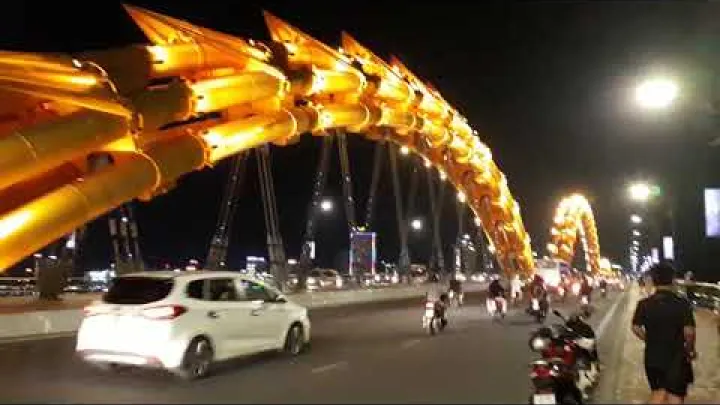
On weekend evenings and some holidays, the Dragon Bridge features a special show in which the “dragon” breathes fire and water from its head. While exact schedules can change, this usually happens on Saturday and Sunday evenings, often starting around 9 p.m. People typically gather at both ends of the bridge, on the sidewalks near the dragon’s head, and along the riverside promenade near cafes and ice-cream stands. If you want good photographs without heavy crowds, arriving 20 to 30 minutes early and choosing a spot slightly away from the densest cluster of people can help.
The wider Han Riverfront is a pleasant area for walking, especially in the early morning or evening when temperatures are lower. Paved paths run along both banks, with benches, trees, and occasional art installations. Several other bridges, such as the Han River Bridge and the Tran Thi Ly Bridge, add variety to the skyline, and their lights reflect on the water after dark. Boat operators offer short river cruises with simple seating and sometimes live music or commentary, providing an alternative way to view the cityscape.
Cafes, restaurants, and bars line the streets close to the river, making it easy to combine sightseeing with a meal or drink. Some establishments have rooftop or upper-floor seating, which can be a comfortable way to watch the bridge lights without standing in crowds. Families should note that riverfront areas can become busy on weekend nights, with noise from traffic, music, and street activities. Those who prefer quieter evenings might choose to visit the Dragon Bridge on a weekday, when the fire and water show does not run but the lighting is still attractive.
My Khe Beach and the Coastal Strip
My Khe Beach is the main Da Nang Vietnam beach and runs for several kilometers along the city’s eastern edge. It is known for its wide stretch of soft, light-colored sand and generally gentle waves, which make it suitable for swimming, morning walks, and casual water sports. The beach faces east, so sunrise is often especially beautiful on clear days, with local residents and visitors gathering before 6 a.m. to enjoy the cooler air.
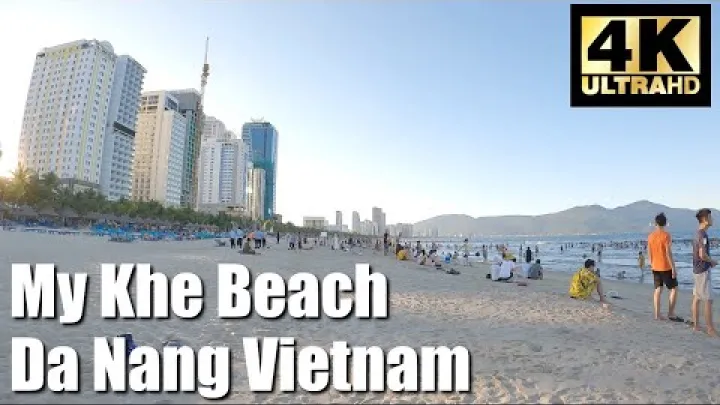
Facilities along My Khe are well developed in central sections. You can find areas with lifeguard stations, marked swimming zones, rentable sunbeds and umbrellas, and simple beach showers. The coastal road that parallels the beach is lined with hotels, seafood restaurants, cafes, and convenience stores, so it is easy to spend an extended time there without needing to go back into the city center. Some sections closer to major hotels are more built up and busy, while stretches further north or south can feel quieter and more relaxed.
Common activities at My Khe Beach include swimming, kayaking, and surfing, depending on the season and wave conditions. During calmer months, the sea can be almost flat in the morning, ideal for beginner swimmers and families. At other times, modest waves allow for entry-level surfing lessons or bodyboarding, and several small rental shops and schools operate along the strip. Many visitors also enjoy simple pleasures such as walking barefoot on the sand, collecting shells, or sitting at beachside cafes watching fishing boats in the distance.
Safety is important to keep in mind. Local authorities use colored flags to indicate sea conditions, with red flags signaling that swimming is unsafe or forbidden. It is wise to stay within areas monitored by lifeguards, especially if you are not a strong swimmer or are traveling with children. Sun exposure can also be strong, particularly between late morning and mid-afternoon, so hats, sunscreen, and drinking water are essential. During the rainy season or when storms pass nearby, waves and currents may be stronger, and swimming may be limited or not advised.
Marble Mountains and Nearby Pagodas
The Marble Mountains, located a short drive south of Da Nang on the way toward Hoi An, are a group of limestone and marble hills that rise unexpectedly from the flat coastal plain. Each of the five main hills is traditionally associated with one of the five elements, and the area is dotted with caves, grottoes, pagodas, and shrines. For many visitors, the Marble Mountains offer an accessible way to experience a mix of nature, religious architecture, and viewpoints without leaving the city region.

Access to the Marble Mountains is straightforward. At the main entrance, visitors can choose to climb a series of stone steps or use an elevator (for an additional fee) that leads closer to the upper pagodas and viewpoints. The steps can be steep and uneven in places, so comfortable footwear with good grip is recommended. Inside the hill, paths branch to different caves and chambers, some of which contain Buddhist statues, altars, or natural shafts of light shining down from openings above. A typical visit might last from 1.5 to 3 hours, depending on how many areas you explore and how long you spend at the viewpoints.
Around the base of the mountains, there is a traditional stone-carving village where artisans work with marble and other stone to create statues, decorative objects, and household items. While much of the raw marble now comes from outside the protected hills, the craft tradition continues, and you can see workshops and shops lining the main road. If you plan to buy heavy items, consider shipping options and customs regulations in your home country, as transporting large stone pieces in luggage can be difficult and expensive.
Practical tips can make your visit more comfortable. Mornings or late afternoons are usually cooler and less crowded than midday, especially in hotter months. Some paths inside the caves may be dim or slippery, so moving slowly and watching your step is important. Modest clothing is appreciated around pagodas and shrines, and you may need to remove shoes before entering certain sacred spaces. Bringing a small bottle of water is helpful, but remember to carry out any trash to help keep the area clean.
Ba Na Hills and the Golden Bridge
Ba Na Hills is a hilltop resort and entertainment complex located west of Da Nang, at a higher elevation in the mountains. It is widely known for the Golden Bridge, a curved pedestrian bridge that appears to be held up by two enormous stone-colored hands. This image has become one of the most shared photographs of central Vietnam and attracts many visitors who want to experience the view and the unusual design. However, Ba Na Hills is not a wild mountain hike; it is a developed area with theme-park-style attractions, gardens, and European-style architecture.

To reach Ba Na Hills from Da Nang city Vietnam, visitors usually travel by car, shuttle, or organized tour for about 30 to 45 minutes to the base station. From there, a modern cable car system carries you up the mountain, often passing through clouds and providing broad views of the surrounding hills and forest. At the top, the complex includes the Golden Bridge, an amusement park area with rides and indoor attractions, landscaped gardens, a fantasy-themed village, and restaurants. Temperatures are generally cooler than in the city due to the higher altitude, which can be a welcome change on hot days.
Tickets to Ba Na Hills typically include the cable car ride and access to most attractions, with some games or special activities costing extra. Prices can vary by season and package, but visitors should expect this to be one of the more expensive day outings from Da Nang compared with local city sights. Because of the travel time and the number of things to see, planning at least a half day and often a full day is recommended. Many people visit in the morning to enjoy clearer views and avoid potential afternoon fog or clouds.
When visiting, be prepared for crowds, especially during weekends, public holidays, and peak travel months. Queues can form for cable cars and popular photo spots like the Golden Bridge. Comfortable shoes and a light jacket are useful, as temperatures can drop and weather can change quickly at altitude. While some visitors may prefer more natural mountain hikes, Ba Na Hills suits those who enjoy structured attractions, family-friendly facilities, and convenient transport rather than remote trekking.
Son Tra Peninsula and Lady Buddha
The Son Tra Peninsula, also known as Monkey Mountain, is a large green headland that extends into the sea north of Da Nang. Covered in forest and surrounded by winding coastal roads, it offers a sense of nature very close to the city. From various viewpoints, you can see long stretches of coastline, the urban skyline, and, on clear days, distant mountain ranges. Several small beaches line its edges, some more developed and others relatively quiet.
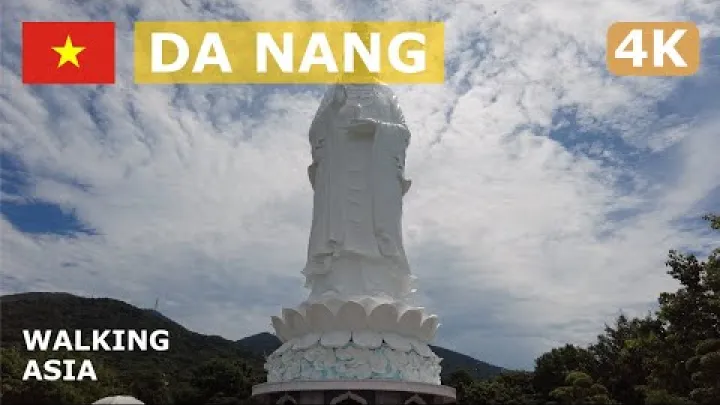
One of the main landmarks on Son Tra is the Linh Ung Pagoda complex, which features a tall statue of the bodhisattva of compassion, often called Lady Buddha. This white statue stands on a hillside facing the sea and is visible from many points along My Khe Beach and the city. Visitors can climb the gentle slope from the parking area to explore the pagoda grounds, enjoy sea breezes, and look back over Da Nang from above. The site is active as a place of worship, so respectful behavior and modest dress are important.
Son Tra Peninsula also offers opportunities for wildlife viewing and simple outdoor exploration. The forested areas are home to several species of monkeys and birds, including the rare red-shanked douc langur. While spotting them is not guaranteed, quiet observation from the roadside or designated viewpoints can sometimes be rewarded. It is essential not to feed or disturb any wildlife, as human food and close contact can harm animals and create safety issues for both animals and visitors.
Most people reach Son Tra by motorbike, taxi, or organized tour. The roads are steep and winding in some sections, with sharp curves and changing weather conditions, so driving requires caution and experience. If you are not confident on a motorbike, hiring a car with a driver or joining a tour is safer. Helmets are legally required and should be worn properly at all times. Taking breaks at viewpoints rather than trying to rush around the peninsula helps avoid fatigue and reduces risk on the roads.
Museums and Cham Heritage in Da Nang
Da Nang plays an important role in preserving and presenting the heritage of the Cham people, an ancient civilization that once controlled large parts of central and southern Vietnam. The Museum of Cham Sculpture, located near the Han River, is one of the best places to learn about this history. It houses an extensive collection of stone sculptures, reliefs, and artifacts collected from Cham sites across the region, including My Son Sanctuary.

Inside the museum, galleries are organized by region and style, allowing visitors to see how Cham art changed over time. Many pieces depict Hindu deities, mythical creatures, and decorative motifs carved from sandstone. Simple labels and descriptions, often available in multiple languages, provide context and highlight important features. A visit to the museum before or after a trip to My Son helps connect the sculptures with the temples where they once stood, giving a fuller understanding of Cham culture and religion.
Da Nang also has other museums that cover local history, culture, and, in some cases, modern conflicts. Exhibits may include photographs, artifacts, and documents related to the city’s development, traditional crafts, and significant events. When presenting topics such as war and political change, displays aim to be informative while remaining respectful and neutral in tone. Visitors can choose how much time they wish to spend on these subjects based on personal interest and comfort.
These museums complement Da Nang’s outdoor attractions by providing quieter, more reflective spaces, especially on hot or rainy days. They also offer useful background for understanding the broader region of central Vietnam, where influences from Cham, Vietnamese, and other cultures have met and overlapped. Modest entrance fees and central locations make them easy to include in most itineraries.
Beaches in Da Nang Vietnam
Da Nang Vietnam is often chosen specifically for its beaches, which combine soft sand, warm water, and easy access from the city and airport. My Khe Beach is the best known, but several other stretches of coastline offer different moods, levels of development, and crowd sizes. Understanding these options helps you match your preferred beach style, whether that is family-friendly swimming, surfing, or quiet coastal walks. This section explains My Khe in more detail and introduces alternative beaches along the Da Nang coast.

My Khe Beach: Facilities, Safety, and Activities
My Khe Beach is long enough that different sections have distinct characters. The central area, opposite many high-rise hotels and popular eateries, is often the busiest, especially in the early morning and late afternoon when temperatures are more comfortable. This is where you will usually find the most complete range of facilities: lifeguard posts in peak periods, rentable sun loungers and umbrellas, showers, and small kiosks selling drinks and snacks. Families and casual swimmers often prefer this part because of the clear infrastructure and easy access.

Moving a little north or south from this central strip, the beach becomes quieter. Some stretches are lined mainly with low-rise buildings or empty lots, and you may encounter more local residents walking dogs, jogging, or practicing morning exercises. These areas can be good for people who value space and calm over immediate access to restaurants and services. However, lifeguard coverage may be thinner or absent in the most remote spots, so it is wise to pay attention to conditions and avoid swimming alone in rough seas.
Services at My Khe are generally simple but adequate. Street vendors and small cafes along the coast sell bottled water, fresh coconuts, instant noodles, and local snacks, while nearby restaurants serve more substantial seafood meals, rice dishes, and international options. Surfboard and bodyboard rental shops operate in some sections, and a few businesses offer basic lessons for beginners. After a swim, outdoor showers and basic changing facilities near certain entrances allow you to rinse off sand and salt before returning to your hotel or continuing to explore the city.
Safety information is important for international visitors. Beach staff and local authorities use flag systems and announcements to indicate conditions, and it is important to follow their guidance even if the sea looks calm. Rip currents can occur, especially during certain seasons, and waves can become unexpectedly strong. As a simple rule, swimming is usually most comfortable and safe in the morning and late afternoon, when the sun is lower and local swimmers are present. During the hottest part of the day, staying under shade and drinking plenty of water helps reduce the risk of heat-related problems.
Other Da Nang Beaches and When to Visit
While My Khe is the most famous Da Nang Vietnam beach, several other beaches lie within easy reach of the city. To the south, Non Nuoc Beach extends beyond the Marble Mountains and is known for its long, relatively undeveloped stretches of sand. Some segments are fronted by large resorts with private or semi-private access for guests, while others are open to the public and less crowded. The atmosphere here can feel more peaceful than the central My Khe area, especially away from major hotel clusters.
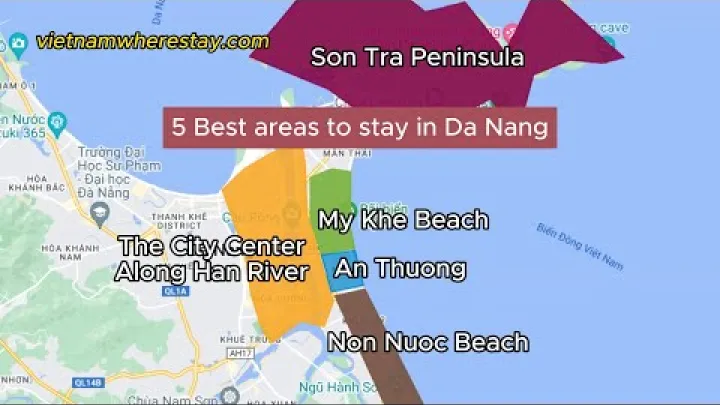
Closer to the city, Bac My An Beach is another option, often considered part of the broader My Khe strip but with its own local identity. It has a mix of mid-range and higher-end hotels and tends to attract visitors looking for a balance between convenience and calm. On the opposite side of the city, around the Son Tra Peninsula, smaller beaches such as Tien Sa and Bai But provide alternatives with more natural surroundings. Some of these have basic facilities and small local eateries, while others remain very simple, with only occasional vendors.
Choosing which beach to visit depends on your preferences. Travelers who prioritize easy swimming, lifeguard presence, and fast access to restaurants may prefer central My Khe or Bac My An. Those seeking quieter walks, fewer buildings, and broader horizons might enjoy Non Nuoc, especially in sections away from large resorts. Visitors interested in combining beach time with nature viewing or visits to pagodas may choose bays around Son Tra Peninsula, where you can alternate between short walks, viewpoints, and dips in the sea.
Seasons and tides influence beach conditions and crowd levels. During the drier months from roughly March to August, the coast is more likely to offer clear days, manageable waves, and full services, making this the main beach season. Local holidays, such as national celebrations and school breaks, can increase the number of domestic visitors, especially on weekends. In the wetter months, beaches can be less busy, and prices for some services may be more flexible, but sea conditions may limit swimming and reduce visibility. Checking local tide charts is useful if you plan long walks, as high tide can temporarily narrow the sandy area in some locations.
As a simple guideline, if you want calm water and structured services, aim for central My Khe or nearby during the dry season months. If you enjoy surfing or watching larger waves, shoulder seasons around the beginning and end of the dry period can offer more varied conditions, though this is less predictable. For quiet, reflective walks and photography, early mornings at Non Nuoc or small coves near Son Tra can be rewarding, especially when the light is soft and there are fewer people on the sand.
Da Nang Airport Vietnam (DAD) and How to Arrive
Da Nang International Airport is one of the key reasons travel to Vietnam Da Nang is so convenient. It handles both domestic and international flights and sits unusually close to the city center and beach areas. For visitors, this means short transfer times, low local transport costs, and the option to use Da Nang as a direct entry or exit point for the country. This section introduces basic facts about the airport, explains how to get from the terminal to the city or beach, and outlines transport options for onward journeys and day trips.

Basic Facts About Da Nang International Airport
In normal traffic, the drive from the airport to the Han Riverfront takes around 10 to 15 minutes, and to My Khe Beach about 15 to 20 minutes. This proximity makes Da Nang airport Vietnam particularly user-friendly, especially compared with some large airports that are located far outside their cities. For many travelers, arriving in Da Nang feels quick and straightforward, with less time spent in transit after landing.
The airport has separate areas for domestic and international flights, housed in adjacent terminals. Layouts are simple and compact, with arrivals and departures on different levels. Signage is generally clear and available in English as well as Vietnamese, making it easy to follow directions even on a first visit. Inside the terminals, you will find typical facilities such as ATMs, currency exchange counters, SIM card booths for mobile data, small convenience shops, and cafés or snack outlets.
Da Nang airport serves flights from several major cities within Vietnam, including Hanoi, Ho Chi Minh City, and others, as well as various regional international destinations in Asia. Exact routes and airlines can change over time, but the general pattern is that DAD acts as a central hub for central Vietnam.
For smooth arrival, it helps to prepare some basics in advance. Having a small amount of local currency or a card that works with Vietnamese ATMs allows you to pay for taxis or ride-hailing services. If you plan to buy a local SIM card, you can do this upon arrival at dedicated counters that usually offer different data and call packages. Keeping your accommodation address in both Latin script and Vietnamese can help airport staff or drivers identify the location quickly.
How to Get from Da Nang Airport to the City or Beach
Reaching the city center or beach from Da Nang airport Vietnam is generally easy and affordable. The most common options are regular taxis, ride-hailing apps, pre-arranged private transfers, and, to a lesser extent, local buses. Your choice depends on budget, number of travelers, luggage amount, and personal comfort level with using apps or public transport in a new country.

Official taxis wait outside the arrivals halls, usually in clearly marked lanes. You can line up at the taxi rank and follow staff instructions to the next available car. Fares are metered, and the total cost for a ride to the city center or My Khe Beach is often in the range of a few US dollars, depending on distance and traffic. To avoid confusion, it helps to confirm with the driver that they will use the meter and to have your hotel address written down. Taxis are convenient if you arrive without local mobile data or prefer not to use apps.
Ride-hailing services operate in Da Nang and can be a cost-effective and flexible choice. After collecting your luggage and connecting to mobile data or airport Wi‑Fi, you can request a car through the relevant app and meet the driver at the designated pick-up area, usually outside the main exit. Prices are shown in advance, which helps you avoid surprises, and electronic receipts are useful for tracking expenses. This method suits travelers who are already familiar with ride-hailing in other countries and feel comfortable using mobile navigation.
Some hotels and travel agencies offer private transfers from Da Nang International Airport, which can be booked in advance. A driver meets you with a name sign and takes you directly to your accommodation. This option usually costs more than a regular taxi but can be convenient for families, groups, or people arriving late at night who want a guaranteed ride. Local buses exist and are the lowest-cost method, but they may be less frequent, more crowded, and less comfortable with large luggage, so they are less popular with short-term international visitors.
Below is a simple comparison of main options to help you evaluate time and cost ranges (all times are approximate and subject to traffic):
| Transport option | Typical time to city / My Khe | Approximate cost (USD equivalent) | Best for |
|---|---|---|---|
| Metered taxi | 10–20 minutes | 3–7 | Most travelers, simple and fast |
| Ride-hailing car | 10–20 minutes | 3–6 | App users, cost transparency |
| Private transfer | 10–20 minutes | Higher, fixed in advance | Families, late arrivals, large luggage |
| Local bus | 20–40 minutes | Low | Budget travelers with light bags |
At arrivals, follow signs to “Taxi,” “Car pick-up,” or bus stops as appropriate. Avoid unofficial drivers who approach you directly without clear identification, as this can sometimes lead to misunderstandings about pricing. If you feel uncertain, asking airport information staff to point you to official taxi ranks or transport desks can provide reassurance.
Transport Options for Day Trips from Da Nang
Once you are settled in Da Nang city Vietnam, you have several options for exploring nearby destinations such as Hoi An, Hue, and My Son Sanctuary. Choosing the right transport method depends on your budget, interest in independent travel, and comfort with local road conditions. Common choices include organized tours, public or tourist buses, private cars with drivers, and, for experienced riders, self-driven motorbikes.

Organized day tours are widely available for key attractions and often include hotel pick-up, transport, a guide, and entrance fees. For example, group tours to Hoi An usually take 45 to 60 minutes each way and allow free time in the old town. Tours to My Son often leave in the early morning to avoid heat, spend a few hours at the site, and return by early afternoon. Trips to Hue via the Hai Van Pass may take a full day, with stops at lookouts, beaches, and historical sites. These tours are convenient for those who prefer a structured schedule and explanations from a guide.
For more flexibility, you can hire a private car and driver for a day. This option costs more than joining a group tour but allows you to set your own timetable, choose stops, and travel at your own pace. Approximate travel times are: Da Nang to Hoi An around 1 hour each way, Da Nang to My Son around 1.5 to 2 hours each way, and Da Nang to Hue around 2 to 3 hours depending on whether you take the Hai Van Pass or the tunnel. Road conditions on main routes are generally good, though traffic near cities can be busy at peak times.
Public and tourist buses also connect Da Nang with Hoi An and Hue. Tourist shuttles may pick up near the beach or city center and drop off in central areas of the destination, offering a middle ground between fully independent travel and tours. Regular public buses can be cheaper but may involve more stops and require more time and patience. Trains run between Da Nang and Hue as well; while the tracks do not follow exactly the same path as the road over the Hai Van Pass, they still provide scenic views, especially on daytime services, with transfers needed at each station.
Some travelers consider renting motorbikes to ride to Hoi An or even across the Hai Van Pass toward Hue. While this can be rewarding for experienced riders familiar with local traffic patterns, it carries risks. Roads can be steep, weather conditions change quickly, and traffic may include buses and trucks moving at high speeds. If you have limited riding experience or are new to Vietnam’s road culture, it is safer to join a guided motorbike tour with professional drivers or to choose other forms of transport. Always wear a helmet, obey local laws, and avoid riding in heavy rain or poor visibility.
Weather in Da Nang Vietnam and Best Time to Visit
Weather is a central factor in planning a trip to Da Nang Vietnam, especially if you want to spend time on the beach or take scenic day trips. The city experiences a tropical monsoon climate with distinct dry and rainy seasons, as well as periods when typhoons and heavy rain are more likely. Understanding these patterns helps you align your travel dates with your preferences for sunshine, temperature, and crowd levels. This section explains the basic climate pattern, highlights the best months for outdoor activities, and notes the main storm-risk period.

Dry Season vs Rainy Season in Da Nang
Da Nang’s weather is shaped by its location on the central coast of Vietnam. The year can be broadly divided into a drier period and a wetter period, though transitions between them are gradual rather than fixed. In general, the dry season runs from around February or March through August, while the rainy season covers roughly September through January. Within these broad groups, individual months have their own typical characteristics.

During the dry season, rainfall is lower and sunshine is more frequent. Daytime temperatures commonly range from about 24°C to 32°C (mid-70s to high-80s in Fahrenheit), with higher humidity as you move toward the peak of summer. March, April, and May often feel warm and pleasant, with blue skies and relatively moderate humidity compared with the hottest months. June, July, and August can be hotter and more humid, but these months also provide some of the most reliable beach conditions, with calm seas and clear mornings.
The rainy season begins to build around September and becomes more noticeable in October and November, which are often the wettest months. During this period, showers can be frequent and sometimes heavy, and cloud cover reduces direct sunlight. Temperatures remain mild to warm, usually between about 22°C and 29°C (low-70s to mid-80s Fahrenheit), but humidity can feel high, especially when clouds trap heat. December and January still see rain but may bring slightly cooler nights and more comfortable daytime temperatures.
Rain and cloud cover directly affect beach days and visibility for outdoor excursions. In the dry season, mornings are usually bright, and sea conditions are more predictable, which is ideal for swimming, snorkeling, and boat trips. In the rainy season, beach visits may be shorter or less frequent, and waves can be stronger, limiting water activities. For scenic viewpoints such as those at Ba Na Hills or Son Tra Peninsula, clear days provide the best experience, so having flexible days in your schedule can help you choose the best times for these outings.
In prose summary, a month-by-month pattern often looks like this: February and March mark the transition into drier, sunnier weather; April and May offer warm, pleasant conditions; June through August bring hot, humid but usually beach-friendly days; September sees more variable weather; October and November are typically the rainiest, with possible storms; and December and January are cooler with mixed sun and showers. These are general tendencies rather than strict rules, so checking closer to your travel dates remains important.
Best Months for Beaches and Outdoor Activities
For most travelers whose main goal is to enjoy the beach and outdoor attractions, the most favorable months are from about March to August. Within this window, March, April, and May provide a good balance of warmth, sunshine, and manageable humidity. Seas tend to be calm, and the risk of heavy rain disrupting plans is relatively low. This period is well suited to swimming at My Khe Beach, walking around the Marble Mountains, and taking riverfront strolls in the evening.
June, July, and August continue to offer strong beach weather but are generally hotter and more humid. These months coincide with school holidays in many countries, including Vietnam, which can lead to higher visitor numbers at popular spots and increased demand for accommodation. However, for people who enjoy lively beach scenes, long daylight hours, and consistent sun, this can still be an excellent time to visit. Early morning and late afternoon activities are especially pleasant, with midday reserved for rest or indoor sightseeing.
Shoulder seasons at the edges of the dry period can also be appealing. Late February and early March, as well as late August and early September, may see fewer crowds than peak months while still offering largely acceptable weather. During these times, you might experience the occasional shower or more variable skies, but overall conditions can remain suitable for outdoor plans. Prices for flights and hotels may be more flexible, making it easier to find good value.
When aligning your travel dates with these patterns, think about your personal tolerance for heat and humidity. If you prefer milder conditions, March, April, and early May are likely to feel more comfortable than the height of summer. If you do not mind strong sun and want to maximize beach time, June and July might suit you well, as long as you take standard precautions such as using sunscreen, staying hydrated, and resting in shade during the hottest hours of the day.
When to Avoid Typhoons and Heavy Rain
Central Vietnam, including Da Nang, is occasionally affected by tropical storms and typhoons that develop over the sea. The period with higher risk of such events typically runs from about September through November, overlapping with the wetter months of the rainy season. During these times, heavy rains, strong winds, and high waves can occur, and local authorities may issue warnings or advisories. While not every year is the same, and not every storm has serious impacts, it is sensible to be aware of this pattern when planning.
Typhoons and prolonged heavy rain can influence several aspects of a trip. Flights to and from Da Nang airport Vietnam may be delayed or rescheduled in poor weather, and some outdoor attractions, such as Ba Na Hills or boat tours, might temporarily close for safety reasons. Beach conditions can become unsuitable for swimming, with strong currents and large waves, and some coastal paths or low-lying areas may experience short-term flooding. These factors can reduce flexibility and limit certain activities during affected days.
However, it is important to keep this information in perspective. Many travelers still visit Da Nang during the rainy season and have enjoyable experiences, especially if they focus more on city exploration, museums, cafes, and short breaks in clear weather. To manage risk sensibly, consider building some flexibility into your itinerary, such as not scheduling your most important outdoor activities for the very first or last day of your trip. Checking reliable weather forecasts a few days in advance and staying informed through your accommodation or tour operators can help you adjust plans when needed.
If your schedule allows you to choose travel dates freely and you wish to minimize the chance of storm disruption, planning between March and August reduces the likelihood of encountering typhoons. If you do travel during the higher-risk months, make sure your travel insurance covers weather-related changes and keep an eye on local news. Overall, a calm and informed approach is more helpful than worry, as many days in the rainy season still offer dry periods and enjoyable conditions.
Food and Nightlife in Da Nang
Food culture and evening activities are important parts of the experience in Da Nang Vietnam. The city offers a mix of local specialties, fresh seafood, modern cafes, and a growing nightlife scene along the river and beach. These elements serve not only tourists but also students, business travelers, and remote workers who make Da Nang their temporary home. This section introduces must-try dishes, explains the local coffee and cafe culture, and outlines the main types of nightlife and evening entertainment.

Must-Try Local Dishes and Street Food
Da Nang has several regional specialties that are both distinctive and accessible to visitors. Mì Quảng is one of the most famous. It is a noodle dish made with wide, flat rice noodles, a small amount of strong-flavored broth, and toppings such as pork, shrimp, or chicken, along with fresh herbs, peanuts, and sometimes rice crackers. The dish is usually served in a shallow bowl, and the combination of textures and herbs makes it satisfying without being heavy. Many small local restaurants and street stalls across the city serve mì Quảng, often in the morning or at lunchtime.

Another popular dish is bánh xèo, a crispy rice-flour pancake that is pan-fried until golden and filled with ingredients such as shrimp, thin slices of pork, and bean sprouts. It is typically eaten by cutting off a piece of the pancake, wrapping it in fresh rice paper with herbs and salad leaves, and dipping it in a light, savory sauce. The contrast between the crunch of the pancake and the freshness of the herbs is part of its appeal. Bánh xèo is usually available in the afternoons and evenings at casual eateries that specialize in this style of food.
Bún chả cá is a noodle soup that features fish cakes made from ground fish mixed with spices and then shaped and cooked. These fish cakes are served in a clear or slightly reddish broth with rice noodles, herbs, and vegetables. The flavor is often delicate and slightly sweet, reflecting the use of fresh fish from nearby waters. This dish is commonly eaten for breakfast or lunch, and small local restaurants often have it on their menus alongside other noodle soups.
Da Nang’s location on the coast also supports a strong seafood culture. Many restaurants, particularly along the beach road, offer tanks or displays of live seafood such as shrimp, crab, clams, and various fish. Customers can choose items by weight and discuss cooking methods with staff, such as steaming, grilling, or stir-frying with garlic and herbs. Prices are usually listed by weight, so it is helpful to ask for an estimated total cost before confirming your order, especially if you are not used to this style of dining.
Cafes, Coffee Culture, and Digital-Nomad-Friendly Spots
You will find everything from small, traditional coffee shops serving Vietnamese-style drip coffee to modern spaces with espresso-based drinks, smoothies, and light meals. Coffee is typically enjoyed slowly, often over conversation or while reading or working on a laptop, and cafes form an important part of daily social and professional life.

For digital nomads and remote workers, Da Nang’s cafes serve as informal workplaces. Many modern cafes offer reliable Wi‑Fi, comfortable seating, and power outlets, making them suitable for several hours of focused work. Popular areas for such spots include the An Thuong neighborhood near My Khe Beach, streets close to the Han River in the city center, and some quieter roads running parallel to the main beachfront avenue. Co-working spaces also exist, providing more structured environments with dedicated desks, meeting rooms, and networking events.
When working from cafes, basic etiquette helps maintain good relationships with staff. It is normal to order at least one drink when you arrive and to place additional orders if you plan to stay for an extended period. Many people work for two to three hours over a single drink, but ordering a snack or second beverage is appreciated, especially at busy times. Keeping noise levels low, using headphones for calls or videos, and not occupying very large tables by yourself when the cafe is crowded are other considerate practices.
Vietnamese coffee itself is worth trying in different forms. Cà phê đen is strong black coffee, sometimes served hot and sometimes over ice, while cà phê sữa combines coffee with sweetened condensed milk. Some cafes in Da Nang also serve creative variations such as coconut coffee or yogurt coffee, which mix traditional ingredients with modern tastes. These drinks can be a pleasant way to cool down in the heat and add a local flavor to your daily routine.
Night Markets, Bars, and Evening Activities
Evenings in Da Nang offer a mix of family-friendly markets, relaxed bars, and riverfront or beachside activities. Several night markets operate in different parts of the city, usually beginning in the early evening and running until late. At these markets, visitors can browse stalls selling casual clothing, souvenirs, snacks, and simple street food. Walking through a night market provides a chance to observe local life, sample small dishes, and pick up inexpensive gifts or travel items.
The Han Riverfront and the area around the Dragon Bridge are central to nightlife in Da Nang city Vietnam. After sunset, bridges light up with colored patterns, and people gather to stroll along the promenade. On weekends, the Dragon Bridge fire and water show adds an extra attraction. Bars, cafes, and restaurants in the streets near the river offer a wide range of experiences, from quiet places suitable for conversation to venues with live music or DJs. Some establishments have outdoor seating where you can watch the city lights and river traffic.
Along the beach road, nightlife has a slightly different style. Many venues focus on relaxed outdoor seating, sea views, and a mix of local and international music. Beachfront bars and restaurants may have live bands, acoustic performances, or background playlists, creating an atmosphere that is more about the setting than high-volume entertainment. These places suit visitors who want to enjoy a drink or seafood meal while feeling the sea breeze.
Night markets and some bar areas can be noisy, especially on weekends or during holiday periods. Families with young children or travelers who prefer calm evenings may wish to choose accommodation on quieter side streets or further from the busiest clusters. Quieter alternatives include evening walks along less crowded sections of the beach, night-time visits to certain viewpoints, or simple relaxation at cafes that close earlier and have a more subdued atmosphere.
Where to Stay in Da Nang Vietnam
Accommodation in Da Nang Vietnam is varied and generally good value, ranging from basic hostels to luxury beach resorts. The main decision for many visitors is whether to stay near the Han River in the city center or along the beachfront around My Khe and nearby areas. Each zone has different advantages in terms of atmosphere, access to food and nightlife, and convenience for day trips or work. This section compares the main areas, outlines typical price levels, and explains the role of well-known resorts.
Best Areas to Stay: City Center vs Beachfront
Staying near the city center, close to the Han River, places you in the heart of Da Nang’s urban life. From here, you can easily reach markets, business districts, local eateries, museums, and the riverfront promenades on foot or with short taxi rides. This area suits travelers who enjoy city energy, plan to explore Da Nang’s non-beach attractions, or have work or study commitments near government or commercial offices. Evening activities around the Dragon Bridge and nearby streets are within quick reach, and you can still visit the beach by short car ride.
The beachfront area around My Khe and Bac My An offers a different experience. Here, hotels, guesthouses, and apartments stretch along the coast, many with sea views or short walks to the sand. This zone is ideal for visitors who want daily beach access, morning swims, and easy breaks from work or sightseeing to relax by the water. Food options include both local seafood places and international restaurants, and the overall vibe tends to be calmer than the dense inner city, especially on side streets away from the main coastal road.
Different traveler profiles may prefer different areas. Families with young children often choose the beachside zone, where crossing one main road can bring them directly to the sand and where childcare-friendly facilities such as pools are common. Couples who value nightlife and restaurant variety might lean toward the riverfront area or a location halfway between the two, allowing easy movement in both directions. Digital nomads and long-stay visitors sometimes select neighborhoods in the beach area that have clusters of cafes and co-working spaces, balancing work needs with quick access to the sea.
To help structure the comparison, consider the following simple overview:
- City center (Han River): best for restaurants, markets, museums, business, and nightlife density.
- Beachfront (My Khe, Bac My An): best for swimming, jogging, quiet mornings, and sea views.
- Midpoint or mixed locations: good for travelers who plan to split time evenly between city activities and the beach.
Transport between these zones is easy and inexpensive, so your choice does not lock you into one type of experience. However, staying closer to your main daily activity can save time and make your routine more comfortable.
Budget and Mid-Range Hotels in Da Nang
Da Nang offers plenty of budget and mid-range accommodation, making it accessible for travelers with different financial plans. At the lower end, hostels and simple guesthouses can often be found at prices that allow backpackers to manage daily costs comfortably. These places may offer dormitory beds or basic private rooms, shared or simple private bathrooms, and communal spaces where guests can meet each other. Locations range from city-center streets to roads within walking distance of the beach.
In the mid-range category, Da Nang hotel Vietnam options include three- and four-star properties, serviced apartments, and boutique hotels. Typical nightly prices vary depending on season and location, but many visitors find they can secure comfortable rooms with air conditioning, private bathrooms, and Wi‑Fi for moderate costs by international standards. These hotels may also have small rooftop pools, fitness rooms, simple buffets or à la carte breakfasts, and helpful reception staff who can assist with tour bookings and transport arrangements.
Facilities at each budget level reflect local norms. Budget guesthouses may not offer daily room cleaning or full amenities, but they often provide essentials such as towels, basic toiletries, and drinking water refills. Mid-range hotels usually add features like in-room safes, more spacious bathrooms, and better soundproofing. Many properties, even at mid-range levels, now also provide strong internet connections, which is important for digital nomads and business travelers.
Because Da Nang’s accommodation supply has grown quickly, there is often good availability outside major holiday periods. This means that in many seasons, travelers can book a few weeks or even a few days before arrival and still find suitable options, especially in the mid-range. However, during peak months such as July and August or around national holidays and festivals, booking earlier increases the chance of getting your preferred area and property type.
Beach Resorts and the InterContinental Danang
For travelers seeking a more secluded or fully serviced stay, Da Nang’s coastline and nearby Son Tra Peninsula host several high-end beach resorts. These properties often occupy large plots of land with direct or semi-private beach access, multiple swimming pools, landscaped gardens, and a wide range of dining and leisure facilities. They appeal to honeymooners, families looking for convenience, and people who prefer to spend most of their time within a single complex rather than moving around the city each day.
One of the most widely recognized resorts in the area is the InterContinental Danang Sun Peninsula Resort, located on the slopes of Son Tra Peninsula. This property is known for its dramatic architecture, extensive views over the sea, and high level of service. It has appeared in international media and is often mentioned when people discuss luxury stays in Vietnam. Guests there typically enjoy private or semi-private beach areas, fine-dining options, spa treatments, and organized activities within the resort grounds.
Other beach resorts along the coast south of My Khe and toward Non Nuoc offer varying levels of luxury and price. Some are international chains, while others are locally managed properties with their own style. Common features include large pools, kids’ clubs, on-site restaurants, and shuttle services to Da Nang city or Hoi An. These resorts are well suited to travelers who want a simple, all-in-one environment where arranging daily logistics is minimal.
It is important to see resort stays as one style of visit among many rather than the only way to experience Da Nang Vietnam. Staying in a central hotel or apartment can bring you closer to everyday local life, street food, and smaller businesses, while resort stays prioritize privacy, comfort, and full-service convenience. Some travelers choose to combine both approaches, spending a few nights in the city and a few nights in a resort, to sample different aspects of the region.
Costs and Budget Planning for Da Nang
Planning how much money to set aside for a trip to Da Nang city Vietnam involves considering accommodation, food, local transport, and activities. While exact prices change over time and vary by season, Da Nang is generally regarded as an affordable destination compared with many international beach cities and is often slightly less expensive than Hanoi or Ho Chi Minh City for similar standards. This section outlines typical daily budget ranges and offers practical ideas for saving money without reducing the quality of your experience.
Typical Daily Budget in Da Nang: Low, Mid, and High
Budget levels in Da Nang can be grouped into three broad categories: low (budget), mid-range, and higher-end. For budget travelers staying in hostels or simple guesthouses, eating mainly at local food stalls and small restaurants, and using public buses or shared taxis, a daily budget in the range of about 30 to 40 US dollars per person can often cover basics. This estimate includes accommodation in shared or modest private rooms, local meals, small entrance fees, and simple city transport.
Mid-range travelers who prefer private hotel rooms with more comfort, a mix of local and international food, and occasional paid activities can expect daily costs in a higher band, roughly around 60 to 90 US dollars per person. This might include a comfortable three- or four-star hotel, a modest share of group tours or day trips, ride-hailing or taxis for convenience, and some cafe or bar visits. Families traveling together can sometimes reduce accommodation cost per person by sharing rooms or apartments, though other expenses may rise.
At the higher end, travelers staying in upscale beachfront hotels or resorts, dining regularly at higher-priced restaurants, and booking private tours or transfers will have daily budgets well above these ranges. Even so, many people find that Da Nang remains good value for this level of comfort when compared with similar beach destinations in other parts of Asia or the world. Spending levels can vary widely depending on personal choices about shopping, spa treatments, and special experiences.
Costs in Da Nang are often slightly lower than in Hanoi or Ho Chi Minh City for equivalent accommodation and food, especially outside the most tourist-focused zones. However, certain tourist attractions such as Ba Na Hills have fixed ticket prices that are similar regardless of where you are coming from. It is therefore useful to separate everyday spending (such as meals and local travel) from special activities when planning your budget, and to allow a small buffer for unexpected opportunities or price changes.
The ranges given here are approximate and should be viewed as flexible guidelines rather than fixed promises. Seasonal factors, special events, and currency movements can all influence real-world prices. Checking recent information and reviews before you travel will help you refine these estimates for your own situation.
Saving Money on Food, Transport, and Attractions
There are several straightforward ways to manage costs in Da Nang without missing the essence of the city. On the food side, eating at local-style restaurants, small family-run eateries, and street-food stalls can significantly reduce daily expenses. Many places display prices clearly on menus, and it is acceptable to ask about dish sizes or popular choices if you are unsure. Drinking tap water is generally not recommended, but buying large bottles or using refill stations can cut the cost of beverages.
For transport within the city, ride-hailing apps and metered taxis are often more economical and transparent than individually negotiated rides, as prices are based on distance and time rather than bargaining. If you do use services that do not have meters or fixed app prices, such as certain motorbike taxis or private drivers, agreeing on the fare before starting the trip helps avoid misunderstandings. Bargaining in markets may be appropriate for some items, but it is best done politely and within reasonable limits, keeping in mind the value of the goods and the seller’s perspective.
When it comes to attractions, consider a mix of paid and free activities. Public beaches, riverside walks, self-guided city exploration, and some pagoda visits can be enjoyed at no or low cost. Museums usually charge modest entrance fees, and group tours to popular sites are often more economical than private vehicles, especially for solo travelers or pairs. If your schedule is flexible, you can compare prices from different tour agencies or online platforms before booking, focusing on safety and reliability rather than choosing solely by price.
Another cost-saving approach is to travel during shoulder seasons when accommodation and flights may be cheaper than during peak periods. While weather may be slightly less predictable, overall spending can be lower, and some services may offer promotions to attract guests. However, when evaluating deals, check inclusions carefully to understand what is and is not covered, such as breakfast, airport transfers, or taxes. By combining these practical strategies, you can shape a Da Nang visit that matches both your interests and your budget.
Popular Day Trips from Da Nang
One of Da Nang’s greatest strengths is its position among several major destinations in central Vietnam. From a single base in Da Nang city Vietnam, you can reach the UNESCO-listed town of Hoi An, the imperial monuments of Hue, and the Cham temples of My Son Sanctuary. These day trips add cultural depth and variety to a stay focused on the beach and modern city. This section outlines what to expect on each of these classic excursions, including distances, travel times, and typical activities.

Hoi An Ancient Town
Hoi An lies about 30 kilometers south of Da Nang and is one of Vietnam’s most famous heritage towns. The central area, known as the Ancient Town, is recognized for its well-preserved merchant houses, Chinese assembly halls, and narrow streets lined with yellow-painted buildings. At night, colorful lanterns are hung across streets and along the river, creating a distinctive visual atmosphere that many visitors remember long after their trip. The town’s history as a trading port has left it with a blend of architectural influences and cultural traditions.

Travel from Da Nang to Hoi An typically takes 45 to 60 minutes by car, minibus, or shuttle, depending on traffic and exact starting and ending points. Options include organized day tours, which often provide hotel pick-up, guided walking tours, and sometimes boat rides, as well as independent travel by taxi, ride-hailing car, or scheduled shuttle buses. Bicycles and motorbikes can also be used, though these are more common for people already based in Hoi An rather than those coming from Da Nang for a single day.
Typical activities in Hoi An include strolling through the Ancient Town streets, visiting historical houses and small museums, crossing the Japanese Covered Bridge, and enjoying coffee or meals in courtyard cafes. Many visitors also explore local markets and riverside areas, take short boat trips on the Thu Bon River, or visit nearby craft villages and beaches. Tailor shops are a well-known feature of Hoi An; they offer custom clothing, shoes, and accessories, often completed within a couple of days.
Hue and the Hai Van Pass
Hue, located approximately 110 kilometers north of Da Nang, was the imperial capital of Vietnam during the Nguyen Dynasty. Today, it is known for its large citadel complex, royal tombs scattered along the Perfume River, and a quieter, more reflective atmosphere than some larger cities. Visiting Hue from Da Nang provides insight into Vietnam’s royal history, architecture, and traditional culture, complementing the modern coastal environment of Da Nang Vietnam.

The journey between Da Nang and Hue is notable in itself because of the Hai Van Pass, a mountain road that winds around steep slopes overlooking the sea. This route offers some of the most famous coastal and mountain views in the country, with lookout points where you can see long stretches of shoreline, bays, and hills. The pass can be traveled by car, motorbike tour, or as part of certain bus or shuttle routes, though some vehicles use a tunnel that bypasses the highest section. Travel time between the cities usually ranges from 2 to 3 hours one way, depending on stops and route.
Day trips to Hue from Da Nang often combine travel over the Hai Van Pass with time spent visiting the Imperial City (the walled citadel), selected royal tombs, and key pagodas. Organized tours frequently include a local guide who explains the significance of each site and the historical context. Independent travelers can hire a private car and driver to set their own schedule, or they can use trains and buses followed by local taxis in Hue, though this requires more planning.
My Son Sanctuary and Cham Sites
My Son Sanctuary is an important archaeological site set in a forested valley about 40 to 50 kilometers southwest of Da Nang. It was once a major religious and political center for the Cham civilization, and its remaining brick towers and temples are now recognized as a UNESCO World Heritage Site. Visiting My Son provides a deeper understanding of central Vietnam’s pre-modern history and complements a trip to the Museum of Cham Sculpture in Da Nang.

Most visitors reach My Son by joining half-day tours from Da Nang, which usually depart early in the morning and return around midday or early afternoon. Travel time each way is roughly 1.5 to 2 hours by bus or minivan, depending on traffic and starting point. On arrival, you typically transfer from the parking area by shuttle to the entrance area, then follow walking paths to different clusters of ruins. Guided tours explain the religious functions of the temples, the architectural techniques, and the impact of time and conflict on the site.
The ruins at My Son show varying degrees of preservation, with some towers relatively intact and others reduced to foundations and scattered bricks. The setting among green hills and trees adds to the atmosphere, especially in the early morning when temperatures are cooler and light is softer. Simple facilities such as restrooms, small shops, and information boards are available near the entrance, but the overall feel remains more natural and less commercial than some other attractions.
Respectful behavior is important at My Son and similar sites. Modest clothing that covers shoulders and knees is appreciated, especially in areas that are still considered sacred. Photography is generally allowed, but using flashes in certain indoor spaces or climbing on fragile structures is discouraged to protect the ruins. Bringing water, a hat, and comfortable walking shoes makes the visit more pleasant, particularly in warmer months. After visiting My Son, many travelers gain a stronger appreciation for the Cham sculptures displayed back in Da Nang’s museum, as they can now imagine the original context of the pieces.
Frequently Asked Questions
Where is Da Nang in Vietnam and how do I get there?
Da Nang is a coastal city in central Vietnam, roughly midway between Hanoi and Ho Chi Minh City. You can reach Da Nang by direct international and domestic flights to Da Nang International Airport (DAD), or by train and long-distance bus from other Vietnamese cities. The airport is about 4 km from the city center, so transfers are quick and inexpensive.
What is the best time of year to visit Da Nang?
The best time to visit Da Nang is from March to May, when temperatures are warm, humidity is moderate, and rainfall is relatively low. June to August offers excellent beach weather but can be very hot and more crowded, especially during Vietnamese school holidays. October and November are usually the wettest months, with higher risk of storms and typhoons.
What are the top things to do in Da Nang for first-time visitors?
Top things to do in Da Nang include relaxing on My Khe Beach, visiting the Dragon Bridge and Han Riverfront at night, and exploring the Marble Mountains. Many visitors also take a day trip to Ba Na Hills and the Golden Bridge, visit the Son Tra Peninsula and Lady Buddha statue, and learn about Cham culture at the Museum of Cham Sculpture. With more time, trips to Hoi An, Hue, or My Son round out the experience.
How do I get from Da Nang airport to the city center or beach?
The easiest way to get from Da Nang airport to the city or beach is by taxi or ride-hailing car, which typically costs the equivalent of 3–6 US dollars. The ride to the city center or My Khe Beach usually takes 10–20 minutes depending on traffic. Shared shuttles and public buses exist but are less convenient, especially if you have luggage.
Is Da Nang expensive compared with other cities in Vietnam?
Da Nang is generally affordable and often cheaper than Hanoi and Ho Chi Minh City for similar comfort levels. Budget travelers can manage on about 30–40 US dollars per day, while mid-range travelers often spend 60–90 US dollars including accommodation, food, and local transport. High-end beach resorts and international restaurants are available but still good value compared with many international beach destinations.
How many days should I spend in Da Nang?
Spending at least three to four days in Da Nang is recommended to see the main city sights, enjoy the beach, and visit the Marble Mountains or Son Tra Peninsula. With five days, you could add a full-day trip to Hoi An or Ba Na Hills, allowing more relaxed time for cafes and evening walks. A week or more gives space to visit Hue, enjoy multiple beach mornings, and build in rest or work days if you are a remote worker.
Can I use Da Nang as a base to visit Hoi An and Hue?
Yes, Da Nang is an excellent base for visiting both Hoi An and Hue. Hoi An is about 30 km south and can be reached in 45–60 minutes by bus, taxi, or shuttle, while Hue is around 110 km north via the scenic Hai Van Pass and takes about 2–3 hours by car or tour. Many visitors stay in Da Nang and take organized day trips to these UNESCO-listed destinations.
Is Da Nang a good destination for families with children?
Da Nang is a very good destination for families because it combines safe, sandy beaches with modern infrastructure and easy transport. Children usually enjoy My Khe Beach, Ba Na Hills with its cable cars and theme park, and the evening Dragon Bridge show. Family-friendly hotels and resorts are widely available, and daily costs are relatively low compared with many other beach cities.
Conclusion and Next Steps for Planning a Trip to Da Nang
Key Takeaways About Vietnam Da Nang
Vietnam Da Nang stands out as a modern coastal city that brings together clean urban spaces, a long sandy beach, and easy access to mountains and cultural heritage. Its central location, with Hoi An, Hue, and My Son nearby, allows travelers to experience several of central Vietnam’s highlights without changing base many times. The presence of Da Nang airport Vietnam, along with rail and road connections, further strengthens its role as a convenient hub.
The city adapts well to different travel styles and budgets. Families appreciate safe beaches and simple logistics, backpackers and students benefit from affordable food and hostels, and digital nomads find suitable cafes, co-working spaces, and long-stay rentals. With a clear dry season for beach activities, a variety of day-trip options, and a broad range of accommodation, Da Nang can fit into many types of itineraries throughout much of the year.
How to Turn This Guide into a Personal Itinerary
Transforming this information into a concrete plan starts with deciding how many days you can spend in Da Nang. A three-day stay might include one full day focused on the city and riverfront, one on My Khe Beach and the Marble Mountains, and one short excursion, such as a half day at My Son. With five days, you could add a full-day trip to Hoi An or Ba Na Hills, allowing more relaxed time for cafes and evening walks. A week or more gives space to visit Hue, enjoy multiple beach mornings, and build in rest or work days if you are a remote worker.
Once you have a rough length of stay, choose your travel dates using the weather guidance, aiming for months that match your preferences for sun, temperature, and crowds. Then select an accommodation area—city center, beachfront, or a mix—based on the activities you expect to prioritize each day. Finally, list the attractions and day trips that appeal to you most, such as the Dragon Bridge, Son Tra Peninsula, Hoi An, or My Son, and arrange them across your available days with some flexibility for weather and rest. By following these steps and adjusting them to your own pace and interests, you can create a Da Nang itinerary that makes full use of the city’s strengths while remaining comfortable and realistic.
ਖੇਤਰ ਚੁਣੋ
ਇੱਕ ਪੋਸਟ ਬਣਾਓ
ਪੋਸਟਿੰਗ ਮੁਫ਼ਤ ਹੈ ਅਤੇ ਕੋਈ ਰਜਿਸਟ੍ਰੇਸ਼ਨ ਦੀ ਲੋੜ ਨਹੀਂ ਹੈ।