ਵਿਆਤਨਾਮ ਦੀਆਂ ਛੁੱਟੀਆਂ: ਸਰਕਾਰੀ ਛੁੱਟੀਆਂ ਕੈਲੰਡਰ, ਤਿਉਹਾਰ ਅਤੇ ਯਾਤਰਾ ਲਈ ਸਭ ਤੋਂ ਵਧੀਆ ਸਮਾਂ

ਵਿਆਤਨਾਮ ਦੀਆਂ ਛੁੱਟੀਆਂ ਦੋ ਵੱਖ-ਵੱਖ ਮਤਲਬ ਰੱਖ ਸਕਦੀਆਂ ਹਨ: ਅਧਿਕਾਰਿਕ ਸਰਕਾਰੀ ਛੁੱਟੀਆਂ ਜੋ ਸਥਾਨਕ ਜੀਵਨ ਨੂੰ ਪ੍ਰਭਾਵਿਤ ਕਰਦੀਆਂ ਹਨ, ਅਤੇ ਨਿੱਜੀ ਛੁੱਟੀਆਂ ਜਦੋਂ ਤੁਸੀਂ ਸੱਭਿਆਚਾਰ, ਬੀਚ ਜਾਂ ਸਹਸਿਕਤਾ ਲਈ ਦੇਸ਼ ਦਾ ਦੌਰਾ ਕਰਦੇ ਹੋ। ਦੋਹਾਂ ਪਹਲੂਆਂ ਨੂੰ ਸਮਝਣਾ ਮਹੱਤਵਪੂਰਨ ਹੈ, ਕਿਉਂਕਿ ਸਰਕਾਰੀ ਛੁੱਟੀਆਂ ਕੀਮਤਾਂ, ਭੀੜ ਅਤੇ ਖੁੱਲ੍ਹੇ ਰਹਿਣ ਵਾਲੀਆਂ ਸੇਵਾਵਾਂ ਨੂੰ ਕਾਫੀ ਪ੍ਰਭਾਵਤ ਕਰਦੀਆਂ ਹਨ। ਇਹ ਗਾਈਡ ਦੱਸਦੀ ਹੈ ਕਿ ਵਿਯਤਨਾਮ ਦੇ ਸੌਲਰ ਅਤੇ ਲੂਨਰ ਕੈਲੰਡਰ ਕਿਵੇਂ ਕੰਮ ਕਰਦੇ ਹਨ, ਮੁੱਖ ਰਾਸ਼ਟਰੀ ਛੁੱਟੀਆਂ ਅਤੇ ਵੱਡੇ ਤਿਉਹਾਰਾਂ ਦੀ ਸੂਚੀ ਦਿੰਦੀ ਹੈ ਅਤੇ ਦਿਖਾਉਂਦੀ ਹੈ ਕਿ ਇਹ ਯਾਤਰਾ 'ਤੇ ਕਿਸ ਤਰ੍ਹਾਂ ਅਸਰ ਪਾਂਦੇ ਹਨ — ਉਦਾਹਰਨ ਵਜੋਂ 2025 ਵਰਗੇ ਸਾਲ ਵਿੱਚ। ਇਹ ਇਹ ਵੀ ਦਿੰਦਾ ਹੈ ਕਿ ਕਦੋਂ ਜਾਣਾ ਚਾਹੀਦਾ ਹੈ, ਕਿਸ ਕਿਸਮ ਦੀ ਵਿਯਤਨਾਮ ਯਾਤਰਾ ਚੁਣੀ ਜਾਵੇ ਅਤੇ ਭਰੀ ਮਿਆਦਾਂ ਦੌਰਾਨ ਦੇਸ਼ ਵਿੱਚ ਕਿਵੇਂ ਘੁੰਮਣਾ ਹੈ। ਇਸ ਓਵਰਵਿਊ ਨਾਲ ਤੁਸੀਂ ਆਪਣੇ ਰੁਚੀਆਂ ਅਤੇ ਆਰਾਮ ਦੇ ਪੱਧਰ ਦੇ ਅਨੁਸਾਰ ਯਾਤਰਾ ਦੀਆਂ ਤਾਰੀਖਾਂ ਚੁਣ ਸਕਦੇ ਹੋ।
ਵਿਆਤਨਾਮ ਛੁੱਟੀਆਂ ਅਤੇ ਯਾਤਰਾ ਸੀਜ਼ਨਾਂ ਦਾ ਓਵਰਵਿਊ
ਵਿਆਤਨਾਮ ਛੁੱਟੀਆਂ ਲਈ ਤਾਰੀਖਾਂ ਚੁਣਨ ਤੋਂ ਪਹਿਲਾਂ, ਇਹ ਸਮਝਣਾ ਲਾਭਦਾਇਕ ਹੈ ਕਿ ਦੇਸ਼ ਦਾ ਕੈਲੰਡਰ ਕਿਵੇਂ ਕੰਮ ਕਰਦਾ ਹੈ ਅਤੇ ਸਥਾਨਾਂ ਵਿੱਚ ਮੌਸਮ ਦੇ ਨਮੂਨੇ ਕਿਵੇਂ ਵੱਖ-ਵੱਖ ਹੁੰਦੇ ਹਨ। ਵਿਯਤਨਾਮ ਦੋਹਾਂ ਸਿਸਟਮ ਵਰਤਦਾ ਹੈ: ਰੋਜ਼ਾਨਾ ਗਤੀਵਿਧੀਆਂ ਲਈ ਸੌਲਰ (ਗ੍ਰੈਗੋਰੀਅਨ) ਕੈਲੰਡਰ ਅਤੇ ਪ੍ਰਮਪਰਾਗਤ ਲੂਨਰ ਕੈਲੰਡਰ ਮੁੱਖ ਤਿਉਹਾਰਾਂ ਲਈ; ਇਸ ਲਈ ਕੁਝ ਮਹੱਤਵਪੂਰਨ ਛੁੱਟੀਆਂ ਹਰ ਸਾਲ ਹਿਲਦੀਆਂ ਰਹਿੰਦੀਆਂ ਹਨ। ਇਸੇ ਸਮੇਂ, ਜਿਸ ਨਾਲ ਇਹ ਪ੍ਰਭਾਵ ਪੈਂਦਾ ਹੈ ਕਿ ਕਦੋਂ ਸ਼ਹਿਰ, ਪਹਾੜ ਜਾਂ ਬੀਚ ਤੇ ਘੁੰਮਣ ਲਈ ਆਰਾਮਦਾਇਕ ਰਹੇਗਾ।

ਇਸ ਲਚਕੀਲੇ ਛੁੱਟੀ ਤਾਰੀਖਾਂ ਅਤੇ ਖੇਤਰੀ ਸੀਜ਼ਨਾਂ ਦੇ ਮਿਲਾਪ ਦਾ ਮਤਲਬ ਹੈ ਕਿ ਹਰ ਕਿਸਮ ਦੀ ਯਾਤਰਾ ਲਈ ਕੋਈ ਇਕੱਲਾ "ਸਰਵੋਤਮ ਮਹੀਨਾ" ਨਹੀਂ ਹੈ। ਸੈਲਾਨੀਆਂ ਨੂੰ ਆਪਣੇ ਪਸੰਦੀਦਾ ਖੇਤਰਾਂ ਅਤੇ ਗਤੀਵਿਧੀਆਂ ਲਈ ਠੀਕ ਕੰਮ ਕਰਨ ਵਾਲੀ ਵਿੰਡੋ ਸੋਚਣੀ ਚਾਹੀਦੀ ਹੈ। ਤਿਉਹਾਰਾਂ ਅਤੇ ਸਰਕਾਰੀ ਛੁੱਟੀਆਂ ਨੂੰ ਸੁੱਕੇ ਜਾਂ ਠੰਢੇ ਮੌਸਮ ਨਾਲ ਮਿਲਾ ਕੇ, ਤੁਸੀਂ ਐਸੀ ਵਿਯਤਨਾਮ ਛੁੱਟੀਆਂ ਡਿਜ਼ਾਈਨ ਕਰ ਸਕਦੇ ਹੋ ਜੋ ਸੱਭਿਆਚਾਰਕ ਡੁੱਬਕੀ ਅਤੇ ਵਿਆਵਹਾਰਕ ਆਰਾਮ ਵਿੱਚ ਸੰਤੁਲਨ ਪੈਦਾ ਕਰਨ, ਅਤੇ ਜਿੱਥੇ ਸੰਭਵ ਹੋਵੇ ਅਣਉਮੀਦੀਆਂ ਬੰਦਸ਼ਾਂ ਜਾਂ ਉੱਚ ਕੀਮਤਾਂ ਤੋਂ ਬਚਣ ਵਿੱਚ ਮਦਦਗਾਰ ਹੋਣ।
ਸੌਲਰ ਅਤੇ ਲੂਨਰ ਤਾਰੀਖਾਂ ਨਾਲ ਵਿਯਤਨਾਮ ਦਾ ਛੁੱਟੀ ਕੈਲੰਡਰ ਕਿਵੇਂ ਕੰਮ ਕਰਦਾ ਹੈ
ਵਿਆਤਨਾਮ ਸਮਾਂ ਮਾਪਣ ਲਈ ਮੁੱਖ ਤੌਰ 'ਤੇ ਦੋ ਪ੍ਰਣਾਲੀਆਂ ਵਰਤਦਾ ਹੈ: ਅੰਤਰਰਾਸ਼ਟਰੀ ਗ੍ਰੈਗੋਰੀਅਨ ਕੈਲੰਡਰ, ਜਿਸਨੂੰ ਇਸ ਗਾਈਡ ਵਿੱਚ "ਸੌਲਰ ਕੈਲੰਡਰ" ਕਿਹਾ ਜਾਵੇਗਾ, ਅਤੇ ਪਰੰਪਰਾਗਤ "ਲੂਨਰ ਕੈਲੰਡਰ"। ਜ਼ਿਆਦਾਤਰ ਰੋਜ਼ਾਨਾ ਗਤੀਵਿਧੀਆਂ, ਕਾਰੋਬਾਰ ਦੇ ਨਿਯਮ ਅਤੇ ਨਿਰੀਸ਼ਚਿਤ ਸਰਕਾਰੀ ਛੁੱਟੀਆਂ ਸੌਲਰ ਕੈਲੰਡਰ ਦੀ ਪਾਲਣਾ ਕਰਦੀਆਂ ਹਨ, ਜਿਵੇਂ ਕਿ 30 ਅਪ੍ਰੈਲ ਜਾਂ 2 ਸਤੰਬਰ। ਹਾਲਾਂਕਿ, ਕੁਝ ਸਭ ਤੋਂ ਮਹੱਤਵਪੂਰਨ ਜਸ਼ਨਾਂ, ਜਿਸ ਵਿੱਚ ਟੇਟ ਨਗੁਏਨ ਡਾਨ (ਚੰਨ ਨਵਾਂ ਸਾਲ) ਅਤੇ ਕਈ ਆਧਿਆਤਮਿਕ ਤਿਉਹਾਰ ਸ਼ਾਮਲ ਹਨ, ਲੂਨਰ ਕੈਲੰਡਰ ਦੀ ਪਾਲਣਾ ਕਰਦੇ ਹਨ। ਕਿਉਂਕਿ ਲੂਨਰ ਮਹੀਨੇ ਚੰਦਰਮਾ ਦੇ ਚੱਕਰ 'ਤੇ ਆਧਾਰਿਤ ਹੁੰਦੇ ਹਨ, ਉਹਨਾਂ ਦੀਆਂ ਤਰੀਖਾਂ ਹਰ ਸਾਲ ਸੋਲਰ ਦਿਨਾਂ ਵਿੱਚ ਹਿਲਦੀਆਂ ਰਹਿੰਦੀਆਂ ਹਨ।
ਇਸ ਕਾਰਨ, ਵਿਯਤਨਾਮ ਦੀਆਂ ਸਰਕਾਰੀ ਛੁੱਟੀਆਂ ਦੋ ਗਰੁੱਪਾਂ ਵਿੱਚ ਆਉਂਦੀਆਂ ਹਨ। ਨਿਯਤ ਸੌਲਰ ਛੁੱਟੀਆਂ ਹਮੇਸ਼ਾਂ ਇਕੋ ਜਿਹੀ ਸੋਲਰ ਤਾਰੀਖ 'ਤੇ ਹੁੰਦੀਆਂ ਹਨ, ਜਿਵੇਂ ਕਿ ਨਵੇਂ ਸਾਲ ਦਾ 1 ਜਨਵਰੀ ਅਤੇ ਕੌਮੀ ਦਿਵਸ 2 ਸਤੰਬਰ। ਤੈਰ ਰਹੀਆਂ ਛੁੱਟੀਆਂ ਲੂਨਰ ਮਹੀਨੇ ਅਤੇ ਦਿਨ 'ਤੇ ਨਿਰਭਰ ਹੁੰਦੀਆਂ ਹਨ — ਉਦਾਹਰਨ ਵਜੋਂ ਟੇਟ ਲਈ 1ਲੇ ਲੂਨਰ ਮਹੀਨੇ ਦਾ ਪਹਿਲਾ ਦਿਨ, ਜਾਂ ਹੰਗ ਕਿੰਗਸ ਯਾਦਗਾਰੀ ਦਿਵਸ ਲਈ 3ਰੇ ਲੂਨਰ ਮਹੀਨੇ ਦਾ 10ਵਾਂ ਦਿਨ। ਹਰ ਸਾਲ ਅਧਿਕਾਰੀਆਂ ਇਨ੍ਹਾਂ ਲੂਨਰ ਤਾਰੀਖਾਂ ਨੂੰ ਸੋਲਰ ਤਾਰੀਖਾਂ ਵਿੱਚ ਬਦਲਦੇ ਹਨ ਅਤੇ ਅਧਿਕਾਰਕ ਸ਼ਡਿਊਲ ਜਾਰੀ ਕਰਦੇ ਹਨ। ਜਦੋਂ ਕੋਈ ਛੁੱਟੀ ਵੀਕਐਂਡ 'ਤੇ ਪੈਂਦੀ ਹੈ ਤਾਂ ਸਰਕਾਰ ਆਮ ਤੌਰ 'ਤੇ ਨਜ਼ਦੀਕੀ ਹਫਤੇਦਿਨਾਂ 'ਤੇ "ਮੁਆਵਜ਼ਾ ਦਿਨ" ਦਿੰਦੀ ਹੈ, ਜਿਸ ਨਾਲ ਲੰਬੇ ਹਫ਼ਤੇ-ਅੰਤ ਬਣ ਜਾਂਦੇ ਹਨ ਜੋ ਘਰੇਲੂ ਯਾਤਰਾ ਰੂਪ-ਰੰਗ 'ਤੇ ਗਹਿਰਾ ਪ੍ਰਭਾਵ ਪਾਉਂਦੇ ਹਨ।
ਯਾਤਰੀਆਂ ਲਈ ਇਹ ਦੋਹਾਂ ਪ੍ਰਣਾਲੀਆਂ ਮਹੱਤਵਪੂਰਨ ਹਨ ਕਿਉਂਕਿ ਇਹ ਨਜੀਕੀਆਂ ਤਾਰੀਖਾਂ ਅਤੇ ਭੀੜ ਵਾਲੇ ਅੰਤਰਾਲਾਂ ਦੀ ਲੰਬਾਈ ਦੋਹਾਂ ਨੂੰ ਪ੍ਰਭਾਵਤ ਕਰਦੀਆਂ ਹਨ। ਕੋਈ ਤਿਉਹਾਰ ਜੋ ਇਕ ਸਾਲ "ਫਰਵਰੀ ਵਿੱਚ" ਹੋ ਸਕਦਾ ਹੈ, ਦੂਜੇ ਸਾਲ ਦੇ ਅੰਤ ਜਾਂ ਵਿਚਕਾਰ ਪੈ ਸਕਦਾ ਹੈ, ਜਿਸ ਨਾਲ ਉਡਾਣਾਂ ਦੀ ਕੀਮਤਾਂ ਕਦੋਂ ਵਧਦੀਆਂ ਹਨ ਅਤੇ ਸ਼ਹਿਰ ਕਦੋਂ ਸੁੰਨੇ-ਦਿਖਦੇ ਹਨ, ਵਿੱਚ ਤਬਦੀਲੀ ਆ ਸਕਦੀ ਹੈ। ਸਰਕਾਰੀ ਐਲਾਨ, ਆਮ ਤੌਰ 'ਤੇ ਕੁਝ ਮਹੀਨੇ ਪਹਿਲਾਂ ਜਾਰੀ ਕੀਤੇ ਜਾਂਦੇ ਹਨ, ਅਧਿਕਾਰਕ ਛੁੱਟੀਆਂ ਦੀ ਐਕਟੂਅਲ ਮਿਆਦ ਅਤੇ ਕਿਸੇ ਵੀ ਮੁਆਵਜ਼ਾ ਦਿਨਾਂ ਦੀ ਪੁਸ਼ਟੀ ਕਰਦੇ ਹਨ; ਇਹ ਫੈਸਲੇ ਸਕੂਲ ਬੰਦੀਆਂ, ਦਫ਼ਤਰਾਂ ਦੇ ਸਮਾਂ-ਸਾਰਣੀਆਂ ਅਤੇ ਆਵਾਜਾਈ ਯੋਜਨਾ ਨੂੰ ਨਿਰਦੇਸ਼ਿਤ ਕਰਦੇ ਹਨ। ਆਪਣੇ ਵਿਯਤਨਾਮ ਛੁੱਟੀਆਂ ਨੂੰ ਰੂਪ ਦੇਣ ਵੇਲੇ ਇਹ ਵਿਵਰਣ ਚੈੱਕ ਕਰਨ ਨਾਲ ਤੁਹਾਨੂੰ ਉਡਾਣਾਂ ਅਤੇ ਰਹਿਣ ਦੀਆਂ ਬੁਕਿੰਗਾਂ ਸਮਝਦਾਰ ਕੀਮਤਾਂ 'ਤੇ ਕਰਨ ਅਤੇ ਭਰਪੂਰ ਟਰੇਨ ਜਾਂ ਟਿਕਟ ਦਫਤਰ ਬੰਦ ਹੋਣ ਵਰਗੀਆਂ ਅਣਉਮੀਦੀਆਂ ਤੋਂ ਬਚਣ ਵਿੱਚ ਮਦਦ ਮਿਲਦੀ ਹੈ।
ਵੱਖ-ਵੱਖ ਖੇਤਰਾਂ ਅਤੇ ਰੁਚੀਆਂ ਲਈ ਵਿਯਤਨਾਮ ਦੇ ਦੌਰੇ ਦਾ ਸਭ ਤੋਂ ਵਧੀਆ ਸਮਾਂ
ਵਿਆਤਨਾਮ ਉੱਤਰ ਤੋਂ ਦੱਖਣ ਤੱਕ 1,600 ਕਿਲੋਮੀਟਰ ਤੋਂ ਵੱਧ ਫੈਲਿਆ ਹੋਇਆ ਹੈ, ਜਿਸ ਨਾਲ ਵੱਖ-ਵੱਖ ਮੌਸਮੀ ਖੇਤਰ ਬਣਦੇ ਹਨ ਅਤੇ ਦੌਰਾਨੇ ਲਈ ਕਈ "ਸਭ ਤੋਂ ਵਧੀਆ ਸਮਾਂ" ਬਣਦੇ ਹਨ। ਬਹੁਤ ਹੀ ਵਿਆਪੀ ਰੂਪ 'ਚ, ਬਹੁਤ ਸਾਰੇ ਯਾਤਰੀ ਵਿਯਤਨਾਮ ਛੁੱਟੀਆਂ ਨਵੰਬਰ ਤੋਂ ਅਪ੍ਰੈਲ ਤੱਕ ਪਸੰਦ ਕਰਦੇ ਹਨ, ਜਦੋਂ ਦੇਸ਼ ਦਾ ਵੱਡਾ ਹਿੱਸਾ ਸੁੱਕਾ ਹੁੰਦਾ ਹੈ ਅਤੇ ਤਾਪਮਾਨ ਥੋੜੇ ਬਹਿਤਰ ਹੁੰਦੇ ਹਨ। ਹਾਲਾਂਕਿ, ਅਤੇ ਕਦੇ-ਕਦੇ ਧੁੰਦ ਅਤੇ ਝੜਾ-ਮਿੰਦ ਹੋ ਸਕਦੀ ਹੈ, ਜਦਕਿ ਕੇਂਦਰੀ ਅਤੇ ਦੱਖਣੀ ਬੀਚਾਂ ਇਸੇ ਸਮੇਂ ਸੂਰਜੀ ਹੋ ਸਕਦੀਆਂ ਹਨ। ਇਸਦੇ ਉਲਟ, ਗਰਮੀਆਂ ਦੇ ਮਹੀਨੇ ਜ਼ਿਆਦਾ ਗਰਮ ਹਾਲਤਾਂ ਅਤੇ ਹੋਰ ਬਾਰਿਸ ਲਿਆਉਂਦੇ ਹਨ, ਪਰ ਹਰੇ-ਭਰੇ ਨਜ਼ਾਰੇ ਅਤੇ ਕੁਝ ਖੇਤਰਾਂ ਵਿੱਚ ਘਟੀਆਂ ਕੀਮਤਾਂ ਵੀ ਹੋ ਸਕਦੀਆਂ ਹਨ।
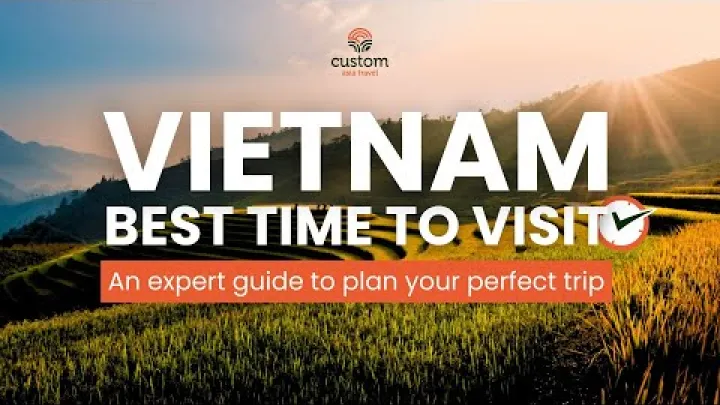
ਤੁਰੰਤ ਤੁਲਨਾਤਮਕ ਜਾਣਕਾਰੀ ਲਈ, ਇਸਨੂੰ ਤਿੰਨ ਖੇਤਰਾਂ 'ਚ ਸੋਚਣਾ ਮਦਦਗਾਰ ਹੁੰਦਾ ਹੈ:
- ਉੱਤਰ (ਹੇਨਾਈ, ਹਾ ਲੋਂਗ ਬੇ, ਸਾਪਾ): ਸਮੂਹਿਕ ਤੌਰ 'ਤੇ ਅਕਤੂਬਰ ਤੋਂ ਅਪ੍ਰੈਲ ਤਕ ਸਭ ਤੋਂ ਚੰਗਾ, ਜਿਸ ਦੌਰਾਨ ਠੰਢੀਆਂ, ਕਦੇ-ਕਦੇ ਠੰਢੀਆਂ ਸਰਦੀਆਂ ਅਤੇ ਗਰਮ ਬਹਾਰਾਂ ਹੁੰਦੀਆਂ ਹਨ। ਜੁਲਾਈ ਤੋਂ ਸਿਤੰਬਰ ਤੱਕ ਗਰਮ ਅਤੇ ਨਮੀ ਵਾਲਾ ਸਮਾਂ ਹੁੰਦਾ ਹੈ, ਬਹੁਤ ਵਧੇਰੇ ਬਾਰਿਸ ਅਤੇ ਸੰਭਵ ਤੂਫ਼ਾਨ ਹੋ ਸਕਦੇ ਹਨ, ਪਰ ਆੰਤਰਰਾਸ਼ਟਰੀ ਯਾਤਰੀ ਘੱਟ ਹੁੰਦੇ ਹਨ।
- ਕੇਂਦਰੀ ਕੰਢ (ਹੂਏ, ਦਾ ਨੰਗ, ਹੋਇ ਅਨ, ਨਾ ਟਰਾਂਗ ਦਾ ਕੁਛ ਹਿੱਸਾ): ਆਮ ਤੌਰ 'ਤੇ ਫਰਵਰੀ ਤੋਂ ਅਗਸਤ ਤਕ ਆਮ ਤੌਰ 'ਤੇ ਸੁੱਕਾ ਅਤੇ ਸੁਹਾਵਣਾ ਰਹਿੰਦਾ ਹੈ, ਜੋ ਕਿ ਵਿਯਤਨਾਮ ਬੀਚ ਛੁੱਟੀਆਂ ਲਈ ਆਦਰਸ਼ ਹੈ। ਸਤੰਬਰ ਤੋਂ ਦਸੰਬਰ ਤੱਕ ਇਹ ਖੇਤਰ ਵੱਧ ਬਾਰਿਸ ਅਤੇ ਕਦੇ-ਕਦੇ ਟਾਈਫੂਨ ਦੇ ਪ੍ਰਭਾਵ ਹੇਠ ਹੋ ਸਕਦਾ ਹੈ।
- ਦੱਖਣ (ਹੋ ਚੀ ਮਿੰਹ ਸਿਟੀ, ਮੇਕੋਂਗ ਡੈਲਟਾ, ਫੂ ਕუੌਕ): ਸਾਲ ਭਰ ਗਰਮ ਅਤੇ ਟਰਾਪਿਕਲ, ਲਗਭਗ ਨਵੰਬਰ ਤੋਂ ਅਪ੍ਰੈਲ ਤਕ ਸੁੱਕਾ ਸીઝਨ ਜੋ ਸ਼ਹਿਰੀ ਦਰਸ਼ਨ ਅਤੇ ਦਵਾਂਟ ਧੀਪਾਂ ਲਈ ਚੰਗਾ ਹੈ, ਅਤੇ ਮਈ ਤੋਂ ਅਕਤੂਬਰ ਤਕ ਮੌਸਮੀ ਬਾਰਿਸ ਜੋ ਨਿਯਮਤ ਸ਼ਾਵਰ ਲਿਆਉਂਦੀ ਹੈ।
ਵੱਖ-ਵੱਖ ਰੁਚੀਆਂ ਲਈ ਵੱਖ-ਵੱਖ ਵਿੰਡੋ ਹੀ ਫਿੱਟ ਹੁੰਦੀਆਂ ਹਨ। ਹੇਨਾਈ, ਹੋਇ ਅਨ ਅਤੇ ਹੋ ਚੀ ਮਿੰਹ ਸਿਟੀ ਨੂੰ ਜੋੜਨ ਵਾਲੀ ਸਭਿਆਚਾਰਕ ਯਾਤਰਾ ਲਗਭਗ ਨਵੰਬਰ ਤੋਂ ਮਾਰਚ ਤਕ ਚੰਗੀ ਰਹਿੰਦੀ ਹੈ, ਜਦੋਂ ਗਰਮੀ ਅਤੇ ਬਾਰਿਸ ਦੀਆਂ ਮੁਸ਼ਕਲਾਂ ਟਹਿਲਣ ਲਈ ਘੱਟ ਹੁੰਦੀਆਂ ਹਨ। ਸਿਰਫ਼ ਬੀਚ ਛੁੱਟੀਆਂ ਲਈ ਦਾ ਨੰਗ, ਹੋਇ ਅਨ ਜਾਂ ਨਾ ਟਰਾਂਗ ਵਰਗੇ ਸਥਾਨ ਅਕਸਰ ਮਾਰਚ ਤੋਂ ਅਗਸਤ ਤਕ ਵਧੀਆ ਹੁੰਦੇ ਹਨ, ਜਦਕਿ ਫੂ ਕੂਆਕ ਟਾਪੂ ਆਮ ਤੌਰ 'ਤੇ ਨਵੰਬਰ ਤੋਂ ਮਾਰਚ ਤਕ ਸ਼੍ਰੇਸ਼ਠ ਮੰਨਿਆ ਜਾਂਦਾ ਹੈ। ਦੇਸ਼ੀ ਯਾਤਰਾ ਟੇਟ, ਦੇਰ ਅਪ੍ਰੈਲ–ਸ਼ੁਰੂ ਮਈ ਦੇ ਲੰਬੇ ਹਫ਼ਤੇ-ਅੰਤ, ਗਰਮੀ ਸਕੂਲੀ ਛੁੱਟੀਆਂ (ਲਗਭਗ ਜੂਨ ਤੋਂ ਅਗਸਤ) ਅਤੇ 2 ਸਤੰਬਰ ਦੇ ਕੌਮੀ ਦਿਵਸ ਦੇ ਆਲੇ-ਦੁਆਲੇ ਚਰਮ ਤੇ ਹੁੰਦੀ ਹੈ। ਇਨ੍ਹਾਂ ਸਮਿਆਂ ਦੌਰਾਨ ਟਰੇਨ, ਬੱਸ ਅਤੇ ਤਟ-ਕਿਨਾਰੇ ਰਿਜ਼ੋਰਟ ਭੀੜ-ਭਾੜ ਵਾਲੇ ਅਤੇ ਮਹਿੰਗੇ ਹੋ ਸਕਦੇ ਹਨ, ਇਸ ਲਈ ਜੇ ਤੁਹਾਡੀਆਂ ਵਿਯਤਨਾਮ ਛੁੱਟੀਆਂ ਇਨ੍ਹਾਂ ਰਾਸ਼ਟਰੀ ਛੁੱਟੀਆਂ ਨਾਲ ਮਿਲਦੀਆਂ ਹਨ ਤਾਂ ਅਗਾਂਹ ਦੀ ਸੋਚ-ਵਿਚਾਰ ਜ਼ਰੂਰੀ ਹੈ।
ਵਿਆਤਨਾਮ ਦੀਆਂ ਸਰਕਾਰੀ ਛੁੱਟੀਆਂ ਅਤੇ ਰਾਸ਼ਟਰੀ ਦਿਨਾਂ ਦੀ ਸੂਚੀ
ਵਿਆਤਨਾਮ ਦੀਆਂ ਸਰਕਾਰੀ ਛੁੱਟੀਆਂ ਸਾਲ ਭਰ ਕਾਰਜ, ਪੜਾਈ ਅਤੇ ਘਰੇਲੂ ਯਾਤਰਾ ਦੇ ਰਿਥਮ ਦੀ ਰਚਨਾ ਕਰਦੀਆਂ ਹਨ। ਅੰਤਰਰਾਸ਼ਟਰੀ ਯਾਤਰੀਆਂ ਲਈ ਇਹ ਜਾਣਨਾ ਲਾਭਦਾਇਕ ਹੈ ਕਿ ਇਹ ਰਾਸ਼ਟਰੀ ਦਿਨ ਕਦੋਂ ਪੈਂਦੇ ਹਨ, ਤਾਂ ਜੋ ਤੁਸੀਂ ਅੰਦਾਜ਼ਾ ਲਗਾ ਸਕੋ ਕਿ ਕਿੱਥੇ ਸੇਵਾਵਾਂ ਬੰਦ ਹੋ ਸਕਦੀਆਂ ਹਨ, ਟਿਕਟ ਕੀਮਤਾਂ ਕਦੋਂ ਵਧ ਸਕਦੀਆਂ ਹਨ ਅਤੇ ਕਦੋਂ ਸ਼ਹਿਰ ਲੜੀਵਾਰ ਪਰੇਡਾਂ ਜਾਂ ਫਾਅਰਵਰਕ ਨਾਲ ਭਰ ਸਕਦੇ ਹਨ। ਹਾਲਾਂਕਿ ਵਿਯਤਨਾਮ ਵਿੱਚ ਕੁਝ ਦੇਸ਼ਾਂ ਨਾਲੋਂ ਘੱਟ ਸਰਕਾਰੀ ਛੁੱਟੀਆਂ ਹੁੰਦੀਆਂ ਹਨ, ਮੁੱਖ ਛੁੱਟੀਆਂ ਕੁਝ ਸ਼ਕਤੀਸ਼ਾਲੀ ਕਲੱਸਟਰਾਂ 'ਚ ਕੇਂਦਰਿਤ ਹੁੰਦੀਆਂ ਹਨ ਜੋ ਚਰਮ ਯਾਤਰਾ ਸੀਜ਼ਨ ਬਣਾਉਂਦੀਆਂ ਹਨ।
ਵਿਆਤਨਾਮ ਦੇ ਰਾਸ਼ਟਰੀ ਛੁੱਟੀਆਂ ਇਤਿਹਾਸਕ ਯਾਦਗਾਰਾਂ, ਮਜ਼ਦੂਰੀ ਮਨਾਨਾਂ ਅਤੇ ਪੂਰਵਜ ਪੂਜਾ ਅਤੇ ਲੂਨਰ ਕੈਲੰਡਰ ਨਾਲ ਜੁੜੇ ਸੱਭਿਆਚਾਰਕ ਰਿਵਾਜਾਂ ਦੀ ਨਿਰਤਰ ਮਿਸ਼ਰਨ ਹਨ। ਕੁਝ ਛੁੱਟੀਆਂ ਦੁਨੀਆ ਭਰ ਲਈ ਜਾਣੀਆਂ ਹੋ ਸਕਦੀਆਂ ਹਨ, ਜਿਵੇਂ ਨਵੇਂ ਸਾਲ ਦਾ 1 ਜਨਵਰੀ, ਜਦਕਿ ਹੋਰ, ਜਿਵੇਂ ਟੇਟ ਅਤੇ ਹੰਗ ਕਿੰਗ ਯਾਦਗਾਰੀ ਦਿਵਸ, ਸਥਾਨਕ ਰਿਵਾਜਾਂ ਨੂੰ ਦਰਸਾਉਂਦੇ ਹਨ। ਇਹ ਛੁੱਟੀਆਂ ਲੋਕਾਂ ਨੂੰ ਆਪਣੇ ਗ੍ਰਾਮ-ਸ਼ਹਿਰਾਂ ਵਾਪਸ ਜਾਣ ਲਈ ਪ੍ਰੇਰਿਤ ਕਰਦੀਆਂ ਹਨ, ਜਿਸ ਕਾਰਨ ਸੜਕ ਟਰੈਫਿਕ ਅਤੇ ਟਰੇਨ ਉਪਯੋਗ ਵਿੱਚ ਤੇਜ਼ ਵਾਧਾ ਹੋਦਾ ਹੈ। ਹੇਠਾਂ ਦਿੱਤੀ ਟੇਬਲ ਇੱਕ ਸਧਾਰਣ ਓਵਰਵਿਊ ਦਿੰਦੀ ਹੈ।
ਵਿਆਤਨਾਮ ਵਿੱਚ ਅਧਿਕਾਰਿਕ ਸਰਕਾਰੀ ਛੁੱਟੀਆਂ ਅਤੇ ਉਹਨਾਂ ਦੀ ਬਣਤਰ
ਵਿਆਤਨਾਮ ਦੀਆਂ ਅਧਿਕਾਰਿਕ ਸਰਕਾਰੀ ਛੁੱਟੀਆਂ ਵਿੱਚ ਹੁਣ ਦੋਹਾਂ ਨਿਯਤ ਸੌਲਰ ਤਾਰੀਖਾਂ ਅਤੇ ਲੂਨਰ 'ਤੇ ਨਿਰਭਰ ਛੁੱਟੀਆਂ ਸ਼ਾਮਲ ਹਨ। ਇਹ ਮਿਲ ਕੇ ਸਾਲਾਨਾ ਲਗਭਗ 11 ਅਧਿਕਾਰਿਕ ਛੁੱਟੀ ਦਿਨ ਬਣਦੇ ਹਨ, ਵੀਕਐਂਡ ਨੂੰ ਛੱਡ ਕੇ। ਨਿਯਤ ਸੌਲਰ ਛੁੱਟੀਆਂ ਅਸਾਨੀ ਨਾਲ ਪੂਰਵ ਅਨੁਮਾਨ ਲਗਾਈਆਂ ਜਾ ਸਕਦੀਆਂ ਹਨ ਕਿਉਂਕਿ ਉਹ ਹਰ ਸਾਲ ਇੱਕੋ ਹੀ ਤਾਰੀਖ ਤੇ ਹੋਦੀਆਂ ਹਨ, ਜਦਕਿ ਲੂਨਰ‐ਅਧਾਰਿਤ ਛੁੱਟੀਆਂ ਸੋਲਰ ਤਾਰੀਖਾਂ ਵਿੱਚ ਬਦਲਣ ਕਰਕੇ ਹਰ ਸਾਲ ਹਿਲ ਸਕਦੀਆਂ ਹਨ। ਸਰਕਾਰ ਇਹ ਵੀ ਤੈਅ ਕਰਦੀ ਹੈ ਕਿ ਹਰ ਛੁੱਟੀ ਲਈ ਕਿੰਨੇ ਛੁੱਟੀ ਦਿਨ ਦਿੱਤੇ ਜਾਂਗੇ ਅਤੇ ਜਦੋਂ ਛੁੱਟੀ ਸ਼ਨੀਵਾਰ ਜਾਂ ਐਤਵਾਰ ਨੂੰ ਪੈਂਦੀ ਹੈ ਤਾਂ ਮੁਆਵਜ਼ਾ ਦਿਨ ਕਿਵੇਂ ਰੱਖੇ ਜਾਣਗੇ।
ਵਿਆਤਨਾਮ ਛੁੱਟੀਆਂ ਦੀ ਯੋਜਨਾ ਬਣਾਉਂਦੇ ਸਮੇਂ ਯਾਤਰੀਆਂ ਲਈ ਛੋਟੀ ਇਕ-ਦਿਨ ਦੀ ਸਮਾਰੋਹ ਅਤੇ ਕਈ ਦਿਨਾਂ ਦੇ ਆਮ ਬ੍ਰੇਕ ਵਿਚਕਾਰ ਫਰਕ ਕਰਨ ਵਿੱਚ ਮਦਦ ਮਿਲਦੀ ਹੈ। ਨਵੇਂ ਸਾਲ ਦਾ 1 ਜਨਵਰੀ ਇੱਕ ਆਮ ਛੁੱਟੀ ਹੈ ਜਿਸਦਾ ਸਫਰ 'ਤੇ ਪ੍ਰਭਾਵ ਟੇਟ ਨਾਲੋਂ ਘੱਟ ਹੁੰਦਾ ਹੈ। ਇਸ ਦੇ ਉਲਟ, ਟੇਟ ਆਮ ਤੌਰ 'ਤੇ ਕਈ ਅਧਿਕਾਰਿਕ ਦਿਨ ਲੈਂਦਾ ਹੈ, ਜੋ ਹਫ਼ਤੇ ਜਾਂ ਉਸ ਤੋਂ ਵੀ ਜ਼ਿਆਦਾ ਵਿੱਚ ਵੱਧ ਸਕਦਾ ਹੈ। 30 ਅਪ੍ਰੈਲ ਨੂੰ ਉਮਰ-ਮਿਲਾਪ ਦਿਵਸ ਅਤੇ 1 ਮਈ ਨੂੰ ਅੰਤਰਰਾਸ਼ਟਰੀ ਮਜ਼ਦੂਰ ਦਿਵਸ ਅਕਸਰ ਇਕ ਬਠੇਰੇ ਲੰਬੇ ਹਫ਼ਤੇ-ਅੰਤ ਦਾ ਰੂਪ ਲੈਂਦੇ ਹਨ, ਜਿਸ ਕਰਕੇ ਘਰੇਲੂ ਯਾਤਰਾ ਤੇ ਵੱਡਾ ਪ੍ਰਭਾਵ ਪੈਂਦਾ ਹੈ।
| Holiday name | Usual solar date | Type | Notes for travellers |
|---|---|---|---|
| New Year’s Day | 1 January | Fixed solar | Short break; moderate closures; limited travel impact compared with Tết. |
| Tết Nguyên Đán (Lunar New Year) | 1st day of 1st lunar month (varies) | Lunar | Longest and most important holiday; strong impact on transport and services. |
| Hung Kings Commemoration Day | 10th day of 3rd lunar month (varies) | Lunar | One day off nationwide; ceremonies at temples; some increased travel. |
| Reunification Day | 30 April | Fixed solar | Often part of a long weekend with Labor Day; very busy domestic travel. |
| International Labor Day | 1 May | Fixed solar | Joins Reunification Day for a multi‑day break in many years. |
| National Day | 2 September | Fixed solar | Patriotic celebrations, fireworks in major cities; busy transport. |
ਕਿਉਂਕਿ ਅਧਿਕਾਰਿਕ ਫੈਸਲੇ ਸੱਜੇ ਦਿਨਾਂ ਦੀ ਗਿਣਤੀ ਅਤੇ ਮੁਆਵਜ਼ਾ ਦਿਨਾਂ ਨੂੰ ਸੋਧ ਸਕਦੇ ਹਨ, ਯਾਤਰੀਆਂ ਨੂੰ ਹਮੇਸ਼ਾਂ ਕਿਸੇ ਵੀ ਲੰਬੇ-ਸੀਮਾ ਕੈਲੰਡਰ ਨੂੰ ਇੱਕ ਗਾਈਡ ਸਮਝ ਕੇ ਦੇਖਣਾ ਚਾਹੀਦਾ ਹੈ ਨਾ ਕਿ ਕਾਨੂੰਨੀ ਬਿਆਨ। ਫਿਰ ਵੀ, ਉਪਰੋਕਤ ਬਣਤਰ ਇਹ ਸਾਫ-ਸੂਚੀ ਪੇਸ਼ ਕਰਦੀ ਹੈ ਕਿ ਕਿਹੜੀਆਂ ਛੁੱਟੀਆਂ ਯਾਤਰਾ 'ਤੇ ਸਭ ਤੋਂ ਜ਼ਿਆਦਾ ਪ੍ਰਭਾਵ ਪਾਉਂਦੀਆਂ ਹਨ ਅਤੇ ਕਿਹੜੀਆਂ ਉਹਨਾਂ ਹਨ ਜਿਨ੍ਹਾਂ ਨੂੰ ਮਹੀਨਿਆਂ ਪਹਿਲਾਂ ਯੋਜਨਾ ਬਣਾਉਂਦੇ ਸਮੇਂ ਧਿਆਨ ਵਿੱਚ ਰੱਖਣਾ ਚਾਹੀਦਾ ਹੈ।
Tết public holiday period and its impact on daily life and services
Tết Nguyên Đán, Vietnam’s Lunar New Year, is the country’s longest and most emotionally significant public holiday. Officially, workers receive several days off around the 1st day of the 1st lunar month, but many people extend this break by combining weekends, compensation days and annual leave. For roughly a week, and in some sectors even longer, normal routines pause as people travel back to their hometowns, visit relatives and perform ancestral rituals. Because Tết follows the lunar calendar, its solar dates change each year, usually falling between late January and mid‑February.

During the core Tết days, many government offices, banks, schools and small family‑run businesses close, especially in smaller cities and rural areas. Traditional wet markets may operate at reduced hours, while some local shops and street food stalls pause trading to focus on family activities. However, closures are not absolute. In major cities like Hanoi, Da Nang and Ho Chi Minh City, larger hotels, many chain restaurants, some supermarkets and services in key tourist districts usually remain open. Airports, intercity buses and rail services continue to run but are under heavy pressure before and after the holiday, when millions of people travel.
For travellers, the days just before Tết bring crowded transport hubs, higher ticket prices and heavier road traffic. The streets are colourful with flowers, decorations and markets selling special foods, but securing last‑minute seats on trains or flights can be very difficult. During the core Tết period, cities may feel quieter, with fewer open shops but also fewer vehicles, which some visitors enjoy. Tourist sites might be less busy on certain days, while others fill with local families making holiday visits. After Tết, there is usually another busy travel wave as people return to work and study.
Visiting during Tết has both advantages and disadvantages. On the positive side, you can see deep cultural traditions, from altar offerings and family gatherings to lion dances and public fireworks. Streets and homes are decorated, and there is a strong sense of renewal. On the practical side, arranging Vietnam holidays during this time requires booking transport and accommodation well in advance, accepting higher prices for some services and being flexible about meal choices when many small eateries close. Travellers who prioritise smooth logistics and wide shopping options may prefer to avoid the Tết week, while those who value cultural immersion may choose to experience it once with careful preparation.
Reunification Day and International Labor Day long weekend
Reunification Day on 30 April and International Labor Day on 1 May form another crucial cluster in Vietnam’s holiday calendar. Because these two fixed solar dates fall back‑to‑back, they often create a long public break of at least two days, and in some years longer when linked with weekends and compensation days. Many Vietnamese people use this period for short holidays, making it one of the busiest times of the year for domestic tourism after Tết.

Popular destinations during this long weekend include coastal cities and resorts such as Da Nang, Hoi An, Nha Trang, Mui Ne and Phu Quoc Island, as well as highland retreats like Da Lat and Sa Pa. The surge in travel leads to heavy demand for flights, trains and long‑distance buses. Tickets can sell out days or weeks in advance on popular routes, and hotel occupancy in beach areas often reaches very high levels, with prices rising correspondingly.
Travellers planning Vietnam holidays that overlap this period should decide whether they want to join the local crowds or design an itinerary that avoids them. Joining the crowds can be lively, with busy beaches, night markets in full swing and a party atmosphere in resort towns. However, you need to book transport and accommodation early, accept higher prices in many places and be patient with traffic and queues. Alternatively, you can visit less famous destinations, such as quieter coastal stretches or smaller provincial towns, or plan inland cultural visits while most residents head to the sea.
Another strategy is to travel just before or just after the long weekend. Arriving in a beach area a few days ahead lets you enjoy good weather before domestic visitor numbers peak, while staying longer after the official break can mean calmer conditions as locals return to work. Either way, awareness of the Reunification–Labor Day long weekend is essential when shaping late‑April or early‑May Vietnam holidays.
National Day and other important commemorative holidays
National Day on 2 September is a key political and patriotic holiday in Vietnam, marking the declaration of independence in 1945. It is a fixed solar public holiday that often becomes part of a long weekend when linked to adjacent days off. Across the country, National Day brings flag displays, public gatherings and, in major cities, fireworks and large events. For travellers, it is a moment when city centres may be decorated and lively, but also when roads can be congested around event areas and noise levels rise due to celebrations.

Another important public holiday is Hung Kings Commemoration Day, which honours the legendary founders of the Vietnamese nation and is closely related to ancestral worship. This holiday takes place on the 10th day of the third lunar month, so its solar date shifts each year. Ceremonies are particularly prominent at temples dedicated to the Hung Kings, especially in Phu Tho Province, but the day is a national day off and can contribute to heavier intercity travel. Unlike some purely political anniversaries, this holiday emphasises spiritual and historical continuity, which many families observe with temple visits and offerings.
These holidays sometimes generate long weekends that encourage internal tourism, although on a smaller scale than Tết or the Reunification–Labor Day break. Travellers may see more local visitors at museums, parks and city monuments, along with small parades or cultural performances. In many areas, however, core services stay open. Tourist hotels, many restaurants and transport operations usually continue, although some government offices and banks close. When planning Vietnam holidays in early September or around the spring lunar months, it is wise to check whether National Day or Hung Kings Commemoration Day will extend into multi‑day breaks, as this can subtly change crowd levels and booking conditions even if you do not attend the commemorative events themselves.
Vietnam public holidays 2025 as an example year guide
Looking at Vietnam public holidays 2025 is a practical way to understand how the country’s holiday pattern works in any given year. Although official schedules are always confirmed by government decision and may be adjusted through compensation days, a projected calendar shows how fixed solar holidays and moving lunar festivals combine. Travellers planning Vietnam holidays 2025 can use such an outline for early research, then refine their bookings once official notices are released.

This example year also illustrates recurring patterns that apply to other years. Tết falls in late January or February, often creating the longest and most intense travel peak. Reunification Day and Labor Day form a strong cluster at the end of April and start of May. National Day in early September may create another long weekend, while Hung Kings Commemoration Day adds a separate springtime break. Understanding these clusters helps you identify both peak weeks to treat with caution and quieter gaps that may offer better value and fewer crowds.
Expected Vietnam public holiday dates in 2025
When considering Vietnam public holidays 2025, it is important to distinguish between fixed solar dates, which are straightforward, and lunar‑based holidays, which require conversion. Fixed holidays such as New Year’s Day, Reunification Day on 30 April, International Labor Day on 1 May and National Day on 2 September will, as usual, fall on those calendar days. The main questions concern how many days off the government will grant around each date and how compensation days will be arranged when holidays overlap with weekends. These details are normally announced closer to the year in question.
How Vietnam’s 2025 public holidays are likely to affect travel
The pattern of Vietnam public holidays 2025 is likely to create familiar peak periods for both domestic and international travel. The most intense will be around Tết, when millions of residents travel back to their hometowns or take family holidays. In the weeks leading up to the Tết holidays, demand for flights, trains and long‑distance buses typically rises sharply, especially on major north–south routes and connections between large cities and provincial centres. Airfares and ticket prices may increase, and popular departure times can sell out quickly.

Late April and early May 2025 will probably form the second major travel cluster, anchored by Reunification Day and International Labor Day. Many Vietnamese families use this break to visit beaches and tourist cities, which can lead to crowded resort towns, fully booked hotels and higher accommodation prices. In early September 2025, National Day may create a shorter but still noticeable wave of internal travel, especially toward popular weekend destinations near major cities. Around these clusters, transport hubs can be busier, road traffic heavier and waiting times longer at check‑in counters or ticket offices.
Between these peaks, there are likely to be quieter weeks that offer better value for Vietnam holidays 2025. For example, the periods from mid‑March to mid‑April, late May before school holidays, and parts of October and November often see fewer domestic travellers while still offering good weather in many regions. International travellers who can be flexible with dates may find greater choice and lower prices during these intervals. It is wise to monitor airline and rail schedules, as carriers sometimes add extra services around major holidays and adjust frequencies in shoulder periods.
All of these expectations should be seen as patterns, not guarantees. Weather events, policy changes and shifts in travel preferences can influence exact demand. Nonetheless, understanding how Vietnam’s 2025 public holidays cluster gives you a framework to predict busier and quieter times, even as you cross‑check with current timetables and booking platforms closer to your trip.
Planning a Vietnam trip around the 2025 holidays
When shaping Vietnam holidays 2025, one key decision is whether you want to experience major festivals directly or avoid them for smoother logistics. If you are curious about Tết, consider arriving a week or more before the core holiday days so you can enjoy the build‑up markets and decorations while still having reasonable transport options. Then stay in one base over the main Tết days, rather than trying to move between cities when many services are limited. For the late April–early May and early September clusters, booking flights and long‑distance trains several weeks or even months in advance is usually wise, especially if you have fixed dates.
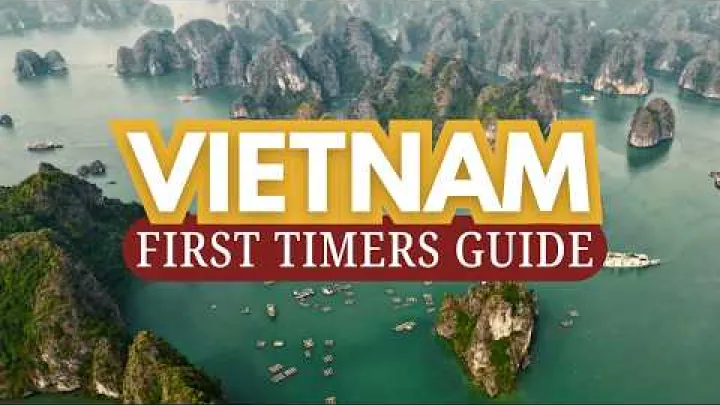
General do and do‑not advice includes the following:
- Do secure key flights and hotels early if travelling within a week either side of Tết or the Reunification–Labor Day break.
- Do build flexibility into your itinerary, allowing extra time for delays during peak return‑travel days.
- Do not rely on buying long‑distance bus tickets at the last minute near Tết or major long weekends.
- Do not expect all tourist restaurants and shops to be open during the core Tết days, especially in smaller towns.
Alternative strategies include focusing on less popular destinations during busy local holidays, such as exploring highland areas when most people go to the beach, or staying in a large city with good tourist infrastructure where more services remain open. Slow‑paced itineraries that spend more time in each place are often more resilient to schedule disruptions than fast multi‑city tours. The same logic can easily be applied to other years: identify the main holiday clusters, note likely peak travel days before and after them, then place your heaviest internal travel movements outside those windows whenever possible.
Major traditional festivals in Vietnam and their travel impact
Beyond official public holidays, Vietnam hosts a rich calendar of traditional festivals that reflect family values, spiritual beliefs and regional identities. Some of these events overlap with paid public holidays, while others are primarily cultural or religious and do not automatically bring time off for all workers. For visitors, they offer vivid experiences, from lantern‑lit streets and temple rituals to river races and folk performances.

Understanding these festivals helps you design Vietnam holidays that include cultural highlights without being caught off guard by crowds or partial closures. Some celebrations mainly affect specific neighbourhoods or regions, while others shape the mood of cities nationwide. Throughout the lunar year, temples and pagodas also see surges in visitors on special days, raising both opportunities for observation and the need for careful etiquette.
Tết Nguyên Đán as Vietnam’s main family and cultural festival
Tết Nguyên Đán, often shortened to Tết, is not only a public holiday but also Vietnam’s central family and cultural festival. It marks the start of the lunar year and is closely linked to ancestor worship, hopes for prosperity and the idea of renewal. In the weeks before Tết, households clean and decorate their homes, pay off debts if possible and buy new clothes and gifts. Special foods such as bánh chưng (square sticky rice cakes in the north) or bánh tét (cylindrical versions in the south) are prepared or purchased, and altars are refreshed to welcome ancestral spirits back for the new year.
Common customs during Tết include visiting parents and grandparents, making offerings at family graves, giving red envelopes of lucky money to children, and avoiding arguments or negative speech so as not to bring bad luck. Many people return to their hometowns, meaning big cities can temporarily empty out of residents while provincial areas become full of visitors. Public spaces may host lion dances, concerts and fireworks, especially on New Year’s Eve. The atmosphere mixes quiet domestic rituals with more public celebrations, depending on where you are.
For travellers, the days before Tết are full of colour and activity. Flower markets selling peach blossoms, kumquat trees and chrysanthemums fill city streets, and shops display bright red decorations. This is a rewarding time for photography and street exploration, although traffic can be heavy as people shop and travel. During the core Tết period, you may find cities calmer, with some cafés and restaurants closed, but major hotels and key tourist sites often remain accessible. Rural areas can be particularly atmospheric, as families gather at ancestral homes.
Planning a holiday in Vietnam during Tết brings clear benefits and challenges. The advantages include deep cultural immersion, unique photo opportunities and the chance to learn about family traditions first‑hand. The disadvantages involve higher prices and limited availability for transport, reduced choice of dining options in some areas, and the need to book far in advance. Travellers who are comfortable with a slower pace and prepared flexibility often find Tết a memorable highlight, while those wanting full city services and simple logistics may prefer to visit just before or after the festival instead.
Mid-Autumn Festival and lantern celebrations
The Mid‑Autumn Festival, known in Vietnamese as Tết Trung Thu, takes place on the 15th day of the eighth lunar month, which usually falls in September or October on the solar calendar. Unlike Tết, which focuses strongly on the whole family and ancestors, the Mid‑Autumn Festival is particularly centred on children. In the weeks leading up to it, you will see shops selling colourful lanterns, masks and toys, as well as mooncakes filled with lotus seed paste, beans, nuts or egg yolks.
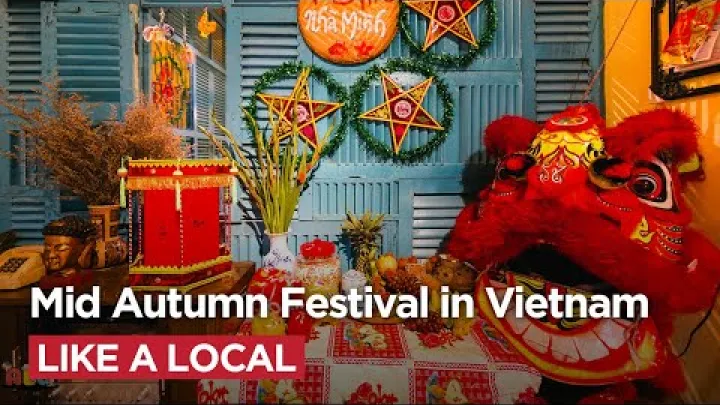
On festival evenings, children often carry lanterns in informal processions around neighbourhoods, accompanied by lion dances, drums and music. Families gather to share mooncakes and fruits under the full moon, sometimes making offerings on small altars at home or in courtyards. For travellers, this means lively street scenes, especially after dark, with excellent chances for photography and for trying seasonal sweets. Because the festival is mainly celebrated in the evening, it does not usually cause major daytime business closures.
Certain cities and neighbourhoods are especially famous for Mid‑Autumn festivities. In Hanoi, the Old Quarter and areas around Hàng Mã Street become packed with lantern stalls and families. In Ho Chi Minh City, districts with large Chinese‑Vietnamese communities, such as District 5, host vibrant decorations and lion dances. Hoi An, already known for its lantern‑lit old town, can be particularly atmospheric when the Mid‑Autumn Festival overlaps with its regular lantern nights.
For those on Vietnam holidays during this period, the main impact is on evening street life rather than daytime operations. Noise levels can be high in popular districts due to drums and crowds, and traffic may slow around celebration areas. Hotels, restaurants and most shops, however, usually remain open. Travellers can join the festive mood by walking the main streets, sampling mooncakes and photographing lantern displays, while being mindful of pedestrian congestion and the need to respect children’s space and privacy in photos.
Buddhist and spiritual festivals across the lunar year
Vietnam’s calendar includes numerous Buddhist and spiritual festivals that play an important role in community life, even if they do not always come with nationwide days off. Vesak (or Phật Đản), commemorating the birth of the Buddha, is one of the most widely observed. On this day, pagodas are decorated with flags and lanterns, and devotees visit to offer flowers, burn incense and participate in chanting or bathing‑the‑Buddha rituals. Another significant observance is Vu Lan (Ullambana), often described as a filial piety festival, when people honour deceased parents and ancestors through offerings and charitable acts.

The seventh lunar month is often known informally as “Ghost Month” in Vietnam and neighbouring cultures. During this time, many believe that spirits are more active and may require additional respect and offerings. Families might prepare extra food offerings at home and pagodas, burn paper money or symbolic goods and avoid risky activities or major life decisions on certain days. From a visitor’s perspective, you may notice more incense smoke, busier pagodas and occasional street offerings left at intersections or riverbanks.
These spiritual dates can make temples and pagodas very crowded, especially in the evenings or on key lunar days, leading to heavier traffic on roads that serve popular religious sites. While they rarely cause city‑wide closures, they do shape local activity and can alter the feel of certain neighbourhoods. Travellers visiting religious sites during these times should dress modestly, covering shoulders and knees, and speak quietly. It is respectful to remove shoes where required, avoid pointing feet at altars and step around, not over, offerings placed on the ground.
Photography should be discreet and considerate. It is best to avoid using flash during ceremonies and to ask permission before photographing individuals, especially monks, nuns or people clearly engaged in prayer. By observing these guidelines, visitors can experience an important dimension of Vietnam’s spiritual life while maintaining a respectful presence in spaces that are, above all, places of worship for local communities.
Regional and ethnic festivals that enrich Vietnam holidays
In addition to nationwide observances, Vietnam hosts many regional and ethnic festivals that reflect the customs of specific communities. These events can be rewarding highlights of Vietnam holidays for travellers who enjoy cultural immersion and are willing to navigate some logistical complexity. Dates are often based on the lunar calendar and can vary slightly from year to year, so local confirmation is essential.
One of the best‑known regional events is the Perfume Pagoda pilgrimage near Hanoi, which extends over several weeks in the spring. Thousands of pilgrims travel by boat along a scenic river to a network of caves and temples set among karst hills, creating a striking combination of natural beauty and devotional activity. In northern Bac Ninh Province, the Lim Festival celebrates quan họ folk singing with performances, processions and traditional games. Further south, festivals such as Oóc Om Bóc among Khmer communities in the Mekong Delta feature water lanterns and boat races, particularly around Sóc Trăng and Trà Vinh.
In mountainous regions, ethnic minority groups hold seasonal celebrations that may include buffalo sacrifices, gong music, dance and costume displays. Some of these events are increasingly open to visitors, sometimes with the support of local tourism boards, while others remain more private community gatherings. Infrastructure in festival areas can be limited, with basic accommodation and crowded local transport, and language barriers are common outside major tourist centres.
Responsible travellers should seek local guidance, either from reputable tour operators or community‑based tourism projects, to ensure that their presence is welcome and that photography and participation are appropriate. It is important not to treat sacred rituals as performances and to follow instructions from organisers or elders. When approached with sensitivity, regional and ethnic festivals can deepen understanding of Vietnam’s cultural diversity and turn a standard holiday into a more meaningful journey.
Planning your Vietnam holiday: when to go and where to visit
Once you understand Vietnam’s main holidays and festivals, the next step is to decide when and where to travel based on climate and your own priorities. Because weather patterns differ greatly between the north, central coast and south, the “best time” for one destination may be less suitable for another. Meanwhile, public holiday clusters shape crowd levels and prices across the country.

By combining a regional climate overview with knowledge of busy and quiet periods, you can choose whether to focus your Vietnam holidays on beaches, culture, cities or active travel. Many visitors design trips that move north to south or vice versa, adjusting the route to catch good weather in key locations while either embracing or avoiding festival periods, depending on personal interest.
Climate and seasons in North, Central and South Vietnam
Vietnam’s long, narrow shape creates three broad climate zones that influence when it is most comfortable to visit each region. Winters from about December to February can be quite cool or even cold at night, especially in the mountains, with temperatures that may surprise travellers expecting only tropical heat. Skies can be grey and misty, particularly around Ha Long Bay, which may affect visibility for scenic cruises.

Spring (March to April) and autumn (October to November) in the north often bring milder temperatures and more pleasant conditions for city walks and trekking, though weather can still be changeable. Summers from May to September are hot and humid, with higher rainfall and occasional storms, but also lush green landscapes and fewer international tourists. Those comfortable with tropical conditions may find this a rewarding time for budget‑conscious Vietnam holidays, provided they stay hydrated and allow for occasional weather‑related itinerary changes.
The central coast has its own pattern. Cities like Hue, Da Nang and Hoi An are typically dry and sunny from roughly February to August, making these months particularly good for combined culture and beach trips. From around September to December, however, the region can experience heavier rains and occasional typhoons, which may cause flooding and disrupt travel. Some beach facilities may reduce operations during the wettest months. Further south along the coast, including parts of Nha Trang and Phan Rang, dry conditions can last slightly longer, but checking local forecasts remains important.
Southern Vietnam, including Ho Chi Minh City, the Mekong Delta and Phu Quoc Island, has a more straightforward tropical climate with a dry season roughly from November to April and a rainy season from May to October. During the dry months, humidity is still present but more comfortable for city sightseeing and river trips, and beach conditions on islands like Phu Quoc are often excellent. In the rainy season, showers are frequent but often come in short, heavy bursts, with sunny intervals in between. Travellers who do not mind rain and want quieter destinations may still enjoy visiting during this time, especially if they build flexibility into outdoor plans.
Best time for Vietnam beach holidays and island escapes
Vietnam beach holidays are a major draw, with long coastlines and several distinct resort regions. Because weather conditions vary along the coast and between the mainland and islands, choosing the right month for your preferred beach can greatly improve your experience. The central region and the far south, in particular, have quite different peak seasons.

Some key beach and island areas and their typical good‑weather windows are:
- Da Nang and Hoi An: Often best from about March to August, with warm temperatures and relatively low rainfall. Sea conditions are usually suitable for swimming during much of this period.
- Nha Trang: Generally good from around February to August, with long sunny days, though conditions can vary by year. Late autumn and early winter may see rougher seas.
- Mui Ne and Phan Thiet: Often dry and sunny from November to April, attracting kite‑surfing and wind‑surfing enthusiasts due to regular breezes.
- Phu Quoc Island: Typically at its best from November to March, with calm seas and clearer skies, making it ideal for holidays to Phu Quoc Vietnam that focus on swimming and relaxation.
Local public holidays and school breaks have a strong influence on how busy these beaches become. Week‑long domestic peaks around Tết, the Reunification–Labor Day long weekend and summer school holidays (roughly June to August) can fill popular resorts, drive up prices and make it harder to find last‑minute rooms, especially in family‑friendly areas. Travellers seeking quieter sands and cheaper Vietnam beach holidays may prefer shoulder months such as late February, April, May or early November, depending on the destination.
Many visitors combine beaches with cultural or city stays, for example spending a few days in Hanoi and Ha Long Bay before flying to Da Nang and unwinding in Hoi An, or pairing Ho Chi Minh City with several nights on Phu Quoc. When planning, match each beach stop to its best weather window, even if that means adjusting the order of your route. All‑inclusive or semi all‑inclusive resort stays are available in major beach areas like Nha Trang and Phu Quoc, which can suit travellers looking for Vietnam holidays all inclusive, especially families or those who prefer predictable costs.
Busy and quiet periods to avoid or take advantage of
Crowd levels and prices in Vietnam fluctuate significantly across the year, driven by both international travel seasons and domestic holiday patterns. The main busy periods include Tết (Lunar New Year), the late April–early May Reunification–Labor Day break, National Day around 2 September and the summer school holiday months from roughly June to August. During these times, intercity transport, popular tourist sites and beach resorts can become very crowded, and accommodation prices often rise.

If you prefer quiet sightseeing, shoulder seasons can be attractive. In many regions, April to early May (before the long weekend) and October to early December (outside storm peaks) offer acceptable weather with fewer visitors and more moderate prices. Similarly, parts of late February and March can be pleasant after Tết, especially in the central coast. Low‑season months vary by region but may bring advantages such as lower costs, easier last‑minute bookings and more interaction with locals who have more time to talk when not overwhelmed by peak‑season crowds.
However, low‑season travel also has trade‑offs. In some coastal areas, storms or heavy rains can disrupt boat trips or make swimming unsafe for days at a time. Certain islands or smaller destinations may reduce services, with fewer boat departures or limited dining options. In mountainous areas, rainy seasons can make trekking trails muddy or slippery. Travellers comfortable with these uncertainties may find low season suitable for cheap holidays to Vietnam, especially if they build flexibility into their plans.
Different traveller profiles benefit from different timings. Those seeking a lively atmosphere, busy night markets and festival experiences may welcome the energy of local holidays, as long as they book ahead. Visitors who value quiet museums, easier table reservations and tranquil beaches might choose mid‑week dates outside major breaks and avoid combining several holiday peaks in a single trip. By mapping busy against quiet periods, you can align your Vietnam holidays with your tolerance for crowds and your budget.
Types of Vietnam holidays and suggested itinerary ideas
When planning, it helps to think in terms of trip types and rough durations, then adjust for your interests, budget and tolerance for busy holiday periods. Some travellers prefer structured Vietnam package holidays with pre‑arranged services, while others use similar routes for independent exploration.

By understanding typical touring patterns and how they fit with public holidays, you can better decide when to move between regions, when to stay longer in one place and whether to add nearby countries such as Cambodia to create Vietnam two centre holidays or extended regional journeys.
Classic Vietnam package holidays and touring routes
Classic Vietnam holidays often follow a north–south or south–north route that links key cities and landscapes within 7–14 days. A common 7–10 day structure might include Hanoi for history and culture, an overnight or two‑day cruise on Ha Long Bay, a flight to Da Nang with time in the old town of Hoi An, and a final stop in Ho Chi Minh City. A 12–14 day itinerary can add extra nights in each place or incorporate side trips to Hue, the Mekong Delta or beach areas.
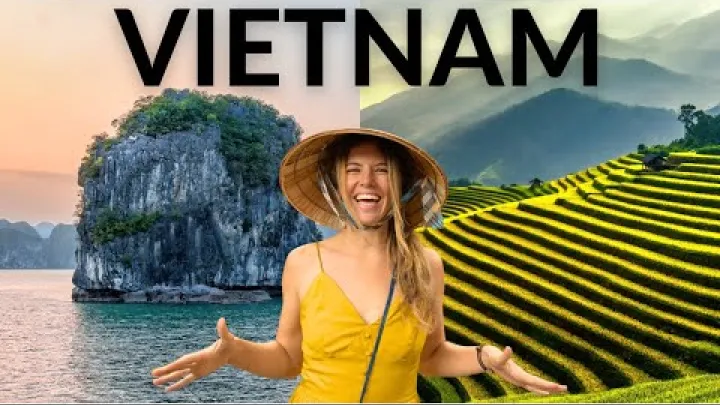
Many Vietnam holidays packages offered by tour operators include accommodation, domestic flights or train travel, airport transfers, selected meals and guided sightseeing in major cities. Such packages appeal to travellers who want logistics managed for them, including those taking holidays to Vietnam from the UK or other distant regions who may need to factor in long‑haul flight times and jet lag. At the same time, independent travellers can use package‑style routes as templates, booking their own hotels and transport while keeping a similar overall structure.
Typical classic routes include:
- 10 days: Hanoi (2–3 nights) – Ha Long Bay (1–2 nights on a boat) – Hoi An (3–4 nights) – Ho Chi Minh City (2–3 nights).
- 14 days: Hanoi – Sapa or Ninh Binh side trip – Ha Long Bay – Hue – Hoi An – Ho Chi Minh City – Mekong Delta overnight.
When these itineraries coincide with major public holidays, it is important to adjust internal travel days. For example, you may want to avoid taking overnight trains or key domestic flights on the peak days just before Tết or the Reunification–Labor Day break. Staying longer in one location over a holiday cluster and travelling between regions during quieter gaps can make classic Vietnam package holidays more comfortable and reliable.
Vietnam beach and island holidays for relaxation
For travellers who mainly want to relax, Vietnam beach and island holidays can either stand alone or form part of a broader cultural trip. Pure beach‑focused stays might involve flying directly into a gateway city such as Da Nang, Nha Trang or Phu Quoc and spending most of the time at a resort. Mixed trips often start with city sightseeing in Hanoi or Ho Chi Minh City and then end with several days by the sea.

Different beach regions offer distinct atmospheres. Da Nang and nearby Hoi An combine long sandy beaches with easy access to cultural heritage and good restaurant choices, making them popular with families and couples. Nha Trang has a more urban resort feel with a wide bay, water sports and nightlife. Mui Ne tends to attract kite‑surfers and independent travellers who enjoy smaller guesthouses, while Phu Quoc Island is known for a mix of large resorts and quieter bays, suitable for those seeking holidays to Phu Quoc Vietnam that focus on calm beaches and sunsets.
When planning, match your destination to the weather windows discussed earlier and consider how public holidays affect demand. For example, Phu Quoc can be very busy and more expensive around Tết and the dry‑season months, while central coast destinations fill with domestic tourists over the late April–early May break and summer school holidays. All‑inclusive or full‑board options exist at some large resorts, particularly in Nha Trang and Phu Quoc, appealing to visitors who prefer Vietnam holidays all inclusive with most meals and activities covered.
Conditions can vary from year to year due to regional weather patterns, so it is wise to remain flexible and check recent traveller reports. Nonetheless, with careful timing and awareness of peak local breaks, beach and island stays can provide a restful counterpoint to busier city days on your Vietnam holidays.
Vietnam and Cambodia holidays and two-centre trips
Many travellers choose to combine Vietnam and Cambodia holidays in one itinerary, taking advantage of short flights and overland connections between the two countries. Popular two‑centre or multi‑centre routes link key cities and heritage sites while balancing time between urban, river and temple experiences. For example, a trip might start in Ho Chi Minh City, continue by bus or boat to Phnom Penh, and then move on to Siem Reap for Angkor Wat before flying home.
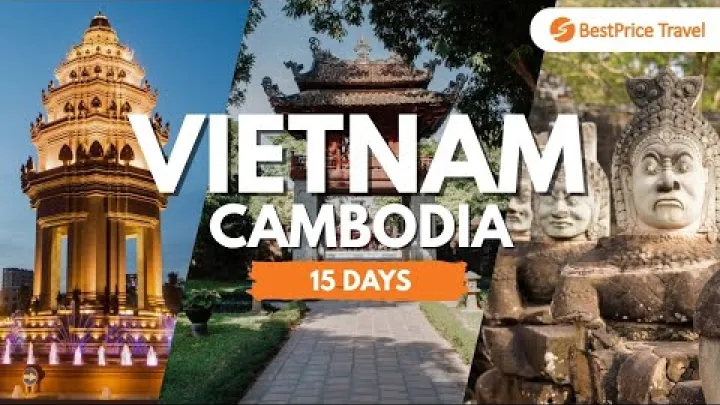
Transport links are relatively straightforward. International flights connect Hanoi and Ho Chi Minh City with both Phnom Penh and Siem Reap, while buses and river boats operate between southern Vietnam and Cambodia along the Mekong corridor. Many tour operators offer package holidays to Vietnam and Cambodia together, including budget‑friendly options that bundle hotels, transport and some guided tours. Independent travellers can also create their own combinations by booking one‑way flights and regional buses.
When planning such trips, consider how public holidays in each country may affect border crossings, visa offices and transport availability. For example, travelling between Ho Chi Minh City and Phnom Penh around Tết or major Khmer festivals can mean busier routes and limited seats. At a high level, , including whether visas are needed in advance or can be obtained on arrival, and any rules regarding land‑border crossings. Because regulations can change, it is wise to consult current official sources shortly before departure rather than relying on older advice.
Structuring time between the two countries often involves balancing Vietnam’s larger cities and diverse landscapes with Cambodia’s iconic Angkor complex and smaller urban centres. A sample 12–14 day route might allocate 7–9 days to Vietnam for cities and maybe a beach or Mekong visit, then 4–5 days in Cambodia focusing on Phnom Penh and Siem Reap. Aligning this plan with public holiday patterns can help you enjoy key sites with manageable crowds.
Active and adventure holidays including motorbike and cycling trips
Vietnam is well known for its scenic roads and varied terrain, which makes it attractive for active and adventure holidays. Motorbike holidays Vietnam‑wide range from day trips over the Hai Van Pass between Hue and Da Nang to multi‑day journeys in the northern mountains such as the Ha Giang Loop. Cycling Vietnam holidays are also popular, especially in relatively flat regions like the Mekong Delta or the countryside around Hoi An and Hue.

Travellers can choose between fully guided tours, self‑guided packages and independent rentals. Guided tours typically include bikes or motorbikes, safety gear, support vehicles in some cases, accommodation and local guides who know road conditions and safe routes. Self‑guided trips may provide equipment, pre‑planned routes and booked lodging but leave daily navigation to you. Independent travellers who rent motorbikes or bicycles on the spot have the most flexibility but also the most responsibility for safety and maintenance.
Safety is a crucial consideration. Vietnam’s traffic can be chaotic for those unfamiliar with local driving styles, and some mountainous roads are narrow, winding or affected by weather. Travellers should ensure they hold any required driving licence for motorbikes in Vietnam and that their travel insurance covers motorbike riding at the engine size they plan to use. Helmets are essential, and riding after dark or in heavy rain is not recommended, especially for inexperienced riders.
Public holidays also affect active trips. Roads are often much busier in the days before and after Tết and during long weekends, which can make motorbike travel more stressful and increase accident risk. On the other hand, some cycling routes through rural areas can be pleasant during local festivals, with village decorations and markets adding interest. Many travellers find that fitting a short adventure segment—such as a two‑day Hai Van Pass ride or a day of countryside cycling near Hoi An—into a longer cultural or beach itinerary offers a good balance of excitement and rest, without the risks of very long unsupported journeys.
Budget-friendly and cheap holidays to Vietnam
Vietnam has a reputation as a relatively affordable destination, and many visitors aim for cheap holidays to Vietnam without sacrificing comfort or safety. Actual daily costs vary depending on accommodation level, dining choices, transport style and activities. Budget travellers who use guesthouses, eat mostly at local eateries and rely on public buses or trains generally spend much less than those who choose four‑star hotels, frequent domestic flights and private tours. Mid‑range travellers often find they can enjoy comfortable rooms, good food and occasional splurges at prices lower than in many Western countries.
Several strategies help keep costs reasonable. Travelling in shoulder seasons outside the busiest holiday clusters often lowers hotel rates and may offer discounts on tours. Booking transport in advance for popular routes, especially around public holidays, can avoid last‑minute price spikes. Using city buses, shared taxis or ride‑hailing apps within urban areas is usually cheaper than relying solely on private cars. Eating where locals eat—small restaurants and street‑food stalls—provides both savings and authentic flavours, as long as you choose busy places with high turnover and good hygiene practices.
For those considering Vietnam holidays packages, value can be found by comparing inclusions rather than simply chasing the lowest sticker price. A package that includes central hotels, internal flights and several guided tours might cost more up front but reduce unexpected expenses, particularly for first‑time visitors. Long‑distance travellers planning holidays to Vietnam from the UK or other far‑away regions can also save money by watching for flight sales, being flexible with departure dates and possibly flying into one city and out of another to avoid backtracking.
While it is difficult to quote precise budgets that remain accurate over time, travellers who stay flexible, pay attention to public holiday calendars and choose mid‑range options for most services generally find Vietnam an excellent value destination. Thoughtful planning allows you to enjoy a broad range of experiences even on a modest budget.
Practical tips for travelling during Vietnam holidays
Travelling during Vietnam’s public holidays and festival periods can be highly rewarding but also requires extra preparation. Knowing what typically stays open, how transport systems respond to demand surges and how to behave respectfully at celebrations can make your trip smoother. These practical tips apply both to major holidays like Tết and to shorter commemorative days and festivals.
By planning ahead for money matters, bookings and cultural etiquette, you can benefit from the vibrant atmosphere of Vietnam holidays while minimising common challenges such as closed banks, sold‑out buses or misunderstandings at spiritual sites.
What stays open and what closes on major holidays
On big holidays such as Tết, many parts of public life slow down or pause, but not everything closes. Government offices, banks, schools and many small family‑run shops normally shut for several days during the core Tết period. Traditional markets may open for shorter hours or close entirely on specific days. In smaller towns and rural areas, closures can be more extensive, as owners focus on family gatherings and temple visits.
In contrast, large hotels, many tourist‑oriented restaurants and essential services in major cities usually remain open, even during Tết. International chain hotels and larger independent properties continue to serve guests, and many arrange special holiday meals or events. Supermarkets in big cities may operate with reduced hours rather than closing completely. On shorter holidays such as Reunification Day, Labor Day, National Day and Hung Kings Commemoration Day, a significant number of private businesses, cafés and shops stay open, although some choose to give staff time off, especially outside tourist districts.
Travellers should avoid absolute assumptions and instead plan based on typical patterns. It is wise to complete essential tasks—such as currency exchange at banks, SIM card purchases, or obtaining train tickets—several days before major holidays begin. During Tết, carry some extra cash in case ATMs are busier or briefly out of service in certain locations. For less affected holidays, you may simply need to check opening hours in advance or shift sightseeing to attractions that are known to operate year‑round.
Transport, prices and bookings around Tết and long weekends
Transport systems in Vietnam experience significant pressure around Tết and long public holiday weekends. In the weeks leading up to Lunar New Year, demand for flights, trains and intercity buses rises steeply as people return to their hometowns. Return travel after the holidays brings another surge. Tickets on major routes, especially those linking big cities and provincial towns, can sell out well in advance, and prices often increase compared with normal periods. Similar, though usually less intense, patterns appear around the Reunification–Labor Day long weekend and National Day if it creates a multi‑day break.
To manage this, travellers should book key transport early when planning Vietnam holidays near these dates. On popular domestic flight routes, securing seats one to three months ahead is often advisable at holiday peaks, although exact lead times vary by route and demand. Train tickets for overnight services and high‑speed seats can also require advance purchase, particularly for north–south journeys. Bus travel becomes heavily used, and stations may be crowded, so buying bus tickets through reputable agents or online platforms ahead of time can reduce stress.
Prices for accommodation likewise tend to rise in popular destinations, with stricter booking and cancellation policies. Many hotels require non‑refundable deposits or full prepayment for Tết stays and long weekends. Travellers should read conditions carefully and consider travel insurance that covers disruptions. Backup strategies include planning less fixed routes, staying flexible about travel days within a wider window, or choosing alternative destinations that are less popular with domestic tourists during a given holiday.
In case of disrupted plans, options may include shifting to private transfers, such as hiring a car with driver for regional journeys, or adjusting the order of your itinerary to travel on quieter days. Being willing to travel early in the morning or late at night can sometimes open up additional ticket options, although this must be balanced with safety and comfort considerations.
Cultural etiquette and respectful behaviour during Vietnamese festivals
Respectful behaviour during Vietnam holidays and festivals not only shows consideration for local communities but also deepens your understanding of the culture. Many major celebrations involve religious or spiritual elements, family rituals and community gatherings where visitors are guests rather than primary participants. Simple etiquette can make a big difference to how your presence is perceived.
At temples and pagodas, dress modestly by covering shoulders and knees, remove hats and sunglasses, and speak quietly. In some places, you will be asked to remove your shoes before entering inner halls; follow local examples or posted signs. Do not touch statues or sacred objects unless explicitly invited to do so, and avoid pointing your feet at altars when sitting. If you wish to make an offering, such as incense or flowers, observe how locals proceed and follow their lead.
In public celebrations, such as parades, lantern festivals or street dances, give performers space to move and avoid blocking processions for photographs. When you see families celebrating in front of homes, it is polite to smile and greet them but not to enter private property unless invited. For photography, always be especially careful around children, religious rituals and any scene that appears personal or emotional. Asking permission with a simple gesture or phrase often leads to friendlier interactions.
Other aspects of etiquette include moderate alcohol use, especially in public spaces, and care with noise late at night in residential areas. During holidays, litter can become a problem at crowded sites; carrying rubbish until you find a bin helps keep communal areas pleasant. In markets and shops, bargaining is expected in some settings but should be done calmly and with respect; accepting a price once agreed is important. By following these guidelines, you can enjoy Vietnam’s festivals and holidays in a way that honours local customs and enhances your overall travel experience.
Frequently Asked Questions
When is the best time of year to visit Vietnam for a holiday?
The best time to visit Vietnam is generally from November to April, when many regions are drier and temperatures are more comfortable. Northern Vietnam is ideal from October to April, while central coastal areas are often best from February to August. Southern Vietnam has its dry season from roughly November to April, which suits beach and island trips. You can still visit in the rainy months, but you should expect short heavy showers and possible storms in some areas.
Is it a good idea to travel to Vietnam during Tết (Lunar New Year)?
Travelling during Tết can be a memorable cultural experience, but it requires more planning. Before Tết, transport is crowded and prices are higher, and on the core Tết days many local shops and services close. Major tourist hotels and some restaurants usually stay open, especially in big cities and popular resorts. Tết is ideal if you want to see family traditions and festive decorations, but less ideal if you want full shopping and dining options.
What are the main public holidays in Vietnam that affect travel plans?
The main public holidays that strongly affect travel are Tết (Lunar New Year), Reunification Day on 30 April, International Labor Day on 1 May and National Day on 2 September. Hung Kings Commemoration Day in the third lunar month also creates a day off nationwide. These holidays often create long weekends or week‑long breaks, when domestic travel peaks and transport and hotels become busier and more expensive. Planning around these dates can make your trip smoother.
How many public holidays does Vietnam have each year?
Vietnam currently has around 11 official public holiday days each year, not counting weekends. These include New Year’s Day, several days for Tết, Reunification Day, International Labor Day, National Day and Hung Kings Commemoration Day. In practice, long weekends and compensation days can make the actual break longer for many workers. Exact arrangements are announced by the government each year.
When are Vietnam’s public holidays in 2025 expected to fall?
Vietnam’s 2025 public holidays will follow the usual pattern, with New Year’s Day on 1 January, Tết in late January or February based on the lunar calendar, Reunification Day on 30 April, Labor Day on 1 May and National Day on 2 September. Hung Kings Commemoration Day will fall on the 10th day of the third lunar month, which converts to a specific solar date each year. Because lunar dates move, you should always confirm exact 2025 dates on official government announcements or reliable news sources before booking.
Are shops and restaurants closed in Vietnam on public holidays?
Many local shops, offices and small family restaurants close on major public holidays, especially during the core days of Tết. However, in large cities and tourist destinations, hotels, many tourist‑oriented restaurants and some supermarkets stay open. On shorter holidays like Reunification Day and National Day, many businesses remain open but may have reduced hours. It is wise to book key services in advance and avoid relying on small local shops on the main holiday days.
What is the difference between Tết and the Mid-Autumn Festival in Vietnam?
Tết is the Lunar New Year and Vietnam’s most important holiday, focused on family reunion, ancestor worship and starting the year with good fortune. It usually falls in late January or February and lasts for several days to a week or more. The Mid‑Autumn Festival takes place on the 15th day of the eighth lunar month, usually in September or October, and is centred on children, lanterns and mooncakes. While Tết reshapes the whole economy for a short time, Mid‑Autumn is more of an evening family celebration without major closures.
Can I find cheap package holidays to Vietnam and Cambodia together?
You can find many budget‑friendly package holidays that combine Vietnam and Cambodia in one trip. These often link cities like Ho Chi Minh City with Phnom Penh and Siem Reap, or Hanoi with Angkor Wat, using buses or short flights. Travelling in shoulder or low seasons and choosing mid‑range hotels can reduce prices further. Comparing offers from several regional tour operators and booking early usually gives better value.
Conclusion and next planning steps for your Vietnam holiday
By matching this knowledge with regional climate patterns and the type of trip you want—whether cultural touring, beach relaxation, active adventures or multi‑country holidays—you can select dates that align with your priorities. Checking updated public holiday schedules for your travel year and planning key bookings in advance will support smoother, more enjoyable Vietnam holidays, whatever style you choose.
ਖੇਤਰ ਚੁਣੋ
ਇੱਕ ਪੋਸਟ ਬਣਾਓ
ਪੋਸਟਿੰਗ ਮੁਫ਼ਤ ਹੈ ਅਤੇ ਕੋਈ ਰਜਿਸਟ੍ਰੇਸ਼ਨ ਦੀ ਲੋੜ ਨਹੀਂ ਹੈ।