ਵਾਇਤਨਾਮ ਦੇ ਸ਼ਹਿਰ: ਮੁੱਖ, ਸਭ ਤੋਂ ਵੱਡੇ ਅਤੇ ਯਾਤਰਾ ਲਈ ਸਰਵੋਤਮ ਸ਼ਹਿਰ

Vietnam cities shape almost every trip, study plan or relocation decision in the country. From the huge energy of Ho Chi Minh City to the historic streets of Hanoi and the beaches of Da Nang and Nha Trang, your choice of cities will strongly influence your everyday experience. This guide introduces the largest cities in Vietnam by population, explains which cities are considered major, and highlights the best cities to visit for culture, beaches and nature. It is written for international travelers, students and remote workers who may be planning their first stay in Vietnam. Use it as a starting point to build an itinerary that matches your time, budget and interests.
Introduction to Vietnam Cities for International Travelers

Why understanding Vietnam’s cities matters for your trip
Most routes through Vietnam are built around a chain of cities. Whether you are visiting for two weeks, moving for a semester of study, or working remotely for several months, you will most likely spend most of your time in or near urban areas. Cities in Vietnam are not only transport hubs; they are also places where you find accommodation, coworking spaces, universities, hospitals and international services. Understanding how these cities differ in size, climate, cost and lifestyle can save you time and help you avoid last‑minute changes.
This article focuses on three main ideas that matter in practice: which are the largest cities in Vietnam, which cities are major economic and political centers, and which are the best cities to visit for different kinds of trips. These questions affect how much travel time you need between destinations, how you balance big‑city life with smaller heritage or nature stops, and how your budget will stretch. By learning the basic structure of Vietnam’s urban system before you arrive, you can design a route that feels realistic rather than rushed, and choose cities that fit your goals instead of following random lists.
What you will learn about cities in Vietnam
This guide is organized to give you both a big picture and practical details about Vietnam cities. It connects names of cities in Vietnam that you see on maps with clear explanations of why they matter and what they offer. The content is designed so you can either read everything from start to finish or jump to the sections most relevant to your trip, study plan or relocation.
Below is a short overview of what you will learn:
- How cities in Vietnam are organized, from megacities to smaller regional hubs and tourist towns.
- A list of major and largest cities in Vietnam by population, with a simple table and regional notes.
- Which are the best cities to visit in Vietnam for first‑time travelers, and how they differ by culture, beaches and nature access.
- How Vietnam cities fit into three main regions (north, central, south), and how to think about a simple Vietnam cities map in text form.
- Climate patterns and the best time to visit different groups of cities, including typical dry and rainy seasons.
- Suggestions for itineraries by trip length and tips on moving between major cities by flight, train and bus.
Each of these points corresponds to a later section heading, so you can quickly scroll to topics like “Largest Cities in Vietnam by Population” or “Best Cities to Visit in Vietnam” when you need them. The goal is to give you enough structure to plan with confidence, without overwhelming you with local details that only matter once you have chosen your main cities.
Overview of Cities in Vietnam
Before looking at specific destinations, it helps to understand how Vietnam’s cities are organized. The country stretches in a long S‑shape from north to south, and its urban system reflects this geography. Most international visitors enter through one of two huge metropolitan areas, then travel along a north–south corridor that passes through a series of medium‑sized cities and smaller heritage or beach towns. At the same time, millions of Vietnamese people move between these cities for work and study, creating strong transport links and clear regional roles.
For travelers and long‑term visitors, the most useful distinction is between centrally controlled municipalities, provincial capitals and smaller tourist towns. Centrally controlled municipalities include Hanoi and Ho Chi Minh City, which function like city‑provinces with high levels of government attention and investment. Provincial capitals such as Da Nang, Haiphong, Can Tho or Nha Trang are smaller but still act as key centers for administration, industry and education in their regions. Then there are famous tourist cities in Vietnam like Hoi An, Da Lat or Sapa. These may be physically small, but they attract many visitors because of their historical cores, cool climate or mountain landscapes.
How Vietnam’s cities are organized
In simple terms, Vietnam has a hierarchy of cities. At the top are two megacities: Ho Chi Minh City in the south and Hanoi in the north. Each has many millions of residents in the wider metropolitan area and dominates its region in terms of jobs, universities, international airports and cultural life. These two cities are also the main gateways for international flights, and they serve as starting points for most routes. For anyone planning to study, work or live long‑term in Vietnam, one of these megacities is usually the first base.
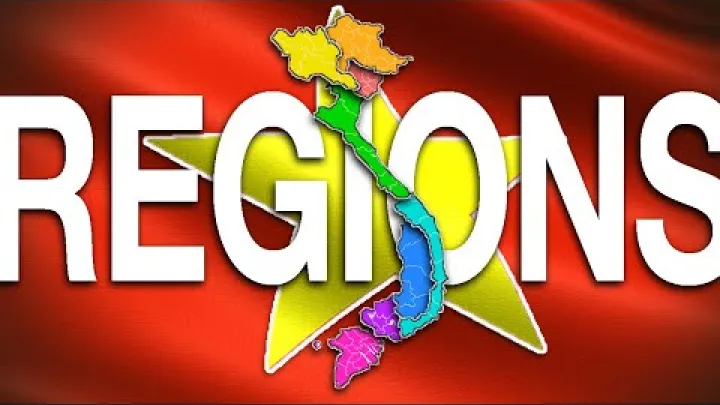
Below the megacities are second‑tier cities and regional hubs. These include Da Nang on the central coast, Haiphong near the Gulf of Tonkin, Can Tho in the Mekong Delta and Bien Hoa in the industrial belt near Ho Chi Minh City. They are big enough to have airports, universities, major hospitals and strong local economies, but they feel more manageable than the two giants. Many domestic flights link these hubs with Hanoi and Ho Chi Minh City, and they often act as springboards to smaller tourist areas nearby, such as Hoi An and Hue from Da Nang, or floating markets from Can Tho.
Further down the hierarchy are provincial capitals and famous tourist towns such as Hue, Nha Trang, Quy Nhon, Dalat, Ninh Binh, Ha Long, Sapa and Ha Giang. Some of these are official cities, others are smaller towns, but from a visitor’s perspective the key point is their function: they are gateways to history, beaches or nature rather than major business centers. Government ministries, big corporate headquarters and stock exchanges are concentrated in Hanoi and Ho Chi Minh City, while large seaports and logistics facilities are in cities like Haiphong and Da Nang. Understanding this pattern helps you see why certain routes are common: people move between these major hubs for work and trade, and travelers follow the same lines for convenience.
Quick list of major cities in Vietnam
When you look at a Vietnam map with cities marked, many names appear, but only some come up again and again in travel plans and study‑abroad programs. The list below groups key cities loosely by role and region so you can recognize them quickly when reading itineraries or looking at bus and flight options. Almost all of them are discussed later in more detail.
Here is a quick list of important Vietnam cities:
- Northern Vietnam
- Hanoi – capital city and major political, cultural and educational center.
- Haiphong – large port and industrial city near the coast.
- Ha Long – coastal city and access point to Ha Long Bay.
- Ninh Binh – small city and base for limestone landscapes and rural scenery.
- Sapa – mountain town known for rice terraces and trekking.
- Ha Giang – town and starting point for mountain road trips in the far north.
- Central Vietnam
- Da Nang – central regional hub with an airport, beaches and growing tech sector.
- Hue – former imperial capital with historic sites and riverside neighborhoods.
- Hoi An – small heritage city with preserved old town and nearby beaches.
- Nha Trang – coastal city with urban beaches and nearby islands.
- Quy Nhon – quieter coastal city with long beaches and a relaxed feel.
- Southern Vietnam
- Ho Chi Minh City – the largest city in Vietnam and main economic center.
- Bien Hoa – industrial city in the southern economic zone.
- Can Tho – largest city in the Mekong Delta and base for river life.
- Da Lat – highland city with cool climate and pine forests.
- Duong Dong (Phu Quoc) – main town on Phu Quoc Island and beach resort area.
These names of cities in Vietnam appear in most guidebooks, blog posts and study‑abroad brochures because they cover the main economic hubs and the key tourist cities in Vietnam. As you plan, you will likely choose a small number of these as your main stops, then add nearby towns or day trips if time allows.
Largest Cities in Vietnam by Population
Many people search for the largest cities in Vietnam by population to understand where most activity is concentrated. While exact numbers change over time, a simple ranking helps you see which cities function as major urban centers. Population size alone does not tell you everything about a city, but it does suggest the scale of services, traffic, job opportunities and infrastructure you can expect.
The list below uses rounded figures to keep the information useful over several years. It combines city‑proper and wider metropolitan estimates in a basic way, focusing on approximate ranges rather than precise counts. The goal is not to provide official statistics, but to help you compare the relative size of major cities in Vietnam, and to see how they are spread between the north, center and south of the country.
Top 10 largest cities in Vietnam with approximate population
The following table lists the top 10 largest cities in Vietnam by population, with approximate ranges and their main regional role. Numbers are kept broad (for example “around 9–10 million”) because different sources use slightly different boundaries and methods. Even with this simplification, the table clearly shows which cities dominate Vietnam’s urban landscape.
Use this table as a quick reference when thinking about transport routes and where you might want big‑city services versus a smaller‑city atmosphere. There is at least one significant city from each main region, so you can also see how urban centers are distributed from north to south.
| City | Approximate population range* | Region | Main role |
|---|---|---|---|
| Ho Chi Minh City | around 9–10 million | Southern Vietnam | Largest city, main economic and commercial hub |
| Hanoi | around 5–8 million | Northern Vietnam | Capital, political and cultural center |
| Haiphong | around 1–2 million | Northern Vietnam | Major port and industrial city |
| Can Tho | around 1–2 million | Mekong Delta (South) | Regional hub for the Mekong Delta |
| Da Nang | around 1–1.5 million | Central Vietnam | Central regional hub, port and beach city |
| Bien Hoa | around 1 million | Southern Vietnam | Industrial and residential city near Ho Chi Minh City |
| Nha Trang | around 400,000–600,000 | Central Vietnam | Coastal city and beach resort center |
| Hue | around 300,000–500,000 | Central Vietnam | Historic city and former imperial capital |
| Da Lat | around 300,000–500,000 | Central Highlands (South) | Highland city and cool‑climate retreat |
| Ha Long | around 200,000–300,000 | Northern Vietnam | Coastal city and gateway to Ha Long Bay |
*Population figures are rough estimates and rounded for clarity. They are intended to show relative size, not exact counts.
From this table you can see how Ho Chi Minh City and Hanoi stand apart as very large cities, while Haiphong, Can Tho, Da Nang and Bien Hoa form a second tier of sizable regional hubs. Places like Nha Trang, Hue, Da Lat and Ha Long are much smaller but still significant in their regions, especially for tourism. When planning where to stay, you might choose a smaller city for a quieter environment, then visit one of the megacities for specific services, flights or cultural events.
What makes a city major in Vietnam
Population is only one way to describe a city. In Vietnam, a “major” city is usually defined by a mix of factors: size, economic output, political importance, transport links and international connections. For example, Ho Chi Minh City is not just the largest city in Vietnam; it also hosts a large share of the country’s trade, finance, manufacturing and services, and has the busiest international airport. Hanoi, while slightly smaller, is the capital where national government institutions, embassies and many important universities are located.
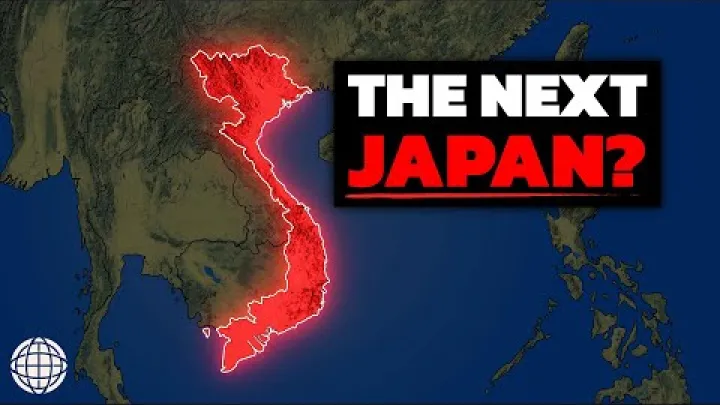
Regional hubs such as Da Nang, Can Tho and Haiphong are considered major cities in Vietnam because they concentrate services for a wider surrounding area. Da Nang is the main urban center of central Vietnam, with an international airport, seaport, beaches and growing technology sector. It links visitors to nearby heritage cities like Hoi An and Hue. Can Tho plays a similar role in the Mekong Delta, acting as a center for river trade, education and governance. Haiphong is a major port and industrial base in the north, supporting shipping and manufacturing.
Tourism, education and global connections also raise a city’s importance. Nha Trang and Phu Quoc’s Duong Dong are not very large compared to Ho Chi Minh City or Hanoi, but they are widely known as some of the best cities to visit in Vietnam for beach holidays. Hue is a medium‑sized city, yet its imperial citadel and royal tombs give it outsized cultural significance. Cities with major universities, such as Hanoi, Ho Chi Minh City and Hue, attract students from across the country and sometimes from abroad, giving them a youthful atmosphere and international presence.
For planning your own stay, these distinctions matter. If you need a wide range of jobs, international schools, specialized medical care or frequent international flights, you will likely focus on the two megacities or the larger regional hubs. If your priority is a more relaxed lifestyle with access to mountains or beaches, a smaller city or tourist town may be a better choice, even if it is not among the largest cities in Vietnam by population. Understanding what makes a city “major” helps you match your expectations with what each place can realistically offer.
Major Cities in Vietnam and Their Roles
Each major city in Vietnam has a specific role shaped by history, geography and economic development. Some are national centers that influence the whole country, while others are key within a single region. When choosing where to go, it is helpful to think not just about size or famous sights, but also about each city’s daily rhythm, job market and connections to surrounding areas. This is especially important for students and remote workers who might spend weeks or months in one place.
The following subsections introduce Ho Chi Minh City and Hanoi, then look at several important regional hubs. Together they form the backbone of most travel and business routes. By understanding how they complement each other, you can design a trip that combines modern urban life, historic districts, coastal areas and river landscapes without unnecessary backtracking.
Ho Chi Minh City – Vietnam’s economic powerhouse
It sits in the south near the Mekong Delta and has grown into a vast metropolitan area with dense districts, high‑rise offices and sprawling suburbs. Many of Vietnam’s banks, multinational companies and manufacturing firms base their operations here, and the city handles a large share of national trade through its ports and logistics networks. For business travelers and professionals, Ho Chi Minh City is usually the first point of contact with Vietnam’s economy.

The city’s inner core, especially District 1 and parts of District 3, concentrates office towers, government buildings, major shopping centers and cultural institutions. This is where you find the central business district, consulates, and many international hotels. Several universities and colleges are spread across the city, attracting students from all over the country. A growing startup scene and many coworking spaces make Ho Chi Minh City attractive for remote workers and entrepreneurs who want a dynamic environment.
For visitors, key areas include the streets around Ben Thanh Market, the Nguyen Hue walking street, and the museum district. Sites such as the War Remnants Museum, Independence Palace and Notre‑Dame Cathedral Basilica offer introductions to modern Vietnamese history. Popular day trips from the city include visits to the Cu Chi tunnels and boat tours on nearby branches of the Mekong River.
Living or staying in Ho Chi Minh City also means dealing with heavy traffic, rapid urban development and humid tropical weather. The city’s scale can feel intense, especially in the central districts during rush hour. However, it also offers the widest choice of housing, international restaurants, medical facilities and nightlife in the country. For many long‑term visitors, these practical advantages outweigh the challenges, making Ho Chi Minh City one of the best cities in Vietnam to stay if you value variety and economic opportunities.
Hanoi – capital and cultural center of Vietnam
Hanoi is the capital of Vietnam and one of the country’s largest cities by population. Located in the north, it has served as a political center for many centuries and today hosts the national parliament, ministries and foreign embassies. While it is also an important economic and educational hub, Hanoi feels different from Ho Chi Minh City. Its pace is slightly slower in many neighborhoods, and its urban fabric combines tree‑lined boulevards, lakes and narrow alleys with French‑era architecture and older temples.

As a cultural center, Hanoi stands out for its historic core and long‑established institutions. The Old Quarter, near Hoan Kiem Lake, is a dense area of small streets packed with shops, houses, markets and food stalls. Beyond this, you find the Temple of Literature, the Ho Chi Minh Mausoleum complex, several major museums and numerous pagodas and churches. Together they give a detailed picture of Vietnamese history from ancient times through colonial periods and modern struggles for independence. Many festivals, art events and live music performances take place throughout the year, supported by universities and cultural organizations.
From the capital, it is relatively easy to organize trips to Ha Long Bay, with its limestone islands, or to Ninh Binh, sometimes called “Ha Long Bay on land” because of its river and karst scenery. Further afield, Hanoi is the main starting point for journeys to mountain towns such as Sapa and Ha Giang, known for rice terraces, ethnic minority villages and high‑altitude roads. Many visitors base themselves in Hanoi for several days to explore the city and then take short trips or overnight tours to these surrounding regions.
For students and remote workers, Hanoi offers a wide range of universities, coworking spaces and cafes, as well as a cooler climate than the south, especially in winter. It can be humid and hot in summer, but the presence of lakes and green spaces softens the urban environment. While the city has traffic and air quality challenges like all large urban areas, it remains one of the most interesting cities in Vietnam for those who want to engage with the country’s history, language and traditional culture in depth.
Other important regional hubs across Vietnam
Beyond Hanoi and Ho Chi Minh City, several regional hubs play vital roles in Vietnam’s economy and travel network. Each offers a different mix of industry, services and tourism, and each can act as a practical base for exploring its region. Understanding their individual profiles helps you choose where to spend more time or where to simply transit through.

Da Nang is the largest city in central Vietnam and sits roughly halfway between Hanoi and Ho Chi Minh City. It has a major seaport, an international airport and long city beaches along the East Sea. In recent years it has developed modern bridges, seaside promenades and residential districts that appeal to both locals and foreigners. For travelers, Da Nang’s main advantage is its location: it lies close to Hoi An, a UNESCO‑listed heritage town, and Hue, the former imperial capital. Many people use Da Nang as a transport and accommodation base while taking day trips or short stays in these nearby cities.
Haiphong is a key port and industrial city in northern Vietnam, located not far from Hanoi. While it receives fewer international tourists than Hanoi or Ha Long, it is important for shipping, manufacturing and logistics. Its port handles a large share of Vietnam’s cargo, and industrial zones around the city host factories and warehouses. For some business travelers and professionals, Haiphong is more relevant than more tourist‑oriented destinations, and it also provides access to nearby islands and coastal areas.
Can Tho is the largest city in the Mekong Delta in southern Vietnam. Built along the Hau River, it serves as a central point for trade, education and healthcare in the delta region. Travelers come to Can Tho to experience river life and floating markets, especially in the early morning when boats gather to trade goods. The city itself has riverside promenades, temples and markets, and it is a convenient base for exploring rural canals and agricultural areas by boat.
Bien Hoa lies close to Ho Chi Minh City and is part of the wider southern economic zone. It is less known to international tourists but significant for manufacturing, logistics and residential growth. Many industrial parks around Bien Hoa employ workers from across Vietnam, and some foreign companies choose this area for factories or warehouses. For long‑term expats working in industry, Bien Hoa and surrounding districts can be relevant living or commuting areas, even if they are not typical tourist cities in Vietnam.
Best Cities to Visit in Vietnam
When people search for the best cities to visit in Vietnam, they often have different goals: some want culture and history, others are focused on beaches, and others are looking for mountain scenery or cooler weather. Vietnam’s geography makes it possible to combine several of these interests in a single route, as long as you choose cities that connect easily. The following subsections outline recommended cities for first‑time visitors and then group coastal and mountain destinations by theme.
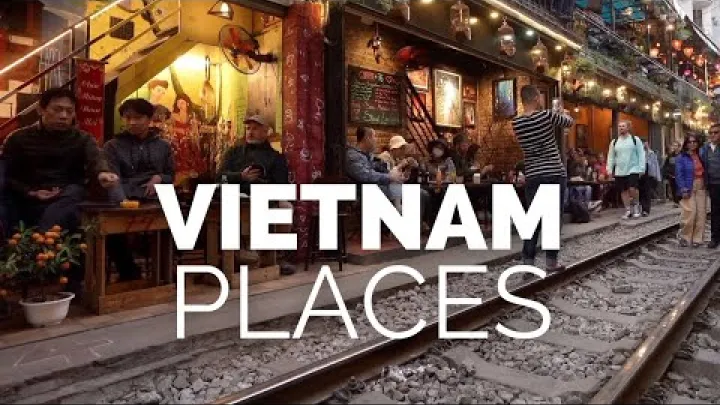
These suggestions are not the only possible choices, but they represent the cities most travelers include when visiting Vietnam for the first time. They are also good options for students or remote workers who have limited time and want a balanced picture of the country. You can adapt them to your budget by choosing different types of accommodation and adjusting how long you stay in each place.
Best cities in Vietnam for first-time visitors
For a first trip, it is helpful to focus on a core group of cities that are well‑connected and offer a mix of experiences. Together they cover the two main megacities plus a section of the central coast known for historic sites and beaches. These cities are linked by frequent flights and, in the case of the central section, by rail and highway.

Hanoi is ideal if you want to experience Vietnam’s political and historical heart, with its Old Quarter, temples and museums. Ho Chi Minh City shows the country’s main economic engine and offers intense urban life, markets and a wide food scene. Da Nang provides beaches and modern coastal infrastructure, while nearby Hoi An offers a compact, well‑preserved old town with lantern‑lit streets. Hue adds imperial history through its citadel, royal tombs and river setting. Together, these cities make one of the best introductions to Vietnam cities to visit on a short or medium‑length trip.
As a rough guideline, many travelers spend:
- 2–4 days in Hanoi, including time for a day trip or overnight tour to Ha Long Bay or Ninh Binh.
- 2–4 days in Ho Chi Minh City, with an optional day trip to the Cu Chi tunnels or the Mekong Delta.
- 2–3 days in Da Nang and Hoi An combined, depending on how much time you want at the beach versus in the old town.
- 1–2 days in Hue to see the main historical sites and enjoy the riverside atmosphere.
For a 10–14 day trip, this distribution gives a balanced overview of urban life, historic neighborhoods and coastal areas without spreading your time too thin. You can extend your stay in any of these cities if you find they suit your interests, or use them as bases to explore surrounding countryside and smaller towns.
Coastal and beach cities in Vietnam
Vietnam has a long coastline with many beaches, but not all of them are attached to sizeable cities. For travelers who prefer city‑style conveniences alongside the sea, a few coastal and beach cities stand out: Da Nang, Nha Trang, Quy Nhon and Duong Dong on Phu Quoc Island. These places combine urban services such as hospitals, supermarkets and nightlife with easy access to the water, making them some of the best cities to stay in Vietnam for beach‑focused vacations.

Da Nang offers long, sandy city beaches like My Khe, with hotels, cafes and restaurants facing the sea. It has a modern feel and is well connected by air and road, making it a practical choice for remote workers who want both an urban base and daily access to the beach. Nha Trang is perhaps the most classic beach city in Vietnam, with a curved bay, offshore islands and a strong resort industry. It feels more developed than many other coastal cities, with a busy nightlife strip, water sports and island tours.
Quy Nhon is a quieter coastal city that has grown in popularity but still feels less crowded than Nha Trang. It features long beaches and nearby bays, and it tends to attract travelers who want a more relaxed, local atmosphere. While it has fewer international flights, it is reachable by domestic flights, trains and buses along the central coast.
Duong Dong is the main town on Phu Quoc Island in southern Vietnam. It serves as a hub for markets, local restaurants and some hotels, while many larger resorts are spread along nearby beaches such as Long Beach or further around the island. Phu Quoc combines city elements with more typical island landscapes, including palm‑fringed beaches and forested areas. It can be one of the best cities to visit in Vietnam if your main interest is a beach and island environment with relatively easy access from Ho Chi Minh City by short flight.
When choosing between these coastal destinations, consider the season and sea conditions. In central Vietnam, Da Nang, Nha Trang and Quy Nhon typically have a dry season with calm seas and a rainy season with larger waves and the possibility of storms. In some months, heavy rain or rough seas can limit swimming, boat trips and island tours. Phu Quoc, in the south, has a more tropical pattern with a distinct rainy season when showers can be frequent, though often short. Checking typical seasonal patterns and recent forecasts will help you decide the best time to visit these beach cities.
Mountain and nature gateway cities
For travelers who value mountains, cool air and rural landscapes, several smaller cities and towns act as gateways to nature. In the north, Sapa and Ha Giang are known for their highland scenery, while further south, Da Lat offers a cooler climate and pine forests. Ninh Binh, though lowland, serves as a base for boat rides among karst cliffs and rice fields, often described as a “nature” experience similar in feel to marine areas like Ha Long Bay.

It sits at high altitude and overlooks valleys filled with rice terraces and villages inhabited by various ethnic minority groups. Activities here include trekking, homestays in villages and visiting local markets. Ha Giang is further north and is famous as the starting point for scenic motorbike and car routes through dramatic mountain landscapes. Its town itself is small but provides accommodation and services for those heading into the hills.
Da Lat, in the Central Highlands, is another popular mountain city. It was developed as a hill station in earlier times and still attracts visitors with its cooler temperatures, lakes, surrounding farms and pine‑covered hills. The city has markets, cafes, universities and a mix of older villas and newer buildings. Many domestic tourists come here to escape the heat of the lowlands, and some remote workers choose Da Lat for its calm environment and more moderate climate compared to coastal cities.
Ninh Binh is a small city south of Hanoi that serves as a gateway to areas such as Tam Coc and Trang An, where rivers wind between limestone cliffs and rice paddies. Visitors usually stay in Ninh Binh city or in nearby rural homestays, then take boat trips and bicycle rides among the karst formations. Although not a mountain city, it is one of the best cities in Vietnam to travel to if you want quick access to dramatic landscapes without going far from the capital.
These nature gateway cities fit into itineraries as short breaks between time in larger urban centers. For example, a traveler might spend a few days in Hanoi, then go to Sapa or Ninh Binh; or stay in Ho Chi Minh City and then fly or bus to Da Lat. Transport typically involves a mix of trains, buses and tourist vans, and journey times can range from a few hours to most of a day. Planning at least two nights in each of these places is recommended so you have one full day to explore the surrounding nature without rushing.
Vietnam Cities Map and Regions
Looking at a Vietnam cities map, you can see that most major cities line up along the long north–south shape of the country, with clusters around river deltas and along the coast. For planning, it is practical to think in three broad regions: northern, central and southern Vietnam. Each region has its own climate patterns, cultural features and typical travel routes.
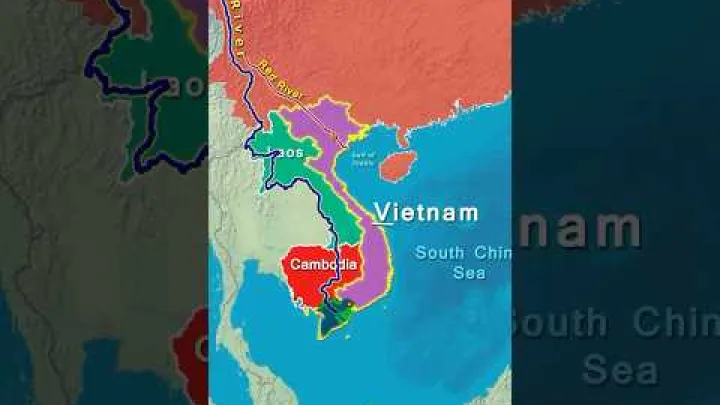
In this section, you will find a text‑based way to imagine a Vietnam map with cities, grouped by region. This can be useful if you are reading on a small screen or do not have a map open while planning. The idea is to help you see simple chains of cities that can be combined into routes, rather than memorize all names of cities in Vietnam at once.
Northern Vietnam cities and what they are known for
Northern Vietnam is anchored by Hanoi, with a cluster of other cities and towns forming a ring of destinations around it. This region is known for its cooler winters, warm and humid summers, and strong historical identity. Many of the country’s earliest capitals and cultural centers were located in the north, and today you find a dense concentration of temples, pagodas and traditional villages close to modern urban areas.

Hanoi is the core city and main base for exploring the north. To the northeast lies Haiphong, a major port that supports industry and trade. Nearby is Ha Long, the city that gives access to Ha Long Bay, where cruises and boat tours weave between limestone islands. South of Hanoi you reach Ninh Binh, which, though small, is widely known for its rivers and karst cliffs. Further into the highlands are towns like Sapa and Ha Giang, which act as gateways to mountains, rice terraces and remote valleys.
Typical travel routes in the north start and end in Hanoi. A common loop might be Hanoi – Ha Long – Ninh Binh – back to Hanoi, focusing on bays and lowland scenery. Another route from Hanoi is to go by overnight bus or train to Sapa, spend a few days trekking, and then return to the capital. For those with more time and a taste for adventure, the Ha Giang area offers multi‑day road trips through some of Vietnam’s most dramatic mountain landscapes. While the north is one region, each of these cities offers a different combination of urban life, history and nature, so your choice depends on whether you prefer cultural sites near the city or multi‑day outdoor journeys.
Central Vietnam cities along the coast and heritage corridor
Central Vietnam forms a coastal belt that many travelers follow as they move between the north and the south. The main cities here are Da Nang, Hue, Hoi An, Nha Trang and, slightly further south, Quy Nhon. This region is known for its mix of beaches, historic sites and relatively easy connections by road, rail and air. When people imagine a Vietnam cities map with a north–south line, they usually picture a sequence of trains or buses passing through this central corridor.

Da Nang sits at the center of this belt and acts as a modern hub with an international airport and large port. Just to the south is Hoi An, reachable by a short drive, famous for its preserved old town, riverside setting and nearby beaches. To the north of Da Nang is Hue, with its imperial citadel, royal tombs and cultural festivals. Further along the coast, Nha Trang and Quy Nhon provide long beaches, island trips and a growing selection of accommodations and services.
Many travelers follow a route such as Hanoi – Hue – Da Nang – Hoi An – Nha Trang – Ho Chi Minh City, or the reverse. Trains run along this line, passing coastal scenery and offering an alternative to domestic flights for those who prefer slower travel. Buses and tourist vans also link these cities and nearby smaller towns. Central Vietnam can be seen as a “heritage corridor,” combining ancient capitals, colonial‑era buildings, war‑related sites and long stretches of beach. When planning, remember that while these cities are linked in a straight line, each has its own character: Hue is more historical and reflective, Da Nang more modern and business‑oriented, Hoi An more focused on heritage tourism, and Nha Trang more oriented toward resort life.
Southern Vietnam cities from megacity to Mekong Delta
Southern Vietnam stretches from the industrial and commercial zones around Ho Chi Minh City down to the Mekong Delta and out to offshore islands like Phu Quoc. The region has a warm tropical climate all year, with a clear division between wet and dry seasons. Cities here range from the intense megacity of Ho Chi Minh City to highland retreats and river‑side urban centers.
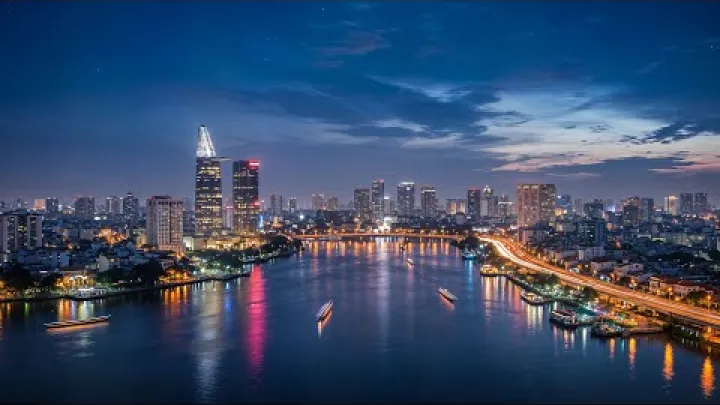
Ho Chi Minh City is the main gateway, with the busiest international airport and the largest concentration of jobs and services. Nearby, Bien Hoa forms part of the same extended urban and industrial area, supporting factories and logistics. To the southwest, Can Tho emerges as the key city in the Mekong Delta, with riverside promenades and access to floating markets. Inland to the northeast lies Da Lat, in the Central Highlands, offering cool air and hilly scenery. Off the southwest coast is Phu Quoc, whose main town Duong Dong serves as the center for island life, markets and services.
Southern routes often start and end in Ho Chi Minh City. A typical sequence for visitors might be Ho Chi Minh City – Can Tho – Phu Quoc – back to Ho Chi Minh City, combining city life, river landscapes and beaches. Another option is Ho Chi Minh City – Da Lat – Nha Trang – then northward along the coast or back to the south. When choosing between inland and coastal destinations in the south, think about your goals: business and study are concentrated around Ho Chi Minh City and Bien Hoa, river culture and agriculture around Can Tho and other delta towns, cool‑climate nature around Da Lat, and beaches and islands around Phu Quoc. Each of these cities offers a different slice of southern Vietnam, and together they show how diverse the region is beyond its main megacity.
Climate and Best Time to Visit Vietnam’s Cities
When deciding which Vietnam cities to visit, it is useful to think about climate as much as about attractions. The best time to visit Hanoi may not be the best time to visit Da Nang or Phu Quoc. Planning with these regional patterns in mind can make your experience more comfortable and reduce the chance that heavy rain or extreme heat disrupts your plans.

Instead of focusing on exact dates, the information below uses broad seasonal ranges that remain fairly stable over time. These patterns help you decide when to plan city sightseeing, beach time or mountain trips. Even in the rainy season, many days still have long dry periods, but certain months are more likely to bring storms or persistent drizzle, which can affect flights, boat tours and outdoor activities.
Best time to visit northern cities like Hanoi and Ninh Binh
Winters (roughly December to February) are cool and can feel cold because buildings are not usually heated; temperatures are lower than in the south, and some days can be damp with drizzle and fog. Spring (March to April) brings milder temperatures and more comfortable conditions for walking around cities and visiting outdoor sites. Summers (May to August) are hot and humid, with higher chances of heavy showers or storms. Autumn (September to November) often offers clear skies and pleasant temperatures.

For city sightseeing in Hanoi and lowland areas like Ninh Binh, many visitors find March to April and October to November the most comfortable times. During these months, you can usually expect warm days without the most intense heat or extended drizzle. In Sapa and Ha Giang, conditions change with altitude: winters can be quite cold, sometimes with mist that limits mountain views, while summers are warmer but can bring heavy rain that affects trekking routes. If your main goal is panoramic views of rice terraces or mountain roads, late September and October can be good months, as fields are often green or golden and skies can be clearer.
Weather challenges in the north include periods of light rain and fog in late winter and early spring, which can make cities feel grey and damp, and heat waves in midsummer, when high humidity makes walking long distances tiring. If you plan outdoor activities such as trekking or long motorbike trips, it is wise to allow extra time to adjust or delay plans if a storm passes through. For short city visits, carrying an umbrella or light rain jacket and scheduling indoor activities like museums or cafes during midday heat or rain can help you make the best of changing conditions.
Best time to visit central cities like Da Nang, Hue and Hoi An
Central Vietnam has a climate pattern that differs from the north and south. Many central cities, including Da Nang, Hue and Hoi An, experience a relatively dry period and a rainy period, with the possibility of tropical storms in some months. The dry season often runs from late winter or early spring into summer, while heavy rains and storms are more common from around September to November. Because of this, travelers sometimes adjust their plans to avoid the wettest months if they want reliable beach days.

For Da Nang and Hoi An, the months from roughly March to August are usually considered good for beach activities, with plenty of sunshine and warm sea temperatures. During this time, city sightseeing, swimming and island trips are more predictable. Hue, a little to the north and slightly inland, can be more humid and rainy, especially later in the year, but it is still pleasant to visit in spring and early summer. From around September, central Vietnam can face heavier rains, and from roughly October to November there is an increased chance of strong storms or typhoons, which are tropical storms with high winds and heavy rain.
Typhoons and prolonged heavy rain can affect flights, train schedules and road travel, as well as boat tours and beach conditions. If you need to travel during these months, it is wise to check weather forecasts regularly and allow some flexibility in your itinerary. Simple steps like planning indoor activities on days with high rain probability, and not scheduling important flights or long bus rides on the same day as tight connections, can reduce stress. Outside of the storm‑prone months, central Vietnam’s combination of beaches, rivers and historical sites makes it one of the most appealing areas for travelers who want both culture and sea in the same region.
Best time to visit southern cities like Ho Chi Minh City, Can Tho and Phu Quoc
Southern Vietnam, including cities such as Ho Chi Minh City, Can Tho and Phu Quoc’s Duong Dong, has a tropical climate with two main seasons: a dry season and a rainy season. Temperatures stay warm throughout the year, but the amount and timing of rain changes. The dry season, often from around December to April, brings less rainfall and slightly lower humidity, making it a popular time for city sightseeing and beach trips. The rainy season, roughly from May to November, includes more frequent showers, especially in the late afternoon or evening.

In practice, rainy season in the south often means short, intense showers rather than all‑day rain. A typical pattern is a hot morning and early afternoon, followed by a brief heavy downpour and then clearer skies again. This allows you to plan outdoor activities in the morning and keep more flexible or indoor plans for late afternoon. In Ho Chi Minh City and Can Tho, this pattern rarely stops daily life, though very heavy storms can cause local flooding that slows traffic. For river trips in the Mekong Delta, higher water levels in the rainy months can make canals easier to navigate, but some days may be less comfortable if rain is strong.
On Phu Quoc Island, beach conditions also depend on the season. The dry season from December to March is popular for clear seas and good swimming conditions. During the rainy months, waves can be higher on some coasts, and boat trips to smaller islands may be cancelled more often because of weather. Nevertheless, even in the rainy season there are usually dry periods each day when you can enjoy the beach or explore the island. For those who prefer the most predictable weather, visiting southern Vietnam’s main cities and islands between roughly December and April tends to offer the best balance of sunshine and manageable temperatures.
How to Choose Which Vietnam Cities to Visit
With so many Vietnam cities to visit, it can be difficult to decide where to go on your first or second trip. A simple way to narrow your choices is to start with your total time, then think about whether you prefer culture, beaches, mountains or a mix. From there, you can select a small group of cities that are well linked and match your interests. This approach also helps students and remote workers choose where to base themselves if they combine work or study with travel.

The sections below present example itineraries for different trip lengths and give general tips on moving between cities. They are suggestions rather than strict plans, so you can adjust them based on your pace, budget and flight options. The aim is to show how you can combine largest cities, major regional hubs and smaller tourist cities in Vietnam into routes that feel coherent.
Suggested itineraries by trip length
When planning an itinerary, it is often better to visit fewer cities and enjoy them properly rather than rush through many places. Below are sample itineraries for about 7 days and 10–14 days. Each route balances big cities with heritage, beach or mountain destinations and can be adapted based on your arrival and departure airports.

Approximate 7‑day itineraries
- North‑focused (culture and nature)
- Days 1–3: Hanoi – explore Old Quarter, museums and lakes.
- Days 4–5: Ninh Binh – stay in town or nearby countryside; boat trips and cycling.
- Days 6–7: Ha Long (or a Ha Long Bay cruise) – return to Hanoi for departure.
- South‑focused (city and river)
- Days 1–4: Ho Chi Minh City – city sightseeing, markets and museums.
- Days 5–7: Can Tho – base for Mekong Delta boat trips and floating markets, then return to Ho Chi Minh City.
- Central‑focused (heritage and coast)
- Days 1–3: Da Nang – beaches and modern city, with an excursion to Marble Mountains.
- Days 4–5: Hoi An – explore the old town and nearby beaches.
- Days 6–7: Hue – visit the citadel and royal tombs, then fly out from Hue or Da Nang.
Approximate 10–14‑day “classic” itineraries
- Classic north–central–south
- Days 1–3: Hanoi.
- Days 4–5: Ha Long Bay or Ninh Binh.
- Days 6–8: Da Nang and Hoi An.
- Days 9–10: Hue.
- Days 11–14: Ho Chi Minh City with an optional day trip to the Cu Chi tunnels or Mekong Delta.
- Nature and cool‑climate route
- Days 1–3: Hanoi.
- Days 4–6: Sapa or Ha Giang for mountain scenery.
- Days 7–9: Da Lat in the Central Highlands.
- Days 10–14: Nha Trang or Phu Quoc for beaches.
- Beach and island focus
- Days 1–3: Ho Chi Minh City.
- Days 4–7: Phu Quoc (Duong Dong and surrounding beaches).
- Days 8–11: Da Nang and Hoi An.
- Days 12–14: Nha Trang or Quy Nhon.
These routes are flexible. You can shorten or extend sections depending on your available time and how fast you like to travel. The important point is to link cities that are reasonably close or have direct transport connections, rather than jumping back and forth across long distances.
Tips for moving between major cities in Vietnam
Once you know which Vietnam cities to visit, the next step is to decide how to move between them. The main options are domestic flights, trains, long‑distance buses and smaller tourist vans. Each has advantages and disadvantages related to speed, comfort, cost and the kind of experience you want.

Flights are especially practical if you have limited time or want to avoid very long bus or train rides. Most major cities have airports, and booking can usually be done online in advance or through local agents. When flying, consider allowing at least a few hours between domestic and international connections, in case of delays.
Trains run along the north–south line connecting Hanoi, Hue, Da Nang, Nha Trang and Ho Chi Minh City, among other stops. They are slower than flights but offer a different perspective on the country, with views of coastlines, rice fields and small towns. Soft‑seat and sleeper cabins are available on many routes, and overnight trains can save you a night of accommodation while moving between cities. Trains are generally more comfortable than basic long‑distance buses for extended journeys, though they may not go to every city or town on your list.
Long‑distance buses and so‑called “limousine” vans cover many routes, including medium distances and connections to smaller cities or towns not directly served by trains. Buses can be cost‑effective and frequent, but the level of comfort and safety varies. Tourist‑oriented services with reclining seats or beds are common on popular routes like Hanoi–Sapa or Da Nang–Hoi An–Hue. For shorter distances, such as between Da Nang and Hoi An or between Hanoi and Ninh Binh, buses and vans are often more convenient than flying or taking a train.
When booking tickets, you can use official websites, travel agencies, hotel desks or local booking offices. It is generally wise to buy train and flight tickets earlier in busy seasons and around major holidays, when routes can sell out. For buses and vans, same‑day or day‑before bookings may be enough, but popular tourist routes can also fill up at peak times. Allow buffer time between connections, especially if you need to transfer between bus stations and train stations or airports in large cities like Hanoi and Ho Chi Minh City. Planning with a small time margin reduces stress and makes your movement between Vietnam cities smoother.
Frequently Asked Questions
Key questions about Vietnam’s major, largest and best cities to visit
Many first‑time travelers have similar questions when they start planning which Vietnam cities to visit. They want to know which are the largest cities in Vietnam by population, which cities are considered major for travel and study, when to visit different regions and how to move between urban centers. Having clear, concise answers to these points can make the early stages of planning much easier.

The definition list below provides brief responses to some of the most common questions about major cities to visit in Vietnam, including topics like population size, beach destinations, climate and transport choices. You can use it as a quick reference if you are in a hurry or need to confirm details while building your itinerary. For more context, you can refer back to the relevant sections of the guide.
What are the major cities to visit in Vietnam for first-time travelers?
The major cities for first-time visitors are Hanoi, Ho Chi Minh City, Da Nang, Hoi An and Hue. Hanoi and Ho Chi Minh City show two different sides of modern Vietnam, while Da Nang offers beaches and easy access to Hoi An and Hue. Many travelers combine one main northern city, one southern city, and a few central cities in a 10–14 day trip.
Which are the largest cities in Vietnam by population?
The largest cities in Vietnam by population are Ho Chi Minh City and Hanoi, each with several million residents. Next come Haiphong, Can Tho, Bien Hoa and Da Nang, which have roughly one to two million people each. Other important but smaller cities include Hue, Nha Trang and Ninh Binh.
What is the best time of year to visit Vietnam’s main cities?
The best time to visit Vietnam’s cities is generally from March to April and from October to early December. In these months, weather is more comfortable across most regions, with fewer heavy rains and moderate temperatures. Central cities like Da Nang and Hoi An are best from March to August, while southern cities like Ho Chi Minh City are pleasant from December to April.
How many major cities does Vietnam have?
Vietnam has two very large major cities, Ho Chi Minh City and Hanoi, which dominate the urban system. Below them are several important regional hubs such as Haiphong, Da Nang, Can Tho, Nha Trang and Hue. For most travelers, around 8–10 cities are considered “major” because of their population, economy or tourism importance.
Which Vietnam cities are best for beaches and islands?
The best Vietnam cities for beaches and islands include Da Nang, Nha Trang and the main town of Phu Quoc Island (Duong Dong). Da Nang and Nha Trang offer long sandy city beaches and nearby islands for day trips. Phu Quoc is Vietnam’s top island destination, known for Sao Beach, Long Beach and many resorts.
How do I travel between major cities in Vietnam?
You can travel between major cities in Vietnam by domestic flights, trains and long-distance buses. Flights are fastest and link main hubs like Hanoi, Ho Chi Minh City, Da Nang, Nha Trang, Can Tho and Phu Quoc. Trains run along the north–south line and are slower but more scenic, while buses and “limousine” vans connect medium distances and smaller cities.
Is Hanoi or Ho Chi Minh City better to visit first?
Both Hanoi and Ho Chi Minh City are good starting points, and the better choice depends on your route and interests. Hanoi is ideal if you plan to visit Ha Long Bay, Ninh Binh or the northern mountains, and it has a strong historical and cultural focus. Ho Chi Minh City is better for exploring the Mekong Delta, Phu Quoc and southern beaches, and it has the most intense nightlife and commercial energy.
Conclusion and Next Steps for Planning Your Vietnam City Itinerary
Key takeaways about Vietnam’s cities
Ho Chi Minh City and Hanoi stand out as the largest cities in Vietnam and the main economic and political centers. Around them, cities like Da Nang, Haiphong, Can Tho, Nha Trang, Hue and Da Lat play key roles for their regions, linking surrounding towns and rural areas to the national network.
For visitors, it is useful to distinguish between the largest cities, which provide the broadest range of services and connections, and the best cities to visit, which may be smaller but offer special experiences in terms of history, beaches or nature. Organizing your plans by region—north, central and south—helps you visualize a simple route and match your interests to suitable cities. With this framework, you can see how Vietnam cities fit together and choose a manageable list rather than trying to visit everywhere at once.
Next steps for deeper research and trip preparation
After reading this overview, a practical next step is to choose a short list of three to six core cities in Vietnam that match your time and priorities. For example, you might pair Hanoi or Ho Chi Minh City with a few central coastal cities and one mountain or nature gateway. Once you have this short list, you can look for more detailed city or regional guides that cover specific neighborhoods, transport options and local customs.

Keeping your plans flexible, especially regarding exact travel days between cities, allows you to adjust for weather, holidays or personal energy levels. Whether you come as a traveler, student or remote worker, using the structure of Vietnam’s cities and regions as a guide will help you build an itinerary that feels coherent, realistic and aligned with your goals.
ਖੇਤਰ ਚੁਣੋ
ਇੱਕ ਪੋਸਟ ਬਣਾਓ
ਪੋਸਟਿੰਗ ਮੁਫ਼ਤ ਹੈ ਅਤੇ ਕੋਈ ਰਜਿਸਟ੍ਰੇਸ਼ਨ ਦੀ ਲੋੜ ਨਹੀਂ ਹੈ।