Jolo Food and Drink Guide: Tausug, Halal, Safety
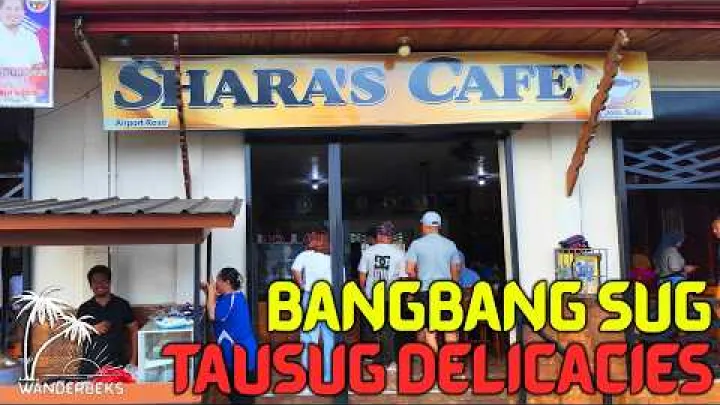
Jolo food and drink is rooted in Tausug culture, maritime life, Muslim hospitality, and the wider food traditions of Sulu and Bangsamoro. This guide explains what to know about signature dishes, halal dining, local coffee, sweets, markets, ordering, payment, and food safety. It also starts with safety because food-focused travel to Jolo, Sulu cannot be treated like casual city dining in many other destinations. Use this as a cultural and practical guide, and make any real travel decision only with current official advice and trusted local coordination.
Safety First: What to Know Before Eating in Jolo
Any Jolo food guide should begin with the present security environment. The food culture is rich, but the conditions for visiting markets, eateries, homes, or islands can change quickly. A good meal plan in Jolo is not only about what to order; it is also about whether the visit is appropriate, coordinated, and safe.
Official Advisories and Go-No-Go Decisions
Before planning any trip to Jolo, check current official travel advisories. The U.S. Department of State identifies some parts of the Philippines, including the Sulu Archipelago, as higher-risk areas because of security concerns. This means Jolo should not be approached as a casual independent food tourism destination.
This article is useful for readers researching Tausug cuisine, members of the Sulu diaspora, residents, students, cultural travelers, and visitors who may be in the area through official or trusted local arrangements. It is not a recommendation to travel independently into Sulu for street food, market photography, or spontaneous restaurant visits. If official advice, local authorities, or trusted hosts say not to proceed, the safest food decision is to delay or experience Sulu cuisine elsewhere.
Local Coordination and Real-Time Checks
Food visits in Jolo should be coordinated through trusted local hosts, official contacts, or accredited tourism channels when available. The Bangsamoro Government has reported work on Sulu tourism accreditation and standards, which can help travelers ask better questions about recognized operators and current procedures. Accreditation is still not a guarantee of safety, so it should be treated as one part of a wider verification process.
Before any meal, market visit, or hosted cooking experience, confirm whether the venue is suitable for visitors on that day. Ask about access, transport, escort expectations, prayer-time considerations, local restrictions, and whether the area is currently calm. Recent videos, old blog posts, and review-site entries are not enough for decision-making in a safety-sensitive place.
Safer Ways to Experience Sulu Food
People who want to understand Jolo food without traveling into Sulu have several respectful alternatives. Bangsamoro cultural festivals, province-based food booths, diaspora kitchens, Tausug family gatherings, and Tausug or Mindanao restaurants in other Philippine cities can introduce dishes, ingredients, and hospitality customs in a more accessible setting.
These alternatives do not fully replace eating in Jolo itself. Place matters, and food in Sulu is connected to local homes, markets, fishing life, and community events. Still, learning through cultural programs or trusted cooks outside high-risk areas is a responsible way to respect both the cuisine and present security realities.
Jolo Food Culture in Context
Jolo is the capital of Sulu, within the Bangsamoro Autonomous Region in Muslim Mindanao. Its food is best understood through Tausug identity, Islamic practice, the sea, and long-standing links across the Sulu Sea rather than through a generic image of Filipino food.
Tausug Identity, Sulu Links, and Bangsamoro Context
Tausug food is one of the main cultural anchors of Jolo. It reflects island geography, trade connections, family cooking, and Muslim social life. Rice, coconut, seafood, spices, and meat dishes prepared for halal eating are central to many meals.
This matters because many international visitors associate Filipino food with pork dishes, vinegar stews, or urban restaurant chains. Jolo is different. Pork is not part of traditional Muslim dining, and alcohol is generally outside normal meal culture. A respectful Jolo food and drink guide should therefore focus on Tausug and Bangsamoro flavors rather than forcing the city into a mainstream national food template.
Halal Norms and Muslim Dining Expectations
Jolo is a Muslim-majority setting, so halal norms shape everyday dining. Meat, cooking fats, sauces, and preparation methods may be discussed through the lens of what is permissible under Islamic practice. In homes and traditional eateries, pork and alcohol are generally not expected.
Halal dining is not only a list of restrictions. It is also connected to hospitality, cleanliness, trust, and respect for the host. If formal halal certification is important for you, ask directly before ordering because not every small eatery will display or maintain official certification. A local place may be culturally halal in practice, but travelers with strict requirements should still verify ingredients and preparation.
Core Ingredients: Rice, Coconut, Seafood, and Spices
Rice is the staple base of many meals and snacks in Jolo. It may be served plain with meat and seafood dishes, shaped into sweets, or transformed into delicate festival foods. Coconut is equally important. It appears in sauces, sweets, toasted mixtures, and the burnt coconut technique associated with some Tausug dishes.
Seafood is a natural part of the food landscape because Jolo is a coastal island town in the Sulu Archipelago. Fish, shellfish, and grilled seafood can be important everyday foods, although what is available depends on the catch, market conditions, and household preference. Aromatics such as turmeric, ginger, chilies, lemongrass, and other spices can bring warmth and depth without making every dish taste the same.
Signature Foods to Try or Learn About
The following dishes and snacks are useful starting points for understanding Jolo local food. Availability can vary by household, season, event, and current venue operations, so treat this as a cultural guide rather than a promise that every item will be easy to find in a restaurant.
| Food or drink | What it is | Best context |
|---|---|---|
| Tiyula itum | Black soup using burnt coconut | Traditional or festive meals |
| Kulma | Rich meat dish with coconut and spices | Home cooking or specialty meals |
| Piyanggang manok | Chicken with coconut and spiced flavors | Family or Bangsamoro food settings |
| Satti | Skewers with sauce, often eaten casually | Breakfast-style or simple eatery meals |
| Kahawa sug | Sulu coffee tradition | Snacks, sweets, and social visits |
Black Soup and the Burnt Coconut Technique
Tiyula itum is one of the best-known Tausug dishes to learn about. The name is often translated as black soup, and its dark color is linked to burnt or deeply toasted coconut. This technique gives the broth a smoky, roasted depth that makes the dish stand apart from many other Philippine soups.
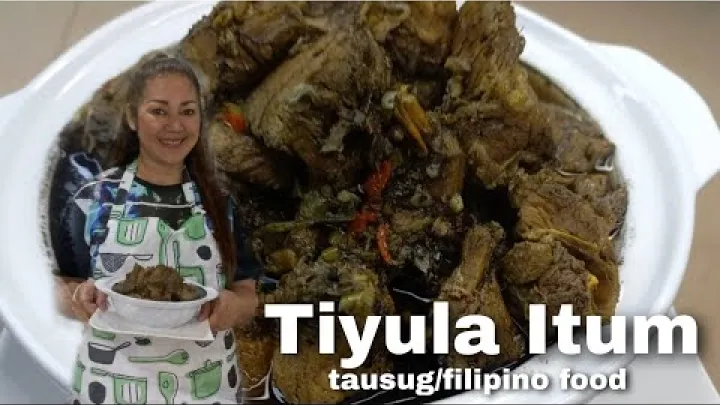
It is often described with beef or goat, but recipes vary by family and cook. Some versions may be richer, spicier, or more aromatic than others. Do not assume it will be available in every casual eatery in Jolo. It may be easier to encounter in traditional meals, special gatherings, or restaurants that intentionally highlight Tausug heritage.
Rich Coconut Meat Dishes
Kulma is another important dish associated with Tausug and wider Bangsamoro halal cooking. It is commonly described as a rich meat dish, often using beef or goat, coconut, and spices. It may remind some visitors of a curry, but that comparison is only approximate. The flavor, cooking method, and household style belong to local traditions.
Piyanggang manok is a chicken dish also linked to coconut and deep spiced flavors. Like tiyula itum, it can show how coconut is used not only for sweetness or creaminess but also for body, aroma, and complexity. Recipes vary widely, so the best way to understand the dish is to listen to the cook or host explain their version.
Skewers, Grilled Seafood, and Market Meals
Satti is a skewer-and-sauce food known in parts of the southern Philippines and associated with casual eating, including breakfast-style meals. It is usually simple, direct, and filling. If you encounter it in Jolo through a trusted host, ask how it is normally eaten and whether rice or rice cakes are served with it.
Grilled fish and seafood are logical foods to expect in a coastal town like Jolo, but visitors should avoid making independent market or stall plans without local advice. The Jolo fish market is a useful local anchor to ask about, yet current security, timing, cleanliness, and visitor suitability should be checked by someone who knows the area. A market meal is best approached as a hosted local experience, not as a self-guided food crawl.
Cassava, Rice, and Banana Snacks
Understanding Jolo food means looking beyond meat dishes. Cassava cakes, rice-based snacks, banana fritters, and small sweets can be part of daily eating, family hospitality, or festival tables. These foods may appear with coffee, before a main meal, after prayers, or during gatherings.
Some snacks are simple and everyday, while others require skill and time. If you are a guest in a home, accept small portions politely unless you have a dietary restriction. If you are buying snacks, ask what they are made from, especially if you need to avoid coconut, wheat, eggs, peanuts, or seafood-based ingredients.
Drinks, Sweets, and Food Pairings
Jolo drink culture is shaped more by coffee, tea, water, and non-alcoholic hospitality than by bars or alcohol-centered dining. Sweets and snacks often matter as much as main dishes, especially when food is served in a home or cultural event.
Local Coffee and Coffee-House Culture
Kahawa sug is one of the key drinks to know when learning about Sulu food and drink. It is associated with local coffee traditions and can be served with sweets, rice snacks, or conversation. Coffee is also a useful cultural anchor because it fits naturally into Muslim hospitality and alcohol-free social life.
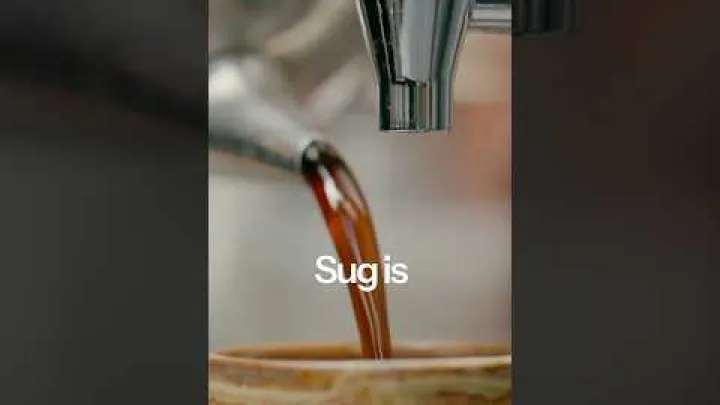
If you hear about cafes in Jolo, verify current operating status, location suitability, and visitor access through local contacts. Online listings may be sparse or outdated. In many situations, the most meaningful coffee experience may be a hosted cup in a home or a simple local setting rather than a tourist-facing cafe.
Rice Lace Rolls, Pancakes, and Festive Sweets
Lokot-lokot is a delicate rice-based sweet often associated with skill, celebration, and Tausug identity. It is sometimes described as a lacy or rolled sweet because of its fine, patterned form. It may be more common during gatherings, festivals, weddings, or religious occasions than in ordinary restaurants.
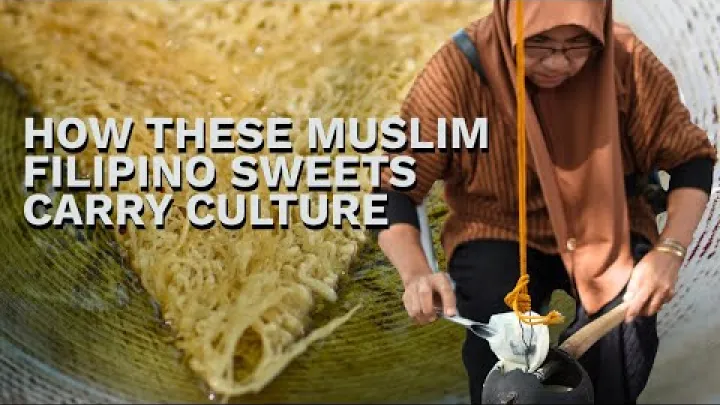
Other sweets can include apam, fried banana sweets, and small delicacies made from rice, coconut, or cassava. Availability depends on the cook, the event, and the season. If you are offered sweets, ask the name and listen to the explanation; many of these foods carry family and community meaning beyond taste alone.
Tea, Water, and Alcohol-Free Expectations
Tea connected to Sulu heritage has appeared in modern cultural representation, including a specialty tea reported by ABS-CBN. This is worth noting as a contemporary tribute, but it should not be overstated as the main everyday drink in Jolo. Coffee remains a stronger local food-and-drink reference point.
When hygiene is uncertain, hot coffee or tea may be a safer practical choice than drinks with unknown ice. Sealed bottled water is also a sensible choice for travelers. Because Jolo is a Muslim-majority place, alcohol is generally not expected in traditional dining, local homes, or Muslim food spaces. Bringing alcohol into these settings can be disrespectful.
Where to Eat and What to Verify Locally
Finding where to eat in Jolo is not as simple as searching for popular restaurant lists. Online information may be limited, safety conditions matter, and many meaningful meals happen in small eateries or hosted settings. Local verification is essential.
Fish Market Visits and Hosted Cooking Experiences
The Jolo fish market is one of the most concrete food anchors to ask about because seafood is closely connected to Sulu island life. A visit, however, should only happen with trusted local guidance. Before going, confirm security conditions, the best time to visit, whether photography is appropriate, and whether the area is suitable for visitors that day.
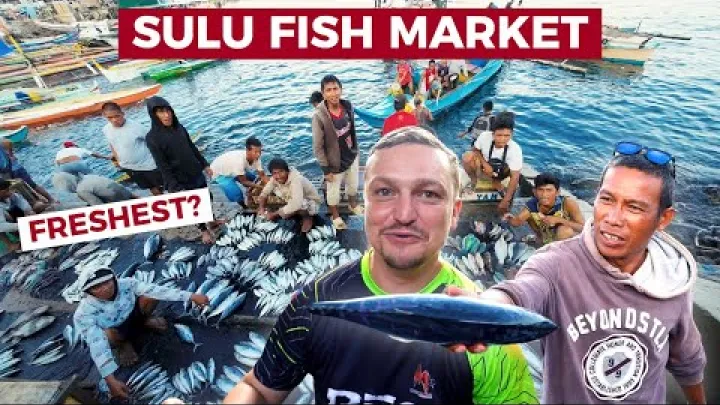
Hosted seafood cooking can be a more controlled way to understand how food, sea, and hospitality connect in Sulu. Some travelers may hear about island-style meals or places such as Bubuan Island in Hadji Panglima Tahil. Treat those examples as hosted possibilities, not self-guided itinerary ideas. Boat access, weather, security, and host arrangements must all be checked locally.
Small Eateries, Cafes, and Sparse Restaurant Listings
Jolo restaurant information online can be sparse, incomplete, or outdated. Do not rely only on review platforms, map pins, or social media clips. Ask a trusted local host which eateries are reputable, which ones are currently open, and which places are appropriate for a visitor.
Small family-run eateries may be more common than tourist-facing restaurants with English menus. Cash is more reliable than cards, and online menus may not exist. If you have dietary needs, write them down clearly and ask before ordering. If your host says a place is not suitable, choose another option without argument.
Festivals and Bangsamoro Venues Outside Sulu
Bangsamoro cultural events can be practical places to encounter native delicacies from Sulu and other provinces without making direct travel to Jolo. The Bangsamoro Government has described cultural festival settings where native delicacies are prepared by cultural masters from different provinces. These events can help visitors learn names, techniques, and regional differences in a more organized environment.
Events such as BARMM cultural festival settings in Cotabato City may include food booths, demonstrations, or province-based displays, but programs change. Check the current event schedule before going, and do not assume every festival will include Jolo-specific dishes. When possible, speak respectfully with cooks and cultural workers rather than treating the food as only a photo opportunity.
Ordering, Etiquette, and Payment
Dining in Jolo combines broader Filipino meal patterns with Muslim and Tausug expectations. Visitors should be ready for shared dishes, rice-centered meals, modest behavior, and cash-based payment in many settings.
How to Order, Share, and Ask About Ingredients
Meals may be shared, with rice and several dishes placed at the center. In a small eatery, ask what the house specialty is and what is freshly cooked. In a home, follow the host’s lead and wait to be invited before serving yourself.
If you have allergies or dietary limits, say them clearly before food is ordered or served. Useful simple phrases include “No pork, please,” “Is this halal?” and “I am allergic to seafood.” Filipino, Tausug, and some English may be encountered depending on the setting, but do not assume every vendor will be comfortable discussing complex dietary rules in English. A local host can help translate important needs.
Table Manners in a Muslim and Filipino Setting
Broader Philippine dining etiquette includes shared meals, utensils, rice, and in some settings eating with the hands; Etiquette Scholar summarizes common national practices that can help visitors understand the general dining context. In a Muslim setting, the right hand is the respectful hand for eating and passing food. Wash your hands before and after meals, especially if eating by hand.
Dress modestly, speak calmly, and be respectful around prayer times. Do not bring alcohol or non-halal food into a Muslim home or dining space. Ask before taking photos of people, food preparation, or markets. These are not complicated rules; they are basic signs of respect.
Cash, Service Charges, and Tipping
Carry enough cash for small eateries, markets, transport, and hosted arrangements. Card payments may not be available, and digital payment options can vary. Agree on prices clearly in markets and avoid making large payments in a showy way.
In the Philippines, tipping is usually appreciated but not always required, especially where a service charge is already included; Newport World Resorts notes that many restaurants include a service fee. In small local places, a modest cash tip for good service can be appropriate. Market vendors should be paid the agreed price rather than treated like restaurant servers.
Food Safety and Dietary Needs
Food safety in Jolo should be handled with the same care as in any destination where a traveler may not know the water source, kitchen standards, or market handling practices. The safest choices are usually simple, hot, freshly cooked foods from reputable places recommended by trusted locals.
Safer Food and Drink Choices
Choose seafood and meat that are cooked thoroughly and served hot. Food that has been sitting at room temperature, especially in heat, carries more risk. Busy places can be a good sign if the turnover is high, but only if the venue is also clean and locally recommended.
Use sealed bottled water when water quality is uncertain. Hot coffee, tea, or safely boiled drinks are practical choices. Be cautious with ice, raw garnishes, uncooked seafood, and peeled fruit if you do not know how they were handled. A trusted host can help identify cleaner venues and explain which foods are best at a particular time of day.
Halal Needs, Allergies, and Special Diets
Muslim travelers may find the halal environment in Jolo easier than in many other Philippine destinations because local food culture is strongly shaped by Islam. Still, formal certification should be verified if it matters for your personal or religious requirements. Ask about meat sources, cooking oil, sauces, and shared equipment when necessary.
Allergy-sensitive travelers should be careful with seafood, coconut, chilies, peanuts, wheat, eggs, and hidden meat or fish ingredients. Vegetarian, vegan, and gluten-free needs may be harder to communicate in small eateries. If your dietary restriction is serious, a controlled setting, hosted meal, or restaurant outside Sulu with clearer communication may be safer than spontaneous ordering.
Final Checklist for a Respectful Jolo Food Experience
A respectful Jolo food experience depends on preparation, current information, and humility. The food is worth learning about, but no dish is worth ignoring safety, halal norms, or local guidance.
Before You Go
- Check official travel advisories and current local security guidance before making plans.
- Arrange trusted hosts or official coordination before planning meals, market visits, or island food experiences.
- Confirm whether venues are open, appropriate for visitors, and reachable under current conditions.
- Verify halal certification if formal certification is required for you.
- Carry cash, essential medicines, allergy information, and details for medical or evacuation coverage.
- Accept that preparation reduces uncertainty but does not remove all risk.
While Eating Locally
- Follow host guidance and stay within agreed areas.
- Avoid spontaneous detours to unvetted stalls, markets, or neighborhoods.
- Ask before taking photos of people, kitchens, markets, or private meals.
- Respect Muslim dining norms, including halal expectations and alcohol-free settings.
- Choose hot cooked foods, safe drinks, and modest payment behavior.
- Listen more than you speak when a host or cook explains a dish.
Jolo food and drink offers a deep view into Tausug identity, Sulu hospitality, and Bangsamoro culture. The best approach is not hurried food tourism, but careful, respectful engagement. Learn the dishes, honor the people who prepare them, and let current safety guidance decide whether your experience should happen in Jolo itself or through safer cultural settings elsewhere.
Select area
Create a post
Posting is free and no registration is required.