Jolo Budget Guide: Sulu Costs, Ferry Fares and Tips
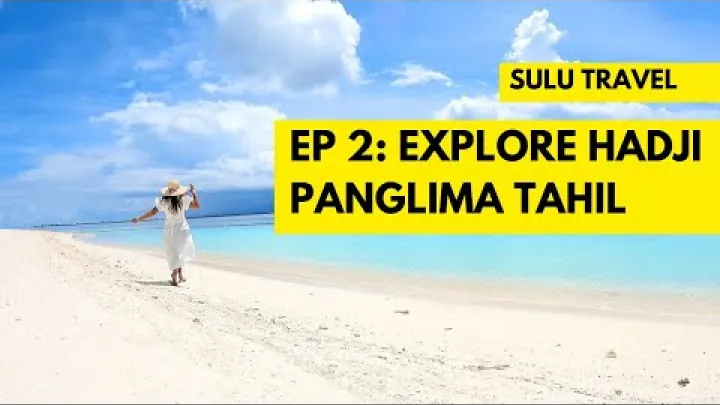
This Jolo budget guide explains how to estimate the real cost of visiting Jolo, Sulu in the Bangsamoro Autonomous Region in Muslim Mindanao. A trip here is not only a question of cheap meals or room rates; transport through Zamboanga City, ferry timing, local coordination, and contingency money can change the total cost. The ranges below are planning estimates, not guaranteed prices, and they should be replaced with current quotes before you book. Use this guide to separate daily spending from access costs, compare travel styles, and avoid saving money in ways that create unnecessary risk.
Before You Budget: Current Conditions and Local Verification
Before calculating a Jolo travel budget, confirm whether the trip is currently practical for your nationality, route, and travel style. Local conditions, ferry operations, weather, and visitor arrangements can change faster than old travel blogs or booking pages.
Confirm Official Travel Advice Before Booking
A Jolo budget is not just a price list. Access, safety, local movement, and coordination can affect both cost and feasibility. Before paying for flights to Zamboanga City, ferry tickets, accommodation, or a package, check current official travel advice from your own government and from local contacts in the Philippines.
For example, Smartraveller advises a high degree of caution for the Philippines overall, with higher levels applying in some areas. Pay attention to any province-specific or regional sections that apply to your route, because the exact advice that applies to you may differ depending on your citizenship, insurance policy, and itinerary.
This guide does not give a universal go-or-do-not-go recommendation. A responsible decision depends on current conditions, your experience, your risk tolerance, your insurance coverage, and whether you have verified local arrangements. Treat older trip reports as background, not as proof that the same route, ferry, or movement pattern is suitable today.
Coordinate With Local Tourism Contacts or Trusted Operators
Travel in Jolo and wider Sulu is often handled through coordinated or guided arrangements rather than casual independent movement. Some travelers contact the Sulu Tourism Office, local hosts, or trusted operators to confirm arrival details, pickup, routes, and current visitor procedures. Do not assume that the backpacker model used on easier island routes in the Philippines will apply in the same way here.
When you ask for a quote, clarify who will meet you, whether port pickup is included, what areas are covered, and whether any escort, permission, or local coordination is needed. These services may add cost, but they can also solve practical issues that would be hard to arrange after arrival.
Travel accounts such as Joan's Footprints show that Sulu visits are commonly organized with local assistance. Use such accounts for questions to ask, but confirm all details again because transport, access, and local guidance can change.
Jolo Trip Budget at a Glance
The most useful way to plan a Jolo trip cost is to separate daily on-island expenses from one-time access costs. Food and short rides may be modest, while flights, ferries, buffer nights, arranged transfers, and guided activities can dominate the total.
Estimated Daily Costs by Travel Style
The following ranges estimate on-island daily spending in Jolo, excluding flights to Zamboanga, the Zamboanga to Jolo ferry, and any extra gateway hotel nights. They assume prices are confirmed locally and that guided or coordinated arrangements may be needed for some movement.
| Travel style | Approximate daily range | What it may include |
|---|---|---|
| Budget | PHP 1,500 to PHP 2,500 per person | Simple shared lodging, local meals, short rides, modest activity allowance, small contingency |
| Mid-range | PHP 2,500 to PHP 4,500 per person | More comfortable room share, meals and snacks, arranged transfers, guide or activity contribution |
| Comfortable | PHP 4,500 to PHP 7,000 or more per person | Private or more flexible arrangements, higher transfer costs, larger guide or boat share, stronger contingency |
These are not bookable prices. They are planning bands. A solo traveler may pay more per person because rooms, guides, boats, and private transfers are not easily shared. A small group of two to four people can sometimes reduce the per-person cost if they share rooms and transport.
For wider Philippines context, budget travel guides such as Sand in My Shoe commonly place low-cost Philippine travel in a modest daily range. Jolo should be treated differently because access, coordination, and route reliability can matter more than ordinary backpacker spending.
Separate Daily Spending From Access Costs
A short Jolo trip can look expensive if you average fixed transport costs across only one or two nights. Keep two calculations: your on-island Jolo budget and your door-to-door trip budget.
Access costs may include travel to Zamboanga City, a gateway hotel night, transfers to and from the port, the Zamboanga to Jolo ferry, port-related fees, arrival pickup, and possible buffer nights. Travelers coming from Manila, Cebu, Davao, or another island may have very different total costs even if their Jolo daily spending is similar.
For example, if your on-island spending is PHP 2,500 per day for two days, that is PHP 5,000. But if you also spend PHP 2,000 to PHP 3,000 on round-trip ferry fares, plus one Zamboanga night and airport transfers, your true trip cost rises quickly. This is why ferry and gateway costs should not be hidden inside a vague daily number.
Main Cost Drivers to Watch
The biggest cost drivers are usually not simple meals or short town rides. Watch domestic flights to the gateway, ferry availability, missed sailings, guide or escort arrangements, boats, private transfers, short-notice bookings, and extra nights caused by schedule changes.
Weekends, holidays, local events, and weather disruption can also affect your total cost. Even when prices do not rise formally, limited availability can push you toward more expensive rooms, private transfers, or extra waiting nights. Keep a contingency margin instead of planning to spend every peso exactly.
A practical minimum contingency is often at least one extra day of food, lodging, and local transfers, plus emergency cash for schedule changes. If you have a nonrefundable onward flight, build in more flexibility.
Getting to Jolo on a Budget
For many travelers, Zamboanga City is the main practical gateway to Jolo. The cheapest route on paper is not always the best value if it adds fatigue, missed connections, or extra accommodation.
Route Through Zamboanga City
The common planning route is to reach Zamboanga City first, then continue by ferry to Jolo. Travelers coming from Manila or another major city usually compare flying to Zamboanga and taking the ferry against longer ferry combinations or complex bus-and-ferry routes.

Route comparison sites such as Rome2rio show that reaching Jolo from Manila can involve multiple transport choices with large differences in time and cost. Use this only as a route-planning starting point, not as a live timetable.
Flying to Zamboanga may cost more than a long sea route, but it can save days and reduce the need for extra lodging. A very cheap route can become poor value if it requires several transfers, leaves you tired, or creates a high chance of missing the Jolo ferry.
Zamboanga to Jolo Ferry Fares and Schedule Checks
The Zamboanga to Jolo ferry is the key transport item in many Jolo budgets. As a planning anchor, Pamasahe reports Weesam Express fare levels of about PHP 950 to PHP 1,350 one way, depending on accommodation class. Treat this as a reported fare range and verify it with the operator, ticket office, or a current local contact before departure.
Schedule days matter as much as fares. Missing a sailing may mean paying for an extra night in Zamboanga or Jolo, extra meals, and additional transfers. Before buying nonrefundable onward flights, confirm the expected sailing day, departure time, ticket class, baggage rules, port requirements, and cancellation notices.
Weather can affect sea travel in the Philippines. Build the ferry schedule into your itinerary first, then arrange flights and hotels around it. If your onward flight is important, avoid a tight same-day ferry-to-flight connection.
Direct Air Access and Alternative Routes
References to Jolo Airport exist, but budget travelers should not assume regular commercial service without current confirmation from an airline, airport, or local authority. If a direct, charter, or irregular air option is available, treat it as a quote-based item rather than a normal low-cost route.
Alternative routes can be useful if ferry days do not match your plans, but they may increase uncertainty and cost. For budget planning, the safer assumption is to price the Zamboanga gateway route first, then compare any confirmed alternative against it.
Where Your Money Goes in Jolo
Once in Jolo, everyday spending may be manageable, but the cheapest theoretical option is not always the most practical. Accommodation, meals, local rides, cash needs, and arranged movement should be planned together.
Accommodation in Simple Inns and Arranged Stays
Jolo lodging should be planned as small-scale and practical rather than resort-heavy. As a cautious planning assumption, allow around PHP 700 to PHP 1,500 per person per night when rooms are shared or when lodging is bundled into an arranged stay. Private rooms, air-conditioning, breakfast, and pickup convenience can change the price.
Do not choose accommodation only by the lowest room rate. A slightly higher price may be better value if it includes reliable communication, convenient pickup, or coordination with your guide or host. Ask whether the rate includes breakfast, private bathroom, air-conditioning, taxes, and transport from the port.
If you book a package, confirm whether accommodation is included and what room type you will receive. A quote that looks expensive may include logistics that are not obvious in a simple hotel comparison.
Food, Drinks, and Local Meals
Food is likely to be one of the more affordable parts of a Jolo trip if you eat at local eateries, markets, and simple restaurants recommended by your host or guide. For planning, allow about PHP 250 to PHP 400 per day for simple local meals, or PHP 500 to PHP 800 if you want more snacks, drinks, coffee, and flexibility.
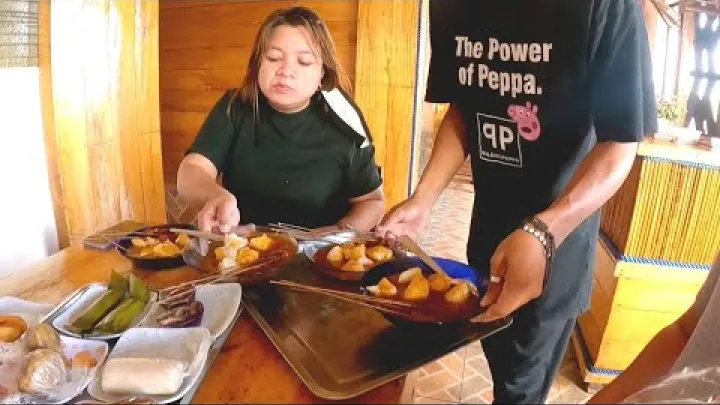
National cost data from Numbeo can give broad Philippines context for food and daily expenses, but Jolo-specific prices should be checked locally. Availability and suitable eating options can vary by area, timing, and local advice.
Include bottled water, small snacks, and transfer-day food in your budget. If you want to try Tausug or Sulu specialties, ask a local contact where it is appropriate and convenient to eat rather than building your plan around unverified restaurant listings.
Tricycles and Short Town Transport
Short town transport is usually a smaller budget line than flights, ferries, and tours. When transport is not included in a package, a planning allowance of PHP 100 to PHP 300 per day can cover short local rides, depending on distance, waiting time, and whether the ride is shared or private.
Do not invent a fare matrix for Jolo or assume that the price will match another Philippine city. Ask your host, guide, hotel, or driver for the expected fare before boarding. A private or special trip will normally cost more than a shared short ride.
Movement may also need to follow locally advised routes or arranged transfers. If your local contact recommends a pickup instead of independent movement, include that cost in the realistic budget.
Cash, Small Purchases, and Incidentals
Bring enough cash in small bills for meals, tricycles, tips, snacks, market purchases, small fees, and unexpected transfers. Do not assume every small business accepts cards, and do not rely on being able to solve every cash problem at the last minute.
Incidentals can include mobile data, bottled water, toiletries, laundry, porterage, small entrance fees, and tips. If you visit a market area such as the Barter Trade Center, small bills make purchases easier.
Keep emergency cash separate from your daily wallet. This reserve is for schedule changes, extra nights, medical needs, or urgent transport. It should not be used for ordinary shopping unless your trip is nearly complete.
Tours, Boats, and Local Cost Differences
Guided arrangements, boat days, and outlying trips are the areas where a Jolo travel budget can change most. Compare total inclusions instead of focusing only on the headline price.
Guided Tours, Escorts, and Package Inclusions
Guided or coordinated travel can be the largest variable in your Jolo budget. A package may include services that are difficult to arrange independently, such as port pickup, land transfers, local guide time, route planning, boat coordination, meals, and liaison with local contacts.
Before paying, ask for a clear list of inclusions and exclusions. Confirm accommodation, room type, meals, ferry handling, land transfers, boat costs, entrance fees, tips, escort or local coordination arrangements, emergency contact, and cancellation rules.
- What exact itinerary is included?
- How many travelers is the quote based on?
- Are port pickup and drop-off included?
- Are meals, water, entrance fees, and tips included?
- Does the price change if the ferry schedule changes?
- Who is the emergency contact during the trip?
Compare packages by the total value of what they include. A low headline price can become expensive if you must add transfers, boats, meals, and guide fees separately.
Beaches, Boats, and Outlying Island Days
Beach or island activities can shift the budget from low town spending to higher shared transport costs. Local anchors such as Quezon Beach and Istambak Beach may appear in travel plans, but access, current conditions, and recommended movement should be verified locally before visiting.
Boat costs may be bundled into a guided day rather than quoted separately. Group size matters: two to four travelers may reduce the per-person cost, while a solo traveler may pay more because the boat, guide, or transfer cannot be shared.
Do not assume that a rural or beach area is automatically cheaper than town. If it requires arranged transport, waiting time, or a boat, the total day cost can be higher than staying in Jolo town.
Jolo Town, Zamboanga Gateway, and Rural Price Differences
Think of the route in three cost zones. Zamboanga City adds gateway costs such as hotel nights, airport transfers, port transfers, and meals while waiting for the ferry. Jolo town may have modest everyday prices and can be a practical base for short stays. Outlying beach or island days may require arranged land transport, boats, or guide time.
Staying in Jolo town can simplify the lodging budget because many visits use town as a base for day trips. However, spending more nights in Zamboanga can be sensible if it protects an onward flight or reduces stress around ferry schedules.
The best budget choice is not always the cheapest room or the shortest itinerary. It is the plan that balances cost, reliable movement, and enough time for delays.
Sample Jolo Budget Scenarios
The examples below are illustrative planning scenarios. They exclude flights to Zamboanga unless noted, and they do not represent bookable package prices.
Two-Night Jolo Trip Estimate
A two-night Jolo trip can be efficient, but fixed costs are compressed into a short visit. The round-trip ferry, port transfers, and any guided arrangements can make the average daily cost look high.
| Budget item | Planning range per person | Notes |
|---|---|---|
| Round-trip ferry | About PHP 1,900 to PHP 2,700 | Based on reported one-way fare range; verify current fare |
| Two nights lodging | PHP 1,400 to PHP 3,000 | Depends on room sharing and inclusions |
| Food and drinks | PHP 500 to PHP 1,600 | Simple meals to more comfortable spending |
| Local rides | PHP 200 to PHP 600 | If not included in package |
| Guided arrangements | Quote-based | Can be a major cost driver |
| Contingency | At least PHP 1,000 to PHP 2,000 | More if solo or on a tight schedule |
For a solo traveler, the quote-based items are the most important. For a couple or small group, shared rooms and shared transfers may reduce the per-person total.
Slower Three-to-Four-Night Trip With Buffers
A slower trip may cost more in absolute terms but feel better value because ferry and transfer costs are spread across more days. It also gives more room for schedule changes, weather disruption, or local advice.
One practical pattern is to arrive in Zamboanga the day before the ferry, travel to Jolo, spend three nights in Jolo, and keep one flexible night in Zamboanga before the onward flight. This adds lodging and food costs, but it can reduce the risk of missing a flight because of ferry changes.
For this style, increase the lodging and food budget but keep the same access-cost category. The extra money buys time, flexibility, and less pressure on connections.
Solo Traveler Versus Small Group Costs
Solo travelers should expect a larger per-person budget because fewer costs can be shared. A room, private transfer, guide, or boat may cost almost the same whether one person or several people use it.
Two to four travelers may reduce costs if they share rooms, transfers, and guided activities. However, do not join unknown arrangements purely to reduce the price. Saving money is not worth accepting an operator, route, or group that you do not trust.
| Traveler type | Budget effect | Planning advice |
|---|---|---|
| Solo | Higher per person | Increase contingency and confirm all pickups |
| Couple | Moderate per person | Share rooms and transfers where suitable |
| Small group | Often lower per person | Compare package inclusions carefully |
How to Save Money Without Increasing Risk
The best savings come from avoiding avoidable delays, confirming inclusions, and choosing practical local spending. Do not reduce costs by removing essential coordination or by making unsafe assumptions.
Book Around Ferry Days and Avoid Avoidable Waiting
Plan the itinerary around confirmed ferry schedules before buying nonrefundable flights. One missed ferry can create extra hotel, food, transfer, and rebooking costs.
Avoid very tight same-day connections, especially when the onward flight is expensive or difficult to change. If your schedule is strict, keep one flexible buffer day in Zamboanga or before your onward travel.
This is one of the most effective money-saving tactics for Jolo: prevent unnecessary waiting rather than trying to save a small amount on meals or transport.
Use Local Food and Simple Lodging Where Appropriate
Eating at local eateries, markets, and simple restaurants can keep daily costs manageable when these options are convenient and recommended by your local contact. Carrying water and snacks on transfer days can also reduce small impulse purchases.
For lodging, choose a practical place that balances price, communication, pickup logistics, and comfort. The cheapest room is not always the best value if it creates transport problems or makes coordination harder.
Small savings on food and lodging help, but they should not override safe movement, reliable arrangements, and adequate rest.
Questions to Ask Before Paying for a Package
Before paying for any arranged Jolo trip, request written confirmation where possible. A clear quote helps you compare offers and avoid surprise costs.
- What is the exact itinerary by day?
- What is included and excluded?
- How many travelers is the price based on?
- What room type is included?
- Are ferry tickets handled or only advised?
- Are port pickup, local transfers, boats, and guide services included?
- Are meals, entrance fees, tips, and porterage included?
- What happens if weather or ferry changes disrupt the itinerary?
- What are the cancellation and refund rules?
- Who is the local emergency contact?
The goal is not to find the lowest number. The goal is to know what you are paying for and what you still need to budget separately.
Frequently Asked Questions
How much money should I budget per day in Jolo?
Plan roughly PHP 1,500 to PHP 2,500 per person per day for a budget style, PHP 2,500 to PHP 4,500 for mid-range travel, and PHP 4,500 to PHP 7,000 or more for more private or comfortable arrangements. These estimates exclude flights to Zamboanga, ferry fares, and gateway hotel nights.
What is the cheapest practical way to get to Jolo?
For many travelers, the practical route is to reach Zamboanga City and take the ferry to Jolo. Longer ferry or mixed land-and-sea routes may be cheaper on paper, but they can add days, fatigue, and extra accommodation costs.
Are Zamboanga to Jolo ferry fares fixed?
No fare should be treated as fixed until confirmed. Reported Weesam Express planning fares are about PHP 950 to PHP 1,350 one way, but class, schedule, operator updates, port requirements, and weather disruption should be checked before travel.
Can I travel around Jolo independently?
Do not assume independent movement is suitable everywhere. Many visits are coordinated through local tourism contacts, hosts, or trusted operators. Confirm current advice, pickup arrangements, routes, and whether a guide or escort is recommended or required for your plan.
Should I bring cash for a Jolo trip?
Yes. Bring enough cash in small bills for meals, short rides, tips, snacks, market purchases, and emergencies. Do not assume every small business accepts cards, and keep a separate emergency reserve for schedule changes or extra nights.
Conclusion: Build a Flexible and Verified Jolo Budget
A realistic Jolo budget should separate on-island daily spending from access costs through Zamboanga, ferry fares, buffer nights, and arranged local movement. Food and short rides may be affordable, but flights, ferries, guides, boats, and missed connections can change the total quickly.
Use the ranges in this guide as a starting point, then replace them with current quotes from transport operators, accommodation providers, local tourism contacts, and trusted guides. The strongest Jolo trip budget is not the cheapest possible plan; it is a flexible, verified plan that balances cost, time, safety, and reliable local coordination.
Select area
Create a post
Posting is free and no registration is required.