Jolo Family Travel Guide: Safety and Logistics With Kids
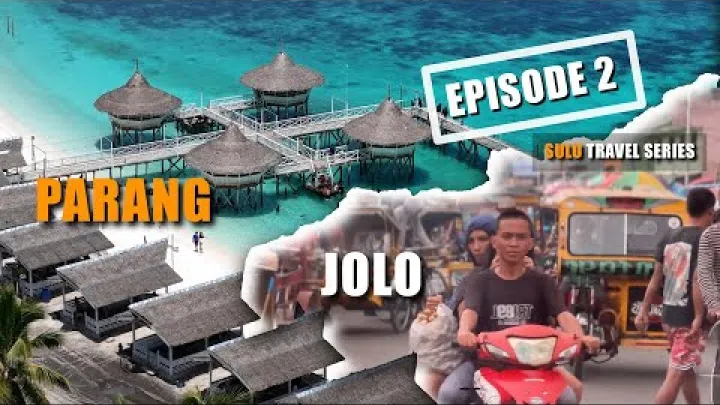
Jolo family travel requires a different kind of planning from a normal beach holiday in the Philippines. Jolo town is the capital of Sulu Province in the Bangsamoro Autonomous Region in Muslim Mindanao, and it sits in a part of the Sulu Archipelago that many foreign travel advisories treat as high risk. This guide explains how parents should think about safety, transport, age suitability, healthcare, local coordination, and possible activities if a visit is unavoidable or strongly tied to family, work, research, or heritage. The main message is simple: under severe advisory conditions, most international leisure families should not treat Jolo as a standard family vacation destination.
Start With the Safety Decision
Before planning beaches, museums, food, or transport, parents should decide whether the trip should happen at all. In Jolo, safety is not a small travel detail. It is the central planning issue.
Official advisory status and what it means for parents
Major foreign travel advisories describe parts of the southern Philippines, including the Sulu Archipelago, as high-risk because of concerns such as terrorism, kidnapping, crime, civil unrest, and limited emergency assistance. The U.S. Department of State is one official source families should check before making any booking decision.

For parents, the threshold for acceptable risk is stricter than it may be for adult adventure travelers. Children cannot fully consent to risk, cannot always follow complex safety instructions, and depend on adults for medical care, food, sleep, transport, and emotional stability. A delay, security incident, medical problem, or cancelled boat that an adult might manage with discomfort can become much more serious with a tired child, an infant, or a child with medical needs.
The practical go or no-go summary is clear: if your trip is a discretionary family holiday, Jolo should normally be postponed or replaced with a lower-risk destination while severe official advisories remain in place. Attractions, beaches, and cultural interest do not outweigh the basic duty to protect children.
Local daily life versus visitor risk
It is important to speak about Jolo with respect. Jolo is home to local families, students, workers, traders, religious communities, and people with deep pride in Sulu culture. Daily life continues there, and many residents know their own routes, relationships, customs, and local conditions in ways that visitors do not.
However, a place can be home to local families and still be inappropriate for discretionary travel with foreign or non-local children. Local familiarity changes how risk is understood. Residents may speak local languages, know which routes to avoid, understand community signals, and have trusted family or professional networks. Visitors usually lack those advantages.
Families arriving from Manila, Cebu, overseas, or another part of the Philippines should not assume that ordinary local life means ordinary visitor conditions. The question is not whether people live in Jolo. The question is whether a visiting family can move safely, respond to a medical problem, communicate clearly, and leave quickly if circumstances change.
A practical risk threshold for families
Parents can start with the purpose of the trip. A beach holiday, a heritage visit, a professional obligation, and an unavoidable family matter are not the same decision. The more discretionary the trip is, the harder it is to justify taking children into a high-advisory area.
| Trip purpose | Family suitability | Planning burden |
|---|---|---|
| Leisure vacation | Usually not suitable under severe advisories | Choose a safer destination |
| Heritage or family visit | Only with strong local support | High; confirm contacts, routes, and exit plans |
| Work or research | Not ideal with children | Requires institutional planning and cancellation options |
| Unavoidable obligation | Consider the shortest possible stay | Very high; medical, transport, and insurance checks are essential |
If a visit cannot be avoided, keep it short, coordinated by trusted local contacts, focused on daytime movement, and backed by a clear emergency plan. Parents should also read travel insurance wording carefully. Some policies exclude cover in areas under severe travel warnings, which can affect medical care, evacuation, cancellation, and liability.
Where Jolo Fits in the Philippines and Bangsamoro
Jolo town, Sulu Province, and Bangsamoro context
Jolo town is the capital of Sulu Province, which is part of the Sulu Archipelago and the Bangsamoro Autonomous Region in Muslim Mindanao. The region has a strong Tausug and Muslim Filipino identity, with cultural, religious, and historical links that make it distinct from many other parts of the Philippines.
Regional infrastructure and public services are developing, but development does not automatically make a destination easy for family tourism. The Bangsamoro Government has described region-wide infrastructure system upgrades and planning work, which helps explain why road planning, maintenance, and connectivity remain important public priorities.
For visiting families, this context matters because transport, accommodation, tourism support, healthcare access, and road conditions may not match the expectations set by more commercial Philippine resort areas. Parents should plan for practical friction rather than assume that services will be standardized.
Why families may be curious about Jolo
Jolo has genuine appeal in theory. Families may be curious about its coastline, beaches, markets, mosques, local food culture, history, and less commercial atmosphere. Older children and teenagers may find the area educational because it shows a side of the Philippines that is very different from large cities and heavily marketed island destinations.
Jolo may also have special meaning for families with Sulu roots, relatives in the area, academic interests, humanitarian or professional obligations, or a desire to understand family heritage. Those reasons are different from choosing Jolo for a casual vacation.
Even where the cultural appeal is strong, parents should avoid describing Jolo as broadly family-friendly. A destination can be meaningful and culturally rich while still being unsuitable for most leisure travel with children under current advisory conditions.
What online evidence can and cannot prove
Online travel evidence for Jolo is limited compared with established family destinations in the Philippines. You may find old blog posts, a few attraction listings, package descriptions, or scattered reviews. These can help identify possible places of interest, but they cannot prove current safety, transport reliability, opening hours, child-friendly facilities, or emergency support.
Families should treat online travel accounts as starting points only. Conditions can change, and a successful adult visit in the past does not prove that a family visit is appropriate now. Before making plans, verify current advisories, local access, transport operations, accommodation arrangements, and local guidance directly.
Family Suitability by Age and Trip Purpose
Jolo does not suit all children equally. Age, health, resilience, and the reason for travel should shape the decision.
Infants, toddlers, and children with medical or sensory needs
Jolo is a poor fit for infants and toddlers. Travel with very young children depends on predictable sleep, safe food and water, quick medical access, easy retreat options, and flexible transport. Those conditions are harder to guarantee in a high-advisory, logistically complex destination.
Heat, waiting times, sea or air transport uncertainty, limited documented indoor backups, and background security concerns can make ordinary parenting tasks more difficult. A missed nap, stomach illness, allergic reaction, or transport delay may be manageable in a resort area with strong tourism infrastructure. It is more serious where medical and evacuation planning is uncertain.
Families should also use extra caution for children with mobility needs, sensory sensitivities, chronic illness, severe allergies, asthma, seizure conditions, or complex medication requirements. These children may need routines, climate control, specialist care, quiet space, and rapid access to medical support that parents cannot assume will be available.
School-age children and activity trade-offs
School-age children may enjoy simple beach time, boat views, markets, museum stops, and cultural learning in theory. They can ask questions, observe local customs, and learn about a region of the Philippines that many visitors never see.
The trade-off is that supervision and movement may need to be strict. Parents may not be able to wander, follow a child’s curiosity, change plans spontaneously, or stay out late. Activities may need to be short, guided, daytime-only, and closely coordinated with local contacts.
This can make the trip feel less child-friendly in practice. Parents may spend more energy managing routes, security advice, hydration, transport confirmation, and contingency plans than helping children enjoy the destination. For many families, that imbalance is a strong reason to choose a different destination.
Teenagers, returning families, and specialist visits
Teenagers are the most realistic age group if a Jolo visit is unavoidable. They can understand safety briefings, respect restricted movement, carry their own water, describe symptoms, and process cultural context more easily than younger children.
The narrow scenarios where a family might consider a Jolo visit include returning to see close relatives, visiting for heritage reasons, joining a tightly managed institutional trip, or accompanying a parent with a necessary professional obligation. Even then, children should not be added casually to an adult trip.
Families with local ties may assess risk differently because they have relatives, language knowledge, or trusted contacts. That does not remove the need for current advisory checks, confirmed transport, emergency planning, health preparation, and a real option to cancel.
Getting to Jolo With Children
Transport planning for Jolo should be conservative. Families need confirmed outward travel, confirmed return options, and enough flexibility to stop if conditions change.
Gateway planning through Zamboanga
Many routes to Jolo are planned through Zamboanga City, which functions as a practical gateway for onward sea or possible air connections to Sulu. Families should not build an itinerary around tight same-day connections unless every segment is confirmed and there is a realistic backup.
A gateway stop can be useful because it gives parents time to reassess official advisories, speak with local contacts, buy supplies, confirm onward transport, and decide whether to continue. This is especially important with children because fatigue can reduce good decision-making.
Parents should treat Zamboanga as a decision point, not only a transfer point. If transport information is unclear, if a child is unwell, if weather affects sea travel, or if local contacts advise delay, the responsible choice may be to pause or turn back.
Ferries, small aircraft, and schedule verification
Access to Jolo may involve ferry or fastcraft services, possible small aircraft links, and locally arranged ground transport. Families should not rely on old schedules or casual online comments. Transport information can change, and this guide does not publish fixed schedules because operator-level confirmation is essential.

Before booking, confirm the operator, departure point, arrival point, baggage rules, child fares, check-in time, cancellation policy, security procedures, and return availability. Confirm the return journey before arriving in Jolo, not after you get there.
Child-specific transport issues matter. Ask about toilets, waiting areas, seating, life jackets, cabin crowding, seasickness risk, baggage handling, and what happens if a child becomes distressed during the journey. Bring water, snacks, medication, spare clothing, and a small comfort item for children who struggle with long waits.
Timing, weather, and exit planning
Weather and sea conditions can affect travel in the Philippines, and disruptions matter more with children. Delays affect sleep, food, medication timing, hygiene, and emotional regulation. A short adult delay can become a serious family problem when a child is hungry, overheated, or sick.
The Philippines has seasonal weather patterns, but parents should not treat a general national climate guide as a precise Jolo travel guarantee. Check local forecasts, sea conditions, and operator announcements close to departure. Good weather also does not remove security risk; there is no weather season that cancels an official security advisory.
Have an exit plan before arrival. This should include backup accommodation, extra medicines, copies of prescriptions, emergency funds, working phones, power banks, and a clear agreement with local contacts about how the family would leave if plans changed.
Daily Logistics in Jolo for Families
Daily movement in Jolo should be planned rather than improvised. For most non-local families, the safest model is coordinated, short, and predictable.
Local coordination, escorts, and route control
Independent sightseeing is not the right model for most visiting families in Jolo. Parents should contact trusted local hosts, local tourism contacts, or appropriate local authorities before any visit and follow their advice on routes, timing, and whether an escort or organized movement is necessary.

A local travel account by Kotheexplorer strongly emphasizes contacting the tourism office before visiting Sulu. That kind of coordination may reduce avoidable mistakes, but it does not eliminate broader security risk.
Parents should ask direct questions: Who will meet us? What route will we use? Who knows our schedule? What places should we avoid? What time should we be back? What is the backup if plans change? Controlled movement may make the trip less relaxed for children, but it is more realistic than wandering without guidance.
Accommodation expectations in Jolo
Families should expect modest lodging rather than resort-style family infrastructure. Do not assume international-chain standards, connecting rooms, children’s menus, play areas, elevators, or extensive indoor activities unless the property confirms them directly.
Ask practical questions before booking. Is there air-conditioning? Is there backup power? Is the bathroom private? Can the room fit children comfortably? Is drinking water available? Can meals be arranged early? Is transport pickup secure and coordinated? Is there a contact person available at night?
Accommodation choice should be coordinated with trusted local contacts when possible. Location, pickup arrangements, communication, and the ability to rest safely may matter more than online ratings.
Healthcare and emergency plans
Jolo has documented local healthcare facilities, including Sulu Sanitarium and General Hospital. Families should still separate minor care from serious emergency planning. The existence of a hospital does not prove specialist pediatric care, trauma capacity, or reliable evacuation options for every situation.
Before travel, consult a pediatrician or travel medicine clinic. Carry essential medicines, prescriptions, allergy information, a thermometer, oral rehydration supplies, a basic first-aid kit, insect protection, sun protection, and enough medication for delays. Parents of children with chronic conditions should carry a written care summary.
Insurance and evacuation planning are central. Confirm whether your policy covers travel to advisory-restricted areas, emergency treatment, medical evacuation, and cancellation. If the insurer excludes the destination, that is a serious reason to cancel or postpone the trip.
Food, water, and early meals for children
Food in Jolo reflects local Sulu and Muslim Filipino food culture rather than mainstream resort menus. Families may find rice-based meals, grilled fish or meat, simple eateries, hotel meals, halal food norms, and dishes that may be unfamiliar to children.
Parents should plan meals early rather than waiting until children are exhausted. Carry familiar snacks, ask for mild food when needed, and keep meals simple during the first day. Picky eaters may need fallback foods such as plain rice, eggs, bread, fruit that can be peeled, or packaged snacks.
Use bottled or properly filtered water, and carry extra water during movements. Hydration is a child safety issue in hot conditions, especially if transport is delayed or shade is limited.
Strollers, accessibility, and child transport
Families should treat Jolo as stroller-unfriendly unless they have verified private transport, suitable lodging, and manageable walking conditions. A baby carrier may be more practical than a stroller for some families, but heat and adult fatigue must be considered.
Daily movement may involve walking, tricycles, vans, or locally arranged vehicles. Child restraint systems may be limited compared with highly regulated destinations. Parents who require car seats, wheelchair access, or step-free movement should arrange private transport in advance and confirm vehicle type clearly.
Uneven surfaces, traffic, heat, and limited indoor backups can make short activity blocks more realistic than full sightseeing days. Families traveling with grandparents, wheelchair users, or children with mobility needs should be especially cautious and should not assume that accessibility will be easy to arrange at the last minute.
Activities Families Might Consider Only With Local Guidance
Jolo has places that may interest families, but activities should be viewed as possible guided stops, not reasons to ignore safety and logistics.
Town sights: museum, fortification remains, and civic landmarks
Documented attractions in and around Jolo include places such as Maubo Beach, the Wall of Intramuros in Jolo, and the Sulu Ethnological Museum. Tripadvisor lists a small number of Jolo attractions, which is useful for identifying names but not for proving current safety, access, or quality.
These sites may interest older children and teenagers when paired with a good guide and short explanations. A museum stop can help children understand local culture. Fortification remains can introduce history. Civic landmarks may help orient the family within Jolo town.
Keep expectations modest. These are not large interactive children’s museums or theme-park attractions. Plan daytime visits, carry water, use short stops, and follow local route guidance.
Beaches near Jolo and basic water safety
Beaches are one of Jolo’s natural appeals, but beach appeal does not override advisory concerns. A beautiful shoreline is not the same as a safe or simple family beach day.
If local guidance supports a beach stop, use basic water-safety rules. Keep children within arm’s reach if they are weak swimmers. Use flotation aids where appropriate. Watch for currents, marine hazards, sharp surfaces, sun exposure, dehydration, and the possible absence of lifeguards. Footwear may help protect children on rough or hot surfaces.
Avoid isolated or improvised beach outings. Families should rely on current local advice about which beaches are appropriate on a specific day, how to get there, when to go, and when to leave.
Markets, mosques, and respectful cultural learning
Markets, mosques, dress norms, halal food, and daily religious life can be meaningful learning opportunities for older children. They can help children understand that the Philippines is religiously and culturally diverse.
Prepare children before visiting public or sacred spaces. Wear modest clothing, speak quietly, follow guide instructions, and ask before taking photographs. Do not treat local worship or daily life as a performance.
Children should also be prepared for heat, noise, crowds, and attention from curious strangers. Keep visits short, schedule water breaks, and leave before children become tired or disruptive.
Island trips and why they require the strictest caution
Island-hopping around the Sulu Archipelago may sound attractive, but it increases complexity. Small boats, changing sea conditions, limited facilities, long sun exposure, and security exposure all make remote trips harder with children.
Child-specific questions are essential. Are properly sized life jackets available? Is there shade? Are there toilets? How long is the boat ride? What happens if a child vomits, panics, gets sunburned, or needs medical help? Is there a reliable way to return early?
Families should avoid remote island trips unless they are officially coordinated, current conditions are favorable, transport is confirmed, and there is a compelling reason to proceed. For most leisure families, the added risk and friction are not justified.
Decision Checklist Before Booking
Use this section before paying non-refundable costs. If a critical answer is unclear, delay the booking.
Documents, insurance, and advisory checks
- Check your home-country travel advisory for the Philippines, Sulu Province, and the Sulu Archipelago.
- Check Philippine entry rules and any requirements that apply to your nationality.
- Confirm passports, visas if needed, child identification, and copies of important documents.
- If one parent travels alone, confirm whether consent documents are needed for the child.
- Read travel insurance wording for exclusions related to severe travel advisories.
- Confirm medical coverage, emergency assistance, and evacuation procedures.
- Prepare emergency contacts, local contacts, embassy or consular contacts, and family contacts at home.
- Register travel with your embassy or consular service if your country offers that option.
The insurance check is especially important. If the policy does not cover the destination because of an advisory, families may face medical, evacuation, and cancellation costs without support.
Questions to ask before committing
Ask local tourism contacts, hosts, or operators direct questions before paying. Is travel currently advised for a family? Who will meet us? What route will be used? What transport is confirmed? What happens if transport is cancelled? Where is the nearest suitable medical help? Who makes the decision to delay or cancel?
Ask child-specific questions too. Can the room fit the family? Is safe drinking water available? Can meals be served early? Is there shade during activities? Are toilets available on the route? Can a private vehicle be arranged? Can the schedule include rest breaks?
Positive answers do not remove all risk, but vague answers are a warning sign. When possible, get key details in writing so all adults understand the plan.
Red flags that should cancel or postpone the trip
- A severe official advisory remains in place for discretionary travel.
- You do not have a trusted local contact or host.
- Transport details are vague or cannot be confirmed.
- There is no confirmed return plan.
- Your insurance excludes the destination or activity.
- A child is sick, medically unstable, or missing essential medication.
- Weather, sea conditions, or operator cancellations affect the route.
- Someone pressures you to travel independently or ignore current advice.
Postponing is a responsible decision, not a failure. Attractions can wait. Children’s safety, medical access, and the ability to leave should decide the plan. If a critical answer is unclear, do not go.
Frequently Asked Questions
Is Jolo safe for a family vacation right now?
For most international leisure families, Jolo should not be treated as a normal family vacation destination while severe travel advisories apply to Sulu and the Sulu Archipelago. Check official advisories before any decision.
Can families visit Jolo independently?
Independent, improvised sightseeing is not appropriate for most non-local families. If a visit is unavoidable, it should be coordinated with trusted local contacts or relevant local tourism contacts.
What age children would cope best if a Jolo visit is unavoidable?
Teenagers are generally the most realistic age group because they can understand safety briefings and restricted movement. Infants, toddlers, and children with medical, mobility, or sensory needs face much higher practical difficulty.
What should parents verify before booking transport to Jolo?
Verify the operator, schedule, departure point, return transport, baggage rules, child fares, cancellation policy, weather risk, security procedures, and what happens if a child becomes sick or distressed during the journey.
Are Jolo beaches and cultural sites enough to justify a trip with kids?
Usually no. Beaches, markets, museums, and cultural learning may be meaningful, but they do not override advisory concerns, medical planning, transport uncertainty, or the need to protect children.
Final Recommendation for Families
Jolo is culturally important, locally meaningful, and potentially educational for older children in very specific circumstances. It is also a high-caution destination where family travel planning must begin with safety, not attractions.
For ordinary family holidays, the better decision is to choose another Philippine destination with stronger tourism infrastructure, easier medical access, more predictable transport, and lower advisory risk. For heritage, family, professional, or unavoidable visits, keep the stay short, coordinate every movement, verify transport and insurance, prepare medical and exit plans, and be ready to cancel.
The parent-centered rule is simple: if official advice is severe, local support is weak, transport is unclear, or medical and evacuation plans are uncertain, do not take children to Jolo.
Select area
Create a post
Posting is free and no registration is required.