Jolo Saving Money: Budget Transport, Food and Stays
Jolo Saving Money Guide: Practical Budget Tips For Transport, Food, And Stays
Saving money in Jolo, Sulu is not only about finding the lowest fare or the cheapest room. Because Jolo is in the Sulu Archipelago in the Bangsamoro Autonomous Region in Muslim Mindanao, cost planning must be tied to access, official travel advisories, ferry reliability, cash, communications, and contingency planning. This guide explains how to reduce expenses on transport, lodging, food, and daily purchases while avoiding the mistakes that can make a low-cost trip expensive. Use it as a practical planning framework, and confirm current local conditions before paying for non-refundable arrangements.
First Decide Whether Jolo Is A Sensible Trip For You
Before comparing fares or looking for guesthouses, decide whether the trip is appropriate for your situation, nationality, insurance coverage, and current conditions. In Jolo, the first money-saving decision may be delaying or cancelling a trip if access or safety information changes.
Treat Official Travel Advisories As Part Of The Budget
Saving money in Jolo cannot be separated from risk management. The U.S. Department of State advises against travel to the Sulu Archipelago, including the southern Sulu Sea, because of crime, terrorism, civil unrest, and kidnapping. Travelers should also check their own government advisories, because different countries may describe risks, consular support, and emergency procedures differently.

This matters financially. Some travel insurance policies exclude destinations under a do-not-travel advisory. Emergency support may be limited. A cancelled ferry, changed advisory, or lack of reliable local confirmation can cause lost ticket money, extra hotel nights, or urgent rebooking costs. Treat advisory checks, insurance review, and local access confirmation as part of your budget, not as separate safety tasks.
A realistic Jolo budget should include the possibility that the trip cannot safely proceed. Avoid locking all funds into non-refundable flights, ferry tickets, or accommodation until you have checked current advisories, operator updates, port conditions, and local guidance from people who know the route now.
Set A Minimum Safe-Cost Floor Before Looking For Deals
The cheapest option is not always the lowest-cost option once risk is included. Set a minimum safe-cost floor before you search for deals. This means deciding which expenses you will not cut aggressively: verified transport, a practical communication plan, contingency cash, insurance where available, and trusted local guidance.
Use a simple go-or-delay checklist before paying:
- Have you checked your government travel advisory and any recent local access updates?
- Does your insurance cover the route and activity you are planning?
- Can you confirm ferry schedules, boarding rules, and return options through an operator, port office, ticket office, or trusted local contact?
- Do you have enough cash for delays, local transport, food, and an extra night if needed?
- Do you have a working phone, backup data option, and emergency contacts?
- Do you know your no-go conditions, such as a new advisory, cancelled ferry, weak local confirmation, or no valid insurance coverage?
This approach may sound cautious, but it is a money-saving tool. Preventing a failed connection, unsafe transfer, or stranded night is usually cheaper than trying to repair the problem after it happens.
Build The Trip Around The Zamboanga To Jolo Corridor
For many travelers, Zamboanga City is the practical gateway to Jolo. Your main savings will often come from planning the Zamboanga Airport (ZAM), port transfer, and Zamboanga to Jolo ferry route as one connected system instead of booking each piece separately.
Compare Ferry Choices By Cost, Time, And Reliability
The ferry corridor between Zamboanga City and the Port of Jolo is central to most budget planning. Route information from Pamasahe lists Aleson Shipping fares for the Zamboanga to Jolo route at about PHP 850 to PHP 1,200 depending on accommodation class. Route-estimate sites may show higher planning ranges; for example, Rome2Rio estimates the trip from Zamboanga Airport to Jolo by ferry at around six hours with a broader cost range.
Use these figures only as planning references. Ferry schedules, fares, classes, check-in rules, and weather-related changes can shift. Confirm directly with the ferry operator, port, ticket office, or a trusted local contact before you travel.
| Option | Estimated time | Estimated fare range | Budget advantage | Caution |
|---|---|---|---|---|
| Standard ferry class | Several hours | Often the lower published range | Good cash saving if schedule is reliable | Confirm comfort, baggage, and boarding rules |
| Higher ferry class | Similar route time | Usually higher than basic class | May reduce fatigue on a long crossing | Worth it only if comfort matters to your plan |
| Faster or alternative connection | Varies by availability | Often higher | Can save hotel nights or missed connections | Verify availability before building plans around it |
Do not treat informal boats or unverified operators as a savings tactic. A slightly cheaper fare can become costly if it creates safety, insurance, or return-transport problems.
Time Flights And Ferries To Avoid Paid Layovers
If you are coming from outside Mindanao, think in stages: fly to a gateway, transfer from Zamboanga Airport to the port, board the ferry to Jolo, and build in a return buffer. A cheap flight to Zamboanga can become expensive if it arrives too late for the ferry and forces an unplanned hotel night, extra meals, and another transfer.
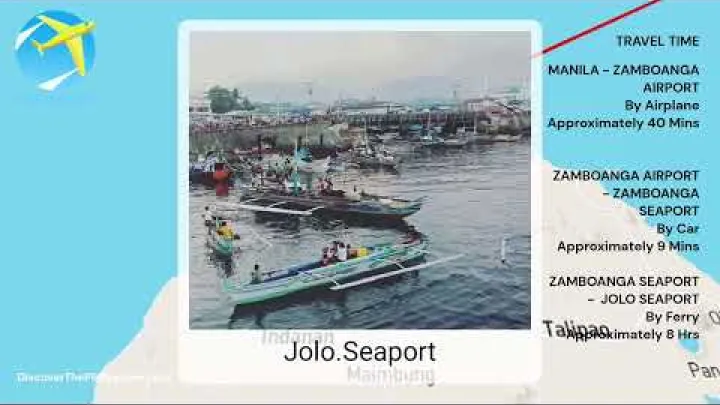
Do not assume direct Jolo flights are available just because a flight-search page lists Jolo as a destination. Jolo Airport may appear in travel searches, but actual scheduled service, availability, and booking practicality must be checked close to travel. Build your plan around confirmed transport, not around a search result alone.
A practical structure is: arrive in Zamboanga with enough time to reach the port, confirm the ferry, travel to Jolo, and keep the return leg flexible. If ferry timing is uncertain, a planned overnight in Zamboanga may be cheaper and calmer than a rushed connection that fails.
Think In Total Trip Cost, Not Only Ticket Price
For Jolo, the best budget choice is the route with the lowest total cost, not necessarily the lowest ticket price. Add tickets, meals in transit, accommodation during layovers, local transfers, buffer money, rebooking risk, and lost usable travel days.
A simple formula is: total route cost equals transport tickets plus meals plus lodging plus local transfers plus buffer money plus the value of lost travel time. This is especially important for long sea routes. Rome2Rio gives an example of a Jolo to Manila ferry-based option that may be cheaper in cash terms but can take around 39 hours or more.
If you have plenty of time and can confirm schedules, a slower ferry may be reasonable. If you have a fixed international flight, work commitment, or limited travel window, paying more for a faster or more reliable connection may save money by preventing rebooking, missed flights, and extra nights.
Save Money On Local Transport Without Chasing Unsafe Bargains
Local transport savings in Jolo should be practical and conservative. Shared transport and short daytime rides can reduce daily costs, but local security advice, weather, and access conditions should override the cheapest option.
Use Shared Local Transport For Ordinary Short Trips
As in many Philippine towns, shared local transport such as jeepneys and tricycles is usually cheaper than hiring a private vehicle. Fares can vary by distance, fuel prices, route, and local practice, so avoid relying on old online prices. Ask your accommodation staff or a trusted local contact about current fare norms.
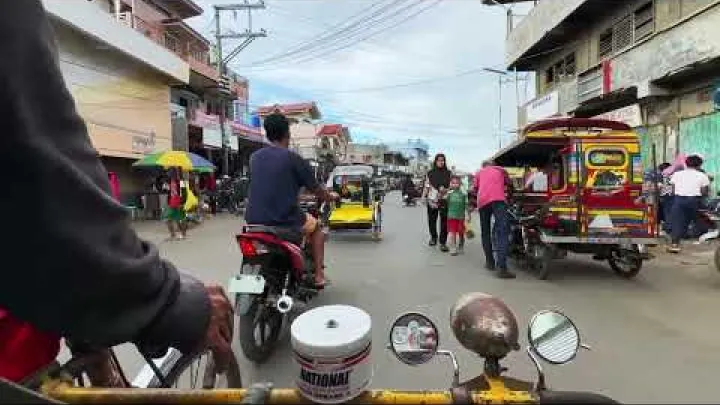
For private tricycle rides, agree on the fare before departure. Use simple wording such as, “How much to the port?” or “Is this the total fare?” Carry small bills and coins so you do not create change problems for short rides.
Use local transport mainly for ordinary daytime movement around the town core when current advice supports it. Do not assume that the cheapest transport is suitable for every area, every time of day, or every purpose.
Choose Central Lodging To Reduce Rides
A slightly more convenient guesthouse can save money if it reduces repeated tricycle rides, makes ferry transfers easier, and lowers the chance of needing private transport. In Jolo, consider practical proximity to the Port of Jolo, the town center, market areas, or civic locations only after checking current local advice on where visitors should stay.
The cheapest nightly rate is not always the best value. A property that is hard to find, difficult to reach, or far from your transport needs can create repeated small expenses and larger logistical stress. A central, trustworthy, accessible stay can be cheaper over the full trip.
Walking short distances may save money, but it should only be done when local conditions and advice make it sensible. Ask locally before assuming that a route is appropriate on foot.
Handle Beach, Island, And Municipality Trips As Group-Cost Decisions
Trips outside Jolo town can change the budget structure. Instead of one small fare, you may need a van, boat, local guide, permission, or a specific return arrangement. If a vehicle or boat must be hired, traveling with a small group can reduce the per-person cost.
Before any beach, island, or municipality trip, check:
- Current local advice or permission for the route
- Weather and sea conditions
- Total group cost, including waiting time and return transport
- Who is responsible for arranging the return
- Emergency contact and communication coverage
If current confirmation is weak, skip or delay the excursion. Realistic savings come from shared, verified arrangements, not from improvising a route that looks cheap but is hard to control.
Pick Accommodation For Value, Location, And Reliability
Accommodation in Jolo should be judged by reliability, location, communication, and payment rules as much as nightly price. A room that helps you confirm transport and avoid unnecessary transfers can save more than a small discount.
Understand The Small Local Lodging Market
Jolo has a limited accommodation market and sparse review data on major platforms. Tripadvisor shows a small review base for listed Jolo accommodations, which is a reason to verify details directly rather than assume that online information is complete.
Do not rely only on large booking sites. Some local guesthouses or small inns may be easier to confirm by phone, through a current local contact, or through someone already in the area. At the same time, do not assume that limited online reviews mean poor quality. It simply means you need more direct confirmation.
Before arrival, check that the property is open, can receive you at your planned time, accepts your payment method, and is appropriate for your transport plan.
Compare Nightly Rate Against Transport And Convenience
When comparing rooms, include transport and convenience in the calculation. A cheaper room can cost more if it requires private rides, causes confusion at check-in, lacks reliable communication, or makes early ferry movement difficult.
Ask accommodation questions before committing:
- What is the current nightly rate and what is included?
- Is fan or air-conditioning included in the price?
- Is Wi-Fi available and reliable enough for messages or calls?
- Can devices be charged safely?
- What are the check-in and cancellation rules?
- Can the staff help confirm ferry or local transport information?
- Is cash required, or are other payment methods accepted?
Reliable central lodging is often one of the best money-saving tools because it reduces both daily friction and the risk of expensive transport mistakes.
Plan For Connectivity And Cash Needs
Connectivity is a budget issue as well as a convenience issue. The Bangsamoro Government has reported free Wi-Fi at Jolo Airport, but that does not mean every lodging, transport point, or route will have reliable internet.
Carry enough cash for ferries, tricycles, small eateries, markets, water, phone load, and unexpected transfers. Keep cash divided between daily spending money and an emergency reserve. Use small denominations where possible, because small stores and drivers may not be able to change large bills easily.
Cards and online payments may not be the best default for daily purchases. If communication matters for your work, safety, or onward travel, consider a local SIM or backup mobile data plan and test it before you depend on it.
Eat Well For Less With Local Food And Markets
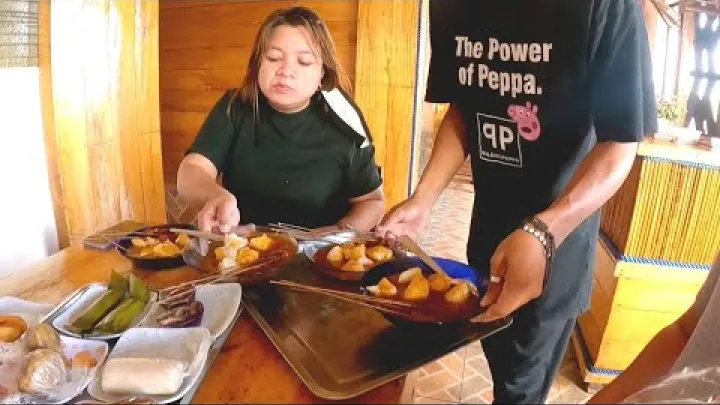
Food is one of the easier areas to control without reducing the quality of the trip. In Jolo, simple local meals, markets, and small stores can help keep daily costs reasonable while supporting local businesses.
Make Local Eateries The Default
Simple local eateries, grills, and small restaurants are usually the best balance of cost, convenience, and experience. They are often more practical than imported snacks, hotel-only meals, or trying to self-cater without a kitchen.
Look for local Sulu or Tausug dishes where available, but do not assume every eatery will serve the same menu. Choose places with visible turnover, clean preparation areas, and safe drinking water practices. If you are unsure about water, use sealed bottled water or a safe refill source.
Food savings should not mean skipping meals or choosing unsafe options. The goal is to eat ordinary local food at fair prices, not to reduce spending to the point that you create health problems.
Use Markets And Small Stores For Snacks, Water, And Basics
Small recurring purchases add up on a longer stay. Markets and sari-sari stores can be useful for snacks, bottled drinks, toiletries, phone load, and simple daily basics. This is often cheaper than relying only on hotel purchases or imported branded goods.
Imported items may cost more because of transport and limited supply. Choose local alternatives when they are suitable. For water, larger containers or refills can reduce waste and cost only where safe and available.
Ask prices politely and respect local market norms. Avoid aggressive bargaining over very small amounts. Small savings should not come at the expense of fair treatment for local vendors.
Spend Where It Improves The Trip
In a lower-cost local setting, the biggest savings usually come from route planning, lodging location, and avoiding disruption. Denying yourself inexpensive meals or basic comforts may not change the total budget much.
Spend where it improves the trip: a fair meal from a local eatery, a reliable guide when needed, a safer confirmed ride, or a slightly better-located room. These choices can support local livelihoods and reduce stress.
Good budget travel is not a race to spend the absolute minimum. It is the practice of spending carefully where value is high and avoiding preventable losses where mistakes are expensive.
Time Your Visit To Avoid Expensive Disruptions
Timing affects the cost of flights, ferries, lodging, and delays. Jolo may not behave like a major resort destination, but the gateway routes and ferry corridor can still be affected by holidays, weather, and transport disruptions.
Avoid Peak Domestic Travel Periods When Possible
National travel peaks in the Philippines can affect gateway flights and ferry demand. Christmas, New Year, Holy Week, school breaks, and long weekends often create higher demand on domestic routes. Even if Jolo lodging does not follow a resort-style price cycle, Zamboanga flights and ferry seats can become harder to arrange.
If your dates are flexible, compare gateway flight prices across several days and avoid building a tight itinerary around a holiday rush. Check ferry availability early, and leave room for schedule changes. The goal is not to guarantee the lowest fare, but to reduce the chance of last-minute expensive fixes.
Treat Weather As A Budget Risk
Sea travel can be affected by rain, rough seas, and storm systems. General Philippines climate guidance from Audley Travel describes December to February as a commonly favorable travel period, but Jolo ferry planning still requires current local weather, port, and coast guard information.
Weather can create direct costs: cancelled sailings, extra hotel nights, rebooking fees, missed onward flights, and additional meals during delays. Do not choose the cheapest season or date if it greatly increases the chance of disruption for your route.
Before ferry travel, check official weather updates, port notices, operator announcements, and local advice. A weather-aware plan can save more than a small fare discount.
Build A Buffer Day Into Ferry-Based Itineraries
A buffer day can be cheaper than a missed flight. Place it before expensive onward travel, international flights, fixed work commitments, or prepaid tours. If everything runs smoothly, the buffer becomes rest time or a flexible day in Zamboanga or another gateway.
A simple ferry-based structure is: arrive in the gateway, confirm the ferry, travel to Jolo, complete your essential plans, return to the gateway, and keep one buffer day before your onward flight. For a short visitor, this may feel like extra time. For a route dependent on ferries, it is a practical budget tool.
Where possible, choose flexible onward travel. If flexibility costs a little more but prevents high rebooking penalties, it may be the better value.
Use A Practical Budget Framework For Jolo
The clearest way to budget for Jolo is to separate fixed access costs from daily costs. This prevents you from overestimating the importance of small savings and underestimating the cost of getting there and back.
Separate Fixed Access Costs From Low Daily Costs
The main cost of a Jolo trip is often access: gateway flights, ferries, transfers, insurance, buffer nights, and arrangements needed to travel responsibly. Once you arrive, meals, short local rides, water, phone load, and small purchases may be more manageable.
| Budget category | Examples | How to save |
|---|---|---|
| Fixed access costs | Gateway flights, ferries, transfers, insurance, buffer nights | Plan routes early and avoid missed connections |
| Daily costs | Meals, short rides, water, phone data, small purchases | Use local eateries, markets, and shared transport |
| Risk costs | Cancelled ferry, extra night, urgent rebooking, lost ticket | Keep cash, flexible time, and verified transport |
A longer stay can reduce the per-day impact of fixed access costs, but only if current safety and access conditions make the stay appropriate. Cheap daily spending does not cancel out high fixed costs or advisory-related concerns.
Choose When To Save And When To Pay More
Good budget planning means knowing which costs to cut and which costs to protect. In Jolo, the best savings are usually practical and low-risk, while the wrong savings can create expensive problems.
| Save here | Do not cut here |
|---|---|
| Local eateries and markets | Safe drinking water and basic health needs |
| Shared daytime transport for ordinary trips | Verified operators and safe transfers |
| Simple central lodging | Communication, access, and reliability |
| Flexible dates and early route planning | Insurance checks and contingency planning |
Paying a little more can be the cheaper choice if it prevents delays, unsafe exposure, or missed connections. Always compare the decision against your total trip budget, not only the price in front of you.
Keep A Contingency Fund In Cash
A contingency fund is part of saving money because it prevents small disruptions from becoming expensive emergencies. Keep enough cash for likely disruption categories: an extra night, meals during delay, ferry changes, local transport, phone load, and urgent logistics.
Do not carry all your cash in one visible bundle. Divide it between daily spending money and an emergency reserve. Keep small denominations for markets, tricycles, and simple meals, and store larger amounts securely.
The right amount depends on your itinerary, but the principle is constant: cash should cover the most likely problems on your route. If you cannot cover a cancelled ferry or an extra night without stress, the trip budget is not complete.
Frequently Asked Questions
Is Jolo cheap to visit once you arrive?
Daily costs such as simple meals, short rides, and small purchases can be manageable, but the overall trip may not be cheap because access, buffers, insurance limits, and disruption risk can add significant costs.
What is the cheapest common route from Zamboanga to Jolo?
The ferry from Zamboanga City to Jolo is the main budget route commonly discussed. Published planning references show lower ferry fares than many faster alternatives, but you must confirm current schedules, fares, and boarding rules before travel.
Should I choose a ferry or a faster route to save money?
Choose by total cost, not fare alone. A ferry may save cash if schedules work, but a faster or more reliable option may be better value if it prevents an extra hotel night, missed flight, or rebooking fee.
What should I verify before booking transport to Jolo?
Verify travel advisories, insurance coverage, ferry schedule, ticket class, check-in rules, weather, port updates, return options, and local access advice. Do this before paying for non-refundable tickets.
How can I avoid unexpected costs in Jolo?
Stay in a practical location, carry small cash, agree on private ride fares before departure, use local eateries, keep a buffer day for ferry travel, and maintain an emergency reserve for delays.
Is it worth staying longer in Jolo to reduce the per-day cost?
It can be, because fixed access costs are spread over more days. However, a longer stay only makes sense if current advisories, local access conditions, accommodation, insurance, and communication plans support it.
Final Takeaways For Saving Money In Jolo
The best Jolo saving money strategy is not extreme frugality. It is careful route planning, verified transport, central and reliable lodging, local food, small cash management, and realistic buffers. The Zamboanga to Jolo ferry corridor can be good value, but only when schedules, weather, advisories, and return options are confirmed.
Save on ordinary daily choices such as local eateries, shared short trips, markets, and simple accommodation. Do not undercut the essentials: safe access, communication, insurance checks, contingency cash, and trusted local guidance. In Jolo, the most important budget win is avoiding preventable disruption while spending fairly and responsibly once you arrive.
Select area
Create a post
Posting is free and no registration is required.