Jolo Where to Stay: Safety-First Hotels and Transport
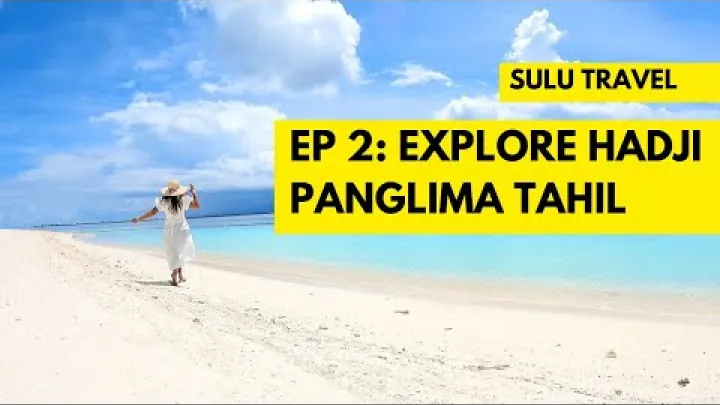
If you are searching for Jolo where to stay advice, the first question is not which hotel has the best view. Jolo, the capital of Sulu Province in the Sulu Archipelago, is a safety-sensitive destination where travel advisories, local contacts, transport access, and emergency planning should shape every accommodation choice. This guide explains the safest base logic, the limited lodging scene, arrival routes, and the checks to complete before you confirm a room. The practical answer for most essential trips is to stay in central Jolo town, but only after current security, transport, insurance, and local support have been verified.
Start With the Safety Decision
Jolo is not a normal hotel-shopping destination. Accommodation decisions here should begin with risk, purpose, and support, not with price or hotel style. Conditions can change, public information can be limited, and older travel reviews may not reflect current access or security arrangements.
Check Official Travel Advisories Before Any Booking
Before booking accommodation in Jolo, check the latest official travel advice from your government and your embassy or high commission. Major foreign government advisories have warned against travel to the Sulu Archipelago, including Jolo, because of terrorism, kidnapping, armed conflict, and other security risks. The U.S. Department of State publishes a Philippines travel advisory that should be reviewed close to travel, not months in advance.
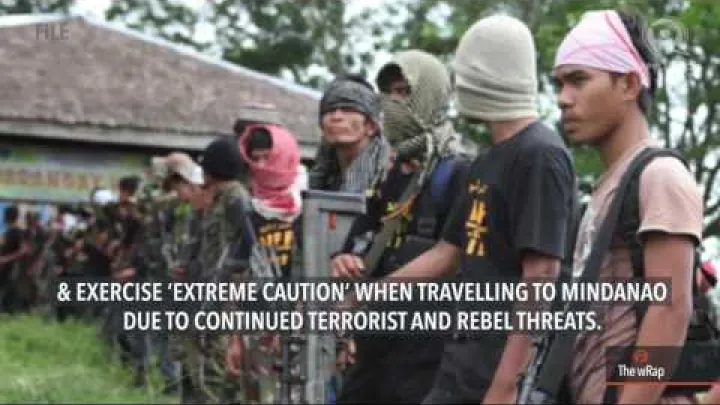
Also compare advice from other official sources when relevant to your nationality, employer, or insurer. The United Kingdom travel advice from GOV.UK has warned against travel to parts of Mindanao and the Sulu Archipelago. These advisories matter because they can affect travel insurance, employer approval, emergency assistance, evacuation support, and whether your government can help you during a serious incident.
Do not treat any hotel in Jolo as automatically safe. A guarded gate, central location, or good local reputation can reduce some practical problems, but it does not remove destination-level risk. If your official advisory says not to travel, a hotel recommendation should not be used as a reason to ignore that warning.
Understand Local Improvements Without Ignoring Visitor Risk
It is possible for local security conditions to improve while foreign travel warnings remain strict. Local and regional authorities may report normalization efforts, peace-building work, or security initiatives in Sulu Province. For example, recent reporting by Philstar described inter-agency peace and security initiatives involving Jolo, Patikul, and Indanan.
This local progress should be acknowledged respectfully. Residents, local officials, and businesses may experience Jolo differently from short-term outsiders. However, visitor risk is assessed differently from resident experience. Foreign advisories often consider the ability to provide emergency support, the risk to visibly non-local travelers, recent security incidents, and the consequences if transport or communication fails.
For that reason, the best approach is balanced. Do not dismiss local progress, but do not use it as a substitute for current travel clearance. Treat Jolo as a place where conditions may be improving locally, while non-local visitors still need conservative planning and reliable local guidance.
Decide Whether You Are the Right Type of Visitor
The people most likely to need accommodation in Jolo are usually traveling for a specific reason. This can include government visitors, NGO staff, business travelers, diaspora visitors, researchers, journalists, technical specialists, or people with family and trusted local support. For these travelers, the question is often how to manage a necessary trip as responsibly as possible.
Mainstream leisure travelers should treat Jolo as unsuitable unless they have a compelling reason, trusted local contacts, and current security clearance. If your plan is casual sightseeing, beach-hopping, or spontaneous island exploration, the risk-management requirements may outweigh the benefit of staying overnight.
Go or postpone decision:
- Consider going only if: the trip is essential, current advisories and your organization allow it, local contacts are reliable, transport is confirmed, and accommodation can support safe arrival and movement.
- Postpone if: the trip is discretionary, insurance excludes the area, ferry or flight access is uncertain, your local support is weak, or you cannot confirm emergency contacts.
- Do not rely on: old reviews, unverified social media posts, low room prices, or a general claim that a property is central.
Best Area to Stay in Jolo
For travelers who still have a valid reason to stay, the best area is usually central Jolo town. This is a practical recommendation, not a guarantee of safety. It is based on access to services, transport, official offices, and known accommodation options.
Use Central Jolo Town as the Default Base
Central Jolo town should be the default base for most visitors who need to stay overnight. Jolo is the provincial capital of Sulu Province, within the Bangsamoro Autonomous Region in Muslim Mindanao, and the town concentrates many of the services a visitor is most likely to need. Staying centrally can reduce transfer time and make coordination easier with local contacts, hosts, drivers, or official offices.

Relevant local anchors include Jolo Port, the Sulu Provincial Capitol, the Sulu National Museum, and the central commercial area. These should not be understood as tourist guarantees, but as practical reference points when checking a hotel address or planning a pickup. Before travel, confirm how far the property is from your arrival point, your meeting location, and the people responsible for your local movements.
A central base is also useful because it limits unnecessary travel across the island. In a destination where movement planning matters, the best hotel is often the one that reduces transfers and helps you coordinate arrival, meetings, meals, and departure with fewer unknowns.
Prioritize Secure Compounds and Main Central Streets
In Jolo, a good location is not only about being near a market, port, or office. It is also about controlled entry, reception reliability, transport coordination, communication access, and proximity to official or well-trafficked areas. A property that can help with port pickup, trusted drivers, local advice, and emergency contacts may be more useful than a property that only offers a nicer room.
Ask directly whether the accommodation has guarded entry, staff on site at your arrival time, clear visitor rules, and a known procedure if your ferry is delayed. Also ask whether the property can coordinate with your host, driver, or local partner before you arrive at Jolo Port or another entry point.
Be conservative about night movement. Do not assume that a central location means you can walk freely after dark. Ask your host and accommodation for current advice before each movement, and use arranged transport when needed. A secure location may feel less flexible than a normal city hotel, but that trade-off can be appropriate for a risk-sensitive stay.
Treat Beaches, Rural Villages, and Outlying Areas as Day-Trip Zones Only
Places outside Jolo town, including Parang, Tanduh Beach, Bud Dajo, Patikul, Indanan, and rural parts of the island, may have scenic, cultural, historical, or family significance. However, public evidence for reliable visitor accommodation outside central Jolo town is limited. Distance from central services also increases uncertainty around transport, communication, and emergency access.
For most non-local visitors, outlying areas should be treated as coordinated day-trip zones only, not as casual overnight bases. Any movement beyond the central town area should be arranged with trusted local contacts who understand current conditions and who can advise on timing, transport, and whether the trip is appropriate at all.
This is a conservative recommendation based on the safety context and evidence gaps. It is not a judgment on the value of those communities. It simply means that a rural or beach stay should not be assumed practical unless current local sources and your security guidance clearly support it.
Jolo Accommodation Options
Jolo accommodation is limited compared with mainstream Philippine tourist destinations. Expect functional lodging rather than a large choice of resorts, international chains, hostels, or serviced apartments. Availability, guest acceptance, payment methods, and security arrangements should be confirmed directly before travel.
Security-First Base: Sulu Peacekeepers Inn
Sulu Peacekeepers Inn is often mentioned in traveler accounts as a security-first accommodation option in Jolo. It should be treated as a reported option that requires direct confirmation, not as a guaranteed current booking choice. Before relying on it, verify whether it is operating, whether it accepts your type of guest, what access rules apply, and whether it fits your organization or host requirements.
The main trade-off is security context versus flexibility. A security-first base may offer a more controlled environment and may be more suitable for NGO workers, official visitors, institutional travelers, and people whose organizations prioritize duty of care. At the same time, comfort may be basic, movement may be less spontaneous, and the property may not function like a conventional hotel.
Even if a compound is guarded or institutionally preferred, it does not remove the broader advisory risk of the destination. Use it as one part of a wider plan that includes current advisories, local contacts, transport arrangements, and a clear exit strategy.
Central Comfort Options: Bay Natuh Bed and Breakfast and Bay Natuh Boutique Hotel
Bay Natuh Bed and Breakfast and Bay Natuh Boutique Hotel are central hotel-style options that may appeal to visitors who need town access and more conventional comfort. They may be considered by domestic business travelers, diaspora visitors, or specialists who already have strong local support and who want to be close to meetings, family, offices, or central services.
Do not choose these properties only because they sound more comfortable. Compare them on current security arrangements, transport help, reception hours, room condition, Wi-Fi, mobile signal, payment options, cancellation rules, and whether they are currently accepting non-local guests. Ask whether they can coordinate arrival from Jolo Port and whether they have trusted driver contacts.
A comfortable central hotel can be practical when your local support is strong. However, comfort does not replace security planning. The right choice depends on who is meeting you, how you will move around, whether your arrival time is reliable, and whether the property can respond if plans change.
Budget Lodges and Small Local Hotels
Lower-profile options such as Helen's Lodge, A S Y Hotel, Honeybee Hotel, and other small local hotels or lodges may exist or be known locally. These properties may serve domestic travelers, traders, students, workers, or visitors with family ties. Public information can be sparse, and online details may be incomplete or outdated.
First-time foreign visitors should not choose a budget property in Jolo solely because of price. Confirm security, cleanliness, reception reliability, water, power, air conditioning, payment method, exact location, and transport support. Ask a trusted local contact whether the property is appropriate for your visitor profile and purpose.
Budget lodging standards can be very different from international expectations. That does not make them unsuitable for everyone, but it means they require more local verification. If you do not have strong local support, a low room rate is not a strong enough reason to accept extra uncertainty.
What Jolo Does Not Currently Offer
Jolo does not appear to have a broad mainstream tourism hotel scene with resort rows, international hotel chains, deep serviced-apartment supply, or many directly bookable options on global platforms. Accommodation should be treated as a functional base for an essential trip, not as a conventional island vacation product.
Be especially careful with broad booking platforms. Some online results for Jolo can show properties outside Jolo Island, outside Sulu Province, or even in unrelated places with similar names. For example, Expedia results associated with Jolo may include hotel deals in other locations, so the exact municipality, province, and island must be checked before payment.
Before booking, open the map, confirm the full address, and ask the property to describe its location relative to Jolo Port, the town center, and your meeting point. If the listing cannot clearly show that it is in Jolo, Sulu, do not assume it is usable for your trip.
Choose a Base by Purpose and Risk Tolerance
The best place to stay in Jolo depends on why you are there and how much support you have. The same hotel may be reasonable for one visitor and unsuitable for another. Use purpose, risk tolerance, and local coordination as the main filters.
| Visitor type | Most practical base | Main check before booking |
|---|---|---|
| Official or NGO travel | Security-first compound or approved arrangement | Employer duty-of-care and movement rules |
| Diaspora or family visit | Central hotel, lodge, or family-linked base | Local family guidance and transport support |
| Domestic business | Central Jolo town near meetings | Pickup, payment, and schedule reliability |
| Research or journalism | Secure or central base arranged with partners | Local partner coordination and communications |
| Casual leisure | Usually not recommended | Whether the trip should be postponed |
For Official, NGO, and Security-Sensitive Travel
If you are traveling for official, NGO, humanitarian, development, or institutional work, your accommodation choice should follow duty-of-care rules. Do not bypass employer, embassy, donor, or security-team guidance because a room looks more convenient or comfortable.
A secure compound or government-adjacent arrangement may be more appropriate than a normal hotel. Before arrival, confirm who is responsible for pickup, whether escorts are required, which movements are approved, what check-in procedures apply, and who to contact if plans change. Your accommodation should be part of your movement plan, not a separate decision.
Also confirm practical basics that affect work travel: communications, backup power, meeting access, meal arrangements, and the ability to leave on schedule. In Jolo, a property that helps you keep a controlled routine can be more valuable than one with extra amenities.
For Diaspora, Family Visits, and Domestic Business
Visitors with family, clan, business, local-language support, or long-standing ties may have a different risk profile from first-time international visitors. They may understand social context, local routes, events, and accommodation norms better than outsiders. Even so, local knowledge reduces some problems; it does not eliminate risk.
For family visits or domestic business, choose a central hotel or lodge based on proximity to family homes, offices, mosques, markets, event venues, or the port. Ask your local contacts whether the property is appropriate for your identity, schedule, and reason for travel. If family members recommend staying in a private home, consider whether it supports communication, transport, privacy, and contingency planning.
Do not assume that staying with relatives is always safer or more practical. It may be the right choice for some visitors, but it can create extra movement, privacy, or emergency-planning issues for others. The best base is the one that your local network can support reliably.
For Researchers, Journalists, and Specialist Travelers
Researchers, journalists, consultants, and specialist travelers should choose accommodation through trusted local partners, not through a room-only search. The key questions are whether the base supports secure movement, reliable communication, vetted transport, introductions, and a clear plan for meetings.
A secure compound may be better for risk control, while a central hotel may be more convenient for interviews, offices, and short movements in town. The right trade-off depends on your assignment, profile, visibility, and partner guidance. Do not assume that specialist knowledge of Jolo's history, politics, or culture makes solo exploration advisable.
Ask whether the property or host can help arrange vetted drivers, local introductions, practical communication, and safe movement windows. Keep the questions operational but not tactical. You need enough information to travel responsibly without relying on unverified route labels or informal claims.
Transport and Arrival Logistics That Affect Where You Stay
Transport is one of the main reasons central Jolo town is the default accommodation area. Arrival delays, ferry schedules, port pickup, and movement after dark can all affect whether a hotel is practical.
Arriving Through Zamboanga and Jolo Port
Many routes to Jolo involve first reaching Zamboanga, often via Zamboanga International Airport, and then continuing to Jolo by ferry or car ferry. Public route planners list service on the Zamboanga to Jolo ferry route, but schedules, fares, operators, and travel times can change and should be verified directly before travel. Rome2Rio lists ferry options between Zamboanga and Jolo, but this should be treated as planning information rather than a final schedule.

Choose accommodation that can coordinate arrival timing and pickup from Jolo Port. This is especially important if your ferry is delayed, if you arrive later than planned, or if you are unfamiliar with the town. Confirm the name and phone number of the driver, where you will meet, and what you should do if mobile signal is weak.
Do not separate maritime travel from safety planning. If official advisories mention risk in the region, your route and your accommodation should be reviewed together. A central hotel with reliable port coordination may be more appropriate than a cheaper or more remote property that leaves arrival logistics uncertain.
Using Jolo Airport or Institutional Transport
Jolo has an airport, but public information on regular commercial flight access can be limited or changeable. Do not assume that there are frequent tourist flights without confirming through official channels, your local host, an airline, or an institutional travel coordinator.
If you are arriving by air through official or institutional transport, the accommodation questions remain similar. Who will meet you? How long is the transfer? Is the property expecting you at that time? What happens if the flight or movement plan changes?
Even when arrival by air is possible, central Jolo town is still usually the most practical base for services, communication, official offices, and coordination. The arrival mode changes the transfer plan, but it does not remove the need for a central, supported stay.
Moving Around Jolo Town and the Island
Plan movement in Jolo before you arrive. For non-local visitors, pre-arranged trusted transport is generally more appropriate than casual self-guided movement, especially after dark or outside town. Ask your accommodation or host for current advice before each movement, not only at the start of the trip.
A useful hotel in Jolo is one that can help with reliable driver contacts, local security awareness, communication support, and practical timing. A room alone is not enough if you cannot safely and reliably reach meetings, meals, the port, or your exit transport.
Before moving around, ask simple questions: Who is driving? Does the driver know the destination and return time? Is the route currently appropriate? Should the movement be delayed? Who knows that you are leaving and when you are expected back? These questions are practical and easy to translate, and they help prevent avoidable problems.
Safety and Booking Checklist Before You Confirm
Because Jolo is safety-sensitive and public accommodation information is limited, booking should be slower and more deliberate than in a typical tourist city. Confirm the trip, the property, the transport, and the exit plan as one package.
Verify Current Conditions With Official and Local Sources
Check official travel advisories, your embassy or high commission, BARMM tourism information, local hosts, and any employer or institutional security team. The Bangsamoro Government notes that tourists can seek information on itineraries, accommodation, transportation guidance, and safety tips through official tourism channels, but this should be used as guidance rather than a guarantee of safety.
A hotel recommendation can become outdated quickly in a destination where access, security, and transport may change. Ask date-specific questions. Instead of asking whether a hotel is good, ask whether it is accepting guests this week, whether arrival from Jolo Port is currently practical, and whether your planned movement is advisable on your travel dates.
Verification checklist:
- Current government travel advisory for your nationality.
- Embassy or high commission guidance, including registration where available.
- Employer, organization, or host approval if traveling for work.
- Local contact confirmation for arrival, movements, and departure.
- Accommodation confirmation by direct phone, message, or email.
- Transport confirmation for Zamboanga, Jolo Port, airport access, and local transfers.
- Insurance confirmation for travel to Sulu Province and the Sulu Archipelago.
Ask Hotels the Right Security and Practical Questions
Before confirming a room, ask direct and simple questions. If the property cannot answer clearly, pause the booking and ask your local host for help. For a first-time visitor, uncertainty about basic logistics is a warning sign.
- Are you currently accepting non-local guests?
- What is the exact address, municipality, province, and nearest landmark?
- Can you arrange pickup from Jolo Port or the airport?
- Is there guarded entry or controlled access?
- What are reception hours, and who can be contacted after hours?
- Do you have trusted driver contacts?
- What is your advice on night movement from the property?
- What are the visitor rules?
- What emergency contacts should guests keep?
- Where is the nearest official assistance point?
- Is Wi-Fi available, and is mobile signal reliable?
- Do you have backup power and reliable water?
- Is air conditioning available in the room?
- What payment methods do you accept?
- What is the cancellation policy if transport or security conditions change?
Also confirm the location on a map before paying. Check that the property is in Jolo, Sulu, not in another Jolo or in another province. Ask for a current contact number and save it offline in case you lose internet access.
Check Insurance, Documents, and Exit Plans
Some travel insurance policies exclude destinations under official do-not-travel advisories. Do not assume you are covered. Read the policy wording and ask the insurer directly whether travel to Jolo, Sulu Province, or the Sulu Archipelago is covered under current advisories. Keep written confirmation if possible.
Prepare copies of your passport, identification, visa or entry documents if relevant, insurance details, emergency contacts, and accommodation confirmation. Register with your embassy or high commission if your government offers that service. Share your itinerary with a trusted person who is not traveling with you.
Your accommodation should support your exit plan. That means reliable communication, help with transport timing, and the ability to coordinate if a ferry is delayed or conditions change. No room is a good choice if it leaves you unable to depart safely and predictably.
Recommended Where-to-Stay Scenarios
The following scenarios give a practical answer to where to stay in Jolo. They are conditional because current conditions, availability, and visitor profile matter more here than in ordinary hotel searches.
Default Recommendation for First-Time Risk-Aware Visitors
If staying in Jolo is essential and your current checks support the trip, base yourself in central Jolo town. This gives the best balance of access to Jolo Port, local services, official offices, the central commercial area, and known accommodation options. It also reduces the need for long transfers across the island.
For the most risk-sensitive stay, prioritize a security-first property or arrangement such as Sulu Peacekeepers Inn if it is available, appropriate, and accepted by your host or organization. Confirm current operations and access rules directly before making plans around it.
For visitors with strong local support who need more conventional comfort, central hotel-style options such as Bay Natuh Bed and Breakfast or Bay Natuh Boutique Hotel may be considered after verifying security, transport, room condition, and communication access. Budget lodges may be suitable for some domestic or locally connected visitors, but they require stronger local verification.
When You Should Not Stay Overnight in Jolo
You should not stay overnight in Jolo if the trip is discretionary, if official advisories prohibit your travel, if your insurance excludes the destination, if your local contacts are weak, or if transport cannot be verified. You should also postpone if your accommodation cannot confirm arrival support, exact location, or emergency contact procedures.
Postponing or cancelling can be the responsible choice. This is especially true when the purpose is casual tourism or when your travel plan depends on assumptions rather than confirmed support. No hotel choice can compensate for a poorly planned or unnecessary trip into a high-risk advisory area.
This advice is not a negative judgment on Jolo residents or on local progress in Sulu Province. It is a practical risk-management position for short-term visitors who may lack local knowledge, language ability, community ties, and emergency support.
Conclusion: The Practical Answer to Where to Stay in Jolo
The practical answer to where to stay in Jolo is central Jolo town, preferably in a property or arrangement that supports secure arrival, controlled movement, reliable communication, and clear local coordination. For security-sensitive travel, a compound-style or institutionally approved base may be more appropriate than a conventional hotel. For visitors with strong local support, central hotel-style options may work if current security and transport checks are satisfactory.
Before booking, check official advisories, confirm insurance, speak with local hosts, verify transport through Zamboanga or other arrival routes, and ask the hotel direct questions about security and logistics. If those pieces are not in place, the safest accommodation decision may be not to stay overnight in Jolo at all.
Select area
Create a post
Posting is free and no registration is required.