Jolo Things to Do: Sulu Culture, Coast and Safety

Jolo things to do are best planned with care, current information, and local coordination. The capital of Sulu Province sits in the Bangsamoro Autonomous Region in Muslim Mindanao, a region with rich Tausug heritage, coastal landscapes, and a complex security context. This guide focuses on practical choices: what to see in Jolo town, which day trips may be possible, how to approach transport, and when to change plans. Use it as an orientation guide, not as permission to travel without current safety, route, and access checks.
Before You Plan: Safety, Permissions, and Current Conditions
Any guide to Jolo, Bangsamoro, Philippines activities must begin with conditions on the ground. In some destinations, a list of beaches, hikes, and museums is enough. In Jolo and the wider Sulu Archipelago, the first decision is whether travel is appropriate at the time you plan to go.
Check current advisories before choosing attractions
Before choosing attractions, check your own government travel advice, insurance terms, employer or school restrictions, and guidance from local authorities or trusted local contacts. These checks matter because a place can be culturally important or naturally beautiful and still be unsuitable for casual tourism at a given time.
Do not rely only on old travel reviews, social media posts, or a map showing that a place is nearby. Conditions can change because of security operations, temporary closures, weather disruption, local events, or road restrictions. A responsible Jolo itinerary starts with a simple decision process: confirm whether travel to Sulu is allowed for you, confirm whether your insurance remains valid, and confirm whether local hosts consider your planned movement appropriate.
This guide does not label Jolo as safe or unsafe for every traveler. It explains what may be worth seeing if current advice supports travel. If current advisories or local guidance say not to proceed, the correct choice is to postpone or change your route.
Use local coordination instead of spontaneous sightseeing
In Jolo, local coordination is not a luxury add-on. It is part of practical trip planning. Arrange visits through trusted hosts, institutions, local authorities, work partners, community contacts, or organizations already operating in the area. Ask them to confirm the route, timing, opening hours, photography rules, and whether an escort or arranged vehicle is needed.
Different places carry different levels of complexity. A central stop near the Capitol Site is not the same as a rural beach, an isolated trail, a crowded market, or a religious site. A place that looks close on a map may still require a road-condition check, same-day security advice, and confirmed return transport.
Plans should change immediately if local advice changes. Keep your itinerary flexible, avoid unnecessary detours, and make sure someone reliable knows your schedule. For many visitors, the best experience in Jolo will come through hosted visits and conversations rather than independent wandering.
How to Get to Jolo and Move Around
Jolo is the primary island of Sulu Province and is commonly described as a volcanic island in the southwest Philippines. Basic destination context is available from Wikivoyage, but transport details should always be confirmed close to travel because services, procedures, and security requirements may change.
Use Zamboanga City as the main practical gateway
For most travelers, Zamboanga City is the practical regional staging point for Jolo. It has broader transport links than Sulu and is commonly used as the point from which travelers check onward sea or air options to Jolo. If you are planning Jolo things to do transport routes, build your first plan around reaching Zamboanga City, then confirming the current connection to Jolo.

Jolo Airport exists and is identified by the codes JOL and RPMJ. Live airport data pages such as Flightradar24 can help you check whether recent arrivals or departures are visible, but a flight-tracking or booking page does not guarantee reliable scheduled service for your dates. Verify with the airline, airport, or local contacts before building a plan around flying directly to Jolo.
The sea connection between Zamboanga City and Jolo is commonly documented, but you should not assume schedules, fares, procedures, or availability from outdated online information. Confirm with the operator or port before booking. Add buffer time for missed connections, cancellations, port procedures, weather, and security checks. A tight same-day connection is risky in any destination with limited onward options.
Plan local movement around Jolo Port, town roads, and verified transport
Within Jolo, useful orientation points include Jolo Port, the town center, and the Capitol area. These anchors help you understand where many practical movements begin or end. Short-distance movement may involve tricycles, private vehicles, or locally arranged transport, but availability and suitability should be confirmed for the exact day and route.
Do not treat distance as the only factor. A trip toward Patikul, Bud Dajo, Lake Seit, or lesser-known nature sites may look short, but transport feasibility is different from security suitability. Before leaving town, confirm the driver, route, pickup time, return plan, cash payment needs, emergency contacts, and whether the trip remains appropriate that day.
It is also wise to plan around daylight. Avoid late returns from beaches or rural areas unless local hosts specifically advise otherwise and have arranged reliable transport. Keep your phone charged, carry identification, and avoid changing the route spontaneously.
Must-Do Cultural Stops in Jolo Town
The easiest things to do in Jolo are usually town-based cultural and civic stops. They are still subject to current local advice, but they give visitors a more grounded understanding of Sulu than a checklist focused only on beaches.
Start at the National Museum Sulu
The National Museum Sulu is the strongest verified cultural anchor in Jolo. The National Museum of the Philippines describes it as a two-story museum in Jolo, the provincial capital, and notes that the building was once the Provincial Museum and Library of Sulu. Its location at the Capitol Site makes it a logical first stop for visitors who want cultural orientation before going elsewhere.
Use the museum to begin learning about the Sulu Archipelago, Tausug heritage, regional history, and local identity. This context is important because Jolo is often discussed from outside through the lens of conflict or security. A museum visit can help you approach the province with more respect and less dependence on stereotypes.
Before going, confirm opening hours, entry procedures, temporary closures, and access rules through official or local channels. Do not assume that hours from an old listing are still accurate. If photography is allowed, ask whether there are restrictions inside the building or around nearby public offices.
See civic and historic landmarks near the town center
When conditions allow, keep your first urban route compact. The Capitol area, Capitol Park, the Wall of Intramuros, and the Cathedral of Our Lady of Mount Carmel can be grouped as central Jolo landmarks rather than treated as a long independent walking tour. These places show different layers of the town: civic life, older urban history, and religious diversity.
The Cathedral of Our Lady of Mount Carmel, often known as Jolo Cathedral, should be approached as an active religious space, not only as a photo stop. Dress respectfully, avoid interrupting worship, and ask before taking photos of people or ceremonies. The same principle applies around public buildings and civic spaces: be discreet, follow local instructions, and do not photograph sensitive areas without permission.
The Wall of Intramuros is often mentioned in connection with Jolo’s historic urban fabric, but its present condition and accessibility should be checked locally. Avoid assuming visitor facilities, signage, or a formal walking route. A local host can help you understand what is appropriate to visit and how long to spend there.
Approach markets and barter trade with caution
Markets can be among the most revealing places in Jolo. They may show textiles, food, trade networks, household goods, and the everyday rhythm of town life. However, crowded public places require extra caution and may be unsuitable during periods of elevated risk.
Treat market visits as hosted experiences rather than independent sightseeing targets. Go with someone who understands the area, timing, and local expectations. Ask before taking photos, keep valuables discreet, and avoid lingering if your host advises moving on.
It is better to focus on cultural understanding than shopping hype. Prices, products, and even the best place to go can change. A short, well-guided visit may be more meaningful than a long unsupported wander through a crowded area.
Easy Half-Day and Day Trips from Jolo Town
Jolo has coastal and volcanic landscapes, but day trips outside the town center need more planning than central cultural stops. The following options should be treated as conditional: possible only when current local advice, transport, weather, and access arrangements are positive.
Maubo Beach in Patikul
Maubo Beach in Patikul is one of the better-known coastal options associated with Jolo. It is commonly described as being a short drive from Jolo town, but you should verify current access before treating it as a beach day. Patikul is outside the town center, so route suitability matters as much as distance.

If local hosts approve the visit, plan it as a daylight trip with confirmed transport both ways. Do not assume resort-style facilities, lifeguards, changing rooms, food stalls, or easy mobile signal. Bring water, sun protection, modest beachwear appropriate to local expectations, and enough cash for small payments if needed.
Maubo Beach may appeal to travelers who want coastal scenery without trying to build an ambitious island-hopping plan. Still, avoid unescorted visits and avoid late return travel. If advice changes, choose an in-town cultural stop instead.
Bud Dajo for history, views, and reflection
Bud Dajo should not be presented as a casual adventure hike. It is a volcanic feature with deep historical significance, including its association with the Moro Crater Massacre. For that reason, it should be approached as a solemn historical landscape as well as a place of elevation and views.
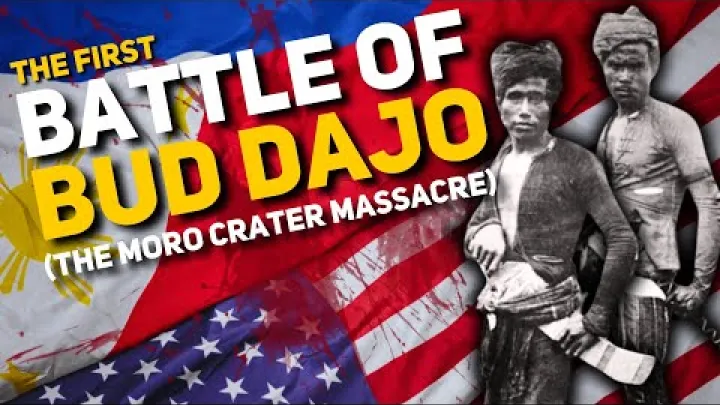
If you are considering Bud Dajo, ask local contacts about access, permissions, trail conditions, transport, weather, and the appropriateness of visiting at that time. Do not assume formal trail infrastructure, guide availability, signage, or a simple hiking route. A respectful visit may require more listening than photographing.
Use careful behavior at the site. Avoid treating painful history as a backdrop for adventure images. If a local host or authority advises against going, do not substitute your own map reading for their judgment.
Lake Seit, Tambuang Falls, Tanjung Beach, and Tanduh Beach
Lake Seit, Tambuang Falls, Tanjung Beach, and Tanduh Beach are examples of lesser-documented nature options that may interest travelers with strong local support. They show the variety of landscapes associated with Jolo and Sulu, including inland water, waterfalls, and coastal areas.
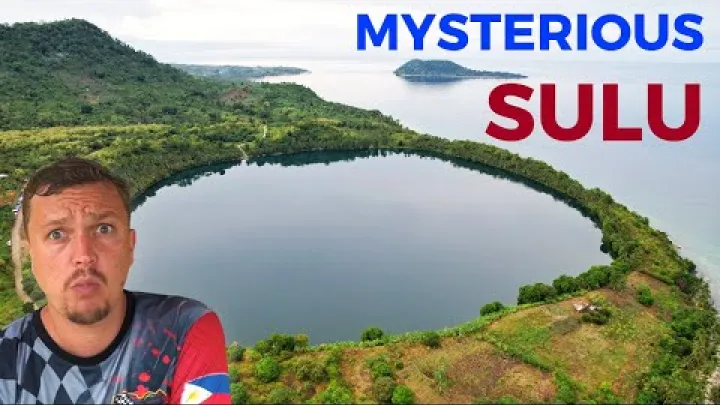
Because public information is sparse, do not assume access, facilities, swimming conditions, road quality, entrance fees, boat availability, or crowd levels. These places should be considered only after local contacts confirm whether a visit is suitable and how it should be arranged.
For many visitors, it is better to choose one carefully checked nature outing than to chase multiple uncertain stops. If weather, sea conditions, or local advice are unfavorable, keep the day in Jolo town and use the time for the museum, civic landmarks, or hosted local conversations.
Ranked Shortlist by Interest
The best things to do in Jolo depend on your purpose, time, and support network. The table below ranks options by practical value and evidence strength, not by promotional excitement.
| Interest | Best first choice | Why it stands out | Main caution |
|---|---|---|---|
| Culture | National Museum Sulu | Strongest verified cultural anchor | Confirm hours and access |
| Urban history | Capitol area and Wall of Intramuros | Compact town-based route | Check current condition and permissions |
| Religious heritage | Jolo Cathedral | Central religious landmark | Respect worship and photography rules |
| Coast | Maubo Beach | Recognizable coastal option | Needs route and safety checks |
| Landscape memory | Bud Dajo | Volcanic and historical significance | Not a casual hike |
Best for culture and history
For culture and history, start with the National Museum Sulu. It offers the clearest and most reliable cultural orientation for visitors who want to understand Sulu beyond headlines. It is also easier to plan than remote nature sites because it is located at the Capitol Site in Jolo.
After the museum, consider nearby civic and historic landmarks such as Capitol Park, the Wall of Intramuros, and Jolo Cathedral if local guidance supports the route. These sites differ in purpose: the museum gives context, the civic area shows current public life, the Wall of Intramuros points to older urban layers, and the cathedral reflects part of Jolo’s religious landscape.
Bud Dajo belongs in a history-focused shortlist, but with a different level of sensitivity and access complexity. It is not simply a viewpoint. Choose it only if you have the right support and enough time to approach the site respectfully.
Best for nature and coastal scenery
For coastal scenery, Maubo Beach is the most recognizable option in available travel references. Its appeal is the possibility of seeing Jolo’s coastline without planning a complicated multi-stop route. The tradeoff is that it is outside the town center, so transport and same-day local advice are essential.
Bud Dajo may offer elevated views, but it should not be ranked only as a scenic stop. Its historical importance changes how visitors should behave there. Access, trail conditions, and permissions need to be checked locally.
Tanjung Beach, Tanduh Beach, Lake Seit, and Tambuang Falls are secondary nature options because public information is limited. They may be worthwhile for visitors with strong local support, but they are not guaranteed itinerary items. Compare them by access difficulty, documentation quality, isolation, and the need for an escort rather than by unsupported claims about beauty or facilities.
Best for everyday local life
For everyday local life, focus on the Capitol area, town streets, hosted market visits, and locally recommended eateries. The broader Bangsamoro region has a distinct cultural and political context, and guides such as NomadMania highlight its deep history and Muslim-majority cultural setting. In Jolo, this means visitors should approach daily life with respect, patience, and awareness of local norms.
The most meaningful experiences may come through conversations with hosts, museum staff, institutional contacts, or community partners. Ask broad, respectful questions and listen more than you speak. Avoid romanticizing hardship, conflict, or informality as tourist atmosphere.
Food can be part of understanding Jolo, but do not build a rigid food itinerary without current local recommendations. Ask your host where it is appropriate to eat, whether timing matters, and whether modest dress or other customs should be observed. Always ask before taking photos of people, stalls, or private spaces.
Suggested Itineraries for One Day, Three Days, and One Week
These itineraries are frameworks, not fixed schedules. Use them only after current travel advice, local coordination, and transport arrangements are confirmed.
One day in Jolo
With one day in Jolo, keep the route compact and town-based. Start with the National Museum Sulu if it is open, then spend time around the Capitol area. If local guidance supports it, add the Wall of Intramuros and the Cathedral of Our Lady of Mount Carmel.
Do not try to add a rural beach, Bud Dajo, and several town sights into one day. The value of a short visit is cultural orientation, not quantity. Leave time for security checks, transport delays, meals, and changes in advice.
Before leaving your accommodation or host location, confirm opening hours, transport, return arrangements, and whether the planned route is still appropriate. If the museum or a landmark is closed, use the time for a hosted town drive, a short civic-area visit, or a conversation with local contacts.
Three days in Jolo
A cautious three-day plan gives more flexibility. Use day one for Jolo town: National Museum Sulu, the Capitol area, nearby landmarks, and a hosted introduction to local life. Keep the day simple so you can understand the setting before planning anything farther away.
Use day two for a locally approved coastal option such as Maubo Beach if conditions allow. Confirm the route, vehicle, driver, return time, and whether there are any access restrictions. If weather or advice is unfavorable, replace the beach with another town-based cultural activity.
Use day three for Bud Dajo or another nature site only if access, permissions, transport, and safety checks are positive. If you are leaving Sulu by ferry or onward transport, protect your departure buffer. Missing an onward connection can create more stress than skipping one attraction.
One week in Sulu
One week in Sulu is mainly appropriate for travelers with a specific purpose, such as research, local partnerships, work, family connections, or institutional visits. It is not necessary for a conventional attraction checklist, and it should not be planned without strong local support.
Extra time can be valuable if it is used for deeper cultural learning. You might arrange a longer museum visit, hosted market time, meetings with local institutions, or carefully planned nature outings. A slower pace also gives room for cancellations, weather disruption, and advice changes.
Avoid filling a week with remote villages, isolated beaches, or island-hopping routes unless transport and safety are verified by reliable local contacts. In Jolo, good planning often means doing fewer things with better coordination.
Costs, Seasonality, and Booking Practicalities
Online information for Jolo can be limited, incomplete, or outdated. This makes direct confirmation more important than in destinations with mature tourism infrastructure.
Book and confirm locally
Before travel, confirm lodging, local transport, museum hours, port procedures, and any guide or host arrangements through trusted contacts. Keep names, phone numbers, ticket details, and pickup points written down as well as saved on your phone. Carry identification and any documents required by your host, employer, school, or travel provider.
Do not depend entirely on online hotel or tour listings. Availability, suitability, and procedures may differ from what appears on booking pages. If a local partner is helping you, ask them to confirm whether a listed place is appropriate for your purpose and current conditions.
Carry enough cash for local payments, but avoid carrying more than you need for the day. Exact costs for transport, guides, and small purchases should be confirmed locally rather than assumed from old posts. Keep contingency funds for delays, changed transport, or an extra night if onward travel is disrupted.
Watch sea conditions and travel-season risks
Weather and sea conditions can affect ferry crossings, beach plans, and short-notice travel decisions. Because Jolo-specific travel-season information can be limited, avoid relying on broad Philippines weather summaries as if they guarantee local conditions in Sulu.
Check official weather updates, port announcements, and operator notices close to travel. If crossing by sea, build flexibility into both arrival and departure. If visiting a beach or coastal site, ask about sea conditions, road conditions, and whether a return trip remains advisable.
The best practical season is the one in which transport is operating, local advice is positive, weather is manageable, and your purpose for visiting is clear. Flexibility is more useful than a fixed month-by-month promise.
Frequently Asked Questions
Is Jolo safe for tourists right now?
Safety depends on current conditions, your nationality, your purpose, and your local support. Check government travel advisories, insurance coverage, and local authority or host guidance before planning any attractions. If advice is negative or unclear, postpone travel.
How do you get to Jolo from Zamboanga City?
Zamboanga City is the main practical gateway for many travelers. Sea connections between Zamboanga and Jolo are commonly documented, but schedules, fares, and procedures must be confirmed with the operator or port close to travel.
Can you fly directly to Jolo?
Jolo Airport exists, with the codes JOL and RPMJ, but scheduled commercial flight availability should not be assumed. Check current airline information, airport status, and local advice before planning a direct flight.
What are the easiest things to do in Jolo town?
The easiest town-based options are usually the National Museum Sulu, the Capitol area, nearby civic landmarks, the Wall of Intramuros, and Jolo Cathedral, if access and local guidance support the visit.
Can you visit Maubo Beach or Bud Dajo independently?
Independent visits are not recommended. Maubo Beach, Bud Dajo, and other sites outside the town center should be arranged only with trusted local coordination, confirmed transport, route checks, and current safety advice.
Conclusion: A Responsible Way to Approach Jolo
Jolo rewards careful, respectful planning more than spontaneous sightseeing. The most practical starting points are the National Museum Sulu, the Capitol area, selected town landmarks, and hosted introductions to local life. Beaches, Bud Dajo, Lake Seit, Tambuang Falls, Tanjung Beach, and Tanduh Beach may be possible only when current access, transport, weather, and safety conditions are favorable.
If you decide to go, make Zamboanga City your practical gateway, confirm every connection, and keep your route flexible. Most importantly, let current local guidance shape the trip. A responsible visit to Jolo is not about seeing the most places; it is about understanding Sulu with care, respect, and good judgment.
Select area
Create a post
Posting is free and no registration is required.