Jolo Weather: Climate, Seasons and Travel Planning

Jolo Weather: Climate, Seasons, and Travel Planning for Jolo, Sulu
Jolo weather is tropical, warm, humid, and strongly shaped by rain, sea conditions, and seasonal wind patterns around the Sulu Archipelago. For anyone considering travel to Jolo, Sulu Province in the Bangsamoro region, weather is only one part of the decision. This guide explains what Jolo climate usually feels like, how the months differ, when rain and storms matter most, and how to plan with safety, access, and flexibility in mind.
Check Safety and Current Conditions Before Planning Around Weather
Before using climate patterns to choose dates, treat safety and access as the first planning questions. Jolo Island is not a destination where a sunny forecast alone should drive a travel decision. Official advisories, local authority guidance, transport status, and weather alerts should be checked together.
Start With Official Travel Advice
If travel to Jolo is being considered, start with current official travel advice for Sulu and the southern Philippines. Government advisory pages, including SafeTravel, can help readers understand why security, road movement, maritime travel, and local conditions need separate checks from the weather forecast.
Good weather does not automatically mean a trip is appropriate or accessible. A lower-rainfall month may improve the chance of comfortable walking or calmer seas, but it does not replace current advice from authorities, local contacts, accommodation providers, transport operators, or institutions responsible for your visit.
Use Forecasts for the Next Few Days, Not Long-Term Guarantees
Many searches for Jolo, Bangsamoro, Philippines weather are really searches for a current forecast. For decisions in the next few days, use a live forecast rather than seasonal averages. Services such as AccuWeather provide short-term forecast information for Jolo, including near-term conditions that can matter for outdoor movement, airport or ferry connections, and coastal plans.
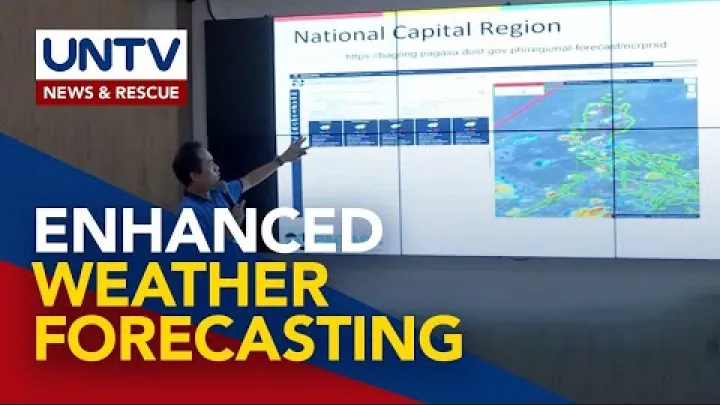
Seasonal climate guidance is useful for choosing better odds. A daily forecast is useful for deciding what to do now. Tropical showers and thunderstorms can develop quickly, and a morning that begins bright can still become wet, windy, or uncomfortable later in the day.
Check updates close to departure, especially before boat travel, long road movement, exposed outdoor plans, or any activity that depends on visibility and sea state. Also check operator notices and local instructions, because a forecast may not show all practical disruptions.
Jolo Climate at a Glance
Jolo has a tropical maritime climate. The surrounding Sulu Sea helps keep temperatures warm through the year, while humidity, cloud cover, monsoon flow, and rainfall decide how comfortable a day feels.
Hot, Humid, and Maritime Year-Round
Jolo is warm in every month. Unlike temperate destinations, the difference between the coolest and hottest periods is not dramatic. Most visitors should expect warm mornings, hot or very warm afternoons, muggy evenings, and nights that may still feel humid.
The maritime setting can bring sea breezes, but it can also keep humidity high. Shade, airflow, rain timing, and access to a fan or air conditioning often matter more than the exact temperature reading. A day that looks moderate on a weather app can still feel tiring during midday because the body cools less efficiently in humid air.
For practical planning, think of Jolo climate as a year-round warm-weather environment with changing rain risk rather than a place with sharply different temperature seasons.
Rain Matters More Than Temperature
For travel decisions, rain is usually more important than small temperature differences. The Philippines has a broad rainy season from June to November and a dry-season framework from December to May, according to PAGASA. Local conditions in Jolo can still vary, and rain can occur in any month.
Rain affects more than comfort. Heavy showers can reduce visibility, slow road movement, make surfaces slippery, interrupt market visits, and make beach or coastal plans less pleasant. In an island setting, rain and wind can also connect directly to sea conditions and transport reliability.
The safest way to read the seasons is in terms of better odds, not guarantees. A lower-rainfall period gives a better chance of useful outdoor time, while a wetter period calls for wider buffers and more conservative decisions.
Cloud, Humidity, and Sun Exposure Shape Daily Comfort
Cloudy skies do not remove heat or sun exposure risk. In the tropics, bright overcast conditions can still feel hot, and sun protection may still be needed even when the sky is not clear blue.
High humidity can make a short walk feel more tiring than expected, especially at midday or when there is little shade. Plan rest breaks, carry water, and avoid packing too many errands or sightseeing stops into the hottest part of the day.
For daily comfort, look beyond a single temperature number. Check the chance of rain, cloud cover, wind, humidity, and thunderstorm risk. Then plan movement around shade, shelter, and the possibility of sudden downpours.
Seasons in Jolo: Dry, Hot, Rainy, and Monsoon Patterns
The seasonal pattern in Jolo is best understood as a set of trade-offs. Drier months can be hotter and sunnier. Wetter months can bring more cloud, but also heavier rain, less reliable transport, and rougher sea conditions.
December to February Usually Has More Comfortable Weather
December to February is often one of the more manageable weather windows in many parts of the Philippines. For Jolo, this period usually offers better odds of more comfortable outdoor movement than the wettest months, although warm temperatures and humidity remain part of daily life.
This period can be better for walking, coastal views, and flexible outdoor plans because rain may be less persistent than during the core rainy season. It may also feel less harsh than the hotter late dry-season months, depending on the day.
This is a weather observation, not a safety recommendation. Official advisories, current forecasts, local access, and transport status still need to be checked before any plan is made.
March to May Brings Hotter Days and Stronger Sun
March to May can bring lower rainfall odds in the broader dry-season pattern, but the trade-off is stronger heat and sun exposure. Clearer skies may improve visibility and make coastal scenery look better, but they can also make walking and waiting outdoors more tiring.
During this period, start early when possible. Keep midday plans light, rest in shade, and drink water regularly. Choose breathable clothing and avoid unnecessary exertion during the hottest hours.
Even in the drier part of the year, showers can still occur. A compact rain plan remains useful, especially if you are moving between lodging, transport, official appointments, or coastal areas.
June to November Has Higher Rain and Disruption Risk
June to November is the broad rainy-season framework used for the Philippines. For Jolo travel planning, this period deserves more caution because heavier rain, thunderstorms, rougher seas, and transport complications become more likely.
Not every day is rainy. Wet-season travel can include dry intervals, sunny mornings, and usable outdoor windows. The issue is reliability. Plans that depend on exact timing, clear visibility, or smooth sea travel become harder to protect.
If movement is necessary during this period, build in buffer days, avoid tight same-day connections, and be ready to postpone exposed activities when rain, thunder, or rough seas appear likely.
Amihan and Habagat in Simple Terms
Two seasonal wind patterns are often used to explain Philippine weather: Amihan and Habagat. Amihan is the northeast monsoon, commonly linked with cooler, drier, and more comfortable conditions in many parts of the country. Habagat is the southwest monsoon, often linked with wetter and windier conditions.
These terms are useful for understanding the national pattern, but Jolo’s local experience may differ from better-known destinations in northern and central Philippines. Jolo Island sits in the Sulu Archipelago, and local rain, sea state, and wind exposure can change by day and by location.
Use the monsoon terms as a guide, not as a fixed rule. For practical decisions, combine the season with live forecasts, sea-condition checks, and local advice.
Jolo Weather by Month for Travel Decisions
Monthly weather guidance helps you compare risk, but it should not be treated as a prediction for a specific date. Jolo can have rain in any month, and short-term changes can matter more than average conditions.
How to Read Monthly Weather Without Overtrusting Averages
Monthly averages describe typical patterns over time. They do not tell you whether it will rain at 2 p.m. on the day you plan to move, meet someone, visit the coast, or board a boat. Modeled climate information, such as the Jolo Island data shown by Meteoblue, can be useful where detailed city-level station summaries are limited, but it should be combined with current forecasts and local guidance.
The table below uses qualitative planning labels. It avoids exact rainfall promises because tropical weather varies and local conditions can change quickly.
| Month | Typical planning feel | Main caution |
|---|---|---|
| January | Often more comfortable | Still check rain and sea conditions |
| February | Often favorable for outdoor time | Warm and humid days continue |
| March | Often drier and clearer | Heat and sun exposure increase |
| April | Hotter dry-season conditions | Midday heat can be tiring |
| May | Hot, with changing rain risk | Thunderstorms can become more frequent |
| June | Rain risk rises | Allow more schedule flexibility |
| July | Wet-season planning needed | Storm and sea disruption risk matters |
| August | Unreliable for fixed outdoor plans | Heavy rain and rough seas are possible |
| September | Flexible plans recommended | Monitor storms and local alerts |
| October | Can be among the wetter planning periods | Use buffers and cancellation flexibility |
| November | Rain risk can remain significant | Conditions may improve gradually, but not always |
| December | Often more manageable | Holiday movement and local conditions still need checks |
Months With Better Weather Odds
From a weather-only perspective, the early-year and late dry-season period often gives better odds for outdoor plans in Jolo. January, February, and March are commonly more favorable than the wetter months, with March often standing out as a comparatively drier month in modeled local climate information. April may also offer clearer intervals, but heat becomes a stronger concern.
These months can be better for walking, coastal views, errands, and plans that need dry ground or better visibility. The trade-off is sun and heat, especially as March turns into April and May.
Do not treat a favorable weather month as a complete travel answer. Safety advice, access, current forecasts, transport availability, and local conditions remain separate decisions.
Months That Need the Most Flexible Plans
June through November needs the most flexible weather planning, with special caution around the wetter and storm-risk months. During this part of the year, frequent rain can affect boats, roads, visibility, and outdoor comfort.
October and nearby months can require particular caution in Jolo weather by month planning because rainfall risk may be higher in available modeled climate patterns. This does not mean travel is impossible on every day, and it does not mean other months are dry. It means fixed plans are harder to protect.
If you must plan during wetter months, choose refundable or flexible arrangements where possible. Add buffer days, avoid narrow connection windows, and have indoor or sheltered alternatives ready.
Storms, Typhoons, and Sea Conditions Around the Sulu Sea
Storm planning matters in Jolo because the city is on an island in the Sulu Sea. Even when a tropical cyclone is not passing directly over Jolo Island, wider weather systems can affect rain, wind, sea conditions, and transport.
Typhoon Season and Heavy-Rain Hazards
PAGASA notes that the peak of the Philippine typhoon season is July through October, when a large share of typhoons develop. This official tropical cyclone context from PAGASA is important for Jolo because outer rain bands, monsoon enhancement, and low-pressure systems can still create local impacts even if the center of a storm is elsewhere.
Heavy rain can cause flooding in low-lying or poorly drained areas, reduce visibility, delay movement, and make steep or unstable ground more dangerous. In practical terms, this can affect road travel, waiting areas, coastal access, and the ability to keep appointments or connections.
When storms are possible, check PAGASA bulletins, local government instructions, and transport notices. Avoid exposed movement during severe weather and follow local instructions if warnings are issued.
Ferries, Boats, and Rough-Sea Delays
Sea conditions are a major practical issue for any island setting in the Sulu Archipelago. Bad weather can mean delayed departures, canceled trips, uncomfortable crossings, or itineraries that become stranded because the next safe connection is not available when expected.
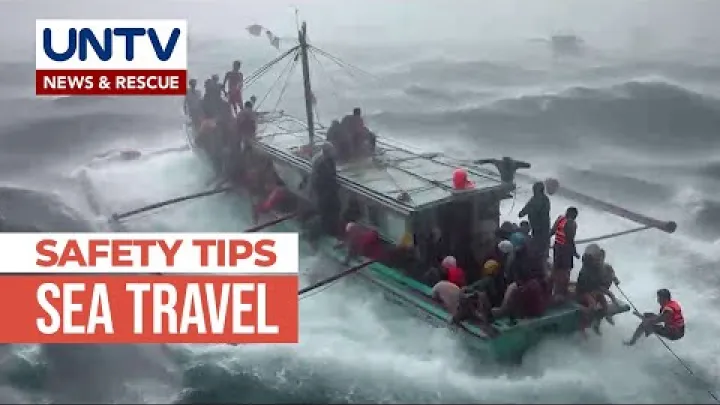
Avoid marginal weather, overloaded vessels, and unverified operators. If a trip depends on a boat connection, avoid tight same-day onward plans and keep essential medicines, documents, water, and communication tools accessible.
Thunderstorms, Flooding, and Lightning
Sudden tropical thunderstorms are a normal planning concern, especially in the wetter months. A short but intense downpour can disrupt walking, market visits, beach time, and local transport even if the rest of the day is usable.
Lightning risk matters in open areas, coastal locations, and around water. If you hear thunder, move indoors or under solid shelter. Do not wait in exposed coastal spots, under isolated trees, or on small boats because the sky still looks partly bright.
After heavy rain, expect slower movement. Wet surfaces can be slippery, shallow flooding can hide road edges or holes, and visibility may be reduced for drivers and pedestrians.
What the Weather Means for Sightseeing, Beaches, and Daily Comfort
Weather planning in Jolo is less about finding a perfect forecast and more about choosing safe timing, keeping plans simple, and staying ready to change direction. Heat, humidity, rain, and sea conditions affect daily movement as much as major storms do.
Daily Timing: Mornings, Midday Heat, and Afternoon Showers
A typical tropical planning rhythm is to use mornings for necessary outdoor movement, keep midday light, and stay flexible for afternoon showers or storms. This is not a fixed daily rule, but it is a useful way to reduce heat stress and weather disruption.
Mornings may feel more tolerable for walking, errands, or short sightseeing. Midday can be harsh because heat, humidity, and sun exposure combine. Late afternoons and evenings may feel more comfortable, but the air can still be humid and rain may remain possible.
For Jolo town and nearby coastal areas, avoid planning too many exposed stops in one block of time. Build in rest, shade, and shelter, especially if you are not used to tropical humidity.
Beach and Water Activities Need Conservative Weather Checks
Calmer, clearer periods are better for coastal activities, but weather suitability is only one question. Local safety, access, sea state, currents, visibility, and current security conditions all need separate checks.
Postpone swimming, boating, snorkeling, or other water-based plans during thunder, heavy rain, rough seas, or poor visibility. Conditions can change faster on the water than they appear from shore.
Ask local authorities, trusted local contacts, or verified operators about current conditions before entering the water or boarding a boat. Do not assume that a beach or route is suitable because the sky is briefly clear.
Walking, Markets, and Rainy-Day Fallback Plans
Heat and humidity affect walkability in Jolo town. Even short distances can feel harder during midday, and shelter may not always be available exactly when a shower begins.
Rainy-day problems are practical: wet streets, slippery steps, slower vehicles, limited dry waiting space, and delays in errands or meetings. If you are visiting for work, family, study, official appointments, or research, avoid overpacked schedules.
Good fallback plans are simple. Keep essential tasks close together, identify sheltered places in advance, ask local contacts which areas become difficult after heavy rain, and leave time to wait out downpours rather than moving through them.
What to Pack for Jolo Weather
Packing for Jolo means preparing for heat, humidity, sudden rain, and possible transport delays. Choose items that dry quickly, protect against sun, and keep important belongings safe from water.
Clothing for Heat, Humidity, and Sun
Pack lightweight, breathable, quick-drying clothing. Loose shirts, light trousers or skirts, and fabrics that dry overnight are more useful than heavy clothing that holds moisture.
Sun protection is important in both clear and cloudy weather. Bring a hat, sunglasses, sunscreen, and light long sleeves if you will spend time outdoors. Clothing should balance heat comfort, sun protection, and respect for local expectations in public settings.
Extra dry clothing can be useful because humid air slows drying. If you are moving by boat or road, keep at least one dry layer protected in your bag.
Rain Protection and Dry Storage
A compact umbrella, light rain shell, or poncho is useful because heavy rain can arrive quickly even outside the wettest months. Avoid heavy cold-weather rain gear, which can feel uncomfortable in tropical humidity.
Use waterproof storage for electronics, documents, medicines, and power banks. A simple dry bag, zip pouch, or waterproof cover can prevent a brief downpour or boat splash from becoming a serious problem.
Choose footwear with traction for wet surfaces. Smooth soles can be risky on wet concrete, boat ramps, steps, or tiled areas.
Comfort Basics for Humid Days
Carry water and plan regular breaks. For longer days, oral rehydration salts or electrolyte options may be useful, especially if you sweat heavily, but they are not a substitute for medical advice.
Insect repellent, basic personal medicines, and any prescription medicine should be packed carefully and kept dry. Humid nights may make a fan or air conditioning important for sleep comfort, so confirm lodging conditions when that matters to your health or work needs.
Travelers with health vulnerabilities, heat sensitivity, mobility concerns, or chronic conditions should seek personalized medical advice before travel. Weather planning can reduce discomfort, but it cannot replace professional guidance.
Best Time to Visit Jolo for Weather
The best time to visit Jolo for weather depends on what you mean by best. Lower rain risk, lower heat, calmer seas, and schedule reliability do not always peak at the same time.
Best Weather Odds Versus Overall Travel Risk
From a weather-only viewpoint, early-year and drier-season months often provide better odds for outdoor movement in Jolo. December to February can be more comfortable, while March may offer comparatively lower rain risk with stronger heat. April and May can still be useful for some plans, but heat becomes more important.
That weather answer must be balanced with overall travel risk. Jolo travel planning should separate climate questions from security, access, transport, and local authority guidance. A month with better weather is not automatically a good month to go.
If your priority is lower rain, look toward the drier-season pattern. If your priority is lower heat, the early-year months may be more comfortable. If your priority is boat reliability, check sea conditions and operator guidance close to departure rather than relying only on the calendar.
Build a Go-or-No-Go Weather Checklist
Use a simple checklist before making final decisions. Recheck it close to departure because tropical weather and local conditions can change quickly.
- Check official travel advisories for Sulu and the southern Philippines.
- Check PAGASA weather bulletins, storm information, and local alerts.
- Review a live Jolo forecast for the next few days.
- Confirm local access, accommodation status, and movement guidance with trusted contacts.
- Verify sea conditions and boat or ferry operation directly with current operators or authorities.
- Add buffer days if boats, long road movement, or important appointments are involved.
- Avoid tight same-day connections when weather disruption would create a serious problem.
- Postpone exposed outdoor or water activities during thunder, heavy rain, rough seas, or storm warnings.
This checklist is more useful than a single best-month answer. It turns climate knowledge into practical decisions for the exact week and route being considered.
Conclusion: Plan for Heat, Rain, and Flexibility
Jolo weather is warm, humid, and shaped by seasonal rain, monsoon patterns, thunderstorms, and sea conditions around the Sulu Sea. The early-year and drier-season months often give better weather odds, while June to November needs more flexibility because rain, storms, and transport disruption become more likely.
For Jolo, Sulu Province, weather planning should always sit behind safety and access checks. Use climate patterns to choose better odds, use live forecasts for near-term decisions, and follow official advisories and local instructions before committing to movement.
The most practical approach is simple: plan for heat, protect against rain, check conditions repeatedly, and keep enough flexibility to change plans when the weather or local situation requires it.
Select area
Create a post
Posting is free and no registration is required.