Jolo Solo Travel Guide: Safety and Access in Sulu
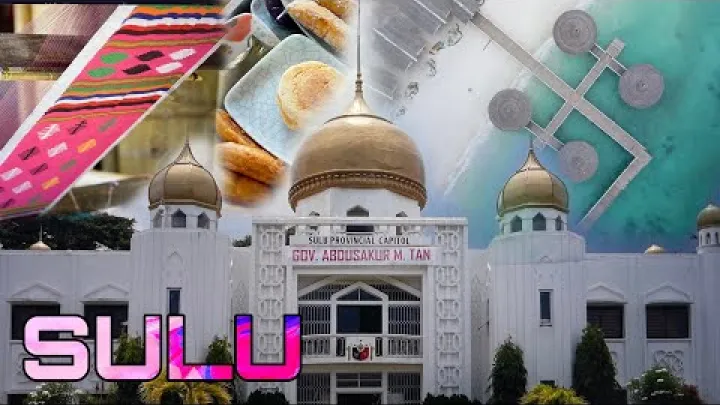
Jolo solo travel requires a different level of caution than most trips in the Philippines. Jolo town is the practical center of Sulu province in the Bangsamoro Autonomous Region in Muslim Mindanao, but the wider Sulu Archipelago is also named in severe foreign travel advisories. This guide explains what independent visitors need to know about safety, access, local coordination, accommodation, movement, and realistic alternatives. It is written for travelers who want a clear answer, not a promotional overview.
Should You Travel Solo to Jolo Right Now?
The most important question is not whether people ever visit Jolo. Some people do. The better question is whether it is advisable for an independent solo traveler without strong local support.
The short answer for most solo travelers
For most readers, Jolo is not a beginner-friendly solo destination and should not be treated like Cebu, Bohol, Palawan, Siargao, or other mainstream Philippine travel areas. The safety environment, transport uncertainty, limited tourism infrastructure, and need for local coordination make it an advanced destination.
A solo trip to Jolo may be possible for a narrow group of travelers with strong reasons, current local contacts, and a willingness to follow conservative movement plans. That is different from backpacker-style independent travel, where you arrive, find a hostel, meet other travelers, and decide plans day by day.
Before booking anything, check official travel advisories, confirm whether your insurance would cover Sulu, and contact reliable local hosts or tourism contacts. If any of those steps fail, postponing is the safer decision.
Why official advisories still matter
The U.S. Department of State advises against travel to the Sulu Archipelago, including the southern Sulu Sea, due to crime, terrorism, civil unrest, and kidnapping. Travelers should also check their own government advice because wording, coverage, and insurance consequences may differ by nationality.
Official advisories can remain conservative even when residents report improvement or when some visits happen smoothly. However, they still matter because they affect the practical side of travel. A high-risk advisory can limit consular support, invalidate parts of an insurance policy, or make emergency evacuation more difficult.
Solo travelers have a smaller margin for error. If plans change, transport is cancelled, or a local contact becomes unavailable, there is no companion to help make decisions, watch luggage, communicate with others, or provide a second view of a situation.
Who might still consider a managed visit
A managed visit may be considered only by travelers with a strong reason to go and reliable coordination. This may include researchers, journalists, official visitors, humanitarian or development workers, diaspora travelers visiting family, experienced travelers with long-standing local contacts, or visitors joining locally sanctioned arrangements.
Managed travel means that arrival details, accommodation, local movement, daytime activities, and emergency contacts are planned before departure. It also means accepting limitations. You may need to move with a host, avoid certain areas, cancel day trips, or change plans quickly if local advice changes.
If your main goal is beaches, food, culture, social hostels, or a relaxed solo trip, there are safer and easier places in the Philippines. Jolo should not be chosen simply because it looks interesting on a map or because one online trip report sounded easy.
Where Jolo Fits in the Philippines and Bangsamoro
Understanding the geography helps explain why planning for Jolo is more complex than planning for many Philippine cities or islands.
Jolo, Sulu, and the Sulu Archipelago
Jolo is the principal town of Sulu province, which is part of the Bangsamoro Autonomous Region in Muslim Mindanao. It is located in the Sulu Archipelago, an island chain in the southern Philippines between Mindanao and the wider maritime region of the southern Sulu Sea.
It is useful to separate the terms. Jolo town is the urban and administrative center. Jolo island is the island on which the town sits. Sulu province includes Jolo and other islands. The Sulu Archipelago is the broader island chain, and it is often the term used in foreign advisories.
This island geography affects security, transport, and emergency options. Distance from Manila or Cebu is not the only issue. Sea crossings, weather, port operations, and local conditions can all shape whether a journey is realistic.
How Jolo differs from mainstream Philippine solo destinations
Many Philippine destinations work well for solo travelers because they have hostels, regular tours, English-language travel services, clear ferry or flight booking systems, and a visible flow of other visitors. Jolo has a different profile.
Local people may be hospitable, curious, and helpful. That does not automatically make the destination easy for independent solo travel. Travel friendliness usually includes reliable fallback options, simple transport, a visible visitor economy, safe after-dark choices, and places where solo travelers can meet others. Jolo has limitations in several of those areas.
A traveler who feels comfortable moving independently around Cebu City, Panglao, El Nido, Coron, Iloilo, or Siargao should not assume the same planning model applies in Sulu. Jolo requires more pre-arranged support and less improvisation.
Culture, religion, and visitor expectations
Sulu is predominantly Muslim and strongly shaped by Tausug culture. Visitors should dress modestly, speak respectfully, and behave in a low-key way. This is not only about etiquette. In a close-knit setting, local goodwill and trust matter.
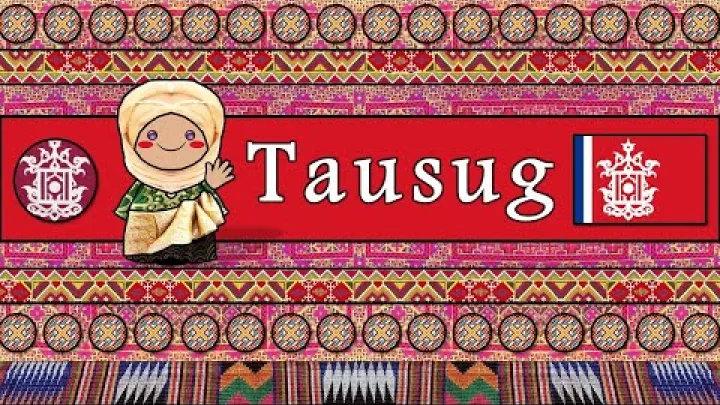
Practical behavior includes covering shoulders and knees, avoiding loud public behavior, asking before photographing people, and being careful near mosques, markets, ports, official buildings, and security-related areas. When in doubt, ask a host what is appropriate.
Respectful travel does not mean treating local customs as obstacles. It means recognizing that you are entering a community with its own norms, history, and sensitivities. The more visible you are as an outsider, the more important this becomes.
Safety Risks Solo Travelers Need to Understand
Jolo safety planning should focus on both everyday travel caution and low-frequency, high-impact risks. The second category is the reason official warnings remain serious.
Structural risks: kidnapping, terrorism, civil unrest, and limited help
Official advisories identify high-impact risk categories for the Sulu Archipelago, including kidnapping, terrorism, civil unrest, and crime. This does not mean every visitor will face an incident. It means the consequences of a rare incident can be severe, and the ability to solve problems may be limited.
For solo travelers, structural risks matter because there may be fewer immediate helpers who know your plan. If a transport link fails, if you enter an unsuitable area, or if local conditions change, you may need reliable contacts quickly.
Before making any commitment, check whether your travel insurance covers medical care, evacuation, trip interruption, and travel in areas under high-level advisories. Ask for written confirmation if the policy wording is unclear.
Visible calm versus low-frequency high-impact risk
A place can feel calm in daily life and still carry serious structural risk. Markets may operate, families may go about normal routines, and visitors may be welcomed warmly. These observations are meaningful, but they do not cancel the need for risk planning.
Travel vlogs and short trip reports can be misleading if viewed without context. A smooth visit may have been supported by local hosts, official coordination, or personal relationships that an ordinary solo traveler does not have. It may also reflect conditions on one specific day, not a general safety pattern.
The balanced view is to respect local progress and hospitality while still planning according to official advisories and current local verification. Do not use one positive anecdote as proof that independent solo travel is safe.
Solo female traveler considerations
Solo female travelers face the same structural concerns as other visitors, plus gender-specific considerations around dress, attention, movement, and cultural expectations. A conservative social setting may feel respectful to some women, but an unaccompanied foreign woman may also be highly noticeable.
Extra caution is appropriate. Arrange accommodation before arrival, dress modestly, move mainly in daylight, avoid isolated areas, and use trusted local contacts for transport and activities. If you are not comfortable with accompanied movement or limited spontaneity, Jolo is unlikely to be a good fit.
Jolo is not recommended as a first solo destination for women without local connections or a specialist reason to visit. This is not because women cannot travel independently. It is because the destination gives solo travelers fewer easy fallback options.
Petty scams and everyday opportunistic crime
Jolo's main planning concern is not the typical tourist scam environment found in busy resort areas. However, ordinary travel risks still matter. These can include unclear fares, overcharging, unsolicited help, cash handling, and opportunistic theft.
Agree on local transport fares before departure. Ask your accommodation or local contact what prices are reasonable. Keep cash discreet, avoid displaying expensive cameras or jewelry, and use referred guides or drivers rather than accepting random offers.
Do not let everyday scam awareness distract from the larger security environment. Avoiding overcharging is useful, but the more important question is whether your overall movement plan is appropriate and locally supported.
How to Verify Conditions Before Planning
For Jolo, verification is not a final detail. It is the foundation of the trip decision.
Check official advisories and insurance first
Start with your own government's current Philippines travel advisory. Read the sections that mention Sulu, the Sulu Archipelago, and the southern Sulu Sea. Do not rely only on the general country summary because risk levels often differ by region.
Next, read your insurance policy carefully. Some policies exclude areas where a government advises against travel. Others may cover medical treatment but exclude evacuation, cancellation, or claims connected to security incidents.
If the wording is unclear, contact the insurer and ask for written confirmation. Also register with your embassy or travel notification system if your country offers one. These steps do not make travel safe, but they reduce avoidable uncertainty.
Contact tourism offices and local hosts before booking
Before making irreversible bookings, contact reliable local hosts, the Sulu Provincial Tourism Office if reachable through current official channels, or regional tourism contacts. The Bangsamoro Government lists tourism functions through its Ministry of Trade, Investments and Tourism, which can help travelers understand the relevant regional institutional context.
Local coordination may affect whether arrival, movement, guides, accommodation, and check-ins are feasible. You may be asked to share your itinerary, arrival time, accommodation, phone number, emergency contact, and reason for visiting.
This should not be viewed as a loss of independence. In a destination like Jolo, coordination is a safety measure and a courtesy to the people who may need to help you if plans change.
Confirm transport, accommodation, and arrival procedures close to departure
Transport information for Jolo can be inconsistent online. Schedules may change because of weather, sea conditions, operator decisions, local events, or security considerations. Old blog posts and route summaries should not be treated as current operating information.
Reconfirm each segment close to departure. This includes the flight to your gateway city, onward sea transport, port arrival time, accommodation check-in, and pickup or transfer arrangements. Do not plan a tight same-day connection unless your local contact confirms that it is sensible.
Build buffer days into the plan. A safe solo plan should include a cancellation option, a place to wait if transport is delayed, and a clear decision point where you turn back rather than forcing the itinerary.
Getting to Jolo and Moving Around
Access is one of the biggest practical issues for independent visitors. Treat route planning as conditional until confirmed locally.
The usual gateway through Zamboanga
Many travelers approach Jolo through Zamboanga City in western Mindanao. In practical terms, this often means taking a domestic flight to Zamboanga and then arranging onward sea transport to Jolo, subject to current conditions.
Zamboanga is a more established gateway than Jolo for outside travelers, but this does not make the full route simple. You still need to verify onward transport, arrival procedures, and local support in Sulu.
It is wise to spend enough time in Zamboanga to confirm the next segment instead of planning a rushed connection. If you cannot confirm the boat, accommodation, and arrival support before leaving the gateway, do not proceed.
Ferries, inter-island boats, and schedule uncertainty

Route-planning platforms such as Rome2rio can help you understand possible connections, but they should not be treated as safety authorities or final schedule confirmation.
Verify with current operators, port contacts, accommodation staff, tourism offices, or trusted local contacts near the travel date. Ask about departure time, arrival time, ticketing, baggage, port procedures, weather disruption, and whether the arrival time is suitable for a solo visitor.
Do not arrive at a port without a confirmed plan and assume that improvisation will work. In Jolo, the risk of being stranded or arriving at a poor time is more serious than in a mainstream island destination.
Movement inside Jolo town
Jolo town is the practical center for the port area, markets, government offices, accommodations, food, and local services. Short-distance movement may involve local transport such as tricycles or arranged vehicles, but current options should be checked locally.
Ask trusted contacts which areas are appropriate for walking, eating, errands, and photography. Outsiders may not recognize local soft boundaries, sensitive buildings, or places where taking photos could create concern.
A cautious solo traveler should avoid treating the town as a place for open-ended wandering. Keep movements purposeful, local, and easy to explain.
After-dark movement and timing
Minimize solo movement after dark unless you are with trusted local contacts or using arranged transport. Night travel can increase risk because visibility is lower, services are fewer, and it is harder for an outsider to read local conditions.
Choose arrival and departure times that reduce unnecessary night transfers when possible. If a boat or vehicle segment involves darkness, plan it with local support rather than as an improvised move.
This does not require dramatic assumptions about every street after dark. It is simply a conservative rule for a destination where solo travelers have fewer fallback options.
Where to Stay and How to Choose a Base
Accommodation choice in Jolo should be treated as part of safety planning, not only comfort or price comparison.
Why Jolo town is the practical base
If you visit Sulu, Jolo town is usually the most practical base because it concentrates transport access, accommodation options, local services, and official contacts. This does not make it a relaxed backpacker hub. It simply makes it the most functional base for most visitors.
Choose a base that keeps you close to known services and reliable contacts. Avoid remote or isolated locations as a first-time solo base unless you have strong local support and a clear reason.
For solo visitors, convenience is a safety feature. A cheaper or more scenic location can become a problem if it makes transport, food, communication, or emergency help harder.
Accommodation patterns: inns, budget hotels, and limited hostels
Accommodation in Jolo appears more limited than in mainstream Philippine solo travel destinations. Expect inns, guesthouses, and budget hotels rather than a large hostel scene with social lounges, tours, and other independent travelers.
This affects the solo experience. You may not find an easy travel community, spontaneous group activities, or other backpackers heading in the same direction. You will likely rely more on accommodation staff, hosts, official contacts, or personal introductions.
Prioritize confirmed booking, reliable communication, secure entry, staff presence on arrival, and familiarity with visitor logistics. Online listings may not reflect current availability or suitability, so direct confirmation matters.
Location and security features to prioritize
Choose accommodation with clear access control, a known local reputation, staff available when you arrive, and the ability to help coordinate transport or contact local offices if plans change. Ask simple questions before booking.
- What arrival time is safest and most practical?
- Can staff help arrange pickup or a trusted driver?
- Is food available nearby without long solo movement?
- What payment method is accepted?
- Who should you contact if a ferry is delayed?
Proximity to the port area or official areas may be useful, but the best choice should be confirmed locally. Avoid isolated stays chosen only for price or scenery.
What to Do in Jolo If You Visit
Activities should be planned conservatively. The aim is to understand local life without creating avoidable exposure.
Low-risk city activities with local guidance
A cautious visit should begin with low-complexity activities in or near Jolo town, arranged or approved by local contacts. These may include markets, central public spaces, museums, food stops, short orientation drives, or brief walks where appropriate.
Ask before taking photos, especially of people, mosques, ports, official buildings, security-related sites, and busy public areas. Even if photography is allowed, it may draw attention that a solo traveler does not need.
Keep activities short, daylight-focused, and easy to change. In Jolo, the most valuable experience may be respectful observation and conversation rather than covering a long sightseeing list.
Beaches, museums, parks, and day-trip ideas
Travel listing sites such as Tripadvisor mention attractions around Jolo, including Maubo Beach, Tanjung Beach, and the Sulu Ethnological Museum. Other commonly listed local anchors include the National Museum - Sulu Archipelago Area Museum, Capitol Park, and Lake Seit.
| Activity type | Examples | Planning level |
|---|---|---|
| Town orientation | Markets, central spaces, food stops | Use local advice and daylight timing |
| Museums | Sulu Ethnological Museum, National Museum area museum | Confirm hours, access, and transport |
| Beaches | Maubo Beach, Tanjung Beach | Go only with current local guidance |
| Parks and nature | Capitol Park, Lake Seit | Confirm suitability before departure |
For any activity outside the immediate town center, arrange transport, check daylight timing, and ask whether the route is appropriate that day.
Activities to avoid without official clearance or trusted guides
Avoid remote beaches, isolated villages, unplanned inter-island trips, sensitive security areas, hiking, rural excursions, and informal night travel unless trusted local contacts and current advice support the plan.
Some risks may not be visible to outsiders. Local politics, clan dynamics, security operations, transport constraints, and temporary tensions can all affect whether a place is suitable to visit.
Do not post real-time location updates or public travel plans while in the area. Share your itinerary privately with trusted contacts, but avoid broadcasting movements online.
Final Verdict and Safer Decision Framework
The safest decision framework separates respect for Jolo and its people from the question of whether independent solo travel is wise.
Independent travel ease versus local friendliness
Jolo may offer meaningful cultural experiences and hospitable local interactions. That is not the same as being easy or suitable for independent solo travel.
A solo-friendly destination usually offers reliable transport, social hostels, simple booking systems, visible tours, safe evening options, and multiple fallback choices. Jolo has limits in several of these areas, while also sitting within a region named in severe travel advisories.
The respectful conclusion is that Jolo is an advanced destination. A warm welcome should be appreciated, but it should not replace careful planning, official checks, and local coordination.
Traveler types and recommendations
Different travelers face different decisions. The table below gives a practical starting point, but current advisories and local advice should always override general guidance.
| Traveler type | Recommendation | Reason |
|---|---|---|
| First-time solo traveler | Postpone or choose elsewhere | Too complex for a beginner solo trip |
| Experienced Philippine traveler | Consider only with coordination | Mainstream travel skills may not be enough |
| Foreigner without local contacts | Do not travel independently | Advisory, insurance, and support concerns are serious |
| Filipino domestic traveler | Use local coordination | Domestic travelers also need current advice |
| Solo female traveler | Consider only with strong support | Visibility, movement, and cultural factors matter |
| Researcher or official visitor | Use formal arrangements | Purpose, contacts, and contingency plans are essential |
| Diaspora traveler | Coordinate with family and local contacts | Personal ties help, but do not remove risk |
For most travelers seeking beaches, culture, food, or social solo travel, safer Philippine destinations will meet the same travel goals with less uncertainty.
When not to go
Do not go if a high-level advisory would invalidate your insurance, if you have no reliable local contact, if transport is unconfirmed, or if you do not have a safe accommodation plan. Also postpone if someone pressures you to travel secretly or discourages you from sharing your itinerary with trusted contacts.
Personal travel style matters too. Jolo is not a good fit if you need nightlife, social hostels, spontaneous exploration, self-guided rural trips, or a beginner-friendly environment.
If local contacts, accommodation staff, tourism personnel, or officials advise against travel, cancel or postpone even if you already have bookings. Do not force a solo trip to Jolo when conditions are unclear.
Frequently Asked Questions
Is Jolo safe for solo travelers?
Jolo is not recommended for most solo travelers, especially beginners or visitors without local contacts. The Sulu Archipelago is named in severe foreign travel advisories, and solo travelers have fewer fallback options if conditions change.
Can foreigners travel to Jolo independently?
Foreigners should not treat Jolo as a normal independent backpacker destination. Anyone considering travel should first check their government advisory, confirm insurance coverage, and arrange reliable local coordination before booking.
How do you get to Jolo from Manila or Zamboanga?
Many routes are commonly planned through Zamboanga City, with a domestic flight to Zamboanga and onward sea transport to Jolo. Current ferry or boat schedules, port procedures, and arrival support must be confirmed close to departure.
Where should a solo traveler stay in Jolo?
If a visit goes ahead, Jolo town is usually the most practical base because it has the main port access, services, accommodation options, and local contacts. Choose confirmed accommodation with reliable communication, staff presence, and help arranging safe transport.
Is Jolo suitable for solo female travelers?
Jolo is not suitable as a first solo destination for women without strong local support. Solo female travelers should use modest dress, daylight-focused movement, arranged transport, and trusted hosts if they have a specialist reason to visit.
Is Jolo a good first solo trip in the Philippines?
No. Jolo is an advanced destination with advisory, transport, and coordination challenges. First-time solo travelers in the Philippines should choose destinations with clearer transport, stronger tourism infrastructure, and easier backup options.
Select area
Create a post
Posting is free and no registration is required.