Jolo Getting Around: Safety-First Transport Guide

Jolo getting around is not the same as planning transport in a large Philippine city. Jolo, Sulu sits in the Sulu Archipelago within the Bangsamoro Autonomous Region in Muslim Mindanao, where safety conditions can affect even simple transport decisions. This guide explains the realistic ways to arrive, leave, and move around Jolo town, including ferries, possible air access, tricycles, shared vehicles, walking, and pre-arranged transfers. It also explains how to verify routes, fares, schedules, and security conditions before each trip.
Start With the Current Safety Situation
Before thinking about fares or schedules, treat safety as the first transport question. In Jolo, the safest route is not always the cheapest, fastest, or most convenient route.
Official Travel Advisories Come First
Jolo is in the Sulu Archipelago, an area that may be covered by official government warnings about terrorism, kidnapping, civil unrest, and limited emergency support. The U.S. Department of State advises increased caution for the Philippines and identifies some areas as higher risk. Travelers should also check the latest advice from their own government, because advisory levels and wording can differ by country.
This matters directly for transport. A route that local residents use every day may still be unsuitable for a visitor who lacks local knowledge, language ability, trusted contacts, or current security information. Time of day, who meets you, where you wait, and whether you are visible as a foreign visitor can all change the risk level.
Do not use this article as a replacement for current official guidance or local security advice. Conditions can change quickly. If an official advisory tells you not to travel to Sulu or the Sulu Archipelago, treat that as the controlling guidance for your decision.
Everyday Movement Still Exists, but Visitors Need Local Verification
Jolo is a functioning town. Residents travel to markets, schools, offices, transport terminals, port areas, and nearby communities. Tricycles, motorcycles, jeepneys or other shared vehicles, ferries, and small boats may all be part of normal local life.
However, everyday mobility for residents is different from visitor mobility. Local people often know which drivers are trusted, which routes are operating, when to avoid certain areas, and how to read changes in the local situation. A first-time visitor may not have that context.
The practical approach is to identify possible transport options, then verify each one through reliable local contacts before using it. Accommodation staff, a trusted host, an organized tour provider, a local office, or a known driver can be more useful than a general map app. Peaceful street scenes, travel videos, or old blog posts do not cancel current risk warnings.
Understand Jolo Before Planning Routes
Jolo transport is shaped by geography. It is an island town in Sulu, with sea access, limited air access, and local road movement that depends heavily on local conditions.
Jolo Is the Main Town of Sulu in Bangsamoro
Jolo is the main town and provincial center of Sulu Province, which is part of the Bangsamoro Autonomous Region in Muslim Mindanao. It acts as a hub for government services, commerce, port activity, airport access, and onward movement to nearby communities.

Transport in the region includes land, sea, and air systems. The Bangsamoro Parliament describes transport and communications jurisdiction as covering land, sea, and air transportation, including seaports and airports. For travelers, this means mobility is not limited to one mode, but actual availability can vary locally.
When planning Jolo public transport or private movement, use stable geographic anchors: Jolo town, Sulu Province, Zamboanga City, the Sulu Sea, and the broader Sulu Archipelago. These anchors help you confirm whether advice is truly about Jolo or only about another part of Bangsamoro.
The Port and Airport Shape Most Travel Plans
Most visitor transport planning centers on arrival and departure. The main documented access pattern is sea travel between Zamboanga City and Jolo. Jolo Airport is also an air access point, although travelers should not assume regular scheduled passenger flights are available without checking current operations.
Arrivals at the port or airport should ideally be matched with a pre-arranged pickup. Do not assume that Jolo has the same transport environment as Manila, Cebu, Davao, or other large Philippine cities. Major-city taxi ranks, app-based ride-hailing, frequent shuttles, and clear public route maps may not be available.
If you are carrying luggage, arriving late, or unfamiliar with the area, arrange transport before arrival. Confirm the meeting point, driver name, vehicle description, fare, and contact number. If you cannot confirm onward transport in Jolo, reconsider the timing of your arrival.
Getting To and From Jolo
Getting to Jolo usually requires more planning than getting around once you are there. The key choices are the Zamboanga to Jolo sea route and possible air access through Jolo Airport.
Zamboanga to Jolo by Ferry
The Zamboanga to Jolo ferry is the most documented access option in available transport information. A ferry reference on Pamasahe lists Aleson Shipping trips between Zamboanga and Jolo, with an approximate travel time of six hours and a passenger fare range around ₱850 to ₱1,200. Treat these details as planning references, not guarantees.
Ferry schedules, fares, vessel assignments, boarding rules, and weather-related operations can change. Confirm directly with the operator, ticketing office, or port contact close to your departure. It is wise to check once before booking, again before traveling to the port, and again on the day of departure.
Arrival time is important. A late-night or pre-dawn arrival can create problems if you need to find onward transport, contact a host, or move with luggage. If a ferry arrives outside comfortable daylight hours, arrange pickup before boarding in Zamboanga. If you cannot arrange a safe onward transfer in Jolo, consider delaying the trip or choosing a different departure if available.
Flights and Charter Access Through Jolo Airport
Jolo Airport, identified by RPMJ and JOL, exists as a local air access point. Aviation service information from Universal Aviation refers to ground handling support for Jolo Airport, which supports its operational context as an airport location.
That does not mean regular passenger flights are always available. Historical or limited air services have existed at different times, but travelers should confirm current operations directly with airlines, charter providers, local aviation contacts, or ground handlers. Do not rely on old flight announcements or archived travel reports.
Air access may be faster than the ferry, but it is not automatically simpler. Flight availability, security procedures, weather, baggage handling, and onward pickup still matter. If you arrive by air, make the same preparations you would make for a port arrival: known pickup, clear meeting point, charged phone, and a plan if the flight is delayed or canceled.
Build Buffer Time and Exit Options Into Every Itinerary
In a safety-sensitive destination, a transport plan should include time to stop, wait, or cancel. Weather, ferry operations, local security conditions, maintenance issues, public holidays, or local decisions can affect movement.
A good Jolo itinerary should include backup accommodation, emergency contacts, flexible tickets where possible, and a clear decision point for delaying travel. If a trusted local contact says a route is not advisable, do not try to force the plan because a booking has already been paid.
The cheapest route is not always the best route. The fastest route is not always the safest route. In Jolo, a more expensive pre-arranged transfer, a daytime departure, or an extra night in Zamboanga may be the more responsible transport decision.
Getting Around Jolo Town
Inside Jolo town, movement is likely to be based on short trips, cash fares, local knowledge, and informal arrangements. Visitors should keep plans simple and avoid unnecessary wandering.
Walking Is Best Kept Short and Daytime
Some central distances in Jolo may be walkable, especially around commercial areas, markets, accommodations, offices, or transport points. However, detailed and current evidence for pedestrian conditions is limited, so walking should not be treated as the default way to explore.
Sidewalks may be inconsistent, and pedestrians may share space with tricycles, motorcycles, private vehicles, and roadside activity. Heat, rain, traffic, and personal visibility can make even short walks more tiring or exposed than expected.
If you walk, keep it short, purposeful, and during daylight. Stay in familiar and busy areas, avoid isolated routes, and do not walk unaccompanied after dark unless a trusted local person says it is necessary and appropriate. Self-guided wandering is not a recommended transport strategy in Jolo.
Tricycles Are the Main Short-Distance Option
Tricycles are likely to be the workhorse for short-distance movement around Jolo town. They commonly serve local trips between homes, markets, transport nodes, and commercial areas in many Philippine towns, and they are often easier to arrange than formal taxis.
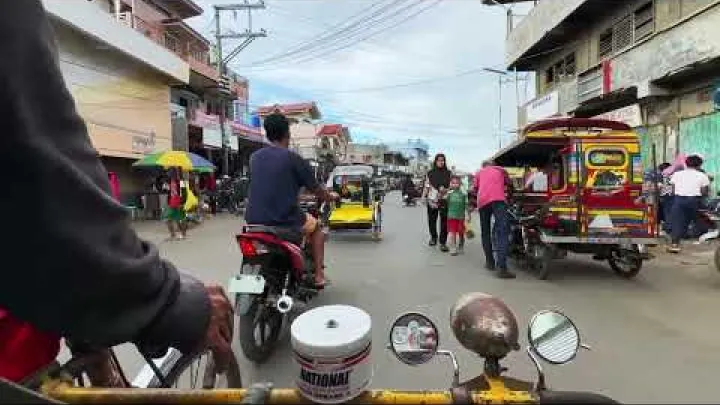
There may be shared rides, where passengers pay a lower fare along a regular pattern, and special or chartered rides, where you pay more for a direct trip. The important question is whether the ride is shared or private. Ask before boarding, and agree on the fare first.
Specific Jolo tricycle fare matrices were not verified for this guide, so do not rely on a fixed published amount. Ask your accommodation, host, or a trusted local contact what a fair fare should be for the route. Carry small cash, because drivers may not have change for large bills.
| Mode | Best use | What to confirm |
|---|---|---|
| Tricycle | Short town trips | Fare, shared or private ride, destination |
| Jeepney or shared vehicle | Regular local routes | Route, timing, safety, where to board |
| Private transfer | Port, airport, night, luggage | Driver, vehicle, fare, meeting point |
| Walking | Very short daylight movement | Route familiarity, traffic, local advice |
| Motorcycle | Only when necessary | Known driver, helmet, route, risk |
Simple fare questions are usually enough: ask how much the trip costs, whether the ride is private, and whether the driver will wait if you need a return ride. Avoid negotiating after arrival if the price was not discussed before departure.
Jeepneys and Shared Local Transport May Serve Regular Routes
In the Philippines, jeepneys generally operate on fixed or semi-fixed routes. Passengers pay in cash, board at common stopping points, and get off along the route. This system can be efficient for residents who know the route names, landmarks, fare habits, and operating times.
For short-term visitors, shared local transport may be harder to use safely and confidently. Do not depend on jeepneys unless a trusted local person confirms the route, timing, fare range, where to board, where to get off, and whether the route is advisable that day.
Motorbikes and Informal Motorcycle Taxis Need Extra Caution
Motorcycles are common across many parts of the Philippines and may be used in Jolo for local mobility, especially where roads are narrow or destinations are not directly served by larger vehicles. They can be practical for residents who know the area and the driver.
For visitors, informal motorcycle taxis add road-safety and security concerns. Risks may include no helmet, unclear pricing, overloaded riding, unfamiliar routes, poor road conditions, and limited ability to carry luggage securely.
Do not treat motorbike rental or self-driving as a normal visitor option unless it is clearly available, legal, and locally recommended by trusted contacts. If a motorcycle ride is unavoidable, use a known driver, wear protective gear, keep luggage minimal, and avoid rural or isolated routes without strong local guidance.
Taxis, Ride-Hailing, and Private Transfers
Visitors used to large Philippine cities should adjust expectations in Jolo. Formal taxis and app-based ride-hailing may not be reliable options, so pre-arranged local transport is often more practical.
Do Not Assume Ride-Hailing Apps Work in Jolo
Ride-hailing apps are common in major Philippine cities, but app coverage should not be assumed in Jolo. Grab Philippines explains features travelers may know, such as app booking and live location sharing, but visitors must check coverage directly in the app before arrival.
The absence of clear public evidence for reliable ride-hailing in Jolo means you should not build your transport plan around it. Even if an app opens, there may be few or no available drivers, poor pickup reliability, or coverage limitations.
Prepare for cash-based and direct arrangements with drivers. Because app tracking may not be available, share your route, driver information, and expected arrival time with a trusted person. Keep your phone charged and avoid searching for unknown drivers after dark.
Pre-Arranged Transport Is Often the Safest Visitor Choice
When travel to or within Jolo is unavoidable, pre-arranged transport is often the safer visitor choice. This can be arranged through accommodation, a trusted local host, a reputable guide, an organized tour provider, an office contact, or another reliable local network.
Pre-arranged transport reduces uncertainty at the port, airport, and after dark. It also reduces the need to negotiate with unknown drivers while carrying luggage or appearing unfamiliar with the area.
Before getting into a vehicle, confirm the driver name, vehicle type, license plate if available, fare or inclusion, route, destination, and meeting point. Send these details to someone you trust. This does not remove all risk, but it gives you more control than an anonymous transport transaction.
Costs, Payment, and Reliability
Jolo transport should be planned as a cash-first environment with locally variable fares. Published information is more available for intercity access than for short local rides.
Carry Cash and Confirm Fares Before You Ride
Local transport in Jolo should be treated as mostly cash-based. This applies especially to tricycles, shared vehicles, small boats, informal transfers, and many locally arranged rides. Do not rely on cards or mobile app payments unless a provider confirms them in advance.
Carry small Philippine peso bills. Small cash helps avoid change problems, fare disputes, and delays at the end of the ride. Keep larger amounts separate and discreet.
Agree on the price before special trips, port or airport pickups, waiting time, luggage, or out-of-town travel. For example, ask the total fare to your destination, whether the driver will wait, and whether the fare covers the whole vehicle or one passenger. Use verified ferry fare ranges only as ferry planning references; do not apply them to town transport.
Schedules Can Be Informal or Change Quickly
Ferries and flights may have published schedules, but local movement can be more informal. Tricycles, jeepneys, shared vehicles, and boats may depend on demand, daylight, weather, driver availability, and local security conditions.
Check important transport information more than once. Confirm before booking, before departure, and again on the travel day. For sea travel, weather and maritime conditions matter. If weather looks uncertain, ask the operator or port contact whether trips are still operating.
There is a difference between documented access routes and less documented town transport. The Zamboanga to Jolo sea route has some public schedule and fare references, but tricycle fares, jeepney routes, and local boat arrangements require local confirmation. Ask which routes are operating normally and which areas should be avoided.
Night Transport and Personal Safety
Night movement increases ordinary transport risks and can be especially problematic in a high-risk security environment. If a trip is not necessary, do not make it at night.
Avoid Unnecessary Movement After Dark
After dark, transport choices narrow and waiting becomes more exposed. This is a concern anywhere, but it is more serious in a place where official advisories may warn of security risks.
Late ferry arrivals are a practical example. If you arrive at night and then need to find a driver, contact a host, withdraw cash, or search for lodging, each extra step increases uncertainty. Plan the transfer before boarding, not after disembarking.
Delay non-essential movement until daylight. Avoid walking, waiting alone, or negotiating with unknown drivers in isolated areas. If movement is essential, use a known driver and share the plan with a trusted contact.
Use Simple Safety Habits When Travel Is Unavoidable
When you must move around Jolo, keep the plan simple and visible to someone you trust. Share your route, pickup details, driver information, and expected arrival time. If possible, tell your contact when you arrive.
Keep your phone charged and carry a power bank. Store documents securely, keep valuables low-profile, and keep luggage manageable. Large or disorganized bags slow you down and make transfers more stressful.
Choose known drivers where possible. Avoid isolated waiting areas. Communicate calmly and respectfully with drivers and local contacts. If a situation feels wrong, leave it early if you can do so safely. Personal precautions cannot fully control security risk, but they can reduce avoidable transport problems.
Travel Beyond Town and Between Islands
Travel outside Jolo town or between islands requires a higher level of local knowledge. Do not treat rural, coastal, or maritime movement as casual sightseeing transport.
Coastal and Rural Trips Require Trusted Local Guidance
Travel beyond the town center may involve tricycles, jeepneys, motorcycles, private vehicles, walking, or a combination of modes. Availability can vary by route, time, weather, and local conditions.
Rural and coastal trips can create return-transport problems. A ride out may be easy to find, while the return ride may be uncertain. Mobile signal, driver availability, daylight, road conditions, and security information can all affect the trip.
Avoid independent exploration beyond town unless trusted local contacts confirm the route, timing, driver, return plan, and current security conditions. Before leaving, know how you will return, who to call if plans change, and what you will do if the trip is delayed.
Boat Travel Adds Maritime Risk
Small boats and inter-island transport may be part of local life in the Sulu area. For visitors, maritime movement requires extra caution because it adds weather, vessel, navigation, and security risks.
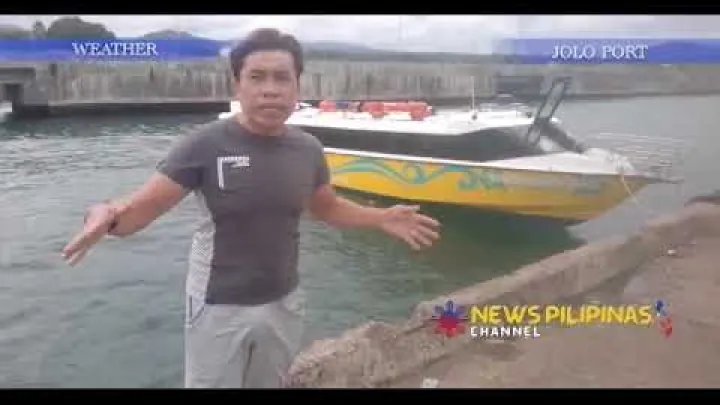
Official advisories for the Sulu Archipelago and nearby waters may include concerns on land and at sea. Do not treat island-hopping or informal boat hire as a casual activity. Local necessity for residents is different from optional visitor movement.
If boat travel is unavoidable, use a vetted operator recommended by trusted local contacts. Check whether life vests are available and used, whether the vessel is appropriate for the route, whether the weather is suitable, and whether the route is advisable from a security perspective. Do not board if the arrangement feels rushed, overloaded, or unclear.
Final Advice for Getting Around Jolo
Getting around Jolo requires cautious planning, local verification, and flexible decisions. Start with official travel advisories, then confirm current conditions with trusted local contacts before arranging any movement.
For access, the Zamboanga to Jolo ferry is the most documented option, while Jolo Airport may be relevant only if current flight or charter arrangements are confirmed directly. Inside town, tricycles and locally arranged rides are likely to be more practical than taxis or ride-hailing apps, but fares and routes should be agreed before travel.
Keep movement short, purposeful, and preferably during daylight. Carry small cash, pre-arrange port or airport pickup, avoid unnecessary night travel, and build enough buffer time to delay or cancel if conditions change. In Jolo, the best transport plan is the one that respects both practical logistics and the current safety situation.
Select area
Create a post
Posting is free and no registration is required.