Jolo Couples Guide: Safety, Stays and Romance in Sulu

This Jolo couples travel guide is for travelers who are curious about Sulu but unsure whether it fits a romantic trip, honeymoon, or short getaway. Jolo is culturally rich, historically important, and visually striking, but it is not a simple beach-resort destination. Safety advice, local coordination, conservative social norms, limited lodging, and transport reliability all matter before romance. This guide explains who Jolo may suit, where couples can base themselves, how to plan movement, and how to keep expectations realistic.
Jolo for Couples at a Glance
Jolo sits in the Sulu Archipelago in the Bangsamoro region of the southern Philippines. For couples, its appeal is not built around luxury resorts or easy nightlife. Its strongest qualities are culture, history, faith, markets, food, and a sense of place that feels very different from mainstream Philippine island destinations.
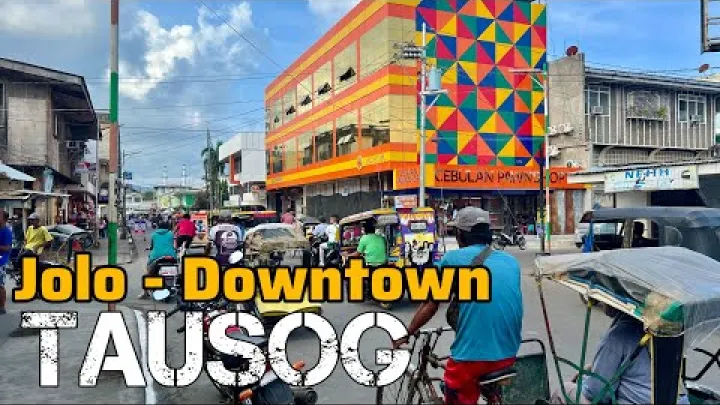
What Makes Jolo Different From a Typical Philippine Couples Destination
Jolo is not a standard romantic escape where couples arrive, check into a resort, rent a scooter, and move freely between beaches and restaurants. It is a complex destination where atmosphere comes from Tausug culture, Islamic heritage, historic landmarks, local markets, mosques, churches, and coastal scenery that usually requires planning.
For some couples, that difference is meaningful. A walk near Jolo town landmarks, a respectful visit to a cultural site, a shared meal of Tausug food, or a conversation with a local guide can feel more memorable than a conventional beach dinner. Romance here is quieter and more private. It is shaped by patience, awareness, and shared curiosity.
The important point is expectation. Jolo can be interesting for couples, but it should not be sold as carefree. The best version of a couple trip to Jolo is prepared, modest, locally coordinated, and flexible.
The Couples Most Likely to Appreciate Jolo
Jolo may suit experienced couples who travel for culture, history, faith, community connections, food, or learning. It can also be meaningful for couples with family, academic, humanitarian, professional, or personal reasons to understand Sulu more deeply.
The couples most likely to appreciate Jolo are comfortable with practical limits. They accept that accommodation may be simple, that local contacts may shape the itinerary, that transport can change, and that official advice matters. They do not need constant entertainment or luxury service to feel that a trip is worthwhile.
For these travelers, the reward is not polished romance. It is shared discovery: seeing how Jolo town moves through the day, learning about Tausug identity, visiting markets, understanding local history, and treating the trip as a serious cultural experience.
The Couples Who Should Probably Not Choose Jolo
Couples looking for a conventional honeymoon, resort comforts, nightlife, easy beaches, spa facilities, or spontaneous exploration should probably choose another destination. Jolo is not designed around the usual honeymoon pattern of relaxation, privacy, and minimal planning.
Risk-averse couples, first-time international travelers, and couples who want an easy romantic break should be especially cautious. If your ideal trip depends on walking freely at night, choosing restaurants at random, booking activities on arrival, or changing plans without local advice, Jolo is unlikely to feel relaxing.
This is not a judgment on Jolo or its residents. It is a question of fit. Jolo deserves respectful visitors who understand the destination rather than travelers expecting it to behave like a well-developed island resort area.
Safety Comes Before Romance in Jolo
For couples considering Jolo, safety is the first planning subject, not an afterthought. Beautiful scenery, low prices, or positive individual travel stories do not replace current official guidance and local advice.
Check Official Advisories Before Considering Dates
Before choosing dates, couples should check the travel advice issued by their own government. The U.S. Department of State has treated the Sulu Archipelago as a high-risk area in its Philippines travel advisory, with concerns that can include terrorism, kidnapping, civil unrest, and crime. Other governments may use different wording, but couples should read the details carefully.
Official advisories can change. They may also affect travel insurance, evacuation support, and whether an employer, university, or organization permits travel. Check once when you begin planning and again close to departure. If advice changes against travel, do not try to balance that warning against a blog post or a single traveler review.
For a romantic trip, this matters emotionally as well as practically. A destination that creates constant concern may not feel romantic, even if it has meaningful places to see.
Coordinate Locally Before Arrival
Jolo is not a place where couples should simply arrive and improvise. Before booking final transport, contact reliable local channels such as your accommodation, trusted hosts, and the Sulu Provincial Tourism Office where current contact details can be confirmed. Ask whether your intended dates, routes, and sites are appropriate.
General travel guides such as World Pinoy Flights emphasize that visitors should prepare carefully for Jolo, including local awareness and respect for culture. Treat that preparation as a prerequisite. Local coordination can help you understand what is realistic, what should wait, and whether a guide or arranged vehicle is needed.
Procedures may change, and informal advice can vary. Use current, direct communication rather than relying only on old posts. If you cannot confirm practical support on the ground, postpone the trip.
Accept That Movement May Be Structured
In many Philippine beach destinations, couples can wander, hire a scooter, stop at viewpoints, and decide the next plan over lunch. Jolo may not work that way. Movement may be more structured, especially outside central Jolo town or when visiting beaches and surrounding municipalities.
Structured movement can mean using a trusted driver, following fixed routes, traveling in daylight, joining a guide, or avoiding certain areas when local advice changes. This is not dramatic; it is practical. It also changes the feeling of the trip. A beach visit may feel like a planned excursion rather than a casual escape.
Discuss this together before travel. If one partner wants freedom and the other wants caution, Jolo can create tension. A good Jolo couples trip depends on shared expectations and agreement that local advice comes first.
Where to Stay in Jolo as a Couple
Accommodation is one of the most important decisions for couples in Jolo. The local lodging market is limited, and the right base is less about design and more about secure-feeling access, practical support, transport help, and a calm evening routine.
Secure Practical Bases in Jolo Town
Many couples will want to stay in or near Jolo town rather than trying to base themselves far from services. A central base can make it easier to coordinate transport, meals, local guidance, and visits to town landmarks such as the Sulu Provincial Capitol, Bater Trade Center, Tulay Central Mosque, Mount Carmel Cathedral, and the National Museum Sulu branch, subject to current access.
Sulu Peacekeepers Inn is often discussed as a practical lodging option. A traveler review on Tripadvisor describes it as being located in a police forces compound, which some travelers may find reassuring. This is traveler-review evidence, not an official security certification.
The trade-off is atmosphere. A security-oriented or utilitarian base may not feel traditionally romantic, but in Jolo it may matter more than decor. Before relying on any property, confirm current operation, booking method, exact location, arrival procedure, room rules, and whether staff can help arrange trusted movement.
Comfort-Focused Stays and Current Booking Checks
Jolo has a small accommodation market. Couples may see references to comfort-focused or boutique-style stays, including Bay Natuh properties, but current availability and standards should be checked directly before making plans. Do not assume honeymoon packages, resort facilities, card payment, restaurant service, or consistent online booking support unless the property confirms them.
Comfort still matters for couples. Ask about air-conditioning, private bathroom quality, water supply, Wi-Fi, mobile signal, quiet rooms, bedding, meal options, and generator or power backup. Also ask how guests arrive from Jolo Port and whether evening movement is recommended.
The decision is usually between security-first and comfort-first priorities. In Jolo, the best choice is often a practical balance: a place that feels safe, communicates clearly, supports transport, and gives you enough privacy to rest well.
What Couples Should Ask Before Booking
Accommodation staff may be one of your most useful sources of current local guidance. Before booking, ask specific questions that match Jolo’s constraints rather than only asking about price and room type.
| Question | Why it matters for couples in Jolo |
|---|---|
| Can you arrange pickup from Jolo Port? | Arrival support can reduce uncertainty after the ferry or flight. |
| What areas are suitable for visitors now? | Local movement advice can change and should guide your itinerary. |
| Are there curfew, compound, or visitor rules? | Rules affect privacy, evening plans, and comfort. |
| Do you accept cash, transfer, or card? | Payment options may be limited, so couples should prepare pesos. |
| Is food available nearby or on site? | Dining choices may be limited, especially at night. |
| Is there backup power or stable water? | Comfort and rest matter more when the trip is logistically demanding. |
| What is the cancellation policy? | Weather, transport, or advisory changes may force a change of plan. |
Also ask couple-specific questions: whether rooms are quiet, whether private bathrooms are inside the room, whether the property is comfortable for a relaxed evening, and whether staff can recommend respectful places to eat.
Getting to Jolo and Moving Around
Access is another reason Jolo requires careful planning. Couples should build buffers, confirm schedules close to travel, and avoid routes that depend on too many uncertain connections.
Use Zamboanga as the Main Gateway
Most practical route discussions for Jolo use Zamboanga City as the gateway, with onward travel by ferry and, when available, limited air options. Travel writing from Forgotten Capitals describes the common pattern of reaching Zamboanga first and then continuing by ferry to Jolo, but couples should not treat any published schedule as a live timetable.

Confirm ferry operators, departure times, ticket rules, baggage rules, and port procedures shortly before travel. Boats can be affected by weather, sea conditions, maintenance, and operational changes. If flying into Zamboanga from Manila, Cebu, or another hub, avoid same-day tight connections when possible.
Build a buffer in Zamboanga before and after Jolo. A slow connection may be inconvenient for solo travelers, but for couples it can also create stress, missed flights, and disagreement. A buffer makes the trip calmer and gives you space to adjust.
Move Around With Trusted Local Arrangements
Once in Jolo, arrange movement through your accommodation, trusted local contacts, or tourism guidance. Tricycles, private vehicles, and local drivers may all be part of getting around, but the key issue is not the vehicle type. It is whether the arrangement is trusted and appropriate for current conditions.
Separate central Jolo town movement from excursions. A short visit to a market or nearby landmark may be different from a beach trip to Maubo Beach or Tanjung Beach, or travel toward more distant sites. Each plan should be checked locally.
Avoid self-drive or scooter-style thinking unless local authorities and trusted hosts clearly support it. In Jolo, convenience and safety are connected. The most romantic plan may be the one that feels calm, coordinated, and unhurried.
Prepare for Cash, Connectivity, Health, and Insurance Limits
Couples should prepare cash in Philippine pesos before arriving, preferably from larger hubs such as Manila, Cebu, or Zamboanga. Do not assume card payment, international ATM reliability, or easy money exchange. Keep cash divided between partners and stored securely.
Connectivity may also vary. Even if Wi-Fi or mobile data is available at your lodging, do not assume reliable service everywhere. Download important documents, maps, booking confirmations, emergency contacts, and advisory pages before travel.
Insurance is essential, but not all policies cover destinations affected by official warnings. Check exclusions for advisory-level areas, terrorism, civil unrest, kidnapping, medical evacuation, and ferry disruptions. Both partners should know where passports, insurance details, emergency contacts, medication, and backup funds are kept.
Couple-Friendly Experiences That Fit Jolo
The best experiences in Jolo are not built around a random attraction checklist. They work best when couples choose a small number of meaningful, respectful, and locally coordinated activities.
Start With Jolo Town Landmarks
Jolo town is the most practical place to begin. Depending on current access, couples can orient themselves around landmarks such as the Sulu Provincial Capitol, Tulay Central Mosque, Mount Carmel Cathedral, the National Museum Sulu branch, and Bater Trade Center. These places help explain Jolo’s civic, religious, historical, and everyday character.
Do not assume that every site is open to visitors or suitable for photography. Government buildings, religious spaces, and cultural institutions may have rules. Dress modestly, visit in daylight, ask before taking photos, and use local guidance.
For couples interested in shared cultural discovery, these places can create strong memories. The architecture, call to prayer, market activity, and layered history offer atmosphere without needing a polished tourist stage.
Use Food, Markets, and Weaving for Shared Discovery
Food can be one of the most rewarding couple experiences in Jolo, especially when approached through local guidance. Tausug dishes such as Tiyula Itum, a dark spiced beef soup, or rice-based dishes such as Pastil and Junay may appear in local food conversations, but availability varies. Ask hosts where visitors can eat safely and respectfully.

Markets such as Bater Trade Center can also give couples a sense of daily life, local goods, textiles, and conversation. Move slowly, keep valuables secure, and avoid turning people into photo subjects without permission.
Jolo and Sulu are also associated with Pis Syabit weaving, a valued Tausug textile tradition. If access is currently appropriate, a visit connected to the Guimba Lagasan Weaving Centre can be more meaningful than a souvenir stop. It gives couples a way to learn about skill, identity, and continuity rather than only buying something.
Treat Beaches as Planned Excursions, Not Casual Escapes
Beaches may offer the most familiar romantic scenery in and around Jolo. Maubo Beach and Tanjung Beach are local coastal anchors that some travelers may hear about when researching Sulu. However, couples should treat any beach plan as a coordinated excursion, not an automatic day trip.

Before going, verify road conditions, local permissions, sea conditions, daylight timing, and whether a visit is advisable at that moment. Ask whether a guide or arranged vehicle is needed and whether there are facilities such as food, shade, toilets, or safe waiting areas.
This planning does not remove the beauty of the coast. It simply changes the rhythm. A beach moment in Jolo can be special, but it should be planned with responsibility rather than imagined as an easy resort-style escape.
Approach Historical Sites With Context and Respect
Jolo’s landscape includes difficult historical memory. Places such as Mount Dajo and Bud Bagsak are associated with conflict, resistance, and loss. For couples interested in history, these places may be powerful, but they are not romantic backdrops in the conventional sense.

Approach such sites through museums, local guides, and respectful interpretation. Avoid posing casually at places connected to trauma. Ask what is appropriate, and listen more than you speak.
Reflective travel can still be meaningful for a couple. It can lead to deeper conversation about place, identity, colonial history, faith, and memory. That kind of experience is very different from a honeymoon beach photo, but for the right couple it may be more significant.
Timing, Weather, and a Slow Couple Pace
Timing affects comfort, transport, and emotional energy. Jolo’s tropical conditions can bring heat, humidity, rain, and sea conditions that influence ferry travel and outdoor plans.
Choose Timing Around Weather and Sea Reliability
Jolo is warm and humid, and weather can affect both comfort and access. Forecast services such as AccuWeather provide limited Jolo-specific weather context, including high temperatures in the upper 80s Fahrenheit for some monthly forecasts. Use this as supplemental information, not as a full travel guarantee.
Couples should check current forecasts, ferry advisories, and sea conditions close to travel. Rain can affect roads, boat comfort, and visibility. Heat can affect patience, hydration, clothing choices, and how much you enjoy walking through town.
Avoid rigid best-month assumptions unless you have current local confirmation. For Jolo, flexible timing and contingency planning are more useful than a simple calendar promise.
Keep the Itinerary Slow and Flexible
A good Jolo couples itinerary should be slow. Plan fewer activities per day than you would in a resort town or major city. Coordination, daylight movement, modest clothing, local permissions, and transport all take time.
A realistic day may include one cultural focus, one meal or market experience, and quiet time at the accommodation. For example, couples might visit a central landmark in the morning, eat a simple local meal, and spend the afternoon resting or speaking with hosts about the next day’s plan.
Limited nightlife and dining can be positive for couples who want conversation and rest. It can be frustrating for couples expecting entertainment, cocktails, beach clubs, or long evening walks. Decide which version sounds closer to your relationship style.
How to Build a Better Short Couples Trip
For many couples, the best way to think about Jolo is not as a complete romantic holiday. It may be one focused part of a larger Philippines trip, or it may be a destination to skip if the planning burden is too heavy.
Pair Jolo With a Safer Relaxation Base When Appropriate
If couples still choose to visit Jolo, it may help to separate the high-effort cultural portion from the relaxation portion of the trip. Zamboanga City often functions as the practical gateway, so it can provide a buffer for travel logistics, rest, and schedule recovery.
Some couples may prefer to place beach-resort relaxation in a more established Philippine destination with stronger tourism infrastructure and fewer planning constraints, while treating Jolo as a short, specific, coordinated visit. This is not about ranking destinations. It is about matching each part of a trip to the experience it can realistically provide.
Other couples should skip Jolo entirely. If the official advice, insurance limits, transport complexity, or local coordination requirements feel too heavy, choosing not to go is a responsible decision.
Avoid a Random Attraction Checklist
The strongest Jolo couple trips are built around one clear purpose. That purpose might be culture, family or community connection, faith, history, food, textiles, or a carefully arranged coastal visit. Trying to collect every attraction can make the trip less meaningful and more stressful.
Link the plan to your base, transport, safety advice, and local norms. If you stay in Jolo town, focus first on central anchors and conversations. If a beach visit is appropriate, make it the main event of the day rather than one stop in a rushed list.
A simple decision rule helps: if the planning feels too heavy, Jolo is probably not the right couples destination for this trip. That does not make Jolo less valuable. It means the destination asks for a level of preparation that not every romantic journey should carry.
Frequently Asked Questions
Is Jolo safe for couples to visit?
Safety cannot be guaranteed. Couples should check their own government’s current travel advisory, confirm local guidance, and make decisions based on official advice, insurance coverage, and trusted local coordination.
Is Jolo a good honeymoon destination?
Jolo is not a typical honeymoon destination. It may suit experienced couples seeking culture and history, but it is not ideal for couples wanting luxury resorts, easy beaches, nightlife, or low-effort relaxation.
Where should couples stay in Jolo?
Most couples should look for a practical base in Jolo town with clear communication, secure-feeling access, transport help, private rooms, reliable basics, and current local advice. Confirm all details directly before booking.
How do couples get to Jolo?
Many routes are planned through Zamboanga City, then onward to Jolo by ferry or limited air options when available. Schedules can change, so confirm with operators, hosts, or tourism contacts and build buffer time.
What should couples wear and avoid in public?
Couples should dress modestly, especially near mosques, government buildings, markets, and residential areas. Avoid public displays of affection, intrusive photography, loud behavior, and entering religious or official spaces without permission.
What can couples do in Jolo if they coordinate the trip properly?
Couples can focus on Jolo town landmarks, markets, Tausug food, weaving traditions, museums, and carefully planned coastal visits such as Maubo Beach or Tanjung Beach when local advice supports the plan.
Final Verdict for Couples
Jolo can be meaningful for the right couple, but it is not an easy romantic destination. Its value comes from culture, history, faith, food, textiles, markets, and a powerful sense of place in the Sulu Archipelago. Its challenges include safety advisories, local coordination, limited lodging, transport uncertainty, conservative norms, and the need for flexible pacing.
Choose Jolo only if both partners accept those realities and can plan with care. Use official advisories first, coordinate locally, stay in a practical base, move with trusted arrangements, and keep the itinerary slow. If you want a carefree honeymoon or simple beach escape, Jolo is probably not the right choice. If you want a serious, respectful, culturally focused journey, it may become one of the most memorable trips you take together.
Select area
Create a post
Posting is free and no registration is required.