Jolo Travel Guide: Safety, Access and Sulu Context

This Jolo travel guide is written for readers who need a practical overview of Jolo town, Jolo Island, and Sulu province, not a promotional holiday itinerary. Jolo sits in the Sulu Archipelago in the Bangsamoro Autonomous Region in Muslim Mindanao, an area where official travel advisories currently warn against travel because of serious security risks. The most important question is not what to see first, but whether travel is advisable at all. This guide explains the advisory context, access routes, local culture, accommodation limits, movement planning, costs, timing, and the checks essential travelers should complete before making any booking.
Safety Comes First in Any Jolo Travel Guide
For Jolo, safety is not a small planning detail. It is the starting point for every decision. Conditions can change, and information from older trip reports may not reflect the current situation. Treat official advice from your own government, your employer or institution, and trusted local contacts as more important than convenience, curiosity, or low fares.
Current Official Advisory Baseline
Major official travel advisories currently treat the Sulu Archipelago, including Sulu province and Jolo Island, as a high-risk area. The U.S. Department of State advises against travel to the Sulu Archipelago because of crime, terrorism, civil unrest, and kidnapping risks. Other governments may use different wording, but the baseline message is similar: this is not a normal leisure travel destination.
That does not mean Jolo should be described only through danger. It is home to local communities, civic life, religious institutions, markets, schools, families, and deep cultural history. However, a responsible visitor guide must place advisory information before attractions. Official guidance can change, so readers must check their own government advisory immediately before considering any plan.
Main Risks to Understand Before Planning
The principal risks highlighted by official advisories include terrorism, kidnapping, civil unrest, armed clashes involving security forces, piracy, and armed robbery at sea. These risks are not limited to remote hills or isolated islands. They can affect urban, rural, coastal, and maritime settings, which means that staying only in Jolo town or avoiding rural roads is not a complete safety solution.
The GOV.UK safety guidance for the Philippines warns about terrorism and related security risks in parts of Mindanao and the Sulu Archipelago. It also highlights maritime security concerns in nearby waters. In a high-risk zone, consular assistance may be limited, delayed, or difficult to deliver. This matters because a visitor cannot assume that help will be available quickly if plans fail.
Who This Destination Is Not Suitable For
Jolo is not suitable for most first-time international leisure travelers, casual backpackers, solo tourists, unhosted visitors, or travelers who want to photograph places spontaneously. It is also not a suitable destination for people whose travel insurance excludes areas under official do-not-travel advisories.
Experience in other challenging destinations does not automatically make a visit reasonable. The decision depends on current advisories, local host support, transport reliability, institutional backing, emergency planning, and the purpose of travel. Travelers who are mainly interested in beaches, history, Islamic culture, or regional food can usually find safer ways to learn elsewhere in the Philippines or through cultural resources without entering a high-risk area.
What Essential Travelers Must Verify First
Essential travel means travel with a compelling reason, such as official work, humanitarian activity, journalism, research, family obligations, or institutional duties. It does not mean visiting because a place is unusual, underreported, or personally interesting.
Before booking, essential travelers should verify the current official advisory, confirm that their employer or institution supports the trip, identify a trusted local host, create a security plan, confirm transport close to travel, review insurance exclusions, prepare emergency communications, and seek current local guidance. Bookings should come after these checks, not before them.
These steps reduce risk; they do not remove it. If one critical element is missing, postponing the trip is usually the safer decision.
Jolo in Context
Understanding Jolo requires more than reading warnings. It is a historically important town and island community in the southern Philippines, with strong links to Sulu, the Sulu Sea, and wider Moro identity. Context helps visitors behave respectfully if they have an essential reason to go.
Location, Layout, and Role in Sulu
Jolo town is the capital of Sulu province and lies on Jolo Island in the Sulu Archipelago. It belongs administratively to the Bangsamoro Autonomous Region in Muslim Mindanao. Britannica describes Jolo town as a port of entry and the capital of Sulu, with trading links that have historically connected it to places such as Zamboanga City and Manila.
In practical terms, Jolo town functions as a port, administrative center, and commercial hub rather than a conventional resort destination. Jolo port, civic buildings, religious landmarks, and local markets are part of daily life for residents. Visitors should not treat these places as open tourist stages. Access, photography, and movement may depend on local conditions and host guidance.
Tausug and Moro Cultural Identity
Jolo is strongly associated with Tausug identity and with the broader Moro history of Muslim Mindanao. Islam shapes many aspects of social life, including prayer times, mosque etiquette, food expectations, and modest public behavior.

Halal food expectations are common, although visitors should still ask before assuming what is available. Local textiles, market goods, and Tausug food traditions may be meaningful ways to understand local life, but they should not be treated as guaranteed tourist activities. If an essential traveler is invited to a market, home, or community space, the visit should be arranged through a trusted host and conducted with permission.
History, Religion, and Respectful Conduct
Jolo has deep historical importance in the Sulu Sultanate and in the history of Muslim Mindanao. That history includes trade, religion, political authority, resistance, conflict, and memory. Visitors should approach it with humility, not as dark tourism or as a personal test of courage.
Practical conduct matters. Avoid political debates unless your work requires them and your host confirms the setting is appropriate. Ask before photographing people, mosques, checkpoints, government buildings, or public gatherings. Dress modestly, keep your voice calm in public spaces, and follow host instructions even if a rule is not obvious to you.
Getting to Jolo in Principle
Access information for Jolo should be understood as route logic, not as encouragement to travel. Transport options can change, and security conditions may affect whether a route is suitable on a given day. Any plan should be confirmed through current operators, trusted hosts, and official advice.
Zamboanga City as the Main Gateway
Jolo is commonly approached through Zamboanga City, which has wider air links than Jolo and maritime connections across the Sulu Sea. For many essential travelers, Zamboanga is the logistical gateway for onward travel to Jolo port or for coordination with local contacts.
This does not make Zamboanga a risk-free staging point. Travelers should check advisories for Zamboanga and western Mindanao as well as for Sulu. If the purpose of travel is essential, the route should be selected for security and reliability, not only for price or speed.
Ferry and Air Connections to Check Before Travel
Ferries between Zamboanga City and Jolo are the main practical connection when operating. Travel aggregators such as Rome2Rio have listed ferry connections from Zamboanga to Jolo, but schedules, fares, operators, and service status must be confirmed directly before travel.
Air service to Jolo Airport has been intermittent and should not be assumed. If a flight appears online, confirm whether it is currently operating, whether seats are available, and whether local conditions support the trip. Any route involving the Sulu Sea must also be considered in light of maritime security warnings, not only transport timetables.
Arrival Procedures, Checkpoints, and Local Transport
Essential travelers should be prepared for identity checks, checkpoints, port controls, and local security procedures. Keep identification accessible, answer questions calmly, and follow instructions from authorities and hosts. Do not photograph checkpoints or security personnel.
Local transport may include tricycles, jeepneys, and private vehicles, but foreign visitors should avoid spontaneous public transport use unless a trusted local host confirms it is appropriate. Hosted transport is usually more suitable for essential visits because the driver or host can adjust plans if conditions change.
Where to Stay and How to Move Around
Accommodation and movement decisions in Jolo should be based on purpose, host advice, and security assessment. This is different from choosing a “best neighborhood” in a normal city travel guide.
Base Decisions for Essential Visits
Jolo town is the likely base for essential local work, official visits, institutional meetings, or family obligations in Sulu. Its role as a port, administrative, and commercial center makes it more practical than remote areas of Jolo Island. However, proximity to Jolo port, Jolo Airport, the Sulu Provincial Capitol, or other civic locations does not automatically make an area safe.
Some travelers may stage through Zamboanga City for logistics, meetings, or transport connections. This can simplify routing, but it does not remove the need for a security assessment. The base should be chosen after discussing the purpose of the visit, daily movement, emergency options, and host availability.
Accommodation Booking Limits
Accommodation information for Jolo may be limited, changeable, and not comparable to mainstream Philippine tourism hubs such as Manila, Cebu, or Boracay. Online listings can be incomplete or outdated. Online availability does not mean the accommodation is suitable for your purpose, security needs, payment method, or arrival time.
Essential travelers should book through trusted hosts, institutions, or vetted local contacts when possible. Confirm amenities directly, including backup power, mobile signal, internet reliability, private transport access, payment method, identification requirements, and cancellation flexibility. If you need secure storage, quiet workspace, or reliable communications, ask specific questions before committing.
Hosted Movement Instead of Independent Wandering
Movement should be planned with local hosts or vetted guides who understand current conditions. Keep itineraries simple, daytime-focused, and flexible. Avoid unplanned walking, remote detours, unnecessary rural routes, nighttime movement, and visible high-value equipment such as large cameras or multiple devices.
A host cannot guarantee safety, but local knowledge can reduce avoidable mistakes. If a planned stop becomes sensitive, crowded, or unclear, leave it out. In Jolo, a shorter and more controlled schedule is more responsible than trying to see many places.
Places and Experiences to Approach Carefully
Jolo has civic, religious, cultural, and natural places that may be important to understand. They should be approached as sensitive local spaces, not as automatic sightseeing stops. Always verify access locally before visiting or photographing any site.
Civic and Cultural Landmarks
Landmarks such as Tulay Central Mosque, the Sulu Provincial Capitol, and the Sulu National Museum may be of interest for understanding Jolo’s religious, civic, and cultural life. Access may depend on current conditions, opening arrangements, official restrictions, and the purpose of your visit.
Religious, government, and public buildings can be sensitive for photography or casual entry. Ask your host what is appropriate before approaching. Around mosques, dress modestly, keep noise low, and respect prayer times. Around government buildings, expect security controls and do not photograph without clear permission.
Markets, Textiles, and Tausug Food
Markets, textiles, and Tausug food traditions can help visitors understand everyday life where visits are appropriate. These experiences are most respectful when arranged through people who know the community and can explain local norms. Do not assume that a market is a tourist attraction simply because it is colorful or active.
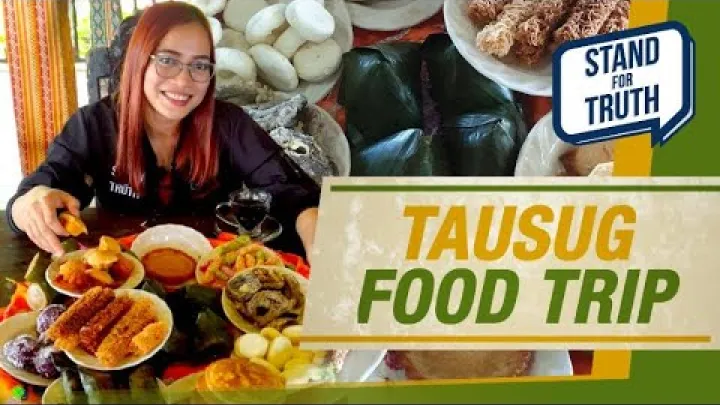
Ask permission before photographing vendors, customers, artisans, or food preparation. Be aware of halal norms and local expectations around modest dress and behavior. If buying textiles, food, or crafts, support local producers through host-approved visits rather than wandering into unfamiliar areas on your own.
Beaches, Bud Dajo, and Rural Sites
Jolo Island has natural features, coastal areas, and rural sites that would interest travelers in a different security environment. Bud Dajo is one of the island’s better-known geographic and historical anchors. However, beaches, interior routes, and rural sites require extra caution because remote movement can carry higher risk.
Attractive scenery does not make an area suitable for independent tourism. Do not plan hiking, beach visits, island-hopping, or rural photography without current local clearance and a compelling reason. If your essential purpose does not require a remote site, leave it out of the itinerary.
Timing, Costs, and Practical Planning
Timing and budget planning for Jolo are different from ordinary trip planning. Weather matters, but security conditions matter more. Costs may also be less predictable because essential travelers often need flexible arrangements and contingency plans.
Best Weather Window Versus Security Window
Across much of the Philippines, many travelers prefer the cooler dry months, often roughly from December to February, because heat and rain may be less difficult. For Jolo, this general climate logic should never be treated as a safe tourist season. Security conditions override weather when deciding whether to travel.
Heavy rain, rough seas, and transport disruption can add risk if travel is already essential. Maritime travel across the Sulu Sea may be affected by weather and security considerations. Confirm conditions close to departure and keep enough flexibility to delay, reroute, or cancel.
Typical Costs That Can Be Estimated
Some transport costs can be roughly estimated from public route listings, but they are time-sensitive. Ferry fares between Zamboanga and Jolo have been shown by aggregators in broad ranges such as about ₱850 to ₱1,500, but travelers must confirm current fares, cabin classes, port fees, and schedules directly with the operator or a trusted local contact.
Accommodation, local transport, guide support, hosted movement, communications, and contingency costs require direct verification. Essential travel can cost more than normal tourism because safer movement may require private vehicles, flexible bookings, additional nights in Zamboanga, backup communications, and emergency rerouting funds. Do not build a tight backpacker-style daily budget for Jolo.
Money, Documents, Insurance, and Communications
Before arrival, confirm how much cash you need and whether cards are accepted for your arrangements. Check mobile coverage, internet reliability, and backup power before relying on online maps, messages, or digital documents.
Insurance is a major issue. Many travel insurance policies exclude destinations under official do-not-travel or avoid-all-travel advisories. Read the policy wording, not only the summary. If emergency medical care, evacuation, kidnapping, terrorism, or security-related incidents are excluded, the trip may be financially and practically unsupported.
Responsible Decision-Making Before You Go
A responsible Jolo visitor guide must include the option not to go. Interest in a place does not create an obligation to visit it. In some periods, the most respectful decision is to learn from a distance.
Safer Ways to Learn About Jolo Without Traveling
You can learn about Jolo, Sulu, Tausug identity, and Moro history through books, museums, academic resources, documentaries, reputable cultural writing, and community events. Diaspora communities and scholars may also provide thoughtful ways to understand the region without entering a high-risk environment.
Choosing not to visit during a period of high risk is not disrespectful. It can show respect for local residents, hosts, and emergency services by avoiding unnecessary exposure. Jolo should not be treated as a travel challenge or a symbol of personal bravery.
Final Go or No-Go Checklist
Use this checklist as a conservative decision tool. It does not guarantee safety. It helps identify missing requirements that should stop or delay a trip.
| Question | Go only if | If not |
|---|---|---|
| Advisory | Your government advice allows the specific travel purpose | Postpone or cancel |
| Purpose | The trip is essential, not leisure curiosity | Do not travel |
| Local host | A trusted host supports arrival, movement, and exit | Do not travel independently |
| Transport | Routes and schedules are confirmed close to departure | Delay booking |
| Insurance | Coverage applies to the destination and risks | Do not rely on the policy |
| Exit option | You have funds and a plan to leave if conditions change | Do not proceed |
A single missing requirement should be enough to postpone or cancel non-essential travel. No attraction, fare, schedule, or personal goal should override safety.
Frequently Asked Questions
Is Jolo safe for foreign tourists?
Jolo is not suitable for most foreign tourists at present because major official advisories warn against travel to the Sulu Archipelago. Anyone considering travel should check current government advice and avoid non-essential visits.
Can you travel to Jolo independently?
Independent travel to Jolo is not advisable for foreign visitors. Essential travelers should have institutional support, a trusted local host, confirmed transport, a security plan, and insurance that applies to the destination.
How do you get to Jolo from Manila or Zamboanga City?
In principle, travelers usually route through Zamboanga City, then continue by ferry to Jolo when services are operating. Air service to Jolo has been intermittent, so all routes must be confirmed close to travel and assessed against security advisories.
What should essential travelers verify before booking?
Verify current official advisories, host support, transport status, accommodation suitability, insurance coverage, emergency communications, local guidance, and an exit plan. Do this before paying for flights, ferries, or lodging.
What is the best time to visit Jolo if travel is authorized?
Weather may be more comfortable in the cooler dry months, but there is no safe tourist season for Jolo. If travel is authorized and essential, current security conditions, sea conditions, and transport reliability should decide timing.
What local customs should visitors respect in Jolo?
Visitors should dress modestly, respect Islamic practices, be mindful of prayer times, follow halal expectations where relevant, ask before taking photographs, and listen closely to local hosts about sensitive places and behavior.
Final Thoughts for a Responsible Jolo Travel Guide
A responsible Jolo travel guide begins with the reality that Jolo, Sulu province, and the wider Sulu Archipelago are security-sensitive destinations. For most leisure travelers, the best decision is not to visit while official advisories warn against travel. For essential travelers, planning should be conservative, hosted, flexible, and based on current information rather than old reports or general Philippines travel advice.
Jolo has cultural depth, historical importance, and living communities that deserve respect. Respect can mean visiting carefully for a necessary purpose, but it can also mean choosing not to travel when conditions make a visit inappropriate. Safety, local guidance, and responsible judgment should come before every itinerary decision.
Select area
Create a post
Posting is free and no registration is required.