Marawi Food and Drink: Palapa, Halal Dining, Etiquette
Marawi Food and Drink Guide: What to Eat, Where to Go, and How to Dine Respectfully
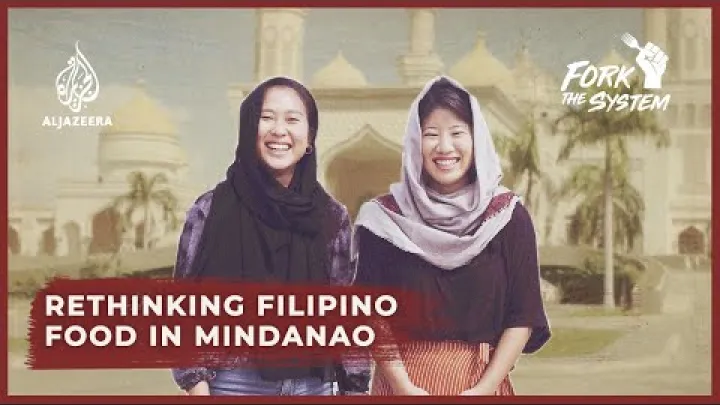
This Marawi food and drink guide is for travelers who want more than a generic list of Philippine dishes. Marawi, in Lanao del Sur within the Bangsamoro region of Mindanao, is strongly shaped by Maranao identity, Islamic practice, Lake Lanao, coconut-rich cooking, and the everyday hospitality of local markets and eateries.
Expect practical, local variation rather than a restaurant scene that works exactly like Manila, Cebu, or other large Philippine destinations. The best approach is to ask what is freshly cooked, learn the key flavors, carry cash, and dine with cultural respect.
The Food Culture of Marawi in Context
Maranao identity and Bangsamoro food traditions
Marawi food is best understood through Maranao culture. Rice, fish, coconut, turmeric, chili, and aromatic seasonings appear in different combinations, and many meals are served in simple, filling formats rather than as formal tasting menus. Visitors should treat food as part of local life, not just as a tourist attraction.
A general Philippine food guide may focus on dishes such as adobo, sinigang, lechon, pancit, or halo-halo. Those dishes help with national context, but Marawi’s strongest food identity is Maranao and Muslim Mindanao rather than a copy of lowland urban Philippine dining.
Halal dining and everyday hospitality
Because Marawi is a Muslim-majority city, halal-aware dining is part of everyday food culture. That does not mean every individual establishment should be assumed certified or identical in preparation, but pork and alcohol are often inappropriate or unavailable in many local settings. Muslim travelers who need confirmation should ask politely about meat, cooking fat, and preparation. Non-Muslim visitors should also ask respectfully rather than treating halal practice as unusual.

How Marawi differs from a generic Philippine food guide
Marawi’s food scene leans toward coconut, turmeric, spice, palapa, fish, and halal-oriented meals. A traveler used to general Filipino comfort food may find the flavors more aromatic and sometimes spicier. Instead of looking only for famous national dishes, look for what local eateries have cooked that day, especially rice meals with coconut, fish, or palapa-seasoned components.
Signature Flavors and Must-Try Dishes
Palapa as the flavor base
Palapa is one of the most important flavor bases associated with Maranao cooking. It is commonly described around shallots, ginger, and chili, and may be used as a condiment, seasoning, or cooking base. A useful overview from The Adobros also links palapa with piaparan, one of the best-known Maranao dishes for curious first-time diners.
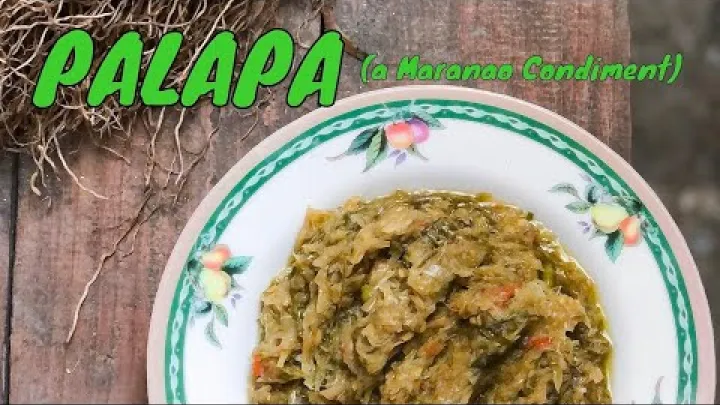
Flavor-wise, think spicy, aromatic, savory, and sometimes slightly sweet depending on the preparation. If you only learn one word before eating in Marawi, make it palapa: it tells you what local depth and heat can taste like.
Piaparan, coconut, and turmeric
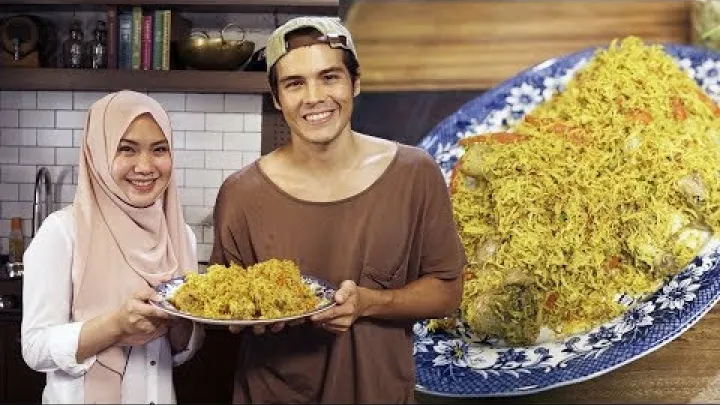
Piaparan is often associated with shredded coconut and chicken, though versions can vary by cook and availability. Coconut milk, grated coconut, and turmeric are important signals to watch for in Maranao cooking. When ordering, ask what is available today, whether the dish is spicy, and whether it contains coconut if that matters for your diet.
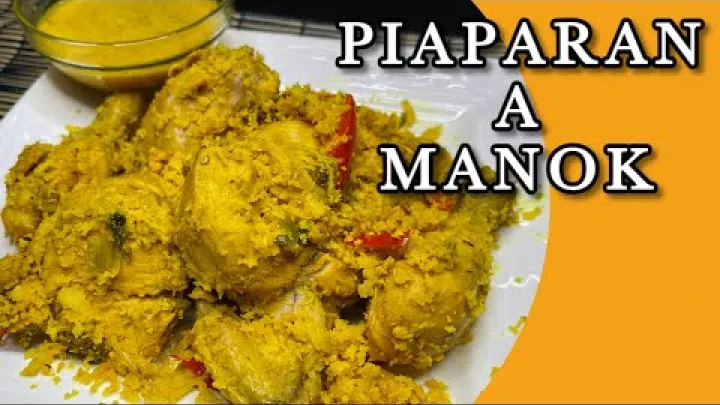
Do not expect one fixed recipe everywhere. In small eateries, the best dish may simply be the pot that was cooked most recently.
Lake Lanao fish and market grilling
Lake Lanao influences the way many people think about food in Marawi. Local reporting has noted eateries reflecting the lake’s bounty and mentions biyaring as a locally noted fish, though travelers should not assume any specific fish will always be available. Ask vendors what fish they have that day and choose pieces that are cooked fresh.

Fried, grilled, or skewered fish can be a practical way to taste local food, especially when cooked hot and served immediately. Lifestyle.INQ has also described Marawi’s food scene in connection with Lake Lanao and local eateries.
Sweets, coffee, tea, and safe drinks
The research is stronger for Marawi food than for one signature city beverage, so avoid expecting a famous drink that appears everywhere. Practical choices include bottled water, hot tea, coffee, and sealed drinks where available. Rice- or coconut-based sweets may appear in markets or local gatherings, but availability changes.
In a Muslim-majority dining context, do not assume alcohol will be available or appropriate. If you are unsure about water quality, choose sealed bottled drinks or hot drinks served freshly prepared.
Where to Eat in Marawi
Padian Market in Banggolo District
Padian Market in Banggolo District is one of the most useful places to experience Maranao food culture, ingredients, and daily trade. Local coverage describes it as a place for Maranao culture, fresh produce, and fried or skewered fish; see this Lifestyle.INQ feature for context.
Market conditions, stalls, and opening times can change. Go with small bills, watch how busy stalls handle food, and ask permission before photographing vendors or customers. Markets are good for observation, small snacks, fresh ingredients, and understanding local habits, but they are not controlled restaurant environments.
Casual eateries and local food stalls
Casual eateries may be the easiest places to find Maranao-style rice meals. Ask simple questions: What is freshly cooked? Is it spicy? Does it contain coconut? Is there fish or chicken today? Online menus, if they exist, may not reflect what is actually available, so order based on the day’s food rather than a fixed checklist.

English menus may be limited in smaller places, but pointing politely and asking for recommendations often works. Be patient if service is informal or slower than expected.
Cafes and restaurants with easier ordering
Cafes and more formal restaurants can be useful when you want seating, menus, predictable portions, and a calmer place to rest. They may serve local dishes alongside broader Filipino, Asian, or cafe-style food. Check current hours before planning a meal around one specific place.
Do not treat cafes as more authentic than markets or small eateries. They are simply another option, especially for travelers who need easier ordering or a more familiar setting.
How to Eat: Meal Times, Ordering, Payment, and Tipping
Meal timing and daily dining rhythm
In the Philippines, travelers often encounter breakfast, lunch, afternoon snacks, and dinner as important parts of daily eating. In Marawi, schedules still vary by household, business, prayer times, local holidays, and market rhythm.
Markets are often more useful earlier in the day, while restaurants and cafes may be easier for lunch or dinner. Always ask locally, check signs, and keep a backup option.
Ordering in markets and casual eateries
The simplest ordering strategy is to ask what is available and freshly cooked. You can point to prepared dishes, ask for rice, and request a recommendation. Useful questions include whether a dish is spicy, whether it contains coconut, and whether the fish or meat has just been cooked.

If you do not speak Maranao or Filipino, keep sentences short and polite. A smile, patience, and clear gestures are better than rushing or demanding a customized meal that the stall cannot provide.
Cash, bills, service charge, and tipping
Carry Philippine pesos in small bills for markets, stalls, tricycles, and small eateries. Some restaurants may accept cards or digital payments, but do not assume this everywhere in the city.

For tipping, check the bill first. Some restaurants in the Philippines include a service charge, and when they do not, a modest tip for good service can be given discreetly. Newport World Resorts gives similar general guidance for travelers in the Philippines.
Food Safety and Dietary Needs
Choosing freshly cooked food
Choose food that is cooked hot and served soon after preparation. Busy stalls with high turnover can be a useful sign, though they are not a guarantee. Be more cautious with rice dishes, skewered fish, coconut-rich food, and takeaway items that appear to have sat out for a long time.

Health officials in the Bangsamoro context have warned that improper handling of leftover food can contribute to food poisoning risk, as noted by the Philippine Information Agency. This is not a reason to avoid local food; it is a reason to choose fresh, hot, well-handled food.
Water, ice, and drink choices
When you are unsure about local water quality, use sealed bottled water, boiled water, or otherwise reliably treated water. Be cautious with ice if you do not know the water source. Hot tea, coffee, and sealed drinks are practical lower-risk choices for many travelers.

Vegetarian, allergy, and spice requests
Vegetarian travelers should ask clearly because a dish that looks vegetable-based may still contain meat, fish, seafood, or shrimp-based flavoring. If you have allergies, ask about coconut, fish, seafood, peanuts, eggs, and chili as needed. Halal needs and vegetarian needs are different, so state the requirement that actually applies to you.

If you are not used to chili-heavy food, ask for a milder option before ordering rather than after the dish arrives.
Common traps for first-time visitors
Do not assume online restaurant hours, menus, or locations are current. Do not order too many rich coconut dishes at once if your stomach is not used to them. Do not assume every drink with ice is safe for your own tolerance. And do not guess about ingredients if you have a serious dietary restriction.
Dining Etiquette and Cultural Respect
Respecting Muslim-majority dining norms
It means observing the local Muslim-majority context, asking questions politely, and treating markets and eateries as everyday community spaces. Dress and behave modestly, avoid jokes about religion or food restrictions, and understand that pork and alcohol may be inappropriate or unavailable in many places.

If you need halal confirmation, ask in a respectful, practical way. Customs can vary by establishment or household, so avoid turning one experience into a rule for the whole city.
Market manners and photography
Ask permission before photographing vendors, customers, private spaces, or food preparation areas. If you spend time asking questions or taking photos at a stall, buying something small is a considerate gesture when appropriate.

Curiosity is welcome when it is respectful. Treat ingredients, cooking methods, and daily routines as part of someone’s livelihood, not as a spectacle.
A Practical First-Day Food Plan

Morning: Start with a market visit or simple cafe stop
If time, transport, safety, and local conditions allow, begin with Padian Market. Observe ingredients, ask what is freshly prepared, and try a small snack or hot drink. If you want seating and easier ordering, start with a cafe instead and save the market for later.
Lunch: Choose a Maranao main dish with rice
Use lunch for a fuller Maranao meal if available: a palapa-seasoned dish, a coconut-rich dish such as piaparan, or freshly cooked fish with rice. Ask what was cooked today and check the spice level before ordering. If you are with companions, share a few dishes rather than overordering one heavy meal per person.
Evening: Keep dinner fresh, light, and easy to manage
For dinner, choose food that looks freshly cooked and easy to digest, especially if you are traveling onward the next day. Choose bottled or hot drinks if you are uncertain about water or ice. Check whether the bill includes a service charge and tip modestly when appropriate.
Conclusion: Enjoying Marawi Food and Drink with Confidence
Marawi rewards travelers who eat with curiosity and care. Learn palapa, look for coconut and turmeric, ask about fresh fish and daily dishes, and respect the halal-aware, Muslim-majority setting. With small bills, cautious drink choices, and polite questions, you can enjoy Marawi food and drink in a way that is practical, culturally aware, and memorable.
Select area
Create a post
Posting is free and no registration is required.