Marawi Best Time to Visit: Weather and Best Months
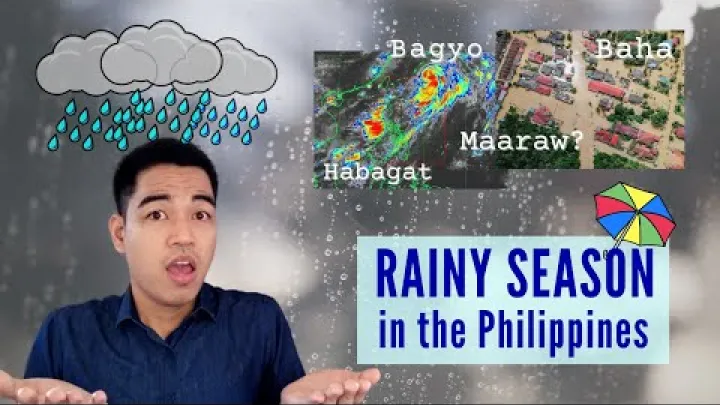
The best time to visit Marawi is usually the relatively drier part of the year, especially January to April, when rain is less likely to disrupt city sightseeing, Lake Lanao views, and outdoor plans. Marawi is warm and humid for much of the year, so the main travel question is not cold versus hot weather. It is how much rain, cloud, and flexibility you should expect. This guide explains Marawi weather, the Philippine monsoon context, month-by-month travel conditions, and practical packing advice for a respectful and comfortable city stay.
Quick Answer: The Best Time to Visit Marawi
For most visitors, January to April is the most practical window for Marawi. These months generally offer better odds of manageable weather, easier walking around the city, and more reliable conditions for views of Lake Lanao or nearby outdoor excursions.

If your trip depends heavily on outdoor activities, February to April can be especially useful because rainfall is typically less disruptive than during the wettest months. However, Marawi does not have a completely rain-free season, so even a good travel month can include showers.
May to October is the period to approach with more caution if you need predictable weather. Rain can become a daily planning factor, and heavy downpours may reduce visibility, slow local movement, or push outdoor plans indoors. November and December can be useful shoulder months as conditions improve, though December may be busier because of holiday travel across the Philippines.
Marawi Weather at a Glance
Marawi weather is best understood as warm, humid, and rain-influenced. Available Marawi-specific weather guidance describes May to October as the wettest period, with rainfall intensity peaking around June and July and very frequent rainy days possible in October, according to Kupi.
Temperatures, Humidity, and Rainfall
Marawi is not a destination where travelers usually plan around winter cold. Instead, comfort depends more on humidity, shade, rainfall, and how long you expect to spend outdoors. Warm and humid conditions can make walking, waiting for transport, or sightseeing feel more tiring, especially when rain gear and covered routes are needed.

Rainfall is not a rare exception in Marawi. It is a recurring part of travel planning. A short shower may only require an umbrella and a change in timing, but heavier rain can affect visibility, road comfort, and the practicality of walking between places.
International visitors should be careful with general Philippines travel advice. Many country-level guides emphasize a broad dry-season pattern, but city-level conditions vary. For Marawi, it is safer to think in terms of relatively drier months rather than a guaranteed dry season.
Why Marawi Does Not Have a Simple Dry Season
Marawi can still receive rain outside the wettest months. This means that a January, February, March, or April trip has better odds of comfortable weather, but it should not be planned as if every day will be clear and dry.
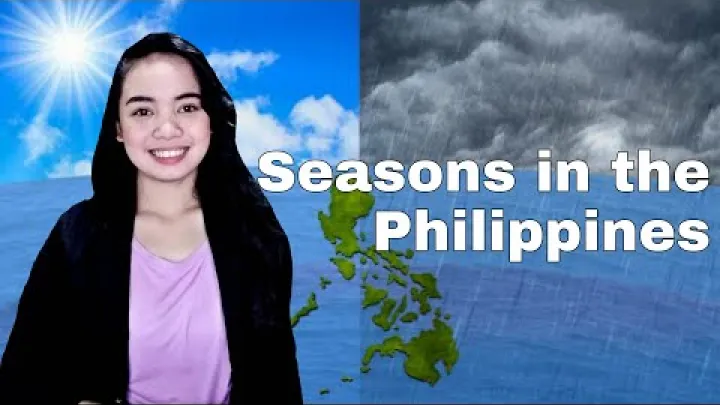
This distinction matters for itinerary design. If you want Lake Lanao views, city walks, or outdoor day trips, build flexibility into your schedule. Plan the most weather-sensitive activities early in the trip or early in the day, and keep covered or indoor alternatives ready.
Compared with some beach destinations where the dry-season recommendation can be simpler, Marawi requires more local interpretation. The best season is the one that reduces weather risk, not one that removes it completely.
Philippine Seasons and What They Mean for Marawi
The Philippines is shaped by monsoon patterns, regional geography, and tropical weather systems. These national patterns are useful background, but Marawi should still be planned with local rain behavior in mind.
Amihan and Habagat in Simple Terms
In simple travel language, Amihan is the northeast monsoon and Habagat is the southwest monsoon. These seasonal wind and rain patterns influence the broader Philippines weather calendar, as explained by Divescotty.

For travelers, the important point is practical rather than technical. The cooler, relatively drier part of the Philippine travel year is often easier for sightseeing and movement, while the wetter part of the year requires more rain planning and schedule flexibility.
Marawi still needs local interpretation because rainfall patterns are not identical across the country. A recommendation that works for one island, beach area, or eastern coastal destination may not translate perfectly to an inland city near Lake Lanao.
Typhoon Season and Why Forecast Checks Still Matter
The Philippines has a typhoon season risk, especially during the wetter part of the year. Broader Philippines travel guidance from Insight Guides notes that late June to the end of October is a period when tropical storms can be disruptive, particularly in more exposed areas.
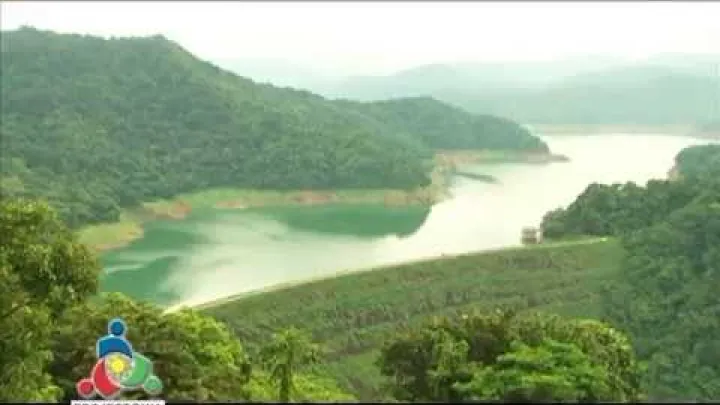
Marawi should not be treated the same as an exposed eastern coastal destination, but forecast checks still matter. Weather systems can affect flights, ferries on other legs of a Philippines trip, regional transport, and outdoor plans even when the city itself is not on the coast.
If you travel from June to October, leave extra time between important transfers. Avoid building an itinerary where one delayed flight, road journey, or outdoor excursion causes the rest of the trip to fail.
Month-by-Month Feel in Marawi
The table below gives a practical month-by-month feel rather than a guarantee. Weather varies from year to year, so use it as a planning guide and confirm current forecasts before traveling.
| Period | Typical travel feel | Best for |
|---|---|---|
| January to April | Relatively drier and more comfortable | City sightseeing, Lake Lanao views, outdoor plans |
| May | Transition toward wetter conditions | Flexible travelers and budget-minded planning |
| June to July | Rain can be intense | Trips with strong indoor backup plans |
| August to October | Wet and less predictable | Flexible itineraries, fewer outdoor commitments |
| November | Improving shoulder period | Travelers balancing weather and flexibility |
| December | Improving weather, possible holiday demand | Culture trips and city stays with early booking |
January to April: Most Comfortable Window
January to April is the strongest general recommendation for travelers who want better weather odds in Marawi. These months are more suitable for walking, photography, city exploration, and outdoor day trips because rain is usually less dominant than during the wettest part of the year.

February to April can be especially useful if your plans include outdoor time. Conditions are generally more manageable, and you may have more chances for clear or partly clear views. Still, bring rain protection. A compact umbrella or light rain jacket is useful even during the better travel window.
May to October: Wettest and Least Predictable Months
May to October is the period when rain becomes a bigger part of daily planning in Marawi. Travel can still be possible, but it requires more patience and more backup options. A morning plan may need to move later, or an outdoor route may need to be replaced with a covered activity.

June and July are important months to watch because available Marawi-specific information points to peak rainfall intensity around this time. October may also bring very frequent rainy days. For travelers, the effect is simple: movement can feel slower, visibility can be reduced, and outdoor plans become less reliable.
November and December: Improving Weather and Busier Travel Periods
November can be a useful shoulder period. Conditions generally begin to improve after the wettest months, but the month may still require flexible planning. It can suit travelers who want a balance between improving weather and potentially easier availability.

December can be attractive because conditions are usually improving, but it may also be busier because of wider holiday-season travel in the Philippines. If you plan to visit during late December or around major holidays, check accommodation and transport availability early.
Best Time to Visit Marawi by Travel Purpose
The best season for Marawi depends on what you want to do. A culture-focused trip may follow event dates, while an outdoor trip should prioritize drier weather and flexible scheduling.

For Culture and Local Events
Cultural travelers should check the local events calendar before choosing dates. Weather matters, but confirmed events may be more important if your goal is to experience local traditions, food, music, or community celebrations.

One event to know is the Kanduli Festival in Marawi City, which showcases traditional music, dances, and cuisine, according to the Bangsamoro Government. Do not assume dates remain the same every year. Confirm schedules through current local sources before booking flights or accommodation.
For Lake Lanao Views and City Sightseeing
For Lake Lanao views and general city sightseeing, choose the relatively drier months when possible. January to April gives better odds of clearer views, easier walking, and more comfortable time outdoors.

Sudden showers can still happen, so plan important sightseeing earlier in the day and keep timing flexible. If a view or walk is important to you, avoid leaving it until the final hours of your stay.
For Hiking and Outdoor Day Trips
If your Marawi trip includes hiking or outdoor excursions around the city, the relatively drier and more comfortable part of the year is the better choice. Heavy rain can make trails or paths slippery, reduce visibility, and make timing less predictable.
Check current local conditions before planning routes outside the city. Avoid relying only on seasonal averages, especially if your route depends on road access, local guidance, or stable weather during a full day outdoors.
For Budget Travel and Fewer Visitors
Wetter months may bring fewer visitors and potentially better availability, but the trade-off is less predictable weather. This can work for budget-minded travelers who are flexible, patient, and not focused on outdoor activities every day.
May and November can be useful compromise months. May may offer some flexibility before the wettest conditions become more dominant, while November may offer improving weather after the wettest period. Compare accommodation and transport options before booking because local price patterns can vary.
Regional Travel Impacts Around Marawi
Marawi is an inland city near Lake Lanao, so its travel issues are different from those of coastal resorts or island-hopping routes. Rain logistics, visibility, and road timing matter more than beach conditions inside the city itself.
Highlands, Inland Roads, and Rain Logistics
Heavy rain can affect comfort and timing around Marawi.

Wet pavement, reduced visibility, and slower local movement can make a simple city plan take longer than expected. This is especially relevant if your itinerary includes road-based excursions or transfers outside the city.
Coastal or Island Connections Before and After Marawi
Many visitors combine Marawi with other parts of the Philippines. If your trip includes coastal or island destinations before or after Marawi, remember that those legs may face different weather issues.

Sea conditions, ferry schedules, and flight timing can be more weather-sensitive during monsoon or typhoon periods. When possible, avoid tight same-day connections in wetter months, especially before an international flight or a fixed event.
What to Wear and Pack for Marawi
Packing for Marawi should balance heat, humidity, rain, and respectful city travel. Choose clothing and gear that help you stay comfortable without needing to change plans after every shower.
Clothing for Heat, Humidity, and Modest City Travel
Bring light, breathable clothing for warm and humid conditions. Fabrics that dry quickly are helpful because rain and humidity can make heavier clothing uncomfortable.

Marawi is a Muslim-majority city, so modest clothing is a respectful and practical choice for visitors. Long or knee-length bottoms, shirts with sleeves, and layers that are easy to adjust can help you feel comfortable in public places. Comfortable walking shoes with grip are also useful because pavement may be wet.
Rain Gear and Flexible Daily Planning
A compact umbrella, light rain jacket, and waterproof protection for your phone, passport, and electronics are useful year-round. Quick-drying socks or a spare shirt can also make wet days easier.

Plan important outdoor activities earlier in the day when possible, and keep backup plans for rain. This is especially important from May to October, but it is still sensible during the relatively drier months because showers can occur outside the wettest season.
Periods to Approach with Extra Caution
You do not need to avoid Marawi automatically during every wet month, but some periods require more careful planning. The main issue is whether your trip can still succeed if rain changes your schedule.
Peak Rain Months
The core wet-season period, especially May to October, is the main time to approach carefully if your trip depends on outdoor plans. June and July may bring especially intense rainfall, while October may bring very frequent rainy days based on available Marawi-specific weather information.
If weather comfort is your top priority and your dates are flexible, choose January to April instead. This gives you better odds of comfortable sightseeing and less disruption, though it still does not guarantee a rain-free trip.
Major Holidays, Festivals, and Booking Pressure
Major holidays, school breaks, and confirmed local events can affect accommodation availability and travel demand. This is especially relevant if you travel in December or around a cultural event.

Before finalizing dates, check current local calendars and confirm event schedules. If your trip overlaps with a major holiday or festival, book earlier and keep your arrival and departure plans flexible where possible.
Final Recommendation: Choose the Month That Matches Your Priorities
For most travelers, the best time to visit Marawi is January to April, with February to April especially useful for outdoor plans, Lake Lanao views, and comfortable city sightseeing. These months offer better odds, not guaranteed dry weather.
If culture is your main reason for visiting, check current event dates and plan around confirmed local schedules. If budget and flexibility matter more than weather, consider shoulder periods such as May or November, but prepare for rain-related changes. For any Marawi trip, pack for humidity, carry rain protection, dress respectfully, and leave enough space in your itinerary for the weather to change.
Select area
Create a post
Posting is free and no registration is required.