Marawi Digital Nomad Guide: Safety, Costs & Wi-Fi
A Marawi digital nomad plan needs more caution than a normal Philippines remote work plan. Marawi is not a mainstream nomad hub, and the main question is not whether it is interesting or affordable, but whether it is safe, practical, and reliable enough for your work needs. This guide focuses on long-stay reality: legal stay, safety, internet, accommodation, monthly costs, transport, healthcare, and daily logistics. It also explains who may have a strong reason to consider Marawi and who will likely be better served by Cebu, Manila, Davao, Siargao, or another established Philippine base.
Quick Verdict on Marawi for Remote Workers
Marawi can be considered only by a small group of remote workers who have a clear reason to be in Lanao del Sur and the ability to manage safety, logistics, and connectivity risk. For most digital nomads, it is not the best first choice in the Philippines.
Who Marawi May Suit
Marawi may suit remote workers with specific institutional, family, research, humanitarian, education, development, or community connections in Lanao del Sur. It may also suit people who already understand the local context, have trusted contacts, and can work with flexible schedules rather than constant live calls.
The possible advantages are real but limited. Living costs may be lower than in major Philippine cities. The city has important local culture, proximity to institutions, and signs of improving connectivity. However, affordability alone is not a good reason to choose Marawi as a base. A low monthly budget cannot compensate for weak accommodation supply, uncertain work infrastructure, healthcare planning concerns, and safety considerations.
The correct way to think about Marawi is as a high-due-diligence base. It is not a typical digital nomad destination where you can arrive, open a laptop in a coworking space, and easily join a remote worker community.
Who Should Choose Another Philippine Base
First-time digital nomads, solo travelers without local contacts, and remote workers who need reliable daily video calls should usually choose another base. The same applies to people who want strong healthcare access, many accommodation choices, easy transport, nightlife, coworking communities, and a broad international social scene.

This is not a judgment about local people or local culture. It is a practical assessment of destination fit. Marawi has a different risk profile and a different level of visitor infrastructure from established Philippine hubs. If your income depends on predictable Wi-Fi, stable power, quick access to healthcare, and easy backup options, a cheaper monthly rent in Marawi may not translate into better value.
Legal Stay, Remote Work, and Visa Basics
Visa eligibility in the Philippines is separate from whether Marawi is a suitable city for you. You may qualify for a national visa route and still decide that another Philippine city is a better place to work remotely.

Philippines Digital Nomad Visa Considerations
The Philippines has been discussed as a digital nomad visa destination for foreign remote workers who earn income from outside the country. Reported requirements commonly include proof of remote employment or business income, health insurance, and a clean criminal record. Visa information can change, and implementation details may vary, so treat third-party summaries as planning guidance rather than legal authority.

For an overview of commonly reported requirements, Citizen Remote summarizes items such as proof of employment or income, full health insurance, and criminal record checks. Before applying, verify current rules through official Philippine immigration, consular, or eVisa channels where available.
Marawi-specific planning is a separate decision. A visa may allow you to stay in the Philippines, but it does not guarantee that every city is appropriate for your work style, safety expectations, or insurance coverage.
Remote Work Rules, Taxes, and Insurance Checks
Before working remotely from the Philippines, confirm whether your visa category allows the type of work you plan to do. Work for foreign clients or a foreign employer may be treated differently from local employment in the Philippines. Do not assume that remote work and local work are legally the same.

Tax residency is also personal. Your home country, citizenship, length of stay, employer structure, and business registration can all affect your obligations. Ask a qualified tax adviser if your stay will be long, if you run a company, or if you are paid through several jurisdictions.
Use this checklist before committing to Marawi:
- Confirm your visa status and permitted activities.
- Confirm that your income comes from a lawful remote source.
- Check whether your stay could affect tax residency at home or elsewhere.
- Buy health insurance that covers your destination and planned activities.
- Read travel insurance exclusions carefully, especially for high-risk areas.
- Prepare emergency contacts, evacuation options, and a backup city plan.
Safety and Post-Conflict Reality in Marawi
Safety is the central factor in any Marawi remote work decision. Do not treat it as one item among many. It should determine whether you go, how long you stay, where you stay, how you move around, and whether your insurance is valid.

Why Safety Is the Main Decision Factor
Before making plans, check current official travel advisories for Lanao del Sur, Marawi, and wider Mindanao. Advisories can change because of security conditions, local incidents, political developments, or government restrictions. Read the advisory from your own government as well as any relevant Philippine guidance.

Marawi is associated with post-conflict recovery after the 2017 siege, and some international advisories have historically raised concerns in parts of Mindanao involving terrorism, kidnapping, armed conflict, or civil unrest. The exact wording and risk level can change, so do not rely on old blog posts or general impressions.
For remote workers, safety affects ordinary work planning. It affects whether you should arrive during daylight, whether you need a trusted local contact, whether night travel is wise, whether your insurer will cover you, and whether you can remain calm and productive during uncertainty.
How Ongoing Rehabilitation Affects Daily Life
Marawi is still shaped by recovery and rehabilitation. This matters for daily life because reconstruction can affect roads, drainage, utilities, public services, commercial activity, housing availability, and the general convenience of living and working in the city.

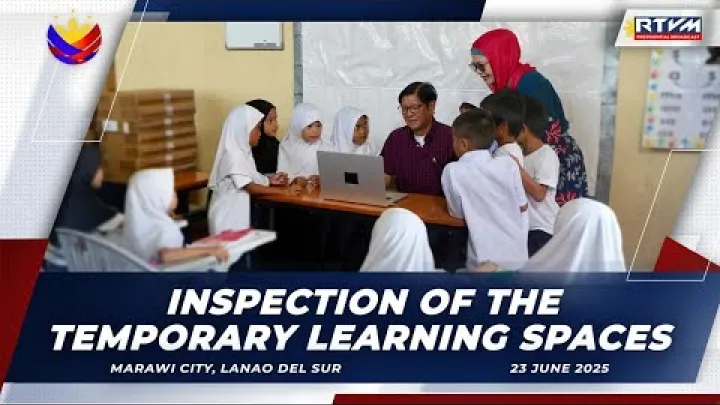
The Presidential Communications Office has reported national attention on accelerating Marawi rehabilitation and related infrastructure work, including roads, bridges, drainage, and slope protection. For a digital nomad, the practical point is simple: a city that is still rebuilding may not function like a mature remote work hub.
This does not mean daily life is impossible. It means you should expect uneven conditions and verify everything locally. A building may have acceptable internet while another nearby does not. A road may be usable at one time and inconvenient later. A neighborhood may be suitable for someone with local support but difficult for a newcomer.
Practical Risk Controls Before Any Visit
If you must visit Marawi, treat risk controls as minimum precautions, not guarantees. Arrange trusted local contacts before arrival. Confirm accommodation in advance. Plan to arrive during daylight. Know exactly how you will travel from your entry point to your accommodation.

Share your itinerary with someone outside the area. Avoid unnecessary night travel. Confirm emergency numbers, nearby medical options, and how you would leave the city if your plan changed. Keep your first stay short, and do not sign a long lease before testing safety, internet, transport, food access, and your own comfort level.
Follow local advice and official restrictions. If a trusted local contact, your embassy, your insurer, or an official advisory tells you not to travel, take that advice seriously.
Internet, SIM Cards, and Work Reliability
Internet reliability is the second major decision factor after safety. You should assess Marawi by the exact building, not by national internet averages or general claims about the Philippines.

Fixed Internet and Local Provider Options
Local connectivity appears to be improving. The Lanao del Sur Provincial Government has reported the opening of Marawi Connect as an internet service provider connected with local digital connectivity efforts. This is useful evidence that internet infrastructure is developing.
However, the existence of a provider does not prove that your accommodation will have fast, stable, or affordable service. It also does not prove reliable uptime during power interruptions, peak evening use, storms, or building-level technical problems.
Before committing to a rental or workspace, run practical tests at the exact place you plan to work:
- Join a video call for at least 30 minutes.
- Run download and upload speed tests.
- Test during evening peak hours.
- Ask about power interruptions and backup power.
- Upload a large file that resembles your real work.
- Test your mobile data backup from the same desk.
Mobile Data Backups for Remote Work
You should carry at least one local SIM or eSIM backup and test it in your exact work location. Do not assume that good coverage in one part of the city means good coverage inside your room, apartment, or workspace.
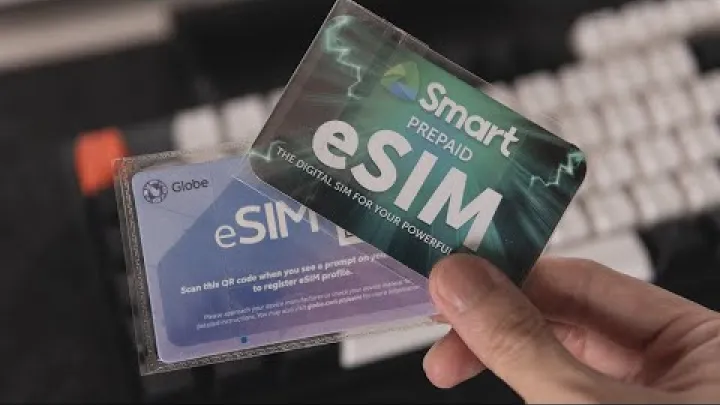
A mobile backup is useful for messaging, emergency travel coordination, small file uploads, and short calls. It may not be enough for long video meetings, large cloud transfers, or low-latency work. If your work is mission-critical, consider two independent backup options rather than one.
Avoid relying on SIM card information for Malawi, the African country, when researching Marawi. The names are similar, but the telecom markets are completely different. Use current Philippine mobile provider information and local testing.
Work Types That Fit the Connectivity Risk
Marawi is more suitable for asynchronous work than for constant live work. Writers, researchers, offline-first developers, consultants with flexible meeting times, and administrative remote workers may be able to manage if they have tested internet and backup plans.

It is less suitable for live streamers, online teachers with strict class schedules, day traders, emergency support staff, sales teams with constant video calls, or anyone with strict uptime requirements. These roles need predictable bandwidth, low disruption, and quick fallback options.
A practical decision rule is to list your work requirements before choosing the city. If you need several hours of uninterrupted video calls every day, Marawi is a high-risk choice. If you can prepare work offline, upload at flexible times, and schedule only occasional calls from tested locations, the risk may be more manageable.
Housing, Areas, and Monthly Costs
Housing research for Marawi requires local verification. Online rental data is thinner than in Manila, Cebu, or major tourist islands, and foreigner-accessible options may not match general local rent assumptions.
How to Choose a Livable Base
Do not choose a Marawi base from a simple neighborhood ranking. Instead, use practical criteria. Ask trusted local contacts about safety, transport, food access, power reliability, and whether the area is suitable for a foreign visitor or remote worker.

Central areas and locations near known institutions may be starting points to investigate, but they are not automatic recommendations. The best base is the one where you can confirm safe access, reliable internet, stable power, reasonable transport, nearby food options, and clear local support.
| Area type | Why investigate it | What to verify |
|---|---|---|
| Central or commercial areas | Better access to shops, transport, and services may be possible. | Safety advice, noise, power, internet, and evening movement. |
| Institution-adjacent areas | May suit visitors linked to education, research, or local organizations. | Permission, housing supply, transport, and visitor suitability. |
| Locally recommended residential areas | May offer calmer daily life if supported by trusted contacts. | Lease terms, access, internet installation, and emergency routes. |
Short-Stay Accommodation and Long-Stay Rental Reality
Formal accommodation and long-stay rentals appear more limited than in established digital nomad destinations. This means you should begin with a short stay and use that time to verify whether longer living is realistic.
Expect practical challenges. Online listings may be limited. Local contacts may be necessary. Agreements may be informal. Building standards, furnishings, water supply, power backup, and internet responsibility may vary widely. Do not assume that low local rent estimates are easily available to foreign renters or short-term visitors.
Before paying a deposit, confirm the rent, deposit amount, lease period, utilities, internet installation, repair responsibility, visitor rules, exit conditions, and refund terms in writing. If possible, test the room during a normal workday before committing.
Monthly Budget Scenarios and Cost Caveats
Marawi may be much cheaper than Cebu, Manila, or Siargao for basic local expenses, but cost data is thin. A realistic planning range for a frugal remote worker might be around USD 400 to 800 per month, or roughly PHP 22,000 to 48,000 using a broad planning exchange range. This is not a guaranteed market price. It depends heavily on rent, utilities, internet, transport, insurance, food choices, and emergency buffers.
Cheap rent can be offset by other costs. You may need backup accommodation, trips to larger cities, higher insurance premiums, private transport, better equipment, mobile data redundancy, or medical evacuation coverage. For many remote workers, a more expensive base with reliable infrastructure may be cheaper in total risk-adjusted terms.
| Category | Frugal planning estimate | Caveat |
|---|---|---|
| Rent and utilities | USD 150 to 350 | Foreigner-accessible rentals may be limited. |
| Food and daily needs | USD 120 to 250 | Imported goods can raise costs. |
| Internet and mobile data | USD 30 to 100 | Redundancy may cost extra. |
| Transport | USD 40 to 120 | Trusted or private transport may increase spending. |
| Insurance and emergency buffer | USD 60 to 200+ | Coverage must be checked for location and exclusions. |
Workspaces, Cafes, and Local Community
Do not expect Marawi to function like a mature coworking city. Workspaces and cafes may exist, but you should verify them directly before relying on them for income-critical work.
Coworking and Cafe Options to Verify
Coworking listings can be a starting point, not proof of a large remote work ecosystem. CoworkIsle lists coworking options in Marawi City, but availability, quality, pricing, opening hours, and suitability for calls should be checked directly before arrival.
Ask any workspace about internet speed, upload performance, power backup, desk availability, call-friendly areas, monthly pricing, opening days, and security procedures. If you need meetings, ask whether private rooms exist and whether they can be reserved.
Cafes can be useful for short work sessions, but they should not be your main plan until tested. Check Wi-Fi stability, seating comfort, noise, power outlets, and whether long laptop use is welcome. Always have a backup place for important calls.
Community, Language, and Cultural Expectations
Marawi is not known as a mainstream digital nomad community. Social integration may depend on local relationships, institutional networks, introductions, or family and community ties. If you arrive without contacts, you may find it difficult to build a support network quickly.
Marawi is officially known as the Islamic City of Marawi, and visitors should be respectful of local norms. Dress modestly, behave carefully in religious and community settings, and ask trusted locals about appropriate conduct. Avoid assumptions and approach daily life with humility.
English may be spoken in some professional and educational settings, but do not assume it will solve every daily situation. Learn basic local courtesy, be patient with communication, and avoid treating the city as a casual backpacker destination.
Transport, Healthcare, Banking, and Daily Logistics
Daily logistics are a major part of the Marawi decision. A remote work base is not only a place with rent and Wi-Fi. It also needs safe movement, healthcare access, payment options, food supply, and emergency planning.
Getting to Marawi and Moving Around Locally
Plan arrival carefully. Use current local advice, choose well-planned routes, avoid casual night travel, and confirm transport before you arrive. Do not rely on old schedules or general route descriptions without checking current conditions.

For local movement, prioritize daylight travel, trusted drivers, short distances between housing and work needs, and proximity to food and essentials. If your daily life requires frequent long trips, Marawi may become tiring and less practical.
Transport convenience is part of liveability. A cheaper apartment far from reliable food, safe transport, or tested internet may be a poor choice even if the rent is low.
Healthcare Access and Emergency Planning
Healthcare should be treated as a serious planning issue. Before committing to a stay, identify local clinics or hospitals, the nearest higher-level medical facilities, your insurance contact process, and evacuation options. Do not wait until you are sick or injured to learn how care works.

Check whether your insurance covers Marawi, emergency care, medical evacuation, and security-related disruptions. Some policies may have restrictions for areas under travel advisories or high-risk classifications. Read the policy wording and ask the insurer directly if the answer is unclear.
Your emergency checklist should include:
- Local emergency numbers and trusted contacts.
- Nearest medical facility and transport method.
- Insurance hotline and policy number.
- Medical evacuation instructions.
- Copies of passport, visa, prescriptions, and insurance documents.
- A backup city where you can relocate quickly.
Banking, Payments, Food, and Supplies
Plan for a more cash-aware daily routine than you might use in Manila or Cebu. Smaller or rebuilding cities may have fewer card-friendly merchants, fewer international goods, and less predictable access to specialized products. Keep more than one payment method and avoid depending on a single card or app.

Local markets and basic groceries may cover everyday needs, but imported foods, specialist equipment, electronics, and remote work accessories may be harder to find. If you need specific medicine, laptop parts, ergonomic equipment, or business supplies, bring them or plan periodic trips to larger cities.
Keep an emergency cash reserve in a secure place, but do not carry unnecessary amounts while moving around. Ask trusted local contacts about safe payment habits and reliable places to buy essentials.
Frequently Asked Questions
Is Marawi safe for digital nomads?
Marawi is not a standard low-risk digital nomad destination. Check current official travel advisories for Lanao del Sur and Mindanao before planning a visit, and only consider staying if you have strong local support, insurance clarity, and a clear reason to be there.
Can I rely on internet in Marawi for full-time remote work?
You should not rely on general claims. Test the exact accommodation or workspace with video calls, upload tests, evening peak-hour tests, and mobile data backup before committing to full-time work from Marawi.
Does the Philippines have a digital nomad visa?
The Philippines has been reported as developing or offering a digital nomad visa pathway for foreign remote workers, but rules and implementation details can change. Verify the latest requirements through official immigration or consular channels before applying.
Where should I stay in Marawi if I must visit?
Do not choose by online neighborhood rankings alone. Stay where trusted local contacts confirm safety, transport, food access, power reliability, and internet quality. Start with a short stay before any long-term rental.
Is Marawi cheaper than Cebu, Manila, or Siargao?
Marawi may be cheaper for basic local expenses, but total costs can rise because of backup accommodation, private transport, insurance, medical planning, internet redundancy, and trips to larger cities.
Who is Marawi best suited for as a remote work base?
It is best suited only for remote workers with a strong reason to be in Lanao del Sur, trusted local contacts, flexible work requirements, and a high tolerance for logistical uncertainty. Most nomads will be better served elsewhere in the Philippines.
Final Recommendation: Should You Choose Marawi?
Marawi is a special-case remote work destination, not a general recommendation. Your decision should be based on safety, reliability, and support systems before cost.
Compare Marawi With Other Philippine Nomad Bases
Most digital nomads will get better overall value from a more established Philippine base. Cebu, Manila, Davao, and Siargao are not perfect, but they usually offer broader accommodation supply, more transport options, more healthcare access, more cafes or coworking choices, and stronger backup systems for remote work.
| Base | Nomad strengths | Main caution |
|---|---|---|
| Marawi | Low-cost potential, local ties, institutional relevance. | High due diligence, safety and reliability concerns. |
| Cebu | More flights, housing, services, and work-friendly venues. | Higher costs and urban congestion in some areas. |
| Manila | Best access to embassies, hospitals, business services, and transport. | Traffic, high rents in central areas, and city stress. |
| Davao | Larger-city services with a Mindanao location. | Still requires current regional safety checks. |
| Siargao | International remote worker scene and lifestyle appeal. | Island logistics, seasonal demand, and possible higher rents. |
The trade-off is clear. Marawi may be cheaper, but established hubs usually provide better safety perception, healthcare access, internet redundancy, accommodation choice, coworking options, and community. For many remote workers, those benefits are worth the higher rent.
Decision Checklist Before Committing
Before choosing Marawi, complete this checklist:
- Current travel advisory checked for Marawi, Lanao del Sur, and Mindanao.
- Trusted local contact confirmed.
- Accommodation inspected or booked for a short trial only.
- Fixed internet tested in the exact building.
- Mobile data backup tested at the exact work location.
- Insurance verified for destination, medical care, evacuation, and exclusions.
- Emergency contacts and exit plan prepared.
- Backup city chosen in case Marawi is not workable.
- Budget includes transport, insurance, backup accommodation, and emergency funds.
The best approach is a short trial stay, not a long commitment. If the trial reveals weak internet, difficult transport, poor insurance coverage, or discomfort with the safety situation, leave and work from a more established base. A Marawi digital nomad setup may make sense for a narrow group with strong reasons and strong preparation, but for most remote workers, safety and reliability outweigh low costs.
Select area
Create a post
Posting is free and no registration is required.