Marawi Safety Guide: Travel Advice for Visitors
Marawi safety requires a more careful approach than travel to mainstream Philippine tourist destinations. The city has important cultural and historical meaning, but it also sits in a security-sensitive area where official advisories, local conditions, transport planning, and reliable contacts matter. This guide explains how to decide whether to visit, how to move around more safely, how to reduce everyday risks such as theft and scams, and what to do if an emergency happens. Use it as a practical planning tool, not as a real-time security map.
Is Marawi Safe for Travelers Right Now?
The direct answer is that Marawi is not a casual, low-planning destination for most visitors. Some travelers may have strong family, work, research, humanitarian, religious, or cultural reasons to go. Others who are looking mainly for easy sightseeing may be better served by postponing or choosing a lower-risk destination in the Philippines.

Start With Official Travel Advisories
Before booking a trip to Marawi, check official travel advisories from your own government and from other trusted government sources. The U.S. Department of State advises increased caution in the Philippines because of crime, terrorism, civil unrest, and kidnapping, and it identifies some areas as having higher risk. Advisories can also mention limits on emergency assistance, which is important when planning travel in a security-sensitive region.
Official warnings are not a street-by-street safety map. They do not tell you whether one road is safe at a specific hour. They do, however, affect practical decisions such as whether to travel at all, whether your insurance will cover you, whether an evacuation benefit applies, and how much support your embassy or consulate may be able to provide if conditions worsen.
Check advisories at three points: before paying for major bookings, shortly before departure, and again while traveling. Conditions can change because of security alerts, weather, demonstrations, road disruption, or local instructions. If your government advises against travel to Marawi or a wider area, read the details carefully and contact your insurer before you rely on any policy.
Understand the Post-Conflict Security Context
Marawi was the site of a major urban conflict in 2017 involving Islamic State-linked militants and Philippine authorities. The crisis still shapes how many governments, organizations, and travelers think about risk in the city. Analysis from ASPI describes the Marawi crisis as a significant urban conflict, which helps explain why travel decisions continue to require special care.
For travelers, the practical lesson is not to treat Marawi like any other city stop. Post-conflict conditions can affect infrastructure, route access, emergency response, public confidence, and the sensitivity of certain places. Some areas may be under reconstruction, restricted, or unsuitable for unplanned sightseeing.
Government advice has also remained serious because security incidents have occurred after 2017. Smartraveller notes a terrorist attack in Marawi City on 3 December 2023. This kind of context does not mean every street is unsafe every day, but it does mean visitors should use local guidance, avoid security-sensitive places, and plan for limited emergency support.
Decide Whether Your Visit Is Essential or Deferrable
A useful first question is: what is the purpose of the trip? Essential travel may include family obligations, official work, verified research, humanitarian coordination, or business with strong local support. Deferrable travel is casual sightseeing, spontaneous exploration, or a visit without confirmed contacts and accommodation.
Inexperienced travelers, solo first-time visitors to Mindanao, and travelers without local support should think carefully before going. If you cannot name where you will stay, who can help you locally, how you will arrive, how you will leave, and what you will do if roads or conditions change, the plan is not ready.
| Traveler situation | Risk-based guidance | Minimum preparation |
|---|---|---|
| Family or essential work visit | Possible with strong planning | Local host, confirmed transport, insurance, exit plan |
| Guided cultural or official visit | Consider only with verified organizers | Written itinerary, vetted guide, current local advice |
| Independent casual sightseeing | Usually better to defer | Only consider if local support is strong and current |
| Solo first-time regional traveler | High planning burden | Postpone or travel with a trusted local arrangement |
Risk tolerance is personal, but preparation should not be optional. If you decide to visit, keep the trip short, purposeful, supported, and flexible.
Area and District-Level Safety in Marawi
Many travelers search for safe districts in Marawi. The honest answer is that reliable public district-level safety data is limited, and conditions can change. Instead of relying on fixed labels, build a same-day safety map with help from people who know the current situation.

Use Locally Confirmed Areas Instead of Fixed Safe-District Claims
Avoid any guide that says a named district is always safe or always unsafe without current evidence. In Marawi, a better approach is to confirm specific routes and places for the specific day you plan to visit. Ask your accommodation, trusted host, official tourism contact, or organizer which areas are appropriate, which roads to use, and which places to avoid.
Your local safety map should include your accommodation, the nearest clinic or hospital option, a police or assistance point if locally confirmed, the main road back to your base, and at least one exit route from the city or area. Mark places that are staffed, busy, well-lit, and easy to reach. Treat quiet, isolated, poorly lit, damaged, or confusing places as higher risk unless a trusted local person confirms otherwise.
Same-day verification is important. A route that was acceptable last week may be inconvenient or unsuitable today because of roadworks, weather, a checkpoint, a public event, or a local security instruction.
Prefer Officially Supported Routes, Hotels, and Visitor Sites
Choose accommodation that can help with practical safety, not only price. A useful hotel, guesthouse, or host should be able to confirm arrival arrangements, recommend appropriate routes, contact a driver, explain local conditions, and help you communicate if something changes.
The Bangsamoro Government says tourists can access travel advisories, emergency contact numbers, and safe travel practice information for BARMM. Treat this as one layer of support, not a guarantee that every place is suitable for independent travel.
Supported routes and visitor sites usually have better access to staff, drivers, communication, and help if plans change. Avoid improvised sightseeing beyond confirmed routes, especially if the plan depends on asking strangers for directions as you go.
Avoid Reconstruction Zones, Empty Streets, and Unfamiliar Peripheries
Post-conflict and reconstruction areas can create practical hazards for travelers. These may include uneven surfaces, damaged structures, poor lighting, limited services, confusing access, and fewer people nearby who can help. This does not mean every reconstruction area is dangerous, but it does mean curiosity should not override local advice.

Do not enter fenced, restricted, security-controlled, abandoned, or visibly damaged areas unless you have clear permission and a trusted local guide. Turn back if a route becomes very quiet, poorly lit, hard to navigate, or visibly damaged. If a local person, guard, driver, or accommodation staff member tells you not to continue, follow that advice calmly.
Daytime, Night, and Daily Movement Rules
The safest travel behavior in Marawi is simple, predictable, and low profile. Plan movement in advance, avoid unnecessary night travel, and make sure someone knows where you are going.
Plan Important Movement During Daylight
Schedule arrivals, departures, ATM use, errands, and intercity travel during daylight. Daylight helps you recognize routes, notice changes in your surroundings, identify legitimate drivers or staff, and find help if a plan fails. It also reduces the chance that you will feel pressured into a rushed transport decision at night.
Build buffer time into each day. If an appointment ends late, do not assume you can safely complete the rest of your plan after dark. Return to your accommodation before evening when possible, and move non-essential errands to the next morning.
Avoid Solo Night Walking
Do not walk alone at night in unfamiliar parts of Marawi. This is a practical urban safety rule, not a judgment about local people. At night, it is harder to read streets, identify help, avoid isolated areas, and recover from a wrong turn.
If evening movement is necessary, use a vetted vehicle arranged by your accommodation, host, organizer, or trusted contact. Travel in a group if possible, keep doors locked, take a direct route, and avoid remote restaurants, bars, viewpoints, or unfamiliar neighborhoods after dark.
If you are caught outside later than planned, stop improvising. Go to a staffed public place, contact your accommodation, ask them to arrange a driver, keep your phone charged, and keep enough cash for transport. Do not accept a random unsolicited ride simply because you feel rushed.
Use Daily Check-Ins and Route Sharing
A daily check-in system should be simple. Send your plan to one trusted local contact and one trusted person outside the area. Include where you are going, who you are meeting, how you will travel, and when you expect to return.
![Preview image for the video "How to Set Up Location Sharing on Google Maps! [2023]".](/sites/default/files/styles/media_720x405/public/oembed_thumbnails/2026-05/LwbhDROHyPCn9DQS0nhiHguBtFH6mbJMRXsd5Lb5u3g.jpg.webp?itok=Okx5ej3w "Preview image for the video \"How to Set Up Location Sharing on Google Maps! [2023]\".")
For longer trips, share the driver name if known, vehicle plate, route, and expected arrival time. Set a missed-check-in rule before the day starts. For example, if you do not confirm arrival within one hour of the expected time, your contact should call you, then your accommodation or host, and then escalate if needed.
Keep offline copies of your hotel address, passport copy, insurance details, emergency numbers, embassy or consulate contact, and key local contacts. Store them on your phone and on paper. A paper copy matters if your phone is lost, damaged, or out of battery.
Petty Crime, Scams, and Money Safety
High-profile security risks get the most attention, but everyday crime can affect travelers more often. Theft, overcharging, fake services, and money handling problems are easier to reduce when you use consistent habits.

Prevent Pickpocketing, Bag Theft, and Opportunistic Robbery
In the broader regional context, the Philippine Information Agency has reported police emphasis on theft prevention in Northern Mindanao. Avoid relying on exact crime-rate comparisons unless they come from current official data. For travelers, the practical point is clear: property crime prevention should be part of daily behavior.
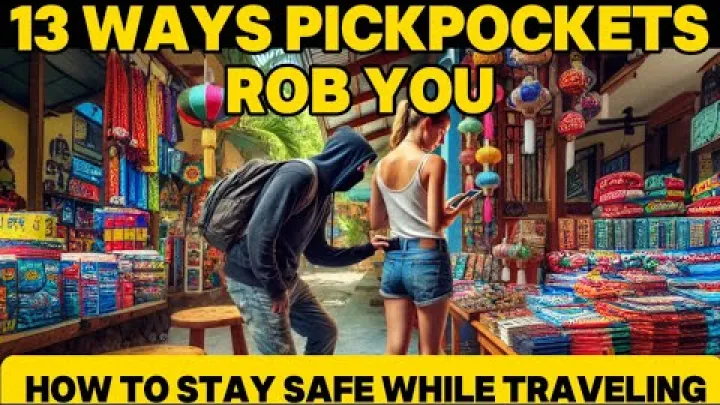
Common risk situations include crowded markets, transport stops, busy streets, distracted phone use, and moments when you display cash, jewelry, cameras, or expensive electronics. Carry only the cash you need for the day. Keep bags closed and in front of you in crowds. Do not leave a phone on a restaurant table, in a vehicle seat, or loose in an outside pocket.
Use a hotel safe or locked luggage for backup cards, extra cash, and your passport when you do not need to carry the original. Carry a passport copy and local ID guidance instead. If someone threatens you with force, do not resist to protect property. Move to safety first, then report and document the incident.
Handle Taxi Overcharging and Informal Driver Problems
Transport overcharging can occur in many parts of the Philippines, but Marawi-specific patterns should be discussed cautiously unless confirmed locally. The safest rule is to agree clearly before the ride begins. Ask: “How much to this address?” or “Is this the full price?” If a meter is used, confirm that it will be used before departure.
When regulated taxis or ride-hailing are uncertain, use accommodation-arranged drivers or drivers recommended by a trusted host or organization. Before entering, confirm the destination, price, route, and whether the fare includes waiting time, luggage, or extra stops.
If a driver changes terms, pressures you, refuses to agree clearly, or tries to redirect you before departure, do not get in. If the problem begins during the ride, stay calm, ask to stop in a public place, pay only what is safe and reasonable in the situation, and contact your accommodation.
Avoid Fake Tours, Social Media Deals, and Unverified Guides
Book guides, interpreters, drivers, or tours through hotels, official tourism contacts, known organizations, universities, employers, or established operators. Be careful with very cheap packages, pressure to pay quickly, social media profiles with no verifiable identity, and guides who cannot explain the itinerary clearly.
Before paying, confirm the meeting point, itinerary, vehicle, guide identity, price, inclusions, cancellation rules, and emergency contact in writing. Do not send passport photos, card details, or large advance payments to strangers on messaging apps. If a deposit is necessary, use a method that gives you a record and avoid paying the full amount before the service is delivered.
Use ATMs, Cards, and Cash Carefully
Use ATMs attached to banks or secure indoor locations during daylight. Avoid isolated machines, machines with damaged card slots, or machines where someone is standing too close. Cover your PIN, decline help from strangers, and leave if you feel crowded or watched.

- Carry small denominations for drivers, markets, and small shops.
- Split cash and cards between separate secure locations.
- Keep one backup card away from your wallet.
- Count change before leaving a shop, restaurant, or vehicle.
- Check bills before paying and keep receipts when possible.
- Use card payments cautiously and keep your card in sight when possible.
Cash may be more useful than cards in some local situations, but carrying too much cash creates risk. Aim for enough for the day, plus emergency transport money kept separately.
Transport Safety in Marawi and Nearby Areas
Transport choices are central to safe travel in Marawi. Because ride-hailing coverage, taxi availability, and local road conditions may vary, the most reliable rule is to use vetted drivers and confirmed routes.

Choose Vetted Drivers Over Random Street Transport
Arrange transport through your accommodation, trusted host, official tourism contact, employer, university, organization, or family contact. This is especially important for arrivals, departures, evening movement, and any trip beyond familiar areas.
Before entering a vehicle, confirm the driver identity, vehicle plate, destination, price, and expected route. If possible, share these details with someone who is expecting your arrival. Keep your bag with you rather than placing valuables in a trunk unless necessary.
Avoid unsolicited rides from people waiting near terminals, hotels, or visitor sites. A friendly offer can still create risk if the person is not accountable to anyone you trust.
Use Ride-Hailing or Taxis Only With Clear Safety Rules
If ride-hailing is available at the time of your visit, check the driver photo, vehicle plate, route, and fare in the app before entering. Do not get into a vehicle that does not match the booking. Share the trip status if the app allows it.
If using a taxi, hired car, or informal driver, agree on terms before departure and avoid renegotiation mid-route. Sit where you can exit safely, keep bags with you, keep doors locked, and follow the route on an offline or live map when possible.
If driver behavior becomes uncomfortable, end the ride in a public, staffed, or well-lit place. Do not argue in an isolated area. Contact your accommodation or trusted local support as soon as you can.
Plan Intercity Travel and Checkpoints Conservatively
Plan intercity travel during daylight and only on routes confirmed by local contacts. Keep travel plans flexible. If your accommodation, host, official contact, or local authority advises against a route, postpone the trip.
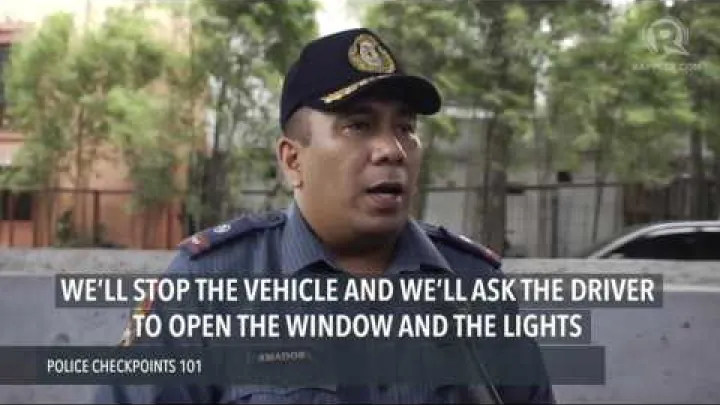
Carry identification and keep documents accessible. At checkpoints, remain calm, respectful, and patient. Answer basic questions clearly. Do not photograph checkpoints, security personnel, military facilities, police activity, or security equipment. In a security-sensitive region, this is normal practical etiquette and helps avoid misunderstandings.
Emergencies, Medical Help, and Insurance
Emergency planning is essential before visiting Marawi. Do not wait until a problem happens to find phone numbers, medical options, or insurance instructions.
Know Who to Call and Where to Get Help
Save emergency contacts before arrival and verify them with your accommodation, host, official tourism contact, or local organizer. Some public emergency-number lists in the Philippines are published by media outlets such as ABS-CBN News, but travelers should confirm current local numbers because hotlines, coverage, and response procedures can change.
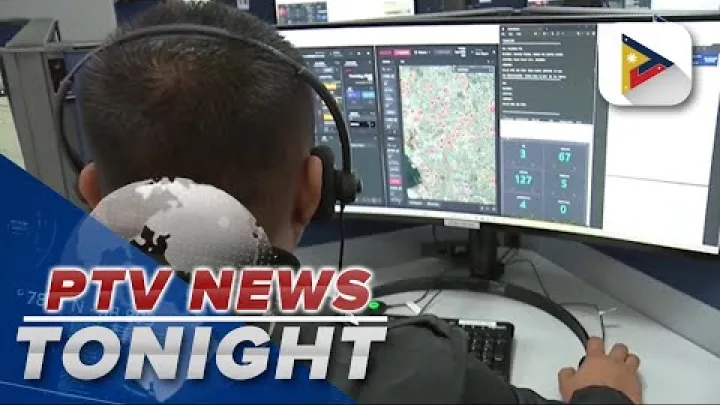
Your pre-trip contact list should include your accommodation, local host or organizer, local police or tourism assistance contact if confirmed, nearest medical option if confirmed, embassy or consulate, travel insurer emergency assistance, bank card emergency line, and a family contact. Keep the list on your phone and on paper.
Ask your accommodation which number to call first for police, ambulance, fire, or local assistance. Also ask what address format to give in an emergency, because clear location details can save time.
Prepare for Medical Limits and Evacuation Costs
Buy travel insurance before you go, and read the exclusions carefully. Some policies exclude areas under government travel warnings or exclude terrorism, civil unrest, security evacuation, or high-risk regions. If you are traveling for work, confirm whether employer coverage applies in Marawi.
Serious medical treatment or evacuation can be expensive and may require fast coordination. Carry essential medication, prescriptions, allergy information, blood type if known, and a short medical summary if you have a chronic condition. Travelers with heart conditions, severe allergies, mobility needs, pregnancy, or complex medication requirements should speak with a clinician before deciding to travel.
Do not assume that the nearest clinic can handle every emergency. Know what your insurer wants you to do before non-urgent treatment, and keep their assistance number available offline.
Respond Safely After Theft, Illness, or a Security Incident

- Move first to a safe, public, staffed, or known place.
- Contact your accommodation, host, organizer, or trusted local support.
- Call emergency services or local assistance if there is immediate danger or injury.
- Tell a trusted contact where you are and what help you need.
- Document the incident with times, places, names, photos, and receipts when it is safe.
After theft, cancel cards, block stolen devices, change passwords if a phone or laptop is taken, and ask whether a police report is needed for insurance. Do not investigate the theft yourself.
After illness or injury, contact insurance assistance before non-urgent treatment when possible. For urgent treatment, seek help first and contact the insurer as soon as practical. For a security alert, follow local authority instructions, avoid crowds, return to accommodation if safe, and update your trusted contacts. Foreign nationals should contact their embassy or consulate if documents are lost, detention occurs, or evacuation advice is needed.
Cultural Awareness and Low-Profile Travel
Respectful behavior improves both safety and the quality of your visit. Marawi is a Muslim-majority city, and visitors should act with sensitivity in community, religious, and family spaces.
Dress and Behave Respectfully in a Muslim-Majority City
Choose modest clothing, especially around religious sites, community spaces, official offices, and family settings. Polite greetings, calm speech, and patience are useful everywhere, and they matter even more when you are a guest in a place with local customs you may not fully understand.

Be sensitive around prayer times and religious spaces. Ask before entering private areas or photographing people, homes, religious buildings, or ceremonies. Avoid public intoxication, illegal drugs, aggressive arguments, and behavior that draws unnecessary attention.
This guidance is not only about safety. It is also basic travel ethics. A visitor who is respectful is more likely to receive good advice, clear directions, and help when needed.
Keep a Low Profile Around Security-Sensitive Places
Do not photograph or film checkpoints, military facilities, police activity, security personnel, damaged restricted areas, or security equipment. If you are unsure whether a photo is appropriate, ask first or do not take it.
Avoid political arguments, public commentary on conflict, or detailed questions that make local people uncomfortable. Comply calmly with lawful instructions and keep identification or a passport copy accessible. Low-profile behavior reduces misunderstandings and unwanted attention.
Frequently Asked Questions
Is Marawi safe for tourists now?
Marawi requires more caution than many Philippine tourist destinations. Some travelers with essential reasons and strong local support may visit, but casual independent sightseeing is usually not the best reason to go. Check current official advisories, local guidance, insurance coverage, and emergency plans before deciding.
Can foreigners visit Marawi independently?
Independent travel is not recommended for most foreign visitors unless they have reliable local contacts, confirmed accommodation, vetted transport, and a clear purpose. A guided or locally supported visit is safer than arriving without current route advice and emergency support.
Is it safe to walk around Marawi at night?
Do not walk alone at night in unfamiliar parts of Marawi. If you must move after dark, use a vetted vehicle, travel directly, keep your phone charged, and tell your accommodation or trusted contact where you are going.
What is the safest way to get around Marawi?
The safest approach is to use drivers arranged by your accommodation, host, official contact, or trusted organization. Confirm the driver, vehicle plate, destination, price, and route before departure, and share details for longer trips.
What should I do if there is a security alert or emergency in Marawi?
Move to a safe place, follow local authority instructions, avoid crowds, contact your accommodation or local host, and update trusted contacts. If you need urgent help, use locally verified emergency numbers. Foreign nationals should contact their embassy or consulate when documents, detention, evacuation, or serious safety issues are involved.
Final Decision Checklist for Marawi Safety
Marawi can be visited only with careful planning, current information, and reliable local support. Do not base your decision on old stories, social media posts, or a single person’s reassurance. Use the checklist below before committing to the trip.
- Check your government travel advisory shortly before booking and departure.
- Confirm that your travel insurance covers your destination, activities, and evacuation needs.
- Book accommodation that can help with transport, route advice, and emergency contacts.
- Use locally confirmed routes and avoid unsupported district-level safety assumptions.
- Plan arrivals, departures, ATM use, and intercity travel during daylight.
- Avoid solo night walking and use vetted vehicles for evening movement.
- Carry limited daily cash and keep backup cards, passport, and extra money secure.
- Share daily plans and set a missed-check-in rule with trusted contacts.
- Respect local customs, dress modestly, and avoid photographing security-sensitive places.
- Postpone travel if official advice, local contacts, or your own preparation indicate that the plan is not ready.
The safest decision is the one that matches current conditions, your experience level, and the support available to you. If the visit is essential, keep it structured and low profile. If it is deferrable, waiting for stronger conditions and better support is a reasonable and responsible choice.
Select area
Create a post
Posting is free and no registration is required.