Marawi Weather: Best Time to Visit and Monthly Guide

Marawi weather is shaped by warm tropical conditions, frequent humidity, and a rain pattern that matters for daily sightseeing. The city sits inland near Lake Lanao in Lanao del Sur, so it can feel different from hotter coastal or lowland parts of the Philippines, especially in the evening. This guide explains the best months to visit, what the weather usually feels like, how each season affects travel, and what to pack. It also explains when climate averages are useful and when you need a live Marawi City weather forecast for tomorrow or the day before travel.
Marawi Weather at a Glance
For most travelers, the key point is simple: choose the drier and cooler part of the year when possible, but keep a rain plan ready. Marawi is not a destination where you should assume every good travel month will be dry, sunny, or predictable.
Best Months for Most Visitors
The best months for most visitors are generally during the more comfortable part of the Philippine travel year, especially from December to February. This period is widely considered a favorable time for travel in the Philippines because conditions are usually cooler and more accessible than in hotter or wetter months, as summarized by Audley Travel. For Marawi, January to March is often practical for walking, road travel, lake views, and outdoor planning when daily forecasts are favorable.

Even in the better months, rain can still happen. It is better to think in terms of a drier travel window, not a guaranteed dry season. Travelers who want the easiest conditions should plan outdoor activities early in the day, keep an extra day in the schedule if possible, and avoid making every important activity depend on clear skies.
What the Weather Usually Feels Like
Marawi usually feels warm, humid, and often cloudy. Rain is a normal part of the climate through much of the year, and short showers can interrupt plans even when the day begins well. Simulated climate information for Marawi City from Meteoblue shows the importance of precipitation patterns when planning around the city.

The lived experience of the weather depends on more than temperature. Humidity can make walking feel heavier. Cloud cover can make the sky look calm while the air still feels damp. Rain can make streets slippery and can reduce visibility around scenic areas. Evenings may feel cooler than in many lowland Philippine cities, but daytime movement still requires water, sun protection, and realistic pacing.
Why Marawi Can Feel Different from Lowland Philippines
Marawi is inland and at a higher elevation than many coastal and lowland Philippine destinations. Its setting near Lake Lanao can help moderate the strongest heat compared with lower-elevation urban areas. This does not mean the weather is cold, and it does not remove the need to plan for humidity or sudden rain.

This local difference matters when packing and scheduling. A visitor may want breathable daytime clothing, but also a light layer for cooler evenings, damp conditions, or air-conditioned spaces. The same contrast affects activity choices: a long walk may feel easier than it would in a hotter lowland city, but wet streets and humid air can still make short, flexible sightseeing blocks more comfortable than an all-day walking plan.
Dry and Wet Seasons in Marawi
Marawi weather is best understood as a drier part of the year and a rainier part of the year. The exact feel can vary by year, and daily forecasts remain important, but the seasonal pattern is useful for choosing travel dates.
The Drier Travel Window
The broader drier travel window is usually around December to April. This is often the better period for sightseeing, photography, walking, and road movement. Conditions are generally more manageable, especially earlier in the window, when the weather is less likely to feel as hot and humid as the transition into late dry season.
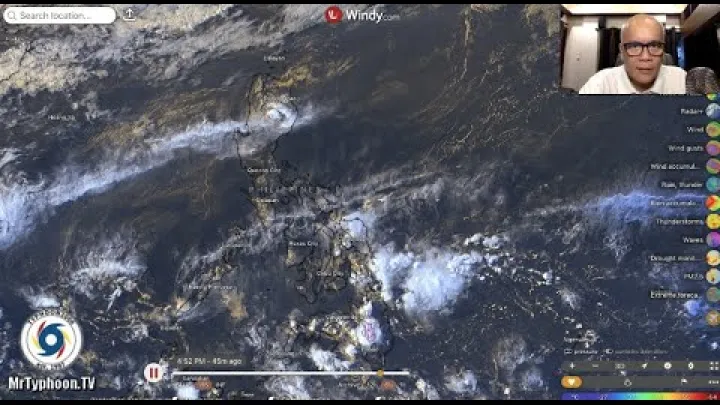
April and May can feel warmer and more humid as the year moves toward wetter conditions. If you visit during this transition, plan important outdoor activities for the morning, take shaded breaks, and avoid assuming that a clear start means the whole day will remain clear. A compact umbrella or light rain jacket still belongs in your day bag.
The Rainier Travel Window
May to October is the rainier travel window for planning purposes. During this period, showers and heavier downpours become more important for daily decisions. Rain can reduce visibility, make paths and streets slippery, and make outdoor timing less reliable.

This does not mean travel is impossible. It means the trip requires more flexibility. Morning activities may be easier to plan than afternoon outings, but rain does not follow the same schedule every day. During wetter months, avoid tight itineraries that leave no room to wait out a downpour, change transport timing, or move a lake viewpoint or outdoor stop to another day.
Heavy Rain and Storm Disruption Risk
Heavy rain can affect road conditions, visibility, and access to outdoor areas around Marawi and Lanao del Sur. Marawi is not an exposed coastal destination, but wider Philippine storm patterns can still disrupt travel during wetter months. A storm system elsewhere in the country can influence transport, road reliability, or the timing of long-distance plans.
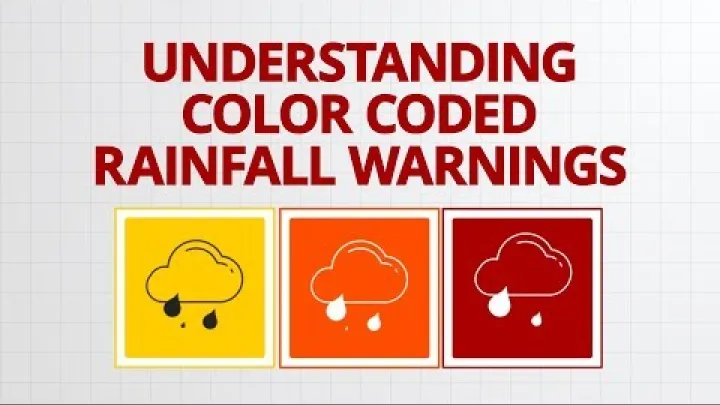
Before exposed outdoor routes, lake-oriented plans, or longer road journeys, check weather alerts and local advice. If severe weather is expected, delay non-essential outdoor movement, avoid routes that may become difficult in heavy rain, and keep communication devices charged. Safety-focused flexibility is more useful than trying to force a plan through bad conditions.
Marawi Weather by Month
Monthly planning helps travelers match expectations to the likely conditions. The following sections group months by similar travel experience rather than giving exact daily predictions, because the weather can vary from year to year.
December to February
December to February is one of the best windows for most visitors. Conditions are generally cooler and more manageable for sightseeing, walking, and lake views. It is also a practical time for travelers who want to spend more time outdoors without planning every hour around heat and heavy rain.
Rain can still occur, so light rain protection remains useful. Monthly weather tools such as AccuWeather can help travelers compare expected monthly conditions with a short-term forecast closer to departure. For daily plans, use this period for walking routes, scenic stops, and outdoor photography when the forecast looks favorable.
March to May
March is often a useful shoulder period. It can still be practical for outdoor activities, especially with early starts and flexible timing. As April and May approach, warmth, humidity, and afternoon showers become more relevant for comfort and planning.
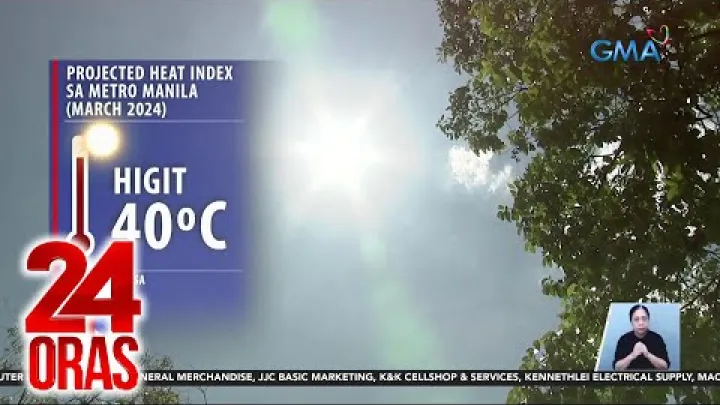
During this period, avoid scheduling the most active part of the day during the warmest hours if you are sensitive to heat. Plan shaded breaks, carry water, and keep outdoor plans adjustable. Late April and May can feel more like a transition toward wetter conditions than a simple extension of the comfortable season.
June to August
June to August is more challenging for outdoor-heavy trips because rain is more frequent and heavier. Viewpoints, lake-oriented plans, hikes, and longer road journeys need more caution. Travelers should expect some plans to depend on the forecast and should avoid building a schedule with no backup time.
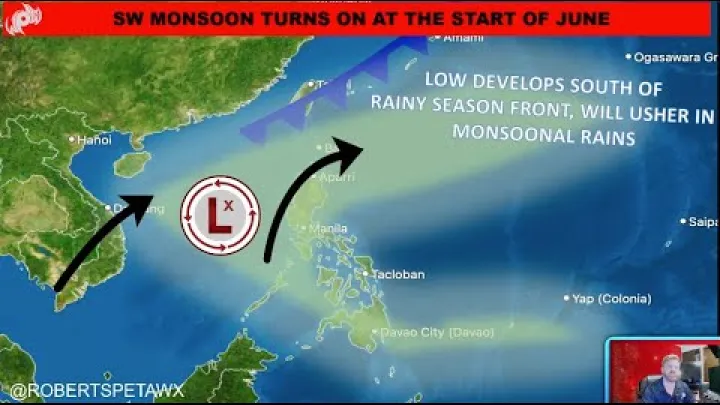
This period can still work for visitors with flexible expectations. Choose weather-protected activities, keep travel days less crowded, and avoid important same-day connections after long road movement. If the forecast shows heavy rain or thunderstorms, treat that as a reason to slow down rather than a minor inconvenience.
September to November
September to November can remain wet and unsettled. Conditions may gradually become more favorable toward late November, but year-to-year variation matters. Storm-related disruption risk can still affect planning, so this is not a period when travelers should ignore forecasts.

If you travel during these months, keep booking choices flexible where possible. Add backup days for important outdoor plans and avoid making tight transport connections after weather-dependent activities. Late November can be a useful transition into the more comfortable travel season, but it is still wise to check conditions close to the date.
How Weather Affects Activities and Travel Plans
The most useful way to plan around Marawi weather is to connect conditions to real travel decisions. Rain, humidity, cloud cover, and road conditions affect how much you can comfortably do in one day.

Walking and Daily Sightseeing
Humidity and wet streets affect walkability in Marawi. A route that looks short on a map may feel slower if the air is damp, the pavement is wet, or you need to pause under cover during a shower. Cloudy skies may reduce glare, but they do not remove the need for sun protection during outdoor time.
Plan shorter walking blocks instead of one long continuous route. Start early when possible, take shaded pauses, and carry simple rain protection. If rain becomes heavy, wait it out under cover rather than trying to keep moving on slippery streets. This approach is especially useful for travelers who are new to tropical climates.
Lake Lanao and Outdoor Time
Lake Lanao and scenic outdoor areas are best planned around calmer and clearer weather windows. Rain, wind, and low cloud can reduce visibility and make photography less rewarding. Even if temperatures feel comfortable, damp weather can make outdoor time less pleasant.
![Preview image for the video "Exploring Marawi + Lanao del Sur [Culture and Arts] | Travel Jams".](/sites/default/files/styles/media_720x405/public/oembed_thumbnails/2026-05/9G5PPDG7WmSA9J7Y_mndGXB1Bu71qs8kuPpXcLgaVig.jpg.webp?itok=VWr7OtN3 "Preview image for the video \"Exploring Marawi + Lanao del Sur [Culture and Arts] | Travel Jams\".")
Keep lake-oriented plans flexible. Check conditions close to departure, and avoid treating a scenic stop as a fixed appointment that must happen in any weather. If the morning forecast looks better than the afternoon forecast, prioritize outdoor viewing earlier and leave covered meals, errands, or rest time for later.
Road Travel, Delays, and Backup Plans
Heavy rain can slow road journeys around Marawi and the wider Lanao del Sur area. It can reduce visibility, increase caution on wet roads, and make schedules less predictable. During the rainier months, it is wise to avoid tight same-day connections after longer road travel.

Good backup plans do not need to be complicated. Keep time for a covered meal, a rest period, a short local errand, or a rescheduled outdoor stop. If rain is heavy, changing the order of your day is often better than pushing ahead and losing comfort, visibility, and safety.
What to Pack for Marawi Weather
Packing for Marawi means preparing for humid days, possible rain, and cooler-feeling evenings. The goal is not to bring more items, but to bring items that dry well, layer easily, and protect important belongings.
Clothing for Humid Days and Cool Evenings
Breathable, lightweight clothing is the best base for humid daytime conditions. Quick-dry fabrics are useful because rain and humidity can make clothes take longer to dry. Choose practical clothing that allows comfortable movement around the city and can handle damp conditions.

A light layer is also useful. Evenings can feel cooler than the daytime, especially when the air is damp or after rain. A thin jacket, light sweater, or long-sleeve layer can help in cooler evenings, air-conditioned interiors, or early morning starts.
Rain Protection, Footwear, and Electronics
A compact umbrella or light rain jacket should be part of your regular day kit in Marawi. Philippines packing advice from Pack Lightly also emphasizes lightweight, quick-dry fabrics and rain gear for wet periods. In Marawi, this advice is especially practical because sudden rain can affect walking, road stops, and outdoor viewing.

Choose footwear that can handle wet streets and dry reasonably well. Avoid shoes that become slippery, heavy, or uncomfortable when wet. Protect electronics with waterproof storage, a dry bag, or sealed pouches for your phone, chargers, documents, and camera gear. Humidity and sudden rain are easy to underestimate until something important gets wet.
Sun, Heat, and Hydration Basics
Cloud cover does not remove the need for sun protection. If you will be outside for walking, viewpoints, or road stops, use a hat, sunglasses, or sunscreen as appropriate. Bright conditions can still affect you even when the sky is not fully clear.

Carry water and take rest breaks before you feel exhausted. During warmer transition months, travelers who are sensitive to heat should plan lighter activity days and avoid the most uncomfortable part of the day when heat and humidity feel strongest. This is simple travel comfort advice, not a substitute for medical guidance.
How to Use Forecasts Before and During Your Trip
Climate guidance helps you choose the best month to visit Marawi. A live forecast helps you decide what to do tomorrow, what to pack in your day bag, and whether to delay an outdoor plan.
Live Forecasts Versus Climate Averages
Climate averages are useful when you are choosing between travel months. They help you understand which parts of the year are generally drier, wetter, cooler, or more humid. They do not tell you whether tomorrow morning will be clear enough for a lake view or whether an afternoon shower will affect a road journey.

For tomorrow's weather in Marawi City, use a reliable live forecast close to the date. This is especially important during the rainy season, when daily conditions can change the order of your plans. Treat this article as evergreen climate guidance, not as a real-time weather report.
What to Check on the Day Before Travel
The day before a long road trip or outdoor plan, check rain probability, thunderstorm risk, wind, cloud cover, and any active weather alerts. These details matter most for lake visits, viewpoints, long walks, and travel between towns.
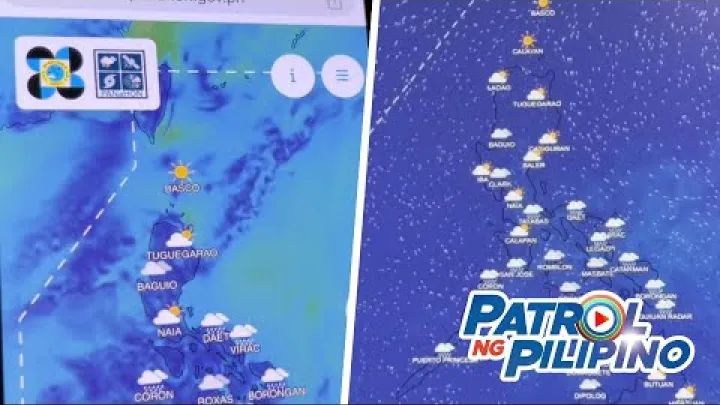
Also confirm transport timing and keep a backup activity ready if heavy rain is likely. If the forecast shows poor conditions, move the most weather-sensitive plan to a better window if your schedule allows. A small adjustment the day before can prevent a rushed, wet, or uncomfortable travel day.
Conclusion: Planning Around Marawi Weather
The easiest way to plan around Marawi weather is to visit during the generally drier and cooler months, especially around December to February, while still preparing for rain. March can be useful as a shoulder period, while June to October usually requires the most flexibility for outdoor plans and road travel.
Pack for humidity, wet streets, and cooler evenings, and use live forecasts for daily decisions. With realistic expectations and a flexible schedule, Marawi can be planned comfortably even in a climate where rain and cloud cover are part of the travel experience.
Select area
Create a post
Posting is free and no registration is required.