Marawi Family Travel Guide: Safety, Kids, and Planning
Marawi is one of the most culturally significant cities in Mindanao, but it is not a simple family holiday destination. A Marawi family trip requires careful safety checks, realistic expectations, and strong local planning because the city is still shaped by post-conflict recovery and limited visitor infrastructure. This guide explains whether Marawi is suitable for families, what ages may cope best, where to base yourself, what children can do, and when it is wiser to postpone. It is written for families who have a serious reason to visit or who are considering a short, respectful, well-supported trip.
Is Marawi Suitable for Family Travel Right Now?
The most important question is not only what to see in Marawi. For parents, the first question is whether a visit is appropriate at all. Marawi can be meaningful for families with local ties, cultural interests, or educational reasons to travel, but it needs more caution than established Philippine family destinations.
The Short Answer for Most Families
For most families, Marawi is not a conventional easy family vacation destination at present. It does not offer the predictable mix of resorts, stroller-friendly streets, children’s attractions, flexible restaurants, and simple transfers that many families expect from a leisure trip.

The main reasons are safety advisories, ongoing recovery from the 2017 conflict, limited tourist infrastructure, and transport friction. Some official travel advisories identify Marawi City as a high-risk area. The U.S. Department of State specifically flags Marawi City in Mindanao due to terrorism and civil unrest concerns.
That does not mean every family must avoid Marawi in every circumstance. It does mean families should not treat it like a spontaneous sightseeing stop. If you are considering travel, check current government advisories, speak with trusted local contacts, confirm insurance coverage, and verify conditions close to departure. This guide is a practical planning resource for families who need or strongly want to visit, not encouragement to ignore official warnings.
Best-Fit Travelers and Ages
Marawi is most realistic for older children and teenagers who can follow instructions, handle long travel days, understand cultural sensitivity, and cope with schedule changes. It may also be more suitable for families with relatives in the area, community ties, academic interests, school partnerships, official duties, or reliable local hosts.
Infants, toddlers, stroller-dependent children, and children who need predictable meals, medical routines, naps, or climate-controlled backups are less suited to a Marawi visit. Parents should also consider how a child responds to security checks, long car journeys, unfamiliar toilets, heat, and emotionally difficult history.
| Age group | Suitability | Main planning concern |
|---|---|---|
| Infants and toddlers | Low for most visitors | Naps, medical needs, strollers, food, toilets, heat |
| Young children | Possible only with strong support | Fatigue, routine, limited indoor backups |
| Older children | More realistic | Need clear rules, short days, and trusted transport |
| Teenagers | Best fit among children | Emotional readiness and respectful cultural learning |
Suitability depends less on a list of attractions and more on risk tolerance, local contacts, transport reliability, and the child’s flexibility. A teenager visiting with relatives may have a meaningful experience. A toddler on a casual vacation may find the same trip stressful and difficult.
When to Postpone or Choose Another Philippine Destination
Postpone if your government advises against travel, if travel insurance excludes Marawi or wider parts of Mindanao, if you cannot arrange reliable local support, or if you are unsure how you would leave quickly in an emergency. Advisories can affect more than comfort. They may affect insurance, evacuation, emergency assistance, and your family’s ability to respond if conditions change.

Families seeking beaches, kids clubs, easy resort transfers, stroller-friendly sightseeing, indoor play areas, or quick access to major hospitals should choose a more developed Philippine destination.
Postponing can also be the most respectful choice while recovery continues. Families can still learn about Marawi’s history, Maranao culture, Lake Lanao, and the wider Bangsamoro region through books, conversations, academic programs, and community connections before deciding whether a future visit is appropriate.
Current Conditions, Recovery, and Why Planning Needs Extra Care
Family travel planning in Marawi should begin with current conditions, not a fixed itinerary. Services, access, and local guidance can change, so every practical detail should be checked close to travel.
Post-Conflict Recovery and Daily Infrastructure
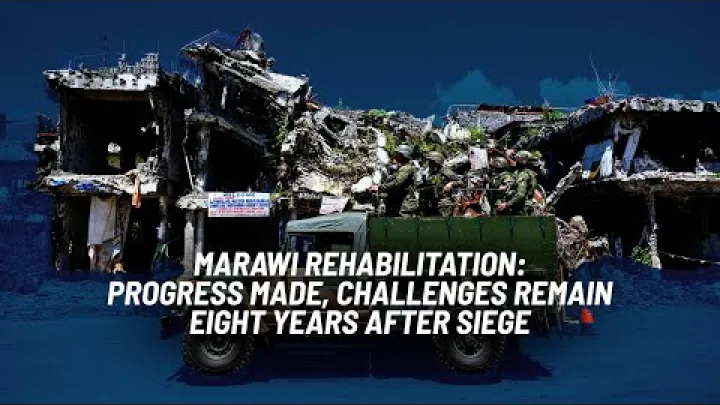
Marawi is still affected by the aftermath of the 2017 conflict and years of rebuilding. Reports such as the analysis by the Australian Institute of International Affairs describe continuing humanitarian and recovery challenges, which are important context for visitors.

For families, this context is practical as well as emotional. You may encounter uneven infrastructure, visible reconstruction, variable road conditions, and services that are less predictable than in major tourist cities. Water, electricity, accommodation standards, food availability, and transport timing may require more flexibility.
Parents should avoid treating hardship as an attraction. If children see damaged areas or hear difficult stories, frame the experience with dignity and respect. Ask local hosts what is appropriate to discuss, where visitors should not go, and what should not be photographed.
Safety Advisories and Local Security Checks
Before making any booking, check your own government’s travel advisory for the Philippines and Mindanao. Also consult trusted local contacts, local authorities where appropriate, your accommodation provider, your transport provider, and your travel insurance company.

Security concerns matter more when children are involved. A delay, road closure, demonstration, or sudden change in local conditions is harder to manage with tired children, luggage, medication needs, and limited backup options. Families should avoid crowds, demonstrations, restricted areas, and unplanned movements. If the visit proceeds, keep movements purposeful, daylight-based, and locally verified.
No guide can guarantee safety in Marawi. Current local confirmation is essential, and parents should be ready to cancel or shorten a trip without regret if conditions are uncertain.
Health, Water, and Emergency Planning
Families should plan for uneven access to medical care, pharmacies, safe drinking water, and emergency transport. Do not assume that a child’s usual medication, formula, allergy-safe food, or specific medical item will be easy to find.

- Consult a travel health professional before travel, especially for children, pregnant travelers, older relatives, and anyone with chronic conditions.
- Carry essential medication, copies of prescriptions, oral rehydration supplies, child fever supplies recommended by your doctor, and basic first-aid items.
- Bring safe drinking water or confirm reliable access before each outing.
- Keep emergency contacts in your phone and on paper.
- Confirm that your insurance covers Marawi and includes medical evacuation if needed.
- Have an exit plan if a child becomes ill or conditions change.
This is not a place to improvise medical planning with children. If your family depends on predictable medical access, postponing is usually the safer choice.
Where Families Should Base Themselves
Where you sleep may determine whether the trip feels manageable. In Marawi, families should prioritize safety, reliable transport, water, power, and local support over sightseeing convenience.
Staying in Marawi
Accommodation choices inside Marawi appear more limited than in larger Philippine cities and established tourist destinations. Staying in the city may be suitable for short essential visits, family visits with local hosts, academic or official purposes, or carefully supported overnight stays. It is less suited to families expecting hotel-style leisure amenities.
Before booking, ask direct questions. Is there a family room? Is there a private bathroom? Is water reliable? Is power reliable? Are meals available early enough for children? Is parking secure? Can the property help with trusted transport? Is the area appropriate for a visiting family at the time of travel?
Do not assume stroller access, elevators, quiet indoor play spaces, early dinners, laundry, or international-style hotel amenities will be available. Accommodation quality and availability should be verified close to arrival, not based only on older listings or general travel descriptions.
Using Iligan or Another Nearby Hub as a Base
For many families, using Iligan or another nearby hub as a base may be more practical than sleeping in Marawi. Booking platforms such as Expedia show several Marawi-area lodging options listed in or near Iligan rather than clearly inside Marawi itself, which supports the idea that families may need to look beyond the city for accommodation.

The day-trip approach is simple: sleep in a more developed base, travel to Marawi only for planned activities, and return before evening. This can improve access to accommodation, meals, and daily services. The trade-off is extra road time and less spontaneity.
| Base option | Possible advantage | Possible drawback |
|---|---|---|
| Stay in Marawi | Closer to family, community, or official purpose | Fewer verified family amenities |
| Stay in Iligan or nearby hub | More lodging and practical services | More road travel each day |
| Visit only with local hosts | Better guidance on timing, routes, and etiquette | Still requires safety and insurance checks |
A nearby base does not remove the need for safety checks. Confirm road conditions, driver reliability, current security information, and return timing before every day trip.
Best Zones and Daily Movement Patterns
Rather than choosing a zone based on generic tourist convenience, families should stay close to verified accommodation, reliable transport pickup points, and trusted contacts. Do not chase a location because it looks central on a map if your hosts advise against it.
Plan movement in clusters. Visit one cultural stop and one scenic stop in the same general direction instead of crossing the city repeatedly. Build in a midday rest, snack break, or early return. For younger children, naps, early dinners, and indoor backups may be easier from a nearby base than inside Marawi.
The safest daily pattern is simple: confirmed route, daylight movement, limited stops, trusted driver, local guidance, and a flexible exit plan.
Family-Friendly Things to Do in and Around Marawi
Marawi family activities should be low-pressure, culturally respectful, and easy to shorten. Think in terms of meaningful stops rather than a packed attraction list.
Lake Lanao and Scenic Outdoor Time
Lake Lanao is Marawi’s most important natural setting and one of the main reasons visitors are drawn to the area. For families, the safest approach is usually scenic rather than adventure-based: lakeside viewing, short walks where appropriate, photography with permission, and conversations about the lake’s role in local life.
Do not assume there are developed lakeside tourist facilities comparable to a resort. Before considering swimming, boating, or fishing, verify local permission, supervision, water conditions, safety equipment, weather, and transport. If any of those details are unclear, keep the visit to viewing and learning.
Mosques, Cultural Sites, and Respectful Visits
Marawi is widely known as the Islamic City of Marawi and has deep religious and cultural significance. A family visit can help children learn about religious diversity, Maranao identity, and respectful behavior in sacred spaces.

Not every mosque or religious site is open to casual visitors. Ask before entering, respect prayer times, dress modestly, speak quietly, and follow the instructions of local hosts. Photography should never be assumed. Ask before taking photos of people, religious spaces, homes, or community areas.
- Choose lightweight long sleeves and long trousers or long skirts.
- Bring a scarf for women or girls when local guidance says it is appropriate.
- Teach children to lower their voices near religious spaces.
- Do not enter restricted areas.
- Leave immediately and politely if asked.
Parks, Waterfalls, and Nature Stops
Sacred Mountain National Park and Mount Mupo are documented natural features in Marawi. The Bangsamoro Government describes Sacred Mountain National Park as a 94-hectare area dominated by Mount Mupo and located in the barangays of Guimba and Papandayan.
Nature stops may suit older children and teenagers who can manage uneven ground, heat, humidity, insects, and limited facilities. They may be difficult for toddlers, stroller users, or children who need frequent toilets and shade.
Before visiting any park, waterfall, mountain area, or nature stop, check access, local permissions, trail conditions, weather, transport, and current safety advice. Treat travel-listing attractions cautiously if opening status and family facilities are not well documented.
Educational Visits Without Disaster Tourism
Some families may encounter areas connected to Marawi’s recent conflict and rebuilding. Others may have an educational reason to learn about the city’s recovery. These visits require a careful ethical approach.
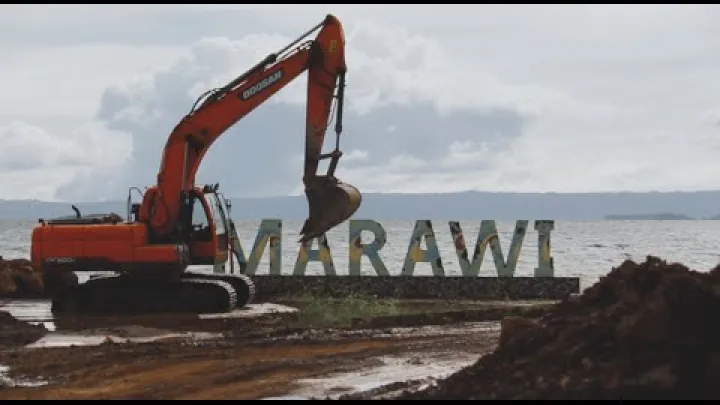
Do not treat damaged areas, displacement, or private hardship as entertainment. Use local guidance, respect restricted areas, and avoid photographing residents, damaged homes, or sensitive places without clear permission. Parents should prepare older children in advance with age-appropriate context and discuss the experience afterward.
A good rule for children is simple: if a photo or question would embarrass, expose, or reduce someone’s dignity, do not take it or ask it.
Food, Culture, and Daily Comfort With Kids
Food and daily routines can make or break a family trip. In Marawi, cultural awareness and practical packing are both important.
Halal Food and Maranao Cuisine
Marawi’s Muslim cultural context means halal food norms are important and may be reassuring for Muslim families. Non-Muslim families should approach local food with respect and curiosity, while also preparing children for unfamiliar flavors, meal timing, and restaurant routines.

Carry snacks for picky eaters, children with allergies, and long road segments. Confirm restaurant hours before relying on a meal stop. During Ramadan or around local religious schedules, dining availability and timing may change, so families should plan simple backup meals.
If your child has dietary restrictions, write them clearly, confirm ingredients politely, and avoid assuming that all staff will understand international allergy terminology.
Dress, Behavior, and Religious Sensitivity
Modest clothing is recommended for adults and children, especially near religious spaces and local communities. This does not mean visitors must follow identical religious practices. It means dressing and behaving in a way that shows respect in a culturally significant Muslim city.
- Pack lightweight long sleeves for sun and modesty.
- Choose long trousers, long skirts, or loose clothing.
- Bring comfortable closed shoes for uneven ground.
- Carry a scarf when local hosts recommend it.
- Ask before photographing people or private spaces.
- Follow the guidance of hosts, drivers, and community contacts.
Respectful behavior can make family interactions smoother and more meaningful. It also gives children a clear lesson in how to be thoughtful guests.
Strollers, Toilets, and Indoor Backups
Families should not expect consistently stroller-friendly sidewalks, ramps, smooth surfaces, or easy curb access. A baby carrier or compact travel gear may be more practical than a full-size stroller, especially for short visits and uneven routes.

Plan toilet stops before leaving accommodation. Bring diapers, wipes, hand sanitizer, tissues, spare clothes, drinking water, and shade protection. If a child needs frequent bathroom access, confirm stops with your driver or host before departure.
Indoor backups such as malls, play centers, and climate-controlled attractions may be limited compared with major cities. This is one of the main reasons Marawi is challenging with babies and toddlers.
Transport and Pacing for a Family Itinerary
Transport should be predictable, daylight-based, and locally confirmed. With children, the safest option is often not the cheapest option.
Getting to Marawi
Most visitors will need to combine air travel to a Mindanao hub with overland transport to Marawi. Depending on the starting point, routing can involve flights, buses, taxis, private vehicles, and transfers. General transport planners such as Rome2rio show that reaching Marawi may involve multi-stage travel, especially from other parts of the Philippines.

Families should verify routes, travel times, road conditions, security checks, and driver arrangements close to departure. Avoid building a plan around exact online travel times, because delays and local conditions can change the day.
When traveling with children, choose the most predictable route. Daylight travel, a confirmed driver, working communication, and a planned rest stop are more important than saving money.
Moving Around With Children
For most visiting families, a trusted private driver, local host vehicle, or prearranged family vehicle is more practical than improvised local transport. Jeepneys and shared transport can be part of daily life and may be culturally interesting, but they can be crowded, less predictable, and difficult with luggage, strollers, or tired children.
Bring child safety equipment when possible, because car seats may not be standard. Keep water, snacks, offline maps, chargers, identification copies, emergency contacts, and backup communication available during every outing.
Prepare children for delays. A simple family rule helps: everyone uses the toilet before departure, everyone carries water, and every outing has a clear return plan.
How Many Days to Plan
If your family visits Marawi at all, keep the Marawi portion short and focused. For many families, a cautious day visit from a nearby base is more realistic than a multi-day stay.
One night may be reasonable only for families with older children, verified accommodation, trusted transport, local guidance, insurance coverage, and a clear reason to stay. Full sightseeing days are not the best default. Children need rest, meals, quiet time, and the option to leave early.
A flexible exit plan is part of responsible family travel. Cancelling a stop because a child is tired, the weather changes, or a local contact advises caution is good planning, not failure.
Sample Family Trip Plans
The following examples are cautious planning patterns, not promises that conditions will allow travel. Confirm every movement locally before using them.
Cautious Day Visit From a Nearby Base
A cautious day visit begins with an early departure from a nearby base, a confirmed driver, and a trusted local contact or guide. Keep the plan small: one cultural stop, one scenic stop near Lake Lanao if appropriate, a simple meal, and an early return.
Do not pack the day with sightseeing. Leave room to cancel if security, weather, road conditions, or child comfort changes. The goal is to complete a respectful, manageable visit and return before fatigue becomes a problem.
This pattern is best for families who need or strongly want to visit Marawi but prefer lower logistical strain and stronger accommodation options outside the city.
One-Night Educational Visit for Older Children
A one-night educational visit is suitable only for families with verified lodging, secure transport, and strong local guidance. It may include a short cultural learning stop, a respectful religious-site visit if access is appropriate, Lake Lanao scenery, and generous downtime.

Before arrival, discuss Marawi’s history and recovery in age-appropriate language. During the visit, keep explanations calm and factual. After departure, give older children time to ask questions and process what they saw.
Check safety before each movement. Leave the second day flexible, and be willing to depart early if conditions or family energy change.
When Marawi Works Better as a Community or Family Visit
Marawi may be more realistic for visitors with relatives, local hosts, school connections, NGO work, official duties, or community ties. Supported visits are different from independent tourism because local contacts can help with timing, dress, routes, introductions, and areas to avoid.
Local contacts do not remove all risk. They do, however, provide context that a visitor cannot get from a map or booking site. If hosts recommend postponing, shortening, or changing the visit, respect their judgment.
For many families, this is the most appropriate reason to visit Marawi: not as a casual vacation, but as a carefully supported connection to people, culture, education, or community.
Frequently Asked Questions
Is Marawi safe for a family vacation?
For most families, Marawi should not be treated as a standard vacation destination. Check current government advisories, local security updates, and insurance coverage before making any plan. If advisories warn against travel or local support is weak, postpone.
What ages are best suited to a Marawi visit?
Older children and teenagers are the best fit because they can follow instructions, handle long travel days, and understand cultural and historical context. Babies, toddlers, and stroller-dependent children are generally less suited.
Where should families stay when visiting Marawi?
Many families may find it more practical to stay in Iligan or another nearby hub and visit Marawi as a planned day trip. Staying in Marawi itself is more realistic for short essential visits or families with verified lodging and local hosts.
Are there kid-friendly activities in Marawi?
Activities are best kept simple and respectful: Lake Lanao scenery, short cultural visits, learning about Maranao identity, and carefully checked nature stops. Do not expect resort-style attractions, kids clubs, or extensive indoor play options.
Can families use strollers in Marawi?
Families should not rely on stroller-friendly routes. Sidewalks, ramps, and smooth access may be inconsistent. A baby carrier or compact travel setup is usually more practical for younger children.
Should families visit Marawi now or wait?
Many families should wait, especially those with small children, medical needs, low risk tolerance, or expectations of easy tourist infrastructure. A short visit may be considered only with current safety clearance, reliable local support, and a clear reason to go.
Final Recommendation for Families
Marawi can be culturally important and personally meaningful, but family travel decisions should be guided by safety, dignity, and respect for local recovery.
Who Should Consider Marawi and Who Should Wait
Marawi is best approached as a serious cultural, community, or educational visit, not an easy family holiday. Families with local relatives, trusted hosts, official or academic purposes, older adaptable children, and verified security information may consider a short, carefully planned visit if current advisories and local conditions allow.
Families with babies, toddlers, medical needs, low risk tolerance, or expectations of resort-style infrastructure should wait or choose another destination. There is no benefit in forcing a trip that would create stress for children or place the family in a situation it cannot manage.
The most responsible Marawi family travel plan is short, flexible, locally guided, and easy to cancel. Respect for the city and its residents should be part of every decision.
Pre-Departure Checklist

- Check current government travel advisories for Marawi, Mindanao, and the wider Philippines.
- Confirm local security conditions with trusted contacts close to departure.
- Verify that travel insurance covers Marawi and includes medical evacuation if needed.
- Confirm accommodation, family room setup, private bathroom, water, power, meals, and security arrangements.
- Arrange trusted transport, daylight travel, confirmed drivers, and backup communication.
- Prepare emergency contacts, offline maps, chargers, identification copies, and a flexible exit plan.
- Pack modest clothing, comfortable shoes, child medical supplies, safe water, snacks, wipes, and sun protection.
- Be ready to postpone, shorten, or cancel the visit if advisories, local guidance, weather, roads, or child comfort make travel unwise.
Select area
Create a post
Posting is free and no registration is required.