Marawi Things to Do: Culture, Lake Lanao, Food, and Day Trips

Marawi things to do are best understood through culture, Lake Lanao, Maranao design, local food, and careful planning. This is not a standard mass-tourism city where every attraction is simple to access at any time. Visitors should plan around current security guidance, local advice, prayer times, weather, and reconstruction activity. This guide separates must-do stops in Marawi City from nearby half-day and day-trip ideas, with practical notes for 1 day, 3 days, or a longer stay.
Before You Go: Safety, Access, and Expectations
Before choosing activities in Marawi, decide whether the trip is appropriate for your situation. Conditions can change, and some areas may be sensitive, restricted, or unsuitable for casual independent sightseeing.

Current travel advisories and local security checks
Check current government travel advisories before planning a trip to Marawi. The U.S. Department of State has identified Marawi City in Mindanao as a high-risk area in its Philippines advisory, and it notes limited ability to provide emergency services to U.S. citizens there. Other governments may use different wording, but the key point is the same: do not treat a Marawi visit as risk-free.
In practice, you should verify conditions shortly before travel with local authorities, accommodation hosts, reputable regional operators, or trusted local contacts. Ask whether planned sites are open, whether security checkpoints may affect movement, and whether any neighborhoods should be avoided. If advice conflicts, follow the most cautious credible guidance.
Visitors with low risk tolerance, limited time, or no local support may prefer to base themselves in a nearby hub and postpone Marawi until conditions are clearer. Travelers who do proceed should keep plans flexible, carry identification, share their itinerary with someone reliable, and avoid late changes that take them into unfamiliar areas.
When to use a local guide or organized tour
A knowledgeable local guide is strongly recommended for first-time visitors. A guide can help with etiquette around mosques, explain Maranao cultural details, confirm whether memorial or reconstruction areas are appropriate to visit, and adjust the route if local conditions change. A guide does not remove all risk, but it can reduce avoidable mistakes.
Arrange guide support through accommodation, local contacts, tourism offices when available, or reputable regional operators. Before booking, ask what sites are included, what transport is used, whether mosque or campus access is permitted, how photography will be handled, and what happens if a site is closed on the day. Independent exploration may be possible for people with strong local knowledge, but it is less suitable for visitors unfamiliar with the city.
Must-Do Cultural Stops in Marawi City
The strongest Marawi activities are cultural rather than entertainment-based. Prioritize respectful observation, conversation with local guidance, and enough time to understand the setting.
View mosque architecture respectfully
Marawi is known as the Islamic City of Marawi, and mosque architecture is one of the most visible parts of the city’s identity. The Marawi Grand Mosque area and other mosque exteriors can be meaningful stops, but they should be approached as active places of worship, not as simple photo attractions.

Do not enter prayer spaces without permission. Be mindful of prayer times, keep voices low, and ask your guide or host where it is appropriate to stand. If access is limited, exterior viewing with explanation can still be worthwhile. The goal is not to collect photos of every mosque, but to understand how Islamic life shapes the city’s daily rhythm.
Visit Mindanao State University and the Aga Khan Museum
Mindanao State University is an important institutional setting in Marawi and a useful stop for understanding the city’s educational and cultural life. The university’s main campus is based in Marawi, and its official background is available through Mindanao State University. Depending on access, the campus may also help visitors orient themselves to Lake Lanao and the wider city landscape.

The Aga Khan Museum is often mentioned as a cultural stop connected with Maranao and regional heritage, but visitors should confirm opening status, hours, and access before including it in a fixed plan. If it is open and accessible, allow enough time for a focused visit rather than treating it as a quick stop. If it is closed, use the campus visit as a broader introduction to Marawi’s intellectual and cultural setting.
Understand memorial and reconstruction areas with care
Marawi’s recent history is still part of its present. Areas connected with conflict, displacement, rebuilding, or memorial activity should be approached as places for reflection, not entertainment. Some places may be restricted, under rehabilitation, or sensitive for residents who experienced loss.

The city’s rehabilitation continues to shape what visitors can see and how movement works. The Philippine News Agency has reported on national efforts to accelerate Marawi rehabilitation and infrastructure completion, which is a reminder that the city is still changing. Follow local guidance, avoid intrusive photography, and never photograph people, homes, damaged structures, or security positions without clear permission.
Notice Maranao design, Sarimanok symbols, and public landmarks
Marawi is also a place to observe Maranao visual culture. Look for okir-inspired patterns, Sarimanok symbols, decorative details, textiles, signage, public art, and architectural features. These details may appear between major stops, so a slow drive or guided walk can be more rewarding than rushing from one landmark to another.
Avoid making confident claims about symbolic meanings unless a local guide or reliable cultural source explains them. Instead, ask simple questions: What is the pattern called? Who made it? Is it used in homes, public buildings, textiles, or ceremonies? This approach makes cultural observation more respectful and more accurate.
Lake Lanao and Nearby Nature Experiences
Lake Lanao is central to Marawi’s setting and Maranao identity. For many visitors, seeing the lake is the easiest way to add nature to a city-focused itinerary.
See Lake Lanao from accessible viewpoints
Lake Lanao viewpoints can be added to a short Marawi visit without turning the day into a major excursion. Depending on current access, possible vantage points may include campus-side or city-side views, but you should confirm where visitors may safely and respectfully stop.

Lake viewing is best planned with transport already arranged. Weather can affect visibility, and rain may make outdoor stops less comfortable. Respect private property along the shore and avoid entering lakeside communities without local guidance. A simple viewpoint stop may take little time, while a more involved lakeside experience requires more planning, permissions, and flexibility.
Look for boat races, festivals, and possible water activities
Lake Lanao is also connected with cultural events. The Philippine Information Agency has reported on traditional boat racing during the 2024 Langkit Festival and local interest in developing water-based tourism. This suggests potential opportunities, but it does not mean that regular tourist water sports are available every day.
If you want to plan around boat races, festivals, or lake activities, verify dates and safety arrangements before making the trip. Ask whether events are public, where visitors may watch, and whether transport becomes harder during festival periods. Treat lake activities as culture-linked experiences rather than generic recreation.
Add nearby waterfalls only after checking access
Waterfalls near Marawi may be possible additions for travelers with extra time, reliable transport, and current local advice. However, access details, road conditions, and visitor suitability can change. Do not build a tight itinerary around a local waterfall unless your guide or host confirms that it is practical and appropriate to visit.
Waterfall trips usually need more time than a viewpoint stop. They may involve rural roads, weather exposure, and return-transport planning. If waterfalls are your main interest, the better-known Iligan options may be more practical as a separate regional day trip rather than part of a short Marawi city route.
Food, Cafes, Markets, and Local Experiences
Food is one of the most accessible ways to experience Marawi, especially when formal tourist infrastructure is limited. Let local recommendations guide you, because restaurant availability and opening times can change.
Try Maranao dishes and regional flavors
Maranao food can be one of the most rewarding parts of a Marawi visit. Ask hosts, guides, or restaurant staff what is available that day. Regional flavors may include dishes using turmeric, seafood or freshwater ingredients, coconut, spices, or local produce, but availability varies by household, restaurant, and season.

Visitors with dietary needs should ask direct questions. Ask whether a dish contains meat, seafood, shrimp paste, dairy, or strong spices. In Marawi, halal expectations are important, but preparation can still vary by place, so it is reasonable to ask politely. If you are sensitive to heat, ask for a milder option before ordering.
Choose practical restaurants and cafes
Use current map listings, accommodation advice, and local recommendations rather than relying only on old reviews. Cafes and casual restaurants are useful rest stops between mosque viewing, campus visits, lake stops, and guide meetings. They also give you time to adjust plans if a site is closed or weather changes.

Carry enough cash for meals and small purchases, because card acceptance may not be consistent everywhere. Allow flexibility around prayer times, local schedules, and family or community events. In a city with limited visitor infrastructure, the best restaurant is often the one your local contact knows is open, welcoming, and convenient that day.
Shop for crafts and souvenirs responsibly
Look for locally made crafts, textiles, or design items when they are available through appropriate vendors. Buying directly from local sellers or artisans can support the local economy, especially when you choose items that have a clear maker, purpose, or cultural explanation.
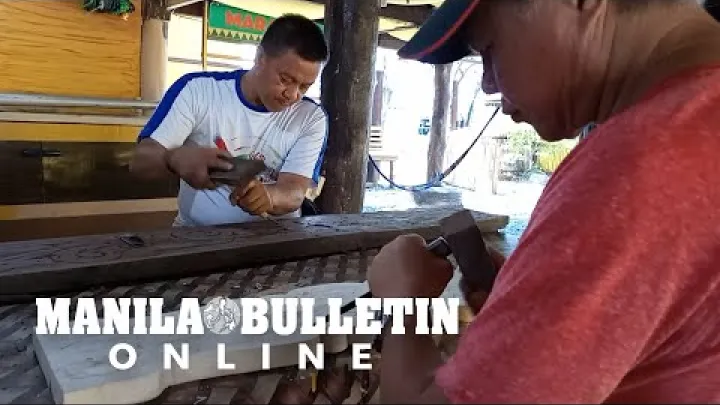
Bargain politely only where it is accepted, and do not pressure small vendors. Avoid buying items that cannot be explained, legally transported, or ethically sourced. Ask before photographing market stalls, people, or handmade goods. A respectful purchase is better than a rushed souvenir stop.
Easy Half-Day and Day Trips from Marawi
Marawi city sightseeing and regional day trips serve different purposes. If your time is short, focus first on the city’s cultural stops. Add day trips only when transport, weather, and local conditions support them.
Iligan waterfalls for a full-day nature trip
Iligan waterfalls, such as Maria Cristina Falls or Tinago Falls, are regional add-ons for travelers already moving through Iligan or those with a full day available. They are not Marawi city attractions, so they should not replace core Marawi cultural stops unless nature is your main priority.

Check current opening status, transport arrangements, weather, and security conditions before committing. A waterfall day changes the pace of the trip. It can be rewarding for travelers who want a stronger nature focus, but it may be too much for a one-day Marawi visit, especially if you must protect return-transport time.
Lake Lanao towns and cultural side trips
Towns around Lake Lanao may offer deeper cultural context, but they require more planning than simple city stops. These trips are better suited to travelers with several days, trusted local guidance, and flexible schedules.
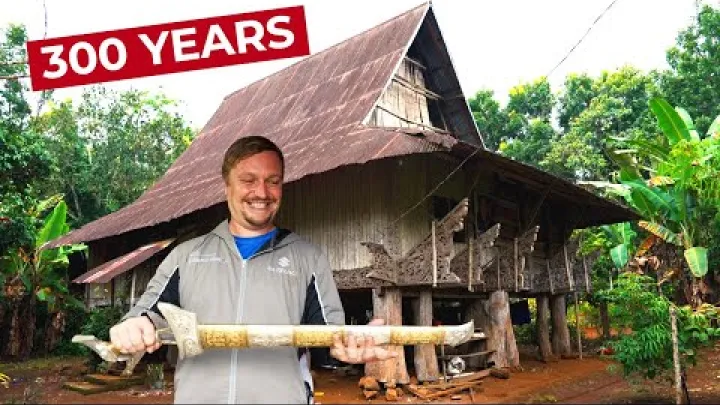
Before considering a lake-area side trip, ask about road conditions, permissions, timing, security checks, and whether the visit is welcome. Do not assume casual independent travel around the lake is always advisable. The value of these trips comes from context and respectful engagement, not from adding more names to an itinerary.
How to choose between city sights, lake stops, and day trips
Use your main interest to decide how far to go. First-time visitors usually get the most value from city cultural stops, a Lake Lanao viewpoint, and one local meal. Travelers with more time can add markets, food experiences, or a regional nature day.
| Option | Best for | Planning level |
|---|---|---|
| City cultural stops | Mosque exteriors, MSU, design, history | Moderate; guide recommended |
| Lake viewpoints | Low-effort nature and orientation | Moderate; confirm access |
| Food and cafes | Local flavor and rest time | Low to moderate; check what is open |
| Iligan waterfalls | Stronger nature focus | Higher; full-day planning |
| Lake-area side trips | Deeper cultural context | Higher; local guidance needed |
Practical Planning: Transport, Timing, and Costs
Good planning matters in Marawi because access, schedules, and local conditions can affect even simple routes. Build a flexible plan rather than a minute-by-minute checklist.
Getting to Marawi and moving around the city
Many visitors approach Marawi through nearby Mindanao transport hubs such as Iligan or regional airports, with final routing depending on current schedules, road conditions, and local advice. Confirm the most practical route close to departure rather than assuming older travel information is still accurate.

Inside the city, arrange transport in advance when possible. Local vehicles, hired cars, or guide-arranged transport may be more practical than trying to solve each transfer on the spot. Confirm return transport before leaving for day trips, and allow extra time for security checks, weather delays, or route changes.
Tickets, permissions, reservations, and guide arrangements
Before visiting, confirm the practical details that can affect your day: museum hours, mosque access, campus requirements, guide availability, transport, day-trip site access, and whether photography is allowed. Some places may not use formal ticketing but may still require permission or local accompaniment.
During festivals or busy local events, book accommodation and guide support earlier than usual. Carry identification and enough cash for small payments, snacks, transport, and unexpected changes. Remember that free to view does not always mean free to enter, and public visibility does not always mean a site is appropriate to photograph.
Best season and weather planning
General Philippines seasonality applies: drier months are usually easier for outdoor travel, while wetter periods can affect roads, visibility, waterfalls, and walking comfort. Local forecasts matter more than broad seasonal labels, so check weather close to departure.
For culture-focused travelers, festival timing may matter more than weather. If you plan around an event, confirm dates and access before booking. Clothing should be modest but also lightweight and suitable for tropical heat, humidity, and possible rain.
Budget and typical duration by activity type
Because current prices can change and many arrangements may be informal, think in planning categories rather than fixed budgets. The main cost drivers are private transport, guide services, accommodation, meals, and extra day trips. Build a buffer for delays or changed access.
| Activity type | Typical time needed | Main cost driver |
|---|---|---|
| Mosque exterior viewing | Short stop to half day with context | Guide and transport |
| MSU or museum visit | One focused stop | Transport and any access requirements |
| Lake viewpoint | Short stop | Transport |
| Local meal or cafe | One hour or more | Meal choice and group size |
| Guided city route | Half day to full day | Guide and vehicle |
| Regional day trip | Full day | Private transport, guide, site access |
Suggested Itineraries for 1 Day, 3 Days, and 1 Week
Use these itineraries as flexible frameworks. Change the order based on access, weather, prayer times, and local guidance.
Best 1-day Marawi itinerary
Start with a safety and access check before entering the city or beginning sightseeing. Meet your guide or local contact, then focus on mosque exterior viewing where appropriate, a short orientation to Maranao design and city landmarks, and either Mindanao State University or the Aga Khan Museum if access and opening status are confirmed.
Add a Lake Lanao viewpoint and one local meal. If you are coming from Iligan or another nearby hub, protect return-transport time and avoid distant waterfall trips on the same day. If the day must be cut short, prioritize a guided city orientation, one mosque-viewing stop, and a lake viewpoint.
Best 3-day Marawi itinerary
On Day 1, focus on core city culture: guide meeting, mosque exteriors, public landmarks, Maranao design details, and a local meal. Keep the day calm so you can adjust to local rhythms and understand the city before going farther.
On Day 2, go deeper into Lake Lanao views, food, markets, campus or museum access if available, and conversations arranged through local guidance. This is a good day for slower experiences rather than a long road trip.
On Day 3, choose one add-on based on conditions. Nature-focused travelers can consider Iligan waterfalls as a full-day regional trip. Culture-focused travelers can consider a carefully arranged lake-area side trip. If conditions are not suitable, stay in Marawi for food, crafts, rest, and repeat visits to accessible cultural stops.
Best 1-week Marawi itinerary
A one-week stay is best for travelers with strong cultural interest, local contacts, research needs, family connections, or a flexible plan. Marawi should not be treated as a city with endless standard tourist attractions. The value of a longer stay is depth.
Use extra days for repeat visits, local events, food exploration, guided side trips, rest, and waiting for suitable weather or permissions. You may also split nights between Marawi and nearby hubs if that is safer or more practical for transport. Build the week around verified local guidance rather than a fixed daily sightseeing list.
Frequently Asked Questions
Is Marawi safe for tourists right now?
Safety depends on current advisories, local conditions, and your risk tolerance. Check official government travel advice and confirm conditions with local authorities, hosts, or reputable operators shortly before travel. Do not assume access is safe or unrestricted.
Do I need a guide to visit Marawi?
A guide is strongly recommended for first-time visitors. A local guide can help with mosque etiquette, permissions, route planning, sensitive areas, and current access conditions. A guide improves planning but does not remove all risk.
What should visitors wear in Marawi?
Wear modest, lightweight clothing suitable for a predominantly Islamic city and tropical weather. Cover shoulders and knees, and bring a scarf or extra layer if visiting areas near mosques or formal settings. Ask your guide if a specific site has stricter expectations.
Can Marawi be visited as a day trip from Iligan?
It may be possible depending on current transport, security conditions, and your schedule, but it requires careful planning. Keep the route simple, arrange transport in advance, and protect return time. A day trip should focus on a few city stops rather than distant add-ons.
What are the best things to do in Marawi if I only have one day?
Prioritize a guided city orientation, respectful mosque exterior viewing, Mindanao State University or the Aga Khan Museum if accessible, a Lake Lanao viewpoint, and one local meal. Skip regional waterfall trips unless you have a separate full day.
Final Tips for Planning a Respectful Marawi Visit
The best things to do in Marawi are not about rushing through a long attraction list. Focus on respectful cultural learning, Lake Lanao views, Maranao design, local food, and realistic day planning. Check advisories, use local guidance, ask before photographing, and keep your schedule flexible. With the right preparation, a Marawi visit can be thoughtful, informative, and grounded in the city’s real present-day context.
Select area
Create a post
Posting is free and no registration is required.