Maranao Brassware in Marawi: Shopping Guide
Maranao Brassware in Marawi: Where to Shop, What to Buy, and How to Choose Well
Shopping for Maranao brassware Marawi is not the same as browsing a generic souvenir aisle. It is a focused craft purchase, best approached with time, questions, and realistic expectations about current access, stock, and transport. This guide explains what kinds of pieces to look for, where to start asking in Marawi, and how to compare quality before you spend money.
Because shop hours, inventories, campus access, and market conditions can change, treat this as a planning guide rather than a promise that a specific item will be available on a specific day. The best purchase is usually the one you understand: what it is, where it came from, how it was made or sourced, and how you will get it home safely.
Start With the Right Expectation
Why Maranao Brassware Is a Specialty Purchase
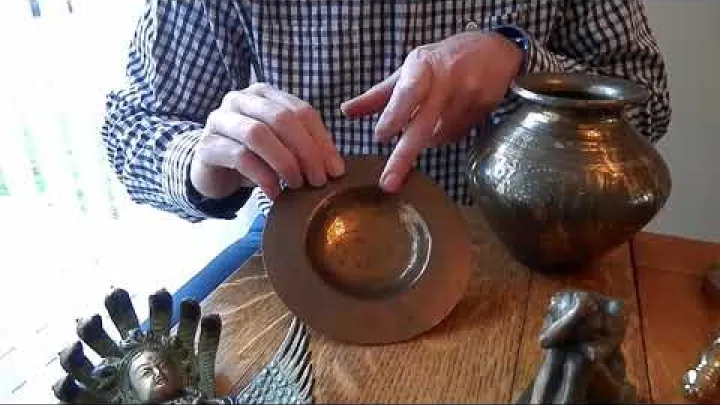
Maranao brassware is usually sought for its cultural connection, decorative detail, and usefulness as a display or home object. Documented examples of Maranao brass wares include lamp stands, gongs, plant holders, jars, ash trays, and food trays, as shown in a visual reference from Alamy. These are not all easy travel purchases: some are small and portable, while others are heavy, fragile, or awkward to pack.

Go in expecting conversation rather than instant certainty. A seller may be able to explain whether a piece is newly made, older, decorative, functional, locally sourced, or simply Maranao-style. Those details matter more than a label alone.
Souvenir Shopping Versus Serious Buying
If you want a souvenir, focus on compact pieces: small trays, ash trays, small vessels, decorative jars, or other items that can fit safely in luggage. These can still carry attractive detailing and make meaningful gifts, but they require less transport planning.
If you are buying as a collector, interior buyer, or serious craft shopper, allow more time. Larger gongs, lamp stands, jars, and display pieces should be checked for stability, dents, repairs, weight, finish, and packing options. Do not assume every piece is antique, rare, or made by a named artisan. Authenticity and value depend on the exact item, seller explanation, condition, and any documentation available.
What to Buy: Brassware Pieces Worth Looking For
Small Home Pieces and Easy Souvenirs
Small brassware is the most practical choice for many visitors. Look for items that are easy to wrap, unlikely to bend in a bag, and simple to display at home. Food trays, ash trays, small jars, and compact decorative objects are easier to manage than tall stands or large vessels.
Do not judge value only by size. A smaller piece with clean detail, even finish, good balance, and a credible seller explanation may be a better buy than a larger item with dents, wobbling, or vague claims. If you are shopping for gifts, choose pieces that will be easy for the recipient to understand and use, not just objects that look impressive in the shop.
Gongs, Lamp Stands, Jars, and Statement Pieces
Larger brassware can be more rewarding but also more complicated. A gong may be bought as a decorative object, a cultural item, or a functional musical piece, and those are different buying situations. If sound matters, ask the seller to demonstrate or explain the item rather than assuming it is performance-ready.

For lamp stands, plant holders, and jars, check whether the base is stable, whether the item sits evenly, and whether any bends or dents affect display. Ask how the piece is intended to be used. A beautiful object can still be impractical if it is too heavy, too fragile, or impossible to pack safely for your route home.
Vintage, Antique, and Maranao-Style Labels
Labels such as “vintage,” “antique,” and “Maranao-style” should be treated as claims to investigate, not proof by themselves. Ask what the seller knows about age, ownership, repairs, and origin. If the answer is uncertain, that does not automatically make the piece worthless, but the price should reflect what is actually known.
An item can be attractive and fairly priced even if it is not old. The key is clarity. If you are paying a premium because something is described as older or rarer, ask for a written description or receipt that records the seller’s claim. For casual souvenir purchases, a simpler standard may be enough: you like the object, the price feels fair, and the condition matches your expectations.
Where to Shop in Marawi
Calauto's Tugaya Antique Shop Near Mindanao State University
One named in-city lead is Calauto's Tugaya Antique shop, described by Mindanao Gold Star Daily as located in Barangay Basak Malutlut, about 200 meters from the main entrance of the Mindanao State University main campus. Because that report is not a live inventory or opening-hours notice, confirm locally before making a special trip.

A specialist shop is useful because it gives you a better chance to ask detailed questions, compare several pieces, and discuss packing or transport. Still, do not assume that a specific brassware category will be available on the day you visit. Call, message, or ask a local contact if possible.
Mindanao State University Souvenir Shop and Display Center
The Mindanao State University Souvenir Shop and Display Center is another structured stop to consider if you are already in the campus area. Mindanao State University describes the shop as located at the university’s International Convention Center and offering a variety of products.
Use cautious expectations here. The venue may be helpful for visitors seeking a more organized setting, university-branded items, or information about local products, but it should not be treated as a guarantee that Maranao brassware is always in stock. It can also be a place to ask where current craft sellers or displays may be found.
Padian Marketplace Context and Current Verification
The Padian marketplace has been described as an important commercial heart of Marawi, including in discussion of reconstruction after the siege of the city by Inquirer Opinion. That context matters for shoppers because older descriptions of Marawi markets may not match current conditions.
Before building a shopping route around Padian or any market area, verify which places are active, open, and appropriate for visitors. Ask local contacts, accommodations, transport providers, or sellers. This is not about discouraging market shopping; it is about avoiding outdated assumptions and respecting the realities of Marawi’s recovery.
Online and Cooperative Buying Options
Maranao Collectibles and Cooperative-Based Buying
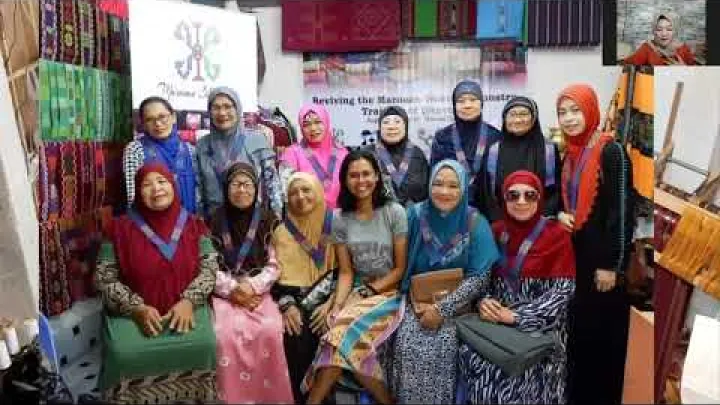
If travel to Marawi is not practical, cooperative-based or social-enterprise buying may be an alternative. Angels of Impact describes the Maranao Collectible Service Cooperative and notes that Maranao Collectibles products can be bought through Shopee.
Check current listings rather than assuming every item is brassware. Read the product description, seller details, shipping terms, and return rules. Cooperative-based buying can be useful when you want a clearer community connection, but you still need to verify the exact item, materials, dimensions, and delivery protection.
Other Online Marketplace Listings
Online marketplaces may show Maranao brass or Maranao-style brass listings. For example, Etsy has marketplace listings using Maranao brass terms. Treat these as evidence that remote listings exist, not as a reliable price guide for Marawi retail buying.
For online purchases, ask for clear photos from several angles, close-ups of dents or repairs, dimensions, weight, and packaging details. Check seller reviews, return policy, and shipping protection. Terms such as “handmade,” “vintage,” “Islamic-style,” or “Maranao-style” need explanation, especially when you cannot inspect the piece in person.
How to Compare Shopping Settings
Best Setting for a Quick Souvenir
For a quick souvenir, prioritize convenience and portability. A structured shop, campus-area venue, or trusted seller recommendation may be better than spending limited time searching for a market stall with uncertain stock. Choose compact, sturdy pieces that will not require special freight.
The trade-off is that convenient shopping may give you fewer opportunities for deep provenance checks or bargaining. That is acceptable for a modest purchase if you are honest about what you are buying: a keepsake, not a fully documented collectible.
Best Setting for a Collector or Interior Buyer
Collectors and interior buyers should avoid rushed decisions. Prioritize specialist sellers, introductions from trusted locals, and the ability to compare multiple pieces. Look closely at weight, surface detail, condition, repairs, and the seller’s explanation of origin and use.

For expensive items, ask for a receipt and a written description. If the piece is large, confirm packing, shipping responsibility, and what happens if it is damaged in transit. A slower purchase is usually safer than an impulsive one, especially when the object is heavy or difficult to replace.
When a Market Is Better Than a Mall
Craft-focused shopping often benefits from direct seller interaction. Markets and specialist sellers may offer better chances to ask questions, compare unusual pieces, and negotiate respectfully. Malls may be easier for comfort, fixed pricing, receipts, and navigation, but current research does not identify a specific Marawi mall as the key destination for brassware shopping.
Choose the setting according to your goal. If you want a simple, low-risk gift, a structured venue may be enough. If you want a distinctive brassware piece with a story and room for comparison, a specialist seller or verified market route is more suitable.
Authenticity, Quality, and Fair Pricing
Design, Material, and Finish Checks
Before paying, inspect the object carefully. Look at the pattern, edges, joins, base, polish, dents, wobbling, cracks, and signs of repair. Handmade objects may show small variations, but damage and poor finishing should still affect price.
| Check | What to Look For | Why It Matters |
|---|---|---|
| Stability | Flat base, no wobbling, balanced weight | Important for jars, stands, trays, and display pieces |
| Surface | Dents, scratches, corrosion, uneven polish | Helps separate normal wear from damage |
| Detail | Clear patterning, consistent finish, neat edges | Shows care in making or maintaining the piece |
| Use | Decorative, functional, musical, or display-only | Affects expectations, price, and packing needs |
Questions to Ask the Seller
Good questions can be respectful and direct. Try: “Can you tell me where this piece came from?” “Is it new or older?” “Do you know who made it?” “Has it been repaired?” “Is it meant for use or display?” For larger items, ask about dimensions, weight, wrapping, and shipping.
For higher-value purchases, ask whether the seller can provide a receipt or written description. Lack of paperwork does not automatically mean a piece is fake, especially in informal markets, but documentation helps if you later need to insure, ship, or explain the item.
Bargaining and Fair Payment
Bargaining may be part of informal market shopping, but it should be respectful. Compare similar pieces first, then consider size, condition, detail, weight, and seller effort. Avoid aggressive low offers, especially for handmade or culturally meaningful items.

In fixed-price venues or online shops, focus less on bargaining and more on total value: item price, shipping cost, return terms, packing quality, and seller credibility. A cheap object can become expensive if it arrives damaged or is not what the listing claimed.
Travel, Packing, and Purchase Risks
Verify Access Before You Go
Before planning a dedicated shopping trip in Marawi, verify current local conditions, shop hours, campus access, and transport. Marawi’s post-conflict recovery context makes current confirmation especially important, and older travel descriptions may be incomplete.
Ask local contacts, accommodations, campus offices, transport providers, or sellers before you go. Keep your plan flexible. A successful craft-shopping day may depend less on following a fixed route and more on confirming who is open and where visitors can comfortably go that day.
Plan for Packing, Shipping, and Customs
Brassware can be heavy, dent-prone, and awkward to pack. Small trays or vessels may fit in luggage with careful wrapping, but gongs, large jars, and tall stands may require boxes, padding, freight, or insurance. Ask about packing before you pay, not after.
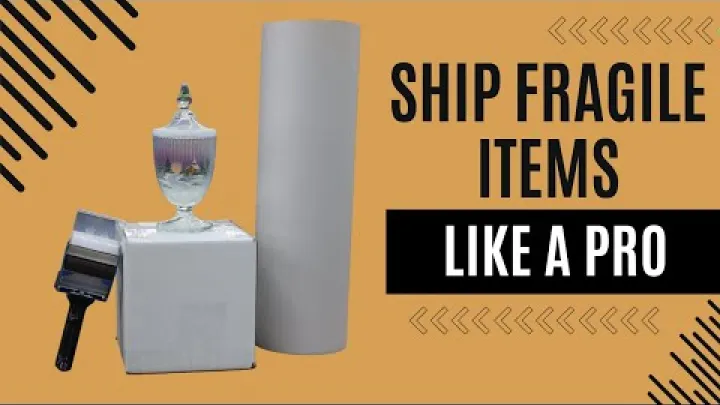
Check airline baggage limits and your destination-country customs rules for high-value or unusual objects. If an item has blade-like decorative elements or resembles a weapon, check transport and import rules separately. Do not treat every cultural or decorative object as an ordinary souvenir for travel purposes.
Respectful Shopping Etiquette
Ask permission before photographing shops, people, artisans, or private displays. Show interest in the craft story without pressuring sellers for private introductions, unrealistic discounts, or claims they cannot support. In campus, community, and market settings, dress and behave respectfully.

Respectful shopping usually leads to better conversations. Sellers are more likely to explain what they know when buyers listen carefully, ask fair questions, and treat cultural objects as more than props or novelty décor.
Conclusion: Buy With Patience, Context, and Respect
Maranao brassware shopping in Marawi is best approached as a careful craft search. Start with realistic expectations, look for specific pieces such as trays, jars, plant holders, lamp stands, or gongs, and choose your shopping setting according to your purpose. A quick souvenir and a serious collector purchase require different levels of time, checking, and transport planning.
Confirm current access before you go, ask sellers clear questions, inspect condition closely, and plan packing early. Whether you buy in Marawi or through an online route, the strongest purchase is one made with patience, context, and respect for the people and culture behind the object.
Select area
Create a post
Posting is free and no registration is required.