Marawi Scooter Rental: Safety, Availability, and Legal Guide
Marawi scooter rental is not a normal beach-town scooter hire decision. Unlike established visitor destinations in the Philippines, Marawi has a complex security context, limited visible evidence of a developed tourist scooter-rental market, and practical transport risks that should be checked before any trip. This guide explains whether Marawi motorbike rental is realistic, what documents and helmets matter, how to avoid rental disputes, and what safer transport choices may fit better. It is written for travelers who want a direct answer, not a promotional list of unverified shops.
Quick Verdict for Marawi Scooter Rental
The practical answer is cautious: do not assume that scooter rental in Marawi is available, advisable, or comparable to scooter hire in common Philippine resort areas. Your first decision should be whether travel to Marawi is appropriate under current official guidance, not whether a scooter can be found.

The short answer for most visitors
For most visitors, Marawi scooter rental should not be treated like a simple island rental in the Philippines. Available public information does not confirm a reliable tourist-focused scooter rental market in Marawi, so it would be misleading to list shops, daily prices, addresses, or phone numbers without verification.
The safer recommendation is to check current official travel advisories first, then use transport arranged through a trusted local host or institution if movement is unavoidable. Independent Marawi scooter hire is a poor choice for first-time riders, solo foreign visitors, travelers without motorcycle documents, and anyone unfamiliar with the security and road context in this part of Mindanao.
Who this guide is for
This guide is for international visitors, researchers, workers, students, or travelers comparing transport options in Marawi and the wider Bangsamoro area. It is also useful if you are trying to understand why scooter rental is common in some parts of the Philippines but not automatically practical in every city.
The article is informational and does not encourage travel against official advisories. It focuses on feasibility, safety, licensing, helmets, liability, road conditions, deposits, navigation problems, and alternatives to independent scooter riding.
Safety and Security Context in Marawi
Transport choices in Marawi cannot be separated from the local security context. A scooter gives freedom in low-risk destinations, but in a high-risk or uncertain environment it can also leave a visitor exposed and responsible for many decisions that are difficult to make without local knowledge.
Why Marawi is different from common scooter destinations
Marawi is different from established Philippine scooter destinations because official travel advice treats it as a high-risk location. The U.S. Department of State advises against travel to Marawi City in Mindanao due to terrorism and civil unrest. This does not provide street-by-street conditions, but it is an important signal for transport planning.

In places where scooter rental is part of everyday tourism infrastructure, visitors usually find clear rental counters, standard rental forms, online reviews, helmet options, route advice, repair support, and other travelers using similar vehicles. For Marawi, available research does not show the same level of tourist scooter infrastructure.
Marawi also remains connected with a recovery and rebuilding context. That background matters because a destination that is still managing infrastructure, housing, and recovery priorities may not have the same visitor transport readiness as a mature leisure destination.
How security risk changes transport decisions

Independent exploration creates more risk than controlled transport arrangements. Spontaneous detours, remote roads, unplanned stops, and riding after dark can increase exposure. A local driver or arranged vehicle may be better able to manage route selection, checkpoints, waiting areas, parking, and local norms.
Emergency support is another issue. If a scooter breaks down, if a rider is injured, or if there is a misunderstanding at a stop, a visitor may need help from local contacts, medical services, consular support, or a rental provider. In a high-risk environment, this support may be harder to access quickly.
What to check before making any travel plan
Before planning any movement in Marawi, review current government travel advisories from your own country and from relevant official sources. Advisories can change, and older travel blogs or social media comments may not reflect the current security situation.

- Confirm whether travel to Marawi is advised or discouraged by your government.
- Speak with a trusted local host, accommodation, employer, university, project partner, or official contact before arranging transport.
- Ask whether your planned route is necessary, current, and appropriate for a visitor.
- Plan movements during daylight and avoid unnecessary detours.
- Do not rely only on old maps, outdated forum posts, or informal comments from strangers online.
If you cannot get reliable local guidance, that is itself a reason to avoid independent scooter riding. Lack of information is not a small inconvenience when the security context is serious.
Availability and Booking Reality
Many travelers search for Marawi motorbike rental because scooters are common in other parts of the Philippines. The problem is that general country-level availability does not prove that Marawi has a dependable scooter hire market for visitors.
What research can and cannot confirm
Available research does not provide strong evidence of established tourist scooter rental operators in Marawi. This means a traveler should not arrive expecting the same rental process found in destinations where scooters are a normal part of visitor infrastructure.
General Philippines scooter-rental platforms show that scooter rentals exist in the wider country, but they should not be read as proof of reliable Marawi scooter hire. For example, Klook lists scooter rental experiences in the Philippines at a country level, not as confirmation that a verified Marawi rental operator is available.
Car rental or driver-based transport may be easier to verify than scooter rental, especially through a host, institution, or accommodation. Even then, every option should be checked for safety, documentation, route suitability, and current local conditions.
How to verify a rental before handing over money
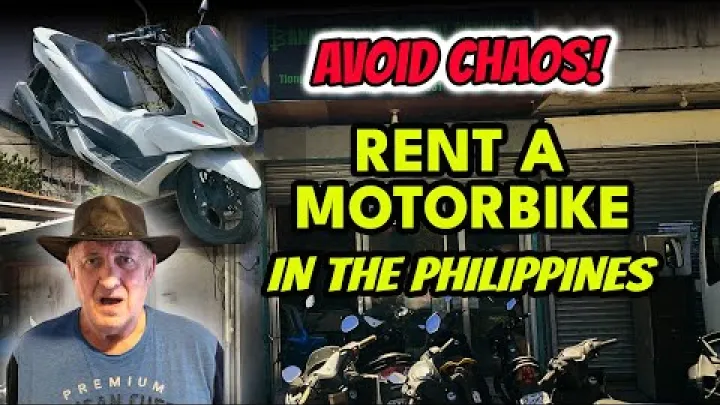
If someone offers a scooter rental, verify the arrangement before paying or riding. A rental is not safe simply because a person agrees to rent you a vehicle. You need to know who you are dealing with, what vehicle you are taking, what happens if something goes wrong, and what documents are available.
- Ask for the business name or owner identity and a working phone number.
- Request written rental terms before payment.
- Check the vehicle registration and ask whether the scooter is legally roadworthy.
- Confirm that a proper helmet is included for the driver and passenger.
- Ask about the deposit, refund conditions, late return rules, and fuel policy.
- Ask who pays for breakdowns, punctures, towing, stolen parts, or accident damage.
- Confirm what support is available if the scooter stops working away from the pickup point.
Before riding, take clear photos and video of the scooter from all sides. Record the tires, mirrors, lights, brakes, seat, dashboard, license plate, fuel level, helmet condition, and all existing scratches or cracks. Do this in front of the rental provider if possible, and keep the files until the deposit is returned.
Deposits, passport handling, and liability traps
Be cautious if a rental provider asks to keep your original passport as security. Losing control of your passport can create serious problems with hotels, checkpoints, flights, immigration, consular assistance, and personal safety. If identification is required, ask whether a copy, a signed agreement, and a refundable deposit can be used instead.

The biggest rental disputes often come from unclear liability. Before riding, understand who pays for minor scratches, major damage, theft, tire punctures, lost helmets, towing, medical costs, third-party injury, and damage to another vehicle. If the answer is vague, the risk is high.
A written agreement and receipt do not remove all risk, but they are better than a verbal-only arrangement. The agreement should identify the vehicle, rental period, deposit, included equipment, return condition, and responsibility for damage. Avoid signing blank forms or agreements in a language you cannot understand without help.
Legal Requirements and Riding Rules in the Philippines
Legal requirements matter because a scooter problem can quickly become more serious if your documents are incomplete. Foreign riders should treat Philippine license, permit, helmet, registration, and insurance questions as essential checks, not minor details.
Driving documents for foreign riders
Foreign riders should verify whether their home driving license and International Driving Permit allow motorcycle or scooter operation in the Philippines. Requirements can depend on nationality, license category, vehicle class, length of stay, and how rules are enforced in practice.
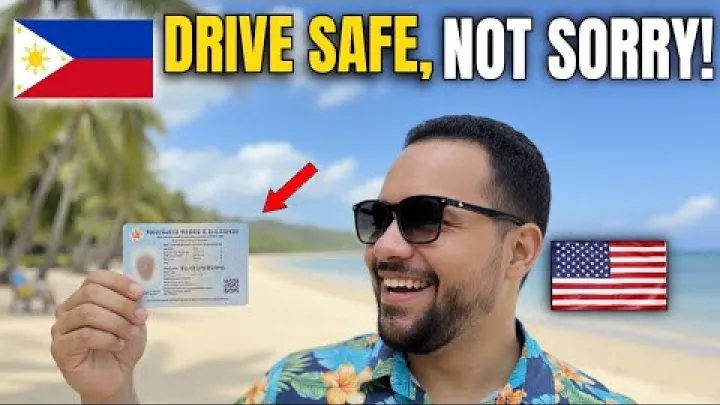
The International Driving Permit context should be checked through official or recognized channels before riding. The Automobile Association Philippines provides information on International Driving Permit services, and travelers should confirm what applies to their own license and situation.
A car-only license may not be enough if the scooter or motorbike requires motorcycle entitlement. Carry the required permit, your original license, passport identification or a secure copy where appropriate, and the rental documents while riding. If you cannot clearly show that you are allowed to ride the vehicle, do not rent it.
Helmet law and protective equipment
Philippine law requires motorcycle riders to wear standard protective motorcycle helmets. The helmet requirement is set out in Republic Act No. 10054, available through Lawphil. This is a basic legal and safety requirement, not an optional extra.
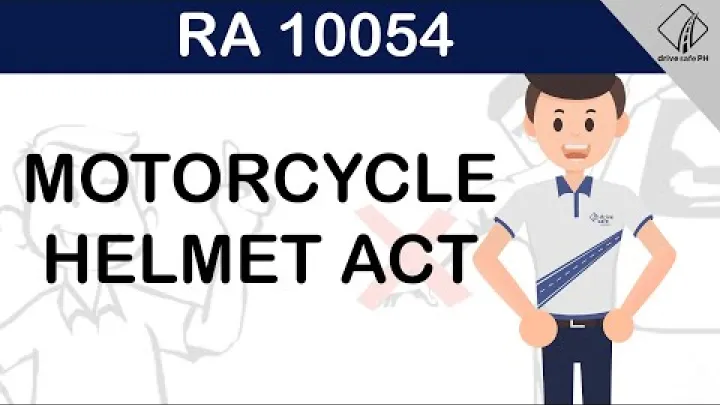
Both the driver and passenger should have properly fitting helmets before leaving the rental location. A damaged, cracked, loose, or extremely poor-quality helmet should not be accepted just because it is included with the scooter.
Protective clothing also matters. Wear closed shoes, avoid loose bags that can affect balance, secure your phone and valuables, and carry rain protection if travel is unavoidable. A scooter exposes the rider to road surface changes, rain, dust, heat, and sudden stops more than a car does.
Checkpoints, enforcement, and insurance questions
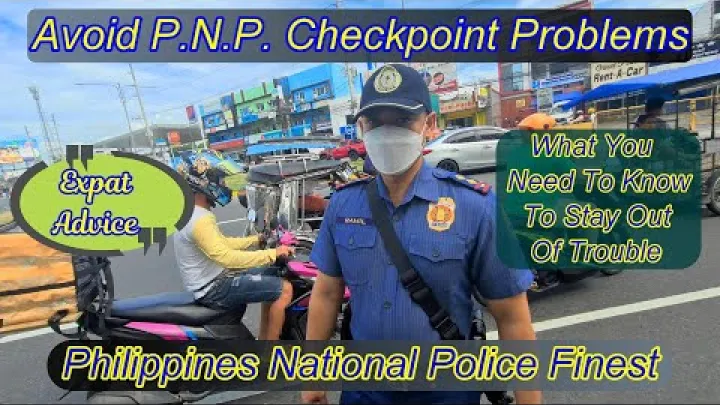
Riders should be prepared to show documents calmly at checkpoints or traffic stops. Keep your license, permit, rental agreement, vehicle registration copy, and identification easy to access but secure. Be respectful, patient, and avoid arguments at enforcement points.
Ask the rental provider whether the scooter has valid registration and what insurance or liability coverage exists. Many travelers assume a rental automatically includes meaningful coverage, but that is not always true. You need to know whether coverage applies to the rider, passenger, third parties, theft, medical costs, and property damage.
Riding without correct documents can create problems with enforcement, insurance claims, and rental disputes. It can also make a minor incident much more difficult to resolve.
Road Conditions, Weather, Fuel, and Navigation
Even if security and rental availability were not concerns, scooters require careful judgment about road quality, weather, fuel, parking, and navigation. These everyday details can determine whether a short ride is manageable or risky.
Road quality and reconstruction-related uncertainty
Marawi and nearby areas have been affected by recovery and infrastructure work, so road conditions should not be assumed to match established tourist routes. The Bangsamoro Government has reported infrastructure projects connected with Marawi internally displaced persons, which supports the broader point that rebuilding and development remain part of the local context.

This does not mean every road is unsafe. It means riders should avoid making assumptions. Scooter hazards can include potholes, uneven surfaces, debris, loose gravel, road works, sudden surface changes, animals, pedestrians, and vehicles entering the road unexpectedly.
Ask a trusted local contact about the exact route on the day of travel. Maps can show the route but not the current surface, local restrictions, traffic behavior, security concerns, or temporary changes.
Rain, night riding, and visibility
Rain increases scooter risk because it reduces traction, hides potholes, affects braking, and makes visibility worse. Wet roads can also make painted lines, metal covers, gravel, and mud more dangerous for two-wheel vehicles.
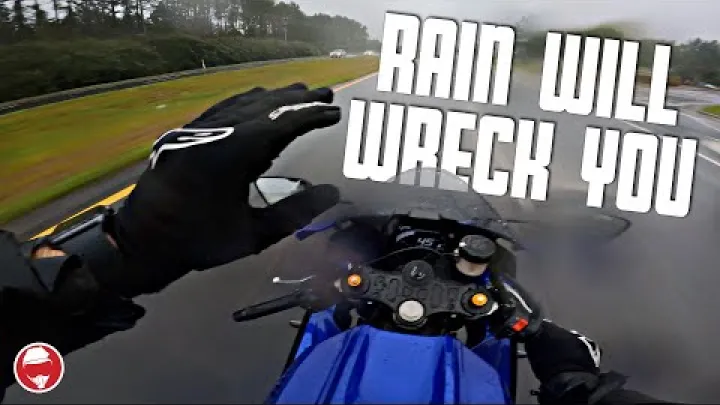
Night riding is a poor choice for visitors in unfamiliar conditions. Limited lighting, uncertain road surfaces, reduced visibility, and the security context all make riding after dark less forgiving. If travel is necessary, plan it for daylight and keep the route direct.
First-time riders should not learn in Marawi or in difficult weather. A scooter may look simple, but safe riding requires balance, braking control, hazard awareness, and confidence in local traffic conditions.
Fuel, parking, and phone navigation
Confirm fuel availability before leaving central or familiar areas. Do not plan a ride that depends on uncertain fuel stops, especially if you do not have local confirmation. Return policies may also require a certain fuel level, so document the starting level before leaving.
Parking is not only about finding a space. You need a secure location, local permission, and a place where the scooter can be watched or safely locked. If the vehicle is stolen or damaged while parked, the renter may be held responsible depending on the agreement.
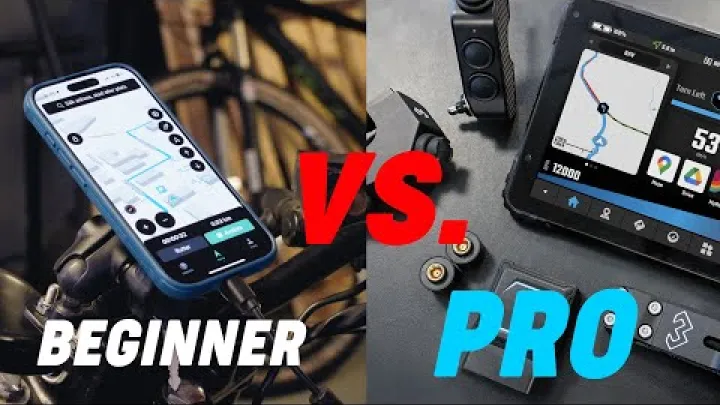
Cheap phone mounts can fail, screens can distract the rider, batteries drain quickly, and mobile signal may not be reliable everywhere. Download offline maps before travel, but do not use a map as a substitute for local route advice.
When a Scooter Helps and When It Is a Bad Idea
Scooters can be useful in the Philippines, but usefulness depends on the destination. The same vehicle that is convenient in a well-supported tourism area can become a liability where rentals, roads, documents, and emergency support are uncertain.
Where scooters are normally useful in the Philippines
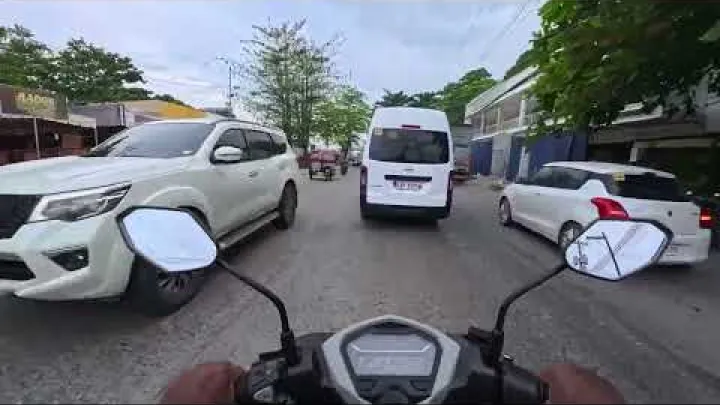
In established visitor areas, scooters are often useful for short-distance travel, beach access, rural roads, viewpoints, small restaurants, and flexible day trips. They work best when traffic is manageable, road conditions are predictable, fuel is easy to find, and rental support is available.
That general pattern does not automatically apply to Marawi. A rider may value flexibility, but flexibility is only helpful when there is a realistic support system around the ride. Without verified rental terms, safe parking, repair help, clear routes, and emergency assistance, the convenience of a scooter can disappear quickly.
| Situation | Scooter may help | Scooter is a bad idea |
|---|---|---|
| Rental market | Verified operator, written terms, clear support | Unverified person, vague terms, no breakdown help |
| Route | Short, familiar, daylight, locally confirmed | Unfamiliar, remote, night-time, or uncertain |
| Rider skill | Experienced motorcycle rider with correct documents | First-time rider or car-only license holder |
| Local context | Stable tourism area with clear visitor services | High-risk advisory area or limited support |
Why Marawi is a high-risk place for independent riding
Marawi is a high-risk place for independent riding because several concerns overlap: official safety advisories, uncertain scooter rental availability, limited visible tourist infrastructure, unfamiliar routes, and the need for careful local judgment. Any one of these issues would require caution. Together, they make independent scooter riding a poor choice for most visitors.
First-time riders should avoid it. Solo foreign visitors should avoid it. Night riders should avoid it. Anyone without motorcycle documents should avoid it. Riders who are not familiar with local road behavior, checkpoints, parking norms, and route conditions should also avoid it.
A scooter can look convenient for a short distance, but it can become a liability if weather changes, a road is blocked, a checkpoint requires documents, the phone battery dies, the scooter breaks down, or a rental dispute begins.
Safer Transport Choices and Backup Plans
If travel to Marawi is necessary and appropriate under current guidance, the better approach is to reduce uncertainty. Choose transport that gives you local knowledge, route planning, communication support, and a clearer backup plan.
Use arranged local transport first
Use transport arranged through a trusted local contact, accommodation, institution, employer, project partner, or official host when travel is unavoidable. A local driver may better understand current route conditions, checkpoints, local expectations, parking areas, and places where waiting is appropriate.
This is risk reduction, not a guarantee of safety. You still need to check current advisories, keep movements necessary and planned, travel in daylight where possible, and avoid spontaneous detours. Share your route and expected arrival time with someone reliable.
If your reason for visiting is work, study, research, or an official meeting, ask the organization receiving you to advise on transport. If they cannot help you verify safe movement, reconsider the trip or delay it until arrangements are clearer.
If you want scooter travel, choose a better-matched destination
If your main goal is scooter exploration, choose a destination in the Philippines with a clearer rental market and stronger visitor support instead of trying to make Marawi fit that purpose. Many travelers rent scooters successfully in places where operators, reviews, helmets, repair contacts, and tourist routes are easier to verify.
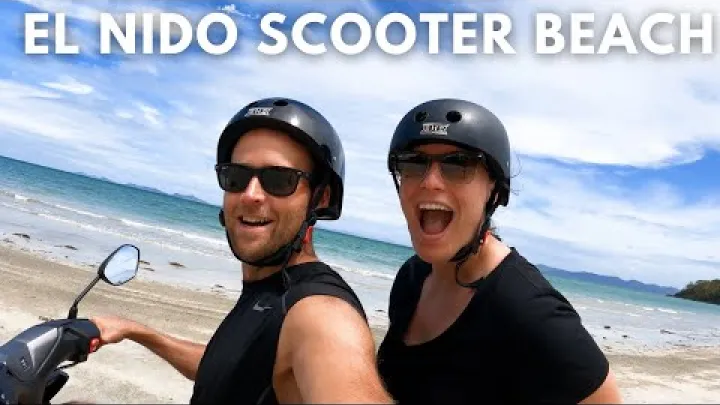
Before choosing any scooter destination, compare rental reviews, road quality, traffic intensity, medical access, weather exposure, fuel availability, secure parking, police or traffic enforcement expectations, and the quality of helmets provided. Also check whether your license and permit cover the vehicle you plan to ride.
General scooter-rental platforms can help you understand that scooter hire exists in the wider Philippines. They should not be used as proof that a specific city has safe, reliable, and appropriate rentals for visitors.
Frequently Asked Questions
Can tourists rent a scooter in Marawi?
Tourists should not assume that scooter rental is available in Marawi. Available public information does not confirm a reliable tourist scooter-rental market, and any offer should be carefully verified before payment or riding.
Is it safe to ride a scooter in Marawi?
For most visitors, independent scooter riding in Marawi is not advisable. Official travel warnings, uncertain rental support, unfamiliar routes, and limited visitor infrastructure make it a high-risk transport choice.
What license do I need to ride a scooter in the Philippines?
Foreign riders should verify that their home license and any required International Driving Permit allow motorcycle or scooter operation in the Philippines. A car-only license may not be enough if motorcycle entitlement is required.
Are helmets required for scooter riders in the Philippines?
Yes. Philippine law requires motorcycle riders to wear standard protective helmets. Both driver and passenger should use properly fitting helmets that are not damaged.
What should I do if I cannot find a scooter rental in Marawi?
Use arranged local transport through a trusted host, accommodation, institution, employer, or official contact. If reliable local transport cannot be arranged, reconsider whether the trip is necessary at that time.
Where is scooter rental more practical in the Philippines?
Scooter rental is more practical in established visitor destinations with clear rental operators, reviews, helmets, repair support, fuel access, and well-known routes. Always compare safety, licensing, weather, traffic, and medical access before renting.
Final Recommendation
The best answer to Marawi scooter rental is safety-first: do not plan around it. Current official travel-warning context, limited evidence of a developed tourist rental market, recovery-related uncertainty, and the practical risks of independent riding make scooter hire a poor fit for most visitors.
If you must travel to Marawi, check current advisories, use trusted local arrangements, keep movements planned and daylight-based, and avoid unnecessary independent exploration. If your real goal is the freedom of scooter travel in the Philippines, choose a destination where scooter rental is established, documents are clear, helmets are reliable, and support is easier to access.
Select area
Create a post
Posting is free and no registration is required.