Marawi Grand Mosque Visitor Guide, Bangsamoro Philippines
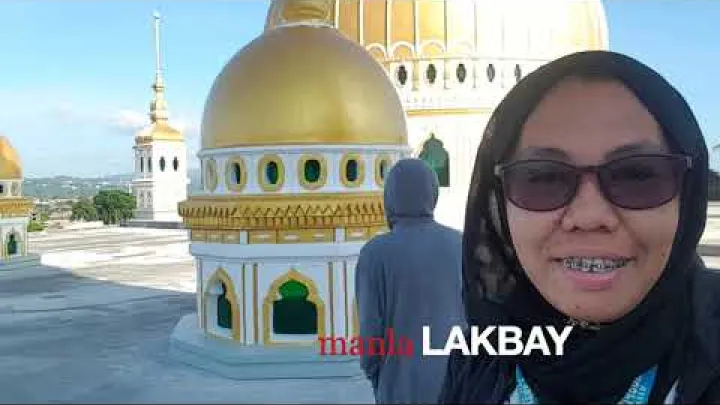
The Marawi Grand Mosque is one of the most important Islamic landmarks in Marawi City, a place where architecture, faith, community identity, and recent history meet. For travelers researching temples, shrines, mosques, and sacred sites in Bangsamoro, it is important to understand that this is not a conventional tourist attraction but a living Islamic worship space. A visit requires cultural awareness, modest dress, flexible expectations, and careful attention to current travel advice. This guide explains what the mosque is, why it matters, how to approach it respectfully, and what to consider before planning a trip to Marawi.
Marawi Grand Mosque at a Glance
Marawi Grand Mosque is best understood through three lenses: its religious role, its place in Maranao culture, and its context within a city still associated with recovery and resilience. The following summary gives a quick orientation before the detailed sections.
| Topic | What to know |
|---|---|
| Site type | Islamic mosque and sacred community space |
| Location | Pangarungan Village, Marawi City, Lanao del Sur |
| Visitor approach | Respectful, modest, quiet, and preferably locally guided |
| Planning priority | Confirm access and check current security guidance first |
Official Name, Location, and Basic Identity
The Marawi Grand Mosque, also known as the Islamic Center of Marawi, is a mosque located in Pangarungan Village, Marawi City, Lanao del Sur, Philippines, according to Wikipedia. Marawi is part of Bangsamoro in the southern Philippines, a region where Islamic heritage is central to many communities.
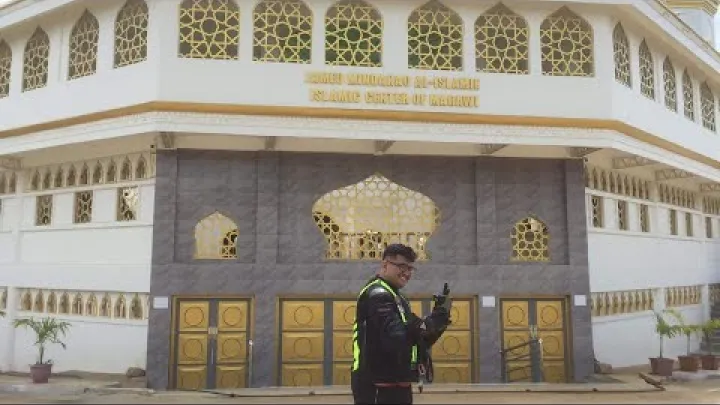
Travelers may find the mosque while searching for Marawi sacred sites, Bangsamoro shrines, or even temples in the Philippines. In strict Islamic terminology, the site is a mosque, not a temple. Still, it often appears in broader travel research because it serves the same visitor interest: understanding a major sacred place, its community role, and the etiquette expected at a religious site.
Because current visitor arrangements can change, it is better not to assume fixed opening hours or unrestricted access. The mosque should be treated as a working religious space first and a landmark second.
Active Worship Space Rather Than a Conventional Tourist Attraction
The most important expectation for any visitor is that the mosque is a place of worship. People may come for prayer, religious learning, family occasions, or community activity. Visitor curiosity should never take priority over the needs of worshippers.

This means that access to inner areas may be limited, especially during prayer times or community events. Non-Muslim visitors should be prepared to ask permission, follow local guidance, and accept that some areas may not be open. A respectful visit may involve viewing the exterior, speaking quietly with a guide, and leaving without entering the prayer hall if that is what local conditions require.
Approaching the mosque with patience is not only good etiquette. It also helps visitors understand the site more accurately. The mosque is not a static monument; it is part of daily religious life in Marawi.
Why the Mosque Matters in Marawi and Bangsamoro
To understand the Marawi Grand Mosque, visitors need to look beyond its walls. The mosque sits within a city strongly associated with Maranao identity, Islamic learning, and the wider Muslim cultural landscape of the southern Philippines.
Maranao Islamic Heritage
Marawi is closely associated with the Maranao people, one of the largest Islamic groups in the Philippines. Background information from Cal State East Bay identifies Marawi City and nearby areas as core Maranao areas and describes the Maranao as an Islamic group with deep religious traditions.

Maranao identity, however, should not be reduced only to religion. It also includes language, family structures, oral traditions, arts, weaving, metalwork, food, and community life. Islam is a central part of that identity for many Maranao people, but it exists within a broader cultural world.
In this context, a large mosque is more than an architectural landmark. It represents continuity, learning, prayer, and belonging. For local families, the mosque may be connected to important life events and daily rhythms. For outside visitors, it can be a starting point for understanding why sacred spaces in Marawi are deeply tied to community identity.
Marawi in the Muslim-Majority South of the Philippines
Many international travelers know the Philippines through Catholic churches, Spanish colonial plazas, and Christian pilgrimage sites. Marawi offers a different religious and cultural landscape. It belongs to the Muslim-majority Bangsamoro context, where mosques, Islamic education, and Maranao traditions shape the visitor experience.

This difference matters for travel behavior. A visitor who is used to entering churches as heritage buildings may need to adjust expectations at a mosque. Clothing standards can be more conservative, prayer times can affect access, and photography may be more sensitive. The experience is less about checking off a famous building and more about showing respect within a living religious environment.
For travelers interested in temples and shrines across the Philippines, Marawi is a reminder that sacred heritage in the country is not limited to one tradition. It includes mosques, churches, ancestral sites, shrines, and other places that carry meaning for different communities.
Architecture, Setting, and What Visitors Notice First
Many people first encounter the Marawi Grand Mosque through photographs. Its visual presence is part of its appeal, but its meaning is not only architectural. Visitors should connect what they see with the community and religious life around it.
Scale, Design, and Visual Presence
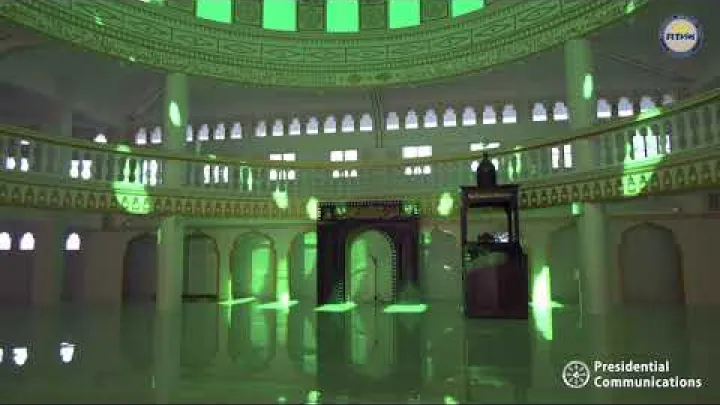
The Marawi Grand Mosque is widely recognized as a major Islamic landmark in the city. Large mosques often serve several roles at once: they provide space for congregational prayer, symbolize religious identity, and act as visible markers of community presence.
When describing the mosque, it is best to avoid inventing details that may not be current or verified. Travelers may notice domes, open spaces, and Islamic architectural forms in photos, but the most useful way to understand the site is to see it as a community mosque rather than as a decorative object. Its scale communicates importance, but its purpose remains worship.
If you visit, look for the relationship between the mosque and its surroundings. Notice how people move through the area, where they gather, and how the atmosphere changes near prayer times. These observations are often more meaningful than focusing only on exterior photographs.
The Lake Lanao and Marawi City Setting
Marawi is strongly associated with Lake Lanao, one of the most important natural features of Lanao del Sur and a defining part of the city’s wider setting. The lake gives cultural and scenic context to the area, especially for travelers researching Marawi photos or trying to understand why the city has such a distinctive sense of place.

Still, visitors should avoid treating the mosque and the lake as a simple sightseeing circuit unless current local advice confirms that routes and access are appropriate. Conditions in Marawi can vary by area, and local guidance is important. The setting adds depth to the visit, but the mosque should remain the central focus of this guide.
The 2017 Siege and the Mosque’s Recovery Context
No responsible guide to Marawi can ignore the 2017 siege. At the same time, the city and its mosque should not be reduced to conflict. The best approach is to acknowledge the trauma, understand the recovery context, and avoid sensational travel behavior.
Why the Siege Still Shapes How People Understand the Mosque
The 2017 Marawi siege affected sacred spaces, homes, civic areas, and everyday life across the city. For residents, the memory of that period is not an abstract historical note. It is connected to displacement, rebuilding, loss, and the effort to restore normal community life.
For visitors, this context changes the tone of a trip. The mosque should not be approached as a conflict-tourism site or as a dramatic photo location. It is part of a city where people continue to live, worship, study, work, and rebuild. Respectful language matters, and so does respectful behavior on the ground.
It is also important to remember that the mosque’s meaning is larger than the siege. Its identity is rooted in faith, Maranao culture, and community continuity. The conflict is part of the modern context, not the whole story.
Reconstruction, Resilience, and Cultural Preservation
Rebuilding Marawi is not only about restoring roads, buildings, and public facilities. It is also about restoring social confidence, community identity, and the conditions needed for daily life. PTNI describes recovery efforts as being about more than physical structures, emphasizing the restoration of Marawi’s spirit and the empowerment of its people through rehabilitation work.
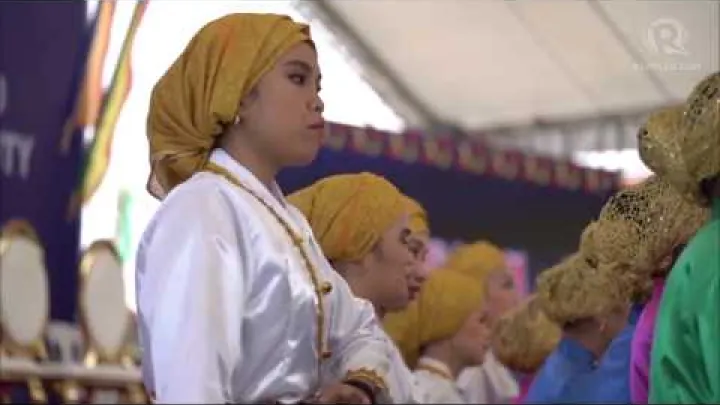
Religious and cultural spaces are central to that process. When mosques, community buildings, and public areas are repaired or reopened, they help people return to routines of worship, education, gathering, and family life. For travelers, this means a visit should be framed with humility. The visible rebuilding of a place may not fully show the emotional and social work that recovery requires.
It is wise to avoid assuming that all reconstruction is finished or that every area is ready for casual visitors. Recovery can be uneven, and conditions may change. A respectful visitor accepts uncertainty and follows local advice.
How to Visit Respectfully
Good etiquette at the Marawi Grand Mosque begins before arrival. Modest clothing, quiet behavior, and sensitivity around prayer and photography help protect the dignity of the space.
Dress Code and Modest Clothing
Visitors should prepare conservative clothing for a visit to the mosque. For men, long trousers and a shirt that covers the shoulders are usually a safe choice. For women, a long skirt or loose trousers, covered shoulders, and non-revealing clothing are recommended. Women should also be prepared to cover their hair if entering areas where this is expected.

These suggestions are not presented as a confirmed written policy for every part of the mosque. They are practical preparation for visiting an active Islamic sacred space. Requirements may be stricter inside prayer areas than in exterior grounds or public approaches.
A light scarf, a long-sleeved layer, and easy-to-remove shoes can make a visit smoother. Avoid transparent fabric, shorts, sleeveless tops, tight clothing, or outfits mainly chosen for photography. Dressing modestly shows respect even if you only view the mosque from outside.
Prayer Times, Entry, and Quiet Conduct
Mosques follow the rhythm of daily prayers, and access for visitors may be limited during those times. Exact prayer times change by date and location, so they should be checked locally rather than assumed in advance.
If you are allowed to enter, move quietly and follow the instructions of mosque staff, hosts, or local guides. Do not walk in front of people who are praying. Keep mobile phones silent. Avoid loud conversations, filming without permission, or standing in places that block worshippers.
Shoe removal before entering prayer areas is a common mosque practice, so wear footwear that is easy to take off and put on. If you are unsure where to stand, whether to enter, or when to leave, ask politely. Worship activity always takes priority over visitor convenience.
Photography and Social Media Etiquette
Photography is one of the main reasons travelers search for the Marawi Grand Mosque online, but camera use must be handled carefully. Exterior photography may be less sensitive than interior photography, but local rules, security conditions, and community expectations still matter.
Always ask before photographing interiors, worshippers, staff, children, or prayer activity. This applies to both cameras and mobile phones. If someone declines, accept the answer immediately and without argument.
Social media behavior is part of etiquette too. Avoid intrusive posing, dramatic captions, or content that treats the mosque only as a backdrop. A sacred site deserves the same respect online that it receives in person.
Safety, Access, and Trip Planning
Planning a visit to Marawi requires more care than planning a visit to a typical urban landmark. Security guidance, access rules, local contacts, and community conditions should all be checked before traveling.
Check Current Travel Advisories Before Planning
Before planning a trip to Marawi, travelers should check current government travel advisories and compare them with local information. The U.S. Department of State travel advisory for the Philippines notes increased caution in the country and identifies some areas as having increased risk due to concerns such as crime, terrorism, civil unrest, and kidnapping U.S. Department of State.

Travel advice can change, and different governments may issue different levels of warning. Check the advisory from your own country, information from Philippine authorities, and guidance from trusted local contacts. Do not rely only on old blog posts, social media photos, or assumptions based on previous trips.
This does not mean every visit is impossible. It means the decision should be made with current information. If advice is uncertain or local contacts recommend postponing, choose caution.
Use Local Guidance and Confirm Access in Advance
A visit to the Marawi Grand Mosque should ideally be arranged through trusted local contacts, hosts, official tourism channels, or knowledgeable guides. Arriving casually without checking access can lead to disappointment or may be inappropriate depending on worship schedules, community events, reconstruction activity, or security needs.
Before traveling, confirm whether visitors are being received, whether exterior viewing is preferred, and whether any dress or conduct requirements apply. If entry is not possible, accept that decision respectfully. A meaningful visit does not always require entering the prayer hall.
Independent travel into sensitive areas is not recommended without local advice. Visitors should also avoid sharing real-time location details if a guide or host advises against it. Flexibility is part of responsible travel in Marawi.
Nearby Sacred and Cultural Context
The Marawi Grand Mosque is the main focus, but it sits within a broader cultural landscape. Understanding that landscape can make a visit more meaningful, provided travelers do not treat the city as a simple checklist destination.
![Preview image for the video "Exploring Marawi + Lanao del Sur [Culture and Arts] | Travel Jams".](/sites/default/files/styles/media_720x405/public/oembed_thumbnails/2026-05/9G5PPDG7WmSA9J7Y_mndGXB1Bu71qs8kuPpXcLgaVig.jpg.webp?itok=VWr7OtN3 "Preview image for the video \"Exploring Marawi + Lanao del Sur [Culture and Arts] | Travel Jams\".")
Other Marawi Sites That Help Explain the City
Marawi is known for Islamic heritage, Maranao culture, educational institutions, local art, and its lakeside setting. Depending on current access and local advice, visitors may learn about the city through community spaces, cultural conversations, university-related areas, or views connected to Lake Lanao.
It is better to avoid making a long list of minor or unverified sites. In Marawi, the question is not only what is nearby, but what is appropriate, open, and meaningful to visit at the time. Some places may be important to local people but not suitable for casual tourism.
If you want to understand the city more deeply, prioritize guided interpretation over independent wandering. A local host can explain which areas are accessible, what behavior is expected, and how to avoid entering spaces connected to private life, worship, or recovery without permission.
How Marawi Fits into Bangsamoro’s Islamic Heritage
Marawi is one of the most important places for understanding Islamic heritage in the southern Philippines. It should be viewed alongside the wider Bangsamoro landscape, where mosques, shrines, educational traditions, and community histories reflect centuries of Muslim presence.

Travelers interested in sacred sites may also hear about other major Islamic heritage areas in Mindanao and island provinces farther south. However, this guide does not try to turn Marawi into a full regional itinerary. The practical and respectful choice is to focus on major, well-documented places and to confirm access locally.
For visitors coming from regions where the word temple is used broadly for sacred places, Marawi offers an important distinction. Here, the most meaningful sacred landmarks are often mosques and Islamic community spaces. Understanding the correct terms is part of showing respect.
Frequently Asked Questions
Where is the Marawi Grand Mosque located?
The Marawi Grand Mosque is located in Pangarungan Village, Marawi City, Lanao del Sur, in the Bangsamoro region of the Philippines.
Is the Marawi Grand Mosque an active place of worship?
Yes. It should be approached as an active Islamic worship space where prayer, community use, and local religious norms take priority over sightseeing.
Can non-Muslim visitors enter the Marawi Grand Mosque?
Non-Muslim visitors should not assume automatic entry. Access may depend on local permission, prayer schedules, community events, and current conditions. It is best to visit with local guidance.
What should visitors wear at the Marawi Grand Mosque?
Visitors should wear modest clothing. Long trousers or long skirts, covered shoulders, and non-revealing clothing are recommended. Women should be prepared to cover their hair if entering areas where this is expected.
Is it safe to travel to Marawi to visit the mosque?
Safety conditions can change, so travelers should check current government advisories, local authorities, and trusted local contacts before planning a visit. Do not rely on outdated information.
Can visitors take photos of the Marawi Grand Mosque?
Photography should be handled respectfully. Ask permission before photographing interiors, people, staff, or prayer activity, and follow any local rules or security instructions.
Conclusion: Visiting with Context, Caution, and Respect
The Marawi Grand Mosque is a major Islamic landmark, but it is also a living sacred space connected to Maranao identity, Bangsamoro heritage, and the continuing recovery of Marawi City. Visitors should prepare with modest clothing, quiet conduct, careful photography habits, and current travel advice.
The most rewarding way to approach the mosque is with humility. Confirm access, use local guidance, respect prayer and community life, and remember that the site’s meaning belongs first to the people who worship there.
Select area
Create a post
Posting is free and no registration is required.