Marawi Travel Guide: Practical Tips for a Careful First Visit

This Marawi travel guide is for travelers who want a careful, respectful, and practical first look at the city. Marawi is not a destination to plan casually from a short attractions list; it requires current information, local coordination, and flexibility. This guide explains how to think about safety, transport, accommodation, culture, costs, food, and possible itineraries without making promises that may change by the time you travel. Use it as a planning framework, then verify details close to your travel date before booking.
Start Here: What to Know Before Planning Marawi
Marawi rewards preparation. Before choosing dates or transport, decide why you want to visit, who you will coordinate with, and whether current conditions match your comfort level.
Who This Guide Is For
This guide is written for independent travelers, cultural travelers, students, researchers, visitors with local contacts, and people exploring a wider Mindanao itinerary. It is especially useful if you want to understand Marawi as a living city with religious, educational, and regional importance rather than as a resort-style holiday stop.
Marawi may not suit every first-time visitor to the Philippines. Travelers who want predictable beach infrastructure, nightlife, online booking simplicity, or a very spontaneous itinerary may find easier choices elsewhere. If you are interested in culture, local context, Lake Lanao, and respectful learning, Marawi can be meaningful when approached with care.
Current conditions matter. Before making final plans, check travel advisories, transport availability, accommodation status, local news, and advice from people based in or near the area.
Marawi at a Glance
Marawi is a city in Lanao del Sur in the Bangsamoro Autonomous Region in Muslim Mindanao in the southern Philippines. It sits near Lake Lanao, one of the most important geographic features of the area, and is widely associated with Muslim cultural life, education, and Maranao identity.
The city should be understood in its regional context. It is part of the Bangsamoro region, but it should not be confused with the regional administrative center. For travelers, the more important point is practical: Marawi has a distinct cultural setting, and planning here is different from planning for heavily touristed Philippine islands or major urban centers.
Avoid assuming that every place you see mentioned online is currently open, accessible, or appropriate to visit. Reconstruction, access, transport, and local routines may vary by area and over time.
How Marawi Fits Into a Wider Mindanao Trip
Many visitors consider Marawi as part of a wider Mindanao route rather than as a direct international destination. Larger nearby transport hubs in Northern Mindanao are often used for arrival and onward travel, depending on current routes and advice.

Marawi can potentially be combined with nearby cities, lake-area experiences, educational visits, or regional travel. However, it needs more intentional planning than mainstream beach or island destinations. The key question is not only what you want to see, but whether you can confirm transport, accommodation, local guidance, and a reasonable backup plan.
If your schedule is tight, consider whether Marawi should be a primary focus or a short side trip. If you cannot confirm essential logistics, it may be better to adjust the itinerary instead of forcing the visit.
Safety, Travel Advisories, and Responsible Planning
Safety planning should come first, not last. A responsible visit begins with current information and a willingness to postpone, reroute, or simplify your plans if conditions are unclear.
Check Current Conditions Before You Book
Do not rely only on old blog posts, social media photos, or general statements about Mindanao. Check current government travel advisories from your country, Philippine local information, regional news, accommodation updates, and guidance from trusted local contacts. Conditions may differ between the city, approach roads, nearby towns, and more remote areas.

Think of safety as a decision process. Ask whether the route is currently advised, whether your accommodation can confirm arrival details, whether you have a local contact, whether you can travel in daylight, and whether you have a realistic exit plan. If any key answer is uncertain, pause before booking.
A cautious traveler does not need to be fearful, but should be disciplined. Keep plans simple, avoid unnecessary detours, and make decisions based on fresh information rather than assumptions.
Use Local Contacts, Guides, and Confirmed Transport
Local knowledge can reduce uncertainty. Before traveling, try to arrange arrival transport, accommodation contact details, and guidance from someone who understands current routes, local expectations, and practical access to specific places.

Confirm important details in advance: pickup point, driver name or vehicle description, phone number, payment expectations, luggage space, estimated arrival window, and what to do if plans change. Save this information offline because mobile data may not be reliable at every moment.
For unfamiliar neighborhoods, lake viewpoints, religious spaces, or rural areas, local guidance is often useful for both practical and cultural reasons. Avoid spontaneous trips into areas you do not understand, especially late in the day or without a clear return plan.
Respect Islamic Culture and Local Privacy
Marawi has a strong Islamic cultural context. Modest dress, polite behavior, and sensitivity around religious spaces are important. Visitors should avoid treating mosques, learning spaces, private homes, or sensitive locations as simple photo opportunities.
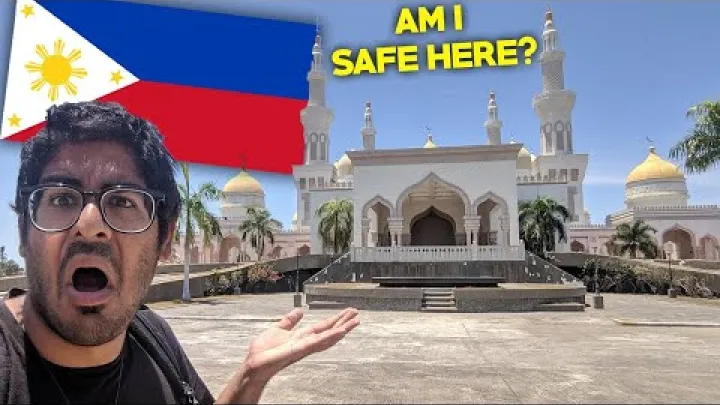
Ask permission before photographing people, religious buildings, private property, security personnel, damaged structures, or sites that may be emotionally sensitive for residents. If someone declines, accept the answer without debate.
Behavior that may be common in other tourist destinations can be inappropriate in some local settings. Be careful with public displays of affection, alcohol-related behavior, loud conversation, and casual dress. Respectful conduct builds trust and usually improves the quality of your experience.
Best Time to Visit and How Long to Stay
The best time for a Marawi visit depends on more than weather. Road conditions, religious calendars, transport reliability, and your reason for visiting all affect the right timing.
Weather, Rain, and Road Reliability
Weather can affect overland travel, visibility, comfort, and access to lake or nature viewpoints. Rain can slow journeys and make flexible timing more important. Before departure, check current forecasts for your route, not only for the city itself.

Travelers often think first about sightseeing weather, but road reliability may matter more. If you are traveling overland, leave buffer time and avoid building a plan that depends on very tight connections. If a lake visit or nearby nature stop is important, confirm local conditions shortly before you go.
Pack for changeable conditions: light rain protection, sun protection, comfortable footwear, and a small dry bag or plastic pouch for documents and electronics.
Ramadan, Eid, and Local Calendar Effects
The Islamic calendar can affect the rhythm of daily life in Marawi. During Ramadan, some restaurants, shops, offices, and transport patterns may operate differently, and the city may feel quieter during fasting hours and busier around evening meals. Eid periods can also affect family travel, business hours, and transport demand.

Ramadan is not only a logistical consideration; it is a meaningful religious period. Non-Muslim visitors should be especially mindful of public eating, drinking, dress, and behavior during fasting hours. If you are unsure what is appropriate, ask your host, guide, or accommodation contact.
Because Islamic calendar dates shift each year, confirm the timing before planning. If visiting during a major religious period, arrange meal options and transport earlier than usual.
Suggested Length of Stay
A very short visit may be enough for basic orientation if your transport and local contacts are already arranged. This can work for travelers who have a clear purpose, such as a meeting, a guided introduction, or a limited cultural stop.
A two- to three-day visit is more comfortable for most first-time travelers. It allows time to arrive without rushing, understand the city at a slower pace, visit lake or cultural areas if appropriate, and adapt to local rhythms.
Longer stays make sense for students, researchers, family visitors, or travelers with strong local connections. If you want deeper cultural engagement, interviews, community visits, or nearby nature experiences, extra time helps reduce pressure and allows plans to respond to weather, access, and local advice.
How to Get to Marawi
Most travelers should plan Marawi access around larger transport hubs and a final overland connection. Confirm every leg close to travel because routes, schedules, and availability can change.

Main Gateways for Most Travelers
Marawi does not function like a major international gateway for most visitors. Travelers commonly approach through larger nearby cities in Northern Mindanao, with Cagayan de Oro and Iligan often considered in general route planning. The practical gateway for you depends on current flights, road conditions, transport options, and your local contacts.

Before committing to an itinerary, check current flight connections, bus or van availability, road information, and the latest advice from your accommodation or host. Avoid planning a same-day chain of tight connections unless every step is confirmed and you have a backup.
If you are arriving from outside Mindanao, consider spending a night in a gateway city before continuing. This can reduce stress after a long journey and make daylight overland travel easier.
Overland Route Planning
The final approach to Marawi is overland and should be planned carefully. Your options may include private transfers, shared vans, buses, or locally arranged vehicles, depending on current services and local advice. Each option has trade-offs.

Private or arranged transport can be more expensive but may reduce uncertainty, especially for first-time visitors with luggage or a fixed arrival address. Shared transport can be practical but requires more local knowledge about pickup points, departure patterns, and onward movement after arrival.
Travel in daylight when possible. Keep your accommodation address, contact number, and destination name available offline. If you do not speak the local language, prepare a written version of your destination that can be shown to drivers.
Arrival Timing and Transfer Tips
Plan to arrive with enough daylight to meet your contact, find your accommodation, solve small transport problems, and buy basic supplies. First-time visitors should reduce uncertainty on arrival rather than improvise after dark.
Before departure, confirm the pickup point, payment method, luggage space, and whether the driver knows your exact destination. If a hotel or host is helping you arrange transport, ask for the driver details and a backup contact number.
Keep small cash accessible but secure. Keep larger amounts separate. Charge your phone before the final overland leg, and store essential addresses in a note that can be opened without internet.
Where to Stay in Marawi
Accommodation planning in Marawi should focus on reliability, communication, and practical access. Do not choose a place only because it appears on a map or an old listing.
Best Base Areas for First-Time Visitors
There is no single best base area that can be recommended without current lodging information. For first-time visitors, the best base is usually the place that offers confirmed accommodation, clear arrival instructions, access to food and transport, and the ability to coordinate with trusted local contacts.
Some travelers may prefer a central location if it reduces local transfers and makes daily logistics easier. Others may choose to stay near a major institution, host, or meeting location if the purpose of the trip is academic, family-related, or professional. The right choice depends on your reason for visiting and what is currently available.
If accommodation inside the city cannot be confidently arranged, staying in a nearby gateway city and visiting Marawi with confirmed day transport may be more practical. This is not automatically better, but it can simplify hotel choice and onward connections.
Accommodation Standards and Booking Checks
Expect accommodation to be more functional than resort-style. Comfort levels may vary, and online information may not always show the latest condition of a property. Confirm details directly before booking whenever possible.
Useful questions to send before booking include:
- Is the room available on my exact dates?
- Does the room have a private bathroom?
- Is there air conditioning or a fan?
- Is water supply reliable, and is hot water available if needed?
- Is Wi-Fi available, and is mobile signal usually usable?
- Is there generator or power backup?
- What payment methods are accepted?
- What is the check-in time, and can you help with arrival transport?
Also ask whether the property can provide current area guidance. A responsive accommodation contact can be valuable even if the room itself is simple.
When to Stay Outside the City
Staying outside Marawi can be practical for cautious first-time visitors, especially if they want a wider choice of hotels, easier flight connections, more predictable urban services, or access to larger medical facilities. It can also work for travelers who only need a short guided visit.
The trade-off is time. A day visit from outside the city may limit your ability to experience Marawi slowly, join evening conversations, or adjust plans without pressure. It can also make the trip feel more like a checklist than a meaningful visit.
Do not assume that staying outside the city is always safer or more convenient. Compare actual current information: confirmed transport, hotel reliability, road conditions, your purpose, and your ability to return comfortably before late evening.
Getting Around Marawi and Nearby Areas
Local movement is one of the main reasons to seek current advice. Routes, fares, and availability should be confirmed locally, especially if you are unfamiliar with Philippine transport systems.
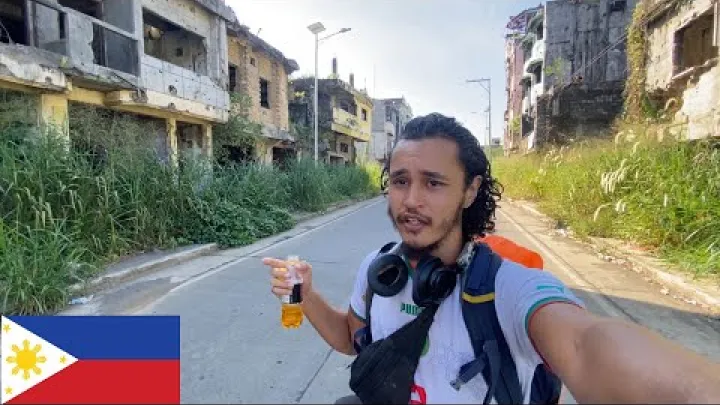
Local Transport Options Inside the City
Depending on the area and current availability, local movement may involve tricycles, jeepneys, shared vehicles, arranged private rides, or walking short distances where appropriate. Do not assume that ride-hailing apps will be available or reliable.

Before starting a ride, confirm the destination and fare. Carry small cash because drivers and small vendors may not be able to change large bills or accept cards. If you are unsure how to pronounce a place name, show it written on your phone or on paper.
For first-time visitors, the simplest approach is to ask your accommodation, host, or local contact how to move between specific points. Avoid unnecessary wandering if you do not understand the area.
Drivers and Guides for Day Trips
A driver or local guide can be useful for lake viewpoints, cultural stops, nearby nature areas, or neighborhoods where you need local context. This is not only about navigation; it is also about permission, timing, etiquette, and understanding which places are appropriate to visit.
Ask accommodation staff, local contacts, academic contacts, or recognized community contacts for referrals. Before departure, agree on the route, waiting time, fuel, meals, total cost, and what happens if the plan changes.
Avoid visiting sensitive, remote, or unfamiliar areas without local advice. If a contact suggests not going somewhere, take that advice seriously even if the place appears attractive online.
Navigation, Language, and Communication Tips
Download offline maps before traveling. Save your accommodation address, phone numbers, transport details, and emergency contacts in more than one place. Keep screenshots in case mobile data is unavailable.
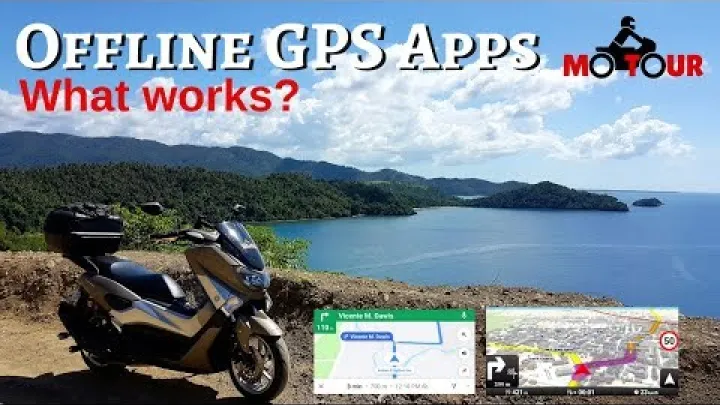
English may be understood in some settings, but do not rely on it everywhere. Use simple sentences, written destination names, and patient communication. Translation apps can help, but they should not replace local guidance for sensitive situations.
If you are meeting a driver or contact, agree on a clear landmark and a phone call or message method. Keep your phone charged, and carry a small power bank if you depend on mobile communication.
Things to Do in Marawi
Things to do in Marawi are best approached through permission, local advice, and cultural respect. The most valuable experiences are often simple: lake views, conversations, food, learning spaces, and daily life observed with humility.
Lake Lanao Viewpoints and Waterfront Experiences
Lake Lanao is central to the geography and identity of Marawi and the surrounding area. For visitors, the safest and most respectful way to experience the lake may be through viewpoints, short waterfront visits, or locally arranged activities where appropriate.
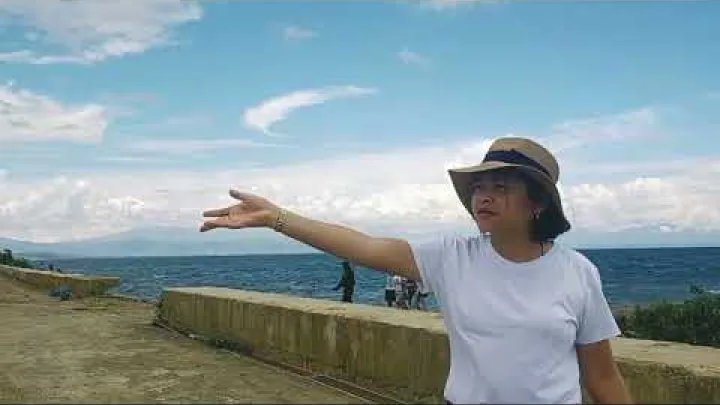
Do not assume that boat trips, private shore access, or informal waterfront activities are available. Check access, weather, permission, and local advice before planning anything near the water. If you are visiting a community area, remember that people live and work there; it is not just a scenic backdrop.
Go slowly. A quiet view, a conversation with a local host, or a short stop with context can be more meaningful than trying to cover many places in one day.
Mosques, Learning Spaces, and Cultural Landmarks
Religious and educational spaces are important to Marawi’s identity. If you hope to visit a mosque, campus area, library, or cultural landmark, confirm whether visitors are allowed and whether permission is needed.

Dress modestly, remove shoes where appropriate, and avoid entering prayer areas or prayer times unless invited. Women and men may have different expectations in some spaces, so ask politely before entering or taking photos.
Some landmarks may have access limits or sensitivities. Treat these places as spaces for learning, not as photo stops. If you are invited inside, behave quietly and follow your host’s guidance.
Markets, Food, and Daily-Life Experiences
Markets and local eating places can be among the most accessible ways to understand daily life. They also require respectful behavior. Observe first, move slowly, and avoid blocking vendors or photographing people without permission.

When eating locally, ask about ingredients if you have restrictions. Pointing, simple phrases, and help from a local contact can make ordering easier. During busy periods, be patient and avoid bargaining aggressively over small amounts.
Daily life should not be romanticized or treated as a performance. Spend money fairly, ask before taking photos, and remember that ordinary commerce is part of people’s work and privacy.
Nearby Nature and Community-Based Experiences
Nature stops and rural community visits may be possible in the wider area, but they should not be treated as casual add-ons. Road conditions, weather, permission, and local guidance matter.
![Preview image for the video "Exploring Marawi + Lanao del Sur [Culture and Arts] | Travel Jams".](/sites/default/files/styles/media_720x405/public/oembed_thumbnails/2026-05/9G5PPDG7WmSA9J7Y_mndGXB1Bu71qs8kuPpXcLgaVig.jpg.webp?itok=VWr7OtN3 "Preview image for the video \"Exploring Marawi + Lanao del Sur [Culture and Arts] | Travel Jams\".")
If you want to visit a viewpoint, rural community, trail, waterfall, or other natural area, confirm current access with people who know the route. Ask whether a local guide is appropriate and whether the community welcomes visitors at that time.
Practice low-impact travel. Stay on agreed routes, avoid littering, pay fairly for services, and respect community boundaries. If plans change because of weather or local advice, accept the change without pressure.
Costs, Food, Connectivity, and Health Basics
Because current price data is not available here, the safest way to plan is by cost categories rather than exact amounts. Build flexibility into your budget.
Budget Categories to Plan For
Your Marawi budget should include accommodation, transport to the gateway city, overland travel to Marawi, local transport, meals, guide or driver costs, mobile data, tips or small community payments where appropriate, and contingency funds.
Exact prices should be confirmed close to travel. Rates can change, and costs may differ depending on whether you use shared transport, private transfer, local referrals, or a longer route. A contingency budget is especially useful if rain, road issues, missed connections, or revised local advice require changes.
Carry enough cash for small vendors and local transport, while keeping money secure and separated. Do not depend entirely on cards or online payment unless your accommodation confirms that they are accepted.
Halal Food Culture and Dining Etiquette
Halal food expectations are important in Marawi’s Islamic cultural context. Many travelers will find this reassuring if they are looking for halal meals, but it is still wise to ask about ingredients and preparation if you have strict dietary needs.

Meal timing may vary during religious periods, especially Ramadan. If you are not fasting, be discreet and respectful when eating or drinking during daylight hours. Ask your host or accommodation where and when it is appropriate to eat.
Vegetarians, people with allergies, and travelers with strict dietary rules should prepare simple notes explaining their needs. A local contact can help you communicate clearly and avoid misunderstandings.
Money, Mobile Data, Electricity, and Water
Prepare for cash-based transactions. Confirm ATM, card, and online payment availability locally before you rely on them. Keep small bills for short rides, snacks, and market purchases.

If reliable communication is important, arrange mobile data before travel or ask a local contact which setup is practical. Do not assume coverage will be strong everywhere. Save key information offline.
Charge devices whenever you can, carry a power bank, and bring the right adapter for your equipment. Drink bottled, boiled, filtered, or otherwise treated water if you are unsure about local water safety. Keep a small supply of drinking water during overland travel.
Health Precautions and Emergency Planning
Buy travel insurance that fits your itinerary and activities. Carry basic medicines for common travel issues, mosquito protection, sun protection, and any personal prescriptions in sufficient quantity.
Before traveling, ask where the nearest suitable medical facility is and what to do in an emergency. Serious medical needs may require referral to a larger city, so travelers with medical conditions should plan conservatively.
Check routine vaccinations and destination-specific health advice with a qualified medical professional before departure. This guide is not a substitute for medical advice.
Suggested Itineraries and Final Planning Checklist
Use these itinerary structures as planning models, not fixed schedules. The right plan depends on confirmed access, weather, local advice, and your comfort level.
A Cautious One-Day Visit
A cautious one-day visit works best for travelers with strong local coordination. The structure should be simple: arrive early, use prearranged transport, meet your contact, visit one or two confirmed stops, plan meals in advance, and leave enough time to return before late evening if you are not staying overnight.
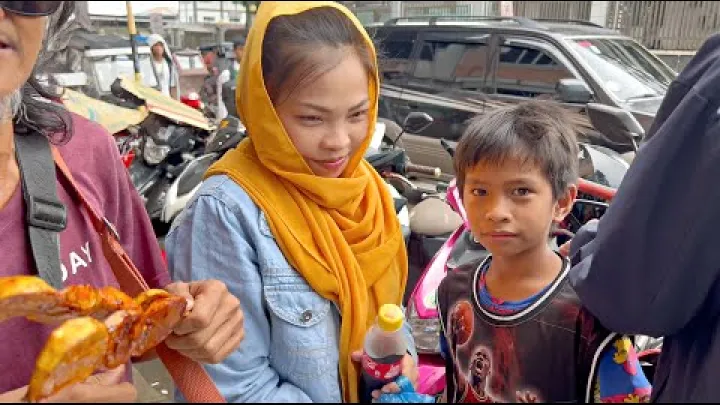
Do not overload the day. A lake viewpoint, a cultural or educational stop with permission, and a meal with local context may be more realistic than a long list of attractions.
Stay flexible. If weather, access, or local advice changes, shorten the plan instead of forcing it. The goal of a one-day visit is safe orientation, not complete coverage.
A Two- to Three-Day First Visit
A two- to three-day first visit gives you more breathing room. A practical structure is arrival and orientation on the first day, a cultural or lake-focused day in the middle, and departure with buffer time on the final day.
Use the extra time for local food, conversation, viewpoints, and a guided nearby excursion if appropriate. Build in rest and logistics time, especially if you are traveling overland before or after the visit.
This slower approach can reduce pressure and help you adapt to local rhythms. It also gives your host or guide more room to adjust plans based on current conditions.
Final Checklist Before Booking
Before booking, confirm the essentials:
- Current travel advisory from your government and relevant local updates
- Trusted local contact, host, guide, or accommodation contact
- Confirmed accommodation or a practical outside base
- Transport plan for arrival, local movement, and departure
- Weather forecast and road condition awareness
- Religious calendar considerations, including Ramadan or Eid periods
- Cash plan, mobile data, offline maps, and saved phone numbers
- Travel insurance and basic health preparations
- Emergency contacts and a backup plan if conditions change
If you cannot confirm key information, postpone, simplify, or choose another route. Marawi can be meaningful for prepared and respectful travelers, but it rewards caution, patience, and context. Plan carefully, listen to local guidance, and treat the visit as an opportunity to learn rather than a destination to rush through.
Select area
Create a post
Posting is free and no registration is required.