Marawi Saving Money Guide: Budget Tips for Bangsamoro

Saving money in Marawi is mostly about making practical decisions before you arrive: where you sleep, how you enter the city, how you move around, and where you eat each day. Marawi City in Lanao del Sur, Bangsamoro, Philippines, is not a place where every cost can be predicted from online listings, so flexible planning matters. This guide focuses on realistic budget tips for travelers and longer-stay visitors without removing comfort, local context, or cultural respect. Use it as a planning framework, then confirm current prices and conditions close to your travel dates.
How to Think About Costs in Marawi
Marawi budget planning works best when you focus on the few choices that affect most of your spending. Small savings help, but accommodation, transport, food, activity planning, and cash habits usually matter more than minor discounts.
What Usually Moves the Budget
The biggest controllable costs in Marawi are accommodation, the route into the city, local rides, meals, guide arrangements, and how you group your activities. If you plan these before arrival, you reduce the chance of making expensive last-minute decisions.
A practical Marawi saving money plan does not need complex travel hacks. It can be as simple as booking a base that reduces daily rides, eating at local places with clear prices, carrying enough small cash, and confirming transport options before you commit to a schedule.
Avoid relying on one fixed daily budget. Online price data for Marawi is limited, and local costs can change with fuel prices, availability, season, and personal travel style. Treat any example price you see online as a starting point, then check current rates before travel.
What to Confirm Before You Go
Before you finalize a Marawi trip, confirm four things: accommodation availability, transport schedules, local travel conditions, and access to cash. This is especially important if you are arriving from another island, traveling during a busy period, or staying more than a few nights.

Ask your accommodation host, a trusted local contact, or local tourism-related contacts about current transport norms and suitable areas to base yourself. Keep the conversation practical: ask how to arrive, what ride options are commonly used, whether the property is easy to find, and what to expect for nearby food and basic purchases.
Pre-confirmation saves money because it reduces uncertainty. If you already know where to stay, how to get there, and how to reach your first meal or appointment, you are less likely to overpay for convenience under pressure.
Accommodation Strategies That Save Money
Accommodation can quietly shape the whole cost of a Marawi stay. The lowest room price is not always the best value if the location adds daily transport costs or makes meals and errands harder.
Compare Hotels, Guesthouses, and Longer-Stay Rates
Start with published listings to understand the visible hotel market, but do not assume they show every option. Marawi has limited formal accommodation inventory online, and platforms may show only a small number of bookable properties. Listings on Expedia can be useful as a benchmark for published room availability and displayed rates.

After you check booking platforms, compare hotels, guesthouses, inns, and direct-booking options where available. If you are staying for one week or longer, ask the property directly whether it offers multi-night, weekly, or monthly rates. Do not assume a discount exists, but do ask before paying a nightly platform rate for a long stay.
Value also depends on what the room includes. A slightly higher rate may be better if it includes breakfast, drinking water, reliable directions for drivers, basic kitchen access, laundry help, or a location close to your main activities.
Choose a Base That Reduces Daily Transport
A cheaper room can become more expensive if it requires repeated rides for meals, errands, meetings, or sightseeing. When comparing accommodation, calculate the total cost of room plus daily transport, not the room rate alone.
Use a simple method. List the places you expect to visit most often, then ask how many rides you would need from each possible base. If one room is cheaper but adds rides every morning and evening, compare the total cost over the full stay. You do not need exact fares to see which option is more efficient; even an estimated ride count can reveal the better choice.
Prioritize access, clear directions, and a location that works with your itinerary. Saving a small amount on the room is not worth losing time, comfort, or access to local help.
Use Flexible Booking Without Relying on Unverified Discounts
If your dates are flexible, compare several arrival and departure dates before booking. Also compare refundable and non-refundable rates, because the cheapest rate can become costly if plans change.

Avoid relying on old claims about the cheapest month, cheapest weekday, or guaranteed booking pattern. Accommodation prices can change based on demand, property availability, events, and platform rules. Durable tactics are more reliable: compare options, contact properties directly, and confirm what is included.
Before choosing the lowest rate, read the cancellation terms carefully. A slightly higher refundable rate can be the smarter budget choice if your transport into Marawi is not yet fully confirmed.
Transport Choices That Protect Your Budget
Transport can be one of the largest costs for a Marawi trip, especially if you are coming from another part of the Philippines. The goal is not always to choose the absolute cheapest route, but the cheapest sensible route that fits your time, comfort, and reliability needs.
Compare the Cheapest Sensible Route Into Marawi
Travelers may need to combine flights, buses, vans, ferries, or private vehicle options depending on their starting point. Route-comparison tools such as Rome2rio can help you see possible combinations, but you should verify schedules and prices with current operators before traveling.

When comparing routes, look at total cost, not only the main ticket. Add transfers, terminal rides, baggage fees, meals during long waits, overnight stops, and the cost of reaching your accommodation after arrival. A route that looks cheaper may not be cheaper after these extras.
Private taxis or point-to-point transfers can save time and reduce uncertainty, but they can also raise the total trip cost sharply. They may be worth it for a group, late arrival, heavy luggage, or a tight schedule. For solo travelers, shared transport may be better value when practical.
Save on Local Trips With Shared Rides and Area Clustering
Inside the city, reduce local ride costs by grouping errands, meals, and sightseeing in the same area. Instead of crossing the city several times in one day, plan one main area or route and complete nearby tasks together.
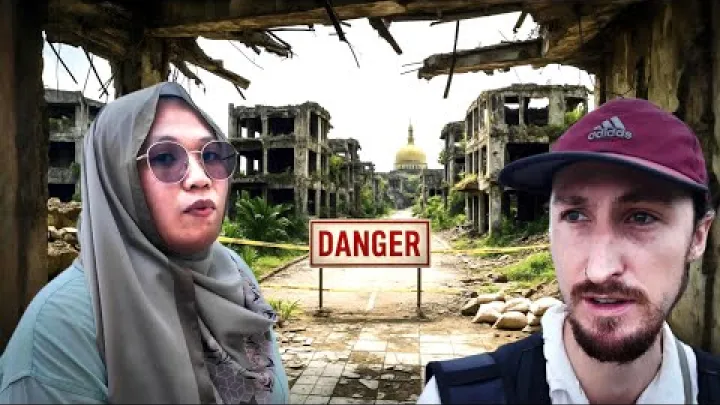
Shared local transport is usually more budget-friendly than private point-to-point rides when it is available and appropriate. Before using a non-metered ride, ask your accommodation staff or trusted local contact about normal fare ranges. Then agree on the fare before the ride starts.
Use clear, simple wording. For example, ask, How much to this place? and confirm whether the price is for one person, the whole ride, or waiting time. Clear agreement helps both you and the driver avoid misunderstanding.
Know When a Guide Is Good Value
Paying for a reputable local guide can be a money-saving choice when it prevents wasted time, poor routing, or confusion about local context. A guide can also help you understand cultural and historical sites more respectfully.
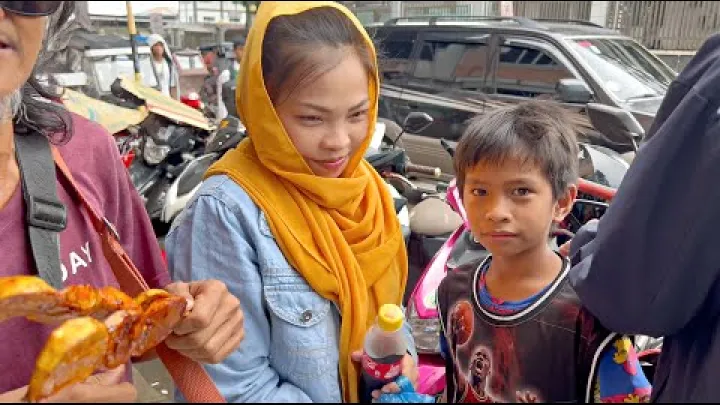
Marawi-specific traveler accounts have recommended guided visits for smoother planning and stronger cultural context; for example, Joansfootprints describes the value of a guided Marawi itinerary. Treat this as travel experience rather than a universal rule. A guide is not automatically mandatory for every visitor, but it can be good value when the itinerary is unfamiliar or culturally sensitive.
Before agreeing, confirm what the guide fee includes. Ask about transport, waiting time, route planning, interpretation, meals, entrance fees, and the number of hours. Agree on the price and itinerary in advance so you can compare the guided cost with the true do-it-yourself cost.
Food and Grocery Habits That Cut Daily Costs
Food is one of the easiest areas to control without making the trip feel restricted. In Marawi, simple local meals, careful snack planning, and basic groceries can reduce daily spending while still allowing you to enjoy the city.

Eat Where Local Residents Eat
Local eateries are often better value than hotel dining or tourist-oriented meals. Choose busy places with clear prices, visible food turnover, and meals that fit your dietary needs.
Cost-of-living data from Numbeo lists an inexpensive restaurant meal in Marawi as a local benchmark, but treat this as a reference point, not a guaranteed current menu price. The useful lesson is that simple local meals can be economical compared with more formal dining.
Marawi is in a Muslim-majority area, so halal food availability can be a practical advantage for many visitors. If you have specific dietary requirements, still ask directly and choose places that can explain ingredients clearly.
Use Markets and Simple Groceries for Longer Stays
For longer stays, buy basic groceries, fruit, snacks, and drinking water from local stores or markets when practical. You do not need to cook every meal to save money. Even keeping breakfast items, fruit, and snacks in your room can reduce unnecessary spending.
If you are comparing accommodation for a week or more, ask whether there is basic cooking access, a kettle, shared refrigerator space, or a place to store drinking water. These small features can lower daily food costs.
Compare prices between small convenience shops, local markets, and larger stores if available. The nearest shop may be best for emergencies, but it may not always be the best place for repeated purchases.
Avoid Small Food Costs That Add Up
Repeated snacks, bottled drinks, cafe stops, and paid hotel breakfasts can quietly increase the daily budget. This does not mean you should avoid every small purchase. It means you should notice which habits repeat every day.
Carry simple snacks when you expect long gaps between meals. Plan meal times around local eateries instead of waiting until you are tired and choosing the closest expensive option. Ask before booking whether breakfast, drinking water, or basic kitchen access is included.
Do not take unsafe shortcuts with water. Use safe drinking water according to local conditions, even if it costs more than untreated alternatives. Health problems are far more expensive than sensible water purchases.
Low-Cost Activity Planning in Marawi
Activities in Marawi can be meaningful without being expensive if you plan them with local context. The best budget approach is to choose fewer, better-planned stops rather than chasing every possible place in one day.
Prioritize Nearby Cultural and Scenic Stops
Start with nearby cultural, scenic, and city-based experiences before adding costly distant trips. Lake Lanao and city cultural stops may be part of a Marawi itinerary when access is allowed and locally appropriate, but confirm current access before visiting.
![Preview image for the video "Exploring Marawi + Lanao del Sur [Culture and Arts] | Travel Jams".](/sites/default/files/styles/media_720x405/public/oembed_thumbnails/2026-05/9G5PPDG7WmSA9J7Y_mndGXB1Bu71qs8kuPpXcLgaVig.jpg.webp?itok=VWr7OtN3 "Preview image for the video \"Exploring Marawi + Lanao del Sur [Culture and Arts] | Travel Jams\".")
Low-cost activities can still provide strong travel value when they are planned with respect. Cultural and religious sites may have expectations about dress, behavior, photography, and timing. Ask before entering sensitive areas or taking photos.
Do not assume that every attraction is open, free, or suitable for independent access. Local confirmation helps you avoid wasted transport costs and supports more respectful travel.
Cluster Activities by Area Instead of Chasing Every Stop
A compact itinerary saves money and reduces fatigue. Plan one main area or route per day, then place meals, errands, and rest stops near that route.

A simple method works well. First, list your priority stops. Second, mark which ones are near each other. Third, choose one cluster for the day. Fourth, add a meal place and one practical errand nearby. Finally, leave buffer time for delays or route changes.
This approach reduces repeated rides and makes the day calmer. It also gives you more time to understand each place instead of spending the day in transit.
Decide Which Tours to Skip and Which to Keep
Some packaged experiences may be unnecessary if the place is easy to reach, culturally simple to understand, and your accommodation can give reliable directions. In that case, a do-it-yourself visit may be enough.
Other tours or guides may be worth keeping when the route, cultural protocol, language support, or local history matters. The cheapest option is not always the best value if it leads to confusion or a shallow experience.
Compare the total do-it-yourself cost with the guided cost. Include transport, waiting time, entrance fees, meals, and the value of local explanation. Before choosing a tour, ask what is included and what is extra.
Payment, Cash, and Everyday Purchase Tips
Good payment habits protect your budget because many small costs happen during ordinary moments: rides, snacks, laundry, mobile data, and emergency purchases. Plan cash and daily purchases before they become urgent.
Use Cash Wisely and Keep Small Bills
Small vendors and local transport may rely on cash, so carry enough Philippine pesos for the day. Keep small bills for rides, snacks, and minor purchases. This makes transactions easier and reduces the need to break large notes for small payments.

Plan withdrawals sensibly to reduce repeated ATM or exchange fees, but avoid carrying more cash than you can manage safely. Split money between a daily wallet and a separate reserve. Keep an emergency amount in a secure place.
Do not display large amounts of cash when paying. Count money discreetly, prepare small bills before short rides, and keep your main reserve separate from your spending cash.
Buy Everyday Items Locally When Practical
For longer stays, it can be cheaper and easier to buy everyday items locally instead of overpacking travel-size products. Consider toiletries, laundry supplies, basic clothing, snacks, and mobile data after you understand local availability.
Local purchasing can reduce luggage weight and prevent expensive emergency purchases. However, do not wait to buy essential medicine, prescription items, or specialized products unless you are sure they are available.
Compare prices before buying from the most convenient shop. A small store near your accommodation is useful, but repeated purchases may be cheaper elsewhere.
Track Spending Without Making the Trip Feel Restricted
Use a note app or small notebook to record the main categories: room, meals, rides, activities, guide costs, mobile data, and other purchases. Review the list every few days rather than after every transaction.
Keep a separate buffer for safety, schedule changes, health needs, or unexpected transport. A buffer is part of the budget, not a failure of planning.
Cost Traps to Avoid in Marawi
Many budget mistakes come from using the wrong information, choosing false economy, or accepting unclear prices. These traps are avoidable with careful confirmation.
Do Not Confuse Marawi With Malawi or Other Similar Searches
Online searches can surface results for Malawi, Maui, or other similarly spelled destinations. These places have different currencies, transport systems, food costs, and accommodation markets.
Always verify that any price or budget information refers to Marawi City in Lanao del Sur, Bangsamoro, Philippines. Using the wrong destination data can distort expectations and lead to poor decisions before you even arrive.
Avoid False Economy on Safety and Location
The cheapest option can become expensive if it creates transport problems, stress, poor access to local help, or repeated changes of plan. Budget travel should reduce waste, not remove basic comfort and good judgment.
Choose accommodation and transport that support a smooth itinerary. A slightly higher room rate or more reliable transfer can be better value if it saves time, reduces uncertainty, and keeps your plans realistic.
Paying for trusted local guidance can also be good value when it improves access, understanding, or comfort. Think in terms of total trip value, not only the lowest visible price.
Confirm Prices Before Accepting Services
Confirm prices before accepting rides, guide services, waiting time, entrance arrangements, or extra help. This is respectful and practical. Clear agreement protects both the visitor and the service provider.

Ask what is included before comparing prices. For example, a guide fee may or may not include transport. A ride price may or may not include waiting. An activity cost may or may not include entrance fees or additional stops.
If you are unsure, ask accommodation staff or trusted locals for typical price ranges. You do not need to bargain aggressively; you need enough information to make a clear decision.
A Practical Money Plan for a Marawi Trip
A good Marawi budget is built from categories, not from one universal daily number. Different travelers have different needs, and current prices should be checked before arrival.
Build Your Budget by Travel Style
Build your budget around the main categories: room, meals, local rides, route into Marawi, activities, guide costs, mobile data, everyday purchases, and emergency buffer. Then adjust the categories based on your travel style.

| Travel style | Main priority | Best savings focus |
|---|---|---|
| Basic budget | Keep daily costs low | Simple lodging, local meals, shared rides, clustered activities |
| Comfortable budget | Reduce stress and save time | Better location, flexible booking, selective guide use |
| Longer stay | Lower repeat expenses | Weekly or monthly room inquiry, groceries, laundry planning, cash routine |
A basic budget should focus on avoiding unnecessary rides and choosing simple meals. A comfortable budget should spend where it saves time or improves access. A longer-stay budget should focus on repeat costs, because small daily expenses become significant over weeks.
Update your budget with current prices before arrival. Confirm the route into Marawi, check room availability, estimate meal patterns, and leave enough room for changes.
Use a Final Checklist Before Arrival
Before you travel, use a short checklist. Compare accommodation by total value, not only room rate. Confirm transport into Marawi and the first ride to your accommodation. Prepare cash with small bills. Plan activities by area. Identify simple local food options. Ask whether a guide would improve your route or understanding.
Smart spending in Marawi is about reducing waste, not removing comfort or cultural experience. If you plan the main costs, confirm details locally, and leave a buffer, you can keep the trip controlled without making it feel restricted.
Treat this checklist as flexible. Current prices, schedules, and access can change, so the best money-saving habit is to verify before you commit.
Select area
Create a post
Posting is free and no registration is required.