Marawi Getting Around: Transport, Fares, Safety Tips
Marawi getting around requires more planning than travel in many larger Philippine cities. Transport is mainly road-based, public information can be limited, and safety conditions should be checked before every trip. This guide explains how to reach Marawi from nearby gateways, how local public utility vehicles work, what to know about fares and payment, and when a private vehicle may be the safer or more practical choice. It is a transport guide for practical movement, not a general tourism guide.
Quick Orientation for Getting Around Marawi
Marawi transport is best understood as a mix of shared public vehicles, private arrangements, and short-distance walking where conditions allow. There is no metro, tram, or urban rail system to rely on, so most decisions involve roads, terminals, drivers, and local advice.
What Transport in Marawi Is Like
For many local and nearby trips, the most relevant options are public utility jeepneys, vans, private cars, hired drivers, and occasional walking for short distances. Jeepneys and other public utility vehicles are shared vehicles that follow known routes or corridors, but routes and departure points can change. For visitors, this means the most important step is to confirm the route before boarding.
Iligan City is an important nearby land gateway for Marawi. Official information from the Bangsamoro Government has identified an Iligan City to Marawi City public utility jeepney corridor as part of BARMM inter-regional public transport routes. This supports the practical role of Iligan in Marawi access, although travelers should still verify current terminal locations, departure times, and fares locally.
Expect practical transport rather than a highly centralized system. A route that works well in the morning may be harder later in the day, and a fare quoted by one driver may need to be checked against local guidance. If you have an appointment, class, official meeting, or airport connection, build in extra time.
Who This Guide Is For
This guide is for first-time visitors, domestic travelers, international travelers, students, business travelers, and anyone coordinating a visit with local contacts. It is especially useful if you are trying to choose between shared transport, a private car, or a pre-arranged transfer.
Marawi requires more pre-trip verification than many major Philippine cities because transport details may not be published in one reliable place. The safest approach is to treat online route tools as a starting point, then confirm with a hotel, host institution, local office, driver, terminal staff, or trusted resident before you travel.
Getting to Marawi from Nearby Gateways
Most visitors reach Marawi by combining regional travel with a road transfer. Your best route depends on your starting city, arrival time, luggage, budget, and whether you have local support at the destination.

From Iligan City to Marawi
Iligan City is one of the most common access points for reaching Marawi by land. Public utility jeepneys and vans may serve the corridor depending on current operations, demand, and terminal arrangements. Before boarding, ask three direct questions: whether the vehicle goes to Marawi, where it stops in Marawi, and how much the fare is.

If you are unfamiliar with the area, it is wise to travel during daylight. Daytime travel makes it easier to identify terminals, ask questions, check your destination, and solve problems if a connection changes. If you are meeting a university, office, family, or organization in Marawi, ask them for the current recommended departure point in Iligan and the safest drop-off point in Marawi.
Do not rely on old fare amounts from blogs or social media posts. Transport prices can change because of fuel costs, route changes, vehicle type, and local rules. Treat any older fare as historical context only and confirm the current fare before the vehicle leaves.
From Laguindingan Airport and Cagayan de Oro
Many air travelers enter Northern Mindanao through Laguindingan Airport, which serves the Cagayan de Oro and Iligan region. From the airport area, broad options may include bus or van connections through regional terminals, a taxi or private transfer, or self-drive where a suitable rental arrangement is available. Route-planning sources such as Rome2rio list bus, taxi, and car options between the airport area and Marawi, but travelers should treat these as general route possibilities rather than guaranteed live schedules or fixed fare quotes.
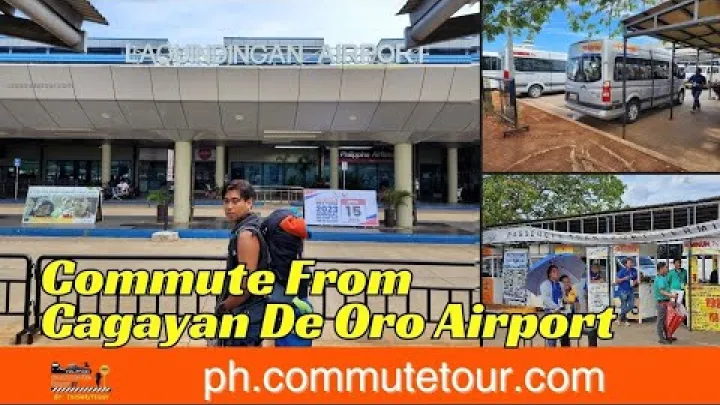
If you arrive late, carry heavy luggage, travel with children, or need to reach a specific address in Marawi, arrange the transfer in advance. A pre-arranged driver can reduce uncertainty at the airport and can help you avoid trying to negotiate a long onward trip after dark.
If you plan to use public transport from the airport region, check whether you need to transfer through Cagayan de Oro, Iligan, or another terminal. Ask operators or local contacts about the last practical departure for the day. Missing a connection can mean waiting, paying for a more expensive private ride, or staying overnight near the arrival point.
Long-Distance Travel from Manila or Other Philippine Cities
Long-distance travel to Marawi usually combines a flight with overland transport. A common general pattern is to fly from Manila, Cebu, Davao, or another city to Northern Mindanao, then continue by bus, van, taxi, or private transfer toward Marawi. The exact route depends on airline schedules, road conditions, and local transport availability.
Ferry and long overland combinations may be possible from some origins, but they are usually slower and require more planning. They may involve multiple tickets, terminal changes, weather delays, and overnight travel. For most visitors with limited time, flying to the region and arranging a land connection is the more straightforward approach.
Build buffer time into all connections. Provincial transfers can be affected by traffic, rain, road works, vehicle availability, security activity, and local events. If you have a fixed meeting in Marawi, avoid planning a tight same-day connection unless a trusted local contact confirms that the timing is realistic.
Local Transport Options in Marawi
Choosing local transport in Marawi depends on distance, route familiarity, time of day, luggage, and comfort with shared vehicles. There is no single best option for every traveler.
Jeepneys and Public Utility Vehicles
Jeepneys and other public utility vehicles, often called PUVs, are shared vehicles used for many local and intercity trips in the Philippines. In Marawi and nearby corridors, they may be the most affordable practical option when you know the route and can travel during normal busy periods.
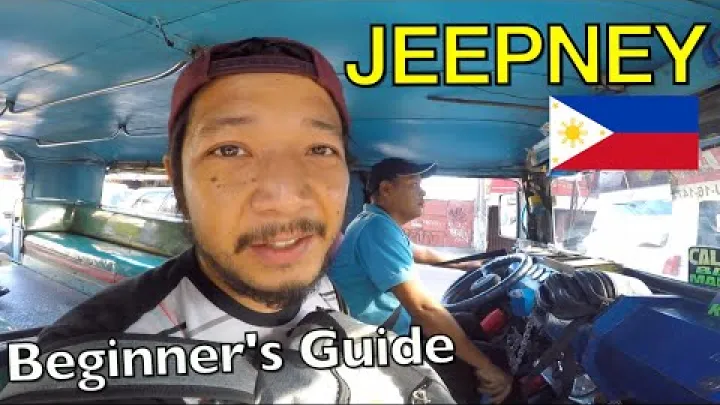
The basic process is simple but requires confirmation. First, identify the destination or route. Then board at a terminal or an accepted stopping point. Before the vehicle leaves, ask the driver or conductor if it goes to your destination. Useful simple questions include: “Does this go to Marawi?” “Where is the final stop?” and “How much is the fare?”
Payment is usually made in cash. Shared vehicles may wait until enough passengers board, especially on routes where departures are demand-based. Space, comfort, and travel time can vary. If you have a large suitcase, fragile items, or a tight appointment, shared transport may be less convenient than a private vehicle.
Taxis, Private Cars, and Hired Drivers
Taxis and private hires can be more convenient than shared vehicles because they offer door-to-door travel, more privacy, and easier luggage handling. However, visitors should not assume that street-hailing a conventional taxi will always be easy in Marawi. In many cases, it is better to arrange a vehicle through a hotel, local contact, host institution, tourism office, or trusted operator.
Before starting a private ride, confirm the price, destination, route, waiting time, and return arrangement. If the driver will wait while you attend a meeting or visit a site, ask whether waiting time is included. If the trip is one way, ask how you will return. These questions are especially important outside central areas or later in the day.
Rental cars may be possible for confident drivers through regional providers, but self-driving requires more responsibility. Consider road familiarity, parking, checkpoints, route changes, and safety conditions. If you are new to the area, a local driver can be more practical than driving yourself.
Ride-Hailing Apps and Motorcycle Transport
Ride-hailing coverage can be limited outside major Philippine cities, and app availability can change quickly. Do not plan your Marawi transport around a ride-hailing app unless you have opened the app, checked the location, and confirmed that vehicles are actually available at the time you need them.

Motorcycle transport may exist informally or locally, but visitors should approach it carefully. Motorcycle rides can be less comfortable in rain, less suitable for luggage, and riskier for unfamiliar roads. Use a helmet, avoid overloaded motorcycles, and do not accept a ride if the driver, vehicle, or route feels unsafe.
For night travel, bad weather, long distances, or unfamiliar neighborhoods, choose a safer and more predictable option whenever possible. A pre-arranged car or trusted driver is usually a better choice than searching for an informal ride after dark.
Walking Short Distances
Walking can work for short trips in familiar or central areas during daylight. It is not the best default for every visitor because sidewalks, lighting, traffic behavior, road works, and reconstruction conditions can vary by street.
Ask a local contact whether a walking route is appropriate before setting out. Avoid isolated areas, especially after dark, and do not rely only on a map if a route passes through unfamiliar streets. If you need to walk, keep valuables secure and carry your destination address.
Marawi is a Muslim-majority city, so respectful movement matters. Dress modestly, be polite when asking directions, and be mindful near mosques, schools, checkpoints, and community spaces. Always ask before photographing people, vehicles, or sensitive areas.
Fares, Payment, and Tickets
Transport costs in Marawi are best handled with cash, local confirmation, and clear questions before boarding. Avoid assuming that there is one universal ticketing system for all local transport.
How to Pay for Local Transport
Cash in Philippine pesos is the practical default for many local jeepney and PUV trips. Carry small bills and coins so you can pay without difficulty. Drivers may not always have change for large notes, especially early in the day or on short trips.
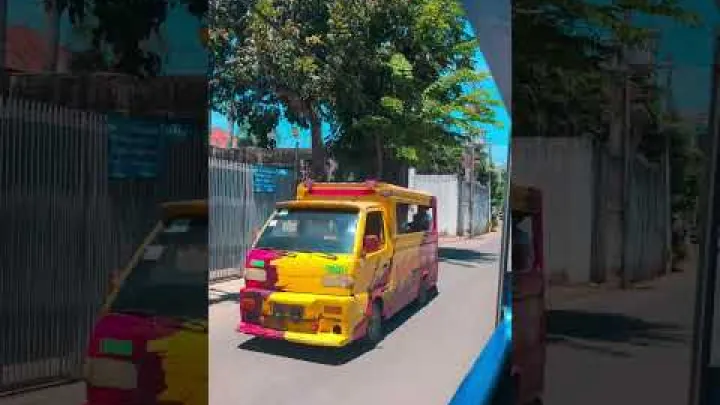
Ordinary local jeepney or PUV rides may not use printed tickets. Larger intercity services or terminal-based operators may use tickets, booking counters, or receipts depending on the service. Ask at the terminal if you are unsure whether to pay before boarding or inside the vehicle.
Fare verification is important. A document from the Bangsamoro Parliament refers to concerns about alleged PUV fare overcharging within and outside Marawi City. This does not mean every driver overcharges, but it is a practical reason to ask the fare before boarding, compare with local advice, and avoid starting a trip without a clear price.
How to Compare Transport Costs
The cheapest option is not always the best option. Shared public transport is usually more affordable, but it may involve waiting, transfers, crowding, and less control over your exact drop-off point. A private hire is usually more expensive, but it can save time and reduce uncertainty for groups, families, luggage, or late arrivals.
| Option | Best for | Main trade-off |
|---|---|---|
| Jeepney or PUV | Budget trips on known routes | Less direct and may involve waiting |
| Van or shared regional vehicle | Intercity or gateway travel | Space and departure timing can vary |
| Private car or hired driver | Groups, luggage, late arrivals, appointments | Higher cost and advance confirmation needed |
| Rental or self-drive | Flexible travelers with local driving confidence | Requires route knowledge and safety planning |
When comparing prices, include the full journey. Ask whether a private quote includes fuel, parking, waiting time, tolls if any, and the return trip. For shared vehicles, consider whether you will need another ride after the final stop.
Reliability, Timing, and Night Transport
Reliability depends on more than the vehicle type. Time of day, road conditions, weather, demand, and safety considerations all affect how easy it is to move around Marawi.
Best Times to Travel Around Marawi
Daytime travel is strongly preferable for most visitors. It is easier to find transport, confirm destinations, read signs, contact people, and make safe decisions if a plan changes. Shared transport may also be more practical during busier daytime periods than late evening.
Road works, rain, security activity, local events, and traffic can affect travel times. If you need to reach an airport connection, official appointment, campus visit, or family event, leave earlier than the most optimistic estimate. A good plan includes both a preferred departure time and a backup option.
For intercity trips, avoid relying on the last possible vehicle unless a trusted local source confirms it. If you miss a late connection, your remaining choices may be limited or much more expensive.
Night Transport and Late Arrivals
Night transport in Marawi should be planned carefully. Availability may be limited, routes may be harder to confirm, and unfamiliar waiting areas can create avoidable risk. If you arrive late at an airport or regional terminal, consider pre-arranged pickup or staying overnight near the arrival point if onward transport is uncertain.

Do not wander around unfamiliar areas late at night looking for a ride. Share your trip details with a trusted contact, keep your phone charged, and wait in well-lit, populated places. Before entering a private vehicle, confirm the driver, plate number, destination, and agreed fare where possible.
This advice is not meant to create alarm, but Marawi has a security context that visitors should take seriously. Practical planning is the best way to reduce transport risk, especially after dark.
Safety, Security, and Local Etiquette
Transport decisions in Marawi should be made together with current safety information. Conditions can change, and old travel reports may not reflect the present situation.
Check Current Travel Advisories Before You Go
Before visiting Marawi, review current official travel advisories and local guidance. The U.S. Department of State has issued a strong warning for Marawi City in Mindanao due to security risks. Travelers from other countries should also check their own government advisories, because advice may differ by nationality and date.

Official advisories are only one part of planning. Also consult local authorities, accommodations, host institutions, trusted residents, and transport operators. Do not judge current safety only from old blogs, videos, or social media posts.
If local contacts advise against a route, area, or travel time, take that advice seriously. A longer route, earlier departure, or postponed trip may be the safer choice.
Safe Practices for Public Transport and Private Rides
Use recognized terminals, known operators, hotels, tourism offices, or trusted local recommendations where possible. For public vehicles, confirm the destination, fare, and final stop before boarding. For private rides, confirm the driver, vehicle, route, price, and return plan before departure.
Keep valuables secure and avoid displaying large amounts of cash, cameras, or devices in crowded vehicles. Carry only what you need for the trip and keep your phone accessible but not exposed unnecessarily. If you are traveling between cities or late in the day, share your route and expected arrival time with someone you trust.
Group travel or local accompaniment can be helpful for unfamiliar routes. A person who knows the terminals, language, and current local conditions can reduce confusion and help you avoid poor transport choices.
Respectful Travel in a Muslim-Majority City
Respectful behavior helps travelers move around more smoothly in Marawi. Dress modestly, speak politely, and be patient when asking for directions or negotiating transport. A calm and respectful approach is especially important at terminals, checkpoints, schools, offices, and community spaces.
Be sensitive around mosques and prayer times. Avoid blocking entrances, taking intrusive photos, or treating religious and community areas as casual backdrops. Ask permission before photographing people, vehicles, checkpoints, or any place that may be sensitive.
If a local resident, driver, or host says that a road or neighborhood is not recommended, listen. Local knowledge is often more current than online maps.
Road Conditions and Ongoing Transport Changes
Marawi’s transport conditions continue to be influenced by rehabilitation, infrastructure works, and changing local access patterns. This is another reason to verify routes close to your travel date.
How Rehabilitation and Road Works Can Affect Travel
Post-conflict rehabilitation and infrastructure works can affect roads, bridges, drainage, detours, slope protection, and travel time. The Presidential Communications Office has described Marawi rehabilitation work that includes roads, bridges, drainage systems, and slope protection. Such projects can improve mobility over time but may also create temporary route changes.

Do not assume that an older map, blog route, or driver instruction is still accurate. Before traveling, ask whether the road is open, whether a detour is in place, and whether your vehicle can reach the intended drop-off point.
Infrastructure improvements may gradually change how people move around the city. The best information is usually the most recent local information from people who traveled the route recently.
Using Maps, Local Advice, and Backup Plans
Digital maps are useful for orientation, but they should not be your only source. A map may show a road without knowing current access restrictions, construction, local safety concerns, or practical terminal changes. Use maps to understand the general direction, then confirm with people on the ground.
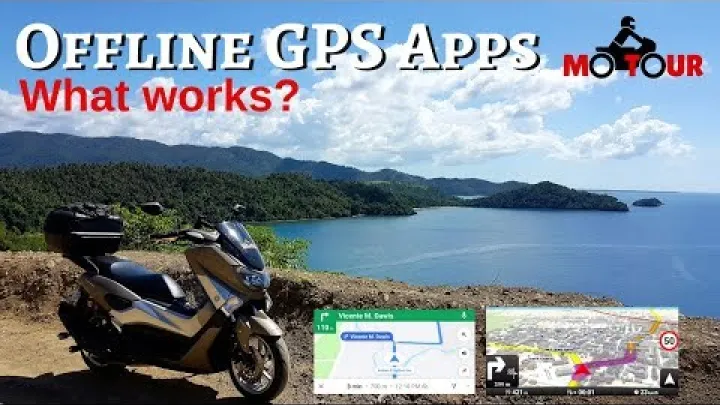
Save offline maps before traveling, especially if you are unsure about mobile signal or data coverage. Carry a written destination address, contact number, and landmark. If you do not speak the local language, a written address can help drivers and terminal staff assist you.
Have a backup plan. Examples include an alternate pickup point, extra cash for a private ride, a phone power bank, a saved hotel contact, and the option to reschedule a trip for daylight if conditions are not good.
Choosing the Best Way to Get Around Marawi
The best transport choice depends on your priorities. Budget travelers, families, and time-sensitive visitors may all make different decisions for the same route.
Best Options for Budget Travelers
Budget travelers should consider shared public transport when the route is known, the trip is during daylight, and luggage is light. Jeepneys and PUVs can be practical if you are comfortable asking questions and waiting for departures.
The trade-off is reduced convenience. You may need to walk to a terminal, wait for passengers, transfer between vehicles, or get off at a stop that is not exactly your final address. Keep small cash ready and ask the fare before boarding.
Do not choose the cheapest option if safety, timing, or route uncertainty is a concern. Paying more for a trusted ride can be the better decision if you are arriving late, traveling alone, carrying valuables, or going to an unfamiliar area.
Best Options for Families, Groups, and Luggage
Families, groups, and travelers with heavy bags often benefit from a private vehicle or pre-arranged transfer. Shared vehicles can be crowded, and luggage space may be limited. A private ride can reduce transfers and make the journey more manageable.
Before confirming, ask practical questions: How many passengers can the vehicle carry? Is there enough luggage space? Is the price one way or round trip? Will the driver wait? Where exactly will the driver pick you up and drop you off?
Do not assume that child seats, accessibility equipment, or large luggage capacity are automatically available. Request these needs in advance and confirm again before travel.
Best Options for Business or Time-Sensitive Travel
For business travel, campus visits, official meetings, medical appointments, or airport transfers, pre-arranged transport is usually the safest planning choice. It gives you more control over pickup time, route, and return arrangements.
Add buffer time for road conditions, weather, security checks, and vehicle availability. If an appointment is important, coordinate with the office, institution, hotel, or host receiving you. Ask them where drivers should pick you up and whether there are any areas or times to avoid.
Confirm the return trip before leaving the main city or terminal area. A smooth outbound trip does not guarantee easy return transport later in the day.
Frequently Asked Questions
What is the easiest way to get to Marawi from Laguindingan Airport?
The easiest option for many visitors is a pre-arranged private transfer, especially if arriving late, carrying luggage, or traveling with family. Public transport may require connections through regional terminals, so confirm the route and timing before travel.
How do passengers usually pay for jeepneys and public utility vehicles in Marawi?
Passengers usually pay in cash using Philippine pesos. Carry small bills and coins, ask the fare before boarding or before departure, and do not assume that ordinary local jeepney rides use printed tickets.
Are ride-hailing apps reliable in Marawi?
Do not rely on ride-hailing apps unless you have checked the app at your location and confirmed that vehicles are available. Coverage outside major cities can be limited and may change quickly.
Is it advisable to travel around Marawi at night?
Night travel should be planned carefully. Use pre-arranged pickup or trusted drivers, avoid searching for transport in unfamiliar areas after dark, share trip details, and consider staying overnight near your arrival point if onward connections are uncertain.
Should visitors rent a car or use local transport in Marawi?
Use local transport if you know the route, travel during daylight, and want to keep costs low. Consider a private driver or rental car if you need flexibility, have luggage, or must keep a schedule, but remember that self-driving requires local road knowledge and safety planning.
Conclusion
Getting around Marawi is possible with the right planning, but it is not a place where visitors should depend only on assumptions, old route notes, or last-minute transport searches. Use shared public utility vehicles when routes are clear and conditions are suitable, and choose private or pre-arranged transport when safety, timing, luggage, or unfamiliarity make reliability more important. Confirm fares, travel in daylight when possible, check current advisories, and listen to trusted local guidance. With careful preparation, transport decisions in Marawi become clearer, safer, and easier to manage.
Select area
Create a post
Posting is free and no registration is required.