Tantawan Park Cotabato City Photo Spot Guide
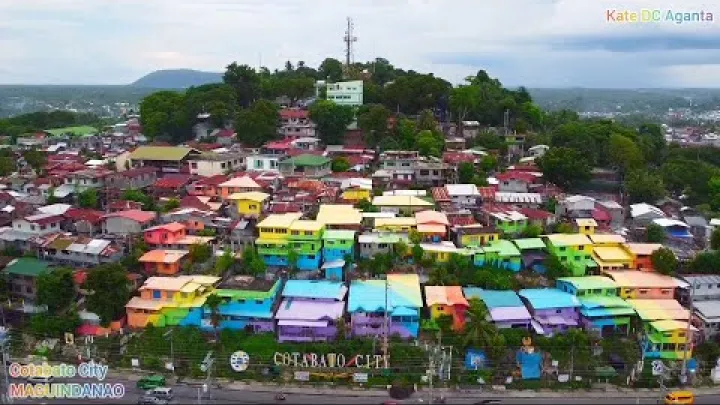
Tantawan Park Cotabato City is a compact but meaningful stop for travelers who want photographs with local context, not only simple park scenery. Its strongest visual subject is the Sultan Muhammad Kudarat monument, while the surrounding urban setting can add civic, religious, and street context to a photo walk. This guide explains how to photograph the park, when to go for better light, what gear issues to check, and which nearby Cotabato City photo spots can pair well with the visit.
Why Tantawan Park Is Worth Photographing
Tantawan Park is most rewarding when you approach it as a historical and urban photo location. Instead of rushing to take one front-facing picture, spend a few minutes reading the space, watching how people move through it, and checking how the monument sits against the surrounding background.
The Sultan Muhammad Kudarat Monument as the Main Subject
The main reason to include Tantawan Park Cotabato City in a photo itinerary is the Sultan Muhammad Kudarat monument. The park is identified as a historical park in Cotabato City, and Wikipedia notes the presence of the Sultan Muhammad Kudarat monument as one of its defining features.

For photographers, the monument gives the scene a clear anchor. A monument can help a travel image communicate place, history, and civic identity more strongly than a generic green space. Treat it with respect: frame it carefully, avoid using it only as a casual prop, and consider making images that show its relationship to the park and the city around it.
Start with a simple establishing shot, then move around to look for cleaner backgrounds. A small change in position can remove visual clutter, separate the monument from poles or signs, or place greenery in the foreground. If you use a phone, try both the standard lens and a slightly zoomed view to see which keeps the monument more balanced.
Pedro Colina Hill and the Park Setting
Tantawan Park is associated with the Pedro Colina Hill area, so its setting may offer more variation than a flat roadside stop. Use cautious expectations: current access points, maintenance, nearby activity, and sight lines can change. Check conditions when you arrive before planning any specific composition.

Look for foreground and background layers. Greenery, shaded paths, steps, and nearby civic space can help you build a wider story of the location. If the light is strong, shade can also be useful for portraits or detail shots. Rather than expecting a guaranteed panoramic viewpoint, think of the park as part of Cotabato City’s broader mix of monuments, religious architecture, public spaces, and urban heritage.
Best Photo Angles at Tantawan Park
The best angles will depend on weather, maintenance, visitor activity, and where light falls on the day of your visit. A flexible shot list is more useful than a fixed set of poses.
Monument Frames, Pathways, and Green Foregrounds
Begin with the monument, then look for natural framing. Trees, path edges, low plants, and open gaps between people can help guide the eye toward the subject. If the background is busy, step closer, lower your camera, or move to one side until the shapes behind the monument become simpler.
For wide shots, include enough of the park to show where the monument stands. For tighter shots, focus on lines, textures, inscriptions, or sculptural details if they can be photographed respectfully and without blocking other visitors. Phone users can tap to expose for the monument and reduce overly bright skies. Camera users can try a moderate focal length to compress the background and make the monument appear stronger in the frame.
Do not limit yourself to eye-level photos. A lower angle can make the monument feel more prominent, while a slightly higher position can show paths or greenery as leading lines. If the park is busy, wait for a short gap instead of trying to remove every person from the scene. Human scale can be useful when it does not distract from the subject.
Street, Civic, and Cathedral Context Around the Park
Tantawan Park sits in an urban environment, so nearby streets and buildings can add context to your images. This is useful if you want a Cotabato City photo story rather than a single landmark picture. Look for safe positions where the park, passing activity, and nearby architecture can appear together without standing in traffic or blocking pedestrians.

Religious and civic buildings near the park should be photographed with care. Exterior architecture may help show the character of the area, but do not assume that interiors, offices, or worship spaces are open for photography. Keep a respectful distance from people attending services, working, or gathering for private reasons.
If you want to include street life, use wider compositions that show the atmosphere without focusing too closely on individuals. For identifiable portraits of residents, vendors, guards, or visitors, ask permission first. A respectful approach will usually produce better images than a hurried or intrusive one.
Best Time to Photograph Tantawan Park
Light is one of the biggest differences between an ordinary park photo and a strong travel image. Because exact weather and orientation vary, plan around general outdoor photography principles and adjust when you arrive.

Golden Hour and Early Morning Light
Low-angle light near sunrise or sunset is often more flattering for outdoor portraits, monuments, and public spaces. General photography advice from Bella Wang Photography supports the idea that the period close to sunrise or sunset is usually better for soft, directional light than the middle of the day.

For many visitors, late afternoon is the practical first choice. It gives you time to arrive, check the safest walking routes, study the monument, and choose angles before the light becomes warm. If you stay into blue hour, have a transport plan and avoid being so focused on the camera that you ignore your surroundings.
Early morning can also work well, especially if you prefer quieter scenes. Before choosing this option, consider current access, local transport, and personal safety. Check the day’s sunrise and sunset times, then arrive early enough to scout rather than reaching the park only when the best light is already fading.
Cloudy Weather, Harsh Midday Sun, and Rain Adjustments
Cloudy weather is not necessarily bad for photography. Soft cloud cover can reduce harsh shadows and make monument details, portraits, and greenery easier to expose. On overcast days, look for color contrast, clean backgrounds, and close details instead of dramatic shadows.

Midday sun can be difficult because it creates strong highlights and deep shadows. Bright surfaces may lose detail, and faces can look harsh if you are making portraits. If you must visit at midday, use shade, photograph details, or compose with the sun behind you when it is safe and practical.
Rain is also a factor to plan for in a tropical city. Carry a simple rain cover or plastic protection for your camera bag, and keep a small cloth for wiping lenses or phone screens. If heavy rain affects your visit, consider waiting under shelter, focusing on close details, or returning later in the afternoon if your schedule allows.
Practical Planning Before You Bring Camera Gear
A good photo visit is not only about lenses and angles. It also depends on route planning, local rules, personal awareness, and how respectfully you handle public spaces.

Access, Walking Time, and Route Planning
Before going to Tantawan Park, confirm your route using a current map, hotel staff, a local transport driver, or the city tourism office if available. Do not rely only on old travel posts for access, traffic, parking, or walking conditions. Roads, public works, events, and security arrangements can change.
Plan to arrive earlier than the light you want. If sunset is your target, reaching the area with time to spare lets you look for the monument angle, note shaded areas, and decide whether nearby streets are worth including. This is especially important if you are carrying a camera body, several lenses, a tripod, or other gear that slows you down.
If you are combining Tantawan Park with other Cotabato City photo spots, keep your kit simple. A phone, a small camera, or one versatile lens is often easier than a heavy bag. Less gear also makes it easier to move respectfully through public places and respond quickly to changing weather.
Tripods, Drones, and Permissions to Check Locally
Rules for tripods, drones, lights, and commercial equipment should be checked locally before you shoot. Do not assume that a public space automatically allows every type of equipment. If you are making commercial images, filming with a crew, or using lighting stands, ask local authorities or tourism staff for current guidance.

Drones require special caution. Even where drone use may be possible, flying near people, traffic, government areas, religious spaces, or sensitive locations without authorization can create safety and privacy problems. Weather, crowds, and line of sight can also make a flight unsafe.
If rules are unclear or the park is busy, use a handheld setup. Modern phones and cameras can handle many outdoor scenes without a tripod. A compact approach reduces disruption and lets you focus on composition rather than equipment management.
Gear Safety, Personal Awareness, and Respectful Photography
Use balanced urban travel awareness. Keep your camera bag close, avoid displaying extra equipment unnecessarily, and be mindful when changing lenses or checking images. The goal is not to treat the location as unsafe, but to avoid distraction while you are concentrating on a frame.
Respect is especially important in a city with active civic and religious spaces. Do not climb on monuments, block paths, or ask people to pose in ways that feel inappropriate near places of worship or public memorials. If you photograph visitors or small groups closely, ask permission and accept a refusal politely.
For travel portraits, choose backgrounds that do not interfere with other people’s activities. A quiet side angle, a shaded walkway, or a simple green foreground can be better than a crowded central spot. Good behavior helps keep photography welcome for future visitors.
Nearby Cotabato City Photo Spots to Pair With Tantawan Park
Tantawan Park can work as one stop in a wider Cotabato City photography route. Choose nearby locations by style and access rather than trying to collect too many places in one day.

Kutawato Caves
Kutawato Caves, also known as Kutang Bato Cave, can add a very different texture to a Cotabato City photo walk. Wikipedia identifies it as a cave in Cotabato City situated within the city proper, which makes it a named location that photographers may consider when planning a city route.

Cave or cave-entrance photography is different from park photography. Light may be low, contrast can be high, and moisture can affect equipment. Phone users may find it difficult to get sharp images in darker areas without support. Camera users should be ready to raise ISO, stabilize carefully, and protect gear from damp surfaces.
Before entering or planning images, confirm current access, safety conditions, and whether photography is allowed. Treat it as a possible add-on, not a guaranteed stop. If conditions are not suitable, exterior context or nearby urban details may be a better use of time.
Metropolitan Cathedral of the Immaculate Conception
The Metropolitan Cathedral of the Immaculate Conception can broaden the visual story around Tantawan Park by adding religious architecture to the route. It is a useful contrast to the park’s monument and civic surroundings, especially for photographers interested in how different landmarks share the city center.
Exterior architectural shots are the safest starting point. Look for symmetry, doorway details, rooflines, and the relationship between the cathedral and nearby public space. Avoid photographing worshippers closely, and do not assume interior photography is permitted unless signs or staff clearly allow it.
If a service, event, or private activity is taking place, keep your distance and lower your camera when needed. A respectful exterior image is better than an intrusive interior image.
Old Cotabato City Hall Museum and Rizal Park Plaza
Old Cotabato City Hall Museum and Rizal Park Plaza can add heritage and public-space subjects to a photo route. The museum building, plaza activity, and older civic architecture can help create a documentary-style sequence after photographing Tantawan Park.
If you want interior images at the museum, check current opening hours and photography rules before building your day around it. Museum policies can change, and some spaces may restrict flash, tripods, video, or commercial use. If access is uncertain, plan exterior-first compositions so the stop remains worthwhile.
For Rizal Park Plaza, look for people moving through the space, benches, trees, pathways, and civic details. Keep compositions respectful and avoid focusing closely on children, families, or private conversations without permission.
Sultan Haji Hassanal Bolkiah Mosque
The Sultan Haji Hassanal Bolkiah Mosque is one of Cotabato City’s major architectural subjects. Wikipedia places it in Barangay Kalanganan II in Cotabato City, and its scale makes it a different kind of photo stop from the compact setting of Tantawan Park.
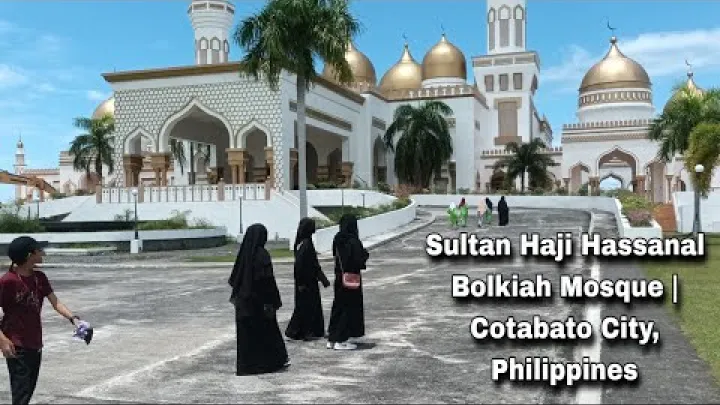
Treat the mosque as an active religious site first and a photo subject second. Check visitor rules, dress expectations, photography permissions, and appropriate times before going. If interior access is unavailable or inappropriate during your visit, exterior architecture can still be rewarding.
Use modest behavior, keep noise low, and avoid photographing worshippers without consent. Strong mosque photographs often come from patience, distance, and clean lines rather than intrusive access.
Suggested Photo Itineraries Around Tantawan Park
A simple itinerary helps you avoid rushing, especially when light, traffic, weather, and access can change. Use these routes as flexible frameworks and adjust them locally.
Short Golden-Hour Walk
For a focused visit, arrive at Tantawan Park before sunset and spend the first part of the walk scouting. Identify one main monument composition, one wider park scene, and one context shot that includes the surrounding urban environment. Keeping the shot list short gives you more time to wait for clean backgrounds and better light.
- Start with an establishing image of the park and monument.
- Move closer for details, textures, or respectful portrait backgrounds.
- Use nearby streets or architecture only from safe pedestrian positions.
- If staying after sunset, arrange transport before it gets dark.
This route is best for visitors with limited time or those who want a calm photography session rather than a long checklist. If rain arrives or the park is crowded, focus on details and return later if possible.
Half-Day Heritage and Architecture Route
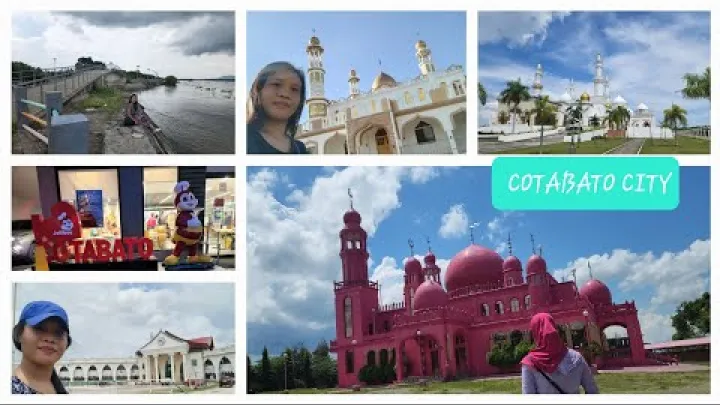
A half-day route can combine Tantawan Park with selected Cotabato City heritage and architecture stops, depending on current access and your interests. One practical structure is to divide the route by subject: monument and park space at Tantawan Park, religious architecture at the cathedral or mosque, civic heritage at Old Cotabato City Hall Museum and Rizal Park Plaza, and textured low-light images at Kutawato Caves if access is suitable.
Do not overload the route. Choose two or three main stops and leave time for weather, transport, and permission checks. If a museum is closed, a religious site is busy, or cave access is not advised, you can still make a strong set of images by focusing on exterior architecture and public spaces.
For the best results, plan the most light-sensitive subject for early morning or late afternoon. Use midday for scouting, shaded details, or confirming rules for later shots. This approach is more reliable than trying to photograph every landmark under the same light.
Final Tips for Photographing Tantawan Park Responsibly
Tantawan Park is a worthwhile Cotabato City photo spot because it combines a clear historical subject with an urban setting that can support wider visual storytelling. The Sultan Muhammad Kudarat monument should be your main anchor, but the strongest images may also include pathways, greenery, nearby civic space, and respectful context from the surrounding city.
Plan around light, not only location. Late afternoon is often the easiest starting point, while early morning can work if transport and access are practical. Check current rules before using tripods, drones, lights, or commercial equipment, and keep your setup compact if conditions are uncertain.
Most importantly, photograph with awareness. Respect monuments, worshippers, public workers, and local visitors. With patient framing and responsible behavior, Tantawan Park can become a meaningful part of a broader Cotabato City photography route rather than just a quick stop on a map.
Select area
Create a post
Posting is free and no registration is required.