Cotabato City Getting Around: Practical Transport Guide

Cotabato City getting around is usually easiest when you combine local knowledge with flexible transport choices. The city does not work like a large metro area with trains, fixed digital schedules, and guaranteed app coverage, so visitors should plan around tricycles, jeepneys, arranged pickups, walking for short distances, and private vehicles when needed. This guide explains how to move around Cotabato City, how to pay, what to check before accepting a ride, and when a prearranged transfer is worth the cost. It is written for travelers, students, business visitors, and remote workers who need practical transport guidance rather than a simple list of options.
Getting Around Cotabato City at a Glance
Transport in Cotabato City is practical but often informal. For short trips, tricycles are usually the most direct local option. For known corridors, jeepneys can be useful if you understand the route. For airport arrivals, luggage, late travel, or business appointments, arranged pickup or a vehicle with driver can be more predictable.
Best Transport Choices by Trip Type
The best way to get around Cotabato City depends on distance, time of day, luggage, route familiarity, and your comfort with local public transport. A visitor staying near central destinations may use walking and tricycles most of the time. A traveler with meetings across different parts of the city may prefer a car with driver or arranged transport for important trips.

| Transport option | Best use | Payment | Strengths and cautions |
|---|---|---|---|
| Tricycle | Short local trips and point-to-point movement | Cash, preferably small bills | Convenient, but agree on the fare before riding |
| Jeepney | Known fixed routes and busier corridors | Cash | Budget-friendly, but less simple for first-time visitors |
| Walking | Very short trips in central or familiar areas | No fare | Useful in daylight, but avoid unfamiliar routes after dark |
| Private transfer or van | Airport pickup, luggage, groups, late arrival, business travel | Usually cash or direct booking terms | Predictable, but normally costs more than local rides |
| Rental car or car with driver | Flexible day plans and trips outside easy public transport reach | Rental or driver agreement | Flexible, but requires road, parking, and security awareness |
| Ride-hailing app | Only when live app checks show available drivers | App-supported methods or cash, depending on service | Do not assume reliable coverage without checking in the city |
For many visitors, the most practical pattern is simple: use tricycles for short daytime trips, ask accommodation staff about jeepney routes if you want to save money, and arrange a pickup for your airport transfer or any trip where timing matters. Keep app-based rides as a possible tool, not as your only plan.
Arriving in Cotabato City and Reaching Your First Stop
Your first ride in Cotabato City is often the most important one to plan. After a flight, long bus journey, or road trip, you may have luggage, limited local orientation, and less patience for fare confusion. Confirming your first transfer in advance can make the rest of your stay easier.
From Awang Airport to the City
Awang Airport is the main air gateway commonly used for travel to Cotabato City. Travel planning sites such as Kupi describe Cotabato City access through Awang Airport, along with bus and road approaches. Because flight schedules and local transfer availability can change, check your arrival details close to your travel date.

For most first-time visitors, the safest approach is to arrange onward transport before landing. Options may include a hotel pickup, a local transfer provider, a known driver, or a hired vehicle arranged by your host, office, school, or accommodation. If you plan to find transport on arrival, confirm the destination, total price, and whether the fare covers the whole vehicle or each passenger before loading your bags.
Before you travel, write down your destination in a clear format. Include the hotel or office name, barangay or area if known, and a phone number for your contact. If someone is meeting you, confirm the pickup point, flight number, waiting time policy, vehicle type, driver name if available, and the phone or messaging app to use if your flight is delayed.
Arriving by Bus or Private Vehicle
Bus and road arrival can be practical from other parts of Mindanao, especially when flights are not suitable. Long-distance bus travel usually ends at a terminal or drop-off point, so you should still plan the final local ride to your accommodation. This last segment may be by tricycle, arranged pickup, or another local vehicle depending on where you arrive and where you are staying.
If you are arriving by private vehicle or rental car, plan your route before departure and avoid relying only on last-minute navigation. Check fuel, expected stopping points, daylight timing, and local road advice. Road conditions, traffic patterns, and security guidance can change, so ask local contacts or your accommodation about the best approach rather than assuming that the shortest map route is always the best route.
For self-drive travelers, the first day is not the best time to test unfamiliar roads at night. If possible, arrive during daylight, park in a secure location, and use local transport for short city movements until you understand the area better.
Local Transport Options in Cotabato City
Getting around Cotabato City is usually a mix of local public transport and private arrangements. There is no single best mode for every trip. The sections below explain how each option works in practice and when it makes sense.
Tricycles for Short Local Trips
Tricycles are one of the most practical choices for short local journeys in Cotabato City. They are useful when you need point-to-point movement, when your destination is not directly served by a jeepney route, or when the weather makes walking uncomfortable. They are generally better for shorter distances than for long cross-area trips.

Use a simple process. First, state your destination clearly. Second, ask the fare before boarding. Third, confirm whether the price is for one passenger or for the whole tricycle if you are traveling with others. Fourth, keep small Philippine peso bills and coins ready so payment is easy at the end of the ride.
A first-time rider can use a short script such as: Good morning. How much to this address? Then show the destination on your phone or written note. If the quoted price seems unclear, ask: Is that for one person or for the vehicle? This keeps the conversation practical and respectful.
Jeepneys for Fixed-Route Travel
Jeepneys are shared public transport and can be useful on known routes and busier corridors. They are usually less expensive than private point-to-point rides, but they are less flexible and can be harder for visitors who do not know local route signs, stopping points, or the correct side of the road for boarding.
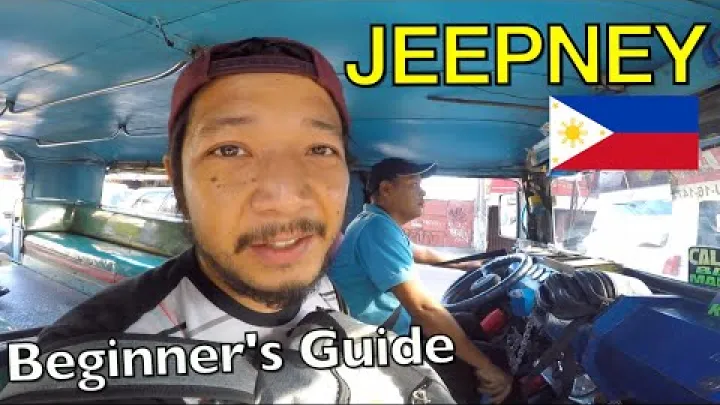
Before using a jeepney, confirm the route with someone local. Accommodation staff, terminal staff, shop workers near a stop, or the driver can often help. Say your destination clearly and ask whether the jeepney passes near it. If you are unsure, it is better to ask before boarding than to ride in the wrong direction.
Jeepneys work best when you are not carrying large luggage, when you have time, and when your destination is near a known route. For first arrivals, late-night travel, business meetings, or trips where being late would cause problems, choose a more predictable option.
Motorcycle Taxis and Habal-Habal
Motorcycle-based rides, often called habal-habal in many parts of the Philippines, may be encountered in parts of Mindanao and can provide flexible movement in some areas. They can be useful where roads are narrow or where other transport is limited, but they also require careful safety judgment.

Regulation and enforcement around motorcycles for hire can vary and may change. A proposed Bangsamoro measure on motorcycles for hire, published by the Bangsamoro Parliament, shows that this type of transport has received formal regulatory attention in the region. Travelers should follow current local guidance rather than assuming that every motorcycle-for-hire service is regulated in the same way.
If you consider a motorcycle ride, check the basics before accepting. A helmet should be available and used. The driver should appear sober and attentive. The passenger load should be reasonable. The fare should be clear before the ride starts. Decline overloaded motorcycles, unsafe riding behavior, or any arrangement that feels rushed or unclear.
Private Transfers, Vans, and Rental Cars
Private transfers and vans make sense when convenience and reliability matter more than the lowest fare. They are useful for airport pickup, late arrival, luggage, group travel, business visits, school arrivals, and routes that are not simple by public transport. They also help when you need a driver who can wait or take you to several stops.
Rental cars can be useful for flexible plans, but they are not necessary for ordinary city-center movement. A self-drive car requires confidence with local road conditions, parking, navigation, and security decisions. If you are new to the area, compare self-drive with a car-with-driver arrangement. The car-with-driver option may reduce stress, especially if you have meetings, unfamiliar destinations, or limited time.
When booking a van or private vehicle, confirm the vehicle type, number of passengers, luggage space, pickup point, waiting time, price, payment method, and cancellation terms. If the trip includes multiple stops, ask whether waiting time or extra distance changes the price.
Fares, Payment Methods, and Budget Planning
Most everyday transport planning in Cotabato City should start with cash. Digital payments may exist in some businesses or formal services, but visitors should not assume that every tricycle, jeepney, or informal local ride can accept cashless payment.
Cash and Small Bills for Daily Rides
Local transport is likely to be cash-based, especially for tricycles, jeepneys, and informal shared rides. Carry Philippine peso bills in small denominations and keep some coins when possible. This reduces delays and avoids problems when a driver cannot make change for a large bill.

Keep your transport cash separate from your main wallet if possible. This makes payment faster and helps you avoid displaying larger amounts of money in public. For a day of local movement, prepare enough small cash before leaving your accommodation, especially if you will return after dark or visit areas where ATMs and payment options may be less convenient.
Some formal services, offices, or booking providers may accept digital payment, but that does not mean the city transport system is fully cashless. Treat cash as the default for daily rides unless the driver or provider confirms another method.
Agreeing on the Fare Before You Ride
For tricycles, informal pickups, and non-metered rides, fare clarity is essential. This does not need to be confrontational. It is simply part of making sure that both passenger and driver understand the trip.
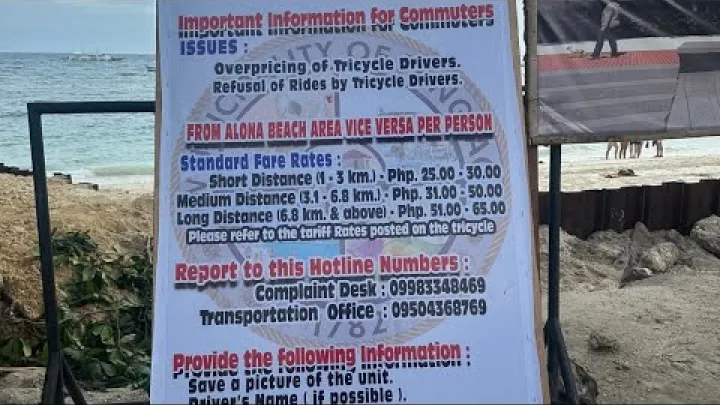
Use a four-step check. State your destination. Ask the fare. Confirm whether the fare is per passenger or per vehicle. Ask whether luggage, waiting time, or extra stops change the price. If the quote seems higher than expected, you can politely ask your accommodation or a local contact what a normal range might be before accepting similar rides in the future.
Avoid publishing or relying on one fixed fare for every city trip. Local pricing can vary by distance, route, time of day, passenger load, weather, and whether the ride is shared or private. Clear agreement before boarding is more useful than memorizing a rate that may not apply to your situation.
Building a Realistic Local Transport Budget
Your daily transport budget depends more on trip style than on a single citywide fare. A traveler staying near their main destinations may spend little by walking in daylight and using tricycles for short rides. A visitor with several cross-city appointments will need more cash because point-to-point rides add up. A group using a van or private transfer should plan for higher total cost but may find the price reasonable when divided among passengers.

Build your budget around scenarios. If you plan a light day, estimate a few short local rides and keep extra money for a return trip. If you plan a busy day, budget for several direct rides and possible waiting time. If you arrive late, carry extra cash because fewer options may be available and you may choose a more predictable ride.
Always keep a reserve for unexpected detours, weather changes, or a return ride from a place where transport is less available. This is especially important if you are attending an event, visiting offices, or traveling with luggage.
Ride-Hailing and Taxi Availability
Ride-hailing and taxi expectations should be handled carefully in Cotabato City. A service may operate in the Philippines without being reliable in every city at every hour. Standard taxis may also be less predictable than in larger urban centers, so visitors should verify options locally.
Checking Ride-Hailing Apps Without Assuming Coverage
Do not assume that Grab, inDrive, or any other app-based ride service will be reliably available in Cotabato City simply because it is known elsewhere in the Philippines. Grab publishes its Philippine location information through its official site, and travelers can check current coverage through Grab. Even when an app exists in the country, driver availability can vary by city, time, weather, and demand.

The practical test is simple. Open the app while you are in Cotabato City or near your expected pickup point. Set a real pickup and destination. Check whether drivers appear, whether booking is possible, and how long the wait looks. Do this before you depend on the app for an airport transfer, meeting, or late-night return.
If an app ride is available, still follow normal safety checks. Confirm the vehicle and driver details in the app, share your trip information when possible, and avoid switching to an unclear off-app arrangement unless you fully understand the terms.
When a Prearranged Pickup Is the Better Choice
A prearranged pickup is often the better choice for airport arrivals, late arrivals, travelers with luggage, business visitors, and anyone who wants price certainty. Local providers may offer pickup, drop-off, and transfer services; for example, BlueLine Travel and Tours publishes Cotabato pickup and drop-off information. Treat any provider rate as a current quote from that provider, not as an official fare for the whole city.
Before booking, confirm the vehicle type, pickup point, name or contact number of the driver, waiting time, total price, payment method, luggage allowance, cancellation terms, and what happens if your flight or bus is delayed. If you need a receipt for work or study travel, ask in advance.
Prearranged transport is usually not the cheapest way to move around every day. Its value is predictability. Use it when a missed connection, long wait, or unclear fare would create more cost or stress than the transfer price itself.
Walking, Cycling, Traffic, and Timing
Walking, cycling, and timing decisions depend on the exact area, weather, and your familiarity with the city. Cotabato City is not a place where visitors should assume that every destination is comfortably walkable or bike-friendly. Use local advice and adjust your transport choice to the situation.
Walking in Central Areas
Walking can work for short trips in central or busy areas when destinations are close together. It is most useful in daylight, when you already know the route, and when pedestrian conditions feel comfortable. If the route includes heavy traffic, poor lighting, heat, rain, or unfamiliar side streets, take a tricycle or arranged ride instead.

For visitors, walking is best used as part of a mixed transport plan. Walk between nearby offices, shops, restaurants, or accommodation when conditions are suitable. Use tricycles for longer distances, luggage, bad weather, or unfamiliar neighborhoods. This approach keeps walking practical without depending on it too much.
Cycling and Road Awareness
Cycling may be possible for confident riders, but it should not be treated as the default visitor transport option. Before cycling, consider the traffic mix, road width, weather, secure parking, route familiarity, and whether your destination has a safe place to leave a bicycle.

Do not assume there is a developed bike-lane network unless you have current local confirmation. If you are an experienced rider and have local guidance, cycling may work for selected routes. If you are new to the city, traveling at night, carrying valuables, or uncomfortable with mixed traffic, choose another transport mode.
Peak Hours and Reliability
Travel times can vary with school movement, work commuting, markets, public events, weather, and end-of-day activity. Informal transport may be easy to find at one time and slower at another. This is why exact schedules and fixed travel-time assumptions are less useful than planning buffers.

Allow extra time for airport trips, bus connections, business meetings, school appointments, and medical visits. If you need to be punctual, ask a local contact how early to leave and consider using a prearranged ride. For flexible trips, combine current map checks with local advice and avoid planning back-to-back appointments in unfamiliar areas.
Night Transport and Safety Tips
Night transport requires more planning than daytime movement. Availability may be lower, pickup points may be less active, and walking routes that feel simple in the day may feel different after dark. The goal is not to avoid all movement at night, but to choose clearer and more predictable options.
Choosing Transport After Dark
After dark, prefer arranged pickup, a known driver, hotel-assisted transport, or a verified app ride if live app checks show that the service is available. If you are attending an evening event, plan your return before you leave. Do not wait until late at night to discover that fewer vehicles are operating near your location.
Avoid isolated pickup points, unclear fares, and unfamiliar walking routes. If you are leaving a restaurant, office, or event venue, ask staff to help you identify a suitable pickup area. If you are staying at a hotel or guesthouse, ask whether they can call or recommend a driver for the return trip.
Keep your phone charged, keep your destination written down, and make sure you can contact your accommodation or local host. If you are unsure about an area, follow current local advice rather than relying only on general travel assumptions.
Practical Safety Habits for Taxis, Tricycles, and App Rides
Good transport safety habits are simple and consistent. Confirm the destination before the ride starts. Agree on the fare when the ride is not metered or app-priced. Keep valuables discreet. Sit where you feel comfortable. Share your trip details with someone you trust when possible, especially at night or on longer rides.
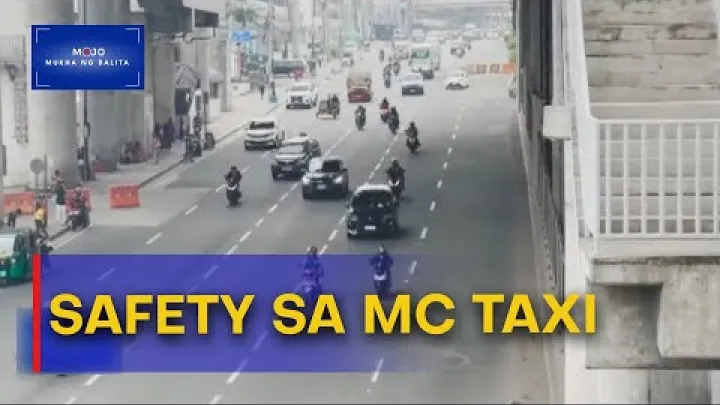
For app rides, check the driver name, vehicle plate, and vehicle description before boarding. If the details do not match, do not get in. For taxis or private vehicles, confirm that the driver understands the destination and the agreed price or booking terms. For tricycles and informal rides, decline unsafe vehicles, overloaded motorcycles, or unclear arrangements.
Trust local advice, but also trust your own judgment. If a ride feels unsafe, if the fare changes unexpectedly before departure, or if the vehicle is overloaded, step away and choose another option.
Frequently Asked Questions
What is the easiest way to get around Cotabato City for short trips?
For short trips, tricycles are usually the easiest practical option. State your destination clearly, agree on the fare before boarding, and pay with small cash.
Can I rely on Grab or other ride-hailing apps in Cotabato City?
Do not rely on ride-hailing without checking live availability in the app. Open the app in Cotabato City, set your real pickup and destination, and confirm that drivers are available before depending on it.
Do I need cash for local transport in Cotabato City?
Yes. Cash is the safest default for tricycles, jeepneys, and many local rides. Carry small Philippine peso bills and coins because drivers may not have change for large notes.
How do I get from Awang Airport to Cotabato City?
The most predictable option is to arrange a pickup through your hotel, host, office, school, or a local transfer provider before arrival. Confirm the pickup point, price, waiting time, contact method, and destination details in advance.
Is it safe to travel around Cotabato City at night?
Night travel is best handled with planning. Use hotel-assisted transport, a known driver, an arranged pickup, or a verified app ride if available. Avoid unfamiliar walking routes, isolated pickup points, and unclear fare arrangements after dark.
Final Tips for Moving Around Cotabato City with Confidence
The best approach to getting around Cotabato City is to stay flexible and confirm details before each important trip. Use tricycles for short local movement, jeepneys only when you understand the route, and arranged transport for arrivals, late travel, luggage, groups, or appointments where timing matters.
Keep small cash ready, agree on fares before non-metered rides, and check ride-hailing apps in real time instead of assuming coverage. For airport transfers and night travel, a prearranged pickup can be worth the extra cost because it reduces uncertainty.
With a clear destination, local advice, realistic timing, and a backup plan, moving around Cotabato City can be manageable even for first-time visitors. Plan the rides that matter most, stay attentive to safety, and choose the transport mode that fits the trip rather than trying to use one option for everything.
Select area
Create a post
Posting is free and no registration is required.