Kutawato Caves Cotabato City: Practical Nature and Heritage Guide

Kutawato Caves Cotabato City is one of the most accessible nature and heritage stops in the city because it sits within the urban area rather than far outside it. For travelers looking for Cotabato City natural attractions, it offers a short cave-focused visit that can be combined with nearby viewpoints, riverside areas, or coastal stops. This guide explains what makes the cave notable, how to get there, what to expect, when to visit, and how to explore responsibly. It is written for casual visitors, families, and international travelers who want practical guidance before going.
Introduction
Cotabato City is often associated with culture, history, and river landscapes, but it also has compact nature experiences that fit into a half-day city itinerary. Kutawato Caves, also known locally as Kutang Bato Cave, is a good example because it gives visitors a cave and hill setting without requiring a long rural transfer.

The visit is best approached with realistic expectations. This is not a technical caving expedition, and current access can depend on local conditions, maintenance, weather, and safety decisions. Before visiting, confirm the latest entrance point and visitor arrangements with your accommodation, a local driver, or city tourism contacts.
What Makes Kutawato Caves Notable
Kutawato Caves is notable because it combines nature, urban geography, and local heritage in one compact location. For travelers searching for nature in Cotabato City, it is a convenient first stop before considering longer trips to waterfalls, hills, or coastal areas outside the city center.
An Urban Cave Setting in Cotabato City
Kutawato Caves Cotabato City stands out because it is located within the city proper, not in a remote mountain area. This makes it easier to add to a short itinerary than many cave attractions in Mindanao, which often require long road travel, guides, and more demanding walking conditions. A basic overview of the cave’s location and identity is available from Wikipedia.

The cave area is commonly associated with the broader Pedro Colina Hill or PC Hill setting. This hill connection gives the visit more context than a simple cave entrance stop, especially for travelers interested in urban viewpoints and local landmarks. However, visitors should avoid assuming that every cave passage, entrance, or hillside path is open at all times.
Because the site is within the city, it works well for travelers who have limited time, such as business visitors, students, or people passing through Cotabato City. The key is to verify access before leaving and to plan the visit as a short nature and heritage stop rather than a full spelunking adventure.
Natural Limestone Passages and Named Entrances
Kutawato Caves is commonly described as a limestone cave system with passages and entrances rather than a single isolated chamber. Visitors may encounter stone surroundings, shaded cave spaces, and entrance areas that give a clear sense of the city’s natural landscape beneath and around the hill.
Some descriptions of the site mention named entrances or sections such as Bagua Cave, Caverna Español, Kuweba ni Satur, and Provincial Capitol Cave. These names are best understood as reported or locally cited information, not as a guarantee that each entrance is currently open, safe, or easy to identify. Access may change, and visitors should follow local directions rather than trying to enter unfamiliar passages independently.
For most travelers, the value of the visit is visual and atmospheric: stone walls, cave openings, shaded spaces, and a rare urban cave setting. Keep expectations practical and do not expect a fully developed commercial show cave with extensive lighting and managed walkways unless current local information confirms it.
History and Local Heritage Around the Caves
Kutawato Caves is valued not only as a natural site but also as part of Cotabato City’s local heritage. Local accounts and visitor descriptions often connect the cave area with stories of refuge, older settlement patterns, and difficult periods in the city’s past. These associations add meaning to the visit, even when details vary by source or local memory.

Travelers should treat this heritage context with respect. Avoid writing on walls, removing stones, disturbing any features, or entering areas that appear closed or unsafe. A short visit can still be meaningful when approached as a shared local place rather than just a photo stop.
How to Get to Kutawato Caves
Getting to the cave is generally simpler than reaching many rural nature destinations in the Philippines, but exact access details should still be checked locally. Map pins, entrance points, and route advice can vary, especially if maintenance or local restrictions affect visitor movement.
Location and Access from Central Cotabato City
The cave area is in Cotabato City and is commonly associated with Bagua and the Pedro Colina Hill area. For international visitors, these local names may not be familiar, so it is useful to show your destination to a driver on a map and also mention Kutang Bato or Kutawato Caves.

Because entrance access can vary, do not rely only on a single map pin. Ask your hotel, host, local driver, or a city tourism contact to confirm the best approach before you go. This is especially important if you are visiting during or after heavy rain, during local events, or outside normal daytime hours.
The main advantage is that the site does not require a long out-of-town transfer. If access is open and transport is available, it can fit into a partial-day plan together with nearby city nature stops.
Transport Options by Car, Jeepney, Multicab, and Motorcycle Taxi
A private car, hired vehicle, or trusted taxi-style arrangement is the simplest option for most travelers. It allows direct routing, flexible waiting time, and easier adjustment if the first entrance point is not ideal. This is useful for families, visitors with limited mobility, or travelers who are unfamiliar with local transport.

Public transport may also be possible depending on your starting point and current routes. Research on Cotabato City transport notes that jeepneys and multicabs are widely used in the city, while habal-habal motorcycles function as motorcycle taxis in local travel patterns, according to NCTS.
If using a jeepney or multicab, ask locally which route gets you closest to the cave area, then confirm whether you need a short walk or another ride. If using a habal-habal, agree on the fare, destination, waiting time, and return arrangement before riding. Use a helmet when available, avoid overloaded motorcycles, and be cautious in heavy rain because roads and stone surfaces can become slippery.
What to Expect During a Visit
A visit to Kutawato Caves is best planned as a compact nature and heritage experience. It can be rewarding, but the experience may be modest compared with heavily developed cave parks in other parts of the Philippines.
Typical Duration and Difficulty
Most casual visitors should think of Kutawato Caves as a short stop rather than a demanding expedition. The time needed depends on whether the accessible area is open, how much you want to look around, whether you take photos, and whether you add Pedro Colina Hill or another nearby stop.
Difficulty can vary. If you only visit open entrance areas and nearby paths, the experience may be relatively light. If surfaces are wet, uneven, dark, or poorly maintained, the same visit can feel more challenging. People with mobility limitations, older travelers, and families with small children should check conditions before going.
Do not enter narrow, dark, blocked, or unstable-looking passages just to extend the visit. The safest and most respectful approach is to stay in clearly accessible areas and ask for local guidance when unsure.
Cave Atmosphere, Pathways, and Visitor Facilities
The likely experience includes cave entrance areas, stone surroundings, shaded spaces, and short opportunities to observe the cave environment. Some visitor reports have described maintained entrance features in the past, but conditions can change, so it is better not to depend on any specific facility being available.
Facilities may be modest compared with famous tourist caves that have ticket offices, lighting systems, formal guides, toilets, and marked paths. Bring what you need for a short independent stop: drinking water, a small light, comfortable footwear, and sun or rain protection for the surrounding city route.
Photography is usually part of the experience for many visitors, but it should be done carefully. Do not climb on unstable rocks, block pathways, or touch delicate surfaces for a photo. If any local caretaker or sign gives instructions, follow them.
Best Time to Visit and What to Bring
Weather matters even for a short city nature visit. Rain can affect road comfort, visibility, walking surfaces, and the safety of combining the cave with a hill or coastal stop.

Dry Season and Weather Considerations
The drier months are generally more comfortable for visiting Cotabato City nature attractions, including Kutawato Caves, Pedro Colina Hill, and nearby outdoor walks. Dry conditions usually make roads easier, stone surfaces less slippery, and short city routes more pleasant.
Heavy rain can make cave entrances, steps, soil, and stone areas slick. It can also make motorcycle transport less comfortable and reduce the appeal of outdoor add-ons. If the forecast shows strong rain, consider adjusting your plan or choosing a lower-risk city activity.
A morning visit is often the most practical choice. It gives you cooler conditions, better flexibility for transport, and more daylight if you want to add another nature stop. Avoid planning your first visit after dark, especially if you do not know the access route.
Clothing, Footwear, Light, and Water
Wear comfortable clothes suitable for warm weather and short walking. Lightweight clothing is practical, but choose items that allow easy movement if you need to step over uneven ground or walk near stone surfaces.
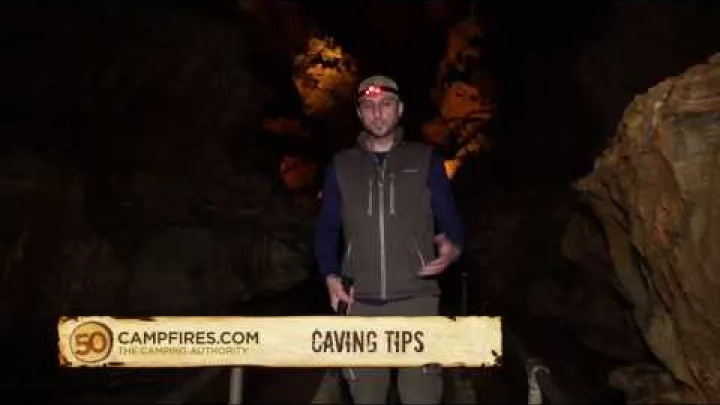
Closed shoes or sturdy sandals with good grip are better than smooth-soled footwear. Cave and hill surfaces may be uneven, dusty, muddy, or slippery depending on weather and maintenance. Good footwear is one of the simplest ways to reduce risk during a casual visit.
Bring drinking water, a small flashlight or phone light, and basic sun or rain protection. You do not need to pack like a technical caver for a normal short visit, but you should be self-sufficient enough to handle modest facilities. Avoid touching cave surfaces when possible, and do not remove rocks or other natural material.
Safety, Guides, and Responsible Cave Etiquette
Caves are sensitive environments and can also be risky when visitors enter unsuitable areas. A safe visit depends on staying within open areas, listening to local advice, and treating the site as a shared natural resource.
Stay Within Open and Safe Areas
Do not enter narrow, dark, blocked, unstable, or clearly restricted passages. Even if an opening looks interesting, it may not be safe for casual visitors. Loose rocks, low ceilings, poor light, wet surfaces, and sudden changes in footing can create risks.

If there is uncertainty, ask local staff, nearby residents, your driver, or city tourism contacts about where visitors are currently allowed to go. Cave conditions can change because of weather, maintenance, local restrictions, or safety concerns. A route that someone visited before may not be appropriate on the day you arrive.
Children should be supervised closely. Groups with inexperienced visitors should move slowly, avoid crowding near edges or entrances, and turn back if the path becomes uncomfortable. Independent deep exploration is not recommended for a casual city visit.
Respect Cave Resources and Local Rules
Caves are sensitive natural environments, and the Philippines has cave management and classification guidance that recognizes different uses such as ecotourism, research, and resource protection. The conservation message is simple: follow local rules and avoid damaging the cave environment. A national handbook on cave classification is available through PhilCHM.
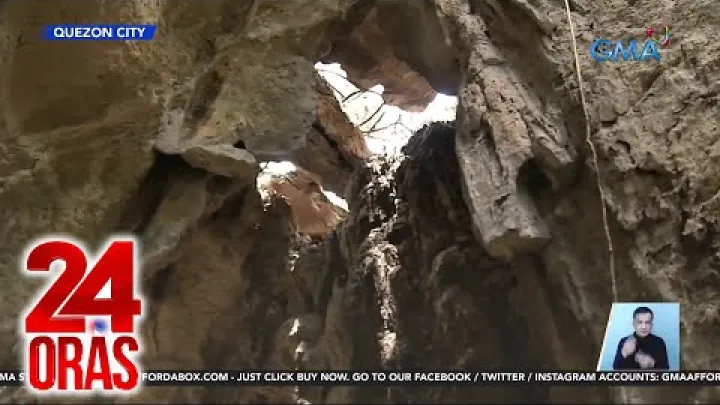
Do not remove rocks, disturb formations, write on walls, leave trash, or create noise that disturbs other visitors. If a guide, caretaker, resident, or posted notice gives instructions, follow them. Responsible behavior helps keep the site safer and more acceptable for future visitors.
Carry out your trash even if bins are not visible. If you bring food or drinks, keep packaging secured and avoid leaving anything behind. Small actions matter in cave settings because damage can last for a long time.
Nearby Nature Stops to Combine with Kutawato Caves
Kutawato Caves can be the first stop in a simple Cotabato City nature route. Choose add-ons based on weather, transport, mobility, and available daylight rather than trying to cover every place in one trip.

Pedro Colina Hill Viewpoint
Pedro Colina Hill, also known as PC Hill, is the most natural nearby pairing because it is associated with the same broader hill area. It is often described as a scenic viewpoint above Cotabato City, and Guide to the Philippines presents it as a viewpoint attraction in the city.

If access and weather allow, combining Kutawato Caves with Pedro Colina Hill creates a compact city nature route: cave atmosphere first, then a hill or viewpoint setting. Check conditions before walking uphill, especially in hot weather or after rain.
Keep the plan flexible. If visibility is poor, paths are slippery, or transport is limited, it may be better to shorten the visit and return another time.
Timako Hill, Kusiong Beach, and Kalanganan Bai Walk
For a longer half-day or day itinerary, consider adding one or two outdoor stops such as Timako Hill, Kusiong Beach, or Kalanganan Bai Walk. These offer different types of nature experiences around Cotabato City: a hill or viewpoint setting, a coastal or beach setting, and a riverside or bayside walk.

Do not treat these as identical attractions. A hill stop may depend on walking comfort and weather, a beach stop may depend on sea and access conditions, and a walk may be most pleasant in the cooler part of the day. Choose based on your energy, transport, and current local advice.
Trying to rush every site can make the day less enjoyable. A better plan is to choose Kutawato Caves plus one nearby viewpoint or waterfront stop, then leave extra time for meals, traffic, and weather changes.
Longer Nature Trips Beyond the City
Some travelers use Cotabato City as a starting point for larger nature trips in Mindanao, including waterfalls and upland destinations in North Cotabato and nearby areas. Places such as Asik-Asik Falls and Matigol Falls require more planning than Kutawato Caves and should not be treated as quick city add-ons.

Longer trips may involve early departures, rural roads, motorcycle transfers, entrance arrangements, guides, steps, or more demanding walking. Travel time, road conditions, local access, and weather should be checked before committing to a day trip or overnight extension.
If your main interest is a simple Cotabato City nature experience, stay focused on Kutawato Caves and one or two nearby stops. Save the bigger waterfalls and upland routes for a separate plan with enough time and local guidance.
Suggested Itineraries
These itinerary ideas avoid exact times because access, traffic, and local transport can change. Use them as flexible sequences rather than fixed schedules.

Quick Visit for Travelers Short on Time
Start by confirming that Kutawato Caves is accessible on the day you want to visit. Ask your accommodation, driver, or a city tourism contact about the best entrance point and whether there are any restrictions.
Travel directly to the cave area by hired vehicle, private car, or suitable local transport. Explore only the safe and open areas, take photos respectfully, and avoid entering dark or uncertain passages. If the site feels closed, poorly maintained, or unsafe, do not force the visit.
Return to central Cotabato City after the stop. This option is best for business travelers, visitors with limited time, or people who want one easy nature stop within a city schedule.
Half-Day City Nature Route
For a fuller route, start earlier in the day and visit Kutawato Caves first while temperatures are more comfortable. Continue to Pedro Colina Hill if access and weather are suitable, keeping the walk or viewpoint stop short and relaxed.
After that, choose one additional outdoor stop, such as a riverside or bayside walk, a coastal area, or another nearby viewpoint. Avoid overfilling the route. A half-day plan works best when each stop is close enough to reach without rushing.
Base your final sequence on transport availability, weather, and the mobility of your group. If rain begins or surfaces become slippery, shorten the route and prioritize safety over completing every planned stop.
Final Tips for Visiting Kutawato Caves Responsibly
Kutawato Caves is a practical choice for travelers who want a Cotabato City nature attraction with local heritage value and minimal out-of-town travel. Its urban setting makes it convenient, but visitors should still confirm access, go during daylight, wear suitable footwear, and bring basic essentials.
The best visit is simple and respectful: stay in open areas, follow local advice, avoid damaging cave surfaces, and keep the site clean. If you want to extend the day, pair the cave with Pedro Colina Hill or one nearby outdoor stop rather than rushing through many places.
With careful planning, Kutawato Caves can be a meaningful introduction to the natural side of Cotabato City and a useful starting point for exploring more of the region’s hills, waterfronts, and longer nature trips.
Select area
Create a post
Posting is free and no registration is required.