Cotabato City Food and Drink Guide
Cotabato City food and drink is one of the most memorable ways to understand the city’s Bangsamoro setting and wider Mindanao culture. Visitors will find simple rice meals, slow-cooked meat dishes, coconut-rich flavors, halal-aware dining, and sweets linked with family gatherings and religious celebrations. This guide explains what to try, where to look for everyday food, how to order with confidence, and how to handle payment, tipping, food safety, and dietary needs. It is written for first-time visitors who want practical guidance rather than a fixed restaurant ranking.
Cotabato City Food and Drink at a Glance
Eating in Cotabato City is best approached with curiosity and flexibility. Some of the most interesting dishes may be found in casual eateries, markets, home-style restaurants, or during special occasions rather than in formal tourist settings.
Why This Food Scene Feels Different From Many Philippine Cities
Cotabato City sits in a cultural area shaped by Bangsamoro identity, Muslim Mindanao traditions, and Maguindanaon food heritage. This gives the local food scene a different feel from many Philippine cities where pork dishes, Spanish-influenced stews, and non-halal menus are more dominant.
Rice is central to daily eating. Coconut, turmeric, ginger, chili, burnt coconut, and local seasonings help build flavor in many dishes. Visitors may notice that some meals are simple and filling, while others are richer dishes prepared for groups, family meals, or celebrations.
Halal food is an important part of the dining landscape, but visitors should still ask about ingredients and preparation when it matters. Not every place will display certification, and not every staff member will explain food in the same way. A respectful question before ordering is usually the safest approach.
How Philippine Meal Patterns Shape Local Dining
Philippine meals are commonly rice-centered, and Cotabato City is no exception. Breakfast may be a rice meal, a simple bread or pastry, coffee, or a portable dish bought from a stall. Lunch is often substantial, especially for workers, students, and families who want a complete meal before the hottest part of the day.
Dinner can be another full meal, especially in homes or group settings. In restaurants, people often order several dishes to share with rice rather than separate individual courses. This makes it easier for small groups to try a soup, a stew, a grilled dish, and a vegetable or seafood item together.
Hospitality is important in Filipino dining. If you are invited to eat with local hosts, expect food to be offered generously. You do not need to know every custom in advance, but it helps to observe, wait politely, and accept or decline food with thanks.
Must-Try Local Dishes and Flavors
The best introduction to local food is not a long checklist. Start with a few dishes that show the main patterns: rice meals for everyday eating, slow-cooked meat dishes for depth, seasonings that explain the flavor profile, and sweets that connect food with celebration.

Pastil and Everyday Rice Meals
Pastil is one of the easiest local-style foods for visitors to understand. It is usually a compact rice meal with shredded meat, often wrapped in banana leaf. It is practical, portable, and filling, which is why it works well as a quick breakfast, lunch, or snack.

Pastil is commonly associated with Maguindanaon and wider Mindanao food culture. Fillings can vary, so do not assume the meat type. Before ordering, ask what is inside. Chicken, beef, or fish-style fillings may appear in different places, but availability depends on the vendor and the day.
For cautious eaters, pastil can be a useful first step into local food because the format is familiar: rice plus a savory topping. Choose a stall where food is covered, turnover is visible, and the serving area looks clean.
Tiyula Itum, Sinina Kambing, and Slow-Cooked Meat Dishes
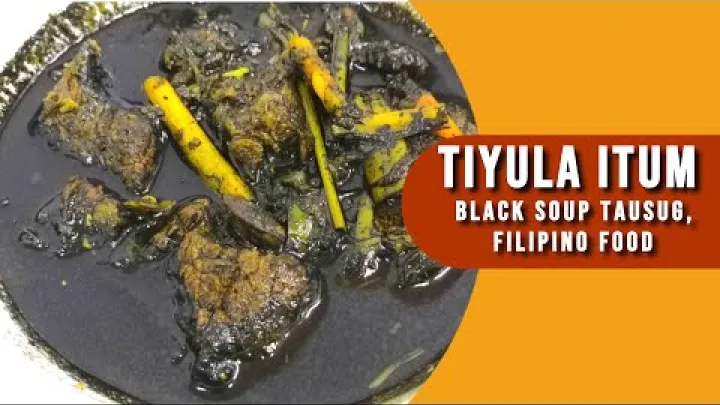
Tiyula Itum is a dark soup often associated with burnt coconut and aromatic seasonings. Its color can surprise first-time visitors, but the flavor is usually the main point: deep, smoky, savory, and warming. It is a good example of how coconut can be used for more than sweetness or creaminess.
Sinina Kambing is a traditional Maguindanaon goat dish. It appears in halal food tourism coverage connected with Cotabato City dining, including mention of Hashy’s Cuisine in reporting by the Philippine News Agency. Treat this as a useful lead, not as a guarantee that a specific dish will always be available when you arrive.
Slow-cooked dishes in the area may use coconut, ginger, turmeric, chili, and layered aromatics. Some are restaurant dishes, some are home-style dishes, and some are more common during gatherings. If you want to try one, ask what is freshly cooked today and whether it is spicy.
Palapa, Coconut Milk, and Signature Seasonings
Palapa is an important seasoning or condiment in parts of Muslim Mindanao. It is often linked with sakurab, a local allium, along with ginger and chili. Versions differ by family, community, and cook, so it is better to think of palapa as a flavor family rather than a single fixed recipe.
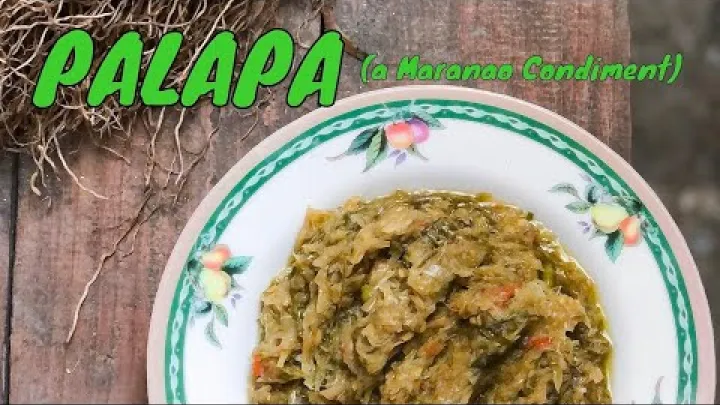
When you taste local dishes, pay attention to heat, aroma, richness, smokiness, and savory depth. Coconut milk can make food feel round and rich, while burnt coconut can add color and a roasted note. Chili may be direct and sharp, or it may sit behind the other aromatics.
Spelling and naming can vary. A menu, a vendor, and a local guide may use slightly different forms for the same or related foods. If you are unsure, ask for a short description instead of focusing only on the written name.
Sweets, Snacks, and Festival Delicacies
Cotabato City visitors should look for sweets and snacks when they are available, especially around Ramadan, Eid, weddings, and community gatherings. Delicacies may include dudol or dodol, tinagtag or tinadtag, browa, kumukunsi, and other local sweets. The Bangsamoro Government describes several Bangsamoro delicacies connected with Eid celebrations, including Maguindanaon items such as dudol, tinadtag, and kumukunsi.

These foods are not all the same type of snack. Some are sticky and sweet, some are crunchy rice-flour preparations, some are cake-like, and some are wrapped or served on platters. Browa, for example, is often described as a small sponge-like cake in Bangsamoro food contexts.
Do not expect every sweet to be available every day in a regular shop. Ask at markets, bakeries, local eateries, or with hosts if you are visiting during a festive season. If you see a freshly made tray of sweets, that may be a better opportunity than waiting for a specific name on a menu.
Where to Eat in Cotabato City
Where you eat should depend on your comfort level, time, and goal. Markets and stalls are useful for everyday meals, restaurants are better for larger dishes, and cafes or mall outlets are practical when you need an easy first meal.

Markets, Street Stalls, and Casual Local Food
Markets and street stalls are good places to look for simple rice meals, pastil, snacks, and quick local food. They are especially useful when you want to see what people eat during an ordinary day rather than during a special occasion.
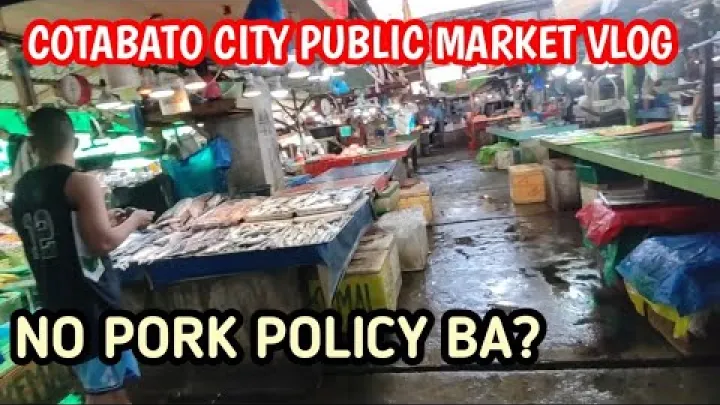
Go earlier in the day when possible. Food turnover is often better when workers, students, and regular customers are buying meals. This does not mean every stall has the same schedule, so stay flexible and choose based on what looks fresh and active.
Choose busy stalls where food is cooked fresh and turnover is visible. Hot, fully cooked food is usually a safer choice than items that have been sitting uncovered. If a dish has been sitting uncovered in heat, choose something else.
Local Restaurants for Bangsamoro and Filipino Dishes
Restaurants are better for dishes that need time, space, and shared serving: stews, soups, grilled meats, seafood, vegetable dishes, and larger rice meals. A sit-down meal also makes it easier to ask questions about ingredients, spice level, and what is freshly available.
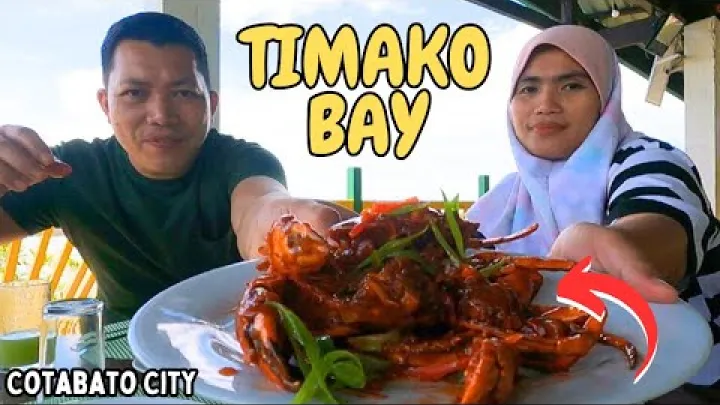
If you are looking for Bangsamoro or Maguindanaon dishes, ask the staff what the house specialty is. You can also ask whether Sinina Kambing, Tiyula Itum, or another local dish is available that day. Do not assume that a dish named in a guide will be cooked daily.
Restaurant listings and online reviews can help with planning, but treat them as starting points. Opening hours, menus, ownership, and halal practices can change. Before traveling across the city for a specific meal, confirm current hours and ask directly about dietary requirements.
Cafes, Malls, and Easy Options for New Arrivals
Cafes, bakeries, and mall food outlets are useful when you have just arrived, need air conditioning, or want a predictable menu. They can be good for coffee, cold drinks, baked goods, light snacks, and familiar dishes while you adjust to the city.

These places are not always the best choice for deeply local cuisine. Use them as a comfortable base, then explore local restaurants or market areas when you are ready. This approach works well for travelers with limited time, families, and people with sensitive stomachs.
If you are working remotely or studying, cafes may also be practical places to pause between errands. Still, small eateries and local restaurants will usually teach you more about Cotabato City food culture than a generic cafe meal.
How to Order, Eat, and Pay
Ordering in Cotabato City is easier when you ask clear, practical questions. Keep the tone respectful, and do not assume that every menu uses the same spellings, translations, or ingredient descriptions.
Reading Menus and Asking for Recommendations
Start with simple questions: What is available today? What is your house specialty? Is this spicy? What meat is used? Does it contain seafood, shrimp paste, or broth? These questions are more useful than asking for the most famous dish, because availability can change by day.

If halal status matters to you, ask directly about certification, ingredients, and preparation. A place may be halal-friendly in practice but not formally certified, or it may serve mixed menus. For strict dietary needs, clear confirmation is better than assumption.
If you are new to the flavors, begin with rice meals and grilled or plainly cooked dishes before moving to richer stews or heavily seasoned food. This helps you understand local flavors without overwhelming your appetite or spice tolerance.
Dining Etiquette and Shared Meals
In invited settings, it is polite to wait for hosts, elders, or the group before starting unless you are clearly encouraged to eat. In restaurants, the rules are more relaxed, but shared dining is still common.

Rice and sauces are usually eaten together as part of the same meal. If several dishes are placed in the center, take modest portions first so everyone can share. Avoid taking the last piece immediately unless others offer it to you.
You may be offered more food, especially in a home or community setting. Accepting is appreciated, but you can politely decline if you are full. A simple thank you and a clear explanation are enough.
Payment, Tipping, and Market Prices
Carry cash, especially for markets, small eateries, tricycles, and simple stalls. Some businesses may accept cards, QR payments, or e-wallets, but you should ask before ordering if you are relying on them.

In restaurants, check the bill before tipping. Some Philippine establishments include a service charge, and traveler guidance from Newport World Resorts notes that many restaurants already include a service fee. If there is no service charge and the service was helpful, a small tip is appreciated but not usually demanded.
Bargaining may be normal for some market goods, but it is not appropriate in fixed-price eateries or restaurants. For cooked food, ask the price before ordering if it is not displayed. This avoids confusion and keeps the exchange comfortable.
Food Safety and Dietary Needs
Cotabato City can be rewarding for food-focused travelers, but the usual travel-food precautions still apply. The goal is not to avoid local food. The goal is to choose carefully and eat in a way that matches your health needs.
Street Food and Water Safety
Choose busy stalls where food is cooked fresh and turnover is visible. Hot, fully cooked food is usually a safer choice than items that have been sitting uncovered. If you have a sensitive stomach, start with small portions and avoid overloading on rich or spicy dishes on your first day.

Use bottled or filtered water if you are not confident about the source. Be cautious with ice, raw garnishes, and drinks prepared with unknown water, especially during hot weather.
Food hygiene is a general concern in any destination. The Department of Health has reminded vendors to maintain proper food preparation and hygiene to avoid illness, as reported by ABS-CBN. For travelers, the practical lesson is simple: choose clean, active vendors and freshly prepared food.
Halal, Vegetarian, Seafood, and Mild-Food Choices
Halal food is important in Cotabato City, but do not assume every restaurant is halal-certified. If you need strict halal dining, ask about certification, pork-free preparation, cooking oil, sauces, and cross-contact. A respectful question is normal and useful.

Vegetarian travelers should be careful. Dishes that look vegetable-based may contain meat broth, fish, dried seafood, shrimp paste, or small pieces of meat. Ask about broth and seasoning, not only visible ingredients.
Seafood and simple rice meals may be useful options when available and freshly prepared. Spice-sensitive travelers should ask whether chili or palapa is used. If a dish is already cooked with chili, it may not be possible to make it mild after ordering.
A One-Day Food Route for First-Time Visitors
This route is flexible. Use it as a simple plan for your first day, then adjust based on weather, opening hours, transport, and your appetite.
Morning: Market Breakfast and Pastil
Start with a clean, busy stall or casual eatery and look for a simple breakfast. Pastil is a practical first choice because it is filling, portable, and easy to understand. Ask what filling is used before buying.
Watch how the food is handled. Choose food that is covered, freshly assembled, or moving quickly because many customers are buying it. If you are cautious, begin with coffee, tea, bread, or a bakery item, then try a small rice meal later.
Midday: Classic Dishes in a Local Restaurant
Use lunch for a sit-down meal. This is the best time to try a larger dish such as a local stew, soup, grilled dish, or house specialty. If available, ask about Sinina Kambing, Tiyula Itum, or another Bangsamoro or Filipino dish recommended by the staff.

Solo travelers can order one main dish with rice. Small groups can share rice, soup, meat, vegetables, or seafood. Before going far for a specific restaurant, confirm that it is open and that the dish you want is available that day.
Afternoon and Evening: Sweets, Coffee, and a Comfortable Dinner
In the afternoon, look for local sweets or snacks if they are available. Dudol, tinagtag, browa, kumukunsi, and similar delicacies may appear more often around celebrations, but you may also find local snacks in bakeries, markets, or food stalls.
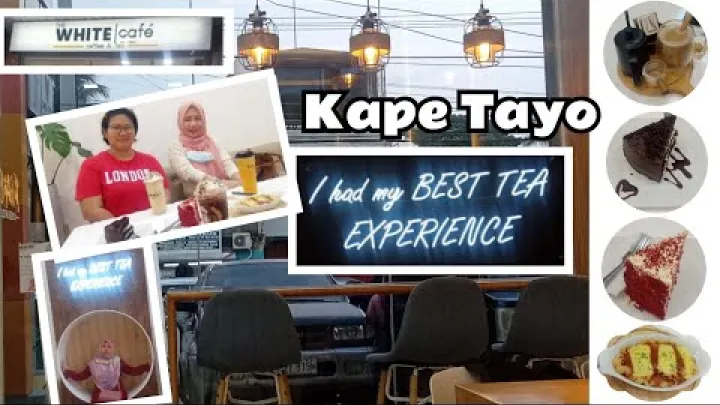
A cafe can be useful for coffee, a cold drink, or a break from heat and traffic. For dinner, choose based on how you feel after the day: a comfortable restaurant meal, a simple rice dish, or a lighter option if lunch was rich.
The best first day balances discovery and comfort. Try one or two local foods, ask good questions, and leave room to explore more after you understand the flavors.
Final Tips for Eating Well in Cotabato City
Eating well in Cotabato City starts with flexibility. The most interesting food may not always be on a printed menu, and some dishes are seasonal, occasional, or cooked only when ingredients and demand are right.
Ask what is fresh, what the house recommends, and what ingredients are used. Carry cash, check payment options before ordering, and confirm halal or dietary details when they matter. Choose busy, clean vendors and hot, freshly cooked food.
Most of all, treat Cotabato City food and drink as a way to learn. Rice meals, coconut-rich stews, palapa-seasoned dishes, halal-aware restaurants, and festival sweets all show different parts of the city’s identity. With a respectful approach and a few practical checks, first-time visitors can eat confidently and enjoy a food scene that feels distinct within the Philippines.
Select area
Create a post
Posting is free and no registration is required.