Sultan Haji Hassanal Bolkiah Mosque Cotabato City Guide

Sultan Haji Hassanal Bolkiah Mosque Cotabato City is one of the most important sacred landmarks for visitors who want to understand Islamic heritage in the Bangsamoro region of the Philippines. Often called the Grand Mosque of Cotabato, it is not a temple or a visitor-only monument, but an active mosque connected to worship, community identity, and regional culture. This guide explains what visitors can expect, how to dress and behave respectfully, and how to combine the mosque with other meaningful cultural sites in Cotabato City. It is written for travelers who want practical guidance without losing sight of the mosque’s religious purpose.
Overview of the Sultan Haji Hassanal Bolkiah Mosque
For many first-time visitors, the mosque is the main sacred site associated with Cotabato City. It is also a useful starting point for understanding why Bangsamoro culture is distinct within the wider Philippine setting.
Name, location, and visitor relevance
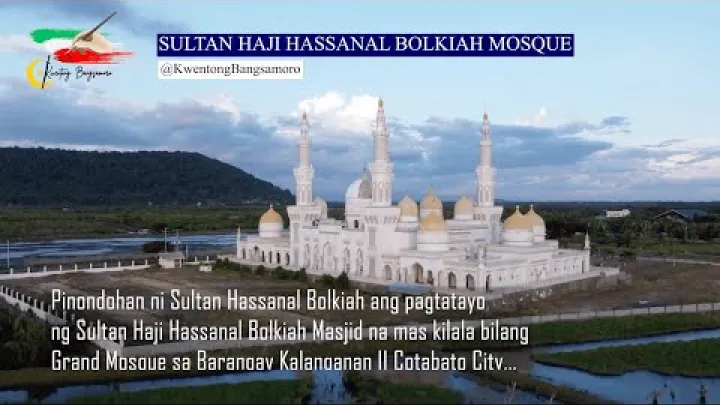
The Sultan Haji Hassanal Bolkiah Mosque is commonly known as the Grand Mosque of Cotabato. It is located in Cotabato City, in the Bangsamoro region of Mindanao, Philippines. Basic identification sources describe it as being in Barangay Kalanganan II, Cotabato City, and recognize it as a major mosque in the area; one general reference is Wikipedia.

Visitors should approach the site as a mosque first and a landmark second. It may be scenic, photogenic, and culturally important, but it remains a place of prayer. This matters for how you plan your visit, how you dress, and how you behave around worshippers.
If you are researching temples, shrines, or religious heritage sites in Cotabato City, use the correct label for this site: it is a mosque. Calling it a mosque shows respect and helps avoid confusion when asking locals for directions or guidance.
Why the mosque matters in Bangsamoro culture
Cotabato City has deep significance in the history and identity of the Bangsamoro people. The Bangsamoro Government describes Cotabato as historically important to Bangsamoro life and connected to the arrival and growth of Islam in Mindanao.
This context helps explain why the Grand Mosque is more than an architectural stop. In much of the Philippines, Christianity is the most visible religious tradition. In Bangsamoro communities, Islam is central to cultural identity, public life, and religious practice. For travelers, a visit to the mosque offers a chance to learn about that living heritage in a respectful way.
The mosque should not be understood only through its size, appearance, or photographs. Its meaning comes from daily worship, community gatherings, religious observance, and its place within Cotabato City’s broader cultural landscape.
What Visitors Can See at the Grand Mosque
A visit to the Grand Mosque of Cotabato is usually shaped by what is appropriate on the day. Some visitors may mainly experience the exterior and grounds, while others may be allowed closer access depending on local rules, timing, and guidance.
Exterior architecture and mosque grounds
The mosque is visually striking because of its domes, minarets, broad open spaces, and formal setting. These features make it a meaningful stop for visitors interested in architecture, sacred places, and photography. The exterior is often the easiest part to appreciate respectfully, especially for travelers who are not familiar with mosque etiquette.
When walking around the grounds, keep your pace calm and your voice low. Avoid treating the mosque like a backdrop only for social media. A good visit balances observation with awareness that other people may be arriving for prayer, reflection, or community activities.
Photographers should pay attention to movement around the mosque. Wide exterior views are usually less intrusive than close photographs of people. If you want to photograph details near entrances or worship areas, ask first or wait for clear guidance from mosque staff or a local guide.
What to expect around an active worship space
Access at an active mosque may change according to prayer schedules, events, maintenance, security conditions, or the instructions of caretakers. Do not assume that every area is open to visitors. Some areas may be reserved for worshippers, and some spaces may require permission before entering.
The atmosphere around the mosque is usually best approached as quiet and community-focused. If prayer is underway, wait outside or remain only in public areas where visitors are clearly allowed. Never walk through lines of worshippers, interrupt someone praying, or enter a restricted space to take a photograph.
If you are unsure what to do, ask politely. A simple question to a caretaker, guard, or local guide can prevent mistakes and show that you are trying to behave respectfully.
Etiquette, Dress Code, and Photography
Respectful conduct is the most important part of visiting the Sultan Haji Hassanal Bolkiah Mosque. Dress, timing, movement, and photography all affect whether your visit feels appropriate to the people who use the mosque for worship.
Modest clothing for men and women
Dress conservatively before you arrive. For women, a practical choice is loose clothing that covers the arms and legs, plus a scarf that can be used to cover the hair if required. For men, long pants and a shirt with sleeves are a safe and respectful option.

Visitor accounts of mosque trips in the Cotabato area emphasize modest clothing and hair covering for women, including practical dress guidance from Asanasadsijames. Treat such advice as preparation rather than a fixed rule for every day, because current requirements may vary by event, visitor area, or mosque management.
Conservative dress reduces the chance of being denied access and shows respect for a sacred setting. It is also useful in warm weather because light, loose clothing can be more comfortable than tight clothing.
Behavior during prayer times
Prayer times are central to the purpose of the mosque. If you arrive during prayer, do not try to move through worship areas or ask worshippers to make space for photographs. Wait quietly outside or in an area where visitors are permitted.
Common mosque etiquette includes speaking softly, removing shoes where required, and avoiding public displays of affection. These are simple acts of respect rather than complicated rules. Follow any sign, instruction, or local guidance that you receive on arrival.
Friday congregational prayer is especially important in Muslim communities. Unless you are attending as a worshipper or are accompanied by appropriate guidance, it is usually better to plan a visitor stop outside the busiest prayer period.
Photography without disrupting worship
Photography is often one reason travelers visit the Grand Mosque of Cotabato, especially because the exterior architecture is memorable. However, worshippers should not be treated as photo subjects. Do not photograph people during prayer unless you have clear permission.
For respectful photography, keep the following points in mind:
- Ask permission before taking photos inside or near people.
- Use exterior views when you are unsure about access rules.
- Avoid loud posing, intrusive selfies, or blocking entrances.
- Do not photograph private worship moments.
- Follow instructions from mosque staff, caretakers, or guides.
If photography is restricted on the day of your visit, accept that decision. A respectful visit is more important than capturing every image.
Planning Your Visit
Planning helps visitors avoid awkward timing and unnecessary stress. Because the mosque is active, the most useful plan is flexible rather than rigid.

Best time to visit and prayer-time awareness
Daylight visits are usually the most practical for orientation, transport, and exterior photography. Early morning and late afternoon may offer more comfortable light and heat conditions, but they do not guarantee access. Always prioritize prayer-time awareness over sightseeing convenience.
Try to avoid arriving during major prayer periods if your purpose is cultural visitation rather than worship. Friday congregational prayer, Ramadan, Eid, and other important observances may change crowd levels, access, or the atmosphere around the mosque. These times are religiously meaningful, not simply busy travel periods.
Before making a special trip, check current local conditions. Access can depend on local rules, events, security procedures, and the judgment of mosque management on the day.
Transport, identification, and local practicalities
Arrange reliable local transport from your accommodation, the city center, or your arrival point. Do not rely on unverified travel times or fares, especially if you have limited time. Ask your hotel, host, or local contact for current transport options before departure.

Carry identification with you. In the wider region, checkpoints or routine security procedures may occur, and having ID helps you respond calmly if asked. This is practical travel preparation, not a reason to avoid visiting.
International visitors should also check current travel advice, road conditions, and transport availability before setting out. Keep safety decisions proportionate and based on up-to-date local information.
Fees, facilities, and what to bring
Do not assume fixed entry fees, guaranteed facilities, or visitor services unless you have confirmed them locally. Some sacred sites welcome donations, but it is better to ask politely than to assume a set amount or policy.
Bring water, sun protection, modest clothing layers, and small cash. Wear shoes that are easy to remove in case you are allowed into an area where shoe removal is required. Keep your belongings simple so you can move respectfully and follow instructions without delay.
Food, water, restrooms, and shaded waiting areas may vary. Plan as if services are limited, especially if you are visiting with children, older travelers, or anyone sensitive to heat.
Sacred and Cultural Sites to Combine in Cotabato City
Cotabato City’s religious heritage is not limited to one site. If time and logistics allow, pairing the Grand Mosque with a church or museum can give a fuller view of the city’s cultural landscape.
Tamontaka Church and the city's interfaith landscape
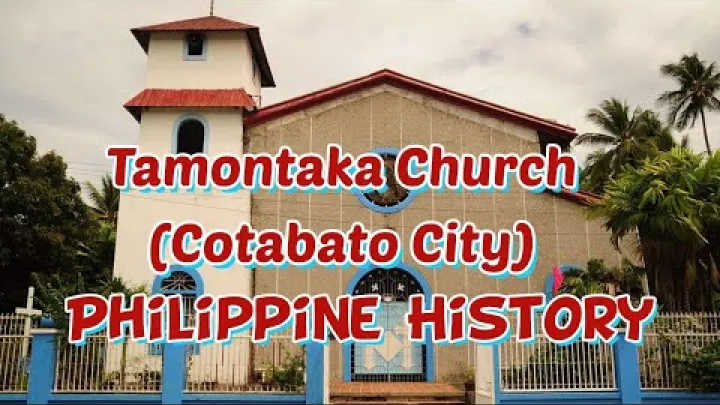
Tamontaka Church is commonly identified as the Church of the Immaculate Concepcion, a Latin Catholic church in Cotabato City, according to Wikipedia. For visitors, it provides a contrasting Christian heritage stop within the same city.
The comparison is useful, but it should be made carefully. A mosque and a church have different etiquette, visitor expectations, and worship rhythms. Both require quiet conduct, modest behavior, and respect for people who are there for religious reasons.
If you are planning a route around sacred sites in Cotabato City, the mosque and Tamontaka Church can help show that the city’s religious landscape includes more than one tradition. Avoid making broad claims about harmony, conflict, or demographics based only on a short visit.
Bangsamoro Museum and cultural heritage stops
The Bangsamoro Museum is a strong cultural complement to a mosque visit when it is open and practical to include. The Bangsamoro Government describes the museum as housing musical instruments, arts, and crafts from the provinces of BARMM, with published weekday hours of 9:00 a.m. to 12:00 noon and 1:00 p.m. to 4:00 p.m.
Visitors should still verify the current schedule before going, because public hours can change due to holidays, events, maintenance, or official activities. When available, the museum can add important context about Bangsamoro arts, identity, and regional culture beyond what you can learn from mosque architecture alone.
Suggested Itinerary for a Respectful Half-Day Visit
A half-day route should stay flexible. The goal is not to collect as many stops as possible, but to visit well, avoid prayer disruption, and leave enough time for transport and local guidance.

First-time visitor route
Start with the Sultan Haji Hassanal Bolkiah Mosque outside the busiest prayer periods, if current conditions allow. Arrive dressed modestly, ask where visitors may go, and begin with exterior views before approaching any entrance or worship area.
If the Bangsamoro Museum is open and transport is practical, add it as a second stop. This gives cultural context after seeing the mosque and helps visitors understand regional identity beyond a single landmark.
Tamontaka Church can be added if you have enough time, reliable transport, and energy. Do not force all three stops into a rushed schedule. Heat, daylight, prayer times, and local advice should shape the day more than a fixed checklist.
When to use a local guide or local advice
A local guide can help with etiquette, timing, language, transport, and cultural interpretation. This is especially useful for first-time international visitors, photographers, or travelers who have never visited an active mosque.
A guide is not always mandatory if you are well prepared, modestly dressed, and respectful. However, local advice can prevent mistakes and help you understand what is appropriate on that specific day.
Before traveling to the mosque, confirm current access conditions through your accommodation, local contacts, or a reputable guide. This is the best way to avoid arriving at an unsuitable time or misunderstanding the visitor rules.
Frequently Asked Questions
Can non-Muslims visit the Sultan Haji Hassanal Bolkiah Mosque?
Non-Muslim visitors may be able to visit permitted areas, but access can depend on current mosque rules, prayer times, and local guidance. Ask politely on arrival and do not enter worship spaces unless allowed.
What should visitors wear at the Grand Mosque of Cotabato?
Wear modest clothing. Women should consider loose clothing that covers arms and legs and bring a scarf for hair covering. Men should wear long pants and a sleeved shirt. Confirm current requirements on arrival.
Is photography allowed at the mosque?
Exterior photography may be possible, but do not assume all photography is allowed. Ask before taking photos inside or near people, and never photograph worshippers during prayer without clear permission.
What is the best time to visit the mosque?
Daylight hours are usually best for orientation and exterior views. Early morning or late afternoon can be practical, but visitors should plan around prayer times and avoid disrupting Friday congregational prayer.
What other sacred or cultural sites can visitors combine with the mosque in Cotabato City?
Possible additions include the Bangsamoro Museum for cultural context and Tamontaka Church, officially associated with the Church of the Immaculate Concepcion, for a contrasting Christian heritage stop. Check opening conditions and transport before planning the route.
Final Takeaways for Visiting Respectfully
The Sultan Haji Hassanal Bolkiah Mosque Cotabato City is best visited with patience, modest dress, and awareness that it is an active place of worship. Treat the Grand Mosque of Cotabato as a sacred site, not only as an architectural landmark.
Plan around prayer times, ask before entering uncertain areas, and keep photography respectful. If time allows, combine the mosque with the Bangsamoro Museum or Tamontaka Church to understand more of Cotabato City’s cultural and religious landscape. A good visit is not measured by how many photos you take, but by how carefully you observe and respect the place you have entered.
Select area
Create a post
Posting is free and no registration is required.