Cotabato City Itinerary: 1, 2, and 3 Days in Bangsamoro
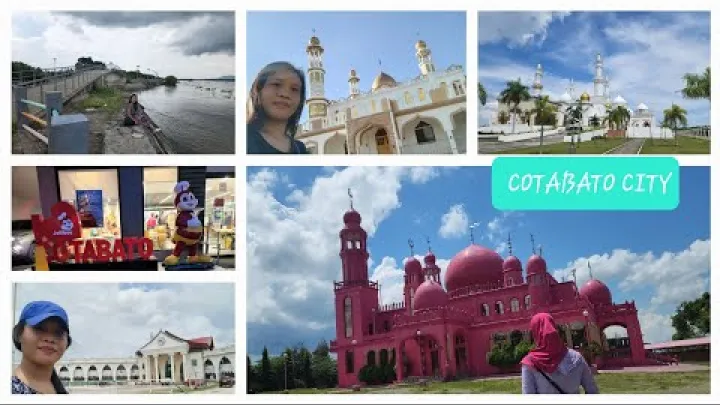
A good Cotabato City itinerary is less about counting stops and more about arranging your day around arrival time, transport, heat, weather, and cultural respect. The city can work as a short highlights stop, a balanced two-day visit, or the start of a wider Mindanao route. This guide gives practical 1-day, 2-day, and 3-day plans, plus advice on what to combine, what to skip, and when a regional add-on such as Lake Sebu deserves its own time.
Cotabato City is a meaningful destination in Bangsamoro, with mosque visits, waterfront views, city-center history, markets, hill viewpoints, and nearby heritage stops. Because transport and opening conditions can change, use the routes below as a flexible framework rather than a rigid checklist.
Start Here: Choosing the Right Cotabato City Route
Before choosing specific attractions, decide how much time you truly have in the city. A traveler arriving at noon with an early flight the next day has a very different itinerary from a traveler with two full nights and a flexible departure.
Best trip length for your travel style
Choose a one-day route if you only need the essential city highlights and can accept a fast pace. This works best for travelers with one full day, a long transit stop, or a wider Mindanao trip where Cotabato City is one important stop among several.
Choose two days if you want the best balance. Two days gives enough time for the Grand Mosque and waterfront, city-center history, market browsing, and at least one slower block for rest, photography, or weather changes.
Choose three days if you prefer a calmer trip or want flexibility. The third day can be used for missed city stops, a weather backup, a deeper heritage day, or the start of a regional route. It should not automatically become a rushed long-distance side trip.
| Trip length | Best for | Pace | Main trade-off |
|---|---|---|---|
| 1 day | Fast highlights and transit travelers | Efficient and selective | Little room for delays or deep visits |
| 2 days | First-time visitors who want balance | Manageable | Still limited for distant regional add-ons |
| 3 days | Slow travelers, photographers, and regional planners | Flexible | Requires decisions about whether to stay city-based or move onward |
Main attractions and realistic priorities
For most first-time visitors, the strongest priorities are Sultan Haji Hassanal Bolkiah Mosque, the Baywalk or waterfront area, Old City Hall Museum if open, Barter Trade Center, Tamontaka Church if it fits the route, and one viewpoint or hill-style stop such as Timako Hill or Pedro Colina Hill. City-center stops such as Cotabato City Plaza or nearby monuments can fill short gaps without forcing a long transfer.

For a short trip, treat the mosque and waterfront as the core route. Add a museum, market, or viewpoint only if timing and transport are realistic. For two or three days, you can spread these stops across cooler morning and late afternoon blocks, then keep indoor or central stops for midday heat or rain.
Check museum hours, access rules, prayer-time considerations, road conditions, and local advice close to your travel date. Some places may be easy to view from outside but less predictable for formal entry, guided access, or photography.
Arrival, Transport, and Route Logic
Your arrival and departure times shape the whole itinerary. Cotabato City can be compact in concept, but transport friction, heat, rain, and waiting time can make an overloaded day feel difficult.
Arrival and departure logic
Cotabato Airport is the most direct arrival point for a city-focused itinerary. Some travelers also arrive overland from larger Mindanao hubs such as Davao, General Santos, or other regional points, depending on flights and onward plans. Third-party route tools such as Rome2rio show that overland links may be possible, but schedules, operators, fares, and journey times should always be verified before booking.
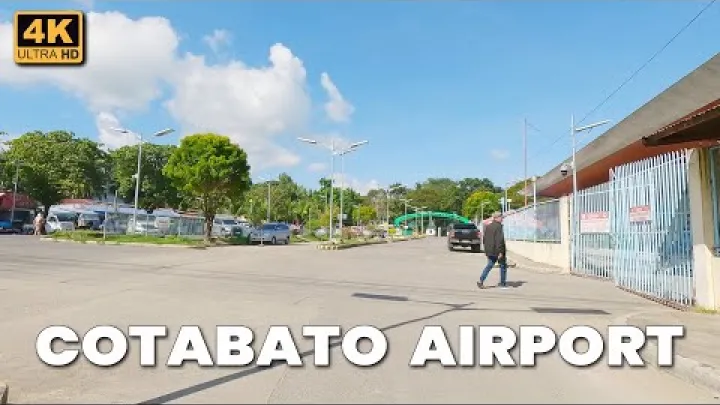
If you arrive in the morning, plan the Grand Mosque and waterfront on the first day, with a relaxed city-center stop after lunch. If you arrive around midday, keep the first afternoon simple: mosque, Baywalk, dinner, and perhaps one easy central stop. If you arrive in the evening, do not force sightseeing; check in, confirm transport for the next day, and start early.
On departure day, avoid distant or weather-dependent stops unless your departure is late and your luggage is secure. A short museum, market, café, or city-center walk is safer than a hill or regional transfer that could create stress.
Getting around the city
Local transport can include jeepneys, multicabs, habal-habal motorcycles, and taxis. Research on Cotabato City transport published through NCTS identifies jeepneys and multicabs as widely used public transport modes, with motorcycles and taxis also part of local movement. For travelers, the practical lesson is simple: public transport may be useful, but it requires flexibility and local route knowledge.

For a multi-stop sightseeing day, especially if you want hills, viewpoints, or timed photo stops, arranging a driver or local guide can save time. Always confirm the route, waiting time, and fare before starting a private ride.
| Transport option | Best use | Comfort level | Planning note |
|---|---|---|---|
| Jeepney | Main-road local movement | Basic | Ask locals or your hotel about routes |
| Multicab | Short city trips on common routes | Basic to moderate | Confirm destination before boarding |
| Habal-habal | Flexible short rides and harder access points | Low to moderate | Agree on fare and use caution in rain |
| Taxi or arranged car | Airport, multi-stop days, luggage, and comfort | Moderate to high | Confirm fare, route, and waiting time |
Route sequencing and energy management
Plan by route blocks, not by a long list of attractions. A strong day might combine the Grand Mosque with Baywalk, then use a city-center museum or market block during midday, and finish with a viewpoint or relaxed dinner.
Outdoor viewpoints and waterfront walks are usually more pleasant in the cooler parts of the day. Museums, markets, and central errands are better as flexible blocks when the sun is strong, rain begins, or energy drops.
Avoid adding Lake Sebu, distant South Cotabato stops, or wider Bangsamoro destinations to a single-day Cotabato City visit. The transfers can consume the experience and increase the risk of missed departures.
Sample Cotabato City Itineraries by Trip Length
The following routes are practical templates. Adjust them around your hotel location, current opening hours, prayer-time sensitivity, weather, and confirmed transport.
One-day fast route
Morning: Start with Sultan Haji Hassanal Bolkiah Mosque. Dress modestly, follow on-site instructions, and allow time for photos without rushing. If the waterfront fits the route, continue to Baywalk or nearby riverfront views while the day is still comfortable.
Midday: Move to a city-center block. If Old City Hall Museum is open, use it as your main cultural stop. If not, choose a central walk, a simple lunch, or a market-style stop such as Barter Trade Center.
Afternoon: Choose only one add-on: a viewpoint, Tamontaka Church if convenient, or more market browsing. Do not try to include every hill, cave-style stop, and heritage site in the same afternoon.
Evening: Keep the end of the day easy. A relaxed dinner, sunset if conditions are good, or a short central walk is better than a final transfer that depends on daylight or uncertain transport.
For late arrivals, reduce the day to mosque, waterfront, and dinner. For bad weather, shift toward museum, market, café, and central stops, then keep outdoor views for a clearer window.
Two-day balanced route
Day 1: Use the first day for the signature landmarks at a comfortable pace. Begin with the Grand Mosque, continue to the waterfront, take a proper lunch break, and add either Old City Hall Museum or a central market stop. If the weather is clear and transport is arranged, finish with a viewpoint or sunset-oriented stop.
Day 2: Add depth instead of repeating the same photo route. Check whether the museum is open, browse Barter Trade Center, visit Tamontaka Church if it fits your interests and transport plan, and leave time for a slower city meal or local walk.
Culture-focused travelers should prioritize mosque etiquette, museum time, Tamontaka Church, and markets. Photography-focused travelers can structure the day around early and late light at the mosque, waterfront, and hill viewpoints. Low-energy travelers should reduce the number of transfers and keep the second day mostly central.
Two days is often the best Cotabato City travel itinerary for first-time visitors because it gives enough time to understand the city without turning every hour into a transport task.
Three-day relaxed route
A three-day plan works best when it has a purpose. The extra day can create comfort, not just a longer checklist.
City-only version: Use Day 1 for arrival recovery, the mosque, and the waterfront. Use Day 2 for museum, city center, Barter Trade Center, Tamontaka Church, and a viewpoint. Use Day 3 as a flexible day for missed stops, weather backups, photography, shopping, or a slow departure.
City-plus-regional-start version: Use the first two days for Cotabato City. On Day 3, begin moving toward your next base only if transport is confirmed and the destination deserves enough time. This version works better when you are continuing to South Cotabato, General Santos, Davao, or another planned Mindanao segment rather than returning to Cotabato City the same night.
Three days does not mean you must add a long-distance side trip. If your arrival is late, your departure is early, or the weather is unstable, a city-focused three-day itinerary may be more satisfying.
What to skip on a short trip
Skip any stop that requires a long transfer, uncertain transport, special coordination, or good weather when you do not have a buffer. This does not mean the place is not worth visiting. It means it may not fit the available time.
- Skip distant regional trips on a one-day route. Replace them with the mosque, waterfront, museum, and market block.
- Skip multiple hill or cave-style stops in one afternoon. Replace them with one viewpoint and a relaxed meal.
- Skip duplicated stops if they offer a similar experience. Replace them with rest time or a cultural stop.
- Skip anything that leaves no meal, prayer-time, weather, or departure buffer. Replace it with a central activity.
What to Combine on the Same Day
Good combinations reduce backtracking and make the itinerary easier to execute. The best route blocks group nearby or similar-energy stops together.
Grand Mosque, Baywalk, and waterfront stops
Sultan Haji Hassanal Bolkiah Mosque and the nearby waterfront area work well in the same route block. The mosque is usually the symbolic highlight of a first visit, while Baywalk and riverfront views add a slower outdoor stop before or after the main visit.
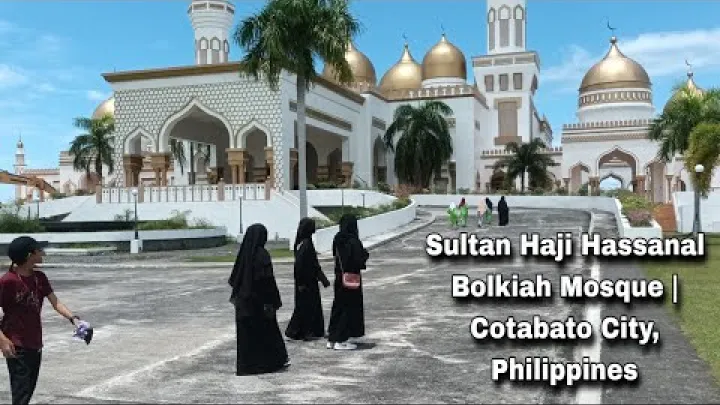
Dress modestly, behave respectfully, and follow instructions from staff or local guides. Access rules can change, and some areas may be restricted. Ask before photographing people, and be sensitive around prayer times.
This block can work early for cooler weather or late for softer light, depending on your arrival time. If rain is likely, visit the mosque first and keep the waterfront as optional.
Old City Hall Museum, city center, and markets
Old City Hall Museum, city-center stops, and markets belong in one efficient block. This is especially useful at midday, when outdoor sightseeing may be hot, or during rain, when a central plan is easier to adjust.

Check museum hours before relying on the stop. If the museum is closed or access is limited, switch to a central walk, a café break, or Barter Trade Center for browsing. Market inventory can vary, so treat shopping as a flexible experience rather than a guaranteed list of products.
When browsing, ask prices politely and bargain only where it seems appropriate. Keep small bills available, watch your belongings, and avoid blocking walkways while taking photos.
Timako Hill, Pedro Colina Hill, and cave-style stops
Hill and cave-style stops require more planning than central attractions. They can add views, local geography, and a different pace, but they are not essential for every short itinerary.

If you want to include Timako Hill, Pedro Colina Hill, or similar stops, consider arranging a local driver or guide, especially if access is not straightforward. Wear suitable footwear, watch the weather, and avoid starting late if the route depends on daylight.
For one day, choose one viewpoint-style experience. For two or three days, you can add another outdoor stop only if transport, weather, and energy are still favorable.
Regional Add-Ons and Longer Routes
Cotabato City can be part of a wider Mindanao itinerary, but longer routes need realistic transfer planning. The key decision is whether to keep one base or split stays.
Lake Sebu as an overnight or separate base
Lake Sebu is better treated as an overnight or separate base rather than a quick filler stop from Cotabato City. Travelers usually go there for nature, culture, lake scenery, and a slower South Cotabato experience, which is difficult to appreciate if the visit is reduced to a rushed transfer.

Travel writing from Budget Biyahera describes using South Cotabato as a multi-day base for nearby exploration, which is a useful model for travelers considering Lake Sebu. Before committing, check current van or bus links, accommodation, road conditions, and your onward departure point.
Lake Sebu is optional. It can enrich a longer Mindanao route, but it is not required for a satisfying Cotabato City itinerary.
Combining Cotabato City with General Santos, Davao, or wider Bangsamoro
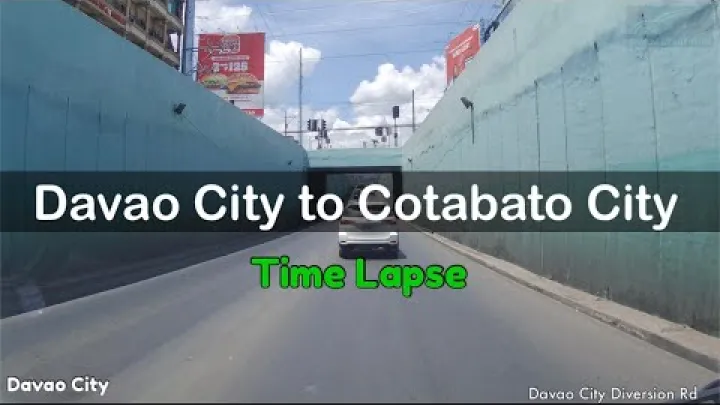
Cotabato City can combine with General Santos, Davao, or wider Bangsamoro depending on your entry point, flight availability, overland tolerance, and current local guidance. Do not add another city only because it looks close on a map. Overland transfers can take a large part of the day.
| Route idea | Best logic | Planning caution |
|---|---|---|
| Cotabato City only | Best for 1 to 2 days | Focus on efficient city blocks |
| Cotabato City plus General Santos | Useful for South Cotabato or onward flights | Confirm transfer schedules before booking |
| Cotabato City plus Davao | Useful for larger hub access | Expect a significant overland segment if traveling by road |
| Cotabato City plus wider Bangsamoro | Best for longer, carefully planned trips | Check current safety, access, and transport advice |
For sensitive, remote, or less frequently visited areas, use current official advice, local contacts, and accommodation guidance before finalizing the route. Conditions can change, and responsible planning matters.
When to use one base and when to split stays
Use one Cotabato City base for one or two city-focused days. This reduces luggage movement, check-in delays, and transport complexity. It also gives you more flexibility if rain or schedule changes affect the plan.
Split stays when return travel would reduce the second destination to a rushed visit. If you want Lake Sebu, South Cotabato, General Santos, or Davao to be more than a transfer, sleep closer to that area instead of forcing a same-day return.
For early departures, stay near practical transport or arrange pickup in advance. For late arrivals, choose accommodation that is easy to reach and postpone sightseeing until the next day.
Practical Details That Shape the Itinerary
Small details can decide whether the day feels smooth or stressful. Dress, safety planning, cash, mobile data, and accommodation location all affect how much you can comfortably do.
Mosque etiquette, dress, and cultural respect
For mosque visits, wear modest clothing that covers shoulders and knees, and be prepared to remove shoes where required. Follow on-site instructions, stay out of restricted areas, and keep your voice low.

Ask before photographing people, especially worshippers, staff, and families. Be mindful of prayer times and avoid treating the mosque only as a photo location. Cultural preparation helps you move respectfully and can prevent delays or uncomfortable situations.
Safety planning and current local advice
Check current travel advisories, local news, hotel guidance, and transport advice before traveling. Avoid broad assumptions that the city is entirely safe or unsafe. Conditions can vary by date, route, and activity.
Use standard precautions: keep valuables discreet, avoid isolated areas after dark, use trusted transport, and share your route with someone if traveling alone. If your hotel, host, driver, or official guidance recommends changing plans, update the itinerary rather than forcing the original schedule.
Accommodation, money, and connectivity
Choose accommodation near practical transport, dining, and central roads if your stay is short. A convenient base can save more time than a cheaper but hard-to-reach location.

Carry enough cash and small bills for short rides, snacks, market purchases, and tips where appropriate. Mobile data is useful for maps and messaging, but save offline maps or screenshots in case the signal is weak. Ask your hotel about pickup, reliable drivers, or current route advice.
Book ahead during festivals, official events, holidays, or busy local periods. Prices and availability can change quickly when visitor demand increases.
Best Time to Visit and Festival Timing
Weather and events can improve or complicate the trip. Build your itinerary with backups so one rainy afternoon or crowded road does not affect the whole visit.
Dry-season travel and weather backups
Outdoor stops such as viewpoints, waterfront walks, and hill areas are most affected by weather. Indoor and central activities, including museums, markets, cafés, and shopping blocks, are easier to use as backups.
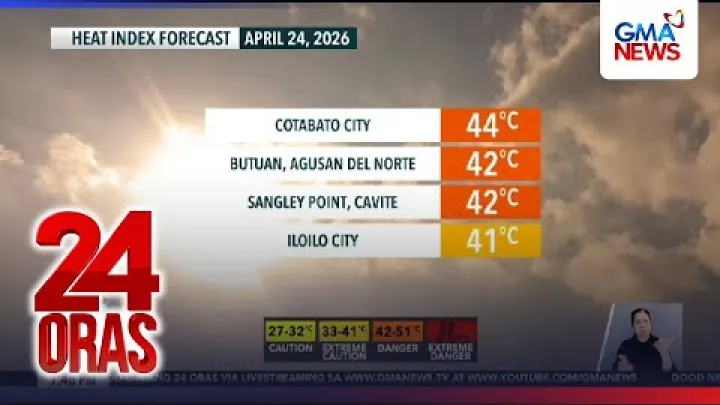
Pack sun protection, water, a light rain cover, and comfortable footwear. Place the most weather-sensitive outdoor stop early in the trip if it matters to you. Do not put every outdoor activity on one day unless you have enough flexibility to adjust.
Shariff Kabunsuan Festival planning
Shariff Kabunsuan Festival is a culturally significant event connected to Bangsamoro identity and Islamic heritage. The Bangsamoro Government describes the festival as an annual commemoration associated with the arrival of Shariff Mohammad Kabunsuan and celebrated in December.

Festival timing can make a visit richer, but it also requires more planning. Accommodation may be busier, road activity may affect movement, and event schedules can change from year to year. Check the current schedule before building your itinerary around a specific parade, program, or public activity.
Final Recommended Cotabato City Itinerary
For most first-time visitors, the best plan is a two-day Cotabato City itinerary. Spend Day 1 on the Grand Mosque, Baywalk or waterfront, a proper lunch break, and one city-center or viewpoint stop. Spend Day 2 on Old City Hall Museum if open, Barter Trade Center, Tamontaka Church if it fits your interests, and a slower local meal or final walk.
If you only have one day, focus on the mosque, waterfront, one cultural stop, and one optional market or viewpoint. If you have three days, keep the extra day as a buffer or use it to begin a regional route only when transport and accommodation are confirmed.
The strongest itinerary is not the longest one. It is the route that respects travel time, local conditions, weather, cultural etiquette, and your own energy. With that approach, Cotabato City can be a rewarding and manageable stop in Bangsamoro and the wider southern Philippines.
Select area
Create a post
Posting is free and no registration is required.