Cotabato City Digital Nomad Guide: Costs, Wi-Fi & Safety
This Cotabato City digital nomad guide is for remote workers who want a realistic view of living and working in one of the Philippines’ less conventional long-stay bases. Cotabato City can be workable for independent, cost-conscious people, but it does not offer the same nomad infrastructure as larger Philippine hubs. The main questions are not only about low costs, but also about housing quality, internet verification, backup mobile data, safety awareness, and whether the local lifestyle fits your work routine. Use this guide to decide whether Cotabato City is a practical base, a short trial stop, or a place to skip in favor of a more established remote-work destination.
Is Cotabato City a Good Base for Digital Nomads?
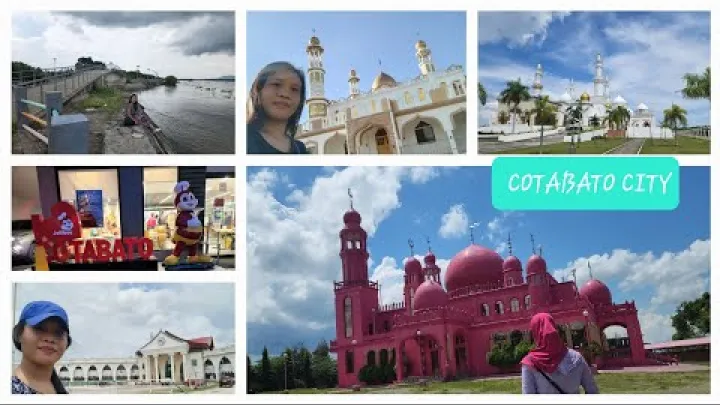
Cotabato City is an independent component city in the Bangsamoro Autonomous Region in Muslim Mindanao, according to Wikipedia. For digital nomads, that regional context matters because the city is not a beach resort, a party island, or a large international coworking center. It is a functional urban base where daily life depends on choosing the right accommodation, confirming services before committing, and staying flexible.
Who Cotabato City Suits Best
Cotabato City suits remote workers who are independent, patient, and comfortable operating outside the main digital nomad circuit. It may appeal to slow travelers, freelancers with flexible schedules, remote employees who prefer a lower-profile city, and people with personal, professional, or cultural reasons to spend time in Bangsamoro.
The city is less suitable for someone who wants a ready-made digital nomad lifestyle with many coworking spaces, frequent meetups, international nightlife, and a large expat community. In Cotabato City, your home office will probably be the center of your work life. That means you should treat housing, Wi-Fi, mobile signal, power reliability, and neighborhood comfort as core relocation decisions rather than small details.
The best approach is to arrive for a short trial, work a normal week, and only then decide whether to stay longer. If your income depends on daily video calls or strict availability, test everything before signing a lease.
Main Advantages and Trade-Offs
Cotabato City’s main advantage is practicality. It can offer access to urban services, local markets, food, transport, and regional culture without the pressure and higher costs often associated with larger destinations. It may also feel less crowded and less commercial than more famous Philippine nomad bases.

The trade-off is that you must do more verification yourself. Coworking options appear limited, furnished long-stay rentals may be fewer, and internet quality can vary by building and street. Safety planning also deserves more attention than in a simple resort-town relocation.
| Factor | Potential advantage | Main caution |
|---|---|---|
| Cost | Lower-cost lifestyle may be possible | Furnished rentals can raise the budget |
| Work setup | Home office life can be quiet | Verify Wi-Fi, upload speed, and signal |
| Community | More local immersion | Smaller international nomad scene |
| Mobility | Central stays can reduce daily friction | Check transport options before choosing housing |
| Lifestyle | Distinct regional setting | Requires cultural awareness and adaptability |
The practical verdict is simple: Cotabato City can work if you are self-sufficient and careful. It is not the easiest first destination for a new digital nomad who needs predictable services from day one.
Entry Rules, Visa Basics, and Long-Stay Planning
Before planning a long stay in Cotabato City, handle the legal side first. Entry rules, visa conditions, permitted activities, and extension options can change, and they can vary by nationality and travel purpose.
Check the Current Legal Stay Path Before You Arrive
Do not rely only on old blog posts or social media comments for Philippine entry rules. Check official channels before booking a long stay, especially if you plan to stay beyond a short visit. The official Philippine eVisa site is one place to confirm whether your nationality has visa requirements and what minimum documents may apply.

Remote workers should also understand the difference between working remotely for foreign clients or an overseas employer and taking local employment in the Philippines. If you plan to work for a Philippine company, serve local clients in a regulated way, or operate a local business, you may need different authorization. Treat this as an immigration and compliance question, not a casual travel detail.
If your work requires a stable legal stay for several months, check requirements before arrival and again shortly before travel. Rules can change, and airlines may also check onward travel or entry documents at departure.
Documents Remote Workers Should Prepare
Remote workers should organize documents before arriving, even when the process seems simple. Having clear records reduces stress at the airport, at accommodation check-in, and during any visa extension or identity verification process.

- Passport valid for the required period for your nationality and travel plan.
- Entry permission, visa, or eVisa confirmation if required.
- Return or onward travel details if required by your entry conditions or airline.
- Accommodation address and host or hotel contact details.
- Proof of funds, such as bank statements or payment records, if requested.
- Travel or health insurance suitable for your stay length.
- Proof of remote work or foreign income if relevant to your situation.
- Digital and printed copies of key documents.
Keep copies in cloud storage and offline on your device. Also keep one printed set separate from your passport. This is useful if your phone battery dies, your internet is down, or you need to provide details quickly during travel.
Monthly Cost of Living in Cotabato City
Realistic Budget Ranges for One Person
For planning, a single remote worker can think in three broad monthly scenarios. These are not guaranteed prices. They are practical planning ranges to help you estimate whether Cotabato City fits your income and work needs.
| Lifestyle | Estimated monthly range | What it usually means |
|---|---|---|
| Basic | PHP 35,000 to 55,000 | Simple room or apartment, local meals, careful spending, modest backup data |
| Comfortable | PHP 55,000 to 85,000 | Better furnished rental, regular eating out, stronger work setup, more transport flexibility |
| Higher-comfort | PHP 85,000 and above | More private housing, frequent convenience spending, stronger internet redundancy, more travel |
Use these ranges as a starting model only. Prices change, short-term furnished rentals often cost more than local leases, and a remote worker who needs a professional setup may spend more than a traveler who only needs a bed and basic Wi-Fi.
Your biggest budget variables will usually be accommodation, air conditioning use, food habits, mobile data, and transport. If you cook simple meals, live near essentials, and negotiate a longer rental, costs can be easier to control.
Housing, Utilities, Food, and Transport Costs
Cost databases such as Expatistan can help you check current categories such as food, housing, transportation, and going out before you arrive. Use them as reference points, then confirm real prices through accommodation listings, local contacts, and your first week on the ground.

For digital nomads, rent is not just a sleeping cost. It is part of your business infrastructure. A cheaper place can become expensive if the internet fails, the workspace is uncomfortable, or transport to reliable cafés becomes a daily problem.
- Rent: Furnished monthly rentals reduce setup friction but may cost more than unfurnished local leases.
- Utilities: Air conditioning can increase electricity costs. Ask whether utilities are included or metered separately.
- Internet: A rental with installed fixed broadband is preferable to one that promises future installation.
- Food: Local markets, simple eateries, and self-catering can keep costs lower than imported groceries or frequent restaurant meals.
- Transport: Living close to groceries, cafés, and essential services reduces time, stress, and daily fares.
- Work extras: Budget for mobile data, a backup power bank, headphones, and possibly a better chair or desk.
A useful method is to calculate your budget in two layers. First, list non-negotiable work costs such as rent, fixed internet, mobile backup, electricity, and insurance. Second, add lifestyle costs such as dining out, transport, fitness, entertainment, and weekend trips. This prevents you from underestimating the cost of staying productive.
Where to Stay in Cotabato City
Choosing where to stay is one of the most important decisions for a remote worker in Cotabato City. Because detailed neighborhood-level nomad data is limited, it is safer to choose by practical criteria rather than by broad claims about the “best” or “safest” district.
Central Areas for Convenience
A central location is often the best first choice for a short stay. It can give you easier access to food, shops, markets, transport, banks, pharmacies, and other services you may need while getting oriented. This is especially useful during your first two weeks, when you are still learning the city’s rhythms.

The downside is that central areas may have more traffic noise, less privacy, and less space for the same budget. If you take many calls, check whether the room faces a busy road, whether windows reduce noise, and whether the building is quiet during your work hours.
For a first stay, convenience is often more valuable than finding the perfect long-term home. Book a flexible place, map your daily needs, and use that period to inspect other rentals in person.
Quieter Residential Areas for Home Office Life
A quieter residential area can be better if you spend long hours on calls, write or code for extended periods, or need a more stable daily routine. The trade-off is that you may be farther from cafés, groceries, and transport routes.
When evaluating a residential area, prioritize building security, mobile signal, fixed internet availability, water reliability, noise level, and travel time to essential services. Visit during the day and, if possible, early evening. A street can feel very different at different times.
Do not choose a location only because rent is lower. If you need frequent transport to buy food, find signal, or work from cafés, the savings may disappear. A good remote-work rental is one where you can work comfortably most days without needing to leave.
How to Inspect a Monthly Rental
Monthly rentals are available through listing platforms, and some furnished rentals advertise kitchens and Wi-Fi for longer stays. For example, Airbnb lists monthly stays in Cotabato City with filters that can help you look for furnished spaces, kitchens, and Wi-Fi. Still, a Wi-Fi label does not prove that the connection is good enough for professional work.

Inspect the exact room where you will work. If you cannot inspect in person, ask the host for current photos, a video walkthrough, and speed tests from inside the unit.
- Run a speed test in the work area, not only near the router.
- Check upload speed as well as download speed.
- Test latency with a real video call during your normal work hours.
- Check mobile signal for at least one backup provider inside the room.
- Confirm the desk, chair, lighting, and background for calls.
- Count accessible power outlets near the workspace.
- Ask about power interruptions, water reliability, and building rules.
- Confirm whether utilities, cleaning, and internet are included.
- Read the cancellation terms and deposit conditions carefully.
- Ask who handles repairs and how quickly problems are normally addressed.
Flexible furnished rentals are useful when you first arrive because they reduce setup time. Local leases may be cheaper, but they can require more negotiation, deposits, furniture, and local knowledge. For most digital nomads, a short furnished stay followed by in-person rental hunting is the safer sequence.
Internet, SIM Cards, and Backup Connectivity
Internet planning is the difference between a comfortable remote-work stay and a stressful one. In Cotabato City, do not assume that a national broadband average or a rental listing description reflects your exact apartment, street, or work hours.

Home Internet and Wi-Fi Expectations
For remote work, the quality of the specific connection matters more than the city’s general reputation. A building may have decent service while another nearby place has weak Wi-Fi, poor router placement, or congestion during evening hours.
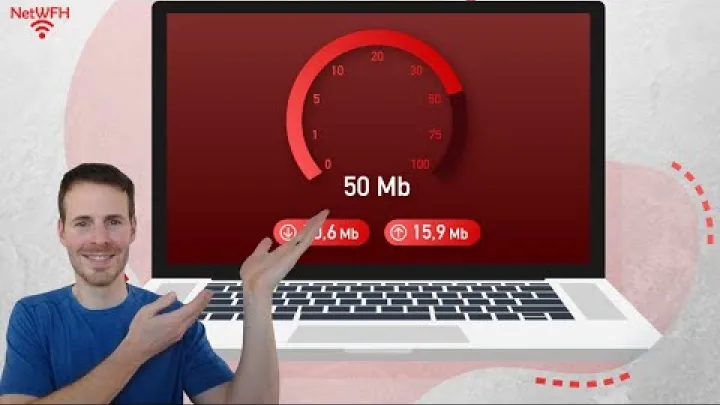
Ask for recent speed test screenshots that show download speed, upload speed, ping, and the date and time of the test. Then run your own test before committing when possible. If your job involves video calls, cloud backups, teaching, design files, or screen sharing, upload speed and latency are critical.
A real video call test is more useful than a simple speed number. Test with your camera on, screen sharing if you use it, and any software you rely on for work. If you work across time zones, test during your actual meeting hours, not only in the middle of the day.
The safest rental is one where fixed broadband is already installed and working. If a landlord says installation can happen after you move in, ask for realistic timing, provider details, installation fees, and what happens if installation is delayed.
Mobile Data Backup Plan
Every digital nomad in Cotabato City should have at least one mobile data backup. If your work is call-heavy or deadline-sensitive, consider two backup options from different providers after checking local signal strength.
Your first 24 hours should be practical:
- Set up a local SIM or eSIM that works with your phone.
- Buy enough data for several emergency work sessions.
- Test tethering from your laptop inside your accommodation.
- Check signal at your desk, bed, entrance, and nearby cafés.
- Save offline maps and key addresses.
- Keep a charged power bank for outages and travel days.
Do not choose a provider only because it works well in another Philippine city. Coverage can vary at the building level. The best provider for you is the one that works reliably in your room and in the places where you actually work.
Coworking, Cafés, and Work Routine
Cotabato City should be approached as a home-office-first destination. Cafés and professional spaces may help, but they should not be your only plan unless you have confirmed current conditions.
Coworking Availability and Limits
Coworking-style options appear more limited than in major Philippine digital nomad hubs. Listings such as Coworkisle mention professional rooms, Wi-Fi, presentation screens, and catering options for Cotabato City, but you should confirm details directly before relying on any space for daily work.
Ask about current hours, rates, internet speed, meeting room access, booking rules, noise level, and whether walk-ins are accepted. Also ask if the space is designed for individual laptop work, team meetings, training sessions, or client events. These are different use cases.
If you need coworking every weekday, Cotabato City may feel limiting. If you only need an occasional meeting room or a backup workspace, it may be manageable with advance confirmation.
Café Work and Home Office Setup
Cafés can be useful for a change of environment, but they are not always reliable as a primary workplace. Outlets may be limited, Wi-Fi may be shared, background noise can change quickly, and long calls may not be appropriate during busy periods.

Use cafés respectfully. Buy food or drinks regularly, avoid occupying large tables during peak meal times, use headphones, keep calls quiet, and do not assume that staff can solve internet or power problems for you.
Your home setup should be strong enough for most workdays. Aim for a real desk or stable table, a comfortable chair, good lighting, a quiet background, an external keyboard or mouse if needed, and a backup connection ready before you need it. If you stay more than a month, small upgrades can protect your productivity and health.
Safety, Culture, and Daily Life
Safety and cultural awareness should be handled directly and calmly. Cotabato City is a real urban community, not a stereotype, and it should not automatically be treated as identical to every wider regional security issue. At the same time, visitors should make informed choices and avoid careless assumptions.
A Practical Safety Approach
Before committing to a long stay, check current travel advisories from your government, recent accommodation reviews, local contacts, and up-to-date information from people currently in the city. Conditions can change, and safety is often specific to neighborhood, timing, route, and personal behavior.
Use normal urban precautions. Avoid displaying expensive devices in public, keep your laptop bag close, use reliable transport after dark, choose accommodation with secure access, and learn local emergency contacts. Tell a trusted person where you are staying, especially during your first week.
A short trial stay is also a safety tool. It lets you test how the area feels during workdays, evenings, and weekends before you sign a longer lease. If an area does not feel comfortable, move early rather than trying to force a poor fit.
Respectful Cultural Integration
Cotabato City sits within a distinct Bangsamoro context, and respectful behavior will make daily life smoother. The city and region include diverse communities, so avoid reducing local identity to a single label or making assumptions about everyone you meet.

Dress and behave modestly around religious spaces and community events. Ask before photographing people, private property, or sensitive places. Use polite language, support local businesses, and be patient when systems work differently from what you expect.
Learning a few basic greetings and observing local norms can help you build trust. For a long-stay remote worker, cultural awareness is not just good manners. It is part of living well and avoiding misunderstandings.
Transport and Everyday Mobility
Transport affects almost every housing decision. A rental can look good online but become inconvenient if groceries, cafés, banks, pharmacies, or reliable transport are difficult to reach.

For your first stay, choose a place close to essentials. Reducing transport dependence helps with convenience, cost control, and risk management while you are still learning the city.
How to Decide If Cotabato City Is Right for You
The right decision depends on your work requirements, comfort with uncertainty, and lifestyle expectations. Cotabato City is not a universal recommendation, but it can be a practical base for the right person.

Best Fit and Poor Fit Profiles
Cotabato City may be a good fit if you are an independent remote worker, a slow traveler, a cost-conscious nomad, or someone who values local immersion over a large expat scene. It may also suit people who can work mostly from home and who are willing to inspect rentals carefully.
It may be a poor fit if you need many coworking spaces, a large international community, frequent nightlife, highly predictable international-style services, or effortless apartment hunting. If your job cannot tolerate connection failures, you need stronger backup planning than you might need in a larger hub.
Choose Cotabato City if the practical conditions match your work. Do not choose it only because it appears cheaper. A low-cost base is only successful if it lets you earn, rest, and live comfortably.
Two-Week Trial Plan Before Committing
A two-week trial is the best way to test the city without locking yourself into the wrong setup. Treat the trial like a real work period, not a vacation.

- Book flexible accommodation in a convenient area.
- Work your normal schedule for at least one full week.
- Run internet tests at different times of day.
- Test video calls, file uploads, and mobile tethering.
- Visit possible residential areas during the day and early evening.
- Compare grocery, meal, laundry, and transport costs.
- Inspect longer-term rentals in person.
- Check how comfortable you feel moving around after dark.
- Confirm coworking or meeting room options if you need them.
- Review whether your productivity, sleep, and stress levels are sustainable.
At the end of the trial, decide using three questions: Can I work reliably? Can I live comfortably within budget? Do I feel safe and settled enough to stay longer? If any answer is uncertain, extend the trial or choose a different base.
Conclusion: A Realistic View of Cotabato City for Remote Work
Cotabato City can be a workable digital nomad base for remote workers who are independent, careful, and comfortable with limited nomad infrastructure. Its appeal is practical rather than polished: possible lower costs, access to daily services, and a distinct regional setting. The main challenges are housing verification, internet reliability, backup connectivity, safety awareness, and fewer coworking or international community options.
The smartest path is to avoid a long commitment at first. Arrive with your documents organized, book a flexible stay, test your real work routine, inspect rentals carefully, and build a mobile data backup from day one. If the city supports your work and daily comfort after a serious trial, it may become a rewarding long-stay base. If not, you will have learned that before spending money on a lease that does not fit your remote-work life.
Select area
Create a post
Posting is free and no registration is required.