Cotabato City Saving Money: Practical Budget Tips

Cotabato City saving money strategies work best when you focus on the costs that repeat every day: where you sleep, how you move around, and where you eat. The city can be affordable compared with many larger Philippine destinations, but a low headline price is not always the lowest total cost. This guide explains practical Cotabato City budget tips for short visits, longer stays, remote work trips, families, and small groups. The goal is to help you spend less without making the trip stressful, unsafe, or uncomfortable.
Start With the Biggest Savings Levers
Before cutting small expenses, build a simple plan around the choices that shape most of your budget. In Cotabato City, the biggest savings usually come from accommodation location, meal habits, local transport choices, and how carefully you verify prices before paying.
Set a Realistic Cotabato City Budget Baseline
Use any Cotabato City cost estimate as a planning reference, not as a fixed promise. Cost-of-living sites can help you understand broad categories such as rent, food, and basic expenses; for example, Livingcost provides a general Cotabato cost baseline. Visitor prices can differ because travelers often use hotels, short-term transport, paid laundry, mobile data, and restaurants more than residents do.

Start your budget with six categories: accommodation, food, transport, mobile data, activities, and small daily purchases. Then add a small buffer for price changes, weather-related transport, card fees, or last-minute needs. Travel-platform rates, exchange rates, fares, and room availability can change before you arrive, so treat your first budget as a working estimate.
Focus on Choices That Actually Move the Budget
The most useful saving money approach is not to deny yourself every comfort. It is to avoid repeated expensive decisions. A convenient room, simple local meals, and sensible transport habits usually matter more than saving a few pesos on a bottle of water.
| Budget choice | High-impact approach | Low-impact distraction |
|---|---|---|
| Accommodation | Compare total stay cost, location, Wi-Fi, and inclusions | Choosing only the lowest nightly rate |
| Food | Use local eateries, markets, and simple self-catering | Skipping useful meals to save very small amounts |
| Transport | Cluster errands and confirm fares before rides | Walking too far in heat or rain to avoid one short ride |
| Payments | Reduce ATM fees and use authorized exchange channels | Chasing tiny exchange differences from informal sources |
This approach works for both short-stay travelers and longer-stay visitors. Short stays benefit from convenience and fewer mistakes. Long stays benefit from repeatable routines that reduce daily spending over several weeks.
Avoid the Cheapest Option When It Creates Extra Costs
The cheapest room, transfer, or meal can become expensive if it adds hidden costs. A room far from your daily needs may require repeated rides. A low-rate hotel without reliable Wi-Fi may push you to spend extra on mobile data or cafes. A room without drinking water access, laundry options, or nearby food may create more daily purchases than expected.

Before booking, compare the total cost. Hotel platforms such as Agoda show a range of Cotabato City accommodation options, but the listing price is only one part of the decision. Check location, recent reviews, included breakfast, air conditioning, Wi-Fi, security, cancellation terms, and whether the place is near food and transport. Very low prices can still be good value, but only when the trade-offs are clear.
Save on Accommodation Without Losing Comfort
Accommodation is often the largest single travel cost. In Cotabato City, the best choice depends on how long you will stay, how often you need transport, and whether you need work-friendly conditions.
Book Short Stays and Long Stays Differently
For a short visit, prioritize a reliable budget hotel or guesthouse in a convenient location. You may not have enough time to recover from a poor location, weak internet, or confusing check-in. Paying slightly more for a place close to meals, transport, and your main activities can save time and ride costs.
For a longer stay, compare weekly or monthly arrangements against the total cost of nightly hotel rates. Do not assume that a low nightly rate will remain the best option for several weeks. Ask direct questions before committing: Is there a weekly or monthly discount? Are utilities included? Is there kitchen access? Is laundry available nearby? Is the Wi-Fi stable enough for work or video calls? What is the policy for early departure or extension?
Look for Kitchen Access and Reliable Wi-Fi
Kitchen access is not only a comfort feature. Even a basic setup can reduce spending on breakfast, snacks, coffee, and simple dinners. This matters most for visitors staying more than a few days. You do not need a full kitchen to save money; a kettle, refrigerator, shared cooking area, or safe food storage can help.
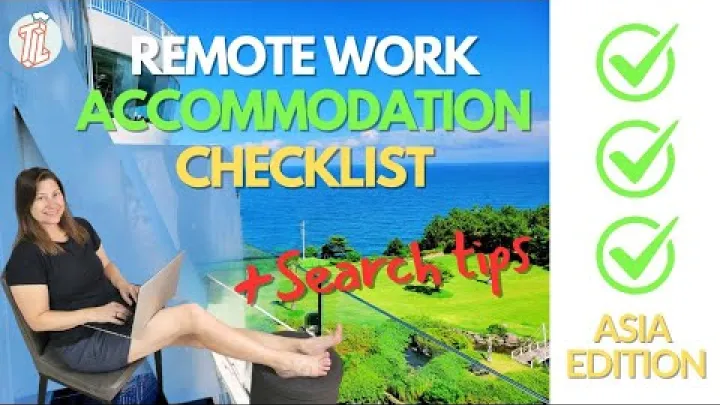
Reliable Wi-Fi can also protect your budget. If your accommodation internet is weak, you may buy more mobile data, visit cafes only to get online, or lose time coordinating transport and bookings. Confirm Wi-Fi quality, air conditioning, water reliability, security, and check-in details before arrival. If you need to work online, ask specific questions rather than relying only on the word “Wi-Fi” in a listing.
Use Location as a Money-Saving Tool
A good location reduces repeated fares and makes daily life easier. When practical, stay near food options, markets, transport points, ATMs, and the places you expect to visit. This does not mean you must stay in one specific district. It means your base should match your itinerary.
Use a simple comparison method. List two possible places to stay. For each one, estimate the number of rides you will take per day, the distance to meals, the distance to your main activities, and the likely need for extra data or laundry trips. A room with a slightly higher rate may be cheaper overall if it removes several daily rides and makes meals easier.
Cut Transport Costs In and Around Cotabato City
Transport savings come from choosing the right type of ride for the situation, not from refusing all paid transport. Heat, rain, luggage, distance, and personal safety should be part of the decision.

Use Local Rides for Short Urban Trips
Tricycles and other local rides are common options for short trips within the city. They can be practical for reaching markets, eateries, hotels, and nearby errands. Visitors should confirm the fare before starting the ride, especially when they are unfamiliar with local pricing or when the route is not obvious.
Use simple wording such as, “How much to this place?” or “Can we agree on the fare first?” If you are showing a map, confirm that the driver understands the exact destination. Walking can save money for short distances, but only when the route, weather, heat, traffic, and personal safety make it reasonable.
Compare Public Buses With Private Transfers
For regional travel, public buses can make a large difference in the total trip cost. As one example, Pamasahe lists a passenger fare for the Cotabato to Cagayan de Oro route, showing how a published bus fare can be much easier to budget than a private transfer. Always check the current fare, schedule, departure point, and seat availability close to your travel date.

Buses are usually better for budget travelers who have flexible time and manageable luggage. Private transfers may be better value for groups, travelers with heavy bags, late arrivals, tight schedules, or comfort needs. The cheapest transport is not always the best transport if it causes missed connections, long waits, or unnecessary risk.
Group Errands and Sightseeing to Avoid Repeated Fares
Small ride costs can add up over a week or month. Reduce them by planning each day around clusters. Instead of crossing the city several times, combine nearby errands such as an ATM stop, market visit, lunch, and a nearby sight.

A simple day structure might be: handle cash and supplies in the morning, visit a nearby market or public area before lunch, eat at a local restaurant in the same area, then return to your accommodation before evening. This is not the only efficient route, but it shows the principle. Plan by area, not by a long list of disconnected stops.
Eat Well for Less
Food is one of the easiest areas to control without making the trip unpleasant. The aim is not to avoid restaurants completely. It is to mix local eateries, markets, and simple self-catering so that every meal does not become a high-cost decision.

Make Public Markets Part of Your Food Strategy
Public markets can help travelers find fresh food, simple ingredients, snacks, and daily supplies. They are especially useful if your accommodation has kitchen access or if you are staying long enough to create a routine. A local government document from the City of Cotabato describes public market operations with an emphasis on safe, secure, clean, and orderly market activity.
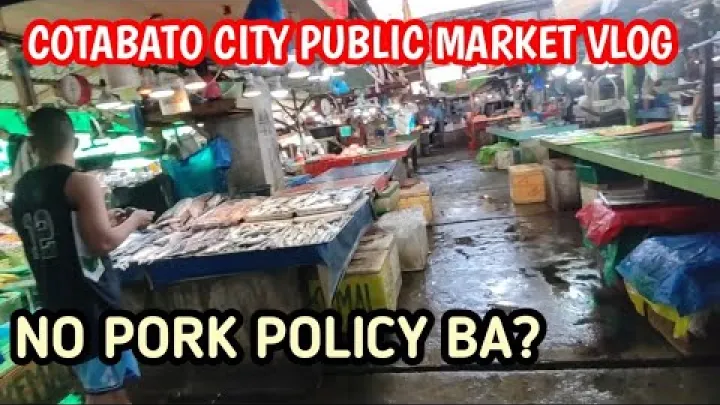
For savings, compare prices before buying, carry small cash, and buy only what you can use before it spoils. For food safety, choose busy stalls, check freshness, and be careful with items that have been exposed to heat for a long time. Markets are useful for budget travel, but you still need basic judgment.
Choose Local Eateries More Often Than Hotel Dining
Simple local restaurants and casual eateries are often better value than hotel dining or tourist-oriented meals. Look for places with steady local customers, visible food turnover, clear prices, and clean tables or preparation areas. Busy does not guarantee safety, but it can be a useful sign that food is fresh and prices are reasonable.

Eating locally is also part of the travel experience. It lets you try everyday food, understand the city better, and avoid paying for convenience every time you are hungry. If you have dietary restrictions, learn a few clear phrases or keep a translated note on your phone to avoid ordering mistakes.
Balance Self-Catering With Eating Out
Self-catering works best when it is simple. Use it for breakfast, fruit, bread, coffee, snacks, instant meals, bottled drinks, or easy rice-and-egg meals if you have cooking access. These low-effort choices can reduce daily spending without turning your trip into a cooking project.
Save restaurant meals for local specialties, social meals, travel days, or times when cooking is inconvenient. Trying to cook every meal can waste time and ingredients, while eating out every time can raise costs quickly. A balanced routine is usually the most realistic way to save money in Cotabato City.
Plan Low-Cost Activities and Day Trips
Activities do not need to be expensive to be meaningful. In Cotabato City, many good experiences involve public spaces, architecture, markets, monuments, and cultural observation. The key is to plan respectfully and count transport costs.

Prioritize City Sights With Low Entry Costs
Research city sights such as public spaces, markets, religious architecture, monuments, and central walkable areas where visitor access is allowed. The Grand Mosque is often mentioned as a major Cotabato City landmark, but visitors should check current access rules, opening times, prayer times, and photography expectations before going.

Do not assume that every attraction is free or always open. Some places may have visitor rules, dress expectations, or restricted areas. Budget travel should not reduce cultural or religious sites to “free things to do.” Treat them as important places first, and as low-cost experiences only when visiting is appropriate.
Decide When a Day Trip Is Worth the Transport Cost
Regional attractions can be worthwhile, but they are not automatically cheap once transport is included. Lake Sebu, for example, is a regional destination often associated with wider Mindanao travel, not a city-center Cotabato City attraction. If you consider a trip outside the city, count the fare, time, return transport, meals, and possible guide or transfer costs.

Compare three options: independent public transport, shared rides, and guided arrangements. Independent travel may be cheaper if the route is clear and you are comfortable with local transport. A guided or arranged option may be better if access is complex, time is limited, or current local conditions require more planning. Always check access and transport information close to departure.
Skip Paid Tours When Independent Visits Are Practical
Some city activities can be done independently when transport, opening hours, visitor rules, and safety conditions are clear. Independent visits can save money because you pay only for the transport and any entry or donation required.
Paid tours can still be good value when they provide cultural context, language help, safe logistics, or efficient transport between places that are difficult to combine alone. Before paying, ask what is included: transport, guide time, entrance fees, meals, waiting time, pickup, drop-off, and cancellation rules. A tour is expensive only when it does not solve a real problem for your trip.
Avoid Small Payment and Purchase Traps
Many budget problems come from small costs that repeat quietly. ATM fees, weak exchange rates, unnecessary roaming, urgent purchases, and poor planning can all increase total spending without one large obvious mistake.
Handle Cash, ATMs, and Currency Exchange Carefully
Use banks, ATMs, or authorized currency exchange channels rather than informal money changing. The Bangko Sentral ng Pilipinas publishes information on currency exchange centers and partners, which supports the basic rule of using formal channels when exchanging cash.
Before travel, check your home bank’s foreign withdrawal fees, card conversion fees, and daily limits. Repeated small withdrawals can create repeated fees, but carrying too much cash can create security risk. Keep enough small bills for tricycles, markets, and small eateries, because large bills may be inconvenient for low-value purchases.
Buy Mobile Data Based on Length of Stay
International roaming can become expensive, especially for visits longer than a few days. Compare roaming, local SIM options, eSIM options, prepaid data packages, and your accommodation Wi-Fi before deciding. Do not buy more data than you need, but do not underbuy if you depend on maps, messaging, translation, ride coordination, banking, or booking confirmations.
Check current SIM registration rules and whether your phone is unlocked and compatible. If you will work remotely, treat mobile data as a backup rather than your only connection. For a short visit, a small data package may be enough. For a longer stay, a local prepaid setup may be more practical.
Shop for Daily Items Before You Need Them Urgently
Water, toiletries, medicine basics, snacks, sunscreen, chargers, and hygiene items often cost more when bought in a hurry. Buy routine supplies from supermarkets, markets, pharmacies, or local stores when you have time to compare. Last-minute convenience purchases reduce your choices and can push you toward higher prices.
Carry reusable basics where appropriate, such as a water bottle, shopping bag, and small day pouch. Compare prices before buying souvenirs or nonessential items, especially if you are near a transport stop or attraction where convenience can affect pricing. The habit is simple: buy predictable needs before they become urgent needs.
Use Timing and Booking Habits to Lower Costs
Good timing can reduce costs before you even arrive. Flights, hotels, and transport availability can shift by date, demand, holidays, weather, and local events. Flexible travelers usually have more ways to save.
Compare Dates Before Booking Flights and Hotels
Check several arrival days and stay lengths before you commit. A cheaper flight may not be the best deal if it arrives late, requires extra baggage fees, or forces a costly transfer. A slightly different hotel stay length may change the nightly rate or unlock a better room option.
Compare total trip cost, not only the cheapest single flight or room. Include baggage, airport transfers, cancellation rules, breakfast, Wi-Fi, and the cost of arriving at an inconvenient time. Screenshot or save booking details so you can verify what was included when you check in.
Travel Outside Peak Demand When Your Schedule Allows
Avoiding busy travel periods can improve accommodation choice and reduce price pressure. Holidays, school breaks, local events, and high-demand weekends can affect room availability and transport. If your schedule is flexible, test several travel windows before booking.

Lower demand does not always mean a better trip. Weather may be less convenient, some services may run differently, and certain activities may be less appealing. The best timing is not simply the cheapest date; it is the date that gives you good value with acceptable comfort and reliability.
Confirm Current Prices Before You Commit
Make price confirmation a regular habit. Verify room rates, fare estimates, schedules, entry fees, inclusions, and cancellation terms close to your travel date. Older online prices can become inaccurate, especially for transport and accommodation.
When possible, get written confirmations through booking messages, official pages, or receipts. Save screenshots of quoted inclusions such as breakfast, airport pickup, kitchen access, or late checkout. This is not about being suspicious; it is about avoiding misunderstandings that can cost money.
Build a Budget Strategy for Your Travel Style
The best way to save money in Cotabato City depends on your travel style. A weekend visitor, a remote worker, and a family group should not use the same budget plan. Choose the strategy that fits your time, comfort needs, and daily routine.
Short-Stay Traveler
If you are staying only a few days, prioritize convenience. Choose accommodation near your main activities, eat at simple local places, and cluster sightseeing so you do not lose time and money moving back and forth. Short-stay visitors usually do not save much from complicated grocery shopping or long accommodation negotiations.

Your main risks are obvious overspending: booking a faraway room, using unnecessary private rides, eating expensive last-minute meals, or paying for a tour you could handle independently. Keep the plan simple and reduce mistakes rather than trying to optimize every peso.
Longer-Stay Visitor or Remote Worker
For a longer stay, small daily habits matter much more. Compare weekly or monthly accommodation options, prioritize reliable internet, and create a repeatable food routine. Kitchen access, laundry convenience, workspace comfort, mobile data backup, and access to basic healthcare or pharmacies become more important over time.

Before booking, ask a clear checklist of questions: Is the internet stable? Are utilities included? Is there a desk or comfortable work area? Is laundry nearby? Are there quiet hours? Is cooking allowed? How secure is the building? What happens if you extend or leave early? These answers can prevent expensive changes later.
Family or Small Group
Families and small groups can save by sharing larger rooms, splitting transport, and buying groceries together. However, group travel also creates extra requirements. Check room capacity, extra-person charges, breakfast inclusions, bed setup, bathroom access, luggage space, and whether children or older travelers can move around comfortably.
Private transport may become better value when costs are shared, especially for luggage-heavy transfers or day trips. Compare the total group cost, not the individual fare alone. The cheapest option for one traveler may not be the cheapest or most practical option for four people.
Conclusion: Spend Where It Improves the Trip
Saving money in Cotabato City is mostly about making good practical choices before small costs repeat. Stay where daily needs are easy to reach, use local transport wisely, eat at good-value local places, shop before purchases become urgent, and verify current prices before committing. Spend more when it improves safety, rest, time, or reliability. Cut costs where the savings do not damage the trip.
Select area
Create a post
Posting is free and no registration is required.