Cotabato City Best Time to Visit: Seasons and Monthly Guide

The best time to visit Cotabato City is usually from late November to March, when travel conditions are generally drier and daily plans are easier to manage. Cotabato City stays warm all year, so the main differences between seasons are rainfall, humidity, and how comfortable it feels to walk, transfer, or take side trips. This guide explains the dry and rainy seasons, the typhoon-season context for southern Mindanao, and the practical month-by-month feel. It also helps you choose dates based on culture, outdoor travel, coastal side trips, budget, and heat tolerance.
Best Time to Visit Cotabato City at a Glance
For most visitors, timing a trip to Cotabato City is less about finding cool weather and more about avoiding the least convenient rain and humidity. The city has a tropical climate, so even the easier months can still feel hot during the day.

Quick Recommendation for Most Travelers
The most comfortable general window for Cotabato City is usually late November to March. Within that period, January and February are especially practical choices because they are typically drier and slightly more comfortable by local tropical standards.
This does not mean the weather is guaranteed to be perfect. Short rain, strong sun, and humid afternoons are still possible. However, compared with the wetter months, this period usually gives travelers better odds for city sightseeing, short transfers, cultural stops, and outdoor side trips.
March can also be a good month for dry-weather planning, but it begins to feel hotter. If you want dry conditions and can manage rising heat, March remains useful. If you are sensitive to heat, January or February is usually a better first choice.
Best Months by Travel Priority
The right month depends on your purpose. A culture-focused traveler may choose different dates from someone planning outdoor excursions or a budget trip. Use the table below as a quick planning guide, then compare it with your own tolerance for heat and rain.
| Travel priority | Best timing | Practical note |
|---|---|---|
| Overall comfort | January to February | Drier and more manageable for most first-time visitors. |
| Cultural interest | December, with dates checked | Useful for local celebrations, but event schedules should be confirmed before booking. |
| Outdoor trips | December to March | Generally easier for roads, views, and walking plans. |
| Budget travel | May to November | Possible value period, but heat or rain may affect plans. |
| Rainy-season flexibility | June to November | Workable if you can change schedules around rain. |
Accommodation prices and crowd levels can vary by hotel type, booking date, holidays, conferences, family travel, and local events. Do not rely on a fixed high-season or low-season rule. Compare current rates and cancellation policies before confirming your trip.
How Cotabato City's Weather Changes Through the Year
Cotabato City has warm conditions throughout the year. The main travel difference is the shift between drier months and wetter, more humid months. Planning around this pattern helps you build a smoother itinerary.
Dry Season from December to May
The dry season, broadly from December to May, is the easier period for most visitors. It is better for city sightseeing, short day trips, outdoor plans, and regional transfers because rain is less likely to interrupt the day.
It helps to divide the dry season into two parts. December to February is the cooler dry period, although it remains tropical and warm rather than cold. March to May is still generally drier, but it becomes hotter and can feel more tiring for walking and sightseeing.
If you want the simplest travel experience, choose the cooler dry months. If you travel later in the dry season, plan slower days, carry water, and schedule outdoor activities early in the morning when possible.
Rainy Season from June to November
The rainy season, broadly from June to November, is more humid and less predictable. Rain can affect walking comfort, local transfers, rural roads, views, and outdoor excursions. It does not mean rain falls all day every day, but travelers should expect interruptions.
This period can still work for city-based travel, business trips, family visits, or budget-focused travel. The key is flexibility. Avoid making every important activity dependent on perfect weather, and leave extra time between transfers or appointments.
If you visit during these months, choose accommodation in a convenient area for your plans, protect electronics and documents from rain, and keep indoor alternatives available.
Typhoon Season Context for Southern Mindanao
The wider Philippines has a typhoon season, often most relevant from around June to October. Cotabato City and much of southern Mindanao are generally less directly exposed than many northern and eastern parts of the country, but this does not remove all storm, heavy rain, or flood risk.
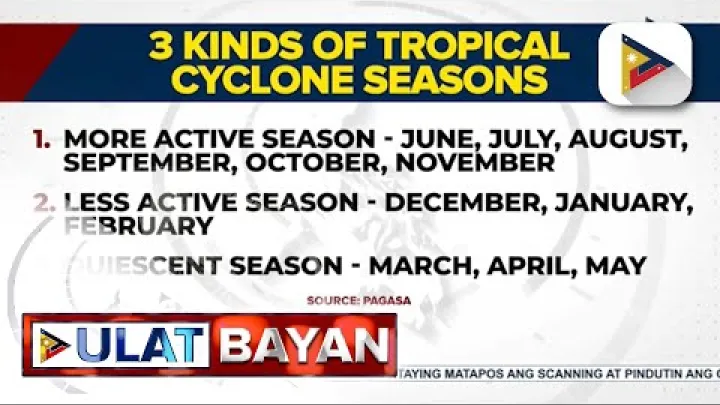
Rain systems can still affect travel conditions, especially during the wetter months. Regional transport, visibility, and outdoor activities may become less convenient when heavy rain occurs.
If you travel from June to November, check local weather advisories before and during your trip. Treat the city as lower-exposure compared with some other Philippine regions, not as typhoon-proof.
Month-by-Month Feel in Cotabato City
The month-by-month feel below is a practical guide, not a fixed forecast. Actual conditions can change from year to year, and local weather can vary within the same month.
December to February
December to February is the most visitor-friendly period for general travel in Cotabato City. These months are typically drier and somewhat more comfortable, making them useful for walking, short transfers, outdoor visits, and cultural plans.

| Month | Typical travel feel | Best use |
|---|---|---|
| December | Drier start to peak travel comfort, with cultural interest. | Culture-focused trips, if event dates are confirmed. |
| January | One of the easiest months for general travel. | First-time visits, sightseeing, outdoor plans. |
| February | Often one of the strongest months for comfort. | Outdoor tourism, city stays, regional side trips. |
December can be especially interesting for travelers who want to experience local celebrations, but it is important to confirm current schedules before booking flights or hotels. February is often one of the strongest choices if your main goal is outdoor comfort and easier planning.
March to May
March is a transition month. It may still be good for dry-weather travel, but heat becomes more noticeable. If you plan city walking or outdoor excursions in March, start early and avoid the longest outdoor sessions in the middle of the day.
April and May can feel more difficult because of heat, humidity, and the approach of wetter conditions. These months are not impossible for travel, but they require more careful pacing.
Travelers with low heat tolerance should keep itineraries light, choose shaded stops when possible, drink water regularly, and take breaks indoors. Long outdoor plans are best kept to mornings or late afternoons.
June to November
June to November is wetter and less predictable. It can still be a valid time to visit Cotabato City for city-based trips, business travel, family visits, or lower-demand travel, but plans should be flexible.
Rain may affect local transfers, walking comfort, visibility, and outdoor side trips. Build backup options into the itinerary and avoid scheduling every important activity on a tight timetable.
November can sometimes feel like a transition month as conditions begin moving toward the drier season. Even then, it is better to plan with some rain flexibility rather than assume the dry season has fully arrived.
Best Time to Visit by Travel Purpose
The best season for Cotabato City depends on what you want to do. A short city stay can handle more weather variation than a nature-focused itinerary or a regional coastal side trip.
For City Sightseeing and Cultural Visits
December to February is the best period for easier walking, city sightseeing, and cultural visits. The weather is still warm, but drier conditions make it simpler to move between stops and spend time outdoors.

During hotter or rainy periods, indoor cultural stops, restaurants, markets, and short local visits can keep the day manageable. It is better to plan shorter activity blocks rather than a full day of walking in strong heat or uncertain rain.
December may be especially interesting for visitors who want local celebrations and cultural atmosphere. Because event dates can change, confirm current schedules before building your trip around a specific festival or public event.
For Coastal or Water-Based Side Trips
Cotabato City is not primarily a beach destination, but some travelers use it as part of a wider regional route that may include coastal or water-based side trips. For those plans, the drier months are usually better.

January to March is a practical window for more reliable conditions. Rain can reduce visibility, make travel connections less predictable, and lower comfort for water-related activities.
If a coastal side trip is important to your itinerary, avoid building it into the wettest months unless you can adjust dates. Always check local conditions close to departure, especially for longer regional travel.
For Outdoor Trips and Nature Excursions
December to March is the best general period for outdoor trips and nature excursions around Cotabato City. Drier conditions usually make trails, roads, viewpoints, and open-air activities easier to manage.

March can still work well, but heat planning becomes more important. Start early, keep activities shorter, and choose shaded rest points when possible.
During rainy months, ground may be slippery, visibility may be reduced, and travel times can become less predictable. This is especially important if your plans involve rural access, viewpoints, or activities that depend on clear weather.
For Budget Travel and Fewer Crowds
Hotter and wetter months may bring lower demand for leisure travel, but prices are not guaranteed to drop in a simple pattern. Hotel rates can vary by property, booking platform, events, business demand, and how early you book.

May to November can be a possible value period for travelers who accept heat or rain. This period is best for flexible visitors who are comfortable changing plans and using indoor alternatives when needed.
If budget is your main goal, compare current hotel rates rather than relying only on season labels. Also check cancellation terms, because flexibility is valuable when rain may affect your schedule.
Practical City-Stay Planning by Season
Good timing helps, but practical preparation matters in every month. Cotabato City remains warm, and both sun and rain can affect daily comfort.
What to Wear in Cotabato City's Heat and Humidity
Pack light, breathable clothing suitable for tropical heat. Cotton, linen, and quick-drying fabrics are practical for warm days and humid conditions. A hat, sunglasses, and sunscreen can also help during outdoor walks.

Cotabato City has an important Muslim cultural context, so modest but comfortable clothing is a respectful choice. This does not require formal clothing for ordinary travel, but many visitors will feel more comfortable in simple outfits that are not too revealing, especially when visiting cultural or religious areas.
Comfortable footwear is important for city walking and transfers. If you visit outside the driest months, bring a compact umbrella, light rain jacket, or bag cover.
How to Plan Around Rain and Short City Transfers
During the rainy season, keep schedules flexible and allow extra time for local transport. Even short transfers can take longer when rain affects traffic, walking conditions, or pickup points.

When practical, place important outdoor activities earlier in the day. This is not because rain follows the same pattern every day, but because early planning gives you more time to adjust if weather changes.
Protect phones, passports, tickets, and other documents with waterproof pouches or sealed bags. A small dry bag or plastic inner bag can be useful during wet months and regional day trips.
Hydration, Shade, and Midday Heat
Heat management matters in every month because Cotabato City stays warm year-round. The issue becomes especially important from March to May, when dry-season heat can make long outdoor plans tiring.

Carry water, take shade breaks, and avoid strenuous outdoor activity at midday when possible. If your schedule includes walking, markets, outdoor viewpoints, or transfers, divide the day into shorter sections.
Travelers who are not used to tropical heat should plan a slower first day. This gives the body time to adjust and reduces the chance of fatigue affecting the rest of the trip.
Regional Weather Differences Around Cotabato City
Weather can feel different once you leave the city. Elevation, distance from the coast, road exposure, and local terrain can all affect comfort and travel feasibility.
Inland, Coastal, and Higher-Elevation Side Trips
Lowland urban Cotabato City can feel hot and humid, especially during the hotter dry months and the rainy season. Nearby inland, coastal, or higher-elevation areas may feel different, but the effect depends on the exact destination and weather on the day.
For travelers, the practical issues are comfort, visibility, travel time, and activity feasibility. A viewpoint, rural route, or nature stop may be much more enjoyable in drier weather, while rain can reduce views and make outdoor movement less pleasant.
If your itinerary includes a side trip outside the city, check the conditions for that specific area rather than assuming it will match the city center.
Road, Sea, and Visibility Considerations
Dry months are generally easier for road travel, outdoor views, and water-related plans in the wider region. Clearer weather can make travel more comfortable and reduce the chance of delays caused by rain.

Heavy rain can affect visibility, make rural access less convenient, and reduce comfort during transfers. This does not mean a route will close, but it does mean you should avoid tight schedules when traveling in the rainy season.
Before longer regional trips, check local transport conditions and ask your accommodation or operator about current travel time expectations. This is especially useful from June to November.
When to Avoid Visiting Cotabato City
No month is impossible for visiting Cotabato City, but some periods are less suitable for certain travelers. The main reasons to avoid specific dates are heat sensitivity, fixed outdoor plans, and low tolerance for rain disruption.
If You Struggle with Heat
If you struggle with heat and humidity, be cautious with April and May. These months can make walking, outdoor sightseeing, and daytime transfers less comfortable, especially if you are not used to tropical conditions.

You can still visit during this period with careful planning, but you should avoid long outdoor schedules and midday exertion. Choose accommodation with good cooling, plan rest breaks, and keep activities short.
For a more comfortable first visit, choose January or February instead. These months usually offer a better balance of drier weather and manageable daytime conditions.
If You Need Reliable Outdoor Plans
If your itinerary depends on fixed outdoor plans, avoid the wettest part of the rainy season unless you can adjust your schedule. Rain risk matters most for nature excursions, regional travel, viewpoints, and water-based side trips.

From June to November, build backup indoor plans and avoid booking every activity without flexibility. A city-based trip can still work, but outdoor-heavy travel is more exposed to weather disruption.
The best approach is decision-based rather than alarmist: choose drier months for reliability, and choose rainy months only if you accept changes.
Final Recommendation for Choosing Your Dates
Choosing the best time to visit Cotabato City becomes easier when you match the season to your travel purpose. Focus on comfort, rain risk, and how flexible your plans can be.
Simple Decision Guide
For most first-time visitors, January and February are the strongest overall choices. They usually offer the best balance of drier weather, manageable heat, and easier planning for sightseeing, transfers, and side trips.
Choose December if cultural interest is your priority and you confirm current event dates before booking. Choose March if you want a dry-season option and can handle rising heat.
Choose June to November only if your plans are flexible, city-based, budget-focused, or not dependent on perfect outdoor conditions. For travelers who dislike heat, avoid April and May when possible. For travelers who need reliable outdoor plans, stay close to the December-to-March window.
Select area
Create a post
Posting is free and no registration is required.