Cotabato City Safety: A Practical Travel Guide
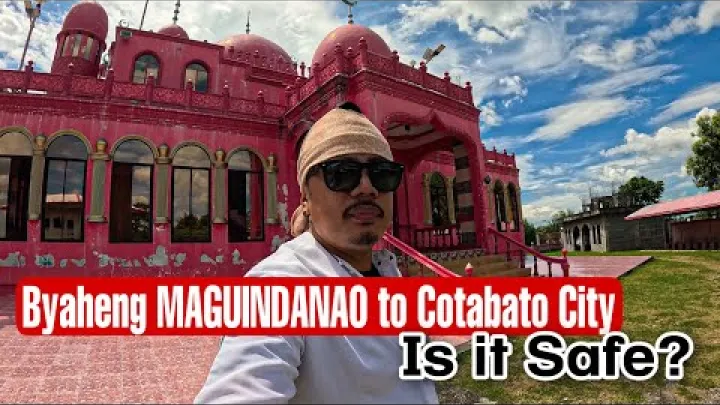
Cotabato City safety is best understood with a calm and practical approach. The city is not the same as every other part of Mindanao, but it also should not be treated like a casual beach destination where visitors can move without planning. A good trip depends on current advisories, daylight routing, trusted transport, modest handling of money, and quick adjustment when local advice changes. This guide explains how to reduce risk without exaggerating it, especially for first-time visitors, solo travelers, students, remote workers, and business travelers.
Is Cotabato City Safe for Travelers?
The most useful answer is conditional. Cotabato City can be visited by travelers who plan carefully, check current conditions, and follow conservative movement rules. It is not a place where visitors should ignore official advisories, improvise late-night transport, or make assumptions based on other Philippine cities.
The Short Answer for a First-Time Visitor
For a first-time visitor, Cotabato City safety means increased caution, not panic. Many day-to-day risks are the same practical risks travelers manage elsewhere: petty theft, confusing transport, fare disputes, phone snatching, and unsafe movement after dark. The difference is that the wider Mindanao security context makes planning more important.
Arrive in daylight when possible. Stay in accommodation that can help with transport and route advice. Keep your first day simple: hotel, nearby food, one planned errand, and a clear return route. If you need to attend meetings, visit offices, or travel outside the city, ask your host or accommodation to confirm the route shortly before departure.
Avoid making broad judgments such as “Cotabato is safe” or “Cotabato is dangerous.” The better question is: Are you using known transport, moving at a sensible time, carrying limited valuables, and following same-day local advice?
How to Interpret Mindanao Travel Advisories
Official travel advisories for the Philippines often use broad regional categories. The U.S. Department of State advises increased caution in the Philippines due to crime, terrorism, civil unrest, and kidnapping, with some areas carrying higher risk. These warnings are serious, and travelers should not dismiss them because a local area appears calm on a normal day.
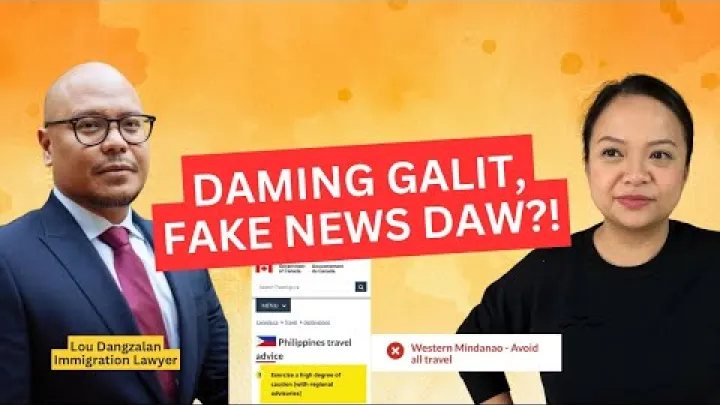
At the same time, advisories are planning tools, not minute-by-minute street reports. They may cover large areas and may be conservative by design. Use them to decide whether your trip is appropriate, whether you need extra insurance coverage, whether your employer or school requires security approval, and whether you should avoid side trips beyond the city.
Before traveling, compare your government’s advisory with recent local information from your hotel, host organization, transport provider, or official local channels. If there is a security incident, demonstration, severe weather warning, or route disruption, change your plan early rather than trying to continue.
What This Guide Can and Cannot Confirm
Reliable, current, city-level traveler crime statistics are not always easy to verify publicly. For that reason, this guide does not rank neighborhoods by crime numbers or claim that a specific street is safe or unsafe without evidence. It focuses on behavior-based risk reduction that helps in many urban settings.
Conditions can change quickly. A road that is fine in the morning may be affected later by traffic control, weather, a local event, or security activity. Ask accommodation staff or trusted local contacts about same-day routes before leaving, especially if you are going to an unfamiliar area.
Use anecdotes carefully. A positive travel video does not prove there is no risk, and a single alarming report does not prove that every visitor is in danger. Treat individual reports as context, then make decisions based on current advisories, local guidance, and your own movement plan.
Where Safety Conditions Can Vary in the City
Safety in Cotabato City is better assessed by situation than by reputation alone. Time of day, transport choice, crowd density, lighting, and your reason for being in an area often matter more than the name of a neighborhood.
Central Visitor Areas and Public Landmarks
Central areas near hotels, government offices, shops, religious sites, schools, and civic landmarks are usually easier for visitors to manage because there are more people, clearer directions, and more transport options. Busier places can reduce isolation, which is helpful for a new arrival.
However, crowds also create opportunities for petty theft. Keep your phone secure when taking photos or checking maps. Do not leave a bag on a chair, a phone on a restaurant table, or a wallet in a back pocket. If you are visiting a public landmark, plan how you will return before you go, not after you are tired or it is dark.
Use neutral thinking: a busy central area is not a guaranteed safe zone. It is simply easier to navigate when you stay alert, avoid displaying valuables, and use known transport.
Barangay Awareness Without Overranking Neighborhoods
Cotabato City is divided into barangays, and visitor routes may pass through residential, commercial, civic, and transport areas. The Bangsamoro Government describes the city as having 37 barangays and highlights local landmarks that help people orient themselves.
For travelers, barangay awareness is useful for navigation, but it should not become an unsupported safety ranking. Without reliable, current, and comparable city-level data, it is not responsible to say that one barangay is safe and another is dangerous for all visitors.
Plan by destination, landmark, daylight, and transport. Before leaving your accommodation, ask: What is the exact destination? What landmark should the driver know? Is this a good time to go? What is the best way back? This habit is more useful than relying on reputation alone.
Higher-Caution Situations Rather Than Fixed Danger Zones
Some situations deserve extra caution almost anywhere in the city: isolated streets, poorly lit roads, unfamiliar fringe areas, crowded markets, transport points, and cash withdrawals. Risk also rises when you are distracted, carrying luggage, using your phone near the roadside, or unsure where you are going.

Turn back or change transport if a place feels empty, tense, confusing, or poorly lit. Do the same if a driver refuses to clarify the fare, a stranger pressures you to follow them, or you notice people paying unusual attention to your bag or phone.
A simple rule works well: if you cannot clearly explain where you are going, how you will return, and who can help if something goes wrong, pause and get better information before continuing.
Common Crime Risks and Scams to Watch For
Most traveler safety problems are not dramatic. They often begin with distraction, unclear prices, poor transport choices, or visible valuables. The aim is not to expect trouble everywhere, but to remove easy opportunities.
Petty Theft and Bag Snatching
Petty theft can include pickpocketing, phone snatching, and quick bag grabs. These incidents are more likely when a traveler is distracted in a crowd, using a phone near a road, carrying a loose shoulder bag, or leaving valuables on a table.
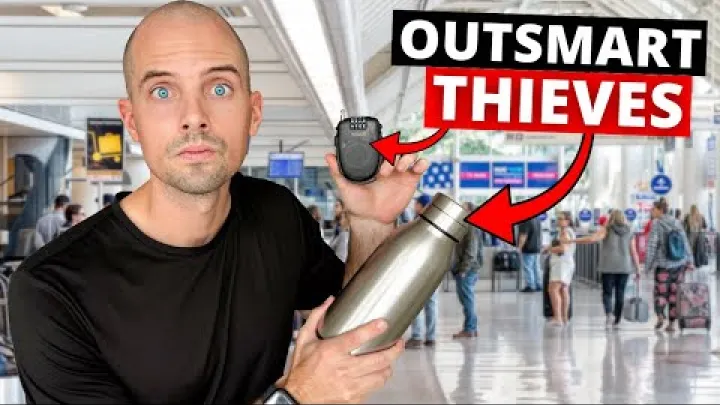
Carry a small cross-body bag in front of your body. Keep your phone in a firm grip and step away from the road before checking maps. Use only the cash you need for the day and keep larger amounts separate. Avoid placing a wallet in a back pocket or an open outer pocket.
If someone grabs your property, do not fight or chase. Personal safety is more important than a phone, bag, or wallet. Move to a safe public place, ask for help, and then begin canceling cards or tracking the device if you can do so safely.
Taxi, Fare, and Informal Transport Scams
Fare problems can happen when a price is not agreed before departure, a driver gives a vague quote, or a route becomes confusing. These issues are not always dangerous, but they can become stressful, especially at night or when carrying luggage.

Use direct wording before you ride: “How much to this place?” “Is that the total price?” “Can you take me directly?” “Please use the meter if available.” If the answer is unclear or the driver seems impatient, choose another option.
When possible, ask your hotel, host, or office contact to arrange transport. Record or photograph the plate number when appropriate, and share trip details with someone if you are traveling alone. Ride-hailing may be useful where available, but do not assume that app-based service will be consistent in every part of the city.
Fake Tours, Tickets, Restaurants, and Exchange Issues
General travel scam patterns in the Philippines can include unofficial guides, fake tour offers on social media, unclear ticket arrangements, added fees, menu price surprises, and unofficial currency exchange. A guide to common Philippine travel scams by Guide to the Philippines notes that fake tour operators, especially online, can be difficult to verify.
Do not pay quickly because someone says a deal is available only now. Book through your accommodation, a known operator, an official office, or a provider with clear reviews and contact details. For restaurants, ask about the final price before ordering if the price is not displayed or if seafood, group meals, or special items are involved.
Before paying, ask four simple questions: What is included? What is not included? What is the final price? Who do I contact if the service is not delivered? If the answer changes, delay payment or walk away.
ATM, Card Skimming, and Payment Fraud
Card skimming and payment-card fraud are practical risks for travelers because stolen card data can be used after the transaction. The Supreme Court E-Library discusses how ATM, debit, credit, and prepaid cards remain vulnerable to skimming attacks, especially where magnetic stripe data can be captured.

Use ATMs inside banks, malls, or well-lit business areas when possible. Check the card slot and keypad for loose parts. Cover your PIN with your hand, reject help from strangers, and put cash away before leaving the machine. Enable transaction alerts so you can respond quickly to suspicious withdrawals or charges.
- Choose a bank, mall, or secure indoor ATM when possible.
- Inspect the card slot and keypad before inserting your card.
- Cover the PIN fully with your free hand.
- Do not accept “help” from strangers at the machine.
- Carry a backup card separately from your main wallet.
- Check account alerts after withdrawals and card payments.
Transport Safety in Cotabato City
Transport choice is one of the biggest safety decisions in Cotabato City. A reliable ride can reduce exposure to petty theft, route confusion, and late-night walking. A poorly chosen ride can create avoidable stress.

Jeepneys, Multicabs, Tricycles, and Habal-Habal
Local transport in Cotabato City may include jeepneys, multicabs, tricycles, taxis, and motorcycle taxis known as habal-habal. Research from the National Center for Transportation Studies describes several public transportation modes used in the city, including motorcycles functioning as motorcycle taxis and taxis used for non-shared rides.
Jeepneys and multicabs can be useful on familiar routes but may be difficult for new international visitors if the route is unclear. Tricycles can help for short local trips. Habal-habal may be convenient but carries motorcycle-related risks, including exposure to traffic, weather, poor road conditions, and limited protection in a crash.
Keep bags close on shared rides. Avoid carrying large luggage during crowded periods if you can arrange a private transfer. Decline overloaded vehicles, unsafe-looking motorcycles, drivers who appear impaired, or any ride where the destination and fare are not clear.
Taxis and Ride-Hailing Best Practices
For many visitors, hotel-arranged taxis or locally recommended drivers are the easiest option, especially after dark, after arrival, or when carrying luggage. If ride-hailing is available in your area at the time, it can add useful trip records, driver details, and route visibility. If it is not available, ask your accommodation for a trusted fallback.

Before leaving, confirm the driver, destination, fare or meter arrangement, and route. If the driver does not understand the destination, show a written address or landmark. Avoid entering a vehicle if there are unexplained passengers, if the plate does not match what you expected, or if the driver refuses basic fare clarification.
If you are traveling alone, message someone with your departure time and expected arrival time. For work or study trips, ask the receiving office to confirm the safest drop-off point and the best time to arrive.
Arrival, Departure, and Intercity Travel Precautions
Plan airport, terminal, and intercity transfers in daylight when possible. A daytime arrival gives you more transport choices, better visibility, and more time to solve problems if a driver is unavailable or your route changes.

Be cautious with unverified onward travel offers at transport points. Do not accept a ride only because someone approaches you first. Confirm the destination, price, and vehicle before loading your bags.
Travel beyond Cotabato City into less familiar parts of Mindanao requires extra care. Recheck official advisories, ask local contacts about route conditions, and tell your accommodation or host when you leave and when you expect to arrive. If advice changes, delay the trip rather than continuing with uncertainty.
Night Safety and Solo Traveler Considerations
Night safety is not about assuming that the whole city becomes dangerous after sunset. It is about recognizing that darkness, fewer people, alcohol, unclear routes, and reduced transport choices make ordinary problems harder to manage.
Evening Movement Rules
Limit night walking, especially alone or in unfamiliar areas. If you need to go out after dark, stay on well-lit streets, use arranged transport, and avoid shortcuts through quiet areas. Keep your phone available but not displayed constantly.
Walking may be reasonable for a short distance between a hotel and a nearby well-lit restaurant if staff confirm it is sensible. Use a ride if the route is unfamiliar, the area is quiet, you are carrying valuables, it is raining heavily, or you feel unsure. Turn back if lighting becomes poor, people around you seem intoxicated or aggressive, or you lose confidence in the route.
Alcohol reduces judgment and makes phone and bag theft easier. If you drink, arrange your return before you start and avoid leaving a venue alone with someone you just met.
Solo Female Traveler Guidance
Solo female travelers should use the same core rules, with extra attention to accommodation, transport, and social pressure. Choose well-reviewed lodging that can arrange rides and answer local questions. Share your plan with someone, especially if attending meetings, visiting a new area, or returning after dark.
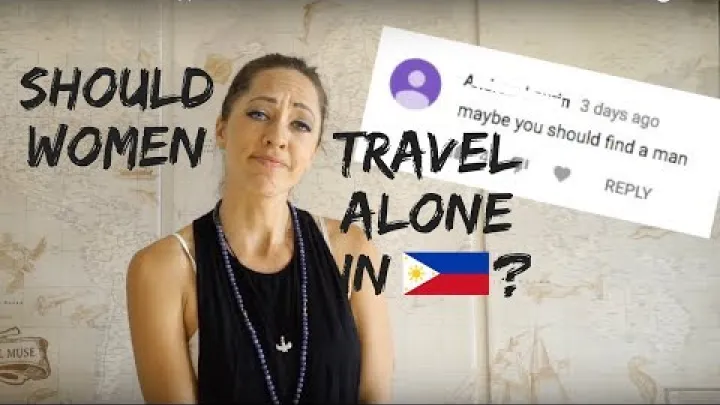
If you receive unwanted attention, keep your refusal short and clear: “No, thank you.” “I am meeting someone.” “My driver is waiting.” Move toward staff, families, guards, or a busier public place if needed. You do not need to explain your decision to leave a conversation or decline an invitation.
Group activities, trusted drivers, and introductions through your host organization can reduce uncertainty. Still, avoid giving your accommodation room number, full itinerary, or solo status to strangers.
Respectful Local Behavior That Supports Safety
Respectful behavior supports personal safety because it reduces unnecessary attention and helps small misunderstandings stay small. Dress in a context-aware way near religious sites, civic buildings, schools, and formal offices. Rules may vary by venue, event, and host, so ask if you are unsure.
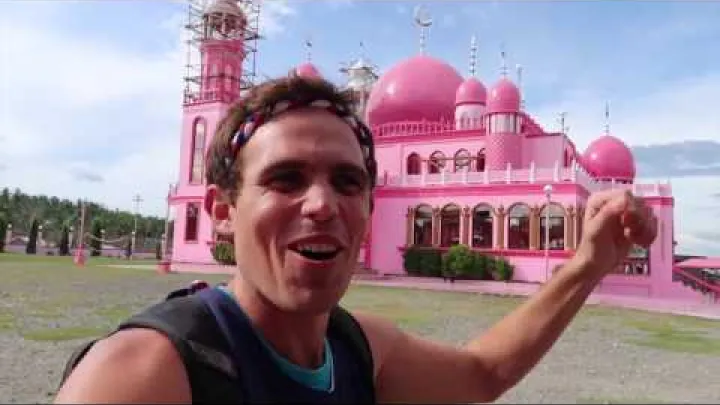
Ask before photographing people. Avoid photographing security posts, sensitive buildings, police or military activity, or private property without permission. If someone asks you not to take a photo, stop immediately and apologize politely.
Keep communication calm. Fare disputes, service problems, or confusion are better handled with a low voice, clear questions, and help from hotel staff or a local host. Public anger can make a small problem harder to solve.
Money, Phone, and Document Safety Checklist
Good daily organization prevents many emergencies. Your goal is to avoid losing everything at once and to keep enough information available to get help quickly.
What to Carry During the Day
Carry only what you need for the day. A small front-worn cross-body bag or secure pouch is easier to protect than a large open tote or loose backpack. Keep your phone charged and your accommodation address saved offline.
- Small amount of cash for the day.
- One primary payment card.
- Charged phone and power bank if needed.
- Accommodation name, address, and phone number.
- Copy of ID or passport when appropriate.
- Basic medicine you may need during the day.
Keep your passport, backup card, and extra cash secured unless you need the original document for travel, banking, official checks, or accommodation procedures. Do not carry every important item in one wallet or bag.
ATM and Payment Routine
Use a repeatable ATM routine so you do not become distracted. Choose a secure location, inspect the machine, cover your PIN, complete the transaction, put cash away, and leave the area before counting money carefully. Do not allow anyone to stand too close while you enter your PIN.
If a card is swallowed, do not accept help from a stranger who says they can recover it. Contact the bank through an official number or app, then freeze or monitor the card. If a terminal looks suspicious or a transaction fails in an unusual way, use another payment method and watch your account alerts.
Split payment methods. Keep one backup card separate from your main wallet, and keep a small emergency cash reserve away from your day money. This reduces the chance that one theft, failed card, or lost bag ends your ability to pay for transport or accommodation.
Phone and Document Backup
Set up your phone before arrival. Save offline maps, accommodation contacts, emergency contacts, insurance details, and document scans in a secure location. If possible, keep cloud copies protected by a strong password and two-factor authentication.
Use a screen lock. Do not leave your phone visible on restaurant tables, shop counters, vehicle seats, or reception desks. When using maps in public, step aside, check the route quickly, and put the phone away.
If you do not have a local SIM card, download essential information before leaving Wi-Fi. If you do have a local SIM card, still keep offline copies because signal, battery, or data access can fail at the worst time.
What to Do in an Emergency
An emergency plan should be simple enough to follow under stress. Your first priority is immediate safety, then communication, documentation, and reporting.
Who to Contact First
If you are in immediate danger, move to a safer public place first if you can do so without increasing risk. Then contact local emergency services, police, hotel staff, medical help, your travel insurer, and your embassy or consulate as relevant.
Verify local emergency numbers when you arrive. The City of Cotabato provides official emergency hotline information, and your accommodation can help confirm which number is best for police, medical, fire, or disaster response at the time of your stay.
Hotel or accommodation staff can be very important in an emergency. They can help with language, transport, local directions, police reporting, and contacting your host organization. Save the front desk number in your phone and keep a written copy in your bag.
If You Are Robbed, Scammed, or Threatened
If you are robbed or threatened, do not resist, especially if a weapon is present. Move to a safe public place, then call for help. Cancel bank cards, change important passwords if your phone was taken, and contact your travel insurer if you may make a claim.

For minor scams, focus on limiting loss and keeping evidence. Save receipts, screenshots, messages, names, phone numbers, plate numbers, and the location where the incident happened. Do not escalate a dispute in the street if you can leave safely and report later.
If you need a police report for insurance, ask your accommodation or host to help you identify the correct station and communicate clearly. Write down the timeline while it is fresh, including time, place, description, amount lost, and any witnesses.
Medical Help and Travel Insurance
Before there is an emergency, ask your accommodation which medical facility they would use for a visitor. Save the location and contact details. This is especially important if you have allergies, chronic illness, pregnancy, mobility needs, or prescription medicine requirements.

Serious medical cases may require transfer depending on the condition and local capacity. Do not wait until a condition becomes severe before contacting your insurer’s emergency assistance line. Insurance staff can advise on approved facilities, payment guarantees, and medical evacuation if covered and necessary.
Carry insurance documents, medication names, allergy information, and an emergency contact. Keep both digital and offline copies, because a phone can be lost, damaged, or out of battery.
Pre-Trip and Daily Safety Rules
Good safety planning is not complicated. It is a short set of habits that you repeat before departure and each day in the city.
Before You Go

- Check the latest official travel advisory for the Philippines and Mindanao.
- Confirm your accommodation address and nearby landmarks.
- Arrange arrival transport, especially if you arrive late or with luggage.
- Save emergency contacts, hotel contacts, insurance details, and document copies.
- Share your itinerary with a trusted person.
- Pack backup payment methods and keep them separate.
- Bring essential medicine and prescriptions if needed.
- Research current local events, weather, or disruptions close to departure.
Update your plan shortly before travel. Information from a month ago may not reflect current security activity, road conditions, weather, or local events.
A Simple Daily Routine in Cotabato City
Start each day with a route check. Ask yourself where you are going, how you will get there, what landmark the driver should know, and how you will return. If hotel staff or trusted local contacts advise against a route or time, change the plan.
Carry minimal valuables, use trusted transport, keep your phone secure, and avoid isolated night walking. Reassess if there is heavy weather, a demonstration, unusual security activity, transport disruption, or advice from a reliable local source.
End each day by charging your phone, securing your passport and backup card, checking account alerts, and planning transport for the next day. These small habits reduce last-minute decisions, which is when many travel mistakes happen.
Final Safety Takeaways for Cotabato City
Cotabato City safety is manageable for prepared travelers who respect the wider Mindanao advisory context and make conservative daily choices. The key is not fear. The key is disciplined movement: arrive in daylight when possible, use known transport, avoid unnecessary night walking, protect your phone and money, and check same-day local advice.
Do not rely on neighborhood rumors, casual online stories, or a single positive or negative report. Use official advisories, accommodation guidance, verified transport, and your own judgment together. If a route, driver, price, or situation feels unclear, pause, ask, or choose another option.
With realistic expectations and practical habits, visitors can reduce the most common risks and move through Cotabato City with more confidence. Plan carefully, stay flexible, and treat safety as a daily routine rather than a one-time decision.
Select area
Create a post
Posting is free and no registration is required.