Cotabato City Things to Do: Sights, Food & Itineraries

If you are looking for Cotabato City things to do, focus on a practical mix of cultural landmarks, local food, scenic viewpoints, markets, and a few nature-based stops. The city is an important gateway to Bangsamoro culture, with religious landmarks, museums, river and waterfront areas, and shopping experiences that feel distinct from standard city sightseeing. Some attractions are simple walk-in stops, while others require local coordination, respectful dress, or a current schedule check. This guide gives you a clear shortlist, plus one-day, three-day, and one-week planning ideas.
Start With the Best Cotabato City Things to Do
Cotabato City is best approached as a compact cultural destination rather than a place where you try to see everything at once. Start with the major landmarks in the city, then add nature, food, shopping, or a river activity depending on your time and comfort level.
Who This Guide Is For
This guide is for travelers who want an actionable shortlist of what to do in Cotabato City, not a long directory of every possible stop. It is especially useful if you are visiting for the first time and want to balance the Grand Mosque, Bangsamoro cultural sites, local food, markets, viewpoints, and easy downtime.
Expect some variation in hours, access, and activity availability. Museums may follow weekday schedules, boat trips may need local coordination, and religious or residential areas require respectful behavior. Before you go, confirm current opening times, fees, transport options, and any visitor rules through your accommodation, local tourism contacts, or trusted local guides.
Quick Ranked Shortlist by Theme
The best Cotabato City activities depend on your travel style. First-time visitors should prioritize the Grand Mosque, the Bangsamoro Museum, Pedro Colina Hill, a local food stop, and Kalanganan Bai Walk. Travelers with more time can add Timako Hill, Kutawato Caves, Barter Trade Center, and a locally arranged river experience.

| Attraction or experience | Best for | Typical time needed | Practical note |
|---|---|---|---|
| Sultan Haji Hassanal Bolkiah Mosque | Architecture, photography, culture | Short to focused visit | Dress modestly and check visitor access |
| Bangsamoro Museum | History, arts, crafts, context | Focused museum stop | Best checked against weekday hours |
| Pedro Colina Hill | Colorful views, quick photos | Short stop | Stay in public areas and photograph respectfully |
| Timako Hill | Nature, views, outdoor break | Half-day style stop | Check access, footwear, and transport |
| Kutawato Caves | Distinctive city nature site | Varies by access | Confirm safety, lighting, and guide needs |
| Kalanganan Bai Walk | Relaxed waterfront time | Short to relaxed visit | Good for late afternoon or early evening |
| Barter Trade Center | Textiles, garments, regional goods | Short shopping stop | Bring cash and ask prices clearly |
Inside the city, the easiest must-do stops are the mosque, museum, PC Hill, markets, food stops, and the waterfront. Longer side trips, such as Lake Sebu, should be treated as regional extensions rather than Cotabato City attractions.
Cultural and Religious Landmarks in the City
Culture is the strongest reason to visit Cotabato City. The most rewarding route combines an architectural landmark, a museum stop, and a heritage site so you can understand the city through both daily life and formal cultural spaces.

Sultan Haji Hassanal Bolkiah Mosque
The Sultan Haji Hassanal Bolkiah Mosque, often called the Grand Mosque of Cotabato, is one of the most recognizable landmarks in the city. It is a high-priority stop for travelers interested in Islamic architecture, photography, and the religious landscape of Bangsamoro. Travel writing sources, including Bisaya Traveler, commonly identify it as among the largest mosques in the Philippines.

Plan this visit with respect. Wear modest clothing that covers shoulders and knees, speak quietly, and avoid entering active prayer spaces unless visitors are clearly allowed. If you want photos, exterior views during softer morning or late-afternoon light are often easier to work with, but always be sensitive when photographing people or worshippers. Check current visitor access before going, especially around prayer times, religious events, and holidays.
Bangsamoro Museum and Shariff Kabunsuan Cultural Complex
The Bangsamoro Museum is one of the best first stops for understanding the city and the wider Bangsamoro region. The official Bangsamoro Government page describes it as located in the Shariff Kabunsuan Cultural Complex Building at the Bangsamoro Government Center in Cotabato City, with collections that include musical instruments, arts, and crafts from the five provinces of BARMM.

The same official source lists weekday hours of 9:00am to 12:00 noon and 1:00pm to 4:00pm. Treat these hours as a planning guide and confirm holiday schedules before visiting. A focused museum stop works well before you explore markets, religious sites, or heritage areas because it gives useful context for textiles, music, material culture, and regional identity.
Tamontaka Church and Nearby Heritage Stops
Tamontaka Church adds another layer to the city’s cultural story. It is usually best treated as part of a broader heritage route rather than as a single must-do attraction for every traveler. If your itinerary already takes you near the area, it can help show the religious and historical diversity of Cotabato City.
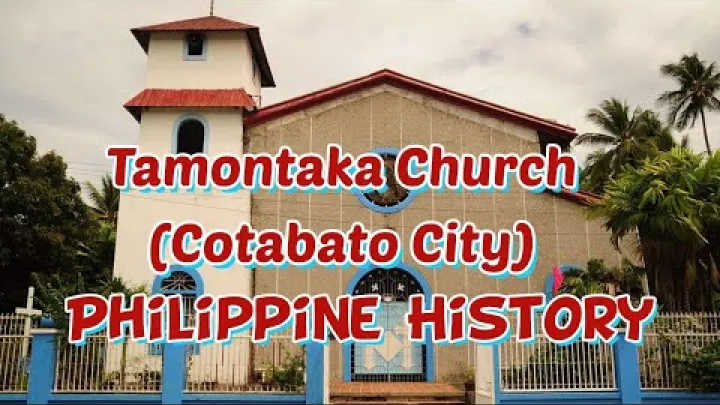
Because churches and heritage sites may be active religious or community spaces, visit with the same care you would use at a mosque or shrine. Avoid interrupting services, ask before taking photos of people, and do not assume that every part of a site is open to visitors. If you hear local stories about underground passages or restricted areas, treat them cautiously unless current staff or official guides confirm what can be visited.
Views, Nature, and Outdoor Stops in the City
Cotabato City’s outdoor stops are varied. Some are quick visual landmarks, while others need more planning because of heat, trail conditions, cave safety, or transport access.
Pedro Colina Hill
Pedro Colina Hill, also known as PC Hill, is a colorful viewpoint and photo stop. The Philippine News Agency reported on a revitalization plan to paint houses on the hill, supporting its identity as a bright hillside attraction; see the Philippine News Agency report for that context.

PC Hill is best treated as a short stop rather than a long activity. Its value is color, city identity, and quick access to a different visual angle on Cotabato City. Be careful not to treat residential areas as open tourist spaces. Stay in public areas, avoid photographing private homes too closely, and ask permission before taking photos of residents.
Timako Hill
Timako Hill is a more nature-oriented option than Pedro Colina Hill. It suits travelers who want views, fresh air, and a break from the city center. Unlike PC Hill, which is mainly a quick visual landmark, Timako Hill is better planned as an outdoor stop where access, trail conditions, and transport matter more.

Before you go, ask locally about the current route, whether a guide is recommended, and what condition the path or access road is in. Wear closed or supportive footwear, bring water, use sun protection, and avoid the hottest part of the day when possible. Do not plan around specific wildlife sightings unless a reliable local guide confirms what is realistic at the time of your visit.
Kutawato Caves
Kutawato Caves, also called Kutang Bato Cave, is a distinctive cave attraction within Cotabato City. Basic references such as Wikipedia identify it as a cave system situated within the city proper, which makes it unusual compared with cave sites that require long rural travel.

Even if a cave is inside the city, treat it with more caution than an ordinary sightseeing stop. Access, lighting, route conditions, and safety procedures can change. Do not enter restricted areas or attempt independent spelunking unless current visitor access and safety arrangements are clearly verified. Closed shoes, light clothing, and a small flashlight can be useful, but the most important step is to check current conditions with local tourism staff or a reliable local guide.
Kalanganan Bai Walk and Waterfront Views
Kalanganan Bai Walk is a low-effort waterfront stop for travelers who want a relaxed walk, open views, and slower downtime after museums, markets, or outdoor stops. It works especially well late in the day when you want a gentler activity instead of another structured visit.

Water views, weather, and atmosphere can vary by season and time of day. Compared with a river cruise, the bay walk is simpler because you can usually treat it as a flexible stop. A boat activity requires more coordination, while the waterfront is better for travelers who want an easy pause in the itinerary.
Food, Markets, and Shopping Experiences
Food and shopping make the city feel more immediate. They are also useful between sightseeing stops because they let you rest, cool down, and interact with daily local life.

Local Bangsamoro Food to Try
Food is one of the most accessible ways to experience Cotabato City. Look for Bangsamoro-style meals, seafood, grilled dishes, rice-based meals, and local sweets when available. If you are interested in halal or pork-free dining, ask restaurant staff directly about ingredients and preparation because not every dining place should be assumed to follow the same standard.

For a practical food plan, combine one local meal with a market or café break rather than trying to visit many restaurants in one day. Travelers with dietary restrictions should ask clear questions about meat, broth, cooking oil, and shared preparation areas. This is especially important for halal, vegetarian, allergy-sensitive, or pork-free requirements.
Barter Trade Center and Traditional Textiles
The Barter Trade Center is a useful stop for travelers interested in textiles, garments, modest clothing, and regional products. It offers a more distinctive cultural shopping experience than a standard mall because many visitors come looking for items such as malong, inaul-inspired textiles, clothing, accessories, and imported regional goods when available.
Product availability can change, so avoid arriving with a fixed shopping list. Ask prices clearly, compare quality politely, and bring small cash if you plan to buy. Gentle bargaining may be possible in some stalls, but keep the exchange respectful and do not pressure vendors. If you are buying textiles, check fabric quality, stitching, color, and size before paying.
Malls, Cafes, and Rainy-Day Breaks
Malls and cafés are not the main reason to visit Cotabato City, but they are useful for real trip planning. They give you access to meals, restrooms, basic supplies, air-conditioned breaks, and transport pickup points. They are also helpful when heat or rain makes outdoor stops less comfortable.
Use indoor breaks strategically between sightseeing areas. For example, you can plan a museum visit, have lunch or coffee indoors, then continue to a market or waterfront stop later in the day. Markets and cultural sites are more distinctive, but malls and cafés can make the itinerary smoother and more comfortable.
Easy Half-Day and Day Trips from Cotabato City
Not every interesting activity near Cotabato City is a city attraction. Keep the city itinerary separate from regional side trips so you do not underestimate transport time or overfill your schedule.
Rio Grande de Mindanao River Cruise
A Rio Grande de Mindanao river cruise can offer a different view of Cotabato City and its waterways. It is best for travelers who want an experience beyond standard sightseeing and who have enough flexibility to arrange details locally.
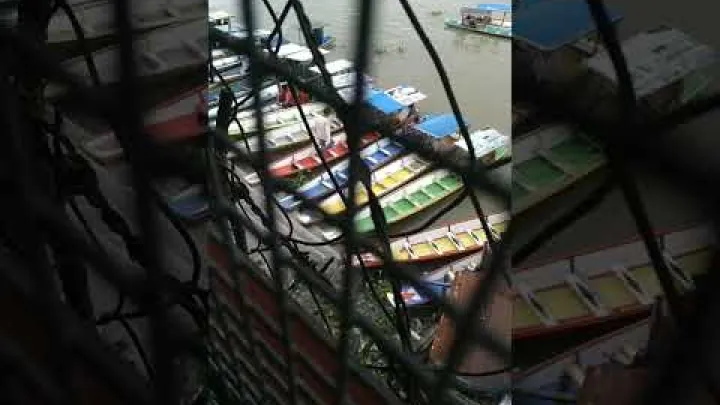
Do not assume fixed departures, fixed routes, or mass-tourism-style booking. Before committing, confirm the route, timing, price, weather conditions, safety equipment, and pickup point. A local tourism office, your accommodation, or a trusted local operator is usually a better starting point than arriving without coordination.
Lake Sebu as a Longer Side Trip
Lake Sebu is often mentioned by travelers exploring the wider region, but it is not inside Cotabato City. Treat it as a longer day trip or, more comfortably, an overnight side trip if you have extra time. It offers a more nature-focused regional experience and should not replace the main Cotabato City highlights unless your priority is scenery outside the city.

Before adding Lake Sebu, check current road conditions, transport options, and realistic travel time. If you have only one day in Cotabato City, stay focused on the mosque, museum, PC Hill, food, and waterfront. If you have a week, Lake Sebu can become a worthwhile regional extension.
Suggested Itineraries for One Day, Three Days, or One Week
These itinerary ideas are flexible planning models. Adjust them around weather, prayer times, museum hours, transport availability, and how much outdoor activity you want.

One-Day Itinerary for Must-Do Highlights
Start the morning with the Sultan Haji Hassanal Bolkiah Mosque, when the day may be cooler and exterior photos are easier. Continue to the Bangsamoro Museum if it is open, or choose another cultural stop if your visit falls outside museum hours. Have a local lunch, then make a short stop at Pedro Colina Hill for color and city views.
In the late afternoon or early evening, slow down at Kalanganan Bai Walk. If rain or heat interrupts the day, use a mall or café as an indoor backup before continuing. This one-day plan is intentionally simple because grouped, low-friction stops are better than crossing the city repeatedly.
Three-Day Itinerary for Culture, Nature, and Food
On day one, focus on orientation: the Grand Mosque, a local meal, Pedro Colina Hill, and a relaxed waterfront stop. On day two, give more time to culture and nature with the Bangsamoro Museum, Tamontaka Church if it fits your route, and either Timako Hill or Kutawato Caves after checking access and safety conditions.
On day three, plan a slower day with Barter Trade Center, cafés, local food, and an optional river activity if it has been arranged in advance. If you prefer culture over outdoor activity, swap the cave or hill stop for more museum time, heritage stops, or market exploration.
One-Week Plan With Regional Side Trips
One week is best for travelers who want to combine Cotabato City with nearby destinations without rushing. Spend the first two or three days on city landmarks, museums, markets, food, PC Hill, Kalanganan Bai Walk, and one outdoor stop. Keep at least one flexible day for weather, rest, or locally arranged activities such as a river experience.
Use the remaining days for regional extensions only after confirming transport. Lake Sebu can be considered as a nature-focused side trip outside the city, but it requires more planning than a city stop. A one-week plan should include rest time because heat, rain, and transport coordination can affect the pace of travel.
Practical Planning Tips Before You Go
A successful Cotabato City trip depends on timing, respectful behavior, and realistic transport planning. Many of the best experiences are simple, but they work better when you confirm details locally.
Best Time to Visit and Festival Season
For outdoor sightseeing, choose days with stable weather whenever possible. The generally drier part of the Philippine year is often easier for hills, caves, walking areas, and waterfront stops, but conditions can still change. Hot weather can also affect comfort, so start early, carry water, and keep an indoor backup plan.

Festival periods can add energy to a visit, and December is often associated with city celebration calendars, but dates and programs should be checked against the current official city schedule. During busy periods, confirm accommodation, transport, and access to key sites earlier than usual.
Getting Around and Booking Local Activities
Local transport may include jeepneys, tricycles, multicabs, taxis, or arranged vehicles depending on the route and your comfort needs. For short city hops, local public transport or ride arrangements may be enough. For grouped sightseeing, outdoor stops, caves, or river activities, arranged transport can save time and reduce confusion.
Avoid relying on exact fare information unless it is confirmed on the day. Ask your lodging staff, local tourism contacts, or trusted drivers about current routes, typical costs, and safe pickup points. Cave visits, boat trips, and some hill or nature stops may need advance coordination rather than spontaneous arrival.
Dress, Mosque Etiquette, and Responsible Travel
Modest dress is recommended for mosques, churches, government cultural spaces, and culturally sensitive areas. Cover shoulders and knees, avoid loud behavior, and follow any instructions from staff or community members. At religious sites, do not enter prayer areas or restricted spaces unless visitors are clearly allowed.

Responsible travel also matters in residential and market areas. Ask before photographing people, private homes, or active religious spaces. At Pedro Colina Hill, stay in public areas and remember that colorful houses are still homes. Choose trusted transport or guides, follow current local guidance, and leave places as you found them.
Conclusion: What to Prioritize in Cotabato City
If you have limited time, prioritize the Grand Mosque, Bangsamoro Museum, Pedro Colina Hill, a local food stop, and Kalanganan Bai Walk. With three days, add Timako Hill or Kutawato Caves, Barter Trade Center, and a possible river activity if it can be arranged safely. With one week, slow the pace and consider regional side trips such as Lake Sebu only after confirming transport and conditions. The best Cotabato City itinerary is respectful, flexible, and focused on the city’s strongest experiences: culture, faith, food, viewpoints, and everyday local life.
Select area
Create a post
Posting is free and no registration is required.