Malaysia Major Cities: Largest Cities, Roles and Travel
Malaysia’s major cities cannot be understood through one population ranking alone. Kuala Lumpur is the federal capital, but its daily urban life is closely connected to other cities in the Klang Valley; George Town and Johor Bahru also have influence far beyond their municipal boundaries. This guide explains the largest and most important cities in Malaysia through population, administration, economic roles, culture, and travel value. It also separates individual cities from wider metropolitan regions so that comparisons are more meaningful.
For a quick cities-in-Malaysia overview, start with Kuala Lumpur, George Town, Johor Bahru, Ipoh, Shah Alam, Petaling Jaya, Malacca City, Seremban, Kuantan, Alor Setar, Kuching, and Kota Kinabalu. They do not all lead the country in the same measure: some are larger residential centres, some are state capitals, and others are important because they connect a broad regional economy. The most useful city list therefore combines size with what each place does for Malaysia.
How to Compare Malaysia's Major Cities
A useful Malaysia cities list should do more than place names in numerical order. City boundaries, local-government structures, and the difference between a census count and a later estimate can change the apparent size of a place. Administrative importance, regional services, heritage, industry, and connectivity are also important reasons why a city matters.
City-Proper, Municipal, and Metropolitan Population
A city-proper population counts residents within a stated city or administrative boundary. This is usually the clearest starting point when comparing named cities, but it is not always a perfectly uniform measure. Some Malaysian city councils cover a broad urban territory, while other built-up areas are divided among several local authorities.

A municipal figure may refer to the area administered by a city council rather than a compact historic centre. A metropolitan area or conurbation is broader still: it combines neighbouring cities, suburbs, industrial areas, and commuting corridors that function as one urban system. The Klang Valley, for example, includes Kuala Lumpur and several separate Selangor cities; it is not another name for Kuala Lumpur city proper.
Read every population figure with its boundary and date. The most reliable comparisons use the same census year and the same type of statistical unit. Malaysia’s 2020 census is the strongest common reference point, and MyCensus provides the national census context. Where a city, district, and municipal boundary do not match, a precise ranking can be misleading. In practical terms, compare like with like before deciding which city is larger.
This distinction matters because “largest city” can answer several different questions. It may mean the most residents inside a formal city boundary, the largest continuous built-up area, or the biggest metropolitan economy. A city-proper comparison is best for a like-for-like population table; a metropolitan comparison is better for understanding commuting, jobs, housing, and infrastructure. Neither measure replaces the other, and a city can rank differently depending on which one is used.
What Makes a City Major in Malaysia
Population is one measure of scale, but major cities in Malaysia also serve different national and regional functions. Kuala Lumpur is the federal capital and a national centre for government, finance, higher education, professional services, and international connections. State capitals such as Shah Alam, Johor Bahru, Kuching, and Kota Kinabalu have important administrative roles even when their urban forms differ greatly.
Economic influence is another measure. George Town supports Penang’s manufacturing and service economy; Johor Bahru is tied to cross-border commerce and the wider Iskandar Malaysia corridor; and cities such as Ipoh and Kuantan serve large regional catchments. Cultural importance matters as well. George Town and Malacca City are internationally recognised historic urban environments, while Ipoh is strongly associated with Perak’s tin-mining history, food culture, and limestone setting.
For visitors, a major city is often one with a strong concentration of accommodation, food, museums, public institutions, transport links, and walkable districts. For students and professionals, it may be a place with universities, workplaces, hospitals, public services, and access to a wider region. These roles explain why a city can be significant without being first in a population table.
Using this wider framework also prevents smaller but influential state capitals from disappearing from the discussion. Kuching, for example, is important as Sarawak’s administrative and service hub, while Alor Setar serves Kedah and Kuantan serves Pahang. Their significance comes partly from the territory and communities they support, not only from the number of people living within the central urban boundary.
Population Snapshot: Malaysia's Largest City-Proper Centres
Searches for the largest cities in Malaysia often produce a mixture of city, district, municipal, and metropolitan figures. The compact comparison below uses 2020 city-level figures reported for selected centres, but it should be read as an orientation tool rather than a final national league table. Kuala Lumpur’s figure is supported by an official Federal Territory dashboard; the other entries require attention to their stated local boundary.
Compare City-Proper Populations on One Consistent Basis
The table uses 2020 figures because a shared census period is more useful than mixing years. It includes only cities for which a city-level figure is available in the research set. Petaling Jaya and Seremban are major urban centres, but they are not inserted here with a number simply to make the Malaysia cities list longer: a directly matching boundary should be established first.
| City | Population | Date and unit | Comparison note |
|---|---|---|---|
| Kuala Lumpur | 1,982,112 | 2020, Federal Territory | City-proper reference |
| Johor Bahru | 858,118 | 2020, reported city figure | Not the wider Iskandar region |
| George Town | 794,313 | 2020, reported city figure | Not the George Town Conurbation |
| Ipoh | 759,952 | 2020, reported city figure | City-level figure |
Kuala Lumpur’s 2020 population was 1,982,112 according to the location-specific OpenDOSM Kuala Lumpur dashboard. The table does not imply that all local-government arrangements are identical. It shows why the labels beside the numbers are as important as the numbers themselves.
The figures suggest a useful broad pattern: Kuala Lumpur is the largest single centre in this comparison, while Johor Bahru, George Town, and Ipoh are substantial regional cities with different economic and administrative roles. They should not be read as a complete top-10 ranking. For places such as Shah Alam, Petaling Jaya, Seremban, Kuching, or Kota Kinabalu, the appropriate number depends on whether the source reports a city council, a district, a wider urban area, or another unit.
Separate Metropolitan Areas and Conurbations
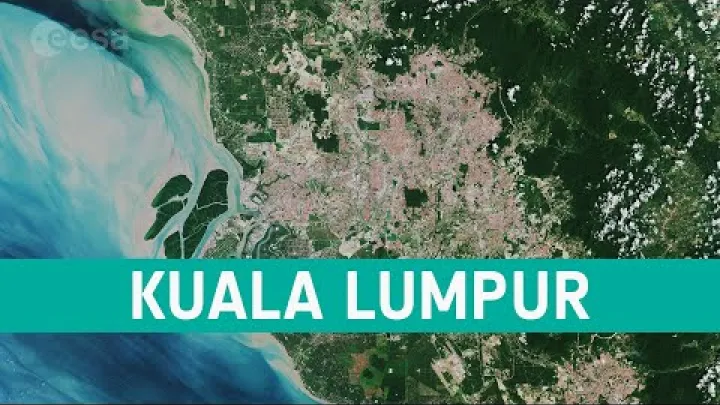
Malaysia’s biggest urban economies extend across municipal borders. The Klang Valley links Kuala Lumpur with Petaling Jaya, Shah Alam, Klang, Subang Jaya, Putrajaya, and many other urban areas in Selangor and the Federal Territories. A resident may live in one city, work in another, study in a third, and use Kuala Lumpur’s central business districts or transport network.
The George Town Conurbation similarly describes a wider Penang urban system rather than George Town alone. It includes interconnected development on Penang Island and links across the surrounding region, including mainland urban areas. In southern Johor, Iskandar Malaysia is an economic region that includes Johor Bahru and other municipalities, industrial parks, and growth areas.
These wider-region labels are valuable for understanding jobs, commuting, logistics, and housing markets. They should not replace city-proper figures in a ranking. National and state population trends can be explored through OpenDOSM, while any supplementary city dashboard should be checked for its date and geographical definition before it is used for a direct comparison.
For travel planning, the same distinction affects how far an attraction or airport may be from the named city centre. “Kuala Lumpur” can be used informally for a much wider destination area, just as Penang or Johor Bahru may refer to a region in everyday travel language. Check the specific municipality and neighbourhood when choosing accommodation, planning a meeting, or estimating how much of a day a cross-city journey may take.
Kuala Lumpur: Federal Capital and National Hub
Kuala Lumpur is Malaysia’s most prominent urban centre and the usual first reference point for international visitors, students, and businesses. Its importance comes from its role as the federal capital, its dense concentration of services, and its position at the centre of a much larger urban region.
Administrative Role and City-Proper Identity
Kuala Lumpur is Malaysia’s federal capital and one of the country’s Federal Territories. It is administered by Kuala Lumpur City Hall rather than by the government of Selangor, although Selangor surrounds much of the wider metropolitan area. Federal institutions, diplomatic activity, national business headquarters, major hospitals, universities, and cultural institutions are concentrated in or near the city.
The 1,982,112 population figure for 2020 refers to the Federal Territory of Kuala Lumpur. It does not include nearby Petaling Jaya, Shah Alam, Klang, or other cities that form part of the continuous built-up Klang Valley. This distinction helps explain why descriptions of “Greater Kuala Lumpur” can sound much larger than the city-proper census figure.
Kuala Lumpur’s urban character combines high-rise business districts, dense residential neighbourhoods, older commercial streets, government precincts, and major retail areas. It is both a place where people live and a national service centre used daily by people from across the wider region.
Economic, Cultural, and Travel Significance
The city is a leading centre for finance, professional services, technology, media, education, conventions, retail, and hospitality. It is also a practical base for travellers who want a broad introduction to urban Malaysia. International gateways, intercity transport, museums, markets, shopping districts, and a large range of accommodation make it the strongest all-purpose choice for a first urban visit.

Prominent city anchors include the Petronas Twin Towers, Merdeka Square, Bukit Bintang, Chinatown, Little India in Brickfields, and major museums and galleries. These places show Kuala Lumpur’s different layers: colonial-era civic spaces, commercial districts, multicultural neighbourhoods, and modern high-rise development. Public-transport-connected districts can make a short stay easier to organise, although the metropolitan area remains large and complex.
The advantages of Kuala Lumpur are variety and access. The trade-offs are density, road congestion, a fast pace, and housing pressure typical of a large metropolitan centre. Visitors should distinguish attractions within Kuala Lumpur from destinations marketed under the broader metropolitan name, especially when planning daily travel.
George Town: Northern Commercial and Heritage Hub
George Town is the capital of Penang and one of Malaysia’s most distinctive cities. It combines a historic port-city identity with a modern regional economy, making it important to residents, businesses, and visitors alike.
City-Proper Population and Penang's Urban System
George Town’s reported 2020 city figure of 794,313 should be separated from the much larger George Town Conurbation. The city is not the same thing as all of Penang Island, nor is it the same as the connected urban system that reaches beyond the historic core and includes mainland communities. This boundary distinction is essential when comparing George Town with Kuala Lumpur or Johor Bahru.
As Penang’s state capital, George Town has government functions and serves as a commercial, educational, healthcare, and professional-services centre for northern Malaysia. The wider Penang economy also has strong manufacturing, electronics, logistics, port-related, and business-service activity. These functions give the city influence that is larger than a simple count of residents in its core boundary.
For a newcomer, it is useful to think in layers: George Town’s historic and central urban districts form one layer, the broader island development forms another, and the George Town Conurbation is the wider daily economic system. Each layer answers a different question about where people live, work, or visit.
Heritage, Food, Manufacturing, and Visitor Appeal
George Town is widely known for its UNESCO-recognised historic core, where shophouses, religious buildings, markets, and streets reflect Malay, Chinese, Indian, Eurasian, and colonial influences. Its value is not limited to preserved buildings. The historic centre remains a living urban area with residents, businesses, worship spaces, schools, and everyday food culture.

The city has a strong reputation for hawker food and local culinary traditions, alongside cafés, small businesses, creative activity, and established commercial areas. At the same time, it sits within a state economy known for high-value manufacturing and services. This mix makes George Town a strong fit for travellers interested in heritage and food, as well as professionals who need access to Penang’s wider economy.
Conservation brings practical tensions. Popular streets can be busy, and rising visitor demand can affect housing, small businesses, and the character of old neighbourhoods. A thoughtful visit gives time to the historic core while recognising that George Town is a functioning commercial and residential city, not only a heritage display.
Johor Bahru: Southern Gateway and Growth Corridor
Johor Bahru is the capital of Johor and a major city at the southern end of Peninsular Malaysia. Its location across the Johor Strait from Singapore makes cross-border links central to its identity and economy.
Border City, State Capital, and Transport Gateway
Johor Bahru is both a state administrative centre and a major service city for southern Johor. Its reported 2020 city figure of 858,118 does not represent the entire Johor Bahru urban region. The wider built-up area includes separate local authorities and development zones, so city proper and regional population should not be treated as interchangeable.
The Johor–Singapore Causeway makes the city an important gateway for trade, tourism, family travel, and cross-border commuting. Johor Bahru also has connections to regional road networks, port activity, and nearby air services. Shopping, dining, healthcare, education, and business services support both local residents and people moving through the southern corridor.
Border movement is a defining feature, but it is not a fixed travel condition. Before depending on a crossing for a flight, meeting, or same-day itinerary, confirm current border procedures, transport routes, operating hours, and venue access through official providers. This is especially important during public holidays, peak commuting periods, and major events.
Iskandar Malaysia, Business, and Leisure
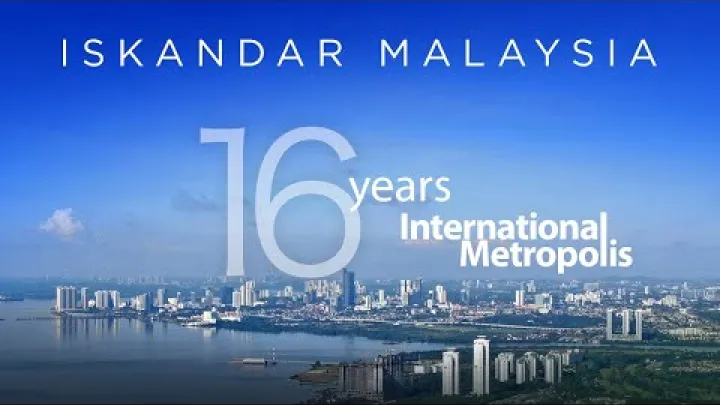
Johor Bahru’s wider importance is closely connected to Iskandar Malaysia, a regional economic corridor in Johor. The corridor supports industrial development, logistics, investment, education, healthcare, tourism, and business services across several locations rather than within Johor Bahru city alone. MIDA describes Iskandar Malaysia as a rapidly developing economic region with key industrial parks.
This wider setting helps explain why Johor Bahru is major for more than population. It offers a practical base for food, shopping, family-oriented leisure, business trips, and access to southern Malaysia. Regional destinations should still be described as part of the corridor or wider Johor, rather than being presented as attractions within Johor Bahru city proper.
For business and relocation decisions, Johor Bahru can suit people whose work is connected to manufacturing, logistics, services, or Singapore-linked commerce. The experience of living or working there, however, depends heavily on the exact neighbourhood, workplace, and cross-border needs.
Shah Alam and Petaling Jaya: Major Klang Valley Cities
Shah Alam and Petaling Jaya demonstrate why the Klang Valley should not be described as a single city. Both are independent urban centres in Selangor, with separate local identities and important roles within a continuous metropolitan landscape.
Shah Alam: Planned State Capital
Shah Alam is the capital of Selangor and a planned city in the Klang Valley. It has major state-government functions as well as industrial, educational, residential, and commercial areas. Its broad roads, institutional zones, and planned development give it a different feel from the dense central districts of Kuala Lumpur.
The Sultan Salahuddin Abdul Aziz Shah Mosque is one of Shah Alam’s most recognisable landmarks and reflects the city’s state-capital and religious significance. Universities, government offices, industrial activity, and established residential communities also make Shah Alam a meaningful destination for work and study, not simply an outer suburb.
Shah Alam’s role is particularly useful for understanding Selangor as more than a commuter fringe. State administration, public institutions, education, manufacturing, and local commerce create a city with its own daily rhythms and employment base. Its proximity to Kuala Lumpur adds metropolitan access, but does not erase its identity as Selangor’s capital.
Population comparisons require care because a figure may describe the city, local authority, district, or a different administrative geography. Shah Alam should be treated as a distinct city, while its close functional links with Kuala Lumpur and other Klang Valley centres are acknowledged separately.
Petaling Jaya: Satellite Town Turned Major City
Petaling Jaya began as a planned satellite town serving the growing Kuala Lumpur area and developed into a major city with its own local authority and urban economy. Today it has substantial corporate, commercial, residential, education, healthcare, food, and community functions.
Its location makes it part of daily movement across the Klang Valley, yet Petaling Jaya is not administratively part of Kuala Lumpur. The built-up landscape may appear continuous across city boundaries, but local councils, planning decisions, addresses, and community identities remain distinct.
Petaling Jaya also illustrates how a city can mature from a planned residential extension into a multi-purpose urban centre. Offices, shopping and dining districts, hospitals, schools, and established neighbourhoods mean that many daily needs can be met locally, even though the city remains closely connected to Kuala Lumpur. For residents and professionals, it can offer access to Klang Valley employment and services without requiring a city-centre location.
For visitors, it is often most useful as a practical urban base or a place to meet contacts, study, seek medical services, or explore local dining and commercial districts. Any population figure should identify the exact census or council boundary used.
Regional Capitals and Distinctive City Experiences
Malaysia’s urban system is not limited to the west-coast metropolitan belt. Regional capitals and East Malaysian cities provide government services, commercial links, cultural depth, and access to different landscapes and industries.
Ipoh and Malacca City: Heritage, Food, and State-Capital Roles
Ipoh is the capital of Perak and a city shaped by the history of tin mining. Its reported 2020 city population of 759,952 places it among Malaysia’s substantial urban centres, but its appeal is also cultural. Historic streets, local coffee shops, food traditions, and limestone hills give Ipoh a clear identity that differs from the high-rise intensity of Kuala Lumpur.
Ipoh is often a strong choice for travellers who want heritage and food in a more relaxed urban setting. Cave temples and limestone landscapes are part of its immediate regional context, but they should be understood as nearby experiences rather than separate cities. The city itself remains Perak’s principal administrative and service centre.
Malacca City is the capital of Malacca and one of Malaysia’s best-known historic cities. Its UNESCO-listed heritage environment reflects its long connection with trade on the Strait of Malacca and layers of Malay, Chinese, European, and regional history. The historic core is a major visitor draw, but Malacca City also has ordinary residential, commercial, educational, and administrative functions beyond the heritage streets.
Both Ipoh and Malacca City show why travel importance does not follow population alone. They are especially valuable for readers seeking urban history, local food, and a city experience with a clearer regional pace than the largest metropolitan centres. Ipoh is more closely associated with Perak’s inland limestone setting, while Malacca City’s identity is shaped by maritime trade and a concentrated historic core.
Seremban, Kuantan, and Alor Setar: Regional Administrative Centres
Seremban is the capital of Negeri Sembilan and a central Peninsular Malaysia service city. Manufacturing, government functions, commerce, and its relative proximity to the Klang Valley shape its role. It can be relevant to people seeking regional access while remaining connected to the wider west-coast economy.
Kuantan is the capital of Pahang and an important administrative and commercial centre on the east coast of Peninsular Malaysia. It supports regional services and provides access to coastal travel and wider Pahang development. Its urban role is shaped by east-coast geography rather than by the dense, interconnected urban pattern of the Klang Valley.
Alor Setar is the capital of Kedah and a northern regional centre with state-government and commercial functions. It is useful to discuss Alor Setar through these roles rather than force it into a national city ranking based on non-matching population units. Readers planning a visit or move should confirm the particular local institution, neighbourhood, or attraction they need, since city, district, and regional references can overlap.
Together, these three cities show the value of a regional-centre category. Seremban connects Negeri Sembilan with the west-coast growth belt, Kuantan anchors services on the east coast, and Alor Setar provides an administrative focus in northern Kedah. They are sensible choices for readers whose plans are tied to a state, corridor, campus, workplace, or local community rather than to a national population ranking.
Kuching and East Malaysian Urban Hubs
Kuching, the capital of Sarawak, is one of East Malaysia’s most important urban centres. It combines state administration, commerce, education, food culture, riverfront public life, and services for residents across a large and geographically diverse state. The Kuching waterfront and the Sarawak River are prominent local anchors, while the city also works as a base for wider Borneo exploration.
East Malaysian cities should not be measured only against the west-coast conurbations of Peninsular Malaysia. Distances are greater, surrounding settlement patterns differ, and cities often serve extensive inland, coastal, and rural regions. Kuching’s importance therefore includes its role as Sarawak’s governmental and regional-service hub, not only its resident count.
Kota Kinabalu is Sabah’s capital and a major regional hub for administration, commerce, tourism, and access to the state’s coastal and inland areas. Sandakan is another significant Sabah urban centre, with port, commercial, and regional-service functions. City-level population claims for East Malaysian locations should use a confirmed city boundary rather than a division, district, or state total.
For travellers, Kuching and Kota Kinabalu offer different gateways into Borneo. Kuching is closely associated with Sarawak’s riverfront capital and cultural institutions, while Kota Kinabalu is a Sabah base for coastal, island, and inland travel. Sandakan is best understood through its eastern Sabah regional role. The distances and transport patterns across Borneo make the exact arrival point and onward destination especially important when choosing among these cities.
Choose a Malaysian City by Your Main Goal
The best city depends on what you want to do. A short holiday, a university decision, a business assignment, and a longer relocation all place different value on scale, heritage, local services, industry, and regional access.
Best Fits for Heritage, Food, and Urban Travel
Kuala Lumpur is a strong fit for travellers who want a broad modern-city experience with major landmarks, museums, diverse neighbourhoods, shopping, and national-level cultural institutions. It is the most practical choice when a trip needs many types of urban activity in one place.
George Town is a strong fit for heritage streetscapes, food culture, and a compact historic-city atmosphere within a larger Penang economy. Malacca City suits visitors focused on historical tourism and the Strait of Malacca’s trading legacy. Ipoh is appealing for food, heritage buildings, and a slower-paced city stay framed by Perak’s limestone landscape.
Kuching is a strong choice for readers interested in Sarawak culture, riverfront urban life, and a city base for wider Borneo exploration. These are preference-based fits rather than universal rankings. Choose a large metropolitan environment when you want variety and dense services; choose a historic or regional city when local character and a more focused experience matter more.
Trip length can also guide the choice. Kuala Lumpur supports a varied first visit, while George Town and Malacca City reward time spent exploring historic districts on foot. Ipoh suits a shorter heritage-and-food break, and Kuching is more appropriate when the city is part of a broader Sarawak itinerary. These descriptions indicate the type of experience each city supports, not a guarantee that one destination will suit every traveller.
Best Fits for Business, Study, and Regional Access
Kuala Lumpur and the wider Klang Valley provide the broadest concentration of national government, professional services, higher education, corporate activity, healthcare, and transport connections. Within that same urban system, Petaling Jaya and Shah Alam may suit people whose priorities include a particular employer, university, institution, industrial area, or residential setting.
George Town offers a major alternative for manufacturing, technology-linked activity, commerce, and northern regional access. Johor Bahru is especially relevant to southern Malaysian business, logistics, industrial development, and Singapore-linked economic activity. Kuching, Kota Kinabalu, and other state capitals can be the better choice when work, study, or public services are tied to a specific region rather than the national capital area.
For a practical decision, start with the exact campus, employer, institution, or neighbourhood rather than a general city label. Confirm current course information, employment terms, housing options, local transport, routes, and any border requirements that apply to your own plans. A city’s broad reputation is useful, but daily experience is determined by the locations you will actually use.
Conclusion: Malaysia's Major Cities at a Glance
Malaysia’s major cities form a diverse urban network rather than a single hierarchy based only on size. Kuala Lumpur is the federal capital and national hub; George Town and Johor Bahru combine city identities with much larger regional systems; Shah Alam and Petaling Jaya are independent Klang Valley cities; and regional capitals from Ipoh to Kuching provide distinct administrative, economic, and cultural roles.
When comparing the biggest cities in Malaysia, keep city-proper, municipal, and metropolitan figures separate. Then use each city’s role to make a better choice: Kuala Lumpur for broad metropolitan opportunities, George Town and Malacca City for heritage, Johor Bahru for southern connectivity, and regional capitals for access to the communities and landscapes they serve.
Select area
Create a post
Posting is free and no registration is required.